
Click on image to view the full photo gallery
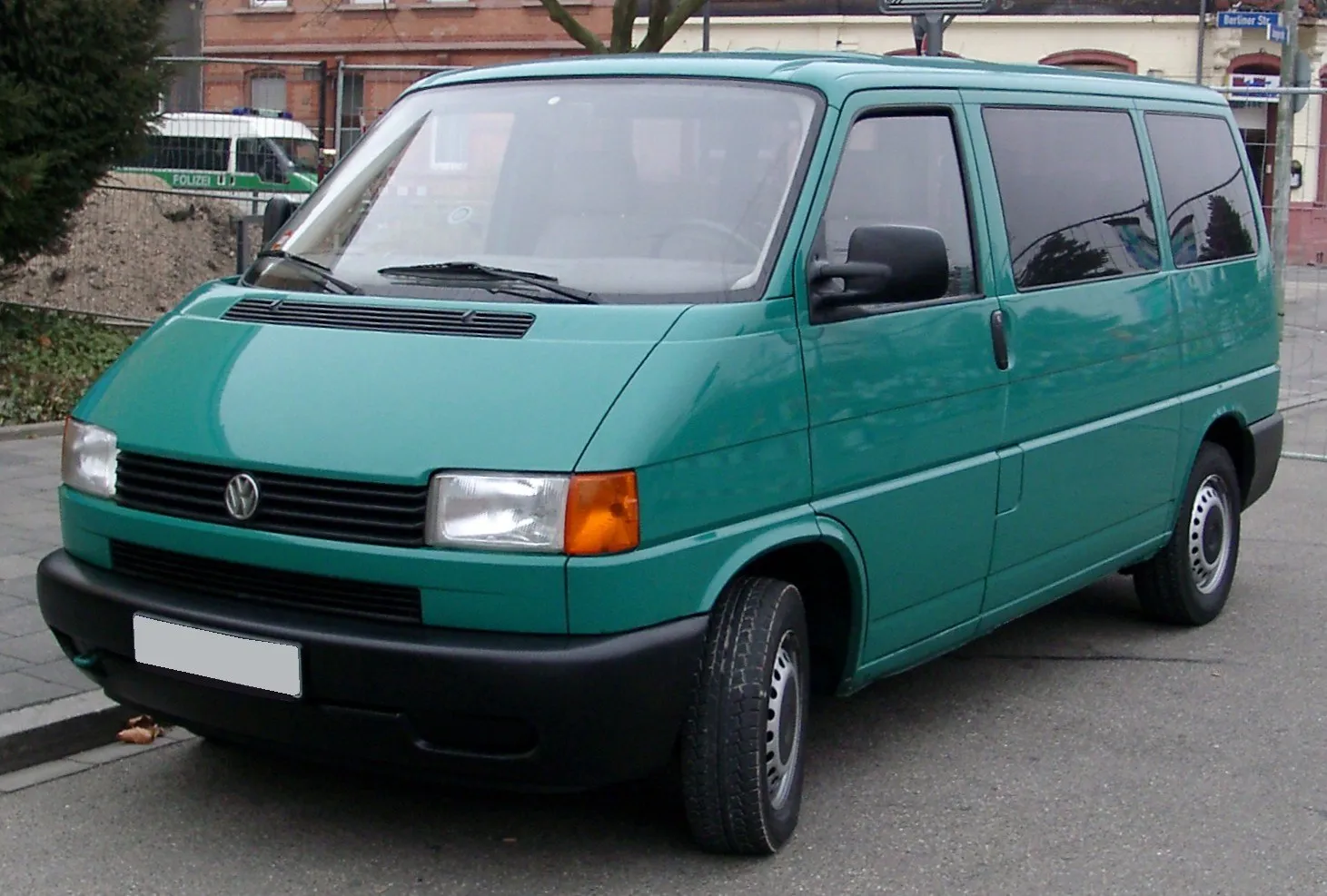
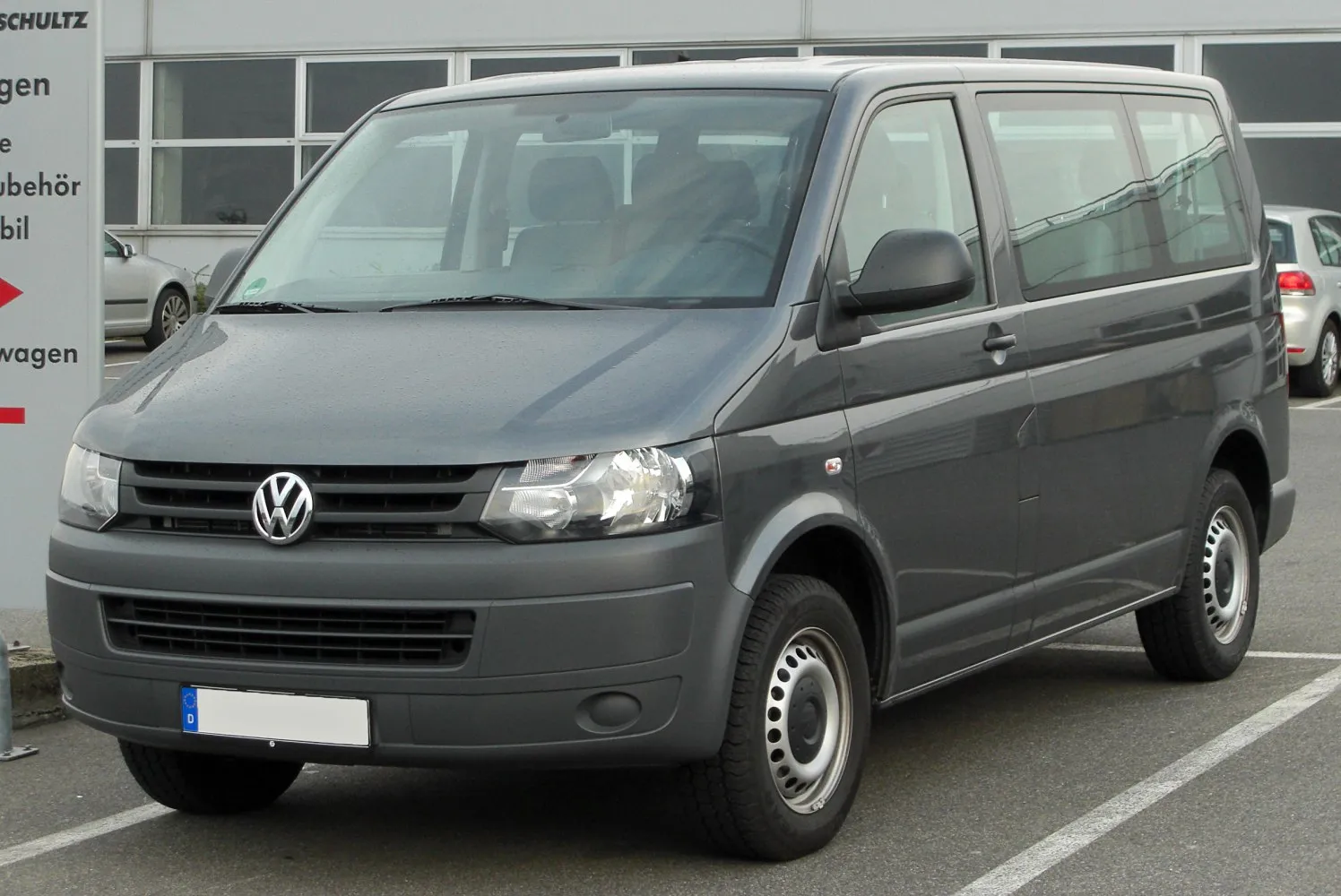
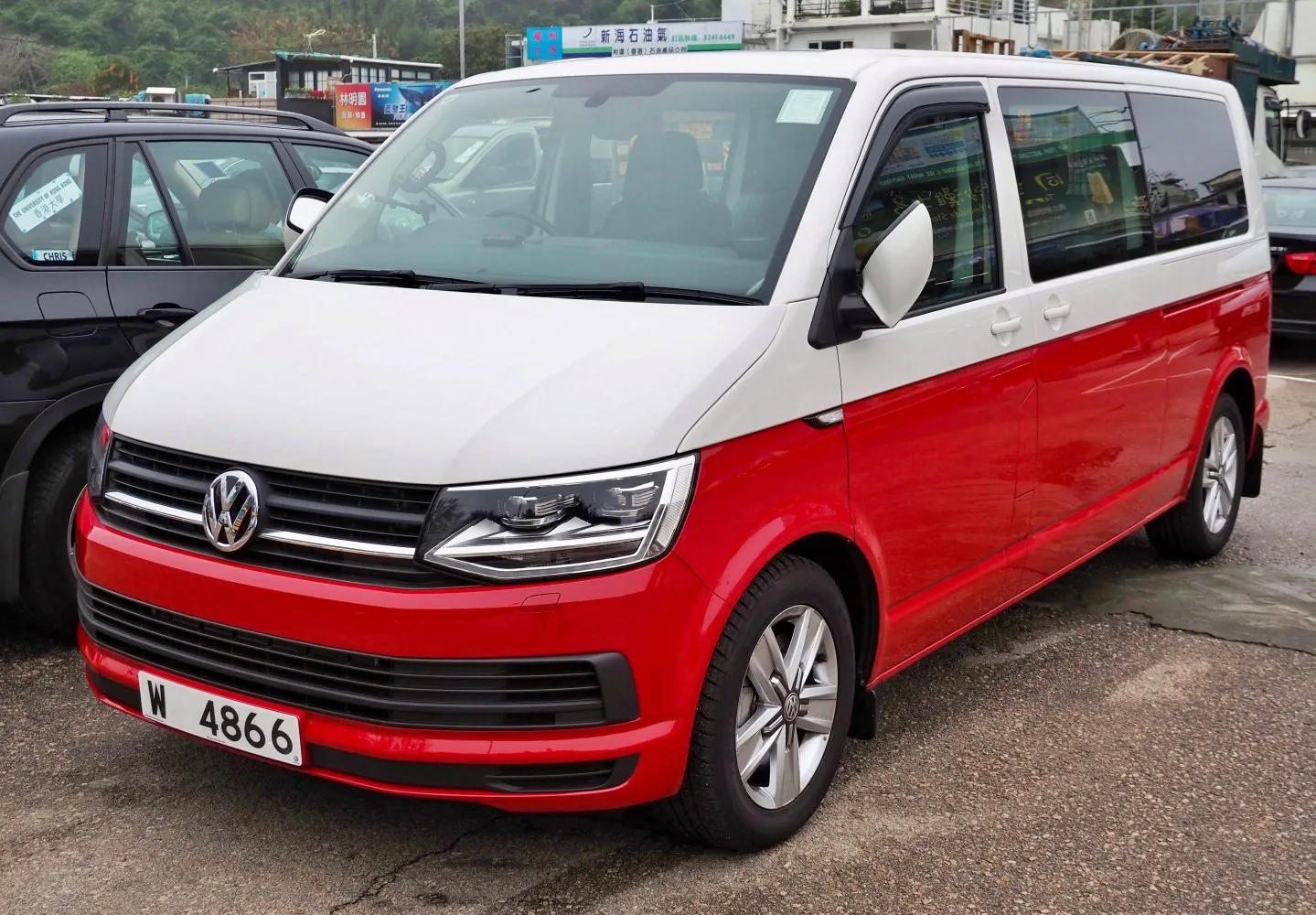
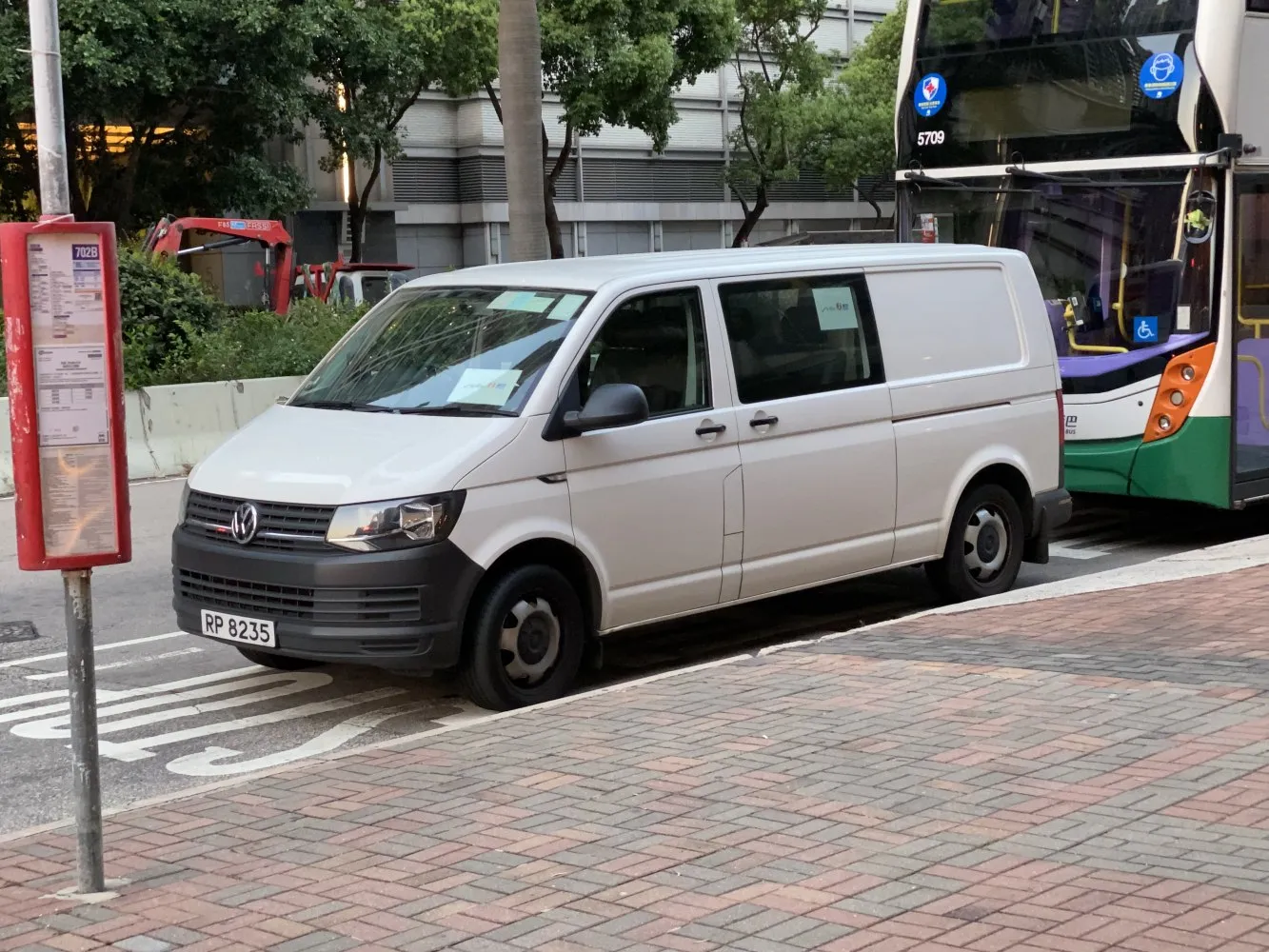
Volkswagen Transporter (T6.1, facelift 2019) Kombi 2.0 TDI (204 Hp) 4MOTION DSG L2H1
Overall Rating
Volkswagen Transporter:
The Volkswagen Transporter, based on the Volkswagen Group's T platform, now in its seventh generation, refers to a series of vans produced for over 70 years and marketed worldwide.
The T series is now considered an official Volkswagen Group automotive platform. and generations are sequentially named T1, T2, T3, T4, T5, T6 and T7. Pre-dating the T platform designations, the first three generations were named Type 2, indicating their relative position to the Type 1, or Beetle. As part of the T platform, the first three generations are retroactively named T1, T2 and T3....(Read more on Wikipedia)
(T6.1, facelift 2019) Kombi Overview:
Volkswagen Transporter ((T6.1, facelift 2019) Kombi). With 450 Nm of torque, it offers ample pulling power. It has moderate fuel consumption (~8.2 l/100km). At around 2139 kg, it’s on the heavier side. All‑wheel drive provides excellent grip, ideal for off‑road use. Acceleration is relatively slow (0–100 km/h in 9.6 s). The top speed reaches 199 km/h. A large vehicle designed for transporting goods or groups of people. Seating for 4 makes it ideal for daily use.
2.0 TDI (204 Hp) 4MOTION DSG L2H1 Verdict:

Performance Verdict
Excellent performance with strong acceleration and power, combined with the traction of 4MOTION and smooth DSG, making it highly capable.
Fuel Economy
Good fuel economy for an AWD, high-power automatic, balancing performance with reasonable running costs.
Pros and Cons:
Pros:
- • Wide range of efficient and powerful TDI engines
- • Excellent build quality and robust construction
- • Versatile interior configurations for passengers and cargo
- • Advanced driver assistance systems and infotainment (post-facelift)
- • Optional 4MOTION all-wheel drive enhances capability
Cons:
- • Can be expensive, especially higher trims and options
- • Ride comfort can be firm, typical for a commercial vehicle base
- • DSG transmission, while smooth, can have long-term maintenance considerations
- • Entry-level engines may feel underpowered when fully loaded
- • Fuel economy can suffer significantly with 4MOTION and larger body types
Specifications:
Specifications are compared to those of the previous generation((T6.1, facelift 2019) Kombi: 2020 - 2022).
| General: | |
|---|---|
| Brand: | Volkswagen |
| Model: | Transporter |
| Generation: | (T6.1, facelift 2019) Kombi |
| Modification (Engine): | 2.0 TDI (204 Hp) 4MOTION DSG L2H1 |
| Start of production: | 2021 |
| End of production: | 2022 |
| Powertrain Architecture: | Internal Combustion engine |
| Body type: | Van |
| Seats: | 4-9 |
| Doors: | 4-5 |
| Engine: | |
|---|---|
| Engine systems: | Start & Stop System |
| Power: | 204 Hp @ 4000 rpm. Same horsepower |
| Power per litre: | 103.7 Hp/l [Same length.] |
| Torque: | 450 Nm @ 1400-2250 rpm. |
| Engine Model/Code: | EA288MAR / DMZA More details about the engine EA288MAR / DMZA |
| Engine displacement: | 1968 |
| Number of cylinders: | 4 |
| Engine configuration: | Inline |
| Number of valves per cylinder: | 4 |
| Fuel injection system: | Diesel Commonrail |
| Engine aspiration: | BiTurbo, Intercooler |
| Valvetrain: | DOHC |
| Engine oil capacity: | 7.4 l |
| Engine layout: | Front, Transverse |
| Cylinder Bore: | 81 mm |
| Piston Stroke: | 95.5 mm |
| Compression ratio: | 15.5:1 |
| Performance: | |
|---|---|
| Fuel Type: | Diesel |
| Fuel consumption (economy) - urban: | 7.9-8.5 l/100 km |
| Fuel consumption (economy) - extra urban: | 6.3-7.2 l/100 km |
| Fuel consumption (economy) - urban (NEDC, WLTP equivalent): | 7.9-8.5 l/100 km |
| Fuel consumption (economy) - extra urban (NEDC, WLTP equivalent): | 6.3-7.2 l/100 km |
| Fuel consumption (economy) - combined (NEDC, WLTP equivalent): | 6.9-7.7 l/100 km |
| Fuel consumption (economy) - combined: | 6.9-7.7 l/100 km |
| Emission standard: | Euro 6d-ISC-FCM |
| Acceleration 0 - 100 km/h: | 9.6 sec |
| Acceleration 0 - 62 mph: | 9.6 sec |
| Maximum speed: | 199 km/h |
| Weight-to-power ratio: | 9.8 kg/Hp, 101.7 Hp/tonne |
| Weight-to-torque ratio: | 4.5 kg/Nm, 224.4 Nm/tonne |
| Acceleration 0 - 60 mph: | 9.1 sec |
| Space: | |
|---|---|
| Kerb Weight: | 2005-2274 |
| Max. weight: | 3000-3200 |
| Max. roof load: | 100 kg |
| Max load: | 926-995 |
| Trunk (boot) space - maximum: | 6700 l |
| Permitted trailer load with brakes (12%): | 2500 kg |
| Fuel tank capacity: | 70 l |
| AdBlue tank: | 22 l |
| Permitted trailer load without brakes: | 750 kg |
| Permitted towbar download: | 100 kg |
| Size: | |
|---|---|
| Ramp-over (brakeover) angle: | 12.2° |
| Length: | 5304 mm [Same length.] |
| Width: | 1904 mm [Same width.] |
| Height: | 1990 mm [487mm less] |
| Wheelbase: | 3400 mm [Same wheelbase.] |
| Width including mirrors: | 2297 mm |
| Front overhang: | 906 mm |
| Rear overhang: | 998 mm |
| Ride height (ground clearance): | 202 mm |
| Minimum turning circle (turning diameter): | 13.2 m [above average] |
| Approach angle: | 21.2° |
| Departure angle: | 16.2° |
| Powertrain: | |
|---|---|
| Drivetrain Architecture | The Internal combustion engine (ICE) drives the front wheels permanently, and the rear wheels are driven through an electrically or mechanically operated clutch if necessary. |
| Drive wheel | All wheel drive (4x4) |
| Number of gears | 7 |
| Transmission type | Automatic |
| Gearbox type | DSG |
| Front brakes | Ventilated discs, 340x32.5 mm [Best for performance and cooling.] |
| Rear brakes | Ventilated discs, 294x22 mm [Best for performance and cooling.] |
| Assisting systems | ABS (Anti-lock braking system) |
| Steering type | Steering rack and pinion |
| Power steering | Electric Steering |
| Tires size | 215/60 R17; 235/55 R17; 255/45 R18 |
| Wheel rims size | 7J x 17; 8J x 18 |
| Front suspension | Independent, type McPherson with coil spring and anti-roll bar |
| Rear suspension | Independent coil spring, Wishbone, Transverse stabilizer |








Better than its competitors? Tell us why the Volkswagen Transporter stands out.