
Click on image to view the full photo gallery
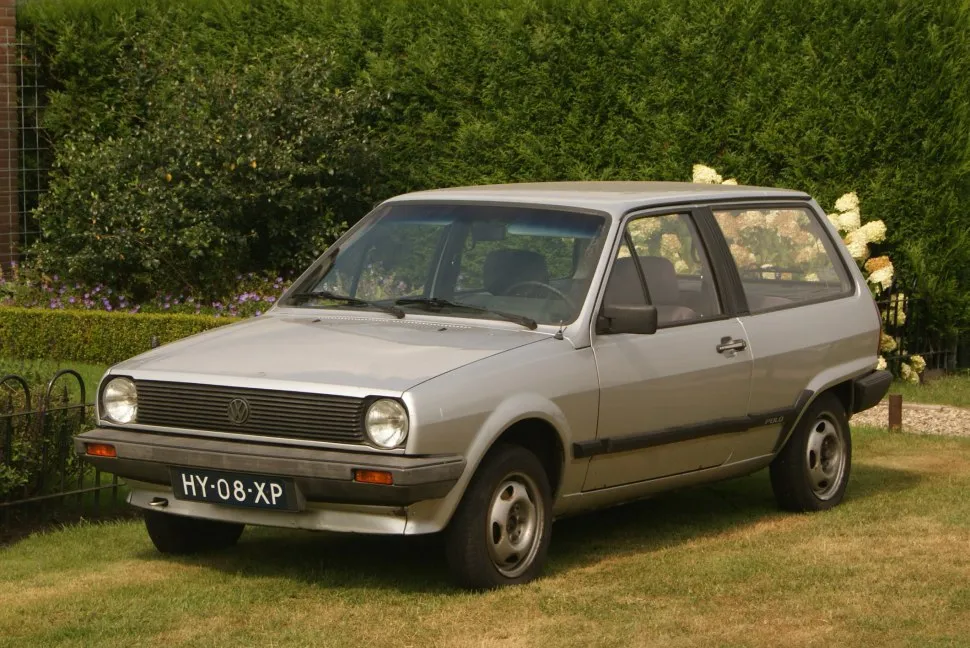
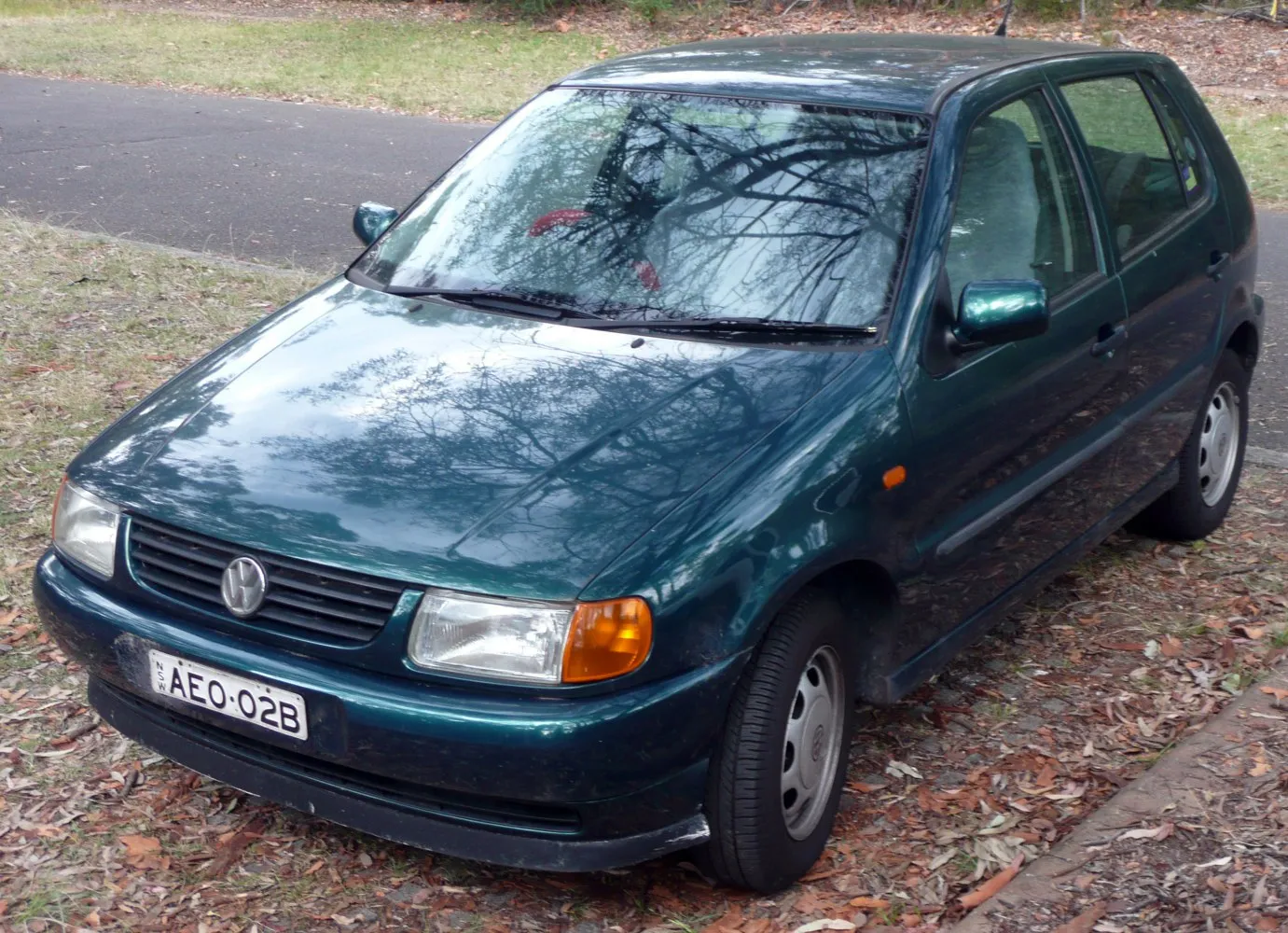
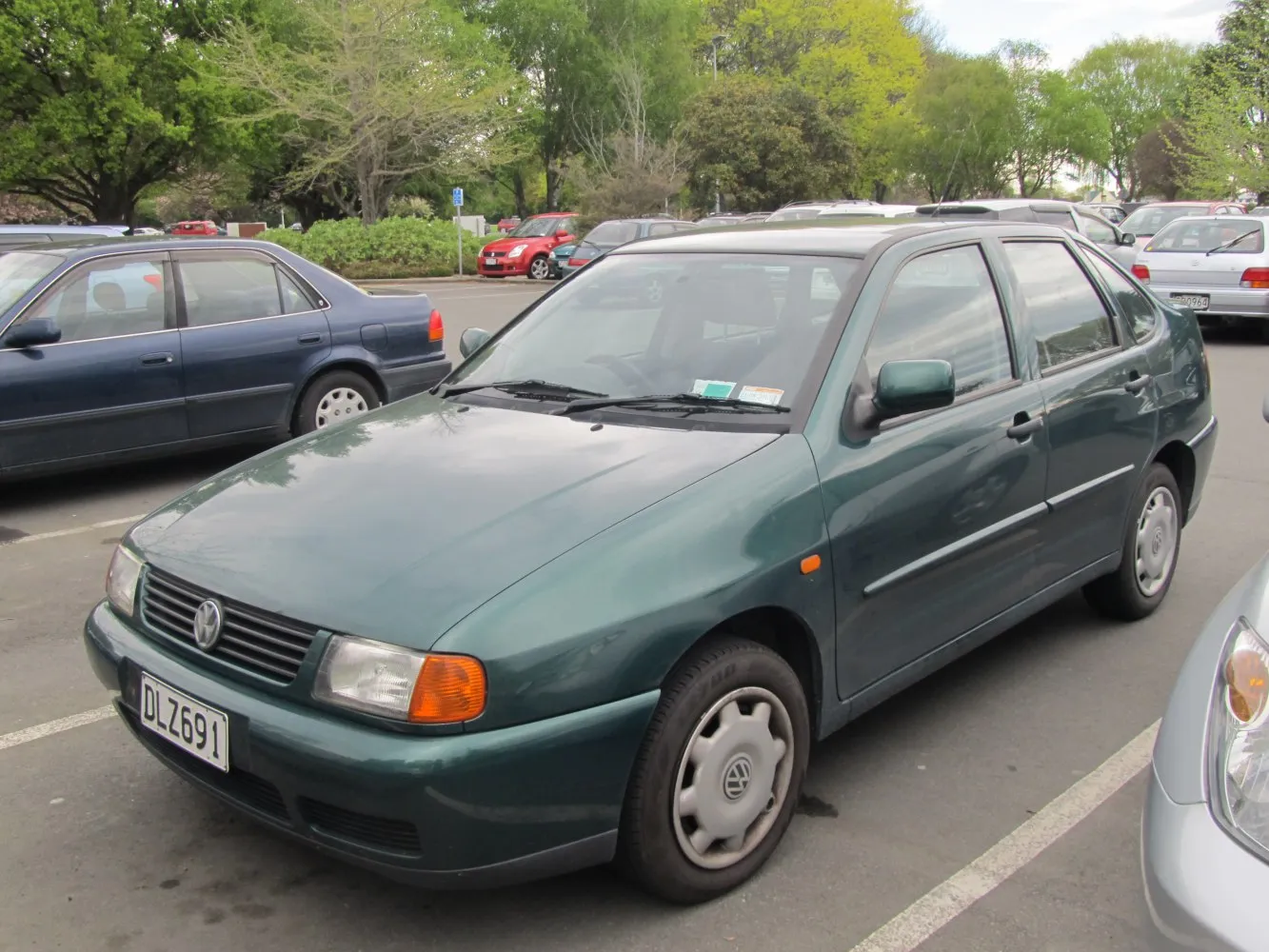
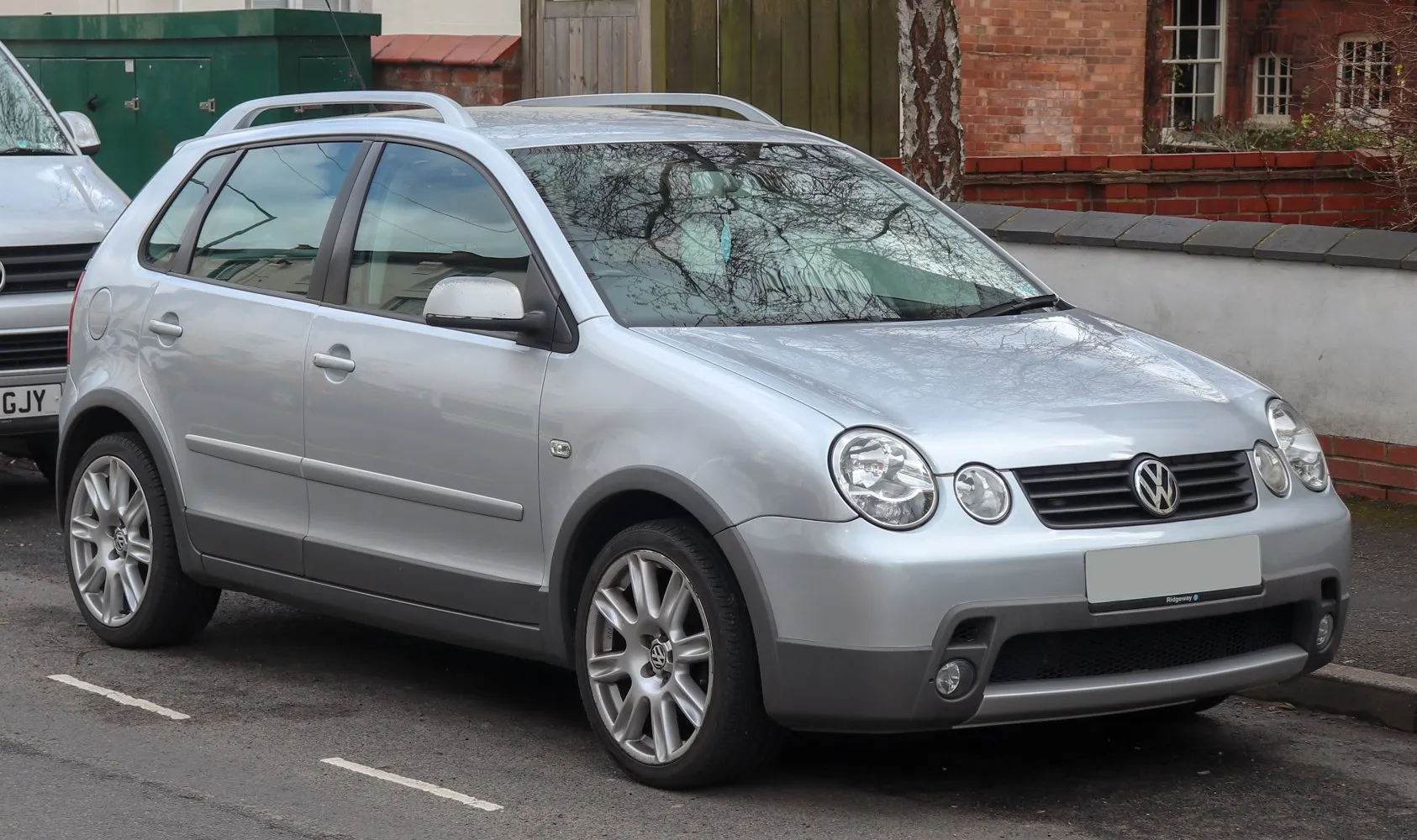
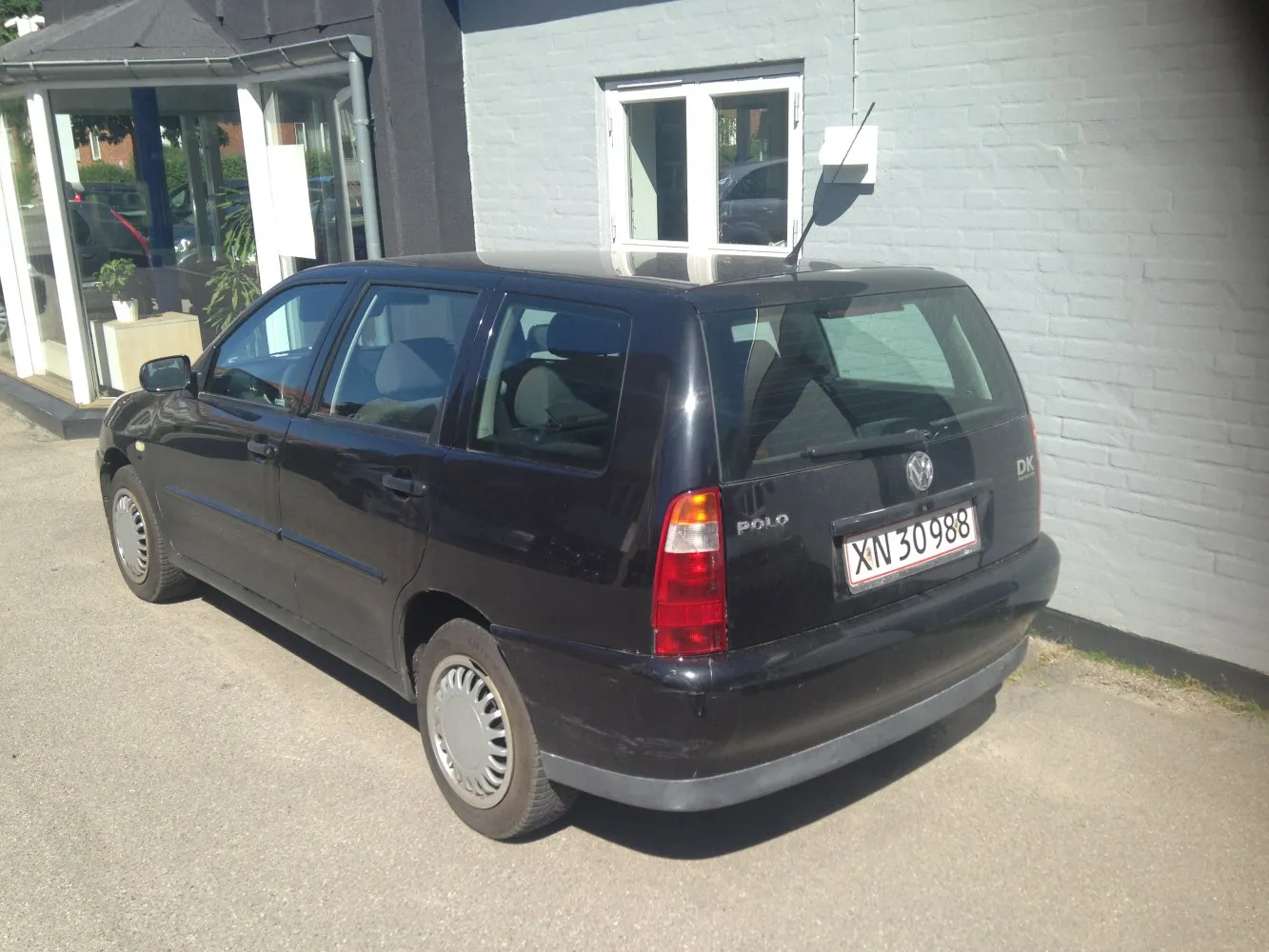
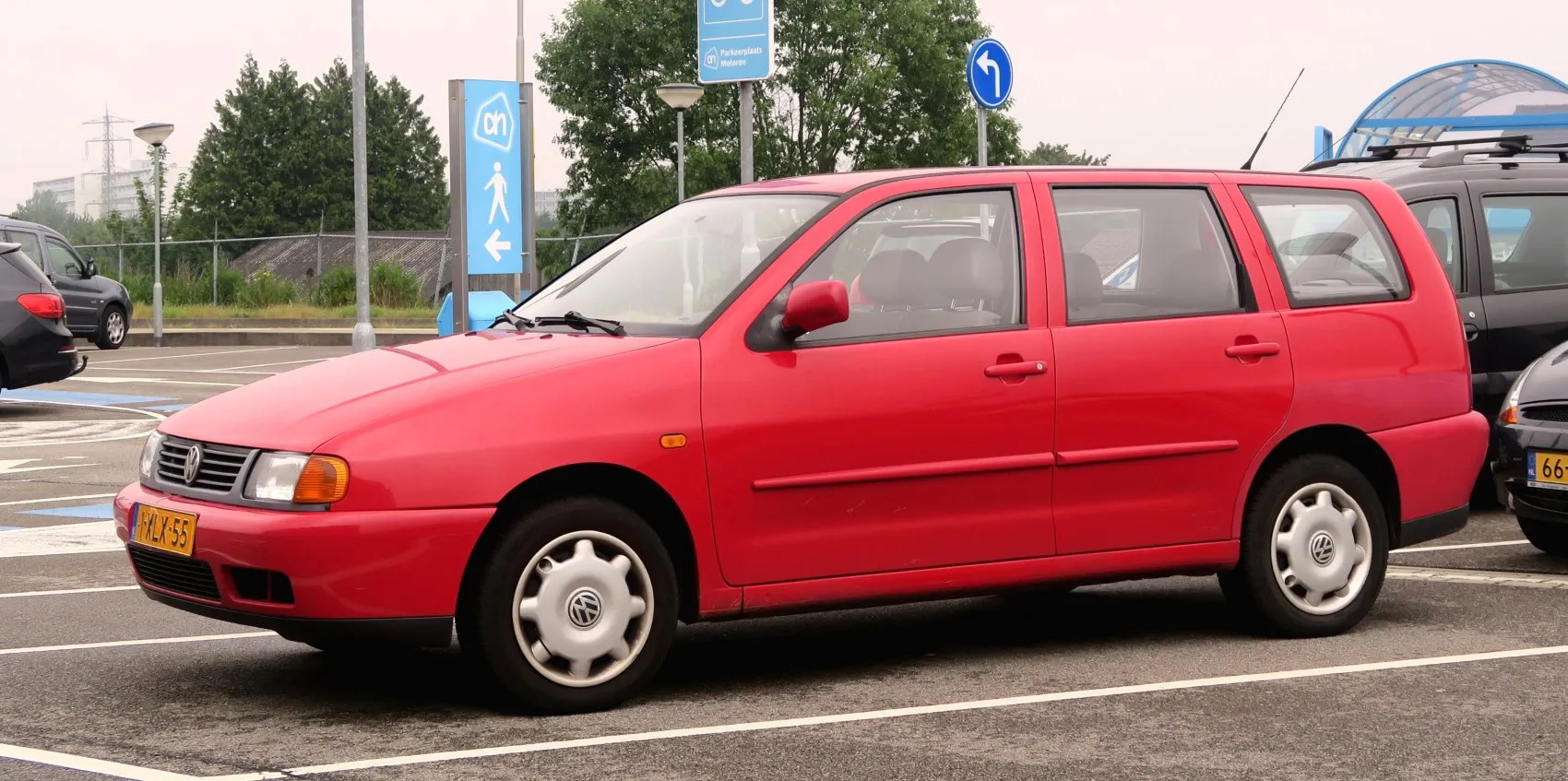
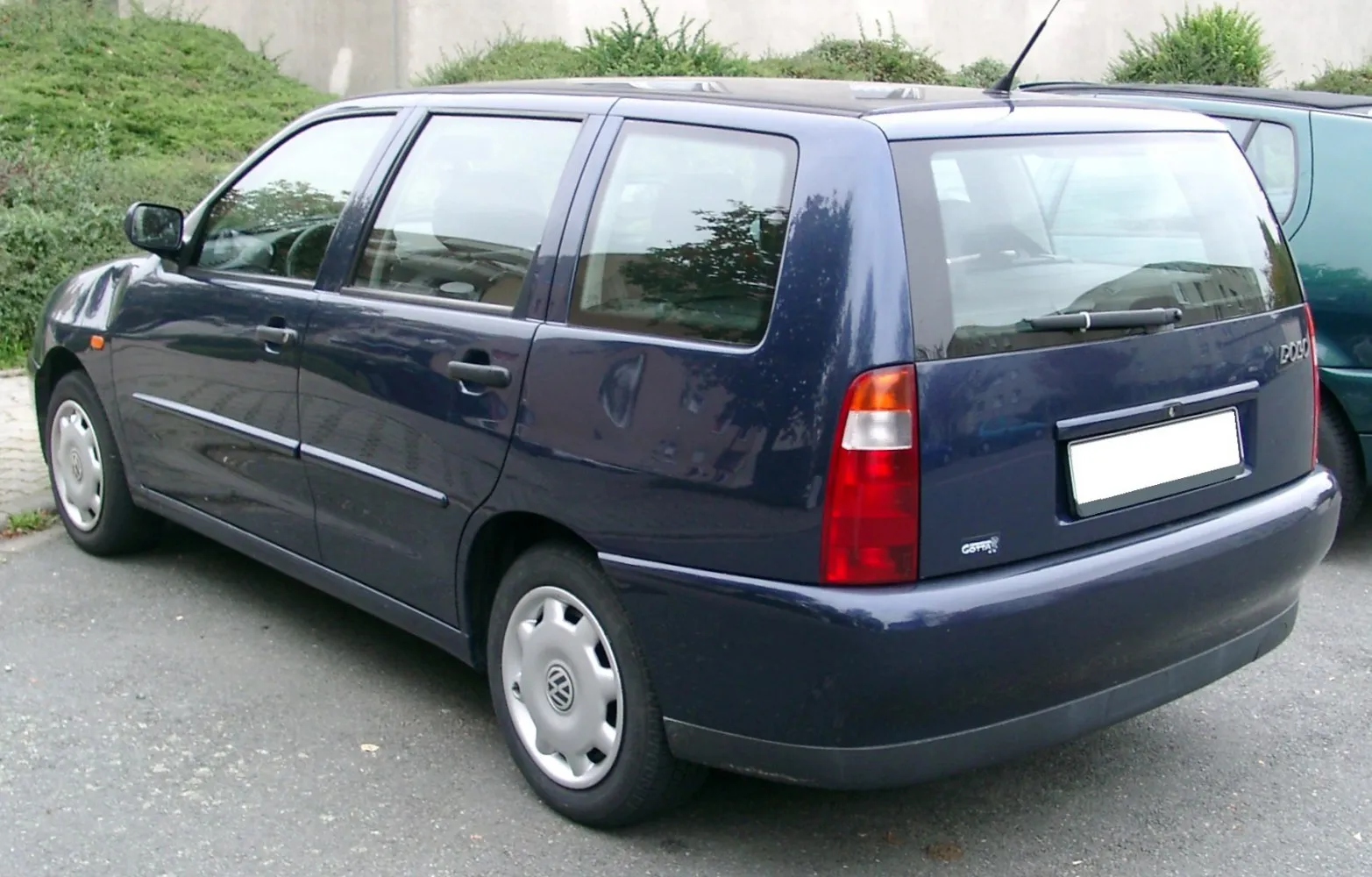
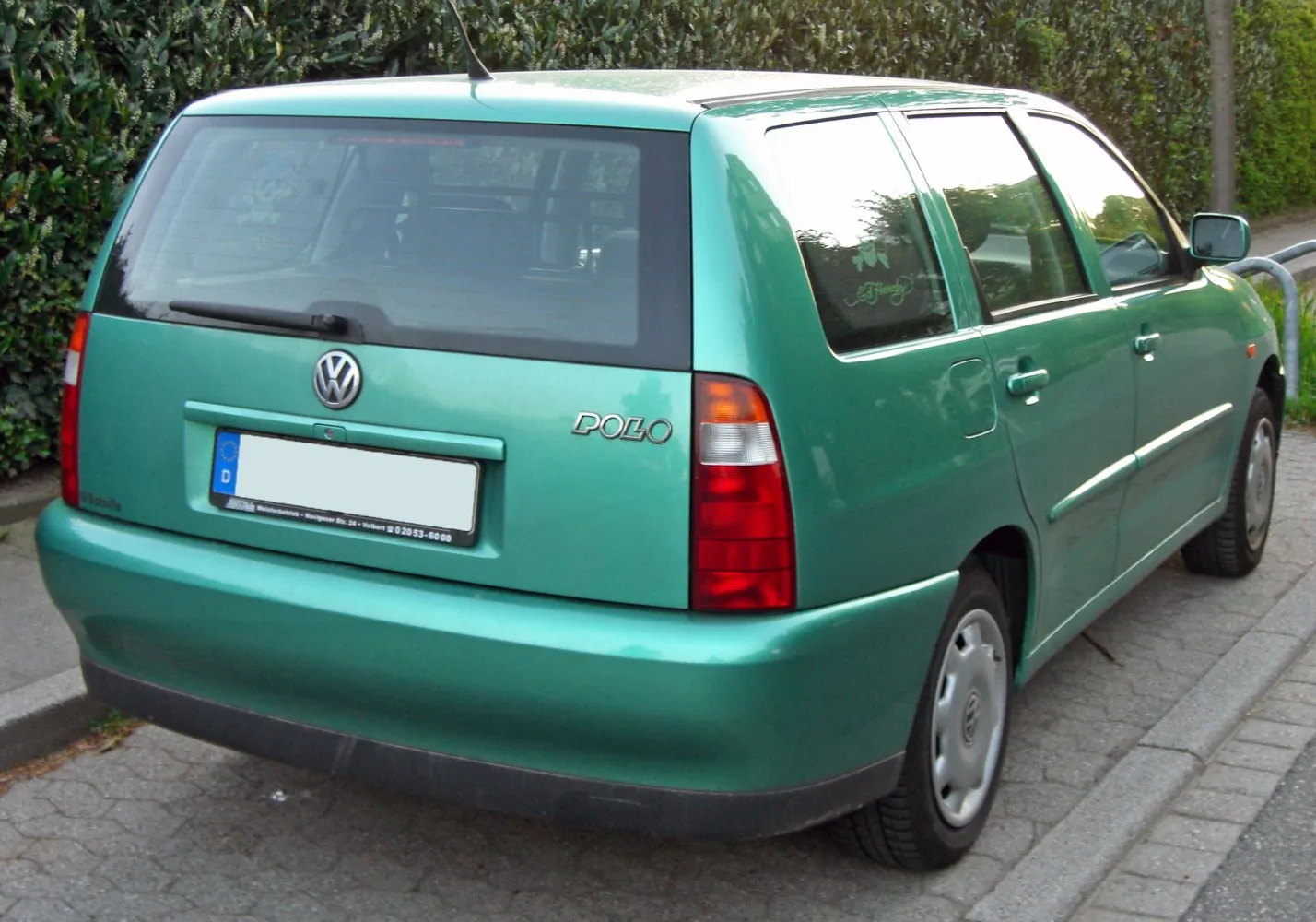
Volkswagen Polo III Variant 1.4 (54 Hp)
Overall Rating
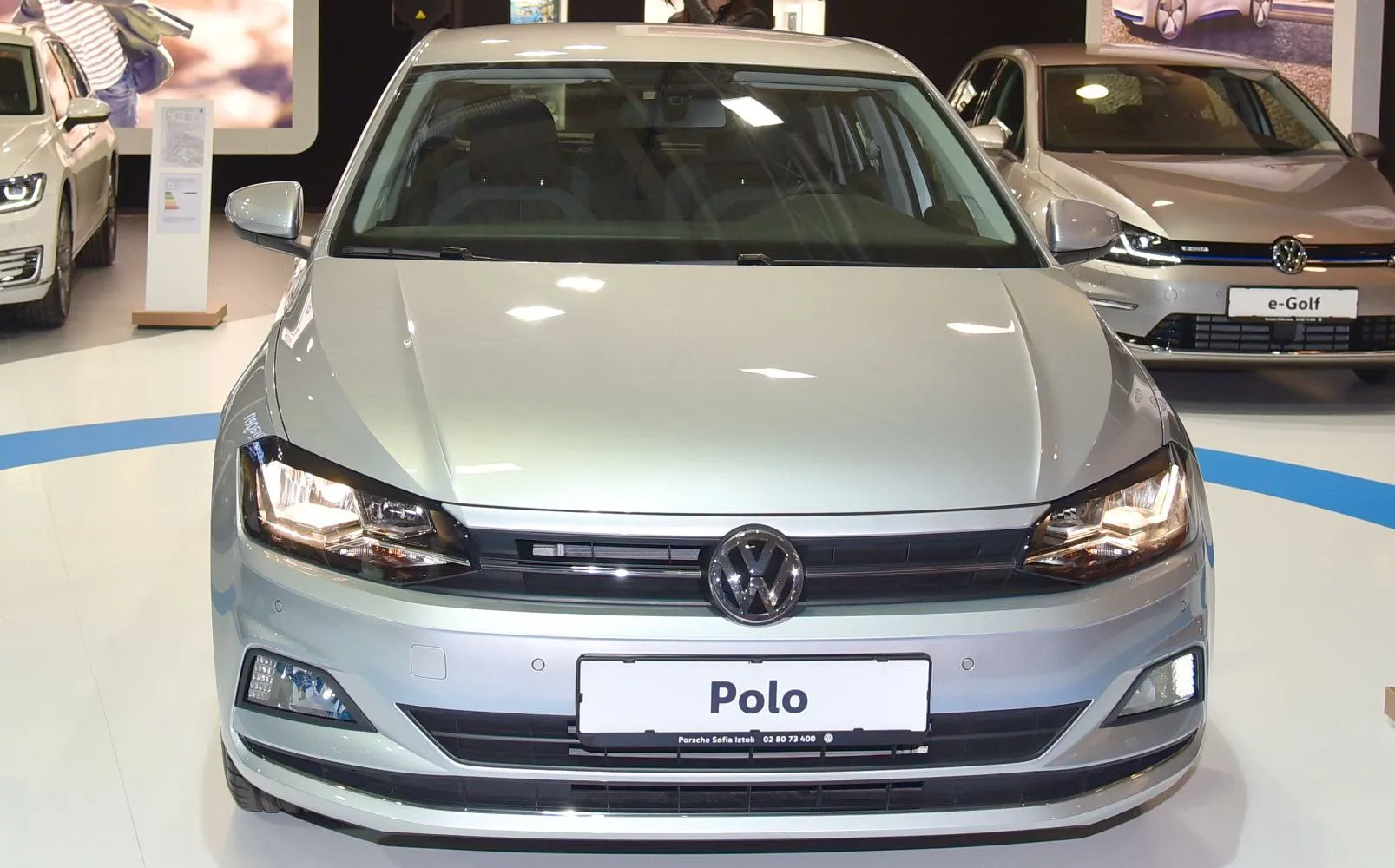
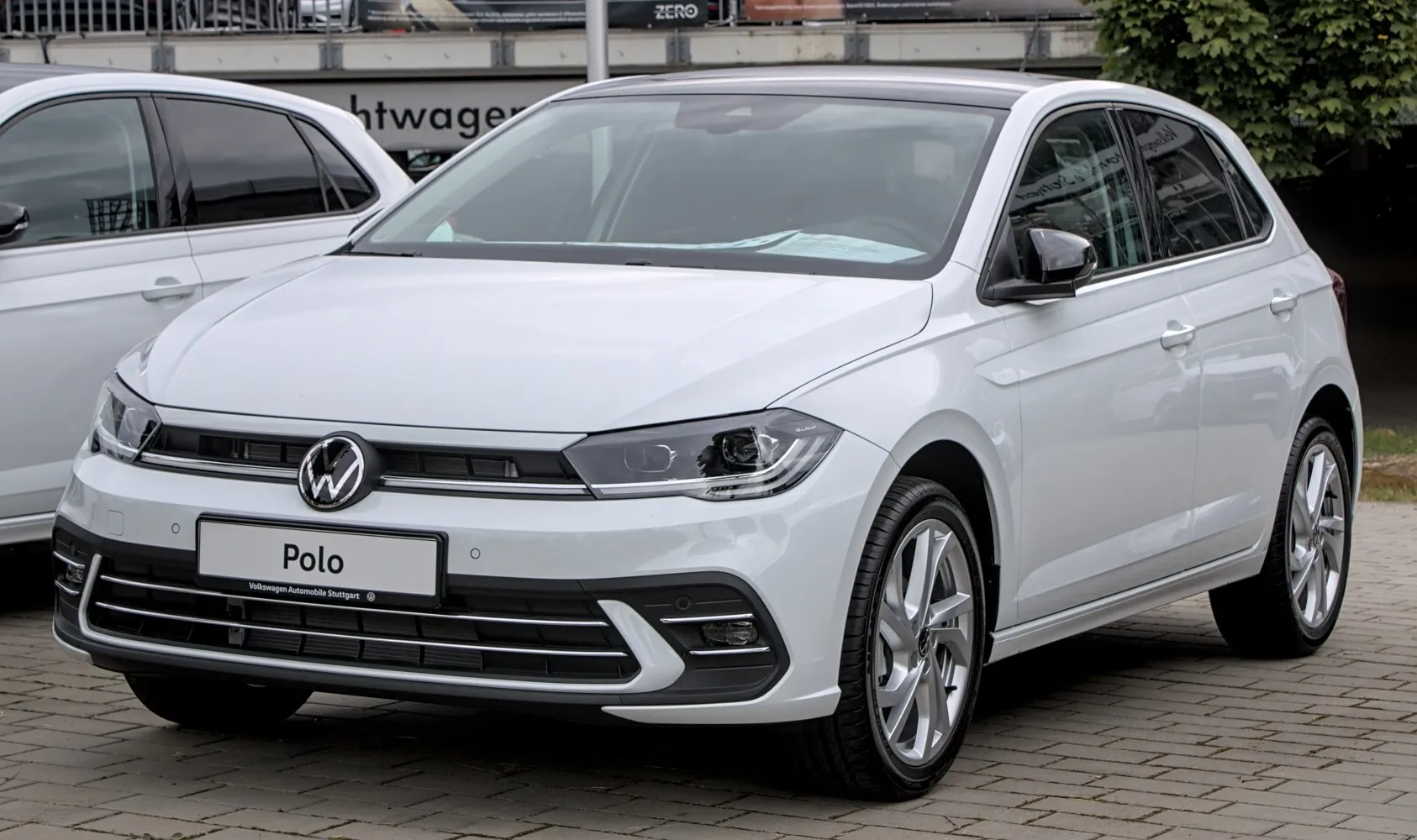
Volkswagen Polo:
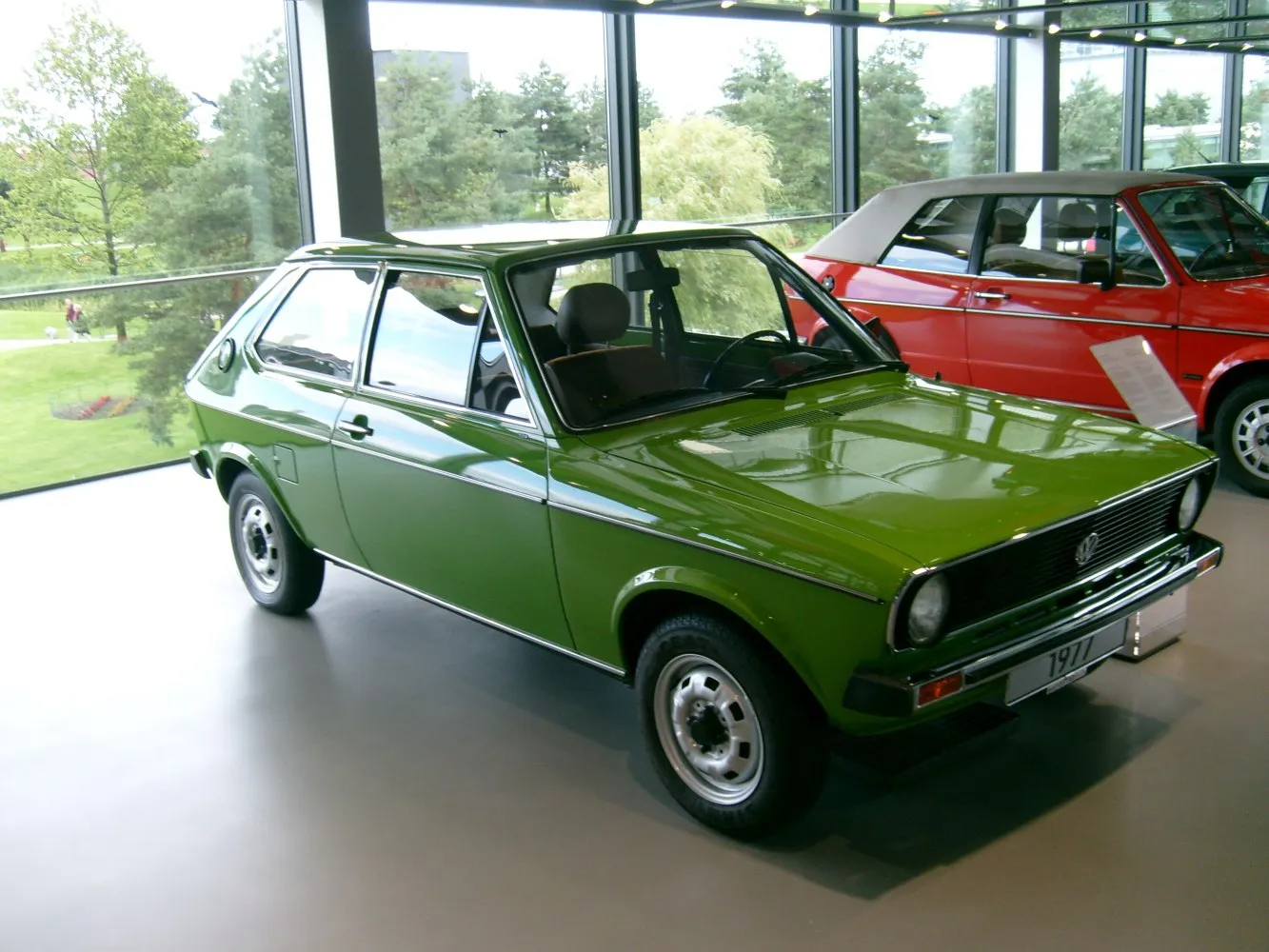
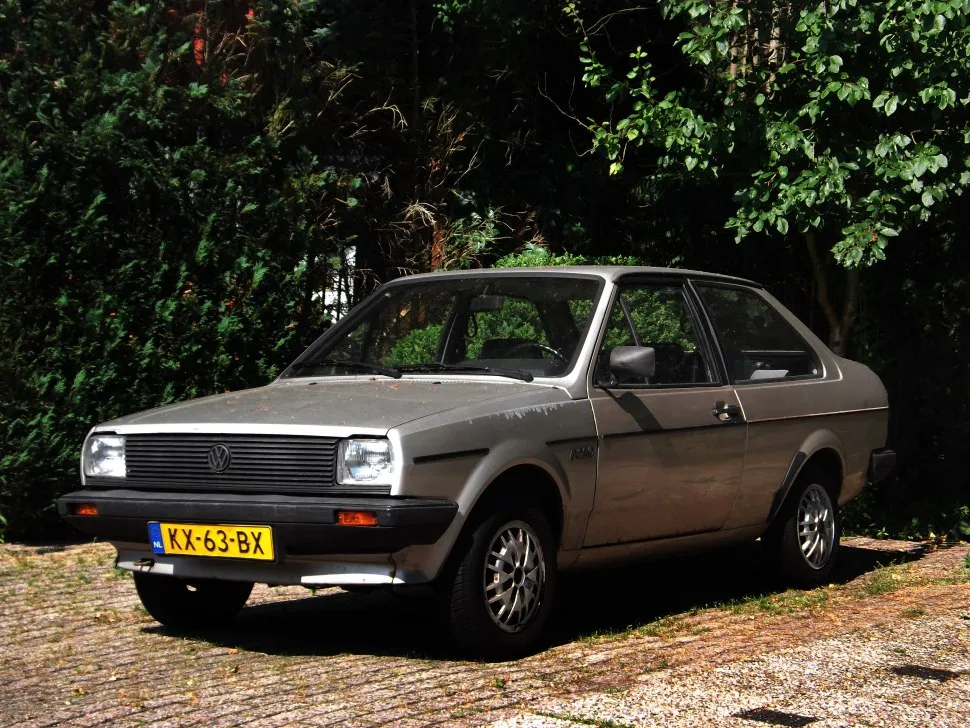
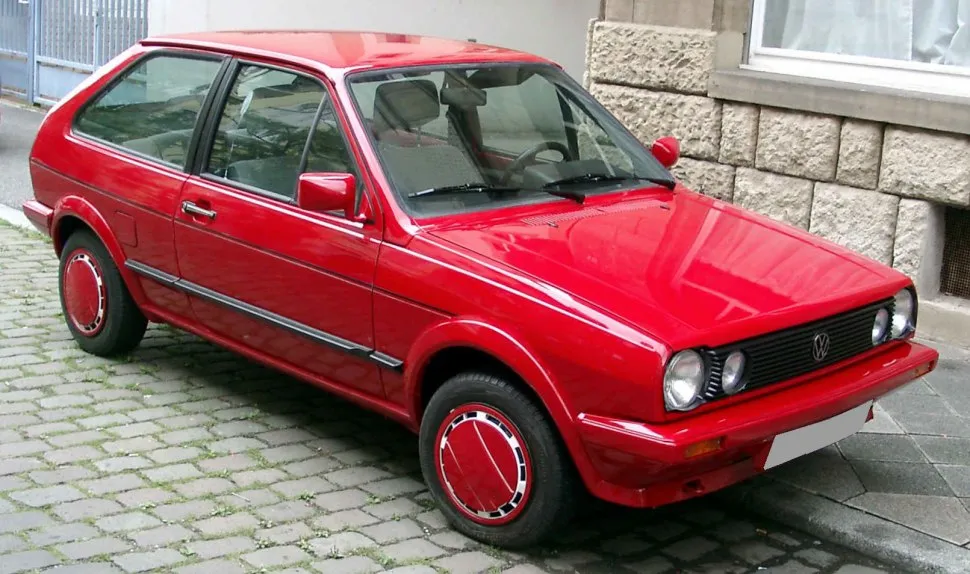
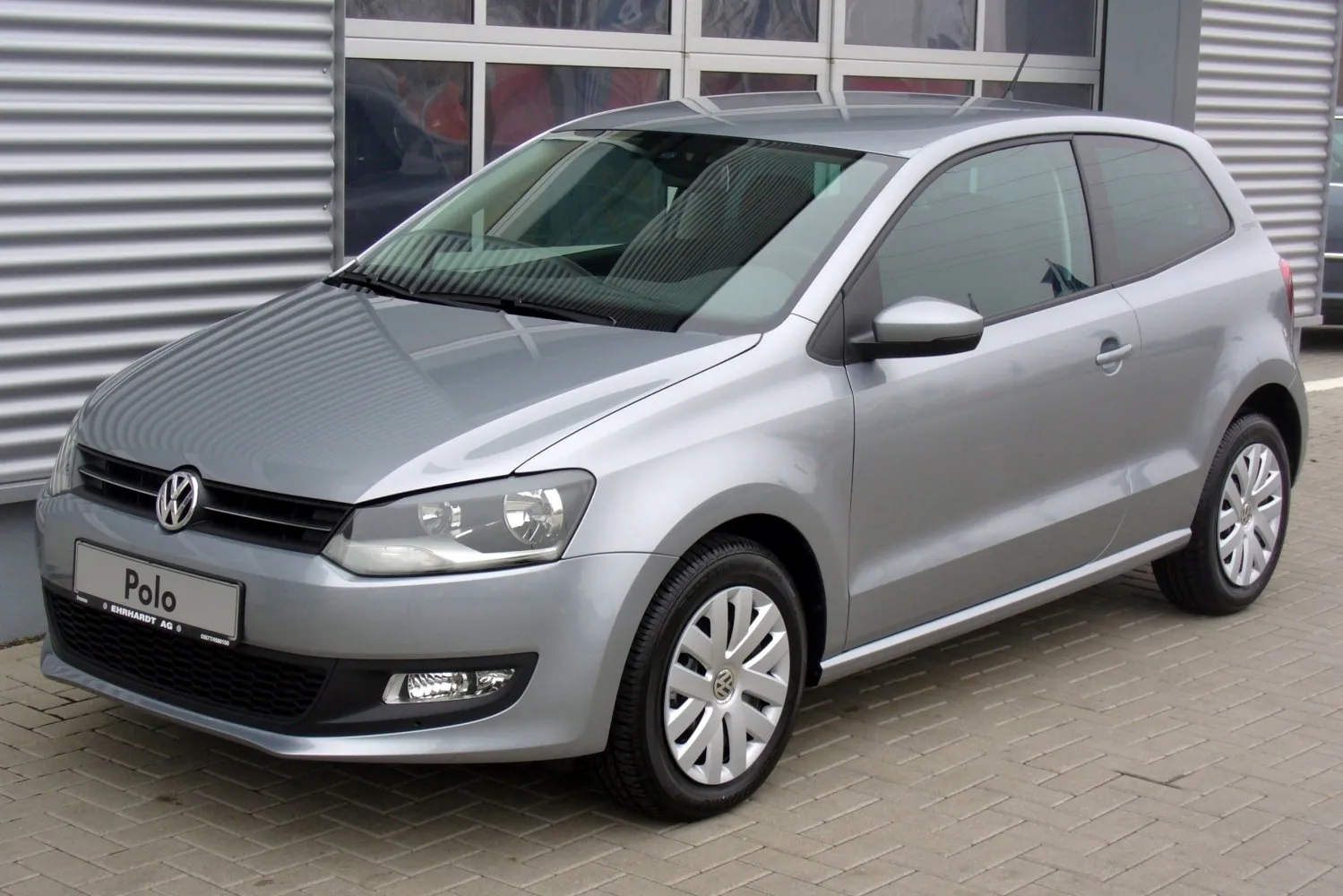
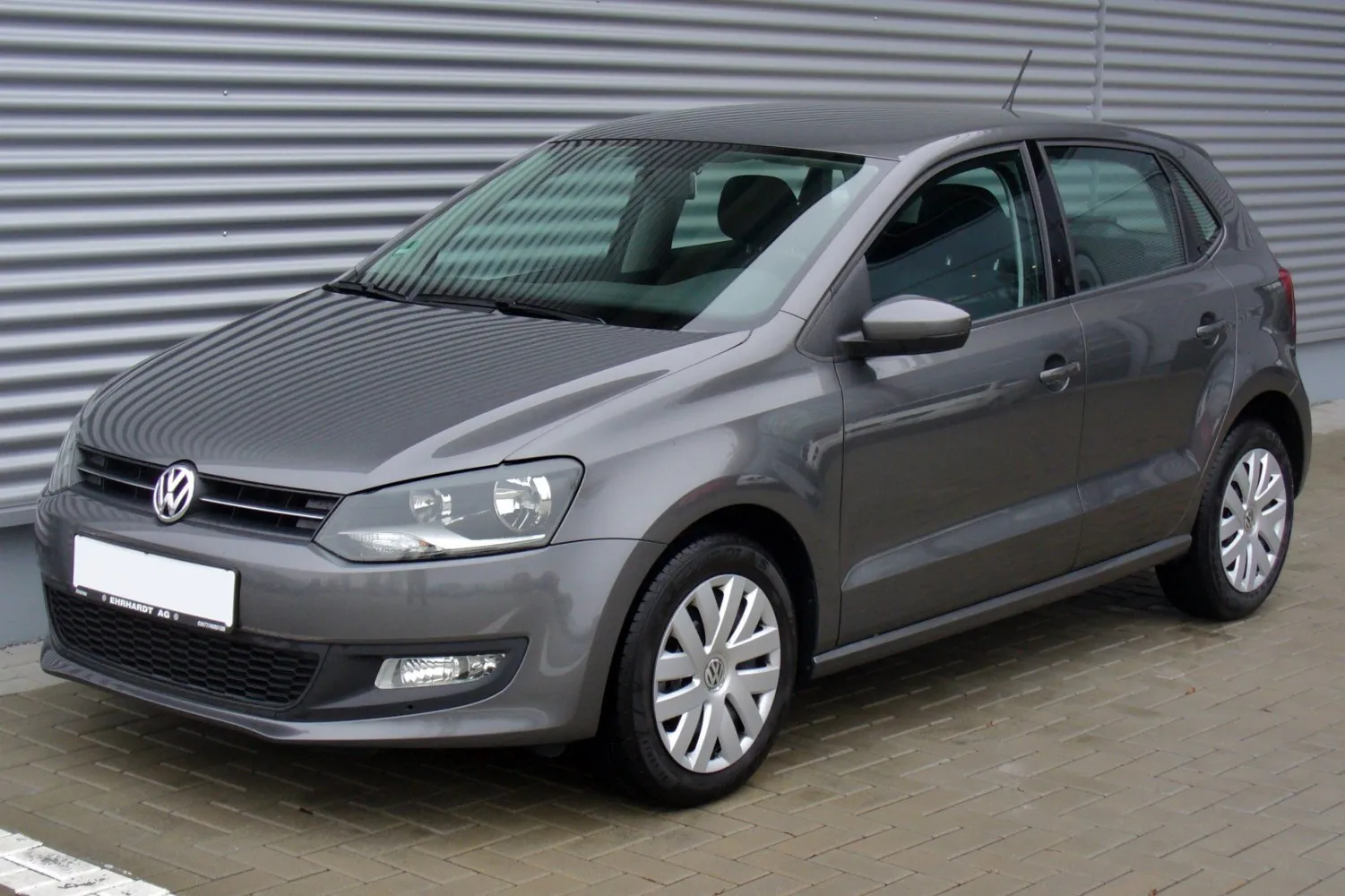
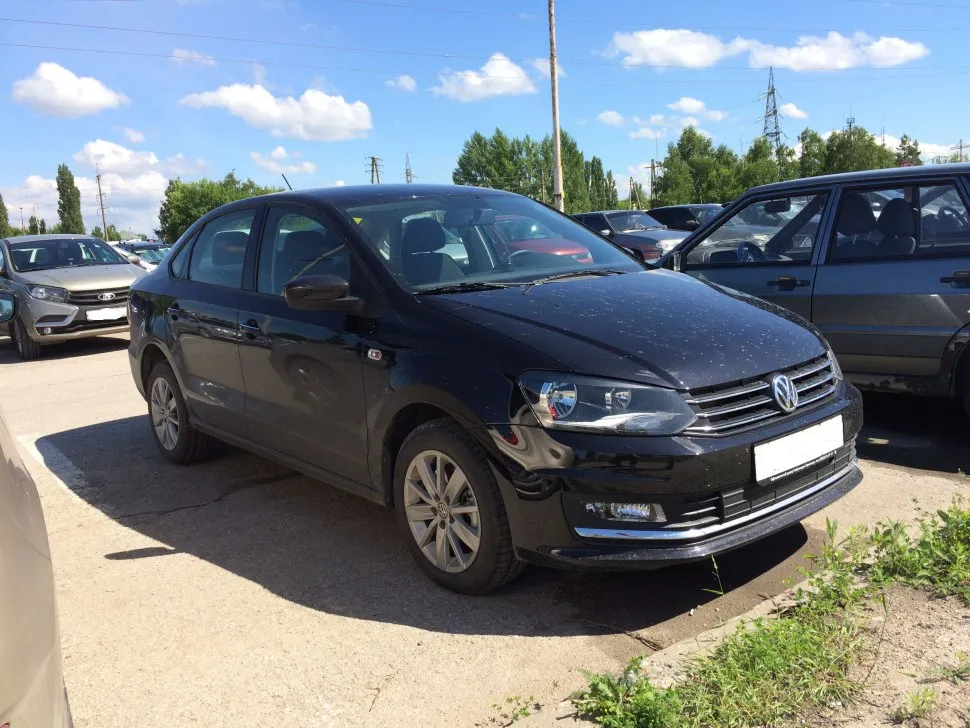
The Volkswagen Polo is a supermini car produced by the German car manufacturer Volkswagen since 1975. It is sold in Europe and other markets worldwide in hatchback, saloon, and estate variants throughout its production run. As of 2018, six separate generations of the Polo had been produced, usually identified by a "Series" or "Mark" number.
Some generations were facelifted midway through production, with the updated versions known unofficially by an addition of the letter F to the mark number, e. g. , Mk2F. Some members of the automotive press and some enthusiasts consider the facelifts to be separate models, so have used the unofficial designations Polo Mk1 to Mk7 for previous generations. Each Polo model is also identified by a two- or three-character Volkswagen Group Typ number. Official VW Polo history describes Mark I to Mark IV using either Roman numerals or Arabic numerals, with facelifted variants known as "Phase II" models. The body style has been varied through the life of the car, originally as a hatchback, which derived from the Audi 50. A saloon version was marketed as the Volkswagen Derby....(Read more on Wikipedia)
III Variant Overview:
Volkswagen Polo (III Variant). With 110 Nm of torque, it offers ample pulling power. It has moderate fuel consumption (~8.9 l/100km). Weighing only 1030 kg, it’s quite light. Front‑wheel drive delivers efficiency and easy handling. Acceleration is relatively slow (0–100 km/h in 16 s). The top speed reaches 155 km/h. A car with an extended rear cargo area, combining passenger comfort with increased storage. Seating for 5 makes it ideal for daily use.
1.4 (54 Hp) Verdict:

Performance Verdict
The entry-level petrol engine, very basic and underpowered, suitable only for light city duties and very relaxed driving.
Fuel Economy
Decent fuel economy for a small petrol engine, but its lack of power might lead to pushing it harder, impacting real-world consumption.
Pros and Cons:
Pros:
- • Excellent practicality and cargo space for its size (Variant model)
- • Robust build quality typical of Volkswagen of its era
- • Wide range of fuel-efficient diesel engines available
- • Reliable and relatively inexpensive to maintain
- • Comfortable ride for its class
Cons:
- • Dated interior design and materials by modern standards
- • Base petrol engines can feel underpowered
- • Safety rating is low compared to contemporary vehicles
- • Some models lack modern convenience features
- • Road noise can be noticeable at higher speeds
Specifications:
Specifications are compared to those of the previous generation(II Coupe (86C): 1990 - 1994).
| General: | |
|---|---|
| Brand: | Volkswagen |
| Model: | Polo |
| Generation: | III Variant |
| Modification (Engine): | 1.4 (54 Hp) |
| Start of production: | 1994 |
| End of production: | 2000 |
| Powertrain Architecture: | Internal Combustion engine |
| Body type: | Station wagon (estate) |
| Seats: | 5 |
| Doors: | 5 |
| Engine: | |
|---|---|
| Power: | 54 Hp @ 3000 rpm. Same horsepower |
| Power per litre: | 38.8 Hp/l |
| Torque: | 110 Nm @ 2000 rpm. |
| Engine Model/Code: | ANX More details about the engine ANX |
| Engine displacement: | 1390 |
| Number of cylinders: | 4 |
| Engine configuration: | Inline |
| Number of valves per cylinder: | 2 |
| Fuel injection system: | Multi-port manifold injection |
| Engine aspiration: | Naturally aspirated engine |
| Engine oil capacity: | 3.4 l |
| Coolant: | 5.6 l |
| Engine layout: | Front, Transverse |
| Cylinder Bore: | 76.5 mm |
| Piston Stroke: | 75.6 mm |
| Compression ratio: | 10.2:1 |
| Performance: | |
|---|---|
| Fuel Type: | Petrol (Gasoline) |
| Fuel consumption (economy) - urban: | 8.9 l/100 km |
| Fuel consumption (economy) - extra urban: | 5.4 l/100 km |
| Acceleration 0 - 100 km/h: | 16 sec |
| Acceleration 0 - 62 mph: | 16 sec |
| Maximum speed: | 155 km/h |
| Weight-to-power ratio: | 19.1 kg/Hp, 52.4 Hp/tonne |
| Weight-to-torque ratio: | 9.4 kg/Nm, 106.8 Nm/tonne |
| Acceleration 0 - 60 mph: | 15.2 sec |
| Space: | |
|---|---|
| Kerb Weight: | 1030 |
| Max. weight: | 1490 |
| Max load: | 460 |
| Trunk (boot) space - maximum: | 1250 l |
| Trunk (boot) space - minimum: | 390 l |
| Fuel tank capacity: | 45 l |
| Size: | |
|---|---|
| Length: | 4137 mm |
| Width: | 1640 mm |
| Height: | 1433 mm |
| Wheelbase: | 2444 mm |
| Front track: | 1429 mm |
| Rear (Back) track: | 1384 mm |
| Ride height (ground clearance): | 140 mm |
| Powertrain: | |
|---|---|
| Drivetrain Architecture | The Internal combustion engine (ICE) drives the front wheels of the vehicle. |
| Drive wheel | Front wheel drive |
| Number of gears | 5 |
| Transmission type | Manual |
| Front brakes | Disc [bad for performance and cooling.] |
| Rear brakes | Drum [bad for performance and cooling.] |
| Assisting systems | ABS (Anti-lock braking system) |
| Steering type | Steering rack and pinion |
| Power steering | Hydraulic Steering |
| Tires size | 185/60 R14 |
| Wheel rims size | 14 |
| Front suspension | Coil spring |
| Rear suspension | Wishbone |





Behind the wheel of the Volkswagen Polo. How does it handle on the road?