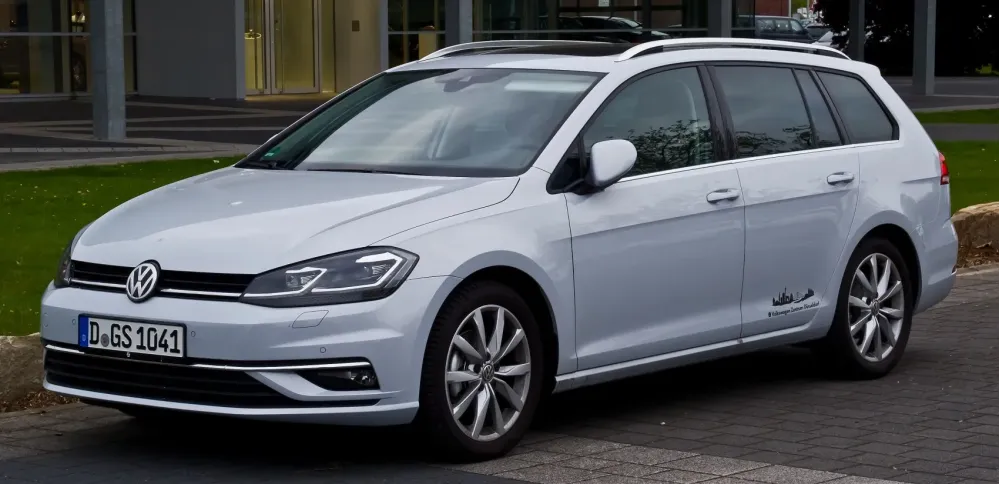
Click on image to view the full photo gallery
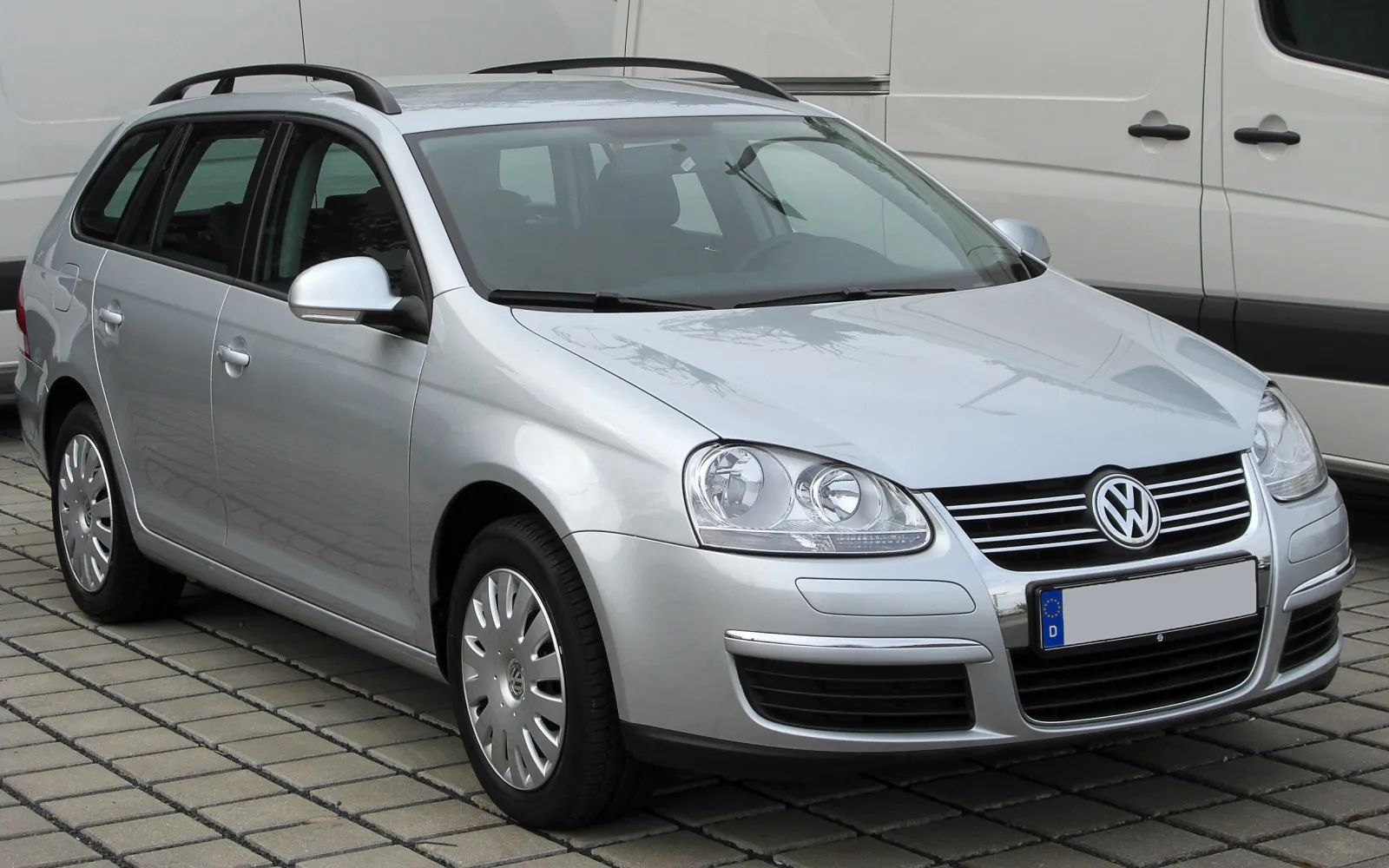
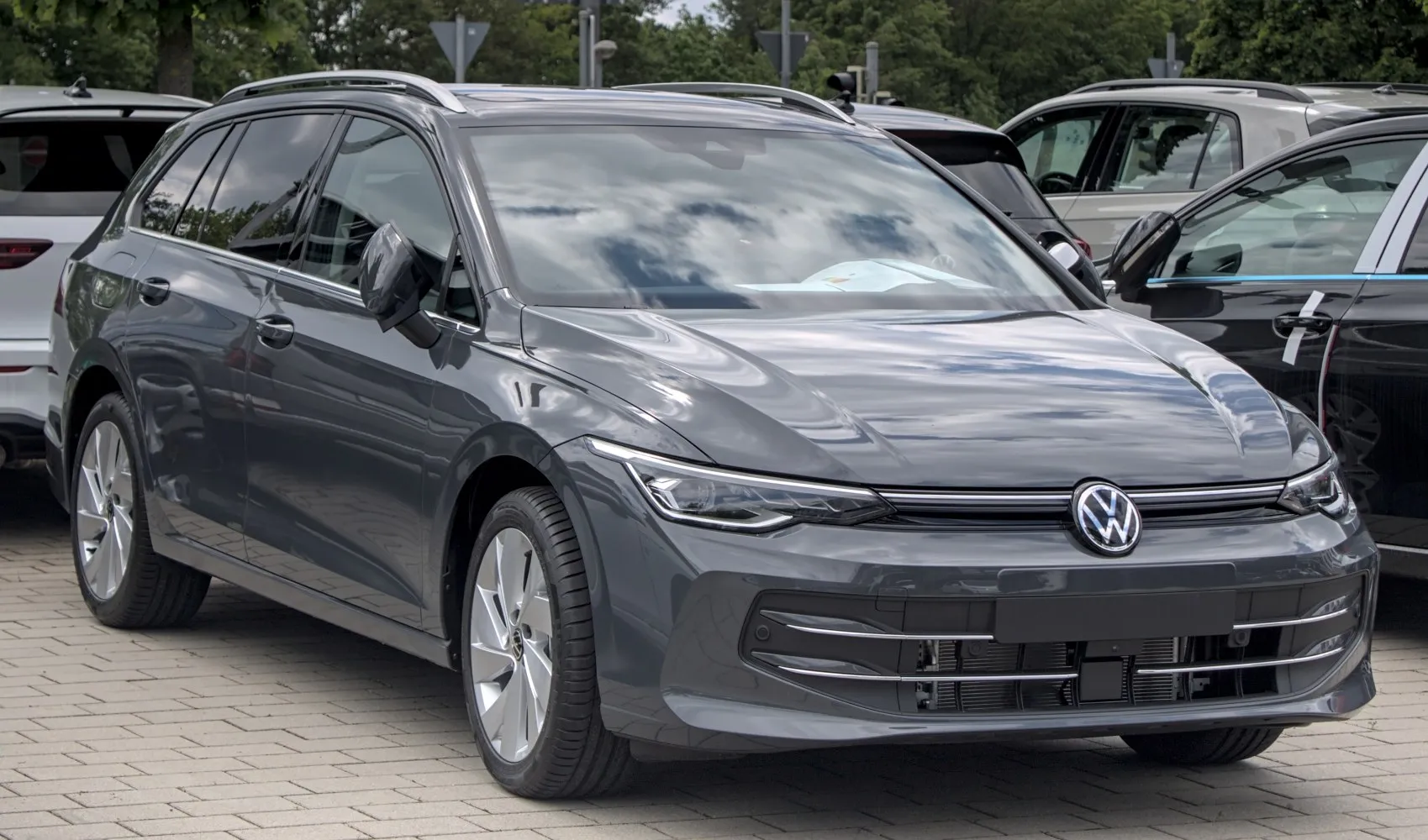
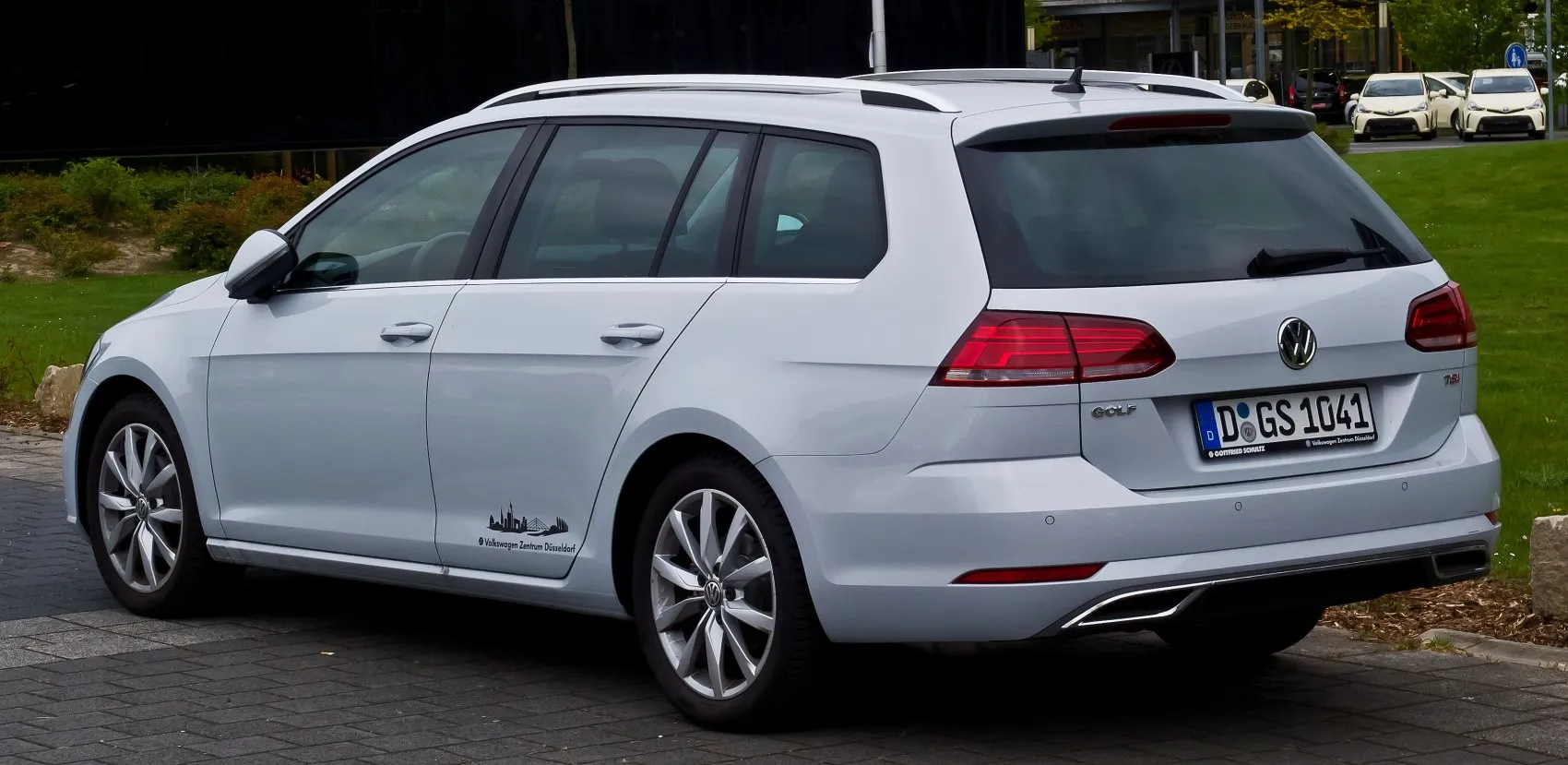
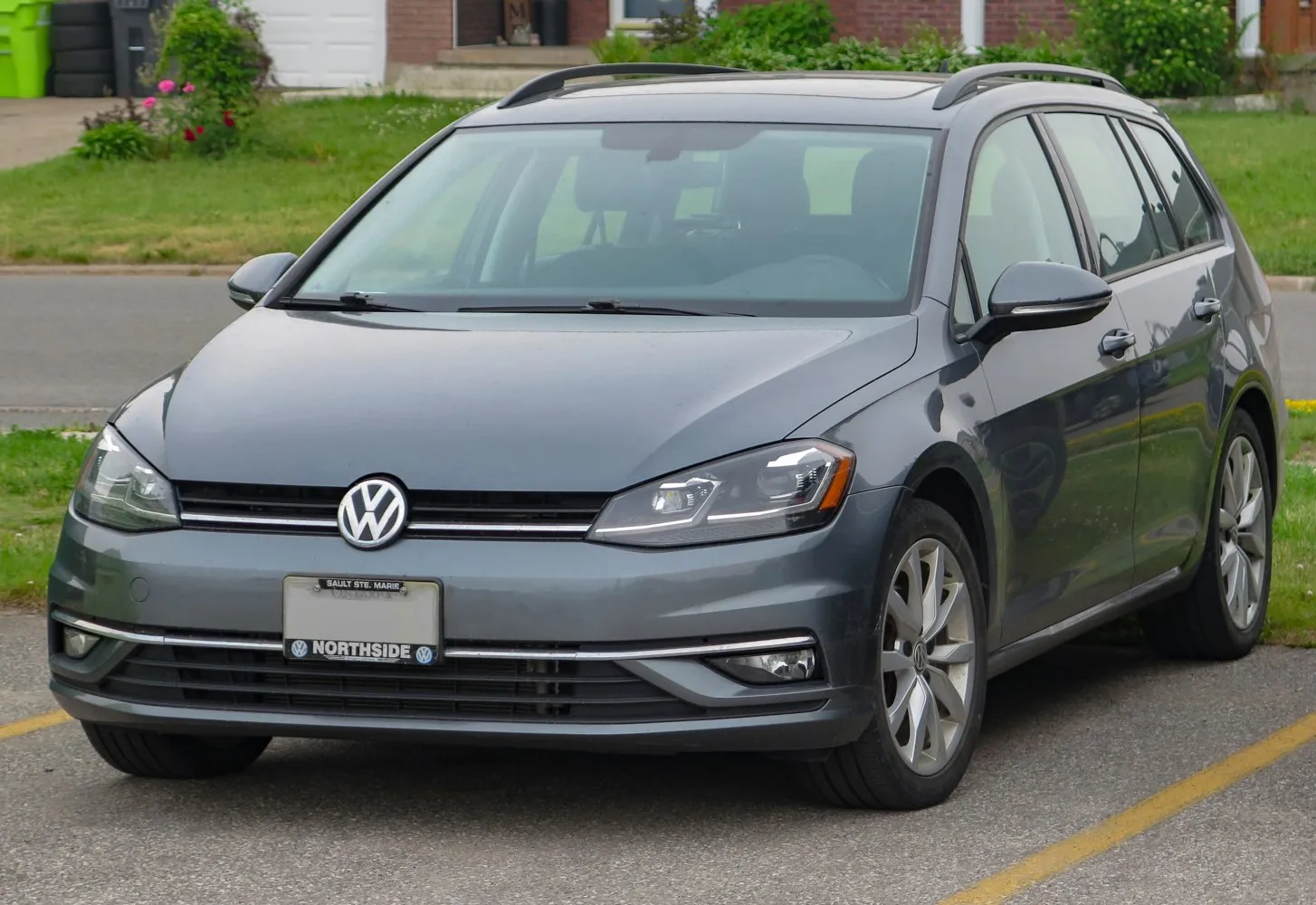
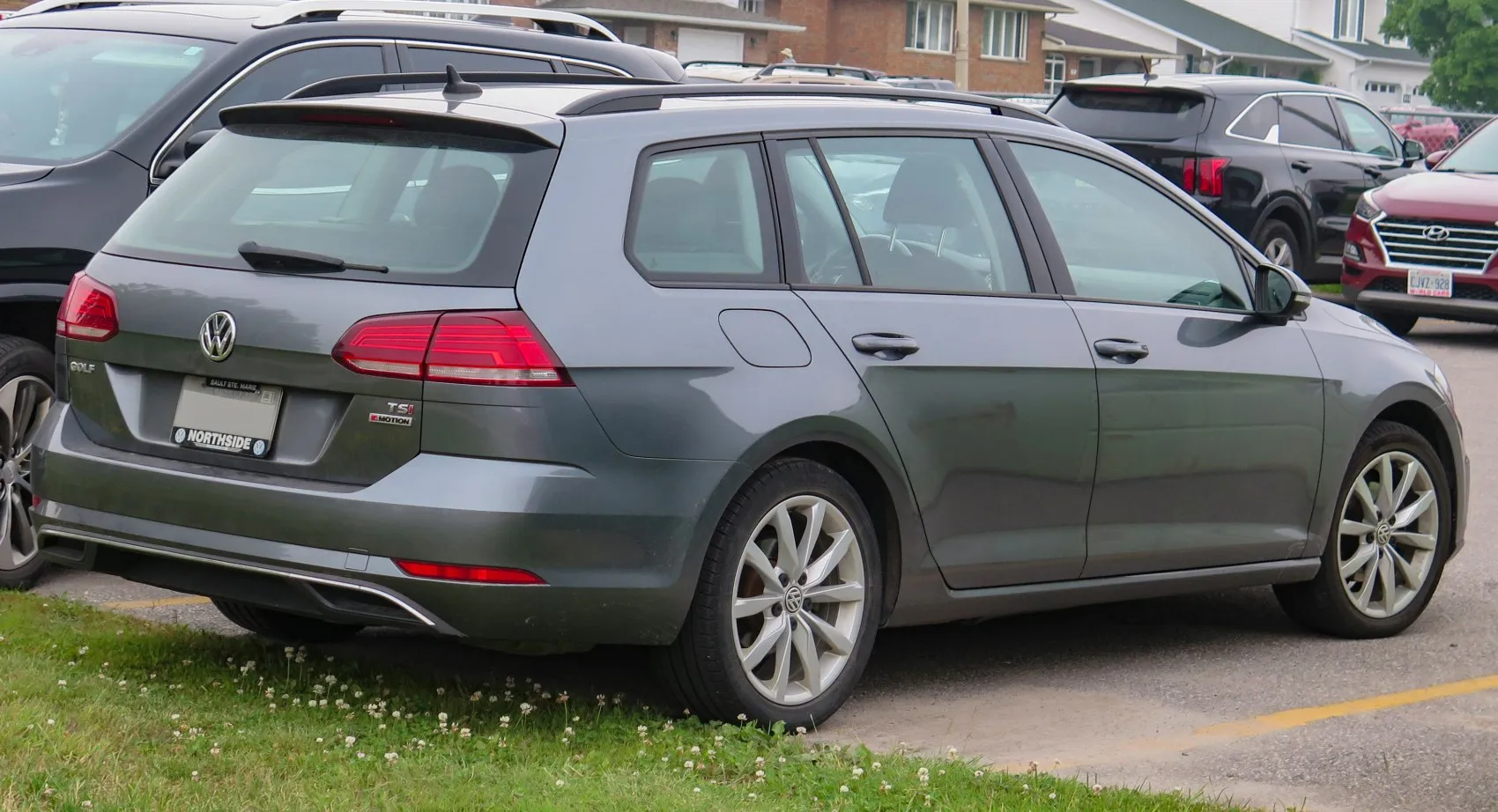
Volkswagen Golf VII Variant (facelift 2017) 2.0 TDI (150 Hp) 4MOTION
Overall Rating
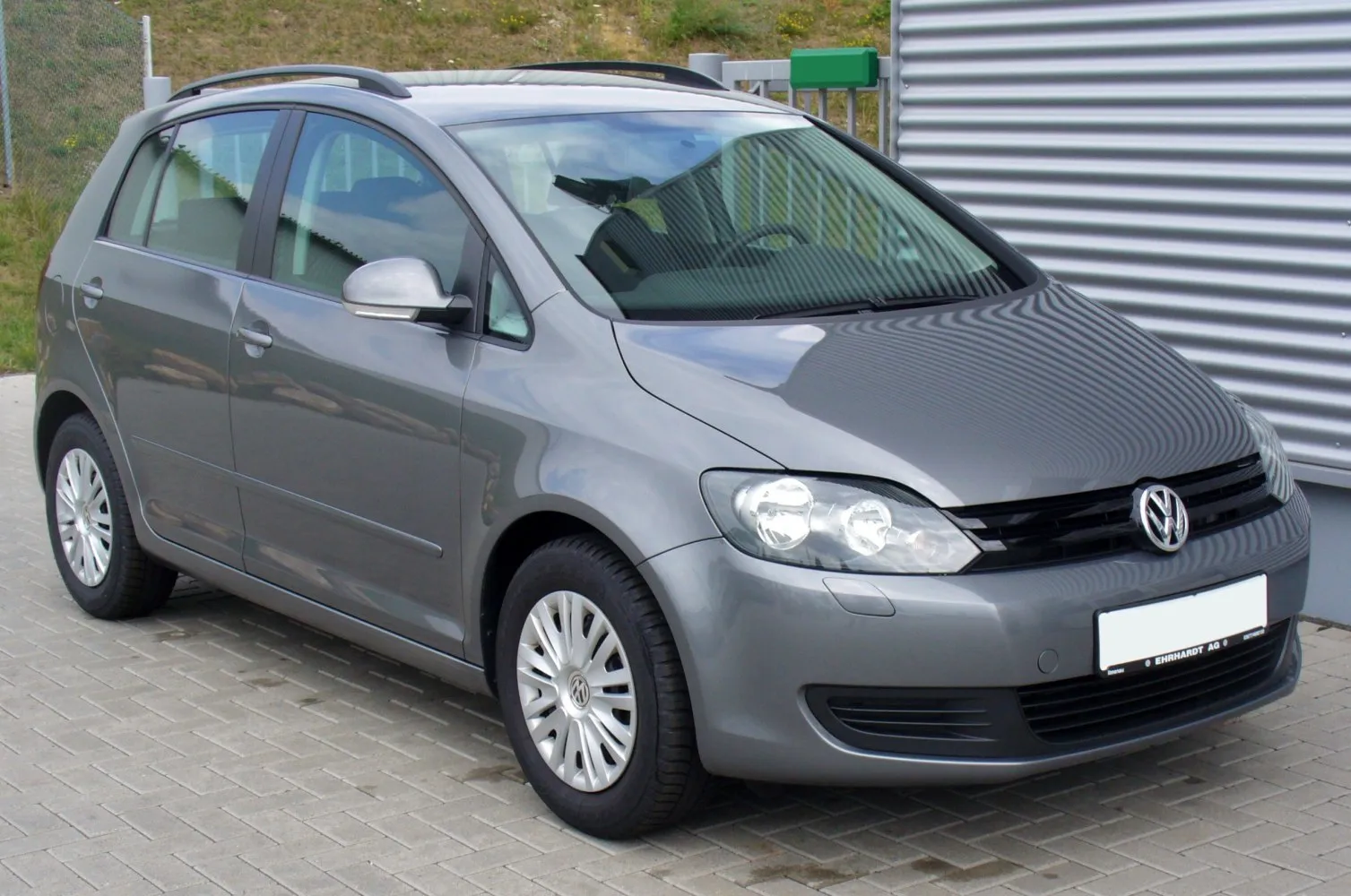
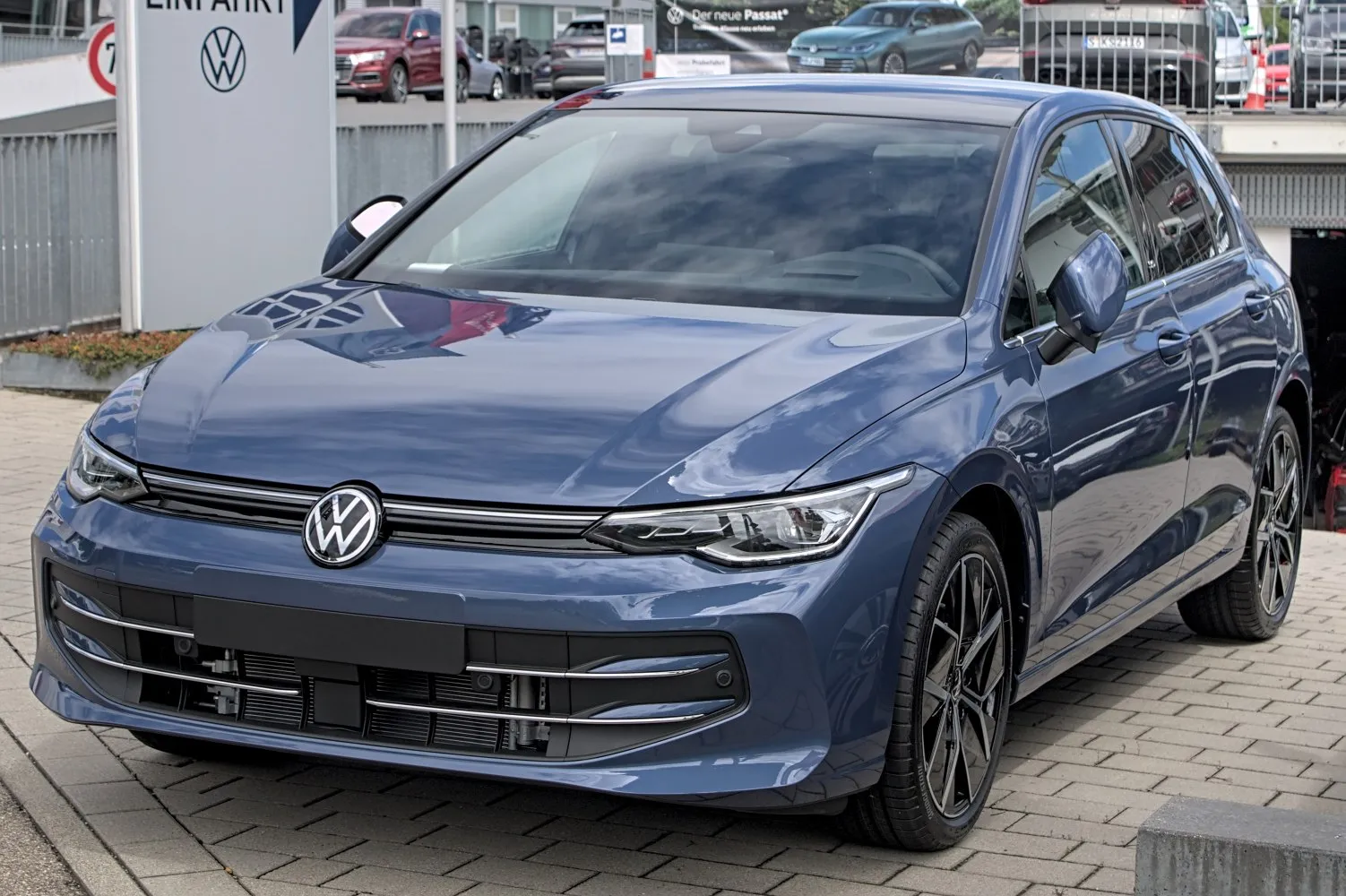
Volkswagen Golf:
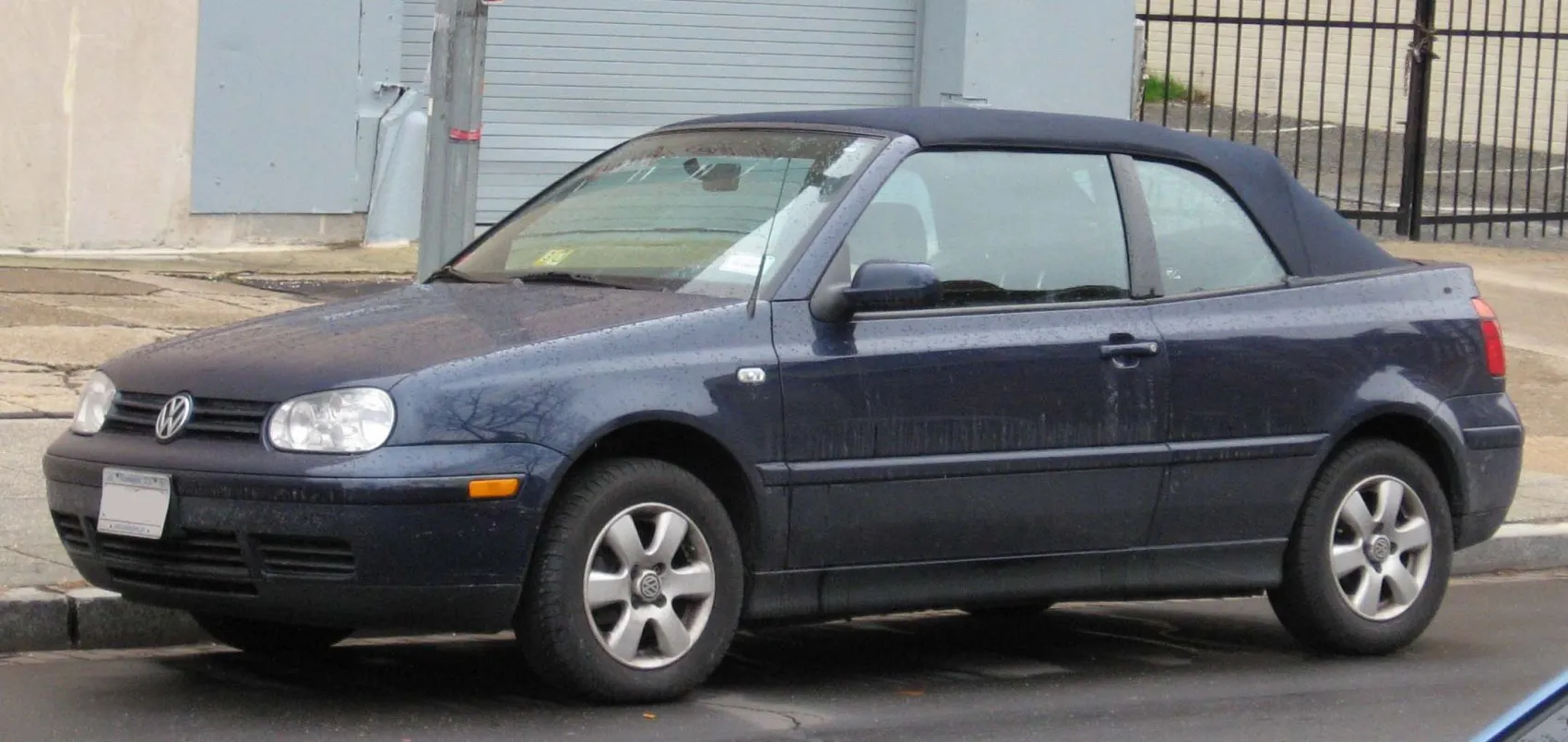
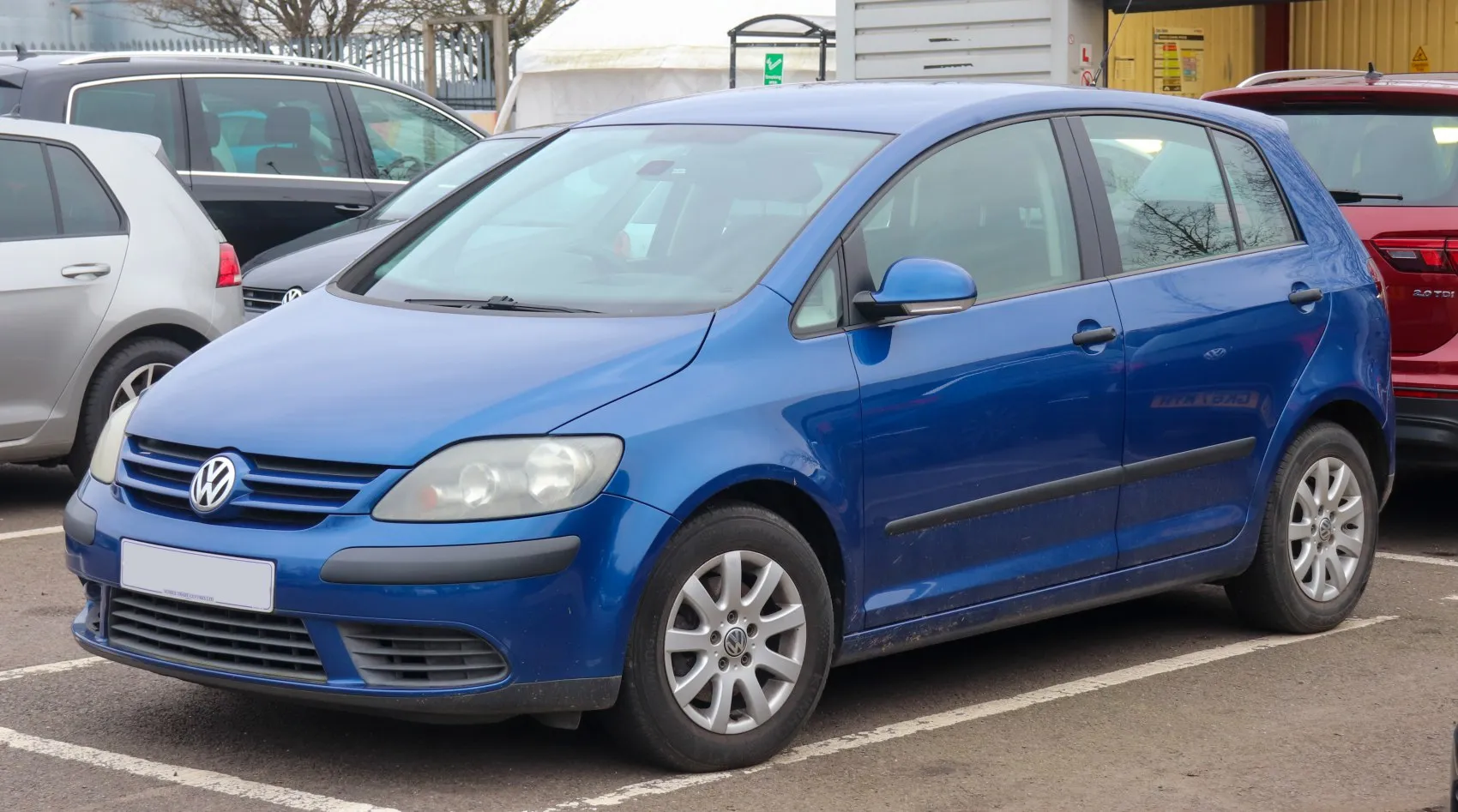
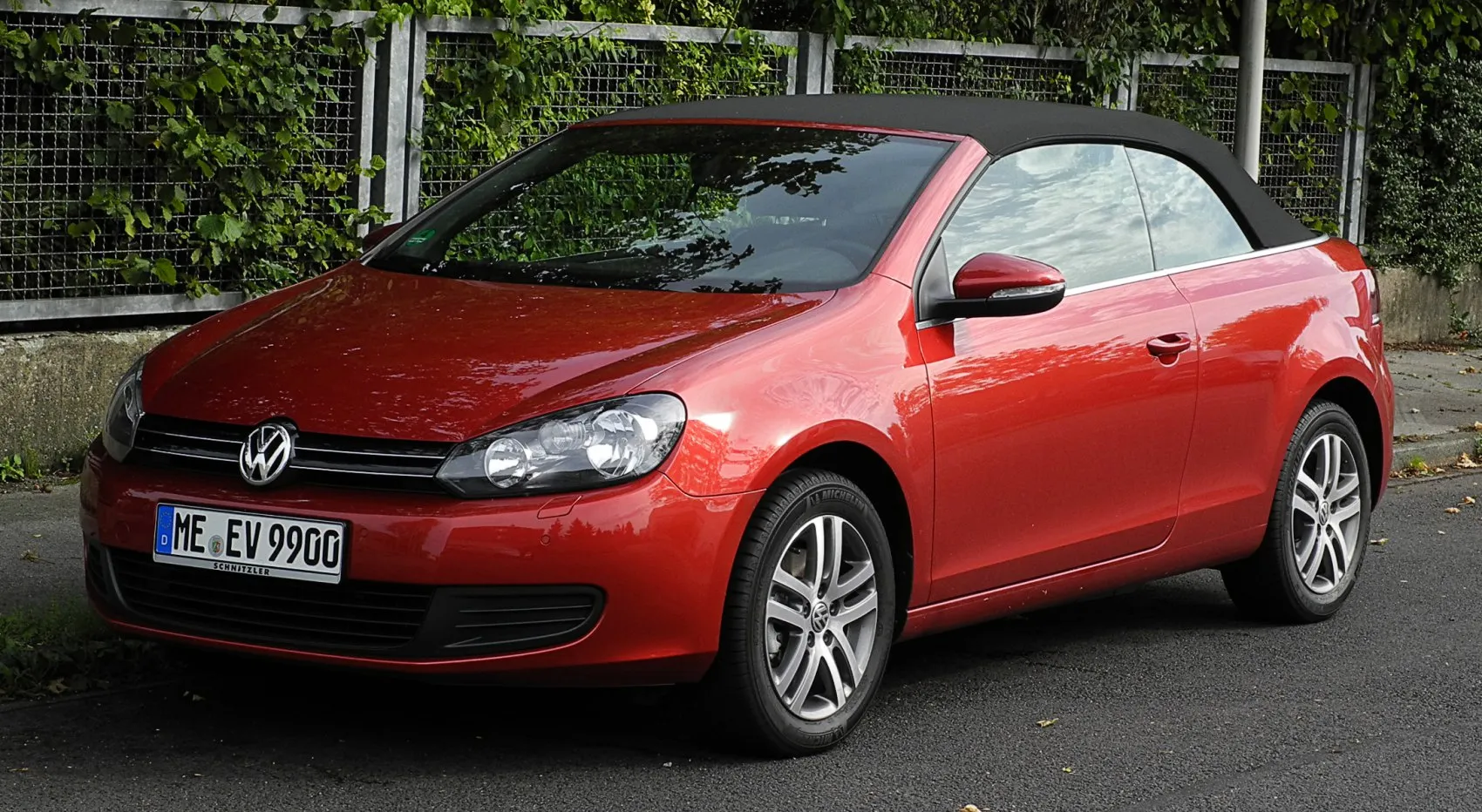
The Volkswagen Golf is a compact car/small family car produced by the German automotive manufacturer Volkswagen since 1974, marketed worldwide across eight generations, in various body configurations and under various nameplates – including as the Volkswagen Rabbit in the United States and Canada , and as the Volkswagen Caribe in Mexico. Historically, the Golf is Volkswagen's best-selling model and is among the world's top three best-selling nameplates, with more than 35 million units sold as of 2019....(Read more on Wikipedia)
VII Variant (facelift 2017) Overview:
Volkswagen Golf (VII Variant (facelift 2017)). With 340 Nm of torque, it offers ample pulling power. It boasts low fuel consumption (~5.95 l/100km). With a weight of 1448 kg, it falls in the mid‑range. All‑wheel drive provides excellent grip, ideal for off‑road use. Acceleration is good (0–100 km/h in 8.9 s). The top speed reaches 214 km/h. A car with an extended rear cargo area, combining passenger comfort with increased storage. Seating for 5 makes it ideal for daily use.
2.0 TDI (150 Hp) 4MOTION Verdict:

Performance Verdict
Robust performance with the added benefit of 4MOTION traction, ensuring confident handling in all conditions.
Fuel Economy
Good fuel economy for an AWD diesel, though slightly higher than 2WD versions.
Pros and Cons:
Pros:
- • Wide range of efficient and powerful engines, including CNG and performance options.
- • Practical and spacious Variant body style with large boot capacity.
- • Refined ride quality and comfortable interior for long journeys.
- • High-quality interior materials and build quality.
- • Excellent safety features and Euro NCAP rating.
- • Advanced infotainment and driver assistance systems (post-facelift).
Cons:
- • Some lower-spec models can feel a bit underpowered when fully loaded.
- • DSG gearbox can be hesitant at very low speeds.
- • Interior design, while functional, can be perceived as conservative.
- • Higher trim levels and options can significantly increase the price.
- • Maintenance costs for some advanced systems (e.g., DSG, 4MOTION) can be higher.
Specifications:
Specifications are compared to those of the previous generation(VII Variant: 2016 - 2017).
| General: | |
|---|---|
| Brand: | Volkswagen |
| Model: | Golf |
| Generation: | VII Variant (facelift 2017) |
| Modification (Engine): | 2.0 TDI (150 Hp) 4MOTION |
| Start of production: | 2017 |
| End of production: | 2019 |
| Powertrain Architecture: | Internal Combustion engine |
| Body type: | Station wagon (estate) |
| Seats: | 5 |
| Doors: | 5 |
| Engine: | |
|---|---|
| Engine systems: | Start & Stop System |
| Power: | 150 Hp @ 3500-4000 rpm. Same horsepower |
| Power per litre: | 76.2 Hp/l [5mm more] |
| Torque: | 340 Nm @ 1750-3000 rpm. |
| Engine Model/Code: | CRLB, DCYA, DEJA, DFGA More details about the engine CRLB, DCYA, DEJA, DFGA |
| Engine displacement: | 1968 |
| Number of cylinders: | 4 |
| Engine configuration: | Inline |
| Number of valves per cylinder: | 4 |
| Fuel injection system: | Diesel Commonrail |
| Engine aspiration: | Turbocharger, Intercooler |
| Valvetrain: | DOHC |
| Engine oil capacity: | 4.7 l |
| Engine layout: | Front, Transverse |
| Cylinder Bore: | 81 mm mm |
| Piston Stroke: | 95.5 mm mm |
| Compression ratio: | 16.2:1 |
| Performance: | |
|---|---|
| Fuel Type: | Diesel |
| Fuel consumption (economy) - urban: | 5.9-6.0 l/100 km |
| Fuel consumption (economy) - extra urban: | 4.4-4.5 l/100 km |
| Fuel consumption (economy) - combined (NEDC): | 5.0-5.1 l/100 km |
| Fuel consumption (economy) - urban (NEDC): | 5.9-6.0 l/100 km |
| Fuel consumption (economy) - extra urban (NEDC): | 4.4-4.5 l/100 km |
| Fuel consumption (economy) - combined: | 5.0-5.1 l/100 km |
| Emission standard: | Euro 6 |
| Acceleration 0 - 100 km/h: | 8.9 sec |
| Acceleration 0 - 62 mph: | 8.9 sec |
| Maximum speed: | 214 km/h |
| Weight-to-power ratio: | 9.7 kg/Hp, 103.6 Hp/tonne |
| Weight-to-torque ratio: | 4.3 kg/Nm, 234.8 Nm/tonne |
| Acceleration 0 - 60 mph: | 8.5 sec |
| Space: | |
|---|---|
| Kerb Weight: | 1448 |
| Max. weight: | 2050 |
| Max. roof load: | 75 kg |
| Max load: | 602 |
| Trunk (boot) space - maximum: | 1620 l |
| Trunk (boot) space - minimum: | 605 l |
| Permitted trailer load with brakes (12%): | 2000 kg |
| Fuel tank capacity: | 50 l |
| Permitted trailer load without brakes: | 750 kg |
| Permitted towbar download: | 80 kg |
| Permitted trailer load with brakes (8%): | 2000 kg |
| Size: | |
|---|---|
| Length: | 4567 mm mm [5mm more] |
| Width: | 1799 mm mm [Same width.] |
| Height: | 1515 mm mm [34mm more] |
| Wheelbase: | 2620 mm mm [15mm less] |
| Width including mirrors: | 2027 mm |
| Front track: | 1549 mm |
| Rear (Back) track: | 1520 mm |
| Ride height (ground clearance): | 140 mm |
| Minimum turning circle (turning diameter): | 10.9 m [above average] |
| Powertrain: | |
|---|---|
| Drivetrain Architecture | The Internal combustion engine (ICE) drives the front wheels permanently, and the rear wheels are driven through an electrically or mechanically operated clutch if necessary. |
| Drive wheel | All wheel drive (4x4) |
| Number of gears | 6 |
| Transmission type | Manual |
| Front brakes | Ventilated discs [Best for performance and cooling.] |
| Rear brakes | Disc [above average] |
| Assisting systems | ABS (Anti-lock braking system) |
| Steering type | Steering rack and pinion |
| Power steering | Electric Steering |
| Tires size | 205/55 R16 |
| Wheel rims size | 6.5J x 16 |
| Front suspension | Independent, type McPherson with coil spring and anti-roll bar |
| Rear suspension | Independent multi-link spring suspension with stabilizer |


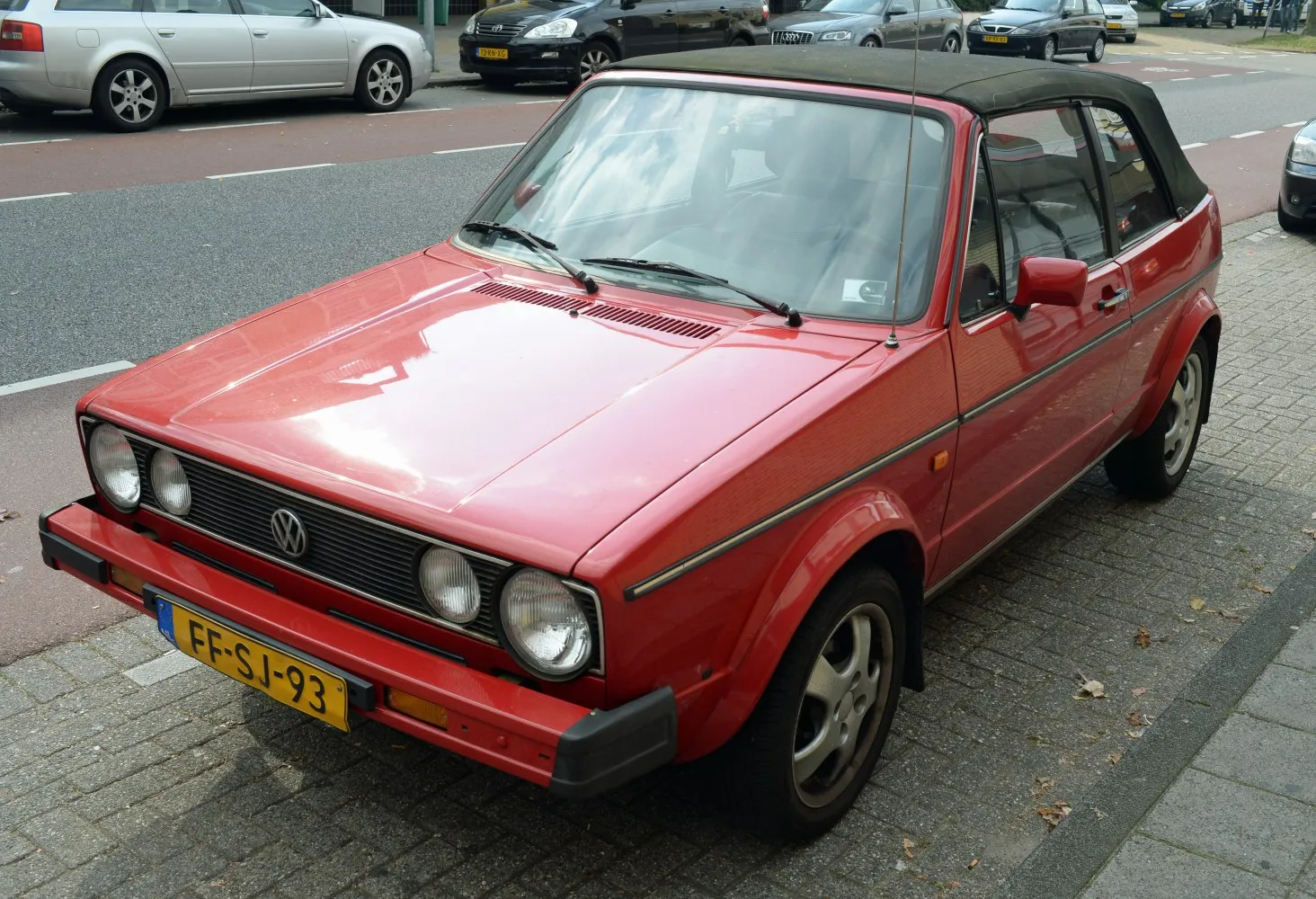


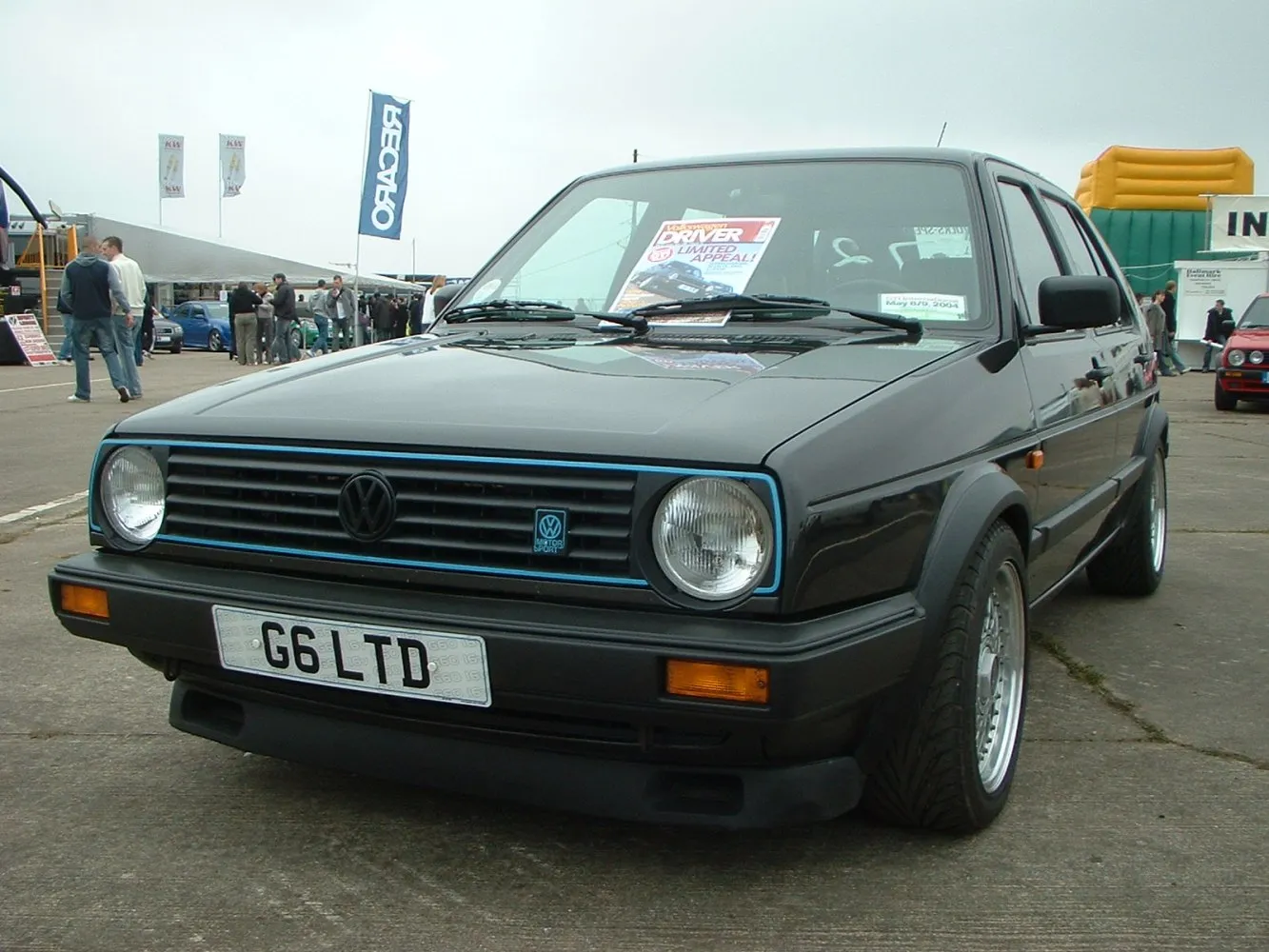


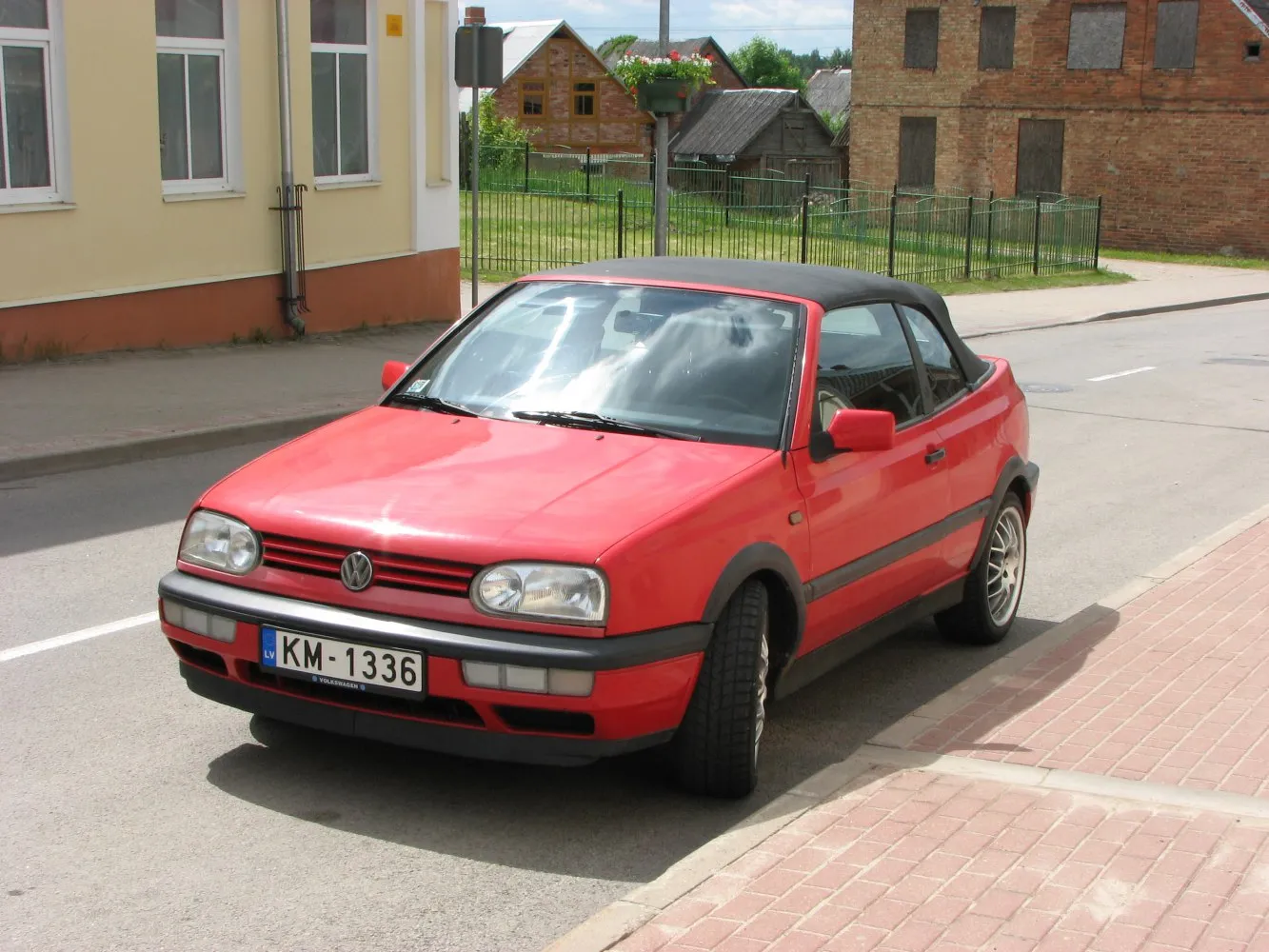













If you could change one thing about the Volkswagen Golf, what would it be?