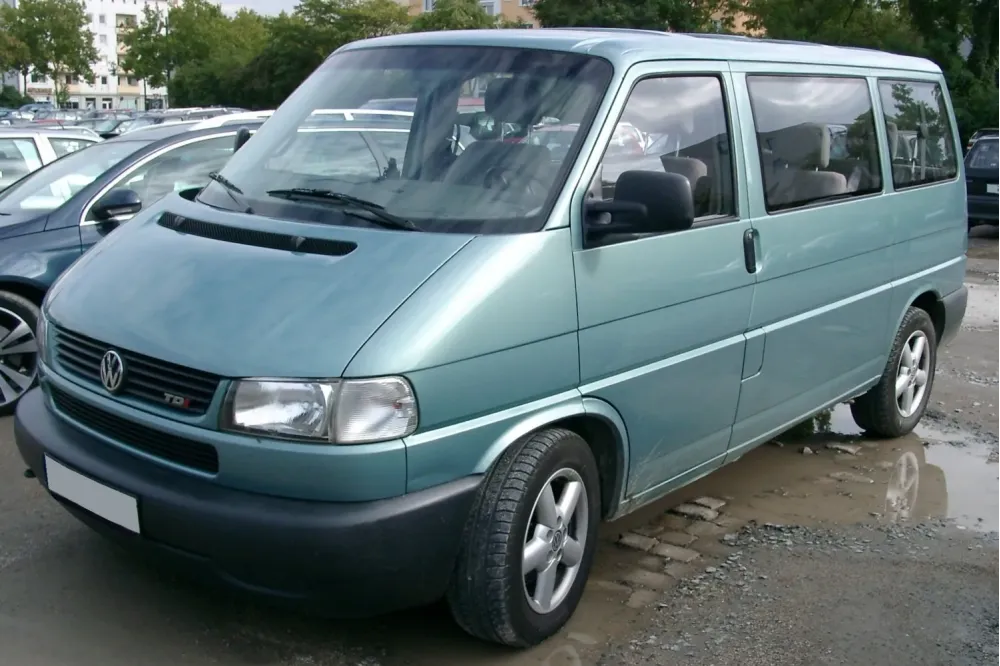
Click on image to view the full photo gallery
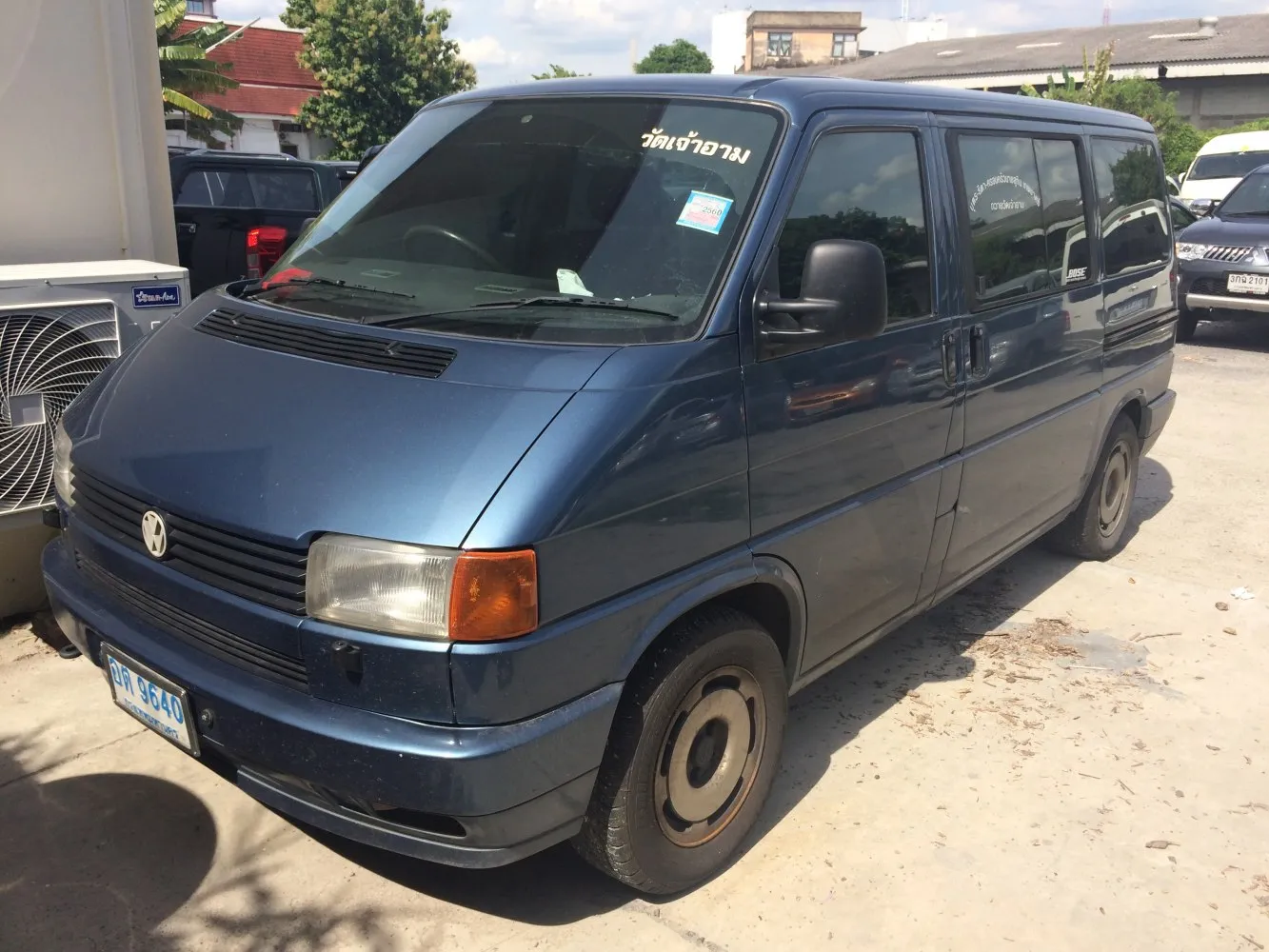
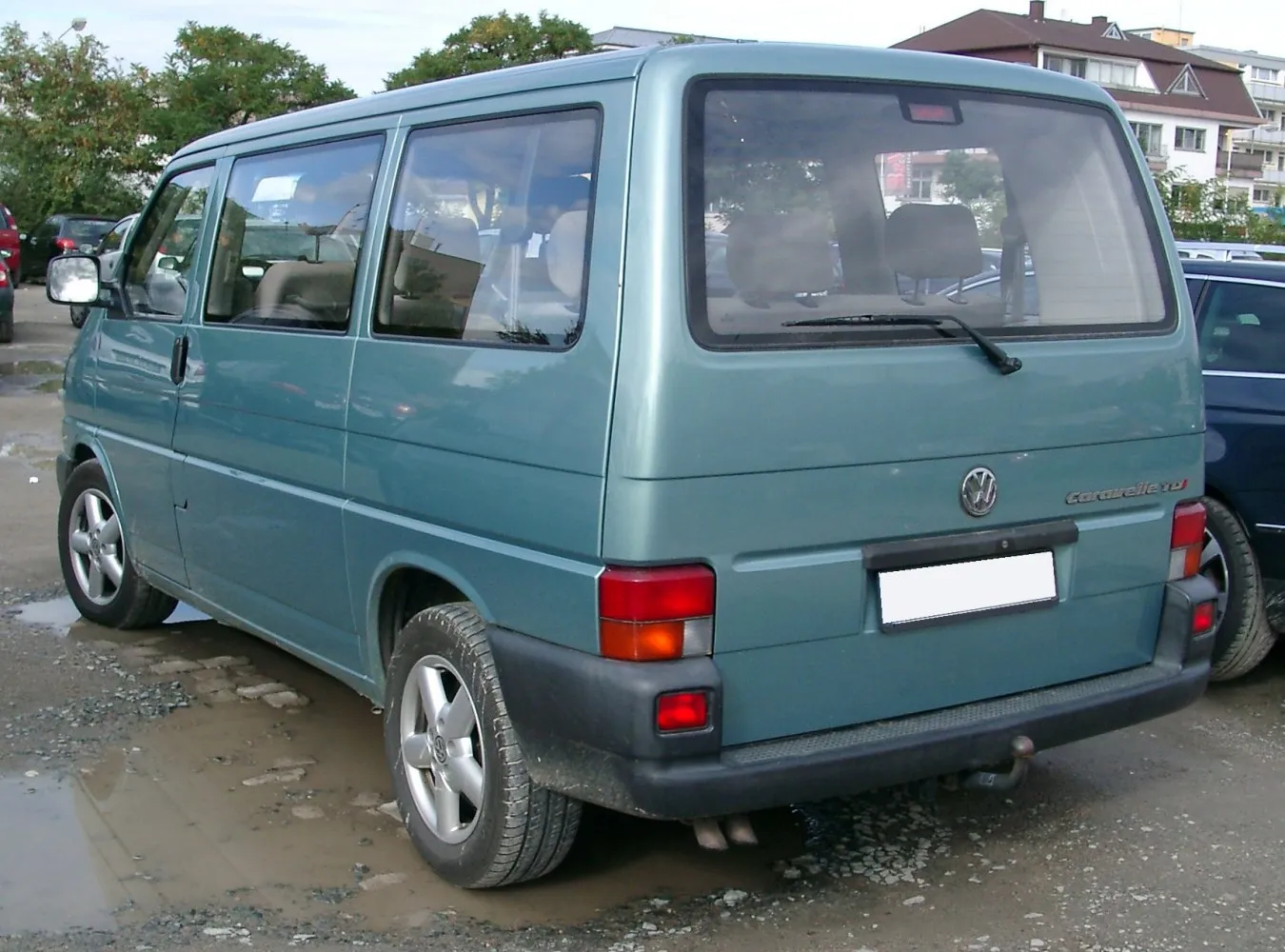
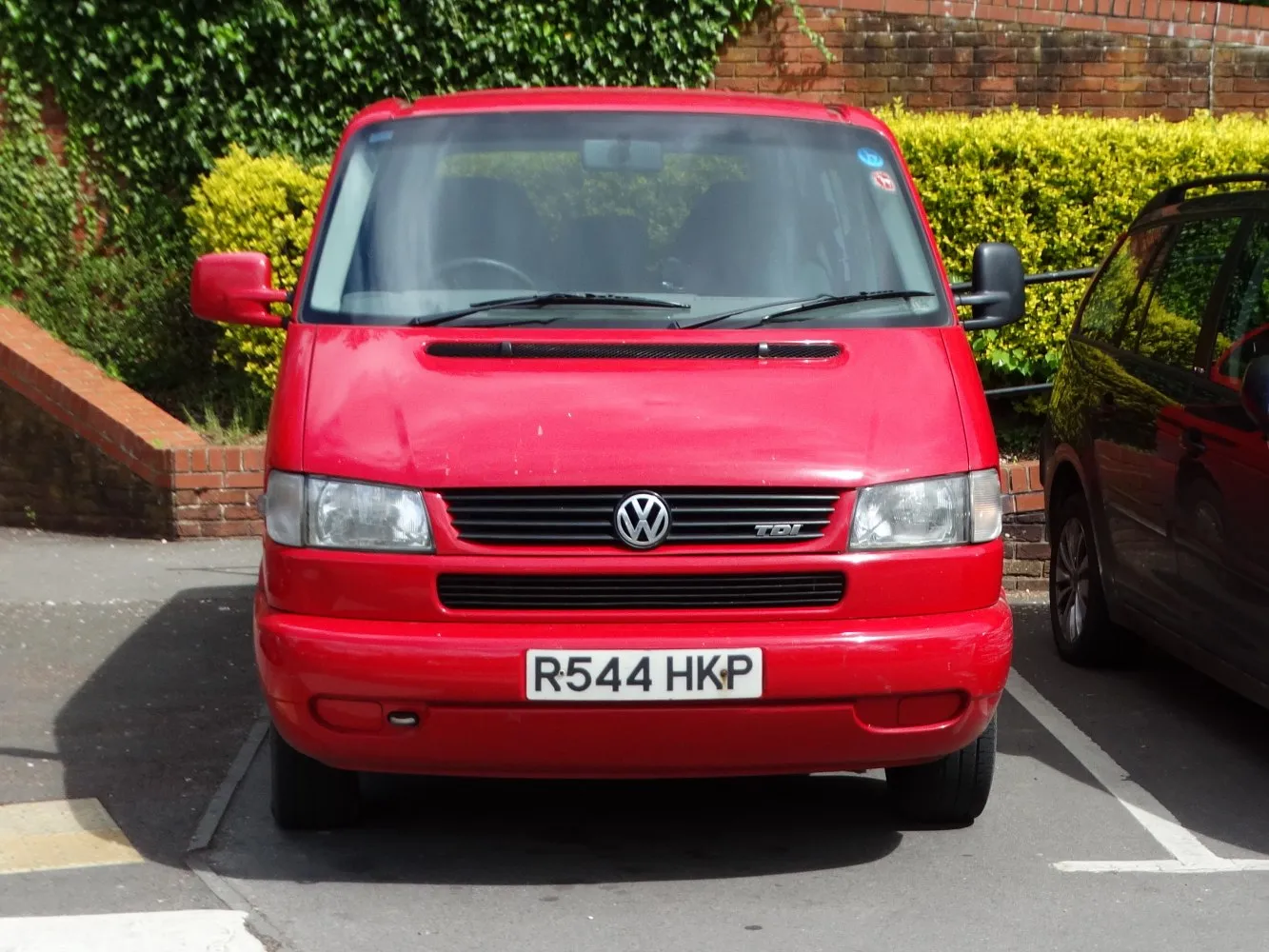
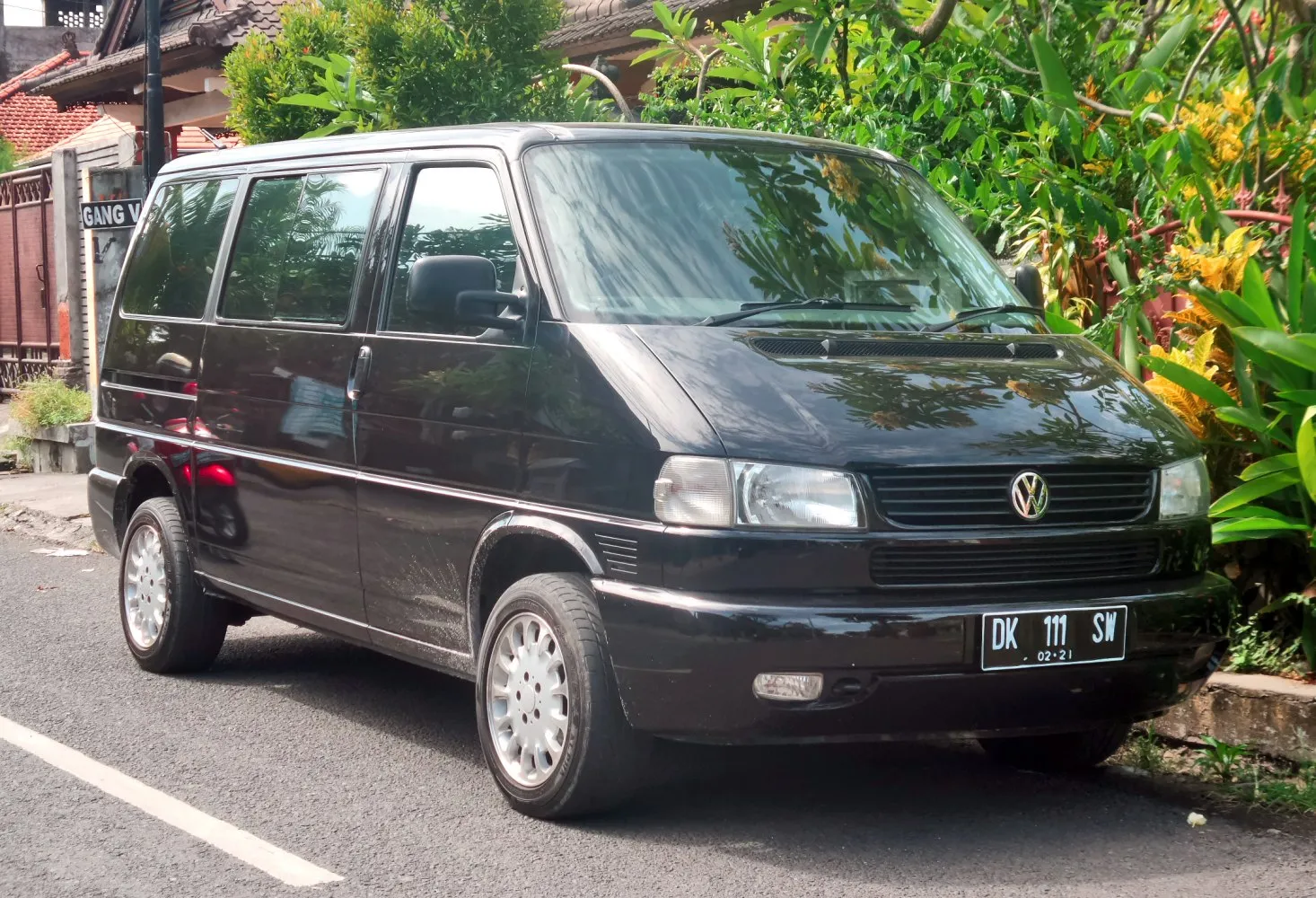
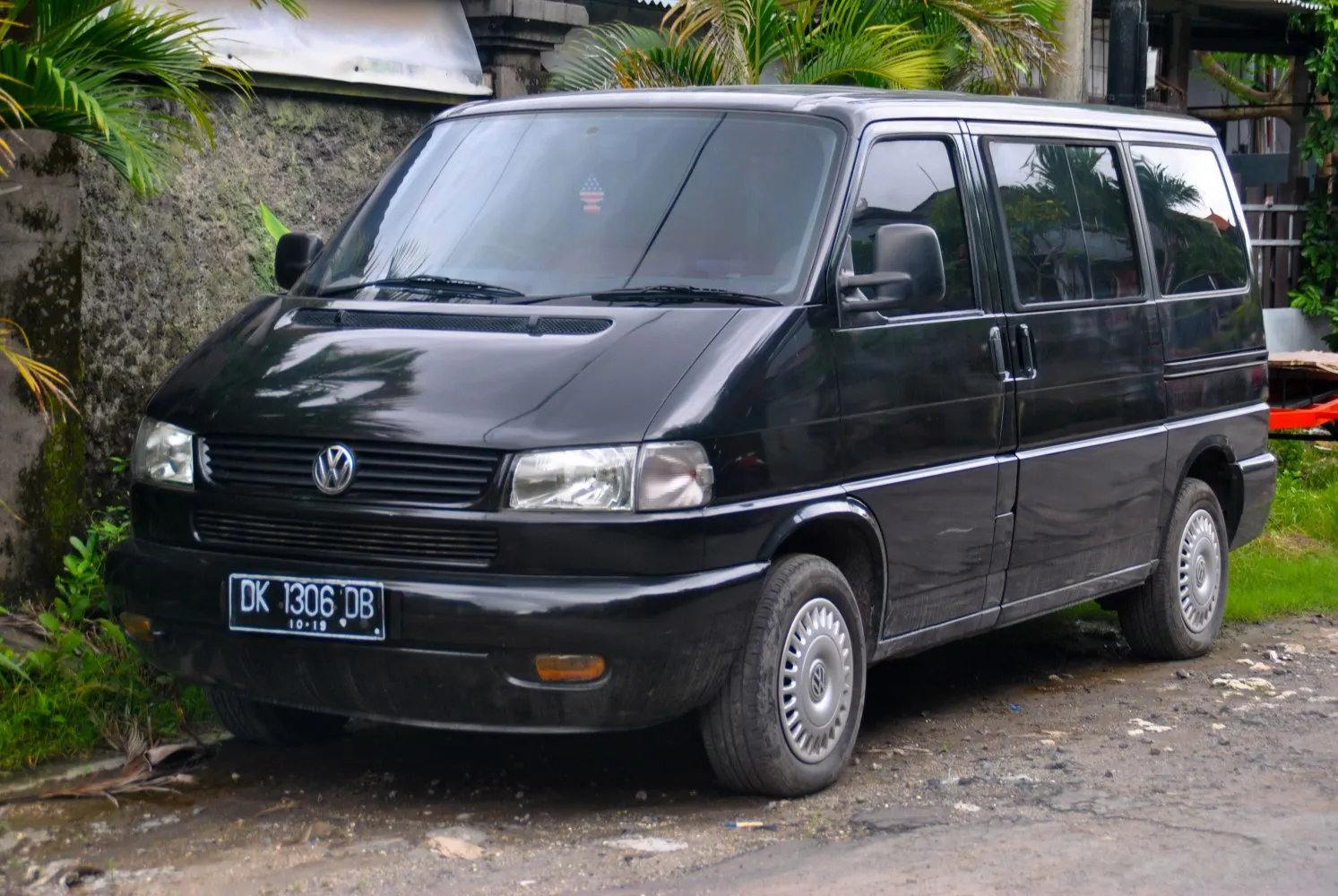
Volkswagen Caravelle T4, facelift 1996 2.8 VR6 (140 Hp) Automatic
Overall Rating
Volkswagen Caravelle:
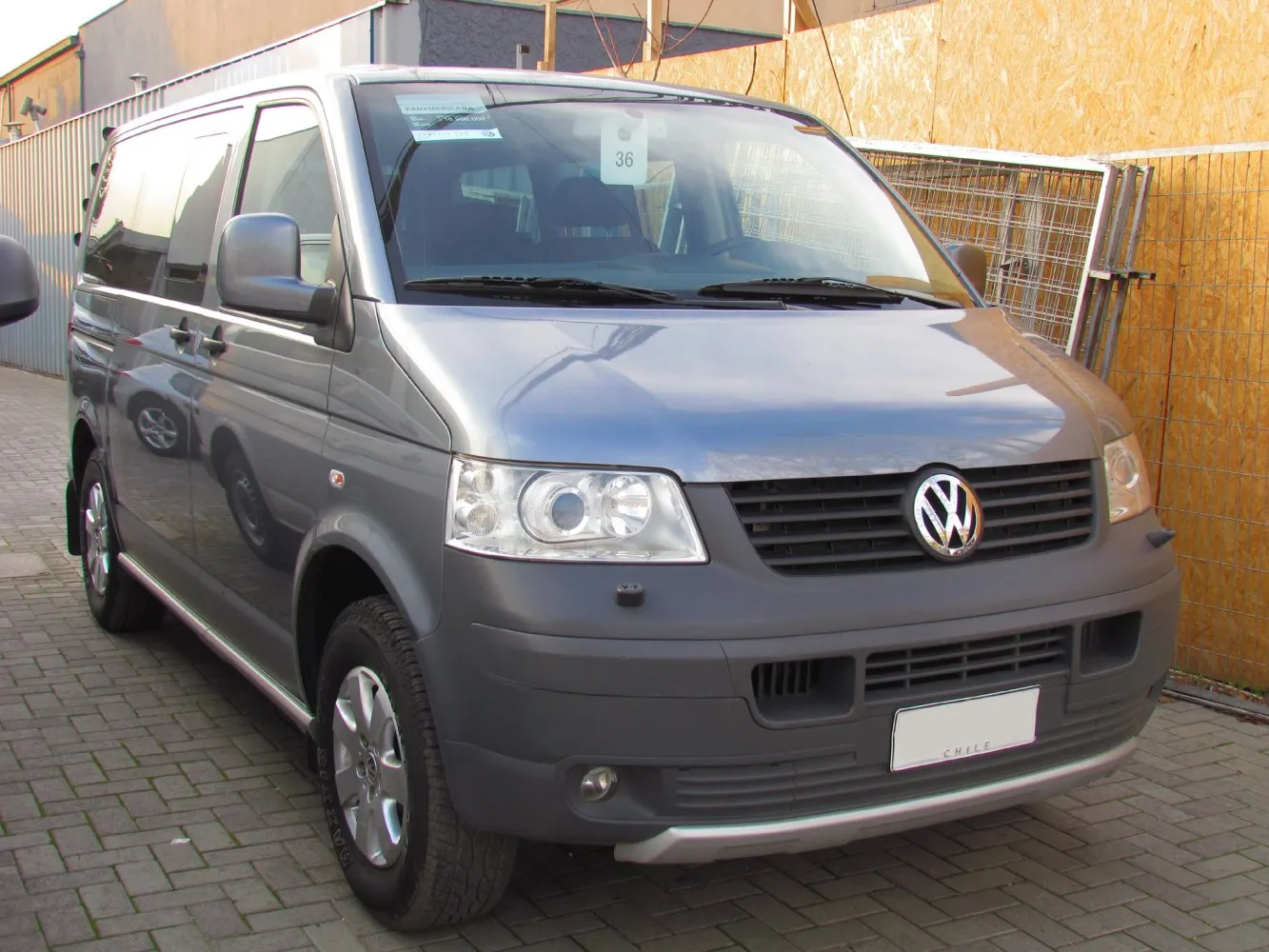
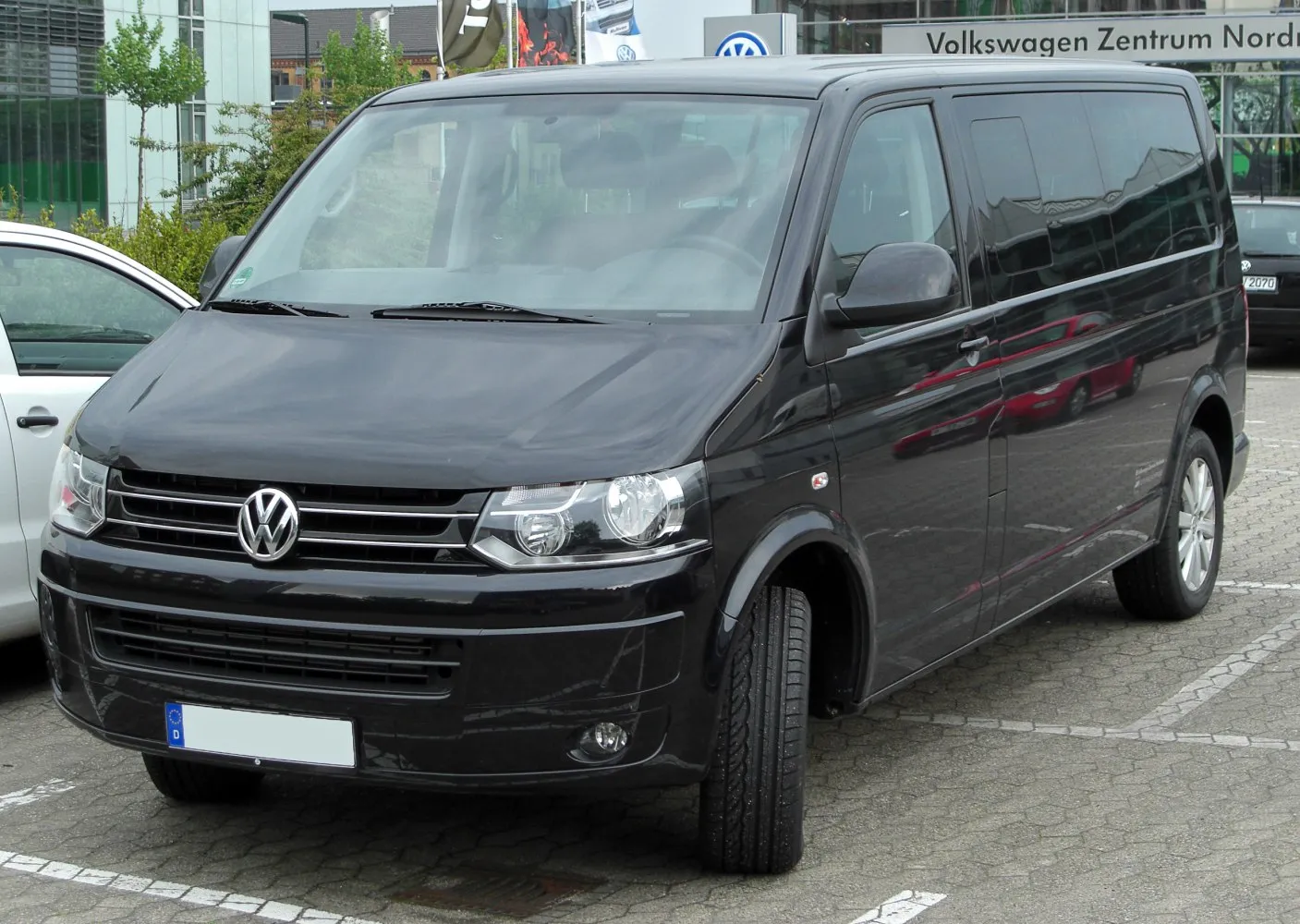
Volkswagen Caravelle is the nameplate of a van based on the Volkswagen Transporter. For information about the Caravelle, refer to the regular Transporter articles:....(Read more on Wikipedia)
T4, facelift 1996 Overview:
Volkswagen Caravelle (T4, facelift 1996). With 240 Nm of torque, it offers ample pulling power. With a weight of 1760 kg, it falls in the mid‑range. Front‑wheel drive delivers efficiency and easy handling. The top speed reaches 170 km/h. A large vehicle designed for transporting goods or groups of people. With seating for 6, it’s perfect for larger families.
2.8 VR6 (140 Hp) Automatic Verdict:

Performance Verdict
The most powerful petrol option, offering strong acceleration and refined cruising, ideal for those needing extra grunt.
Fuel Economy
Very thirsty, especially with the automatic gearbox; fuel costs will be a significant factor.
 Community Verdict
This rating is based on comments found on Reddit, scanned using artificial intelligence, and may not accurately reflect reality.

3 / 5
Based on AI analysis of 4 discussions
Read What Owners Say
Pros and Cons:
Pros:
- • Exceptional reliability and durability
- • Spacious and versatile interior
- • Strong resale value
- • Good range of diesel engines for economy
- • Syncro AWD option for enhanced capability
- • Comfortable ride for long journeys
Cons:
- • Basic safety features by modern standards
- • Some petrol engines are very thirsty
- • Underpowered base engines
- • Can be prone to rust if not maintained
- • Older automatic transmissions can be sluggish
Specifications:
Specifications are compared to those of the previous generation((T4) Long: 1993 - 1995).
| General: | |
|---|---|
| Brand: | Volkswagen |
| Model: | Caravelle |
| Generation: | T4, facelift 1996 |
| Modification (Engine): | 2.8 VR6 (140 Hp) Automatic |
| Start of production: | 1996 |
| End of production: | 2000 |
| Powertrain Architecture: | Internal Combustion engine |
| Body type: | Van |
| Seats: | 6-9 |
| Doors: | 4-5 |
| Engine: | |
|---|---|
| Power: | 140 Hp @ 4500 rpm. Same horsepower |
| Power per litre: | 50.1 Hp/l [266mm less] |
| Torque: | 240 Nm @ 3000-3400 rpm. |
| Engine Model/Code: | EA360 / AES More details about the engine EA360 / AES |
| Engine displacement: | 2792 |
| Number of cylinders: | 6 |
| Engine configuration: | VR-engine |
| Number of valves per cylinder: | 2 |
| Fuel injection system: | Multi-port manifold injection |
| Engine aspiration: | Naturally aspirated engine |
| Valvetrain: | DOHC |
| Engine oil capacity: | 5.6 l |
| Coolant: | 9 l |
| Engine layout: | Front, Transverse |
| Cylinder Bore: | 81 mm mm |
| Piston Stroke: | 90.3 mm mm |
| Compression ratio: | 10:1 |
| Performance: | |
|---|---|
| Fuel Type: | Petrol (Gasoline) |
| Fuel consumption (economy) - urban: | 17.5 l/100 km |
| Fuel consumption (economy) - extra urban: | 10.4 l/100 km |
| Fuel consumption (economy) - combined (NEDC): | 13 l/100 km |
| Fuel consumption (economy) - urban (NEDC): | 17.5 l/100 km |
| Fuel consumption (economy) - extra urban (NEDC): | 10.4 l/100 km |
| Fuel consumption (economy) - combined: | 13 l/100 km |
| Emission standard: | Euro 2 |
| Maximum speed: | 170 km/h |
| Weight-to-power ratio: | 12.6 kg/Hp, 79.5 Hp/tonne |
| Weight-to-torque ratio: | 7.3 kg/Nm, 136.4 Nm/tonne |
| Space: | |
|---|---|
| Kerb Weight: | 1760 |
| Max. weight: | 2630 |
| Max. roof load: | 100 kg |
| Max load: | 870 |
| Trunk (boot) space - maximum: | 5400 l |
| Permitted trailer load with brakes (12%): | 2000 kg |
| Fuel tank capacity: | 80 l |
| Permitted trailer load without brakes: | 700 kg |
| Permitted towbar download: | 100 kg |
| Size: | |
|---|---|
| Wading depth: | 350 mm |
| Length: | 4789 mm mm [266mm less] |
| Width: | 1840 mm mm [Same width.] |
| Height: | 1920 mm mm [20mm less] |
| Wheelbase: | 2920 mm mm [400mm less] |
| Width including mirrors: | 2175 mm |
| Front track: | 1589 mm |
| Rear (Back) track: | 1554 mm |
| Front overhang: | 968 mm |
| Rear overhang: | 901 mm |
| Ride height (ground clearance): | 160 mm |
| Minimum turning circle (turning diameter): | 11.7 m [above average] |
| Powertrain: | |
|---|---|
| Drivetrain Architecture | The Internal combustion engine (ICE) drives the front wheels of the vehicle. |
| Drive wheel | Front wheel drive |
| Number of gears | 4 |
| Transmission type | Automatic |
| Front brakes | Ventilated discs [Best for performance and cooling.] |
| Rear brakes | Disc [above average] |
| Assisting systems | ABS (Anti-lock braking system) |
| Steering type | Steering rack and pinion |
| Power steering | Hydraulic Steering |
| Tires size | 205/65 R15 |
| Wheel rims size | 6J x 15 |
| Front suspension | Independent torsion bar, double wishbone, Transverse stabilizer |
| Rear suspension | Independent coil spring, Trailing arm |


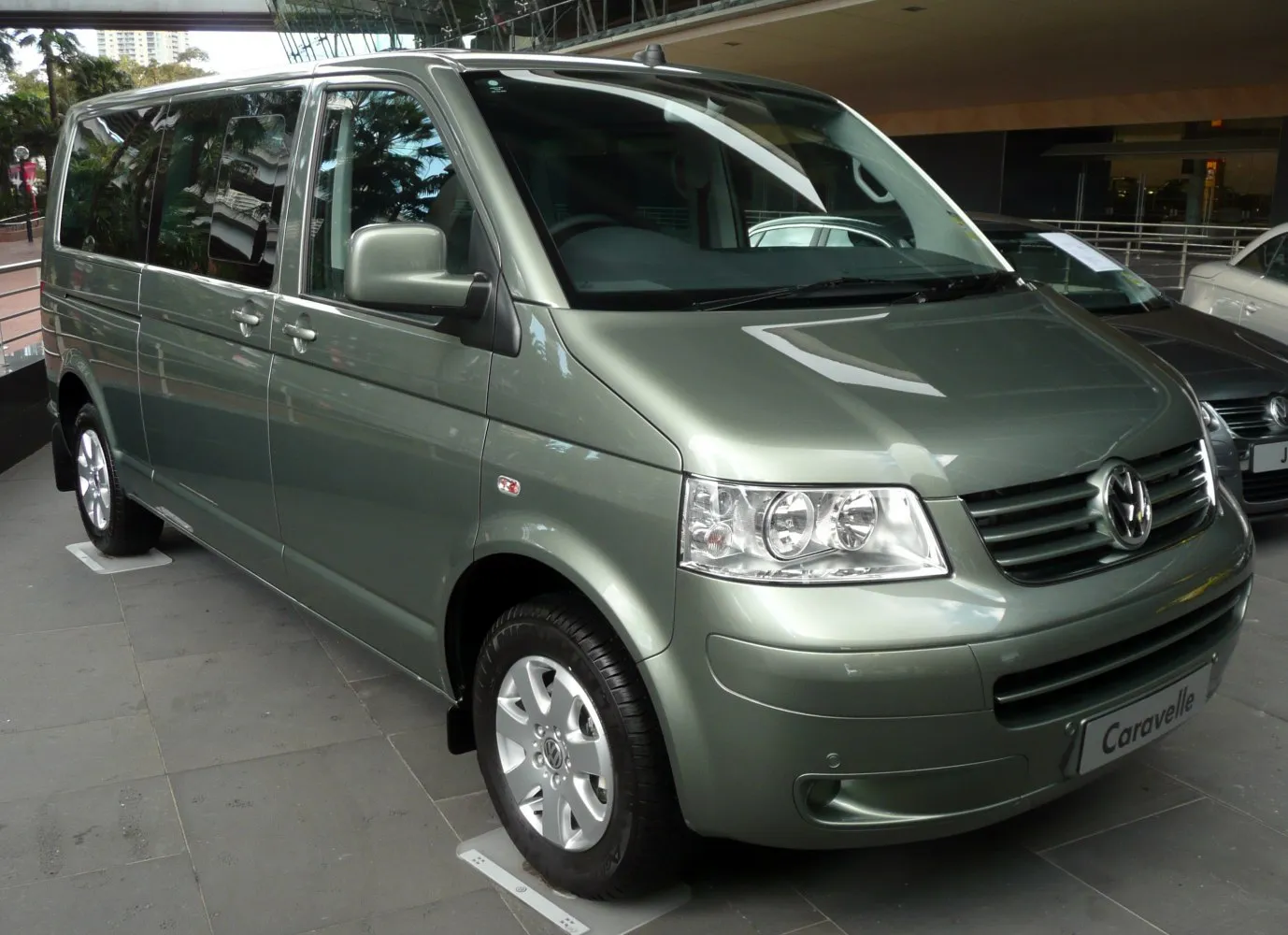


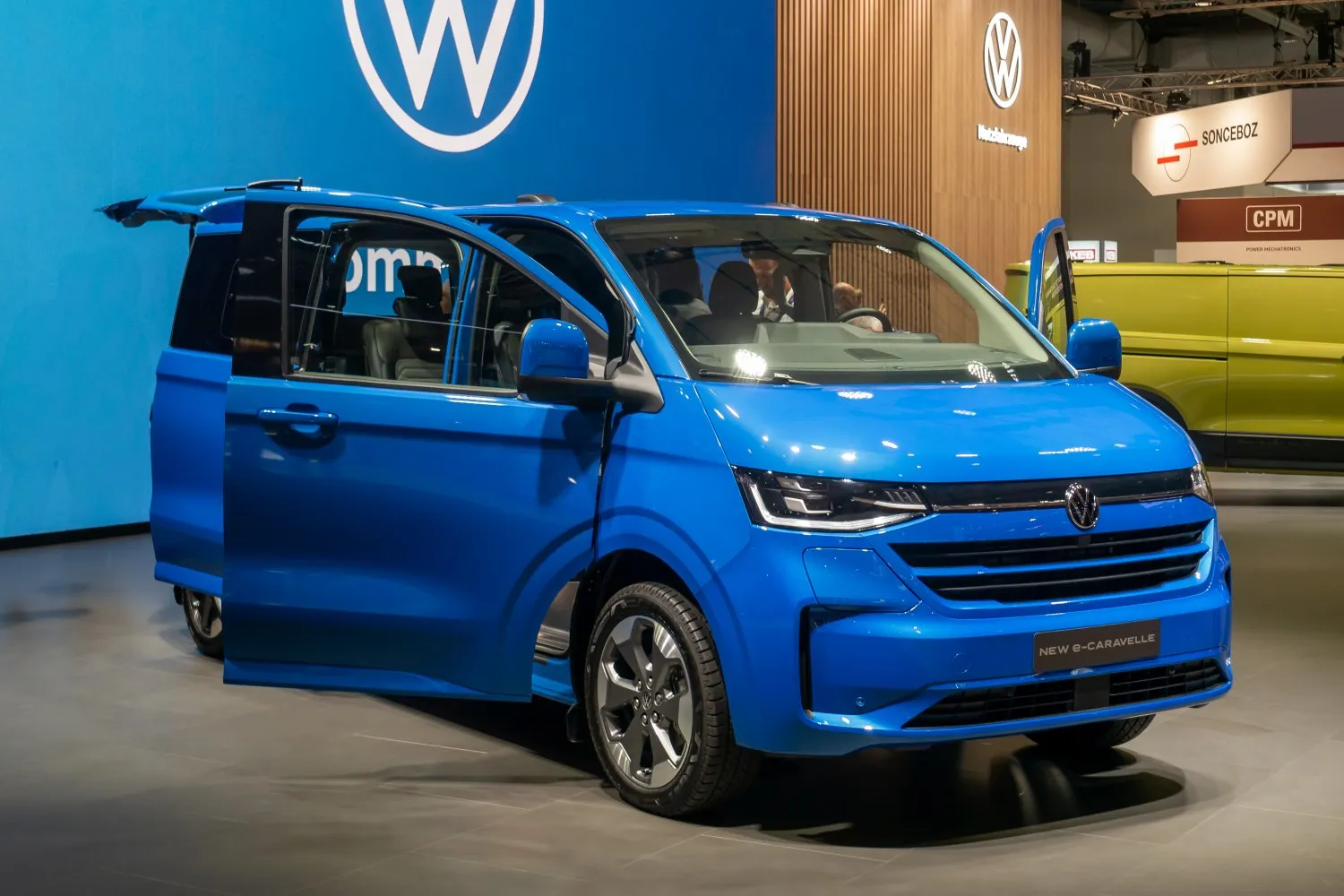
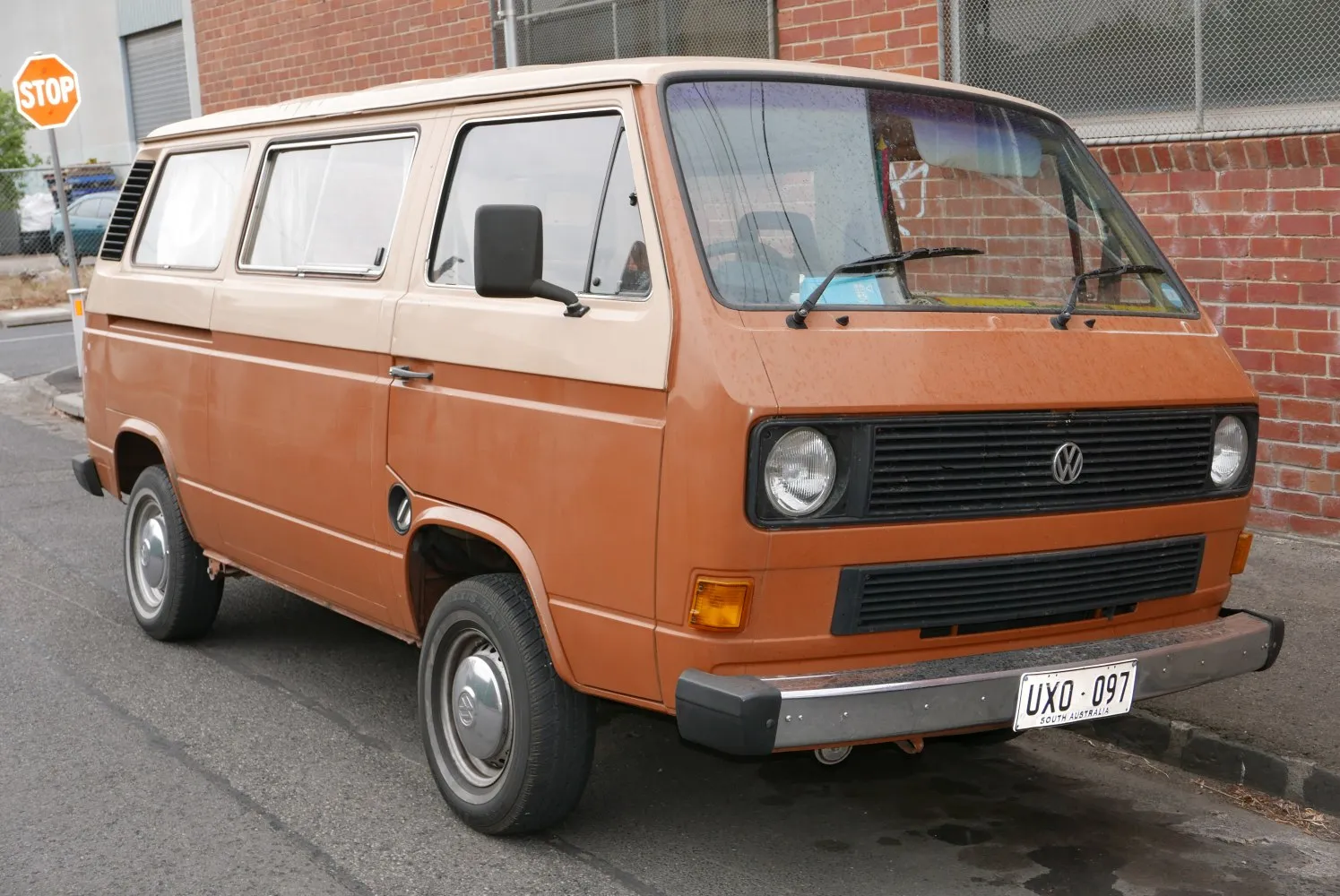






Behind the wheel of the Volkswagen Caravelle. How does it handle on the road?