
Click on image to view the full photo gallery
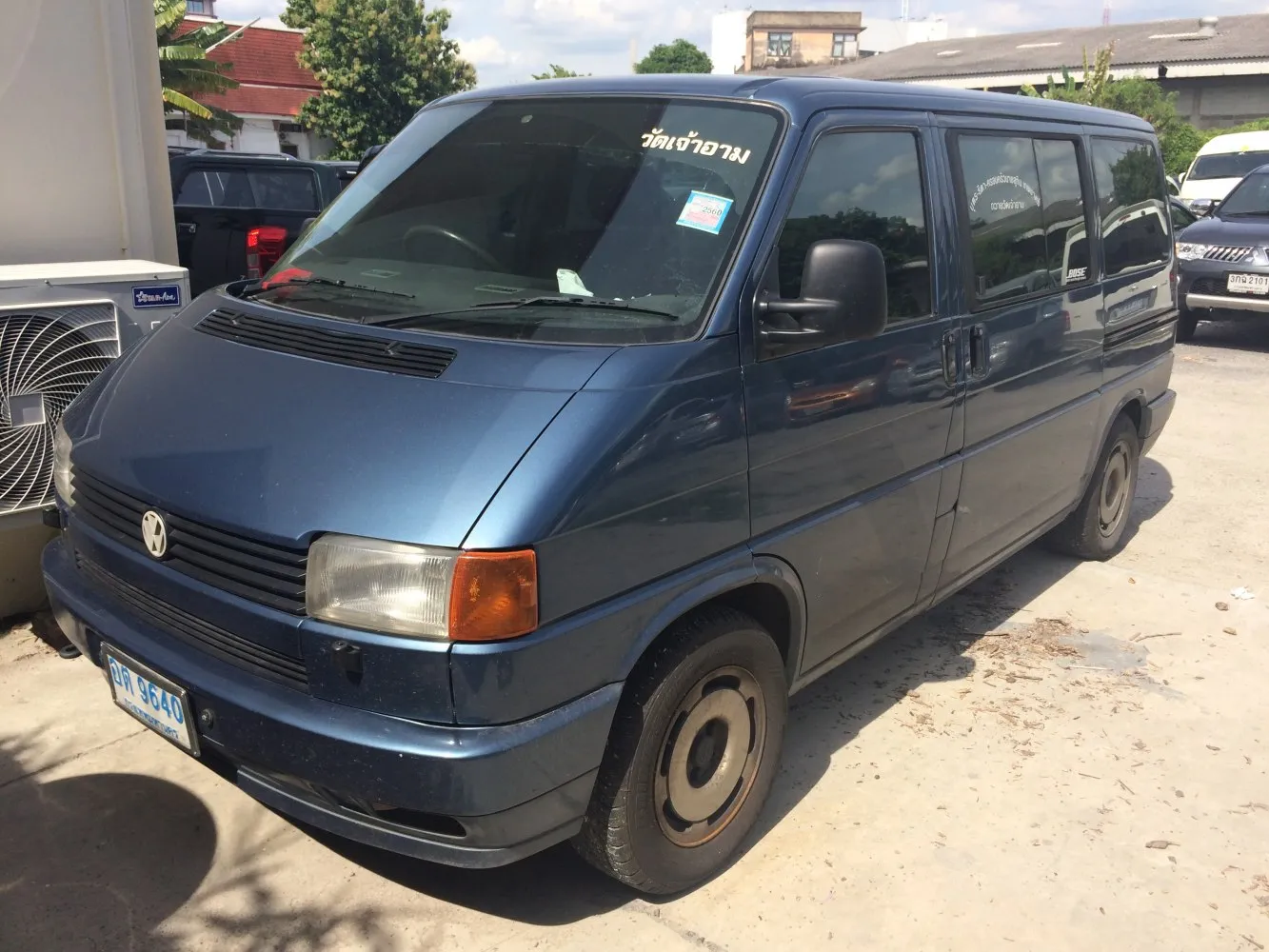
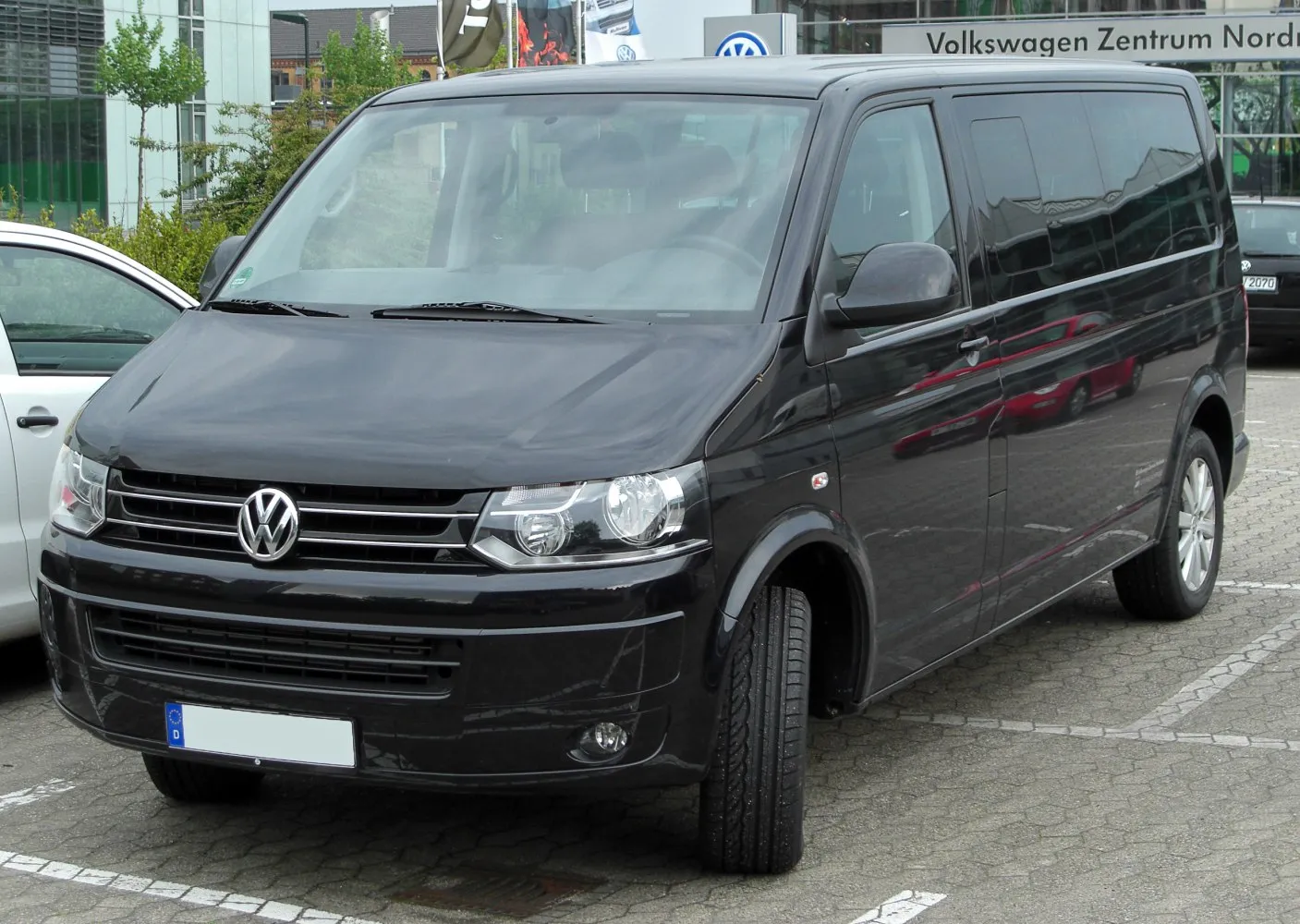
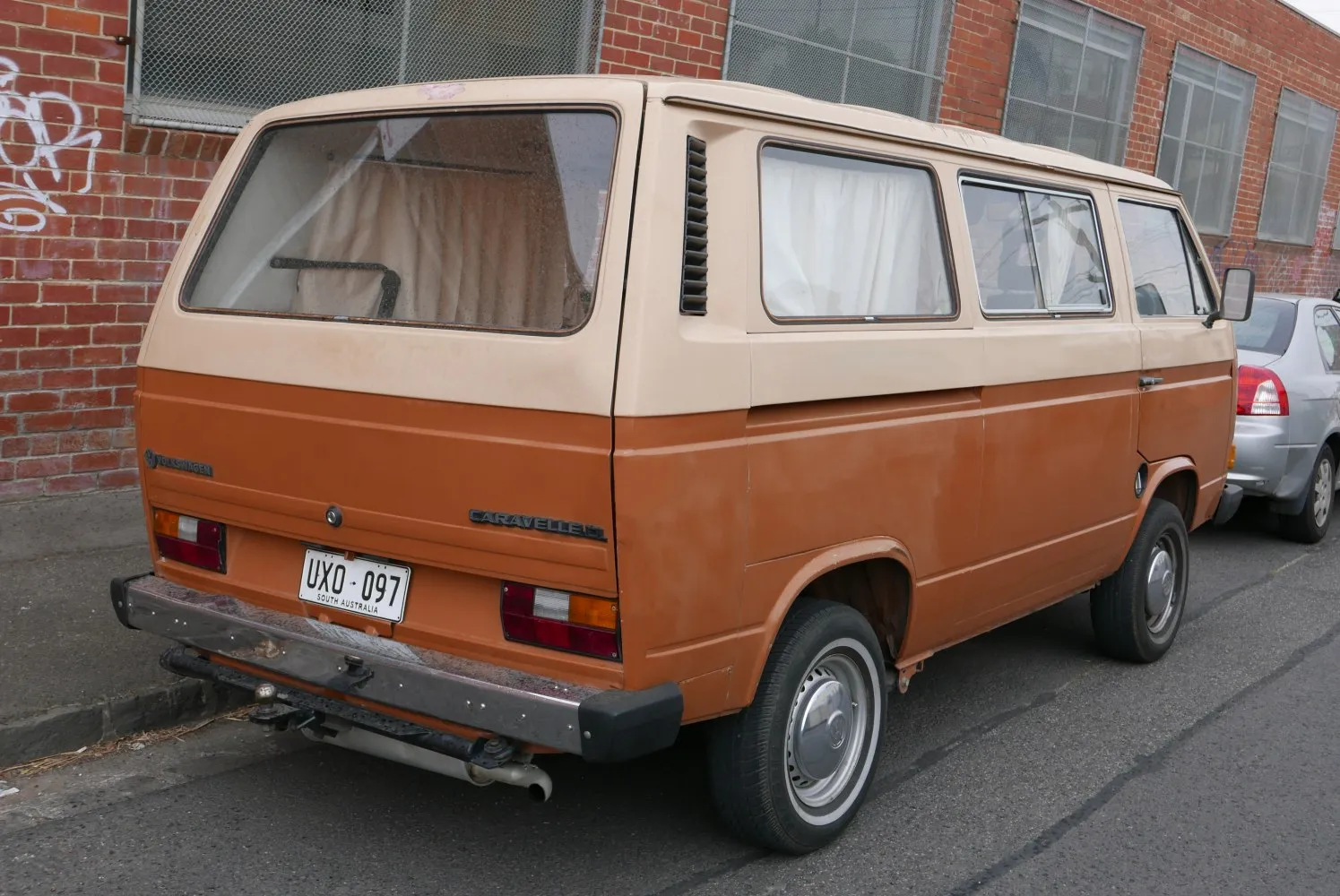
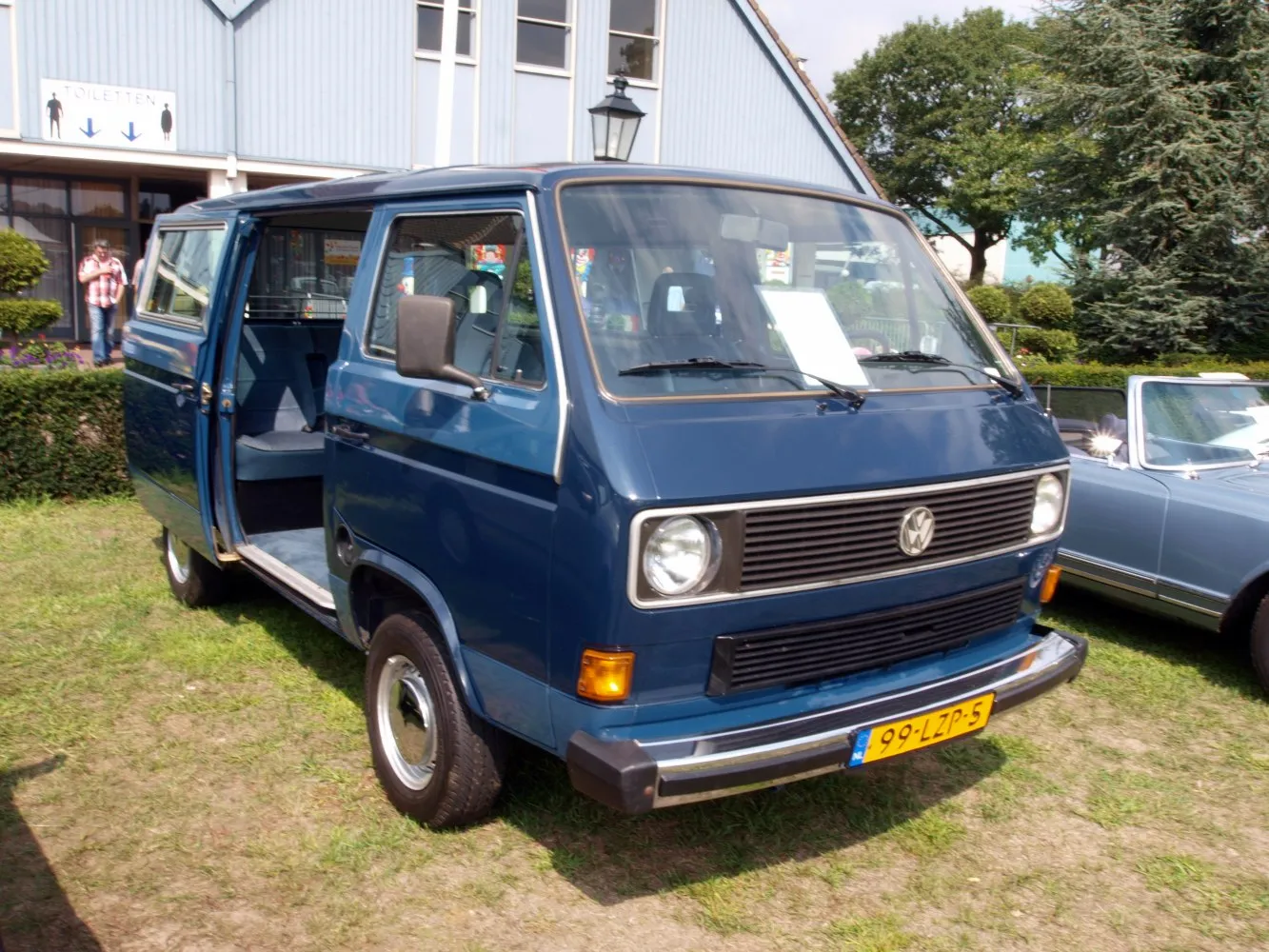
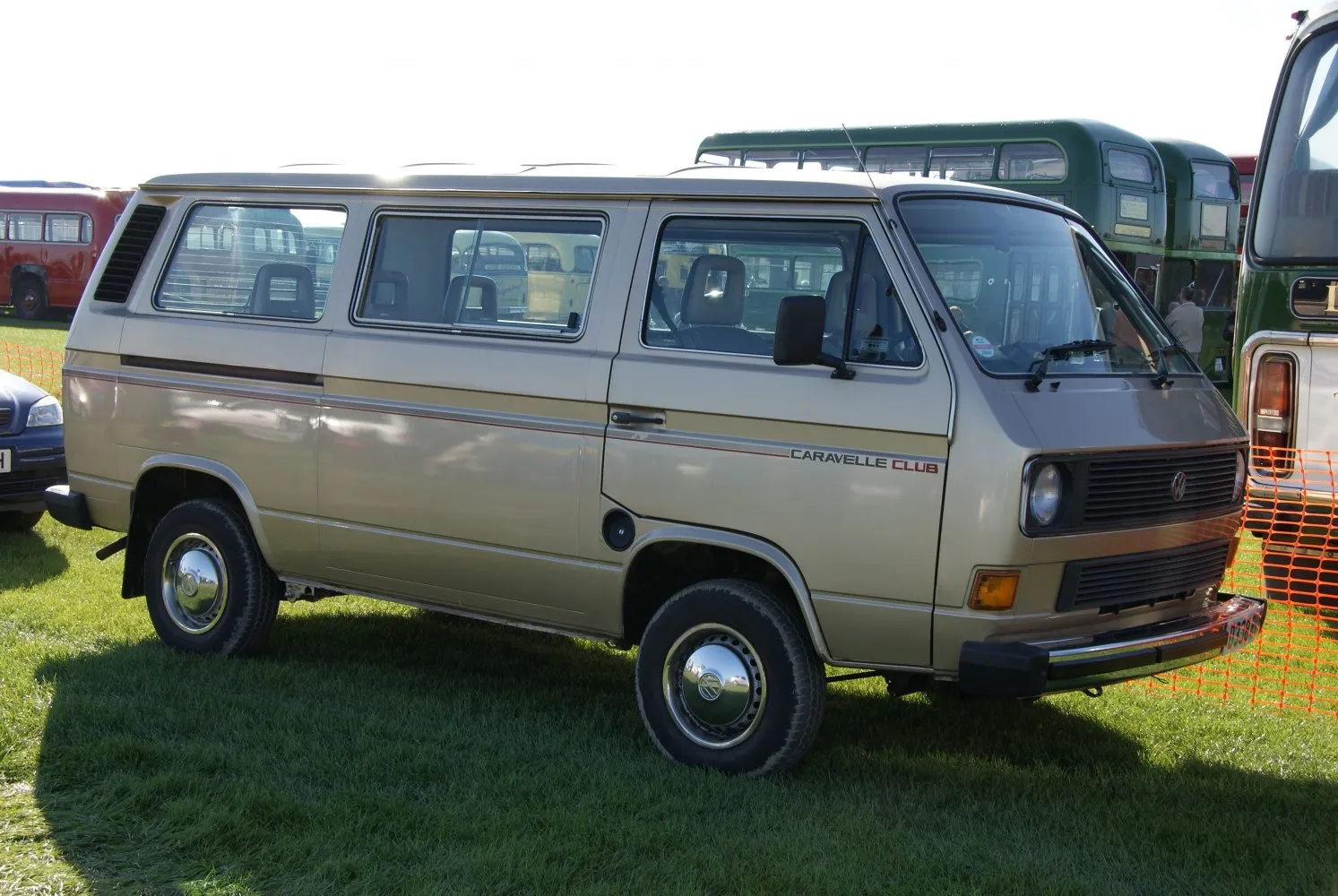
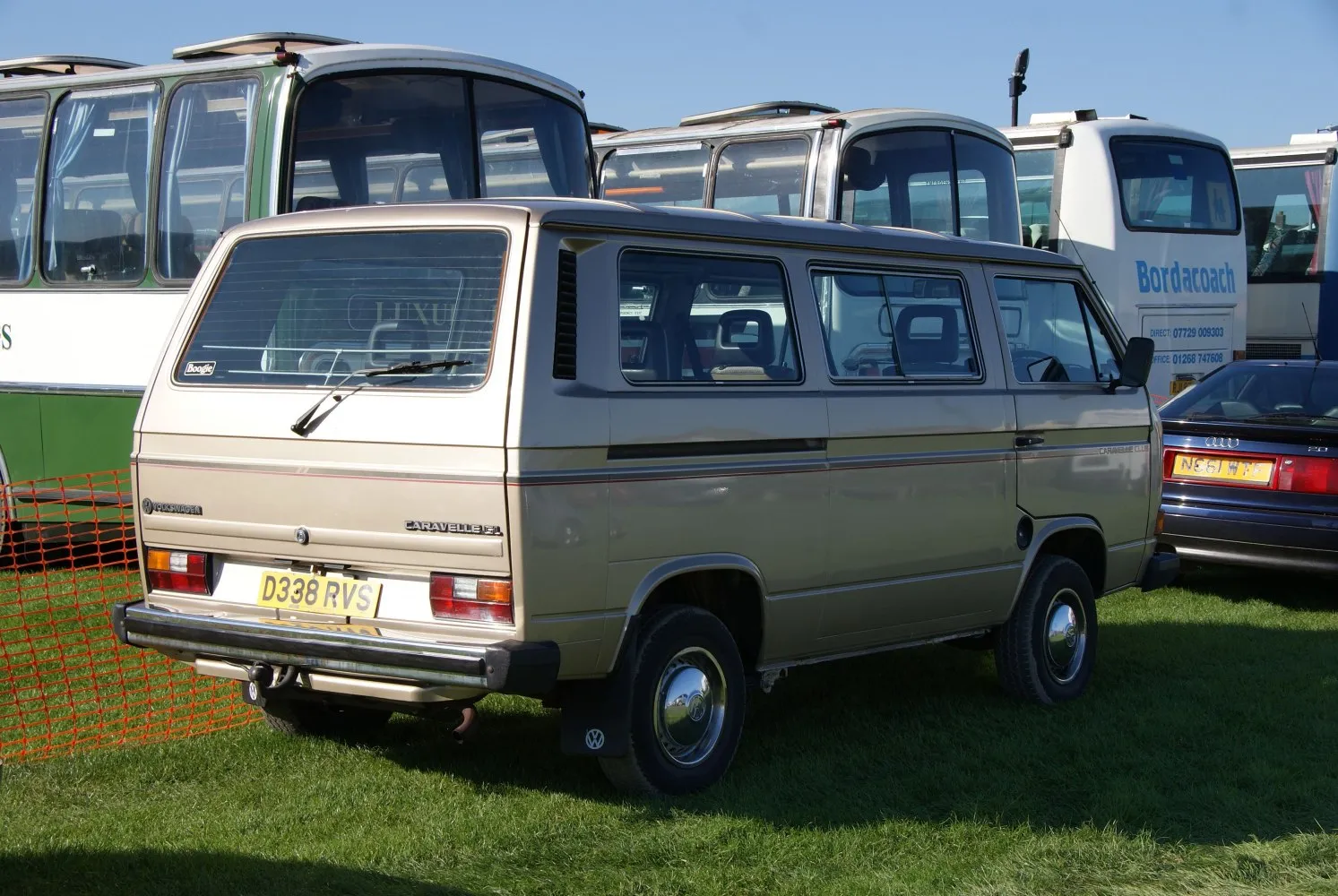
Volkswagen Caravelle T3 2.1 (112 Hp) Syncro 16
Overall Rating
Volkswagen Caravelle:
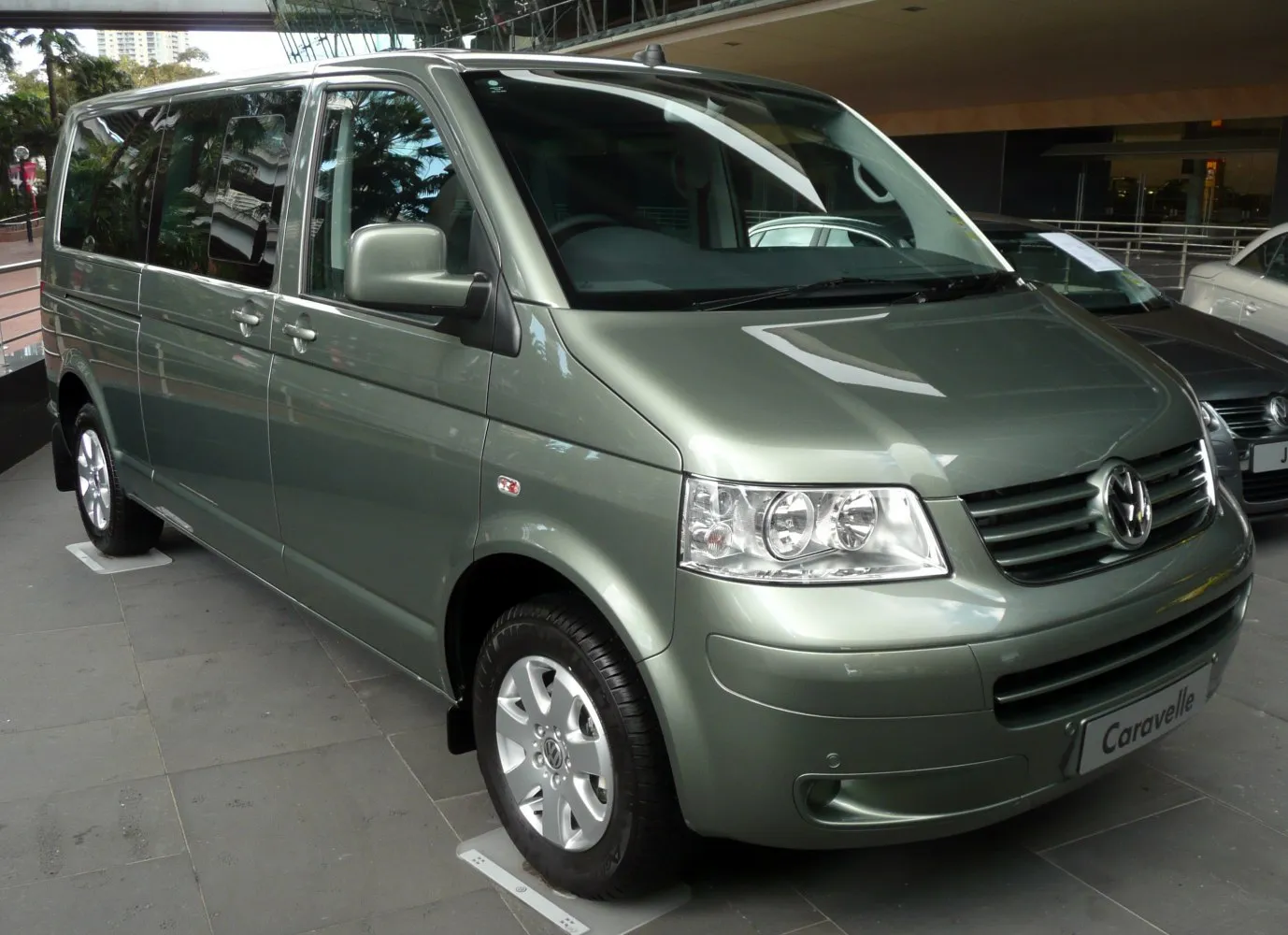
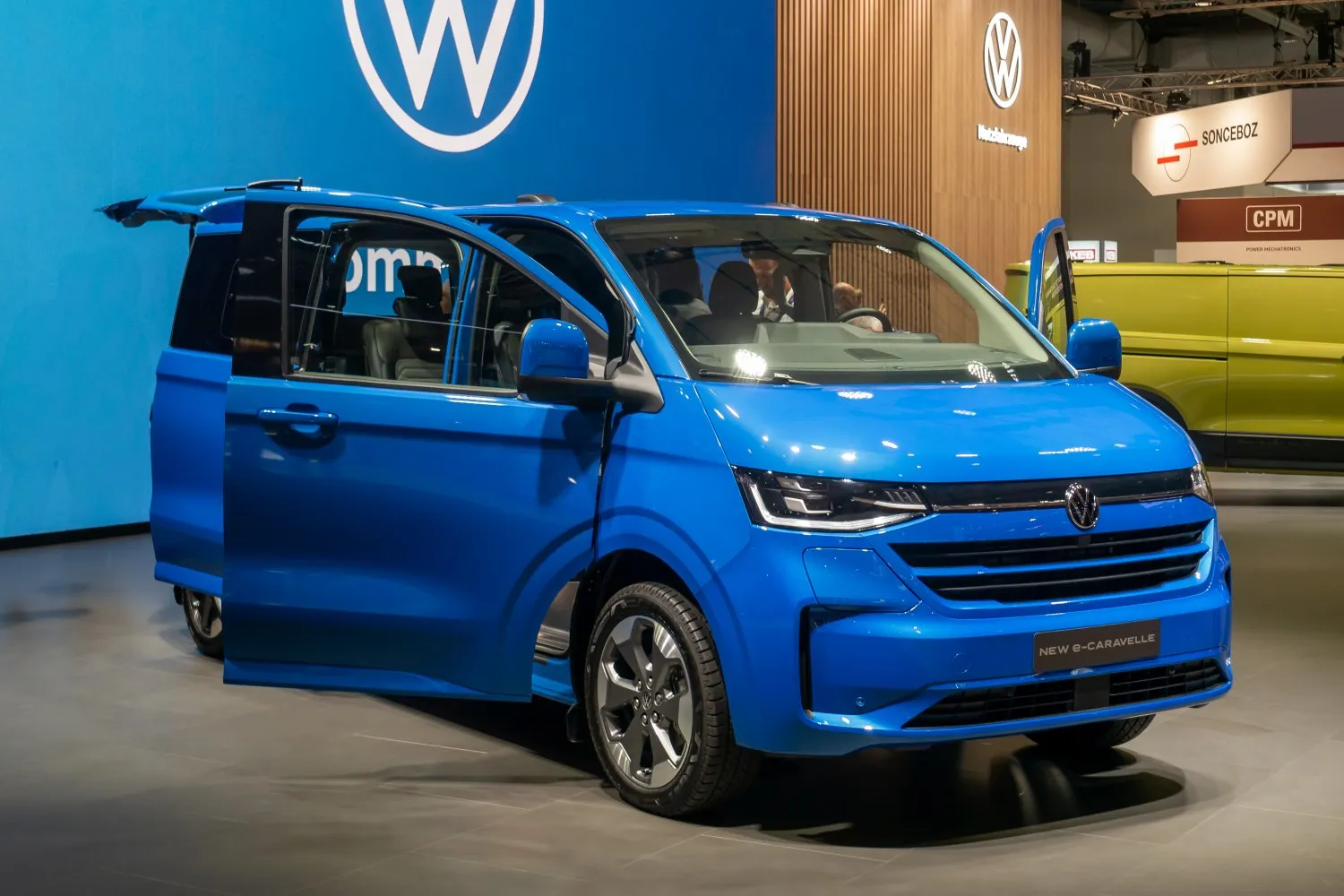
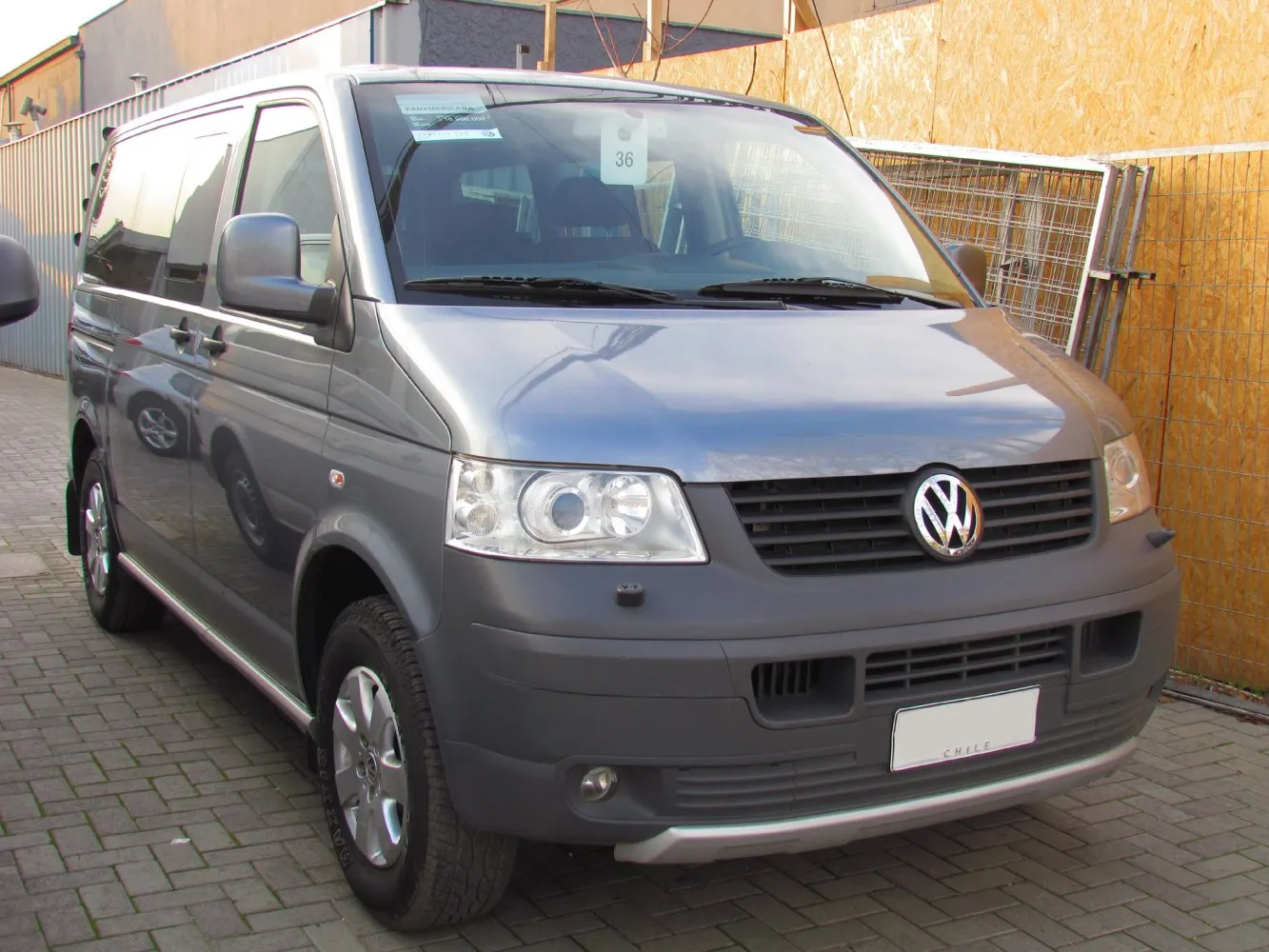
Volkswagen Caravelle is the nameplate of a van based on the Volkswagen Transporter. For information about the Caravelle, refer to the regular Transporter articles:....(Read more on Wikipedia)
T3 Overview:
Volkswagen Caravelle (T3). With 174 Nm of torque, it offers ample pulling power. With a weight of 1690 kg, it falls in the mid‑range. All‑wheel drive provides excellent grip, ideal for off‑road use. The top speed reaches 140 km/h. A large vehicle designed for transporting goods or groups of people. With seating for 7, it’s perfect for larger families.
The Volkswagen Caravelle T3 was produced before the establishment of Euro NCAP in 1997, and therefore has no official rating. Safety standards of the era were significantly different from modern vehicles.
2.1 (112 Hp) Syncro 16 Verdict:

Performance Verdict
The most powerful petrol option combined with Syncro AWD, providing strong acceleration and excellent capability for diverse conditions.
Fuel Economy
Higher fuel consumption due to the larger engine and Syncro system, but offers a significant performance boost.
 Community Verdict
This rating is based on comments found on Reddit, scanned using artificial intelligence, and may not accurately reflect reality.

3.7 / 5
Based on AI analysis of 9 discussions
Read What Owners Say
Pros and Cons:
Pros:
- • Spacious and versatile interior, ideal for families or camping conversions.
- • Iconic design with strong classic appeal and growing collector's value.
- • Good visibility and maneuverability for its size.
- • Syncro AWD models offer excellent off-road and all-weather capability.
- • Robust build quality, many examples still on the road.
Cons:
- • Engines can feel underpowered by modern standards, especially smaller diesels.
- • Fuel economy is not a strong point for petrol models, particularly the 2.1L.
- • Lack of modern safety features (no Euro NCAP rating).
- • Maintenance can be complex and parts for specific components (e.g., Wasserboxer cooling) can be costly.
- • Rust is a common issue, requiring careful inspection for older models.
Specifications:
Specifications are compared to those of the previous generation(T3: 1986 - 1990).
| General: | |
|---|---|
| Brand: | Volkswagen |
| Model: | Caravelle |
| Generation: | T3 |
| Modification (Engine): | 2.1 (112 Hp) Syncro 16 |
| Start of production: | 1987 |
| End of production: | 1992 |
| Powertrain Architecture: | Internal Combustion engine |
| Body type: | Van |
| Seats: | 7-9 |
| Doors: | 4-5 |
| Engine: | |
|---|---|
| Power: | 112 Hp @ 4800 rpm. Same horsepower |
| Power per litre: | 53.1 Hp/l [Same length.] |
| Torque: | 174 Nm @ 2800 rpm. |
| Engine Model/Code: | DJ More details about the engine DJ |
| Engine displacement: | 2109 |
| Number of cylinders: | 4 |
| Engine configuration: | Boxer |
| Number of valves per cylinder: | 2 |
| Fuel injection system: | Multi-port manifold injection |
| Engine aspiration: | Naturally aspirated engine |
| Valvetrain: | OHV |
| Engine oil capacity: | 4.5 l |
| Coolant: | 17.5 l |
| Engine layout: | Rear, Longitudinal |
| Cylinder Bore: | 94 mm mm |
| Piston Stroke: | 76 mm mm |
| Compression ratio: | 10.5:1 |
| Performance: | |
|---|---|
| Fuel Type: | Petrol (Gasoline) |
| Fuel consumption (economy) - urban: | 14.3 l/100 km |
| Fuel consumption (economy) - extra urban: | 10.4 l/100 km |
| Maximum speed: | 140 km/h |
| Weight-to-power ratio: | 15 kg/Hp, 66.9 Hp/tonne |
| Weight-to-torque ratio: | 9.6 kg/Nm, 103.9 Nm/tonne |
| Space: | |
|---|---|
| Kerb Weight: | 1675-1705 |
| Max. weight: | 2500 |
| Max. roof load: | 100 kg |
| Max load: | 795-825 |
| Trunk (boot) space - maximum: | 2930 l |
| Trunk (boot) space - minimum: | 1700 l |
| Permitted trailer load with brakes (12%): | 2000 kg |
| Fuel tank capacity: | 70 l |
| Permitted trailer load without brakes: | 600 kg |
| Permitted towbar download: | 75 kg |
| Size: | |
|---|---|
| Ramp-over (brakeover) angle: | 29° |
| Wading depth: | 390 mm |
| Length: | 4600 mm mm [Same length.] |
| Width: | 1845 mm mm [Same width.] |
| Height: | 2020-2028 mm mm [70mm more] |
| Wheelbase: | 2480 mm mm [20mm more] |
| Front track: | 1597 mm |
| Rear (Back) track: | 1590 mm |
| Front overhang: | 1175 mm |
| Rear overhang: | 925 mm |
| Ride height (ground clearance): | 218-226 mm |
| Minimum turning circle (turning diameter): | 11.3 m [above average] |
| Approach angle: | 24° |
| Departure angle: | 24° |
| Climb angle: | 36° |
| Powertrain: | |
|---|---|
| Drivetrain Architecture | The Internal combustion engine (ICE) drives the rear wheels permanently, and the front wheels are driven through an electrically or mechanically operated clutch if necessary. |
| Drive wheel | All wheel drive (4x4) |
| Number of gears | 5 |
| Transmission type | Manual |
| Front brakes | Disc [bad for performance and cooling.] |
| Rear brakes | Drum [bad for performance and cooling.] |
| Steering type | Steering rack and pinion |
| Tires size | 195/80 R16; 205/80 R16 |
| Wheel rims size | 5.5J x 16 |
| Front suspension | Coil spring, Double wishbone, Transverse stabilizer |
| Rear suspension | Independent coil spring, Trailing arm |










Is the Volkswagen Caravelle worth every penny? Give us your honest ROI.