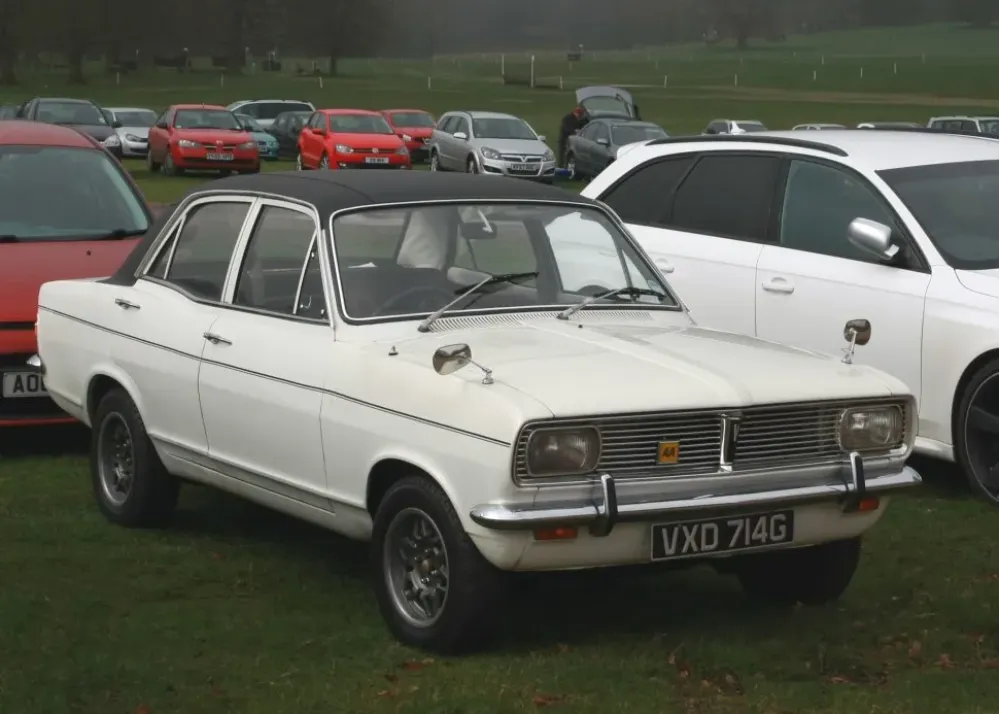
Click on image to view the full photo gallery
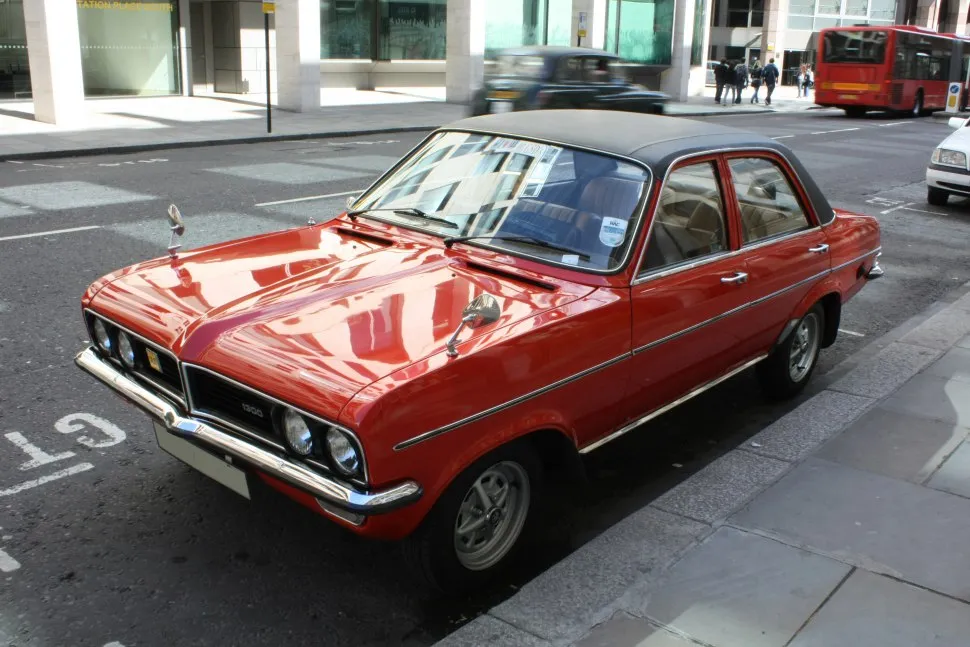
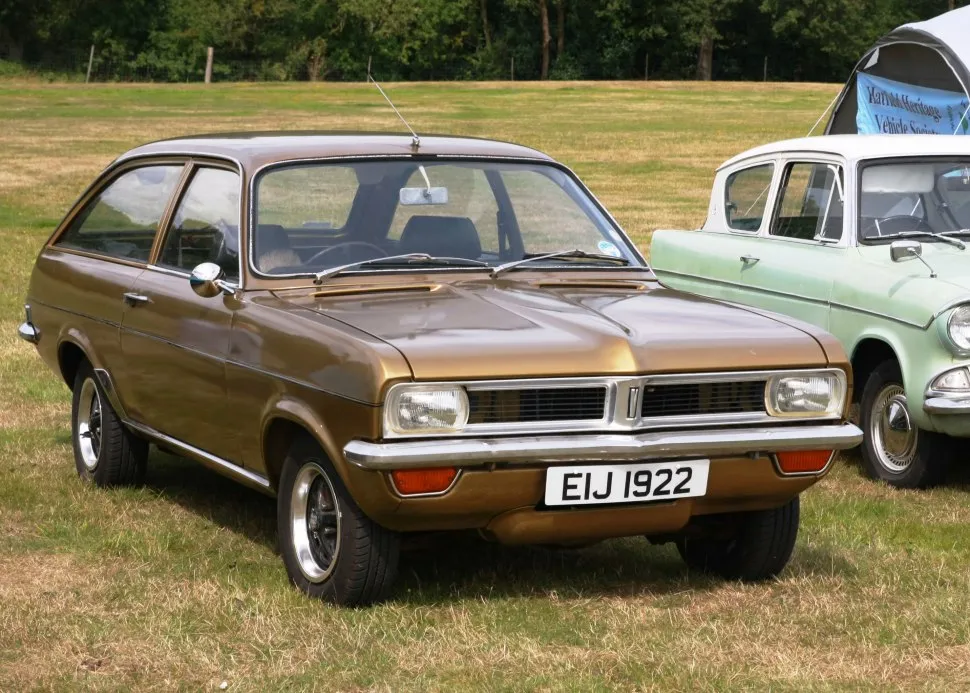
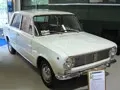
Vauxhall Viva HB 1100 SL90 (60 Hp)
Overall Rating
Vauxhall Viva:
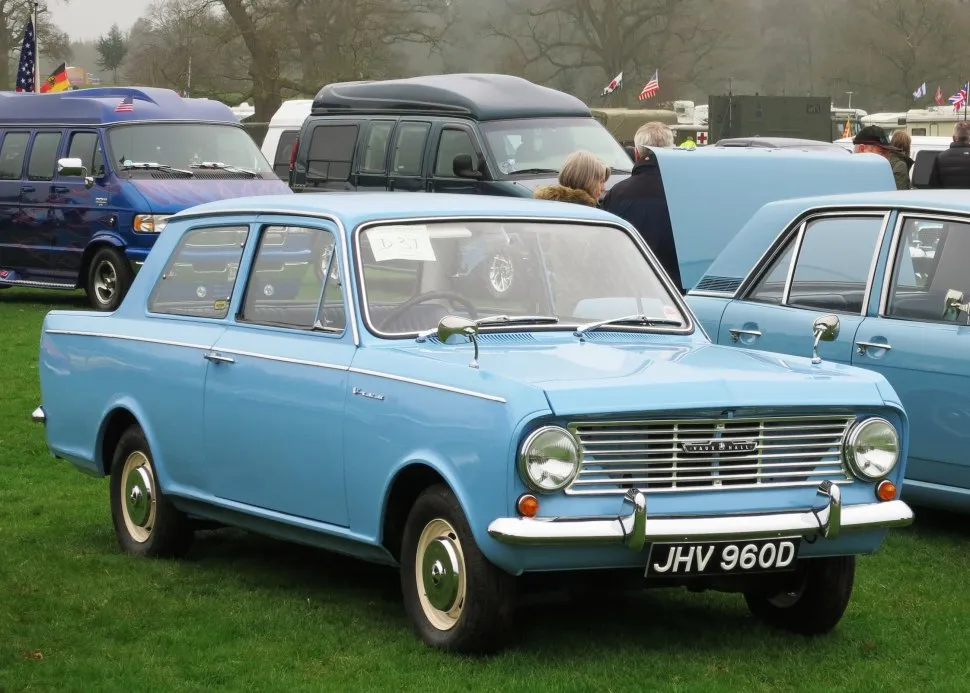
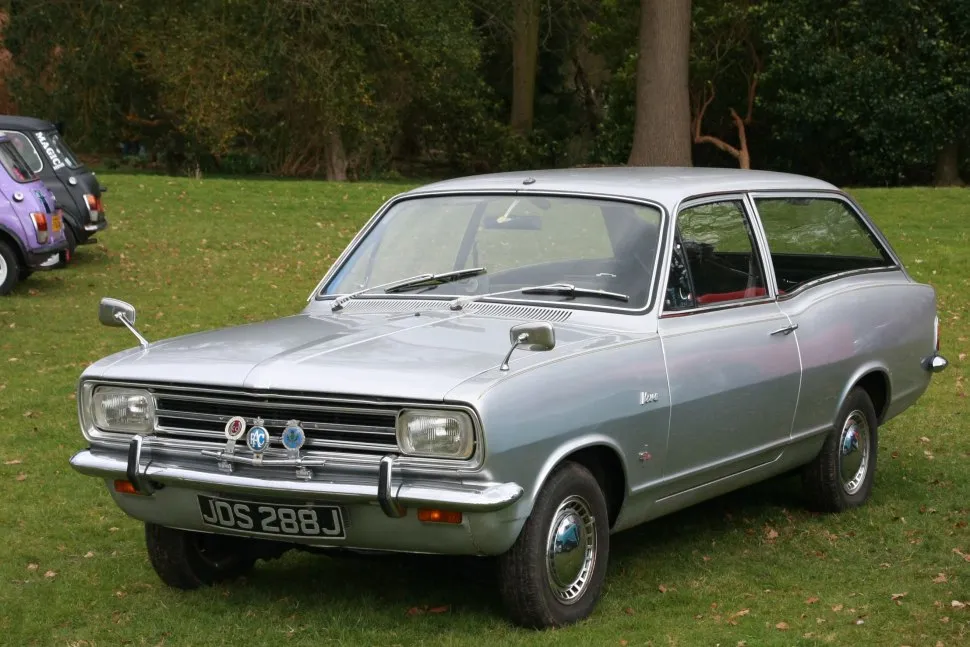
The Vauxhall Viva is a small family car that was produced by Vauxhall in a succession of three versions between 1963 and 1979. These were designated the HA, HB and HC series.
The Viva was introduced a year after Vauxhall's fellow General Motors company Opel launched the Opel Kadett A. Both cars were a result of the same General Motors project sharing the same floorpan and engine construction. A major difference was the use of metric measurements for the Opel and Imperial units for the Vauxhall. The cars are visually similar, however few components are interchangeable. A van version was also produced, as the Bedford HA. In the UK the Viva's principal competitors at the time of its launch included the well-established Ford Anglia and Morris Minor....(Read more on Wikipedia)
HB Overview:
Vauxhall Viva (HB). With 92 Nm of torque, it offers ample pulling power. Weighing only 918 kg, it’s quite light. Rear‑wheel drive offers dynamic handling and sporty feedback. A four-door car with a separate trunk, ideal for families and daily commuting. Seating for 4 makes it ideal for daily use.
As a vehicle from the late 1960s, the Vauxhall Viva HB predates modern safety standards and Euro NCAP testing. It lacks contemporary safety features like airbags, ABS, or advanced crumple zones, offering only basic passive safety.
1100 SL90 (60 Hp) Verdict:

Performance Verdict
A surprisingly peppy 1.1L, likely tuned for a bit more responsiveness. It offered a good balance for those wanting more zest than the standard 1100 without moving to a larger engine.
Fuel Economy
Good economy for its power, benefiting from the smaller displacement while still offering a decent driving experience. A smart choice for efficiency-conscious drivers.
Pros and Cons:
Pros:
- • Stylish 'Coke bottle' design
- • Wide range of engine options, including potent GT models
- • Good handling for its class
- • Practical and affordable family transport
- • Relatively spacious interior for a compact car
Cons:
- • Basic safety features (typical for the era)
- • Rust susceptibility common in British cars of the period
- • Carbureted engines can be temperamental
- • Lack of modern amenities
- • Some parts can be hard to find now
Specifications:
Specifications are compared to those of the previous generation(HA: 1963 - 1966).
| General: | |
|---|---|
| Brand: | Vauxhall |
| Model: | Viva |
| Generation: | HB |
| Modification (Engine): | 1100 SL90 (60 Hp) |
| Start of production: | 1966 |
| End of production: | 1970 |
| Powertrain Architecture: | Internal Combustion engine |
| Body type: | Sedan |
| Seats: | 4 |
| Doors: | 2-4 |
| Engine: | |
|---|---|
| Power: | 60 Hp @ 5500 rpm. |
| Power per litre: | 51.8 Hp/l |
| Torque: | 92 Nm @ 3000 rpm. |
| Engine displacement: | 1159 |
| Number of cylinders: | 4 |
| Engine configuration: | Inline |
| Engine aspiration: | Naturally aspirated engine |
| Valvetrain: | OHV |
| Cylinder Bore: | 77.7 mm |
| Piston Stroke: | 60.96 mm |
| Compression ratio: | 8.5:1 |
| Performance: | |
|---|---|
| Fuel Type: | Petrol (Gasoline) |
| Weight-to-power ratio: | 14.8 kg/Hp, 67.6 Hp/tonne |
| Weight-to-torque ratio: | 9.6 kg/Nm, 103.7 Nm/tonne |
| Space: | |
|---|---|
| Kerb Weight: | 887-949 |
| Max. weight: | 1148 |
| Max load: | 199-261 |
| Trunk (boot) space - maximum: | 346/566 l |
| Fuel tank capacity: | 36 l |
| Size: | |
|---|---|
| Length: | 4094 mm [154mm more] |
| Width: | 1600 mm [91mm more] |
| Height: | 1338 mm [16mm less] |
| Wheelbase: | 2433 mm [110mm more] |
| Front track: | 1295 mm |
| Rear (Back) track: | 1295 mm |
| Ride height (ground clearance): | 127 mm |
| Minimum turning circle (turning diameter): | 9.7 m [above average] |
| Powertrain: | |
|---|---|
| Drivetrain Architecture | The Internal combustion engine (ICE) drives the rear wheels of the vehicle. |
| Drive wheel | Rear wheel drive |
| Number of gears | 4 |
| Transmission type | Manual |







How many miles have you covered in your Vauxhall Viva? Share your journey!