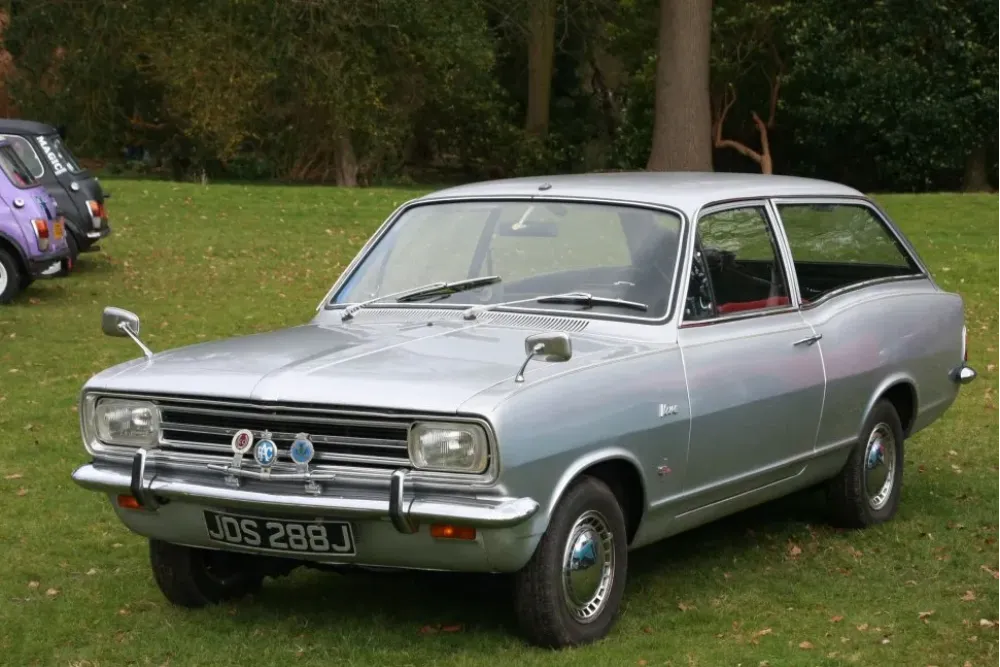
Click on image to view the full photo gallery
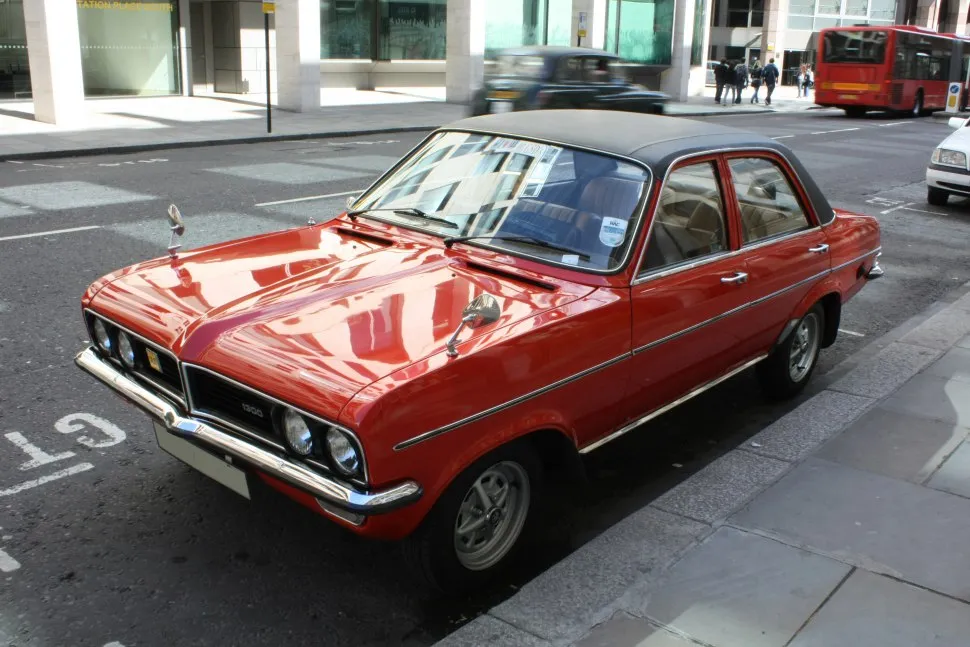
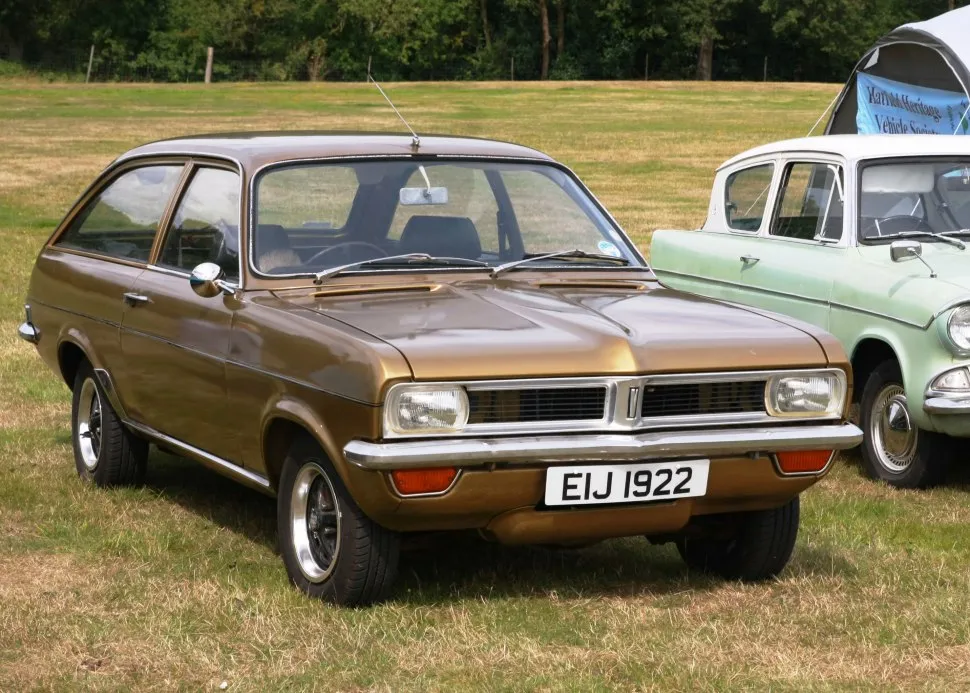
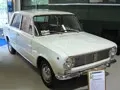
Vauxhall Viva HB Estate 1.2 (57 Hp)
Overall Rating
Vauxhall Viva:
The Vauxhall Viva is a small family car that was produced by Vauxhall in a succession of three versions between 1963 and 1979. These were designated the HA, HB and HC series.
The Viva was introduced a year after Vauxhall's fellow General Motors company Opel launched the Opel Kadett A. Both cars were a result of the same General Motors project sharing the same floorpan and engine construction. A major difference was the use of metric measurements for the Opel and Imperial units for the Vauxhall. The cars are visually similar, however few components are interchangeable. A van version was also produced, as the Bedford HA. In the UK the Viva's principal competitors at the time of its launch included the well-established Ford Anglia and Morris Minor....(Read more on Wikipedia)
HB Estate Overview:
Vauxhall Viva (HB Estate). With 90 Nm of torque, it offers ample pulling power. Weighing only 918 kg, it’s quite light. Rear‑wheel drive offers dynamic handling and sporty feedback. A car with an extended rear cargo area, combining passenger comfort with increased storage. Seating for 5 makes it ideal for daily use.
1.2 (57 Hp) Verdict:

Performance Verdict
A mid-range option, the 1.2L 57 Hp engine offered a slight improvement over the 1.1L, providing a more comfortable experience for mixed driving without being overly powerful.
Fuel Economy
Balancing performance and economy, this 1.2L unit delivered reasonable fuel efficiency, making it a practical choice for many buyers.
Pros and Cons:
Pros:
- • Practical and spacious estate body style for its size.
- • Affordable and accessible classic car ownership.
- • Simple mechanicals, relatively easy to maintain.
- • Charming classic British design.
- • Good range of engines for different needs.
Cons:
- • Lacks modern safety features entirely.
- • Performance is modest by contemporary standards.
- • Rust can be a significant issue on unrestored examples.
- • Basic interior comfort and features.
- • Finding specific parts can be challenging.
Specifications:
Specifications are compared to those of the previous generation(HB Estate: 1966 - 1970).
| General: | |
|---|---|
| Brand: | Vauxhall |
| Model: | Viva |
| Generation: | HB Estate |
| Modification (Engine): | 1.2 (57 Hp) |
| Start of production: | 1968 |
| End of production: | 1969 |
| Powertrain Architecture: | Internal Combustion engine |
| Body type: | Station wagon (estate) |
| Seats: | 5 |
| Doors: | 3 |
| Engine: | |
|---|---|
| Power: | 57 Hp @ 5400 rpm. |
| Power per litre: | 49.2 Hp/l |
| Torque: | 90 Nm @ 3000 rpm. |
| Engine displacement: | 1159 |
| Number of cylinders: | 4 |
| Fuel injection system: | Carburettor |
| Engine aspiration: | Naturally aspirated engine |
| Engine oil capacity: | 2.8 l |
| Coolant: | 6.5 l |
| Cylinder Bore: | 77.7 mm mm |
| Piston Stroke: | 61 mm mm |
| Compression ratio: | 8.5:1 |
| Performance: | |
|---|---|
| Fuel Type: | Petrol (Gasoline) |
| Weight-to-power ratio: | 15.6 kg/Hp, 64.3 Hp/tonne |
| Weight-to-torque ratio: | 9.9 kg/Nm, 101.5 Nm/tonne |
| Space: | |
|---|---|
| Kerb Weight: | 887-949 |
| Max. weight: | 1148 |
| Max load: | 199-261 |
| Trunk (boot) space - maximum: | 1522 l |
| Trunk (boot) space - minimum: | 526 l |
| Fuel tank capacity: | 36 l |
| Size: | |
|---|---|
| Length: | 4104 mm mm [Same length.] |
| Width: | 1600 mm mm [Same width.] |
| Height: | 1349 mm mm [Same height.] |
| Wheelbase: | 2433 mm mm [Same wheelbase.] |
| Front track: | 1295 mm |
| Rear (Back) track: | 1295 mm |
| Ride height (ground clearance): | 127 mm |
| Minimum turning circle (turning diameter): | 9.7 m [above average] |
| Powertrain: | |
|---|---|
| Drivetrain Architecture | The Internal combustion engine (ICE) drives the rear wheels of the vehicle. |
| Drive wheel | Rear wheel drive |
| Number of gears | 4 |
| Transmission type | Manual |
| Wheel rims size | 4J x 12 |
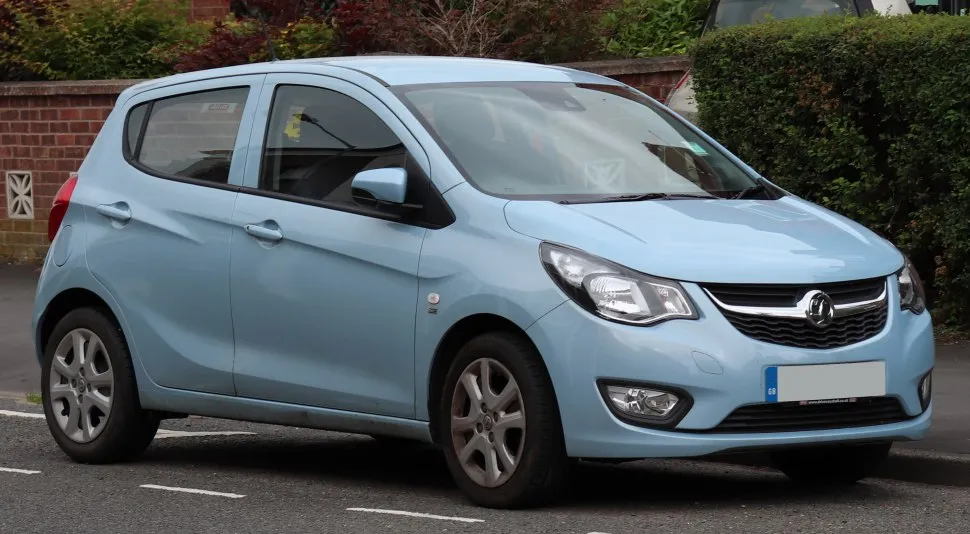
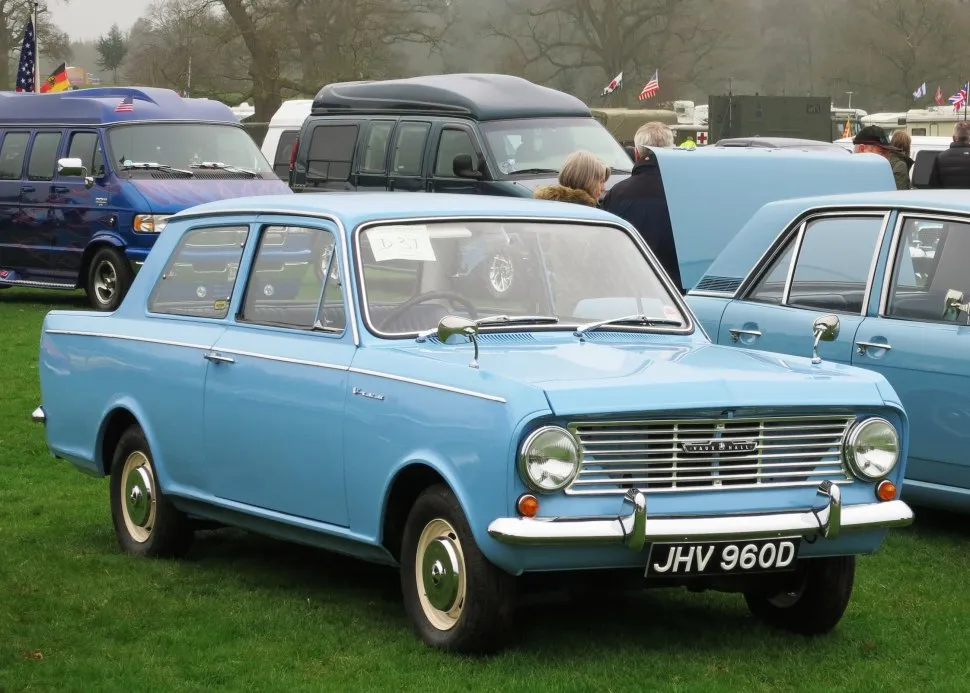
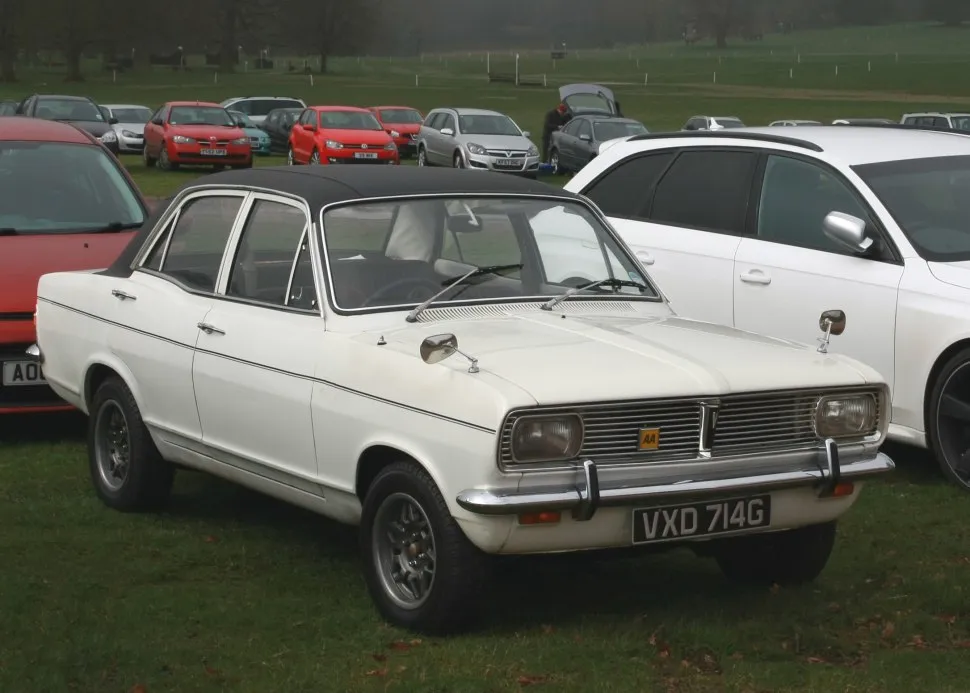






Behind the wheel of the Vauxhall Viva. How does it handle on the road?