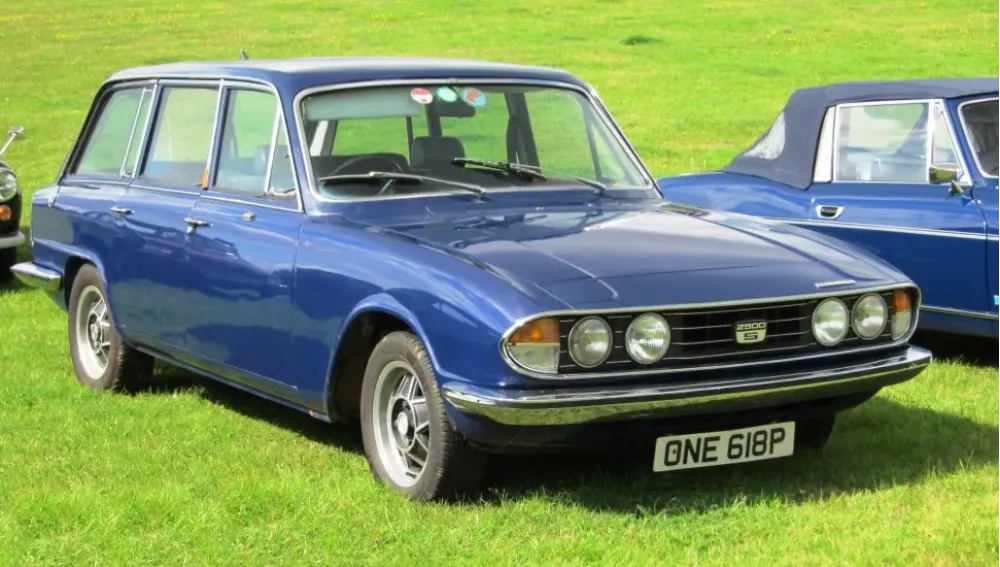
Click on image to view the full photo gallery
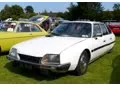
Triumph 2500 Estate TC (100 Hp)
Overall Rating
Triumph 2500:
The Triumph 2000 is a mid-sized, rear wheel drive automobile which was produced in Coventry by the Triumph Motor Company between 1963 and 1977. It was introduced on 15 October 1963. It was styled by Giovanni Michelotti.
It competed with the contemporary Rover P6 2000, which initially was offered only with a four-cylinder engine. The Rover was also released in October 1963, just one week before the Triumph. Larger-engined models, known as the Triumph 2. 5 PI and Triumph 2500 were also produced from 1968....(Read more on Wikipedia)
Estate Overview:
Triumph 2500 (Estate). A car with an extended rear cargo area, combining passenger comfort with increased storage. Seating for 0 makes it ideal for daily use.
The 1974 Triumph 2500 Estate predates modern crash testing standards like Euro NCAP, which began in 1997. It lacks contemporary safety features such as airbags, ABS, or advanced crumple zones, reflecting the safety priorities and technology of its production era.
TC (100 Hp) Verdict:

Performance Verdict
The 100 Hp 2.5L straight-six engine provided adequate performance for its time, offering smooth power delivery suitable for comfortable cruising rather than spirited driving. It was a reliable workhorse for family duties.
Fuel Economy
Fuel economy was typical for a large-engined car of the 1970s, meaning it was relatively poor by modern standards, likely averaging around 20-25 MPG (imperial) under gentle driving.
Pros and Cons:
Pros:
- • Smooth and characterful straight-six engine
- • Spacious and practical estate body
- • Comfortable ride quality for its era
- • Classic British styling and heritage
- • Relatively affordable classic car ownership
Cons:
- • Poor fuel economy by modern standards
- • Susceptible to rust, common for British cars of the period
- • Dated safety features (or lack thereof)
- • Parts availability can be challenging for some components
- • Performance is modest compared to contemporary vehicles
Specifications:
| General: | |
|---|---|
| Brand: | Triumph |
| Model: | 2500 |
| Generation: | Estate |
| Modification (Engine): | TC (100 Hp) |
| Start of production: | 1974 |
| End of production: | 1975 |
| Powertrain Architecture: | Internal Combustion engine |
| Body type: | Station wagon (estate) |
| Engine: | |
|---|---|
| Power: | 100 Hp |
| Engine aspiration: | Naturally aspirated engine |
| Performance: | |
|---|---|
| Fuel Type: | Petrol (Gasoline) |







Have you ever driven an Triumph 2500?
How was your experience with it? Share with us: