
Click on image to view the full photo gallery
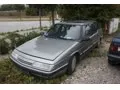
Toyota Windom V10 3.0 i 24V (200 Hp)
Overall Rating
Toyota Windom:
The Lexus ES is a mid-size luxury sedan marketed since 1989 by Lexus, the luxury division of Toyota, across multiple generations, each offering V6 engines and a front-engine, front-wheel-drive layout. The first five generations of the ES used the Toyota Camry platform, while the latter generations are more closely related to both the Camry and the Avalon. Manual transmissions were offered until 1993, a lower-displacement inline-four engine became an option in Asian markets in 2010, and a gasoline-electric hybrid version was introduced in 2012. The ES was Lexus's only front-wheel drive vehicle until 1998, when the related RX was introduced, and the sedan occupied the entry-level luxury car segment of the Lexus lineup in North America and other regions until the debut of the IS in 1999. The ES name stands for "Executive Sedan". However, some Lexus importers use the name, "Elegant Sedan"....(Read more on Wikipedia)
V10 Overview:
Toyota Windom (V10). A four-door car with a separate trunk, ideal for families and daily commuting. Seating for 0 makes it ideal for daily use.
The Toyota Windom V10 was produced before Euro NCAP testing began in 1997. While it featured standard safety equipment for its era (e.g., airbags in some markets), its passive safety features would be significantly less advanced compared to modern vehicles.
3.0 i 24V (200 Hp) Verdict:

Performance Verdict
This 3.0L V6 engine provided strong, smooth, and effortless acceleration, making it well-suited for highway cruising and comfortable long-distance travel. Power delivery was refined and responsive for its time.
Fuel Economy
Fuel economy was typical for a large displacement V6 of the early 90s; adequate but not exceptional. Expect moderate consumption, especially in city driving.
Pros and Cons:
Pros:
- • Exceptional long-term reliability and durability
- • Smooth and refined V6 engines
- • Luxurious and comfortable ride quality
- • High-quality interior materials for its era
- • Quiet cabin experience
Cons:
- • Fuel economy is not a strong point by modern standards
- • Handling is comfort-oriented, not sporty
- • Dated safety features compared to newer vehicles
- • Exterior styling may appear conservative to some
- • Limited availability of parts for specific JDM models outside Japan
Specifications:
| General: | |
|---|---|
| Brand: | Toyota |
| Model: | Windom |
| Generation: | V10 |
| Modification (Engine): | 3.0 i 24V (200 Hp) |
| Start of production: | 1991 |
| End of production: | 1996 |
| Powertrain Architecture: | Internal Combustion engine |
| Body type: | Sedan |
| Engine: | |
|---|---|
| Power: | 200 Hp |
| Engine aspiration: | Naturally aspirated engine |
| Performance: | |
|---|---|
| Fuel Type: | Petrol (Gasoline) |





Behind the wheel of the Toyota Windom. How does it handle on the road?