Click on image to view the full photo gallery
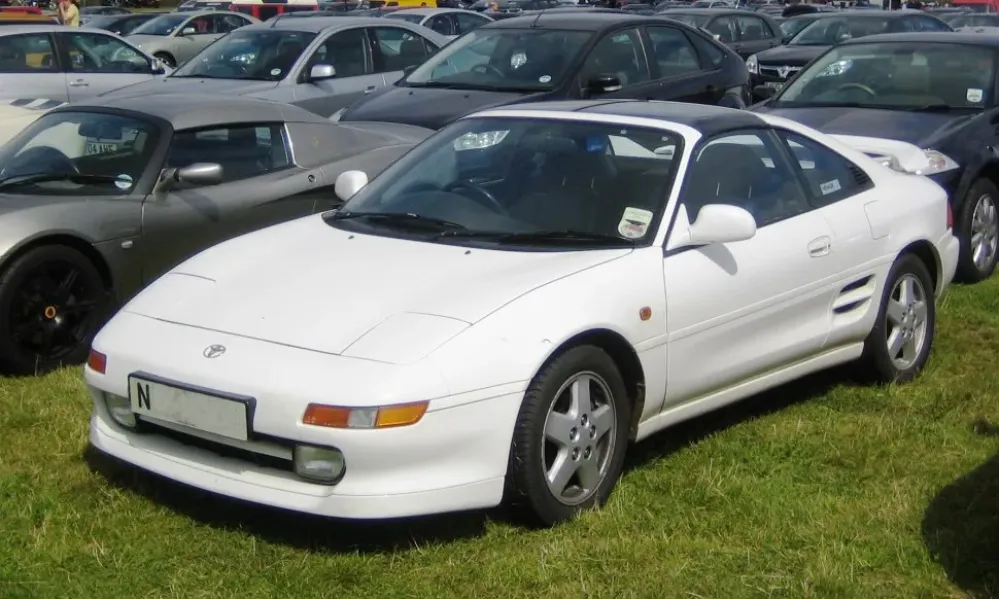
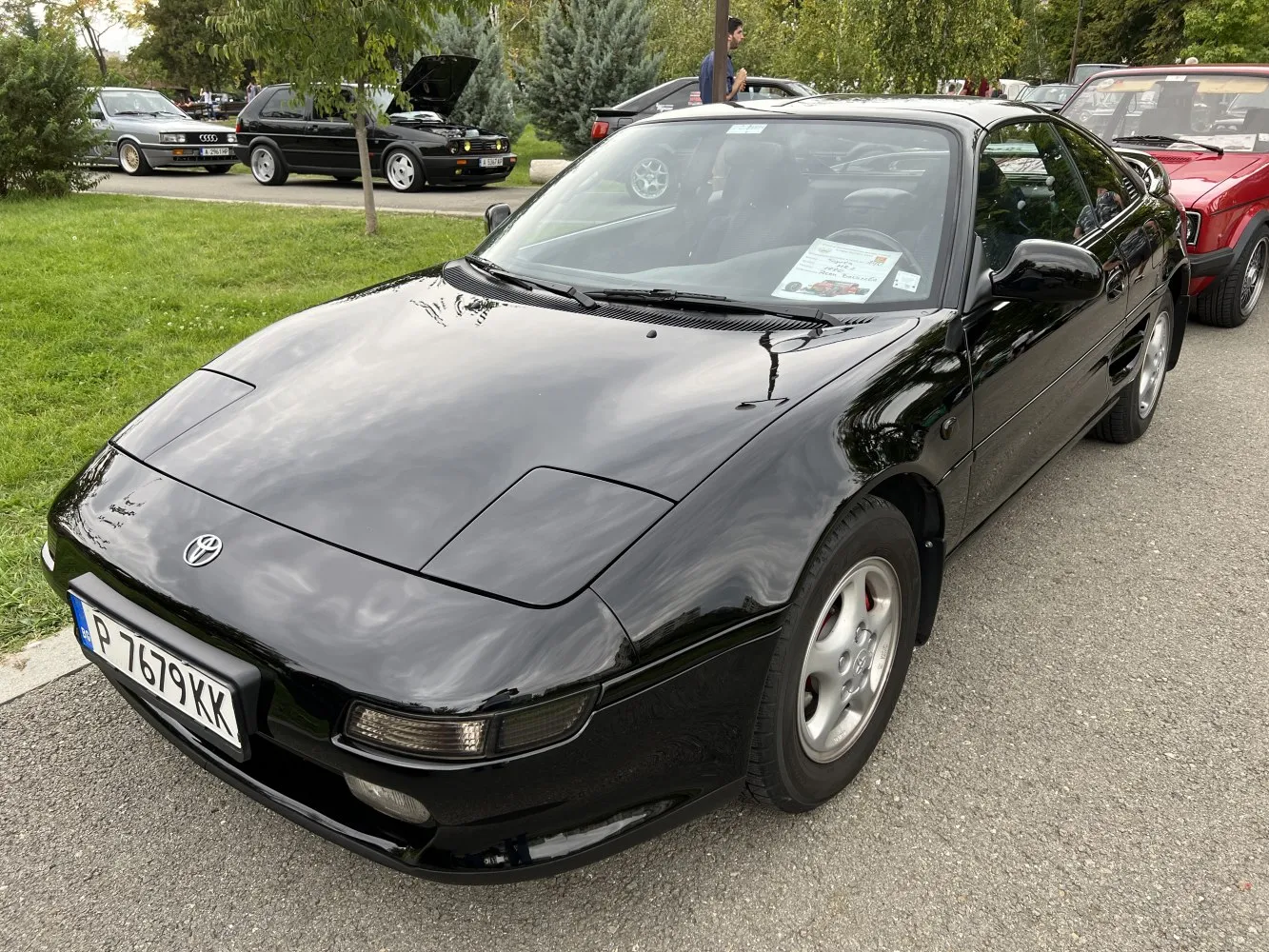
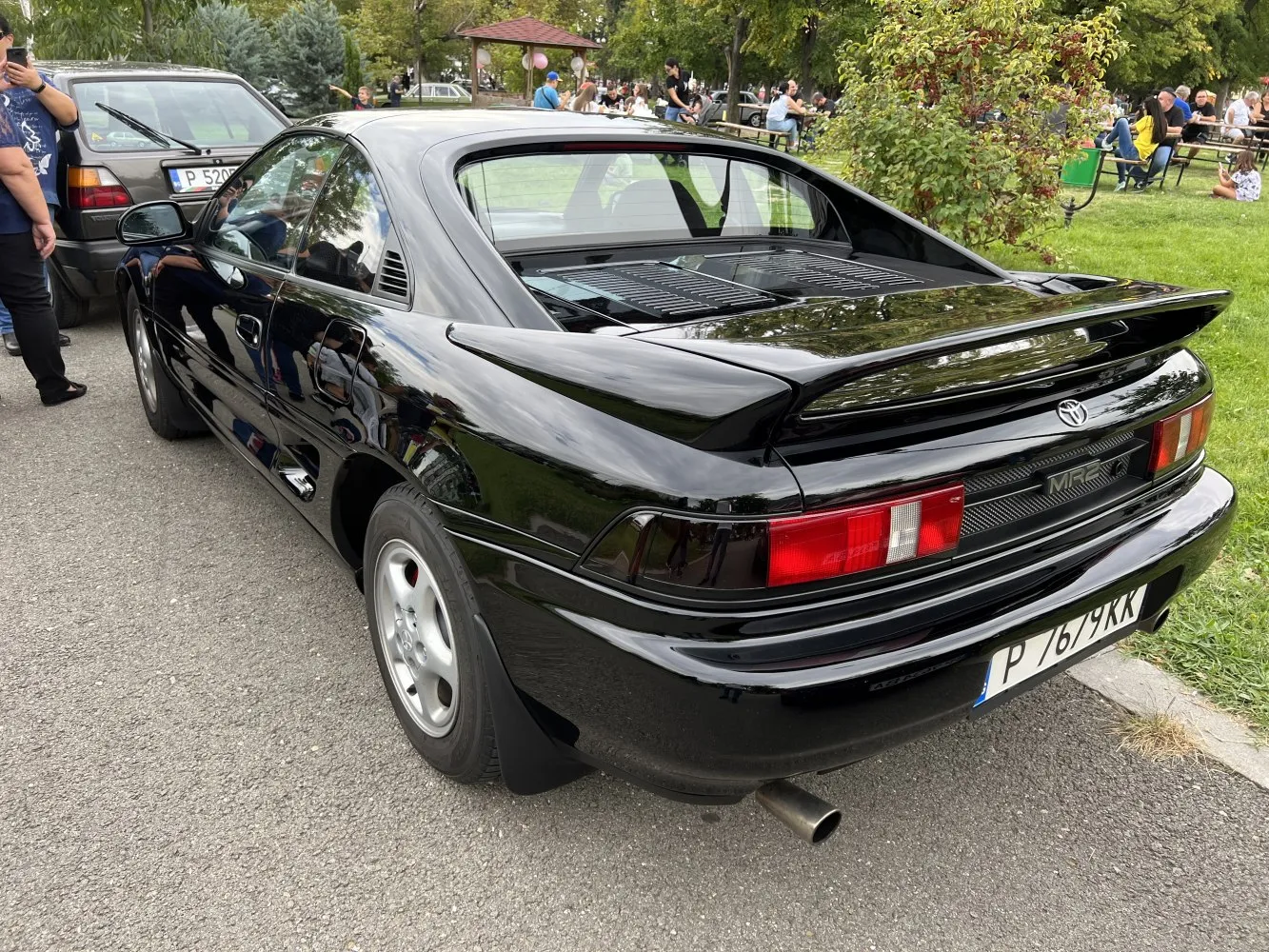
Toyota MR 2 _W2_ 2.0 16V (175 Hp)
Overall Rating
Toyota MR 2:
The Toyota MR2 is a two-seater sports car which was manufactured and marketed by Toyota from 1984 until 2007 over three generations. It was the first Japanese rear-mid-engine, rear-wheel-drive production car and was sold around the world. The first generation was produced from 1984 to 1989, the second generation from 1989 to 1999, and the third generation from 1999 to 2007.
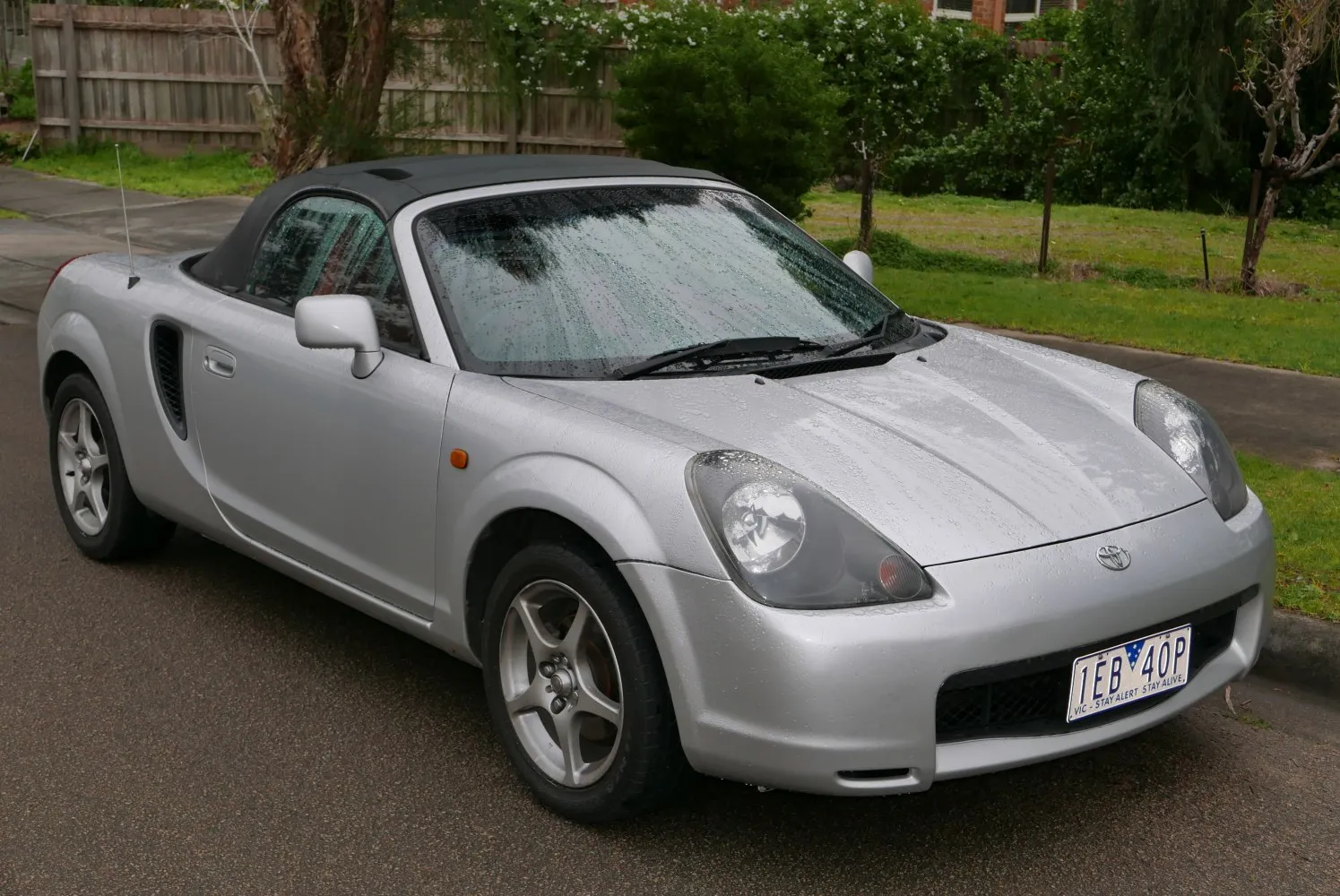
Conceived as a small, economical and sporty car, the MR2 features a straight-four engine, transversely mounted in front of the rear axle, four-wheel disc brakes, and fully independent coilover suspension with MacPherson struts on each wheel....(Read more on Wikipedia)
_W2_ Overview:
Toyota MR 2 (_W2_). With 186 Nm of torque, it offers ample pulling power. Weighing only 1260 kg, it’s quite light. Rear‑wheel drive offers dynamic handling and sporty feedback. Acceleration is good (0–100 km/h in 7.5 s). The top speed reaches 225 km/h. A semi-convertible with a removable roof section and a full-width roll bar behind the seats. Seating for 2 makes it ideal for daily use.
2.0 16V (175 Hp) Verdict:

Performance Verdict
An excellent naturally aspirated choice, offering lively acceleration and a rewarding driving experience with good revability.
Fuel Economy
Decent fuel economy for its performance, making it a good all-rounder.
Pros and Cons:
Pros:
- • Iconic mid-engine design and handling dynamics
- • Strong performance from turbocharged variants
- • Generally reliable Toyota engineering (especially NA models)
- • Becoming a sought-after classic with increasing value
- • Engaging and fun driving experience
Cons:
- • Reputation for snap oversteer in early models (especially turbo)
- • Limited practicality due to two-seater, mid-engine layout
- • Cabin can be noisy and cramped for taller occupants
- • Older safety features compared to modern vehicles
- • Parts for specific JDM or rare components can be hard to find
Specifications:
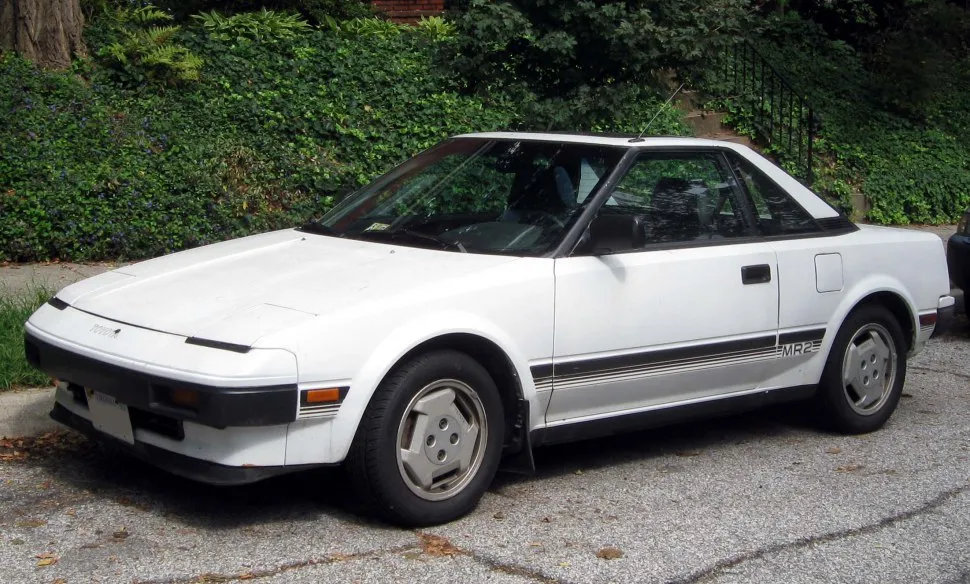
Specifications are compared to those of the previous generation(_W1_: 1984 - 1989).
| General: | |
|---|---|
| Brand: | Toyota |
| Model: | MR 2 |
| Generation: | _W2_ |
| Modification (Engine): | 2.0 16V (175 Hp) |
| Start of production: | 1989 |
| End of production: | 1999 |
| Powertrain Architecture: | Internal Combustion engine |
| Body type: | Targa |
| Seats: | 2 |
| Doors: | 2 |
| Engine: | |
|---|---|
| Power: | 175 Hp @ 7000 rpm. |
| Power per litre: | 87.6 Hp/l |
| Torque: | 186 Nm @ 4800 rpm. |
| Engine displacement: | 1998 |
| Number of cylinders: | 4 |
| Engine configuration: | Inline |
| Number of valves per cylinder: | 4 |
| Fuel injection system: | Multi-port manifold injection |
| Engine aspiration: | Naturally aspirated engine |
| Valvetrain: | DOHC |
| Engine layout: | Rear, Transverse |
| Cylinder Bore: | 86 mm |
| Piston Stroke: | 86 mm |
| Compression ratio: | 10.3:1 |
| Performance: | |
|---|---|
| Fuel Type: | Petrol (Gasoline) |
| Fuel consumption (economy) - combined: | 8.1 l/100 km |
| Acceleration 0 - 100 km/h: | 7.5 sec |
| Acceleration 0 - 62 mph: | 7.5 sec |
| Maximum speed: | 225 km/h |
| Weight-to-power ratio: | 7.2 kg/Hp, 138.9 Hp/tonne |
| Weight-to-torque ratio: | 6.8 kg/Nm, 147.6 Nm/tonne |
| Acceleration 0 - 60 mph: | 7.1 sec |
| Space: | |
|---|---|
| Kerb Weight: | 1260 |
| Max. weight: | 1570 |
| Max load: | 310 |
| Trunk (boot) space - minimum: | 219 l |
| Fuel tank capacity: | 55 l |
| Size: | |
|---|---|
| Length: | 4180 mm [255mm more] |
| Width: | 1700 mm [35mm more] |
| Height: | 1235 mm [15mm less] |
| Wheelbase: | 2400 mm [80mm more] |
| Front track: | 1470 mm |
| Rear (Back) track: | 1450 mm |
| Powertrain: | |
|---|---|
| Drivetrain Architecture | The Internal combustion engine (ICE) drives the rear wheels of the vehicle. |
| Drive wheel | Rear wheel drive |
| Number of gears | 5 |
| Transmission type | Manual |
| Front brakes | Ventilated discs [Best for performance and cooling.] |
| Rear brakes | Ventilated discs [Best for performance and cooling.] |
| Assisting systems | ABS (Anti-lock braking system) |
| Steering type | Steering rack and pinion |
| Power steering | Hydraulic Steering |
| Tires size | 195/55 R15; 225/50 R15 |
| Front suspension | Wishbone |
| Rear suspension | Spring Strut |





Fuel, speed, and comfort: How does the Toyota MR 2 rank in your book?