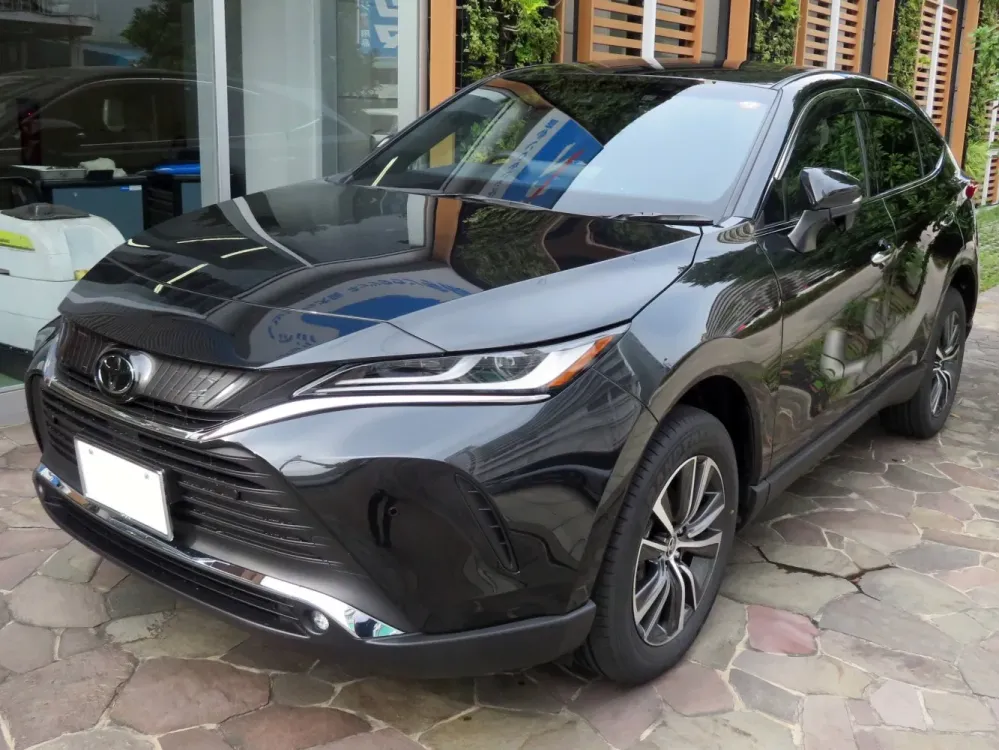
Click on image to view the full photo gallery
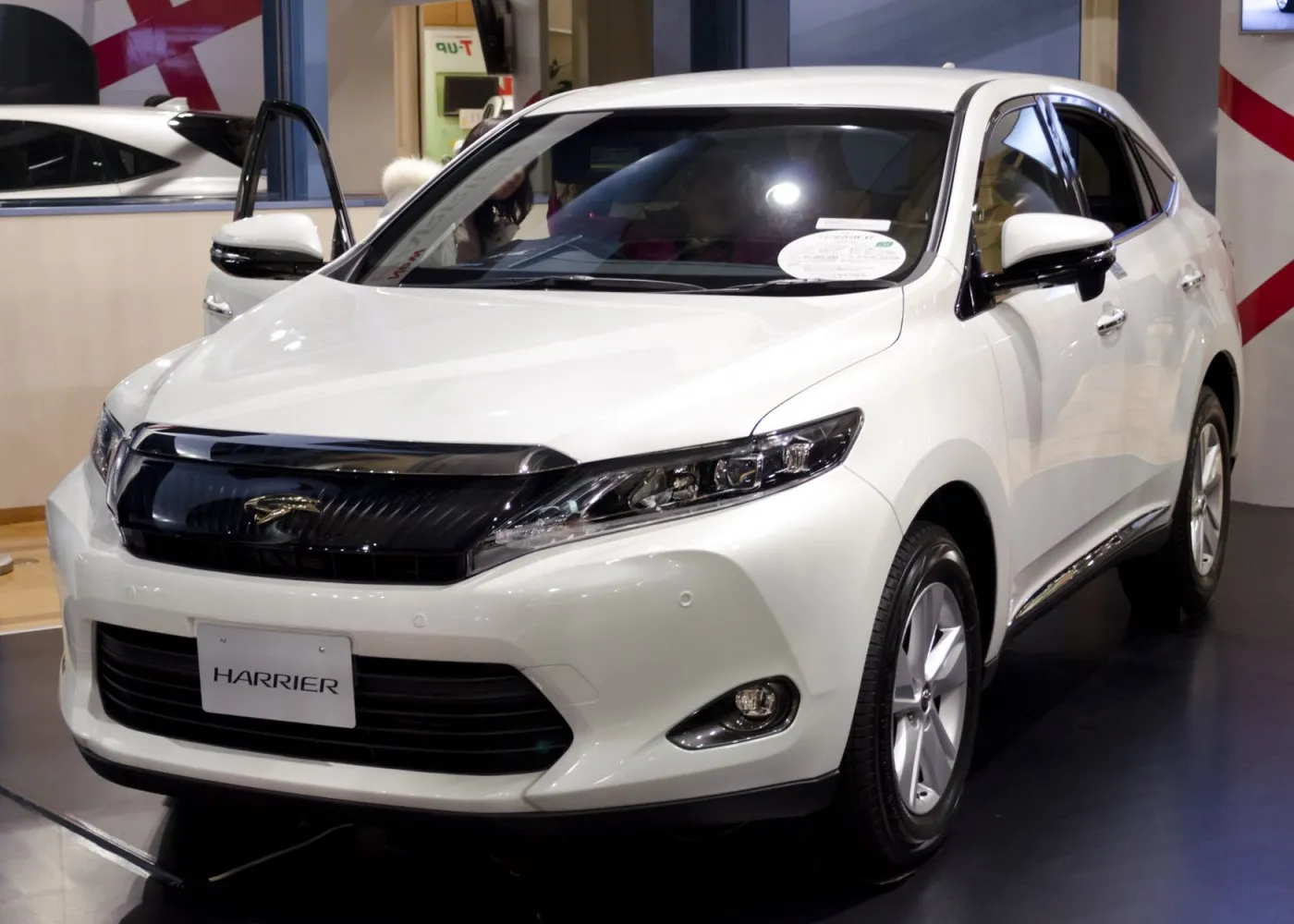
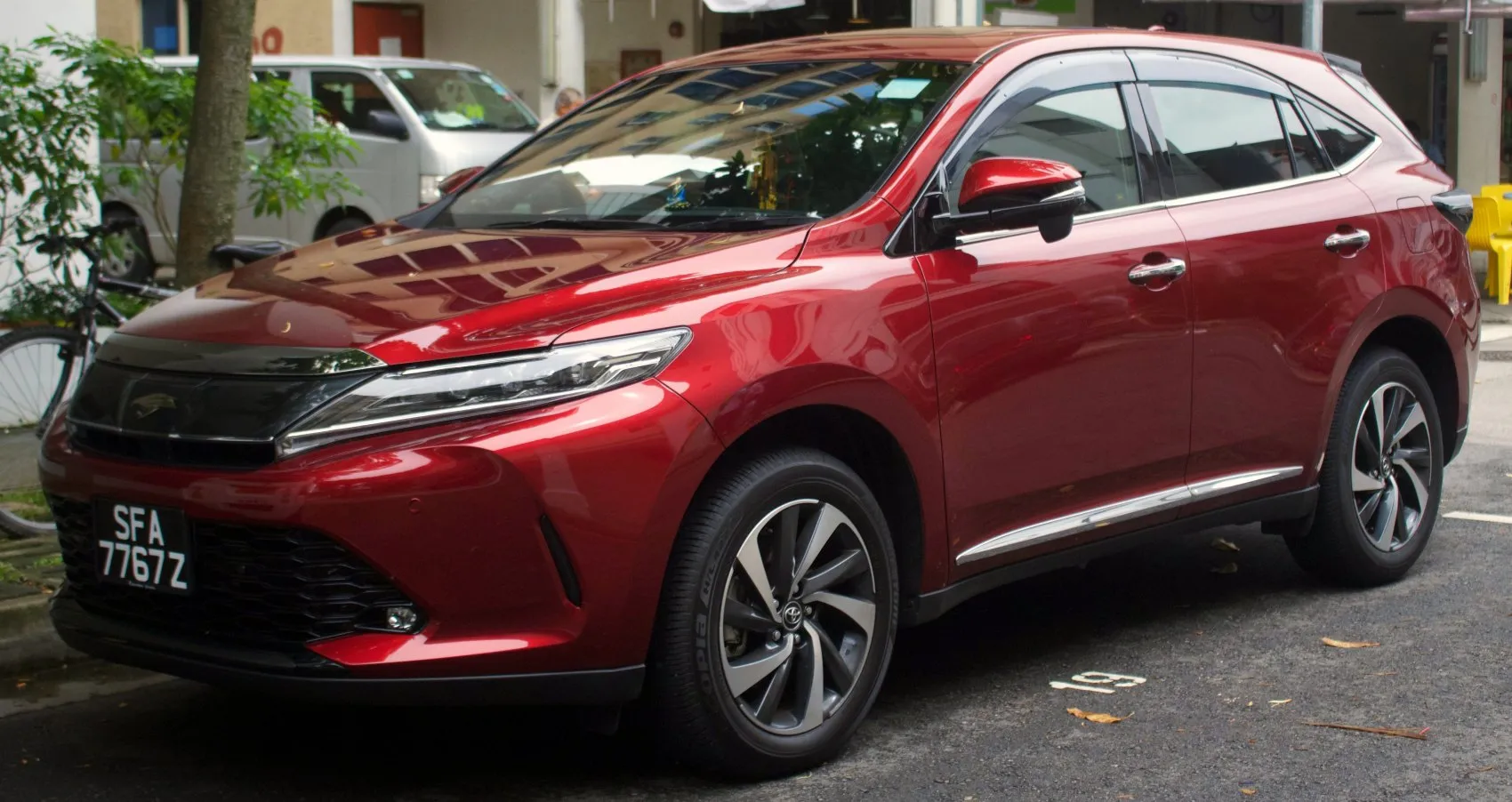
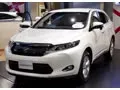
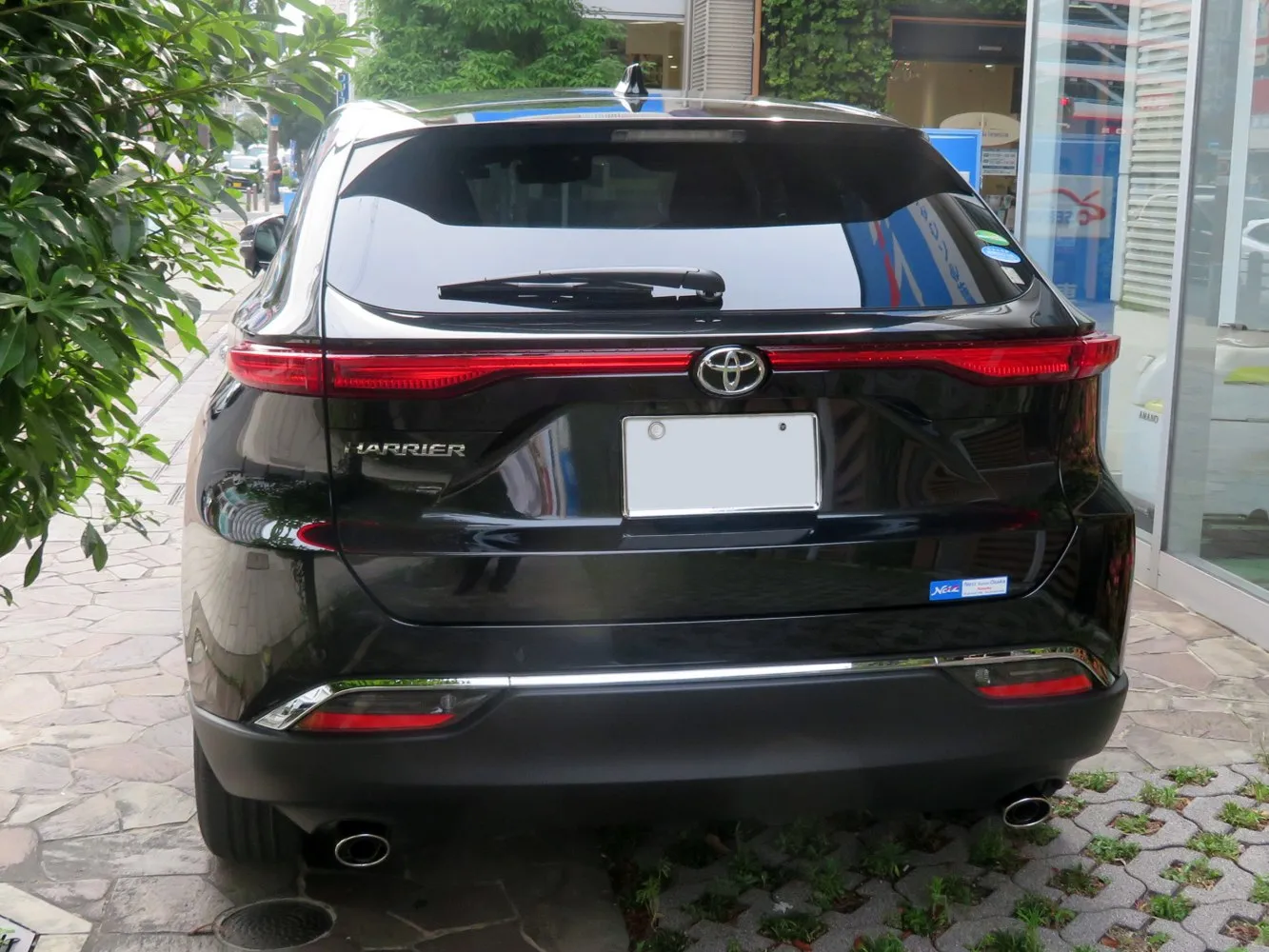
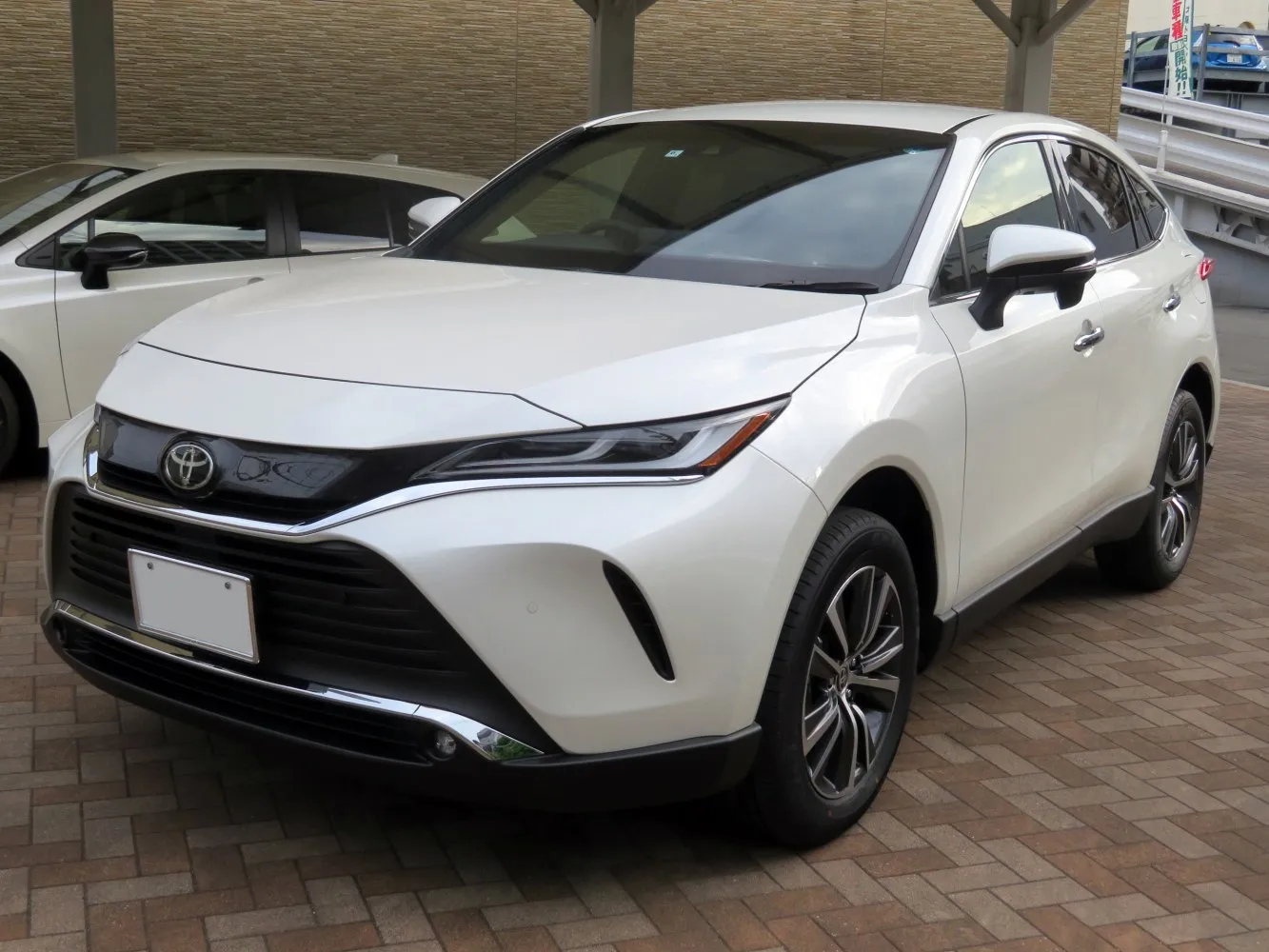
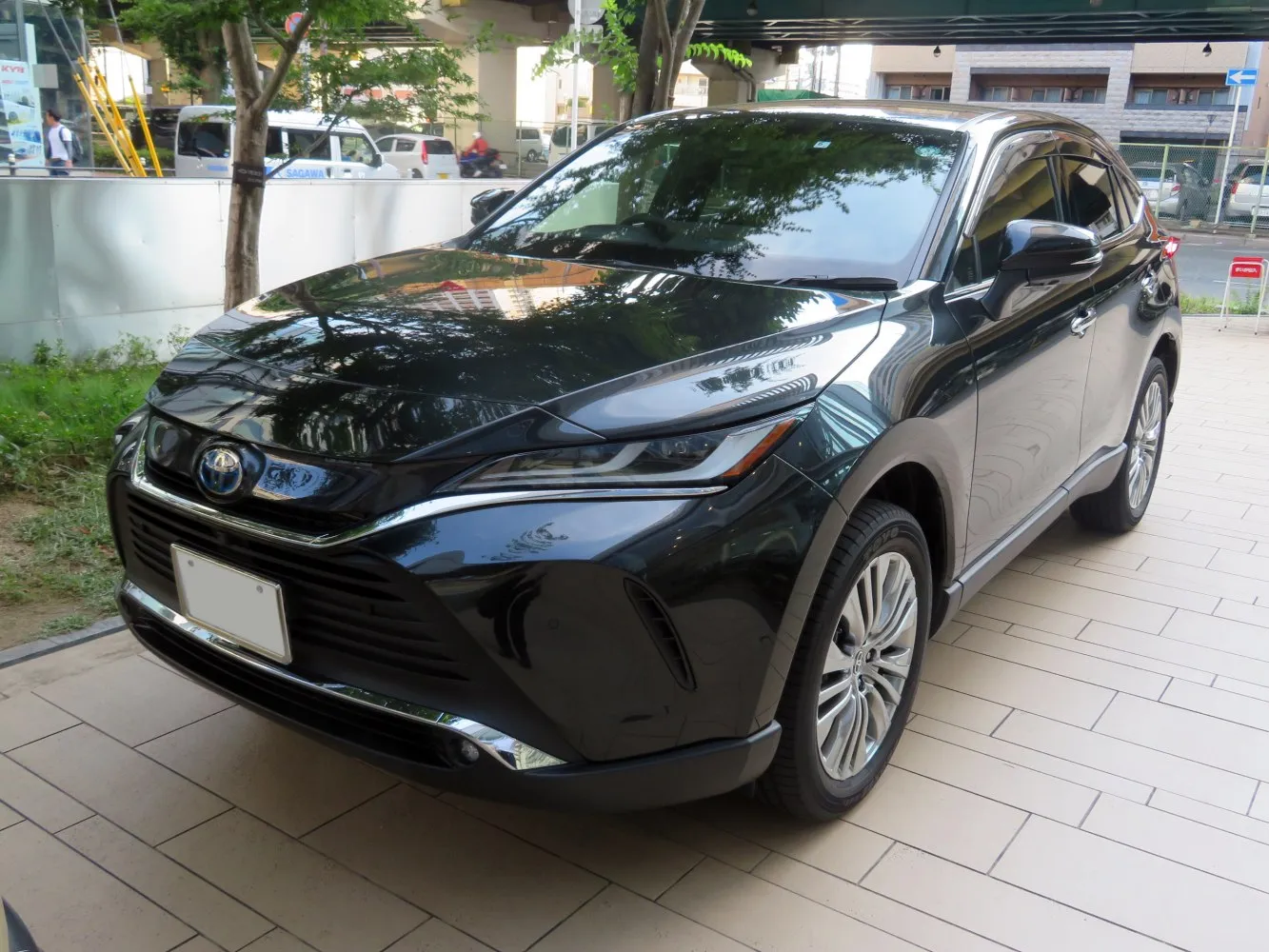
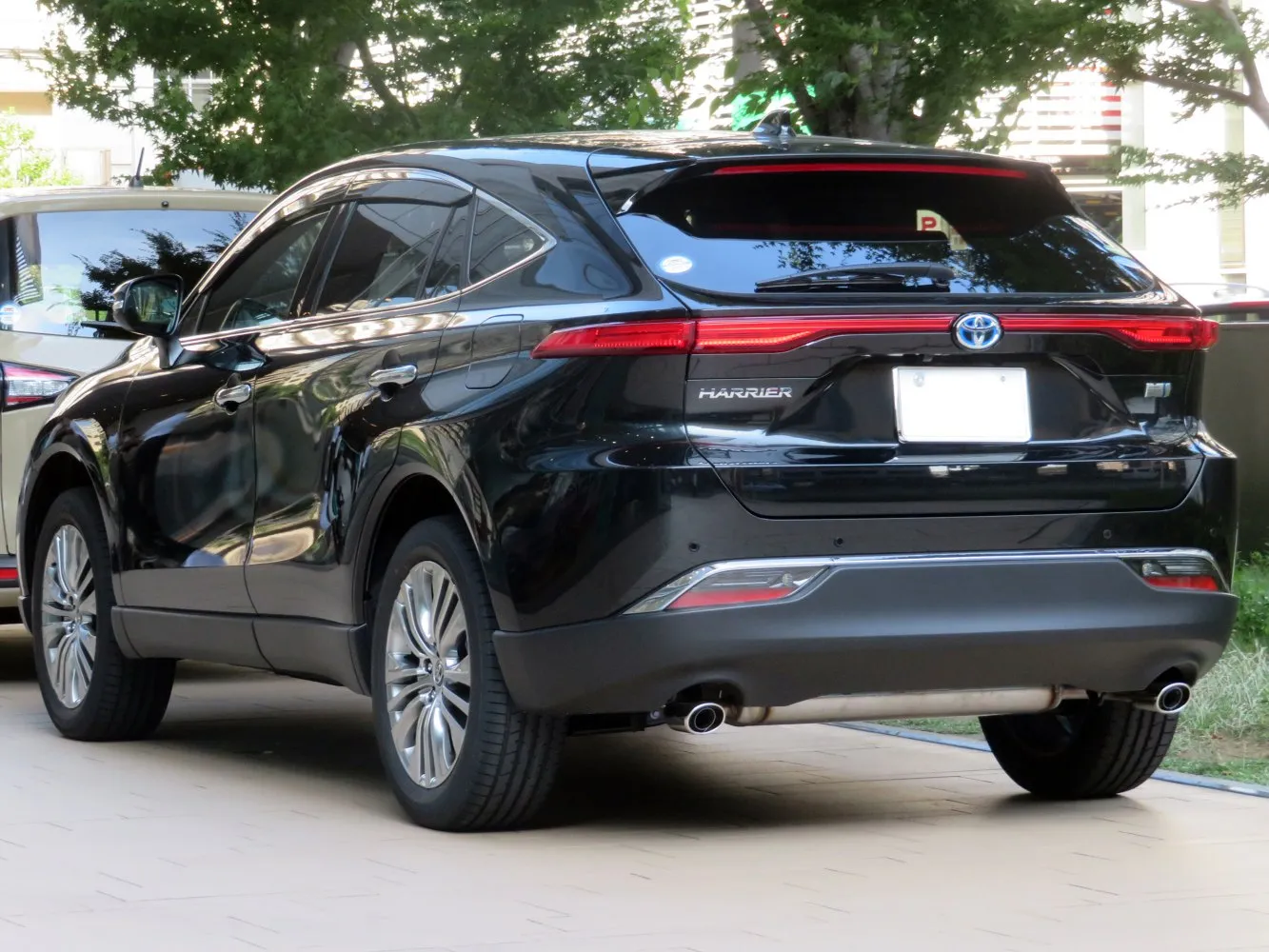
Toyota Harrier IV (XU80) 2.0 (171 Hp) CVT
Overall Rating
Toyota Harrier:
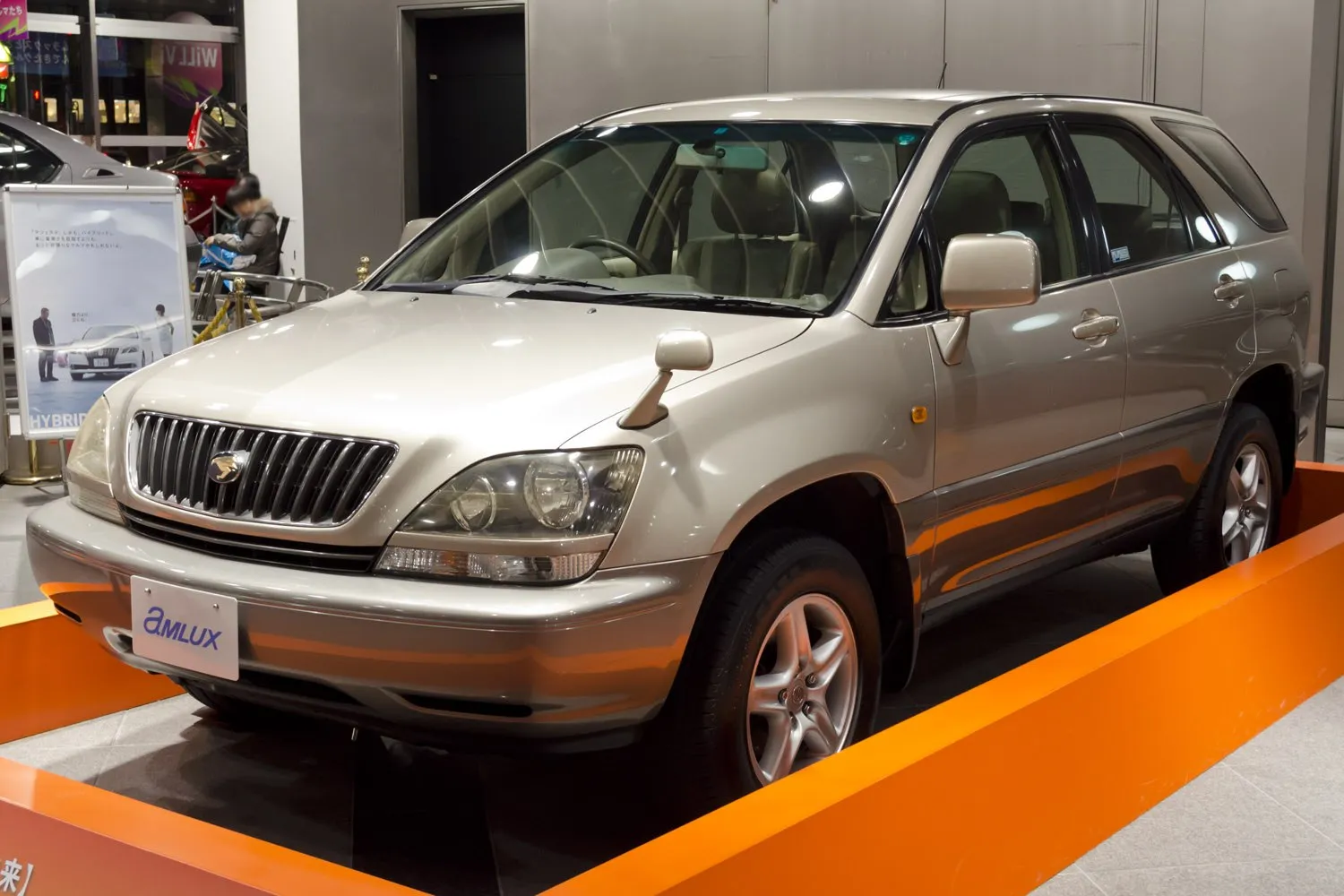
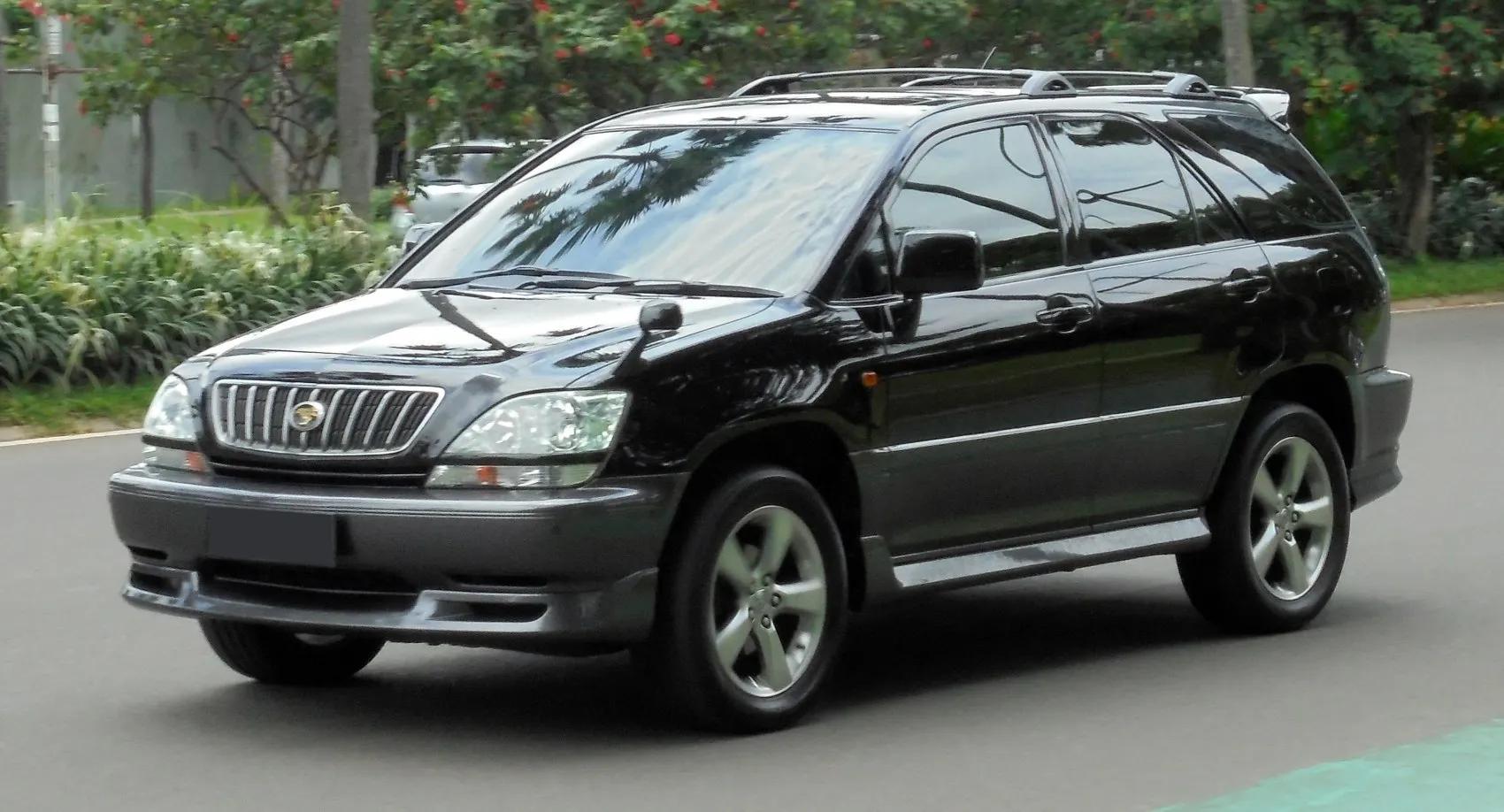
The Toyota Harrier is a five-passenger compact, later mid-size crossover SUV produced by Toyota since December 1997 in Japan, which was once exclusive to Toyopet Store Japanese dealerships. In export markets, the Harrier was rebadged as the Lexus RX from March 1998 to December 2008. At this stage, Toyota had yet to retail the Lexus brand to its Japanese customers.
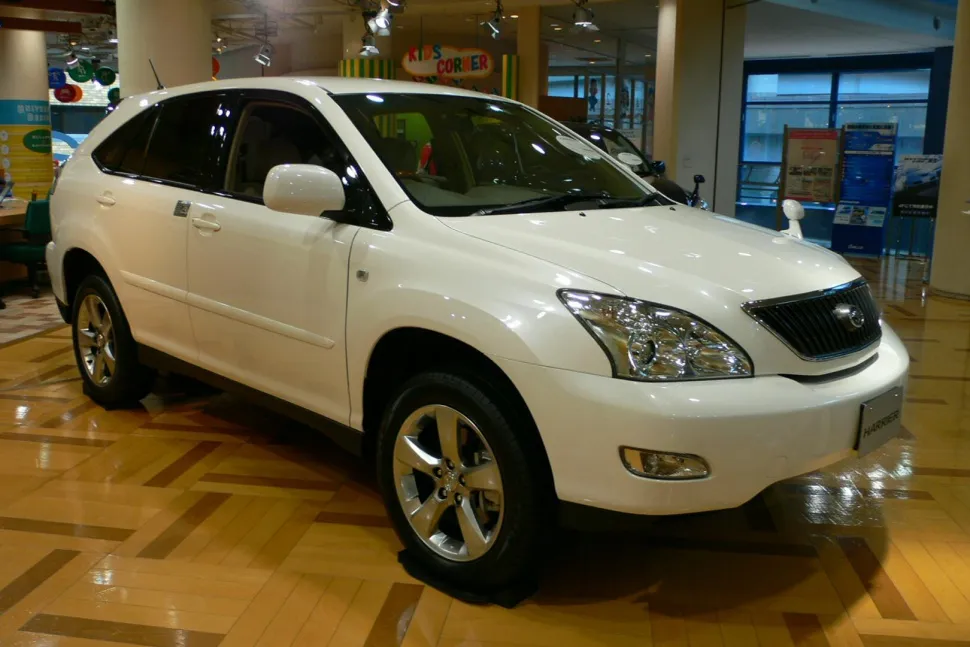
The second generation debuted in February 2003, along with the export Lexus version. The third-generation RX arrived in late 2008, while the Harrier continued on in second-generation form unchanged. Lexus had by now made its debut in Japan as an independent marque, thus the third-generation RX was sold in the domestic market in the same livery as its export counterpart....(Read more on Wikipedia)
IV (XU80) Overview:
Toyota Harrier (IV (XU80)). With 207 Nm of torque, it offers ample pulling power. It has moderate fuel consumption (~8.8 l/100km). With a weight of 1565 kg, it falls in the mid‑range. Front‑wheel drive delivers efficiency and easy handling. A sport utility vehicle offering higher ground clearance and versatile cargo space. Seating for 5 makes it ideal for daily use.
2.0 (171 Hp) CVT Verdict:

Performance Verdict
Provides sufficient power for everyday driving, with a focus on smoothness rather than outright speed. The CVT delivers seamless shifts.
Fuel Economy
Good fuel economy for a non-hybrid petrol SUV, slightly better than its 4WD counterpart due to reduced drivetrain losses.
Pros and Cons:
Pros:
- • Refined and comfortable ride quality
- • Excellent fuel efficiency from hybrid powertrains
- • High-quality interior materials and design
- • Toyota's renowned reliability and low running costs
- • Stylish and distinctive exterior design
- • Comprehensive suite of safety features
Cons:
- • Non-hybrid 2.0L engine can feel underpowered for some
- • CVT transmission can lead to 'rubber band' effect under hard acceleration
- • Limited engine options (no turbo petrol)
- • Not officially available in all global markets
- • Infotainment system might not be as intuitive as some rivals
Specifications:
Specifications are compared to those of the previous generation(III (XU60, facelift 2017): 2017 - 2020).
| General: | |
|---|---|
| Brand: | Toyota |
| Model: | Harrier |
| Generation: | IV (XU80) |
| Modification (Engine): | 2.0 (171 Hp) CVT |
| Start of production: | June, 2020 |
| Powertrain Architecture: | Internal Combustion engine |
| Body type: | SUV |
| Seats: | 5 |
| Doors: | 5 |
| Engine: | |
|---|---|
| Engine systems: | Start & Stop System |
| Power: | 171 Hp @ 6600 rpm. Same horsepower |
| Power per litre: | 86.1 Hp/l [15mm more] |
| Torque: | 207 Nm @ 4800 rpm. |
| Engine Model/Code: | M20A-FKS More details about the engine M20A-FKS |
| Engine displacement: | 1986 |
| Number of cylinders: | 4 |
| Engine configuration: | Inline |
| Fuel injection system: | Direct injection and Multi-port manifold injection |
| Engine aspiration: | Naturally aspirated engine |
| Engine oil capacity: | 4.3 l |
| Coolant: | 6.9 l |
| Cylinder Bore: | 80.5 mm mm |
| Piston Stroke: | 97.6 mm mm |
| Performance: | |
|---|---|
| Fuel Type: | Petrol (Gasoline) |
| Fuel consumption (economy) - urban: | 8.8 l/100 km |
| Fuel consumption (economy) - extra urban: | 5.5 l/100 km |
| Weight-to-power ratio: | 8.9 kg/Hp, 111.8 Hp/tonne |
| Weight-to-torque ratio: | 7.4 kg/Nm, 135.3 Nm/tonne |
| Space: | |
|---|---|
| Kerb Weight: | 1530-1600 |
| Max. weight: | 1875 |
| Max load: | 275-345 |
| Fuel tank capacity: | 55 l |
| Size: | |
|---|---|
| Length: | 4740 mm mm [15mm more] |
| Width: | 1855 mm mm [20mm more] |
| Height: | 1660 mm mm [30mm less] |
| Wheelbase: | 2690 mm mm [30mm more] |
| Front track: | 1605 mm |
| Rear (Back) track: | 1625 mm |
| Ride height (ground clearance): | 195 mm |
| Minimum turning circle (turning diameter): | 11-11.4 m [above average] |
| Powertrain: | |
|---|---|
| Drivetrain Architecture | The Internal combustion engine (ICE) drives the front wheels of the vehicle. |
| Drive wheel | Front wheel drive |
| Transmission type | Automatic |
| Gearbox type | CVT |
| Front brakes | Ventilated discs [Best for performance and cooling.] |
| Rear brakes | Disc [above average] |
| Assisting systems | ABS (Anti-lock braking system) |
| Steering type | Steering rack and pinion |
| Tires size | 225/55 R19 |
| Wheel rims size | 19 |
| Front suspension | Independent type McPherson |
| Rear suspension | Double wishbone |








Behind the wheel of the Toyota Harrier. How does it handle on the road?