
Click on image to view the full photo gallery
Toyota 4Runner VI Limited 2.4 i-FORCE (278 Hp) 4WD ECT-i
Overall Rating
Toyota 4Runner:
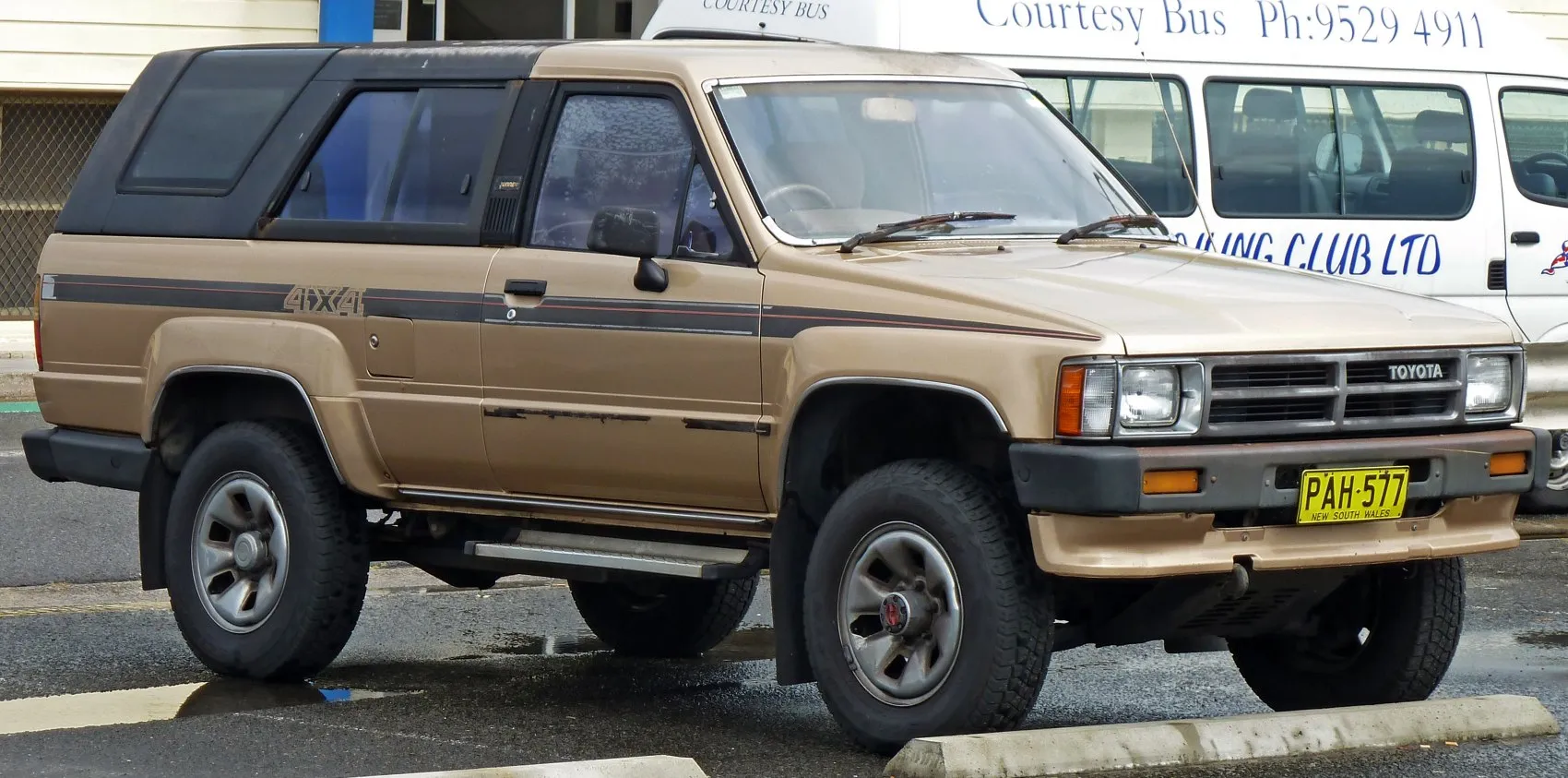
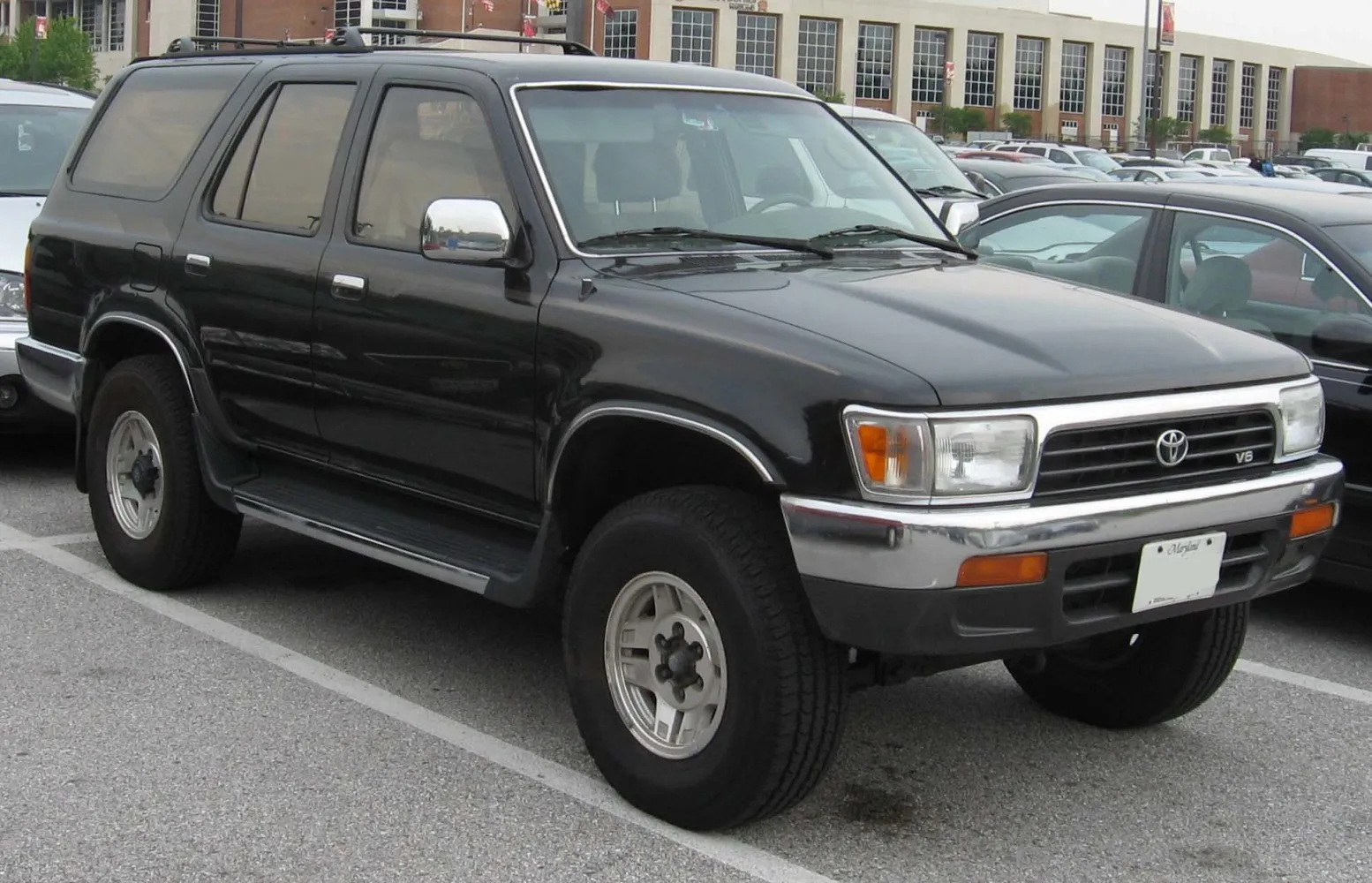
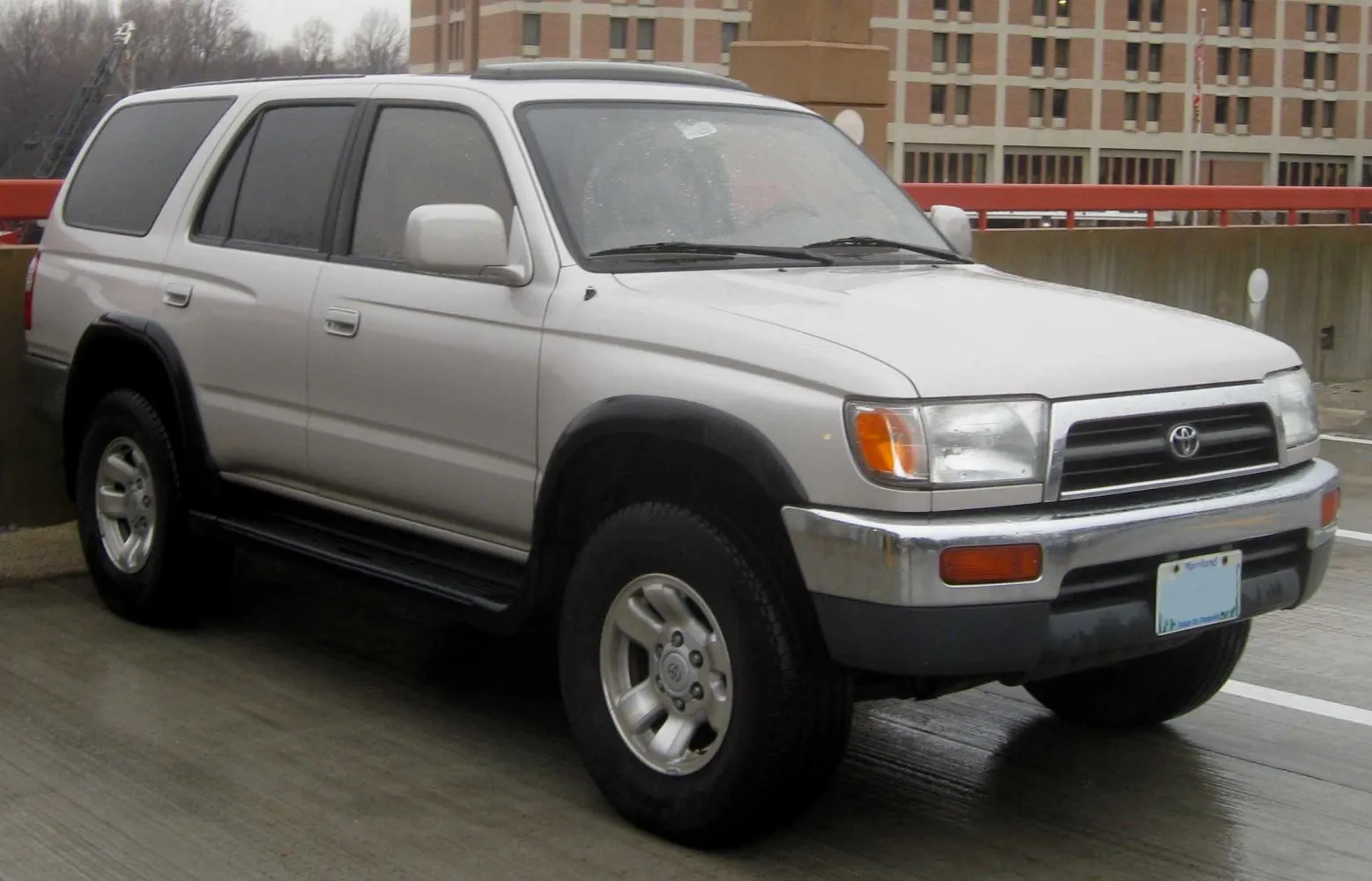
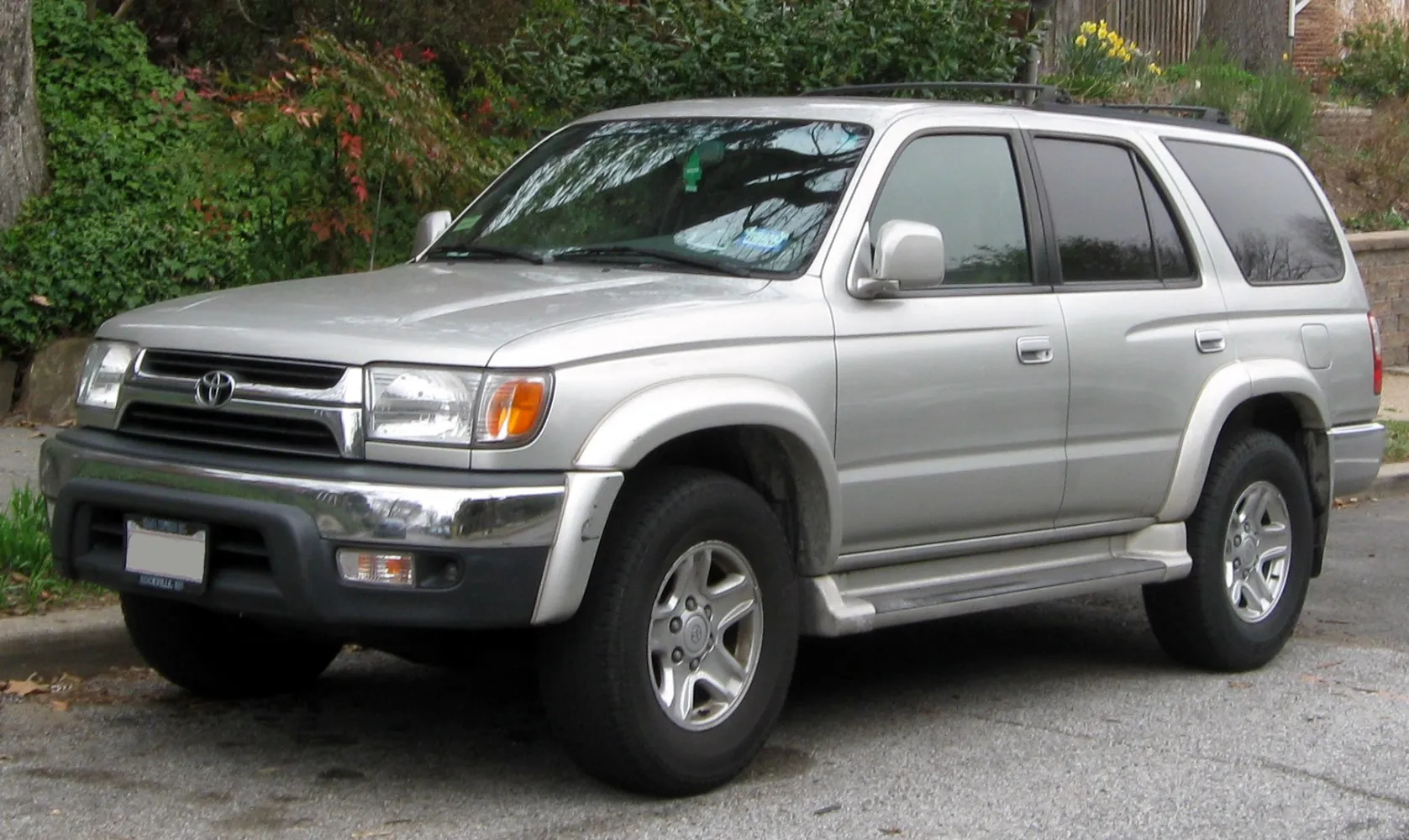
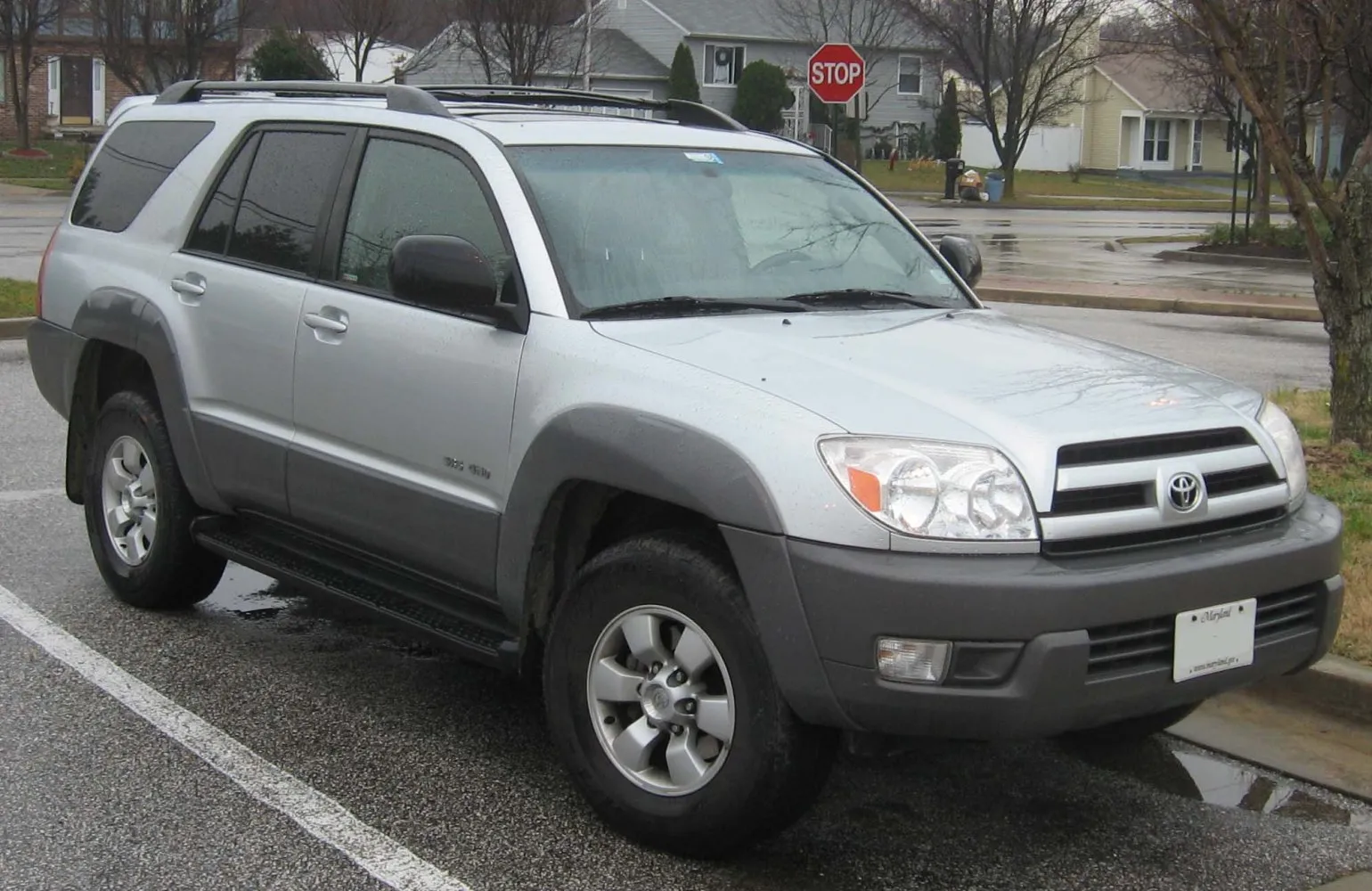
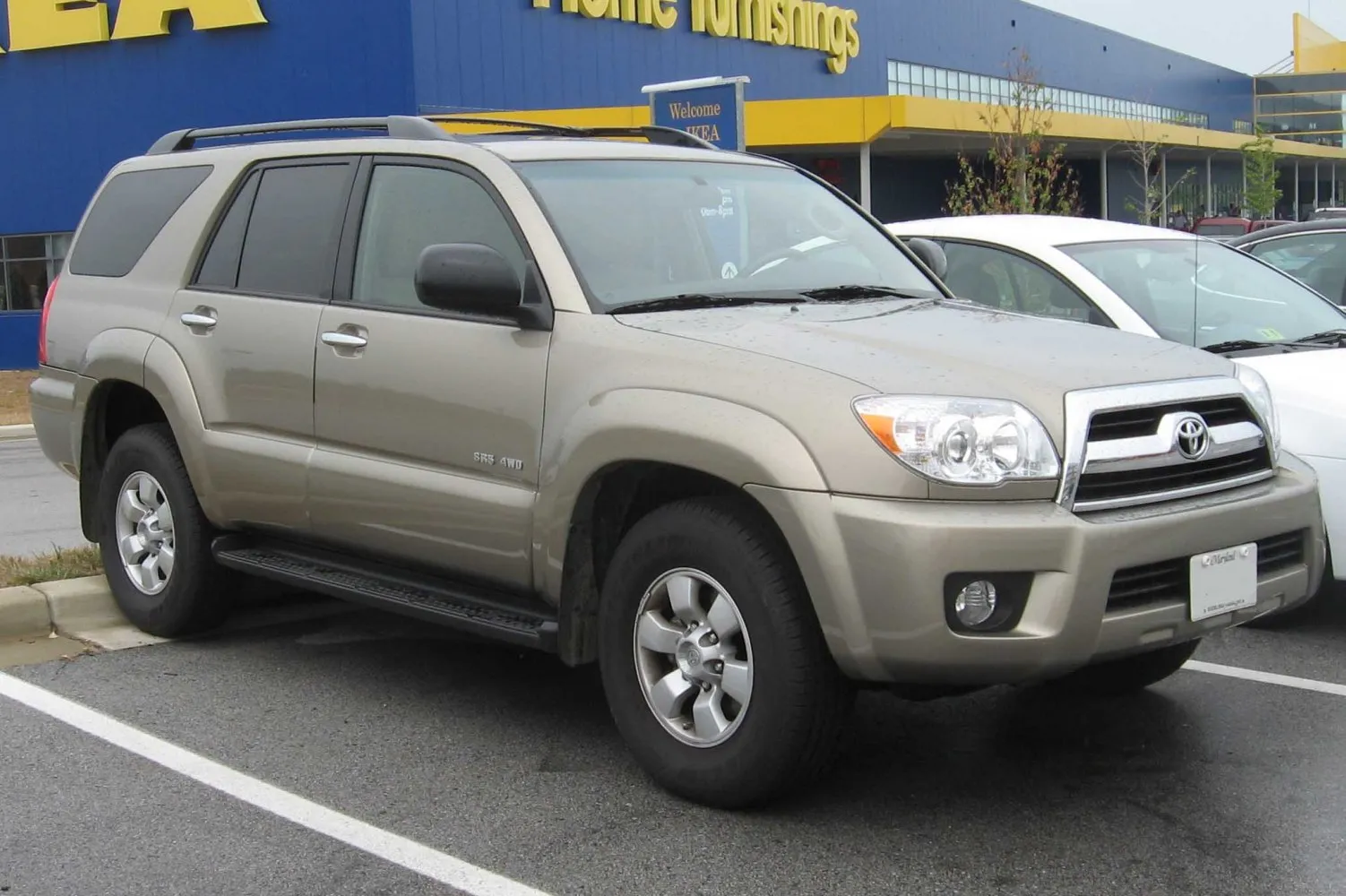
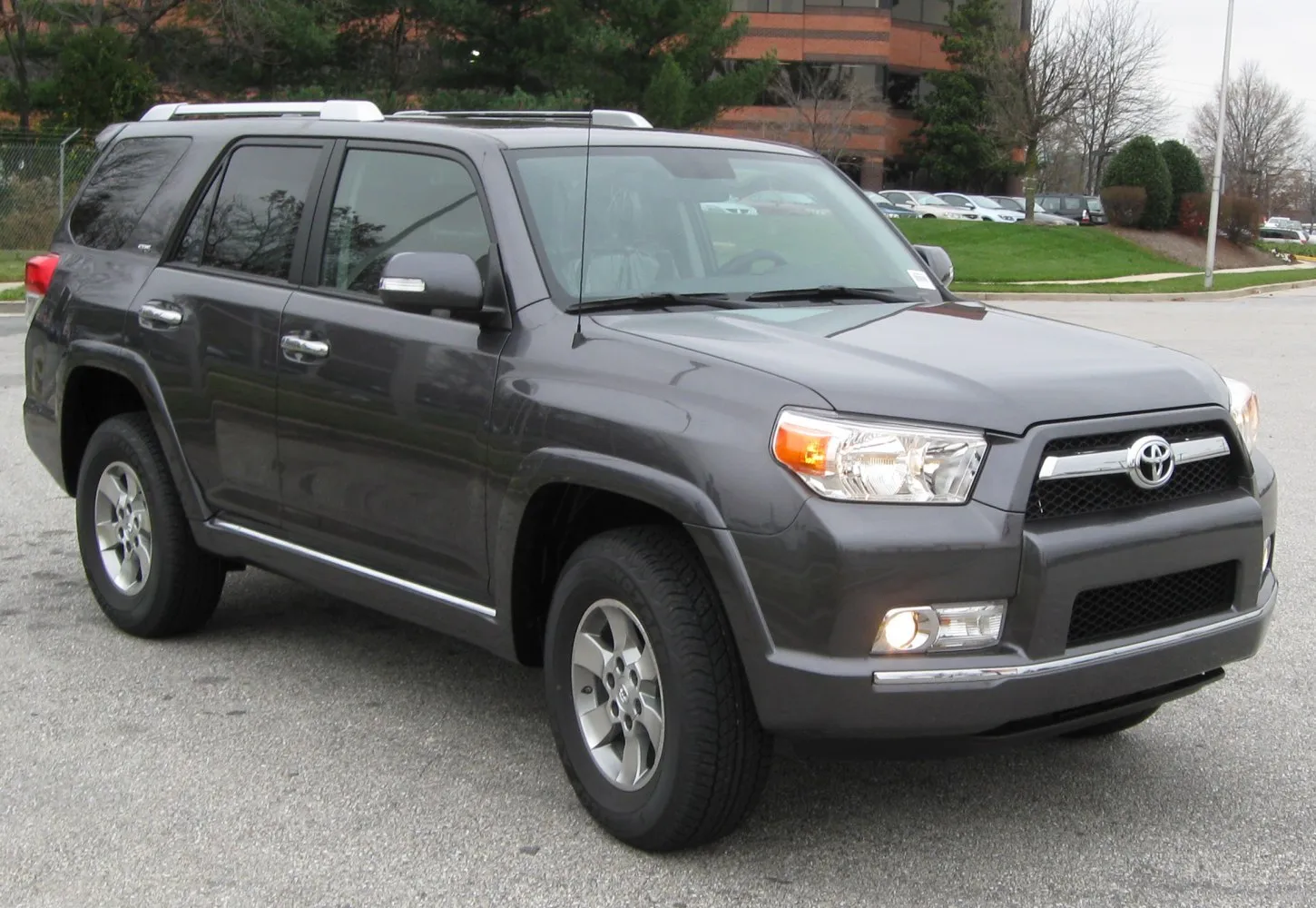
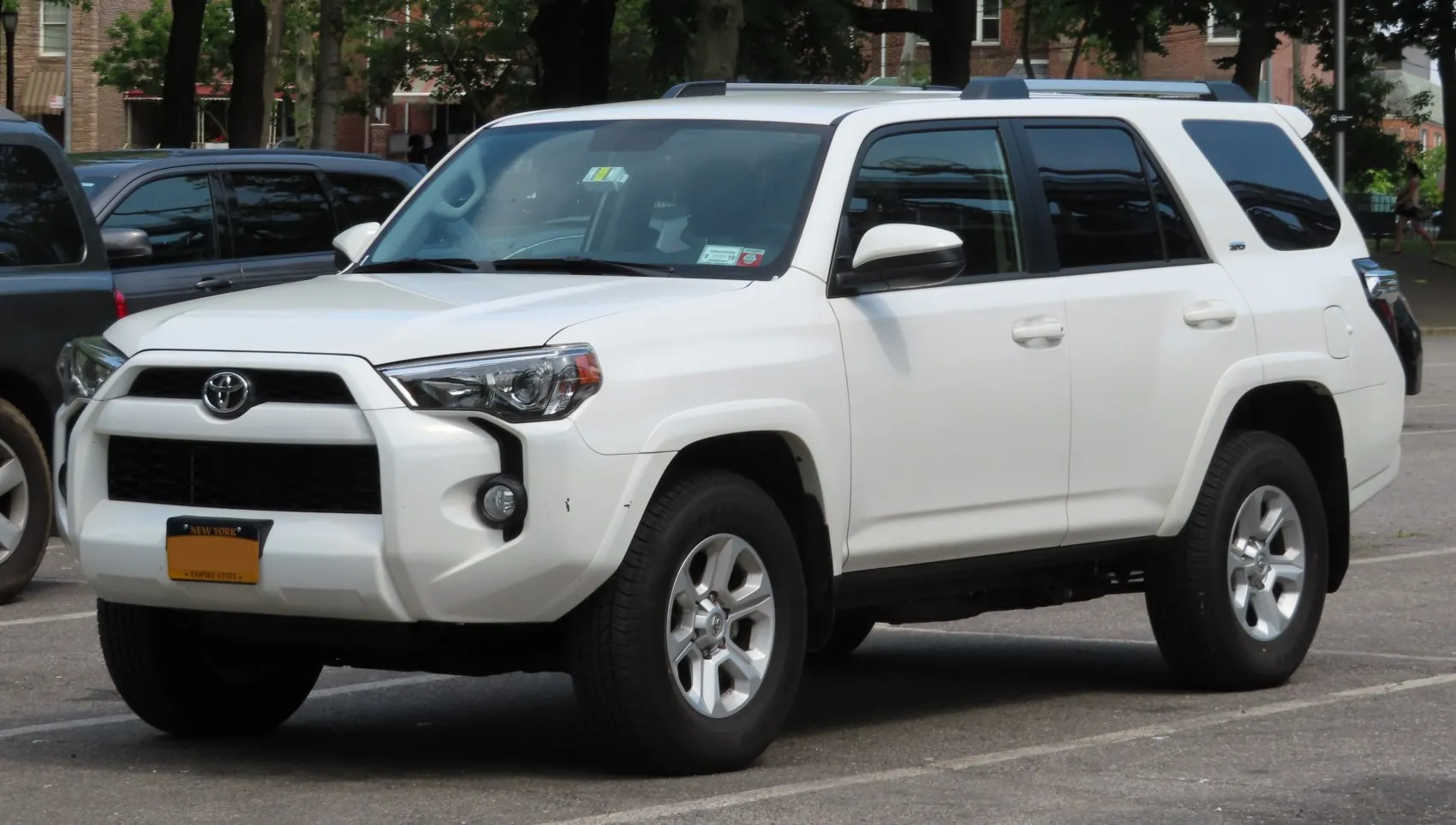
The Toyota 4Runner is an SUV manufactured by the Japanese automaker Toyota and marketed globally since 1984, across six generations. In Japan, it was marketed as the Toyota Hilux Surf and was withdrawn from the market in 2009. The original 4Runner was a compact SUV and little more than a Toyota Hilux pickup truck with a fiberglass shell over the bed, but the model has since undergone significant independent development into a cross between a compact and a mid-size SUV. All 4Runners have been built in Japan at Toyota's plant in Tahara, Aichi, or at the Hino Motors plant in Hamura....(Read more on Wikipedia)
VI Overview:
Toyota 4Runner (VI). With 430 Nm of torque, it offers ample pulling power. It has moderate fuel consumption (~11.8 l/100km). At around 2254 kg, it’s on the heavier side. All‑wheel drive provides excellent grip, ideal for off‑road use. A sport utility vehicle offering higher ground clearance and versatile cargo space. Seating for 5 makes it ideal for daily use.
As a newly released generation (VI) primarily targeting the North American market, the 2024 Toyota 4Runner has not yet been evaluated by Euro NCAP. However, given Toyota's strong commitment to safety and modern vehicle design standards, it is expected to perform well in relevant safety assessments, likely achieving high ratings from organizations like IIHS or NHTSA.
Limited 2.4 i-FORCE (278 Hp) 4WD ECT-i Verdict:

Performance Verdict
The 2.4L i-FORCE turbo engine provides a significant power upgrade over previous generations, offering robust acceleration and ample torque (430 Nm) from low RPMs, making it well-suited for both highway cruising and demanding off-road conditions. The 8-speed ECT-i transmission ensures smooth power delivery.
Fuel Economy
With a combined fuel consumption of 11.2 l/100 km, this engine offers a notable improvement in efficiency compared to the outgoing V6, though it remains typical for a body-on-frame 4WD SUV of this size and capability.
Pros and Cons:
Pros:
- • Significantly improved fuel efficiency with i-FORCE MAX hybrid.
- • Modernized powertrains offer superior power and torque.
- • Retains legendary off-road capability and rugged durability.
- • Updated interior with advanced technology and safety features.
Cons:
- • Still a body-on-frame SUV, leading to a less refined on-road ride than crossovers.
- • Fuel economy, while improved, is still typical for its class, not car-like.
- • Potentially higher starting price due to new technology and features.
- • Large turning circle (12m) can make city maneuvering challenging.
Specifications:
Specifications are compared to those of the previous generation(V (facelift 2013): 2013 - 2024).
| General: | |
|---|---|
| Brand: | Toyota |
| Model: | 4Runner |
| Generation: | VI |
| Modification (Engine): | Limited 2.4 i-FORCE (278 Hp) 4WD ECT-i |
| Start of production: | December, 2024 |
| Powertrain Architecture: | Internal Combustion engine |
| Body type: | SUV |
| Seats: | 5-7 |
| Doors: | 5 |
| Engine: | |
|---|---|
| Engine systems: | Start & Stop System |
| Power: | 278 Hp @ 6000 rpm. Same horsepower |
| Power per litre: | 116.2 Hp/l [119mm more] |
| Torque: | 430 Nm @ 1700 rpm. |
| Engine Model/Code: | Dynamic Force / T24A-FTS More details about the engine Dynamic Force / T24A-FTS |
| Engine displacement: | 2393 |
| Number of cylinders: | 4 |
| Engine configuration: | Inline |
| Number of valves per cylinder: | 4 |
| Fuel injection system: | Direct injection and Multi-port manifold injection |
| Engine aspiration: | Twin-scroll turbo, Intercooler |
| Valvetrain: | DOHC, Dual VVT-i |
| Engine oil capacity: | 5.6 l |
| Engine layout: | Front, Longitudinal |
| Cylinder Bore: | 87.5 mm mm |
| Piston Stroke: | 99.5 mm mm |
| Compression ratio: | 11:1 |
| Performance: | |
|---|---|
| Fuel Type: | Petrol (Gasoline) |
| Fuel consumption (economy) - urban: | 11.8 l/100 km |
| Fuel consumption (economy) - extra urban: | 9.8 l/100 km |
| Fuel consumption (economy) - urban (EPA): | 11.8 l/100 km |
| Fuel consumption (economy) - extra urban (EPA): | 9.8 l/100 km |
| Fuel consumption (economy) - combined (EPA): | 11.2 l/100 km |
| Fuel consumption (economy) - combined: | 11.2 l/100 km |
| Weight-to-power ratio: | 8.1 kg/Hp, 123.3 Hp/tonne |
| Weight-to-torque ratio: | 5.2 kg/Nm, 190.8 Nm/tonne |
| Space: | |
|---|---|
| Kerb Weight: | 2254 |
| Max. weight: | 2901 |
| Max load: | 647 |
| Trunk (boot) space - maximum: | 2554 l |
| Trunk (boot) space - minimum: | 343 l |
| Permitted trailer load with brakes (12%): | 2722 kg |
| Fuel tank capacity: | 72 l |
| Size: | |
|---|---|
| Ramp-over (brakeover) angle: | 24° |
| Length: | 4950 mm mm [119mm more] |
| Width: | 1979 mm mm [54mm more] |
| Height: | 1857 mm mm [41mm more] |
| Wheelbase: | 2850 mm mm [61mm more] |
| Front track: | 1666 mm |
| Rear (Back) track: | 1669 mm |
| Ride height (ground clearance): | 224 mm |
| Minimum turning circle (turning diameter): | 12 m [above average] |
| Approach angle: | 18° |
| Departure angle: | 22° |
| Powertrain: | |
|---|---|
| Drivetrain Architecture | The Internal combustion engine (ICE) drives permanently the four wheels of the vehicle. |
| Drive wheel | All wheel drive (4x4) |
| Number of gears | 8 |
| Transmission type | Automatic |
| Gearbox type | ECT-i |
| Front brakes | Ventilated discs, 340 mm [Best for performance and cooling.] |
| Rear brakes | Ventilated discs, 335 mm [Best for performance and cooling.] |
| Assisting systems | ABS (Anti-lock braking system) |
| Steering type | Steering rack and pinion |
| Power steering | Electric Steering |
| Tires size | 265/55 R20 |
| Wheel rims size | 20 |
| Front suspension | Coil spring, Double wishbone, Transverse stabilizer |
| Rear suspension | Rigid axle suspension, Transverse stabilizer, Coil spring |





Fuel, speed, and comfort: How does the Toyota 4Runner rank in your book?