Seat Alhambra II (7N) 2.0 TDI (140 Hp) 4Drive 7 Seat
Seat Alhambra:
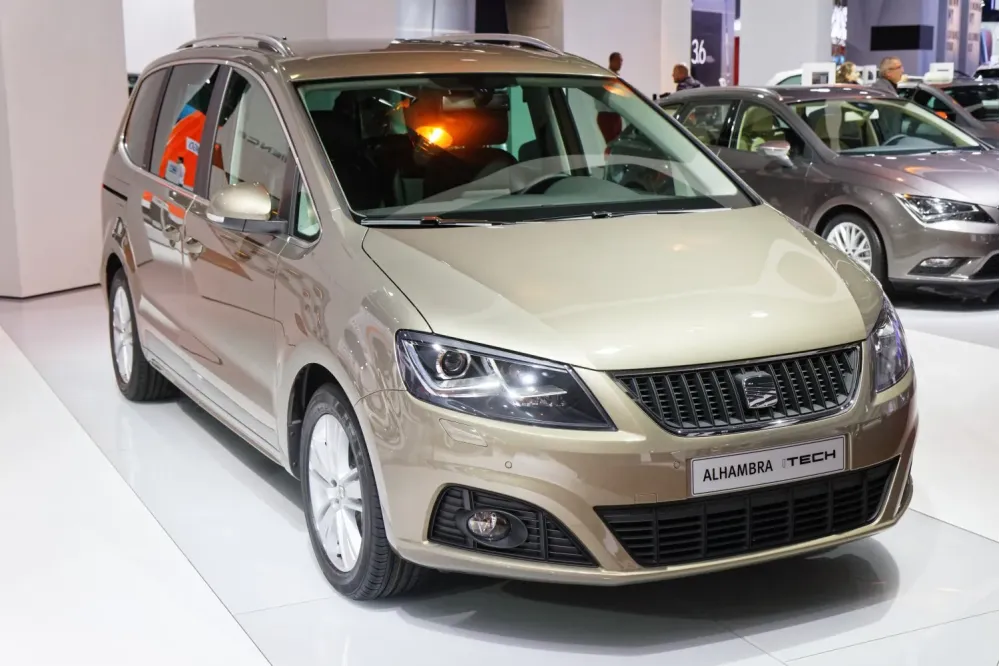
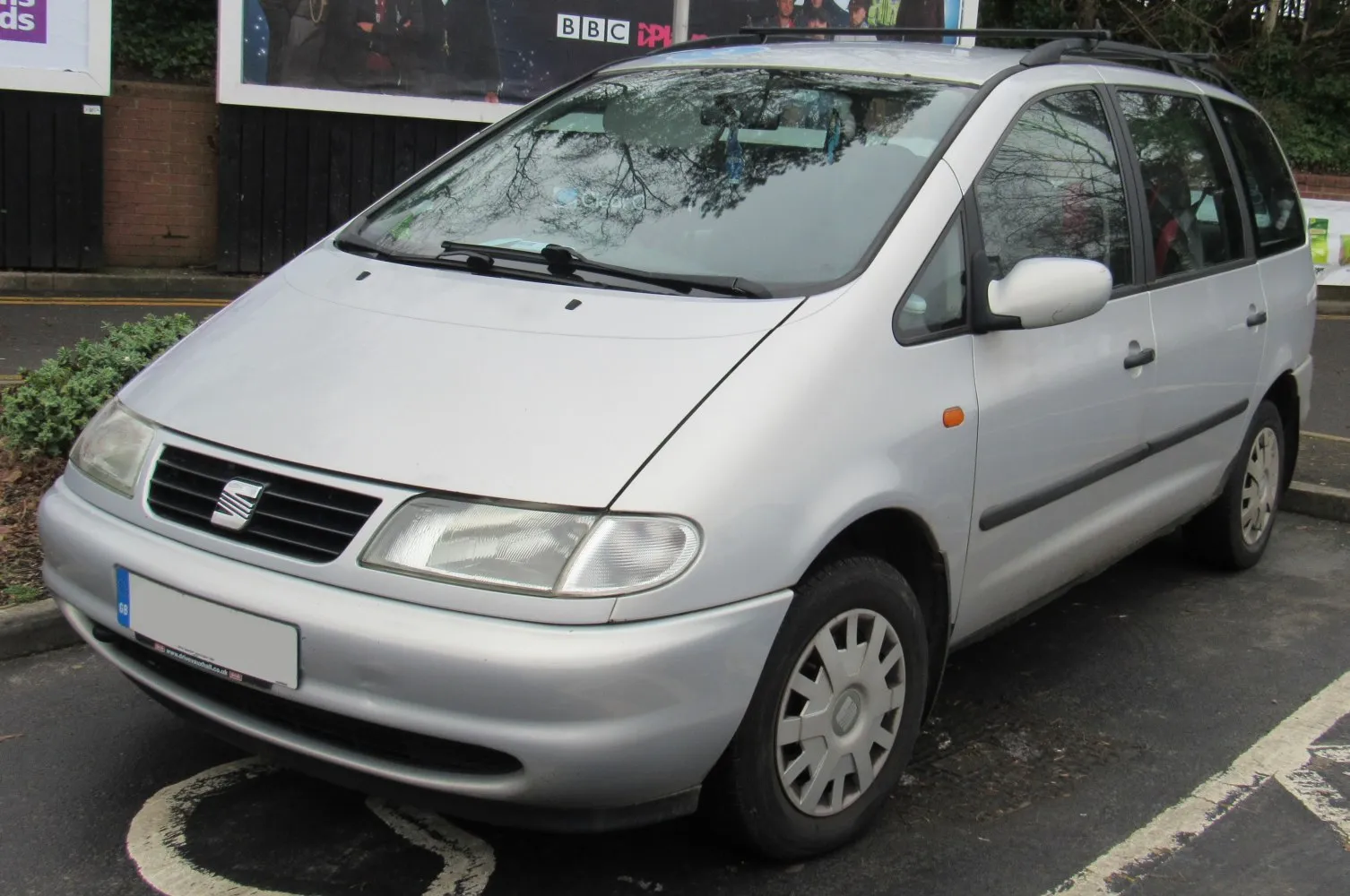
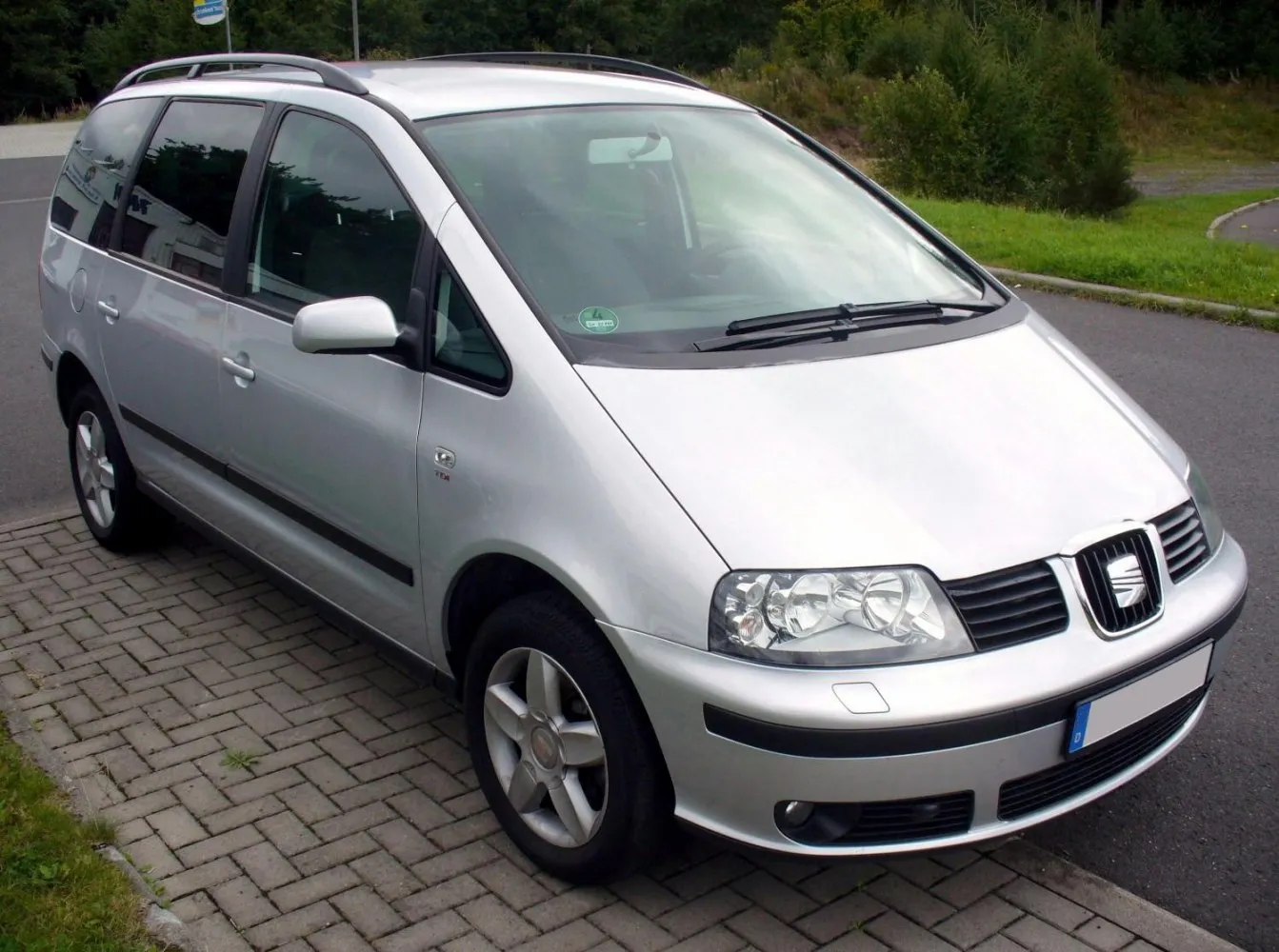
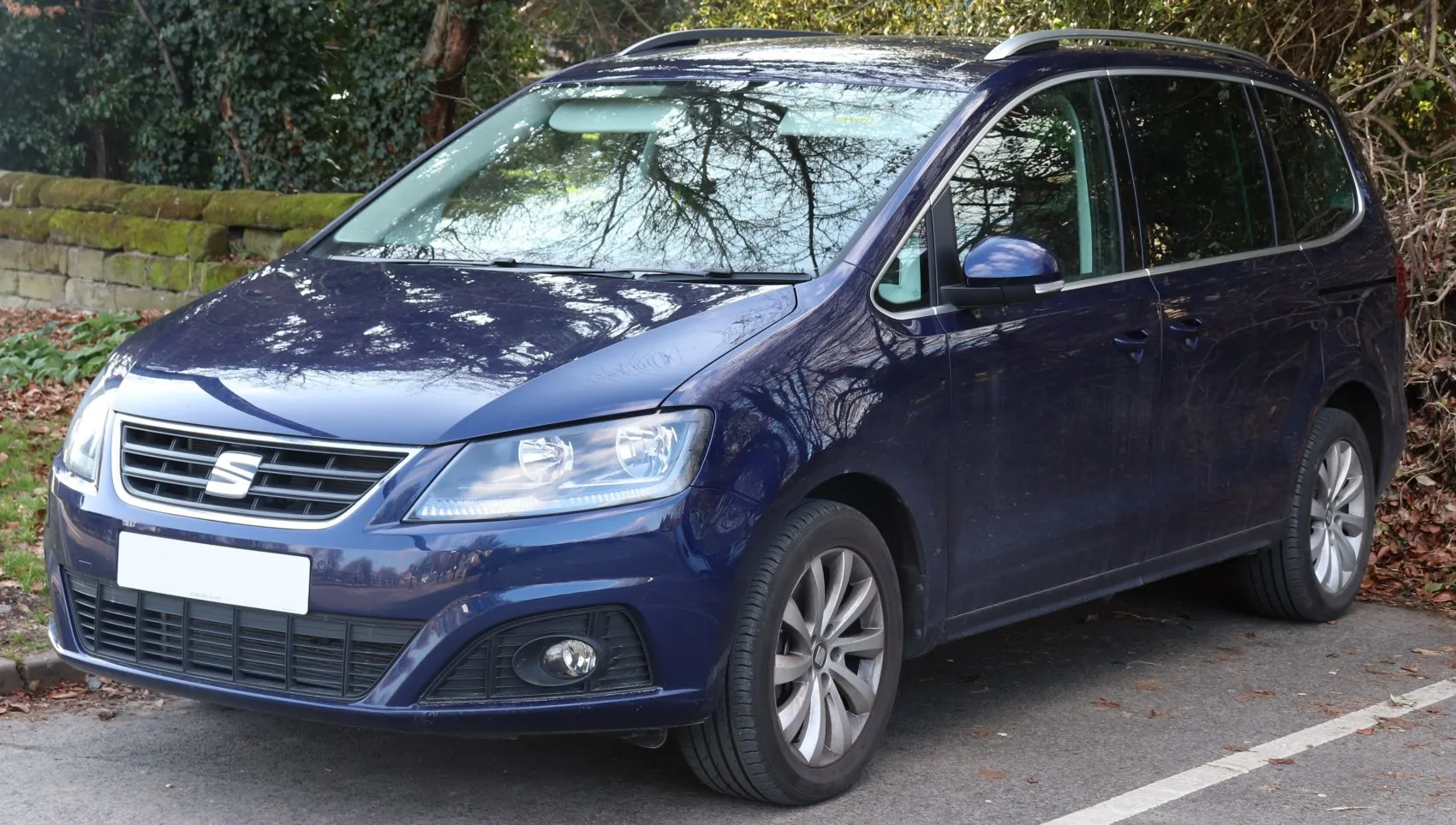
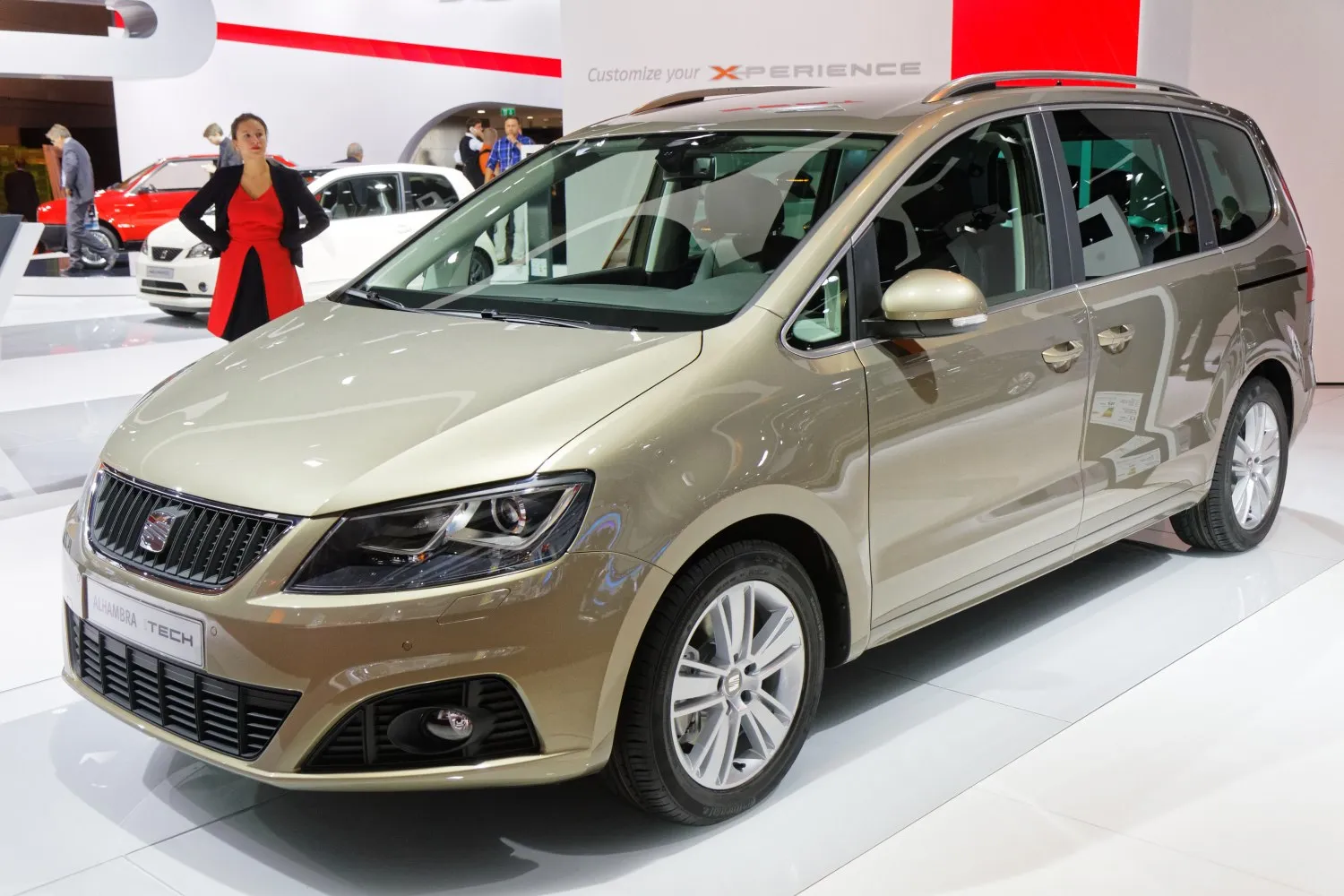
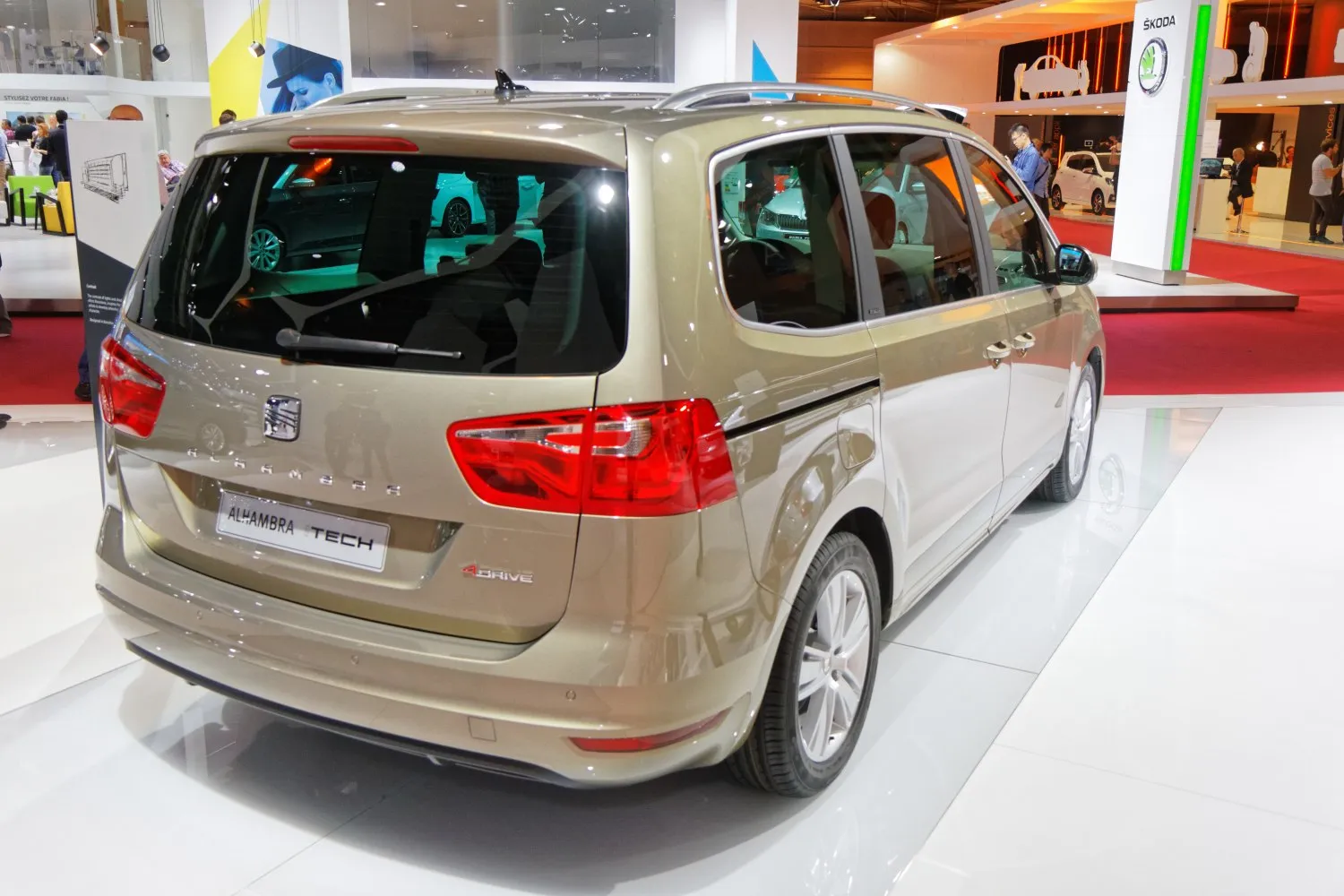
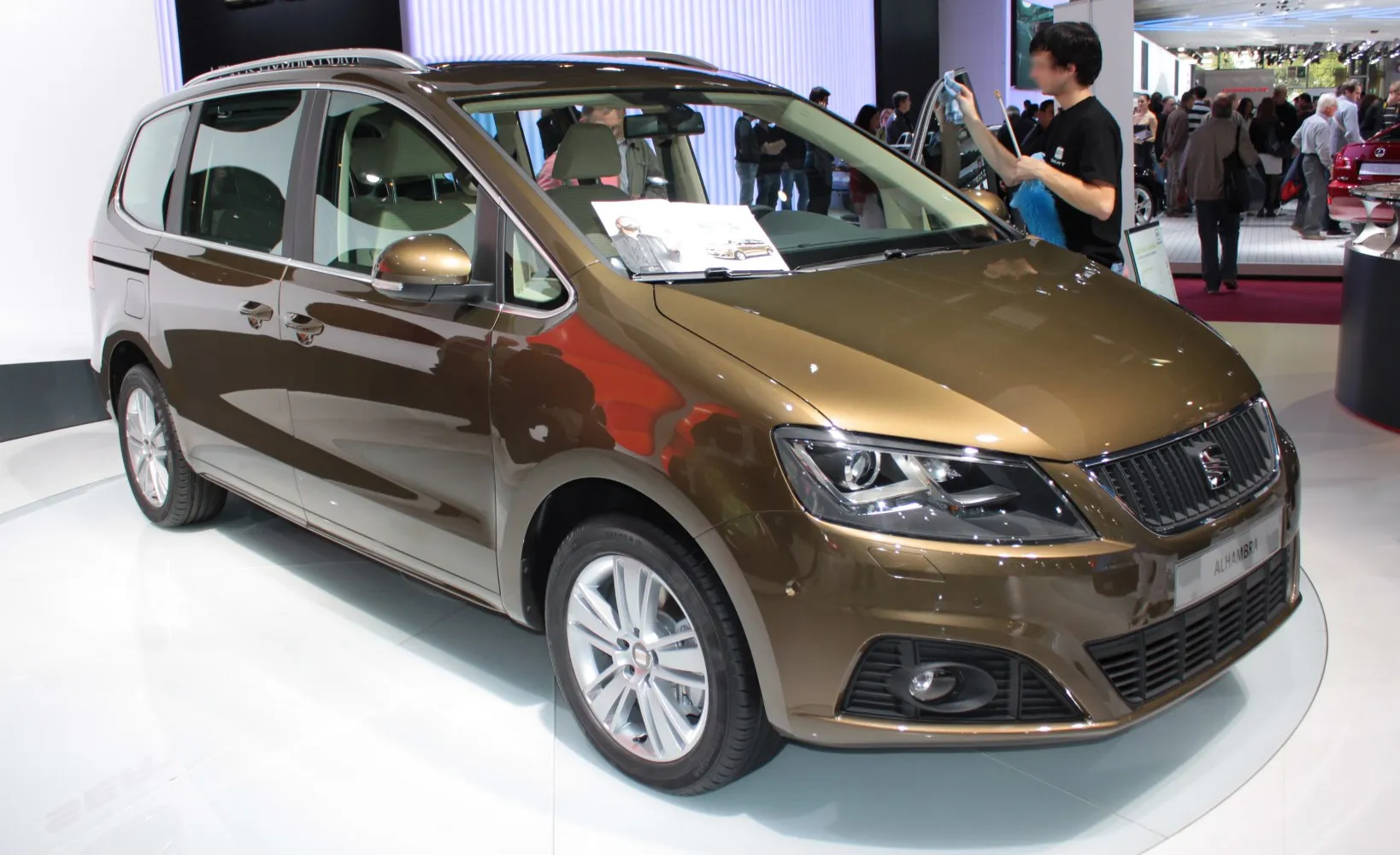
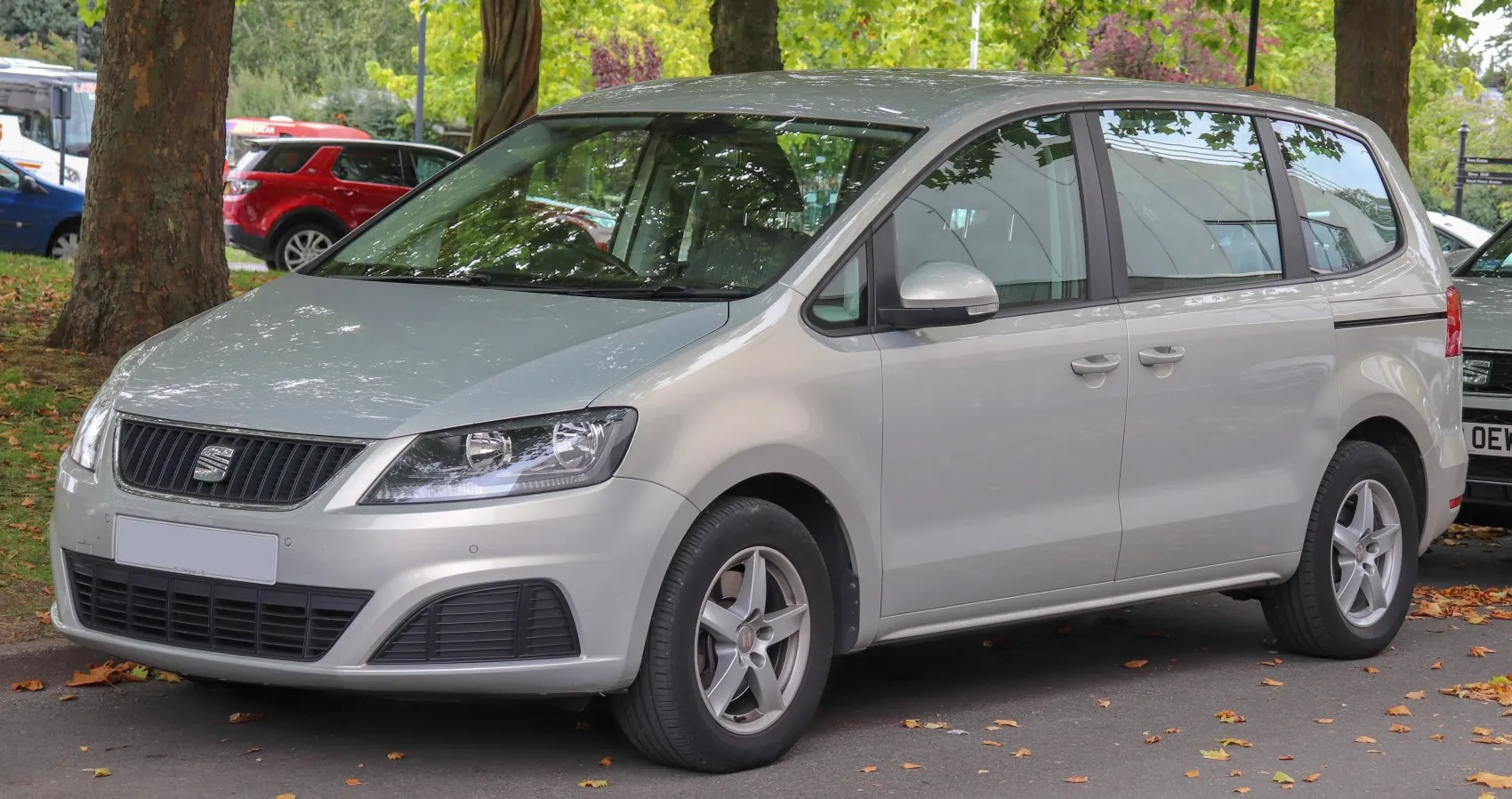
The SEAT Alhambra is a seven-seater minivan that was built from 1996 to 2020. It was manufactured under the SEAT brand from June 1996 onwards at the Volkswagen Group's AutoEuropa plant in Palmela, Portugal. It shares the same platform with the Volkswagen Sharan, and the first generation was also related to the Ford Galaxy. The vehicle is named after the Alhambra of Granada, a famous monument in Spain. It is considered in the motor industry to be a large multi-purpose vehicle.
A prototype of the first generation SEAT Alhambra was presented at the 1995 Geneva Salon International de l'Auto. The following year the production Alhambra was launched at the same motor show and went on sale in June. The Alhambra shares most of its components and design with the VW Sharan Mk1 and Ford Galaxy Mk1. However, the Alhambra has more options fitted for a given price range. The Alhambra has seven seats—the five rear seats can be folded down or unclipped and removed completely. When removed the seats leave a flat-floored load space, a unique feature for SEAT vehicles at that time. The load volume varies, from 256l with seven seats, to 852l with five seats, and 2610l with only the two front seats fitted....(Read more on Wikipedia)
II (7N) Overview:
Seat Alhambra (II (7N)). With 320 Nm of torque, it offers ample pulling power. It has moderate fuel consumption (~7.5 l/100km). With a weight of 1942 kg, it falls in the mid‑range. All‑wheel drive provides excellent grip, ideal for off‑road use. Acceleration is relatively slow (0–100 km/h in 11.4 s). The top speed reaches 191 km/h. A spacious vehicle designed to transport passengers comfortably, often with sliding doors. A multi-purpose vehicle designed to transport passengers with ample interior space. With seating for 7, it’s perfect for larger families.
Pros and Cons:
Pros:
- • Adequate and balanced power output (200 hp) for versatile driving.
- • Respectable acceleration of 8.3 sec, suitable for most driving situations.
- • Balanced fuel consumption of 8.4 L/100 km for its class.
- • Independent multi-link suspension for premium ride comfort.
- • Ventilated disc brakes for reliable cooling and stopping power.
- • Generous trunk capacity of 809 Liters.
- • Turbocharged engine ensures better torque delivery at low RPMs.
- • Direct fuel injection technology for optimized combustion.
Cons:
- • Meets EURO 5 emission standard; check for local urban restriction zones.
- • Previous generation model; may lack the latest driver-assist technologies.
Specifications:
Specifications are compared to those of the previous generation(II (7N): August, 2010 - 2015).
| General: |
| Brand: | Seat |
|---|
| Model: | Alhambra |
|---|
| Generation: | II (7N) |
|---|
| Modification (Engine): | 2.0 TDI (140 Hp) 4Drive 7 Seat |
|---|
| Start of production: | June, 2010 |
|---|
| End of production: | 2015 |
|---|
| Powertrain Architecture: | Internal Combustion engine |
|---|
| Body type: | Minivan, MPV |
|---|
| Seats: | 7 |
|---|
| Doors: | 5 |
|---|
| Engine: |
| Engine systems: | Particulate filter |
|---|
| Power: | 140 Hp @ 4200 rpm. Same horsepower |
|---|
| Power per litre: | 71.1 Hp/l [Same length.] |
|---|
| Torque: | 320 Nm @ 1750-2500 rpm. |
|---|
| Engine Model/Code: | CFFB More details about the engine CFFB |
|---|
| Engine displacement: | 1968 |
|---|
| Number of cylinders: | 4 |
|---|
| Engine configuration: | Inline |
|---|
| Number of valves per cylinder: | 4 |
|---|
| Fuel injection system: | Diesel Commonrail |
|---|
| Engine aspiration: | Turbocharger, Intercooler |
|---|
| Engine oil capacity: | 4.3 l |
|---|
| Coolant: | 8 l |
|---|
| Engine layout: | Front, Transverse |
|---|
| Cylinder Bore: | 81 mm |
|---|
| Piston Stroke: | 95.5 mm |
|---|
| Compression ratio: | 16.5:1 |
|---|
| Performance: |
| Fuel Type: | Diesel |
|---|
| Fuel consumption (economy) - urban: | 7.5 l/100 km |
|---|
| Fuel consumption (economy) - extra urban: | 5.4 l/100 km |
|---|
| Fuel consumption (economy) - combined: | 6.2 l/100 km |
|---|
| Emission standard: | Euro 5 |
|---|
| Acceleration 0 - 100 km/h: | 11.4 sec |
|---|
| Acceleration 0 - 62 mph: | 11.4 sec |
|---|
| Maximum speed: | 191 km/h |
|---|
| Weight-to-power ratio: | 13.9 kg/Hp, 72.1 Hp/tonne |
|---|
| Weight-to-torque ratio: | 6.1 kg/Nm, 164.8 Nm/tonne |
|---|
| Acceleration 0 - 60 mph: | 10.8 sec |
|---|
| Space: |
| Kerb Weight: | 1942 |
|---|
| Max. weight: | 2580 |
|---|
| Max load: | 638 |
|---|
| Trunk (boot) space - maximum: | 2297 l |
|---|
| Trunk (boot) space - minimum: | 267 l |
|---|
| Fuel tank capacity: | 70 l |
|---|
| Size: |
| Length: | 4854 mm [Same length.] |
|---|
| Width: | 1904 mm [Same width.] |
|---|
| Height: | 1720 mm [Same height.] |
|---|
| Wheelbase: | 2919 mm [Same wheelbase.] |
|---|
| Front track: | 1569 mm |
|---|
| Rear (Back) track: | 1617 mm |
|---|
| Minimum turning circle (turning diameter): | 11.9 m [above average] |
|---|
| Powertrain: |
| Drive wheel | All wheel drive (4x4) |
|---|
| Number of gears | 6 |
|---|
| Transmission type | Manual |
|---|
| Front brakes | Ventilated discs, 314 mm [Best for performance and cooling.] |
|---|
| Rear brakes | Disc, 282 mm [above average] |
|---|
| Assisting systems | ABS (Anti-lock braking system) |
|---|
| Steering type | Steering rack and pinion |
|---|
| Power steering | Electric Steering |
|---|
| Tires size | 205/60 R16 96H; 215/60 R16 95H; 225/50 R17 98H; 225/45 R18 95W |
|---|
| Wheel rims size | 6.5J x 16; 7.0J x 17; 7.5J x 18 |
|---|
| Front suspension | Independent, type McPherson with coil spring and anti-roll bar |
|---|
| Rear suspension | Independent coil spring |
|---|







Driven it? Loved it? Hated it? Share your honest review!