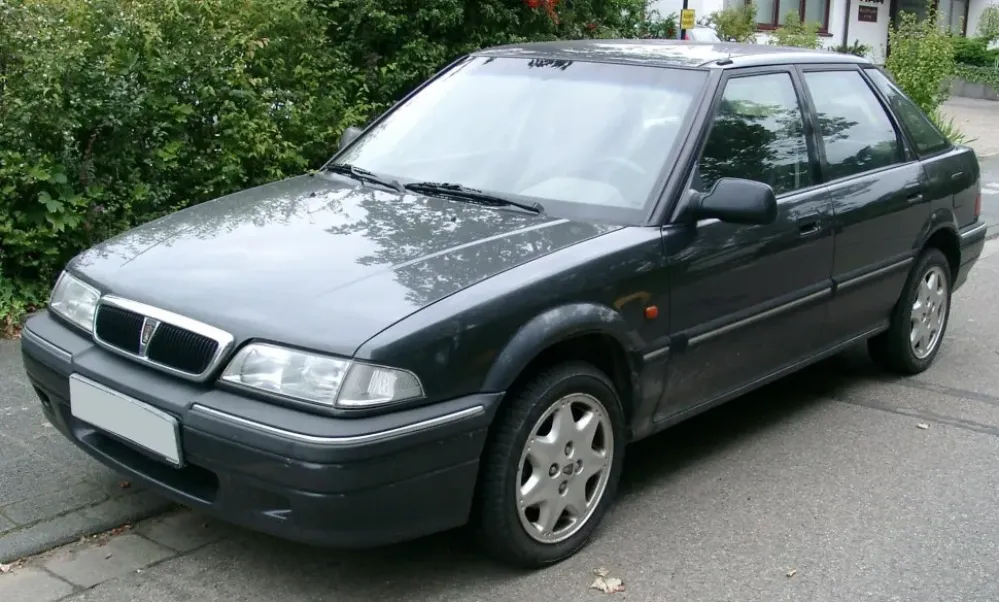
Click on image to view the full photo gallery
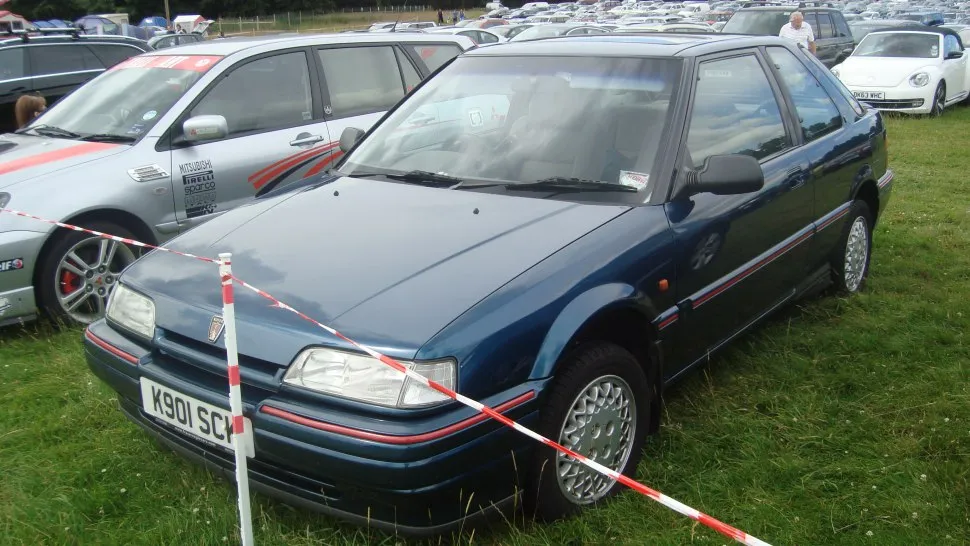
Rover 200 XH 213 S (75 Hp)
Overall Rating
Rover 200:
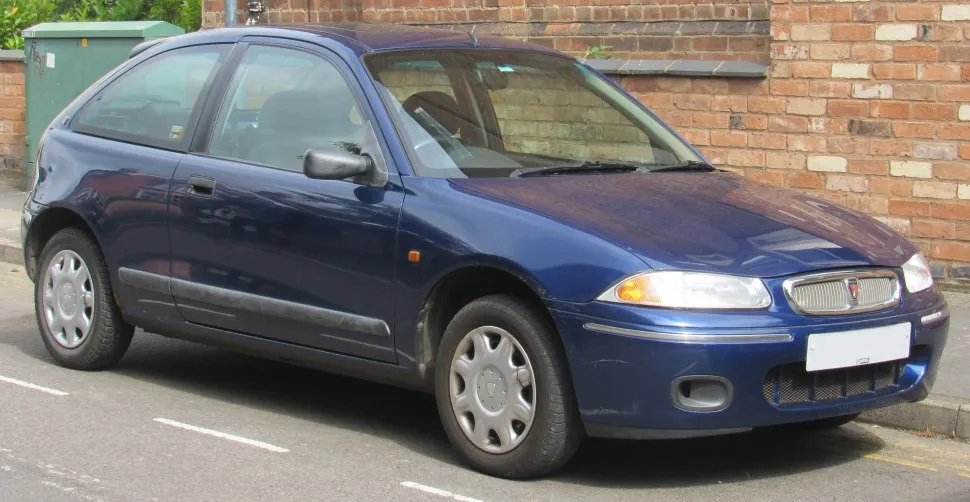
The Rover 200 Series, and later the Rover 25, are a series of small family cars that were produced at the Longbridge factory by former British manufacturer Rover from 1984 until 2005 over four distinct generations.
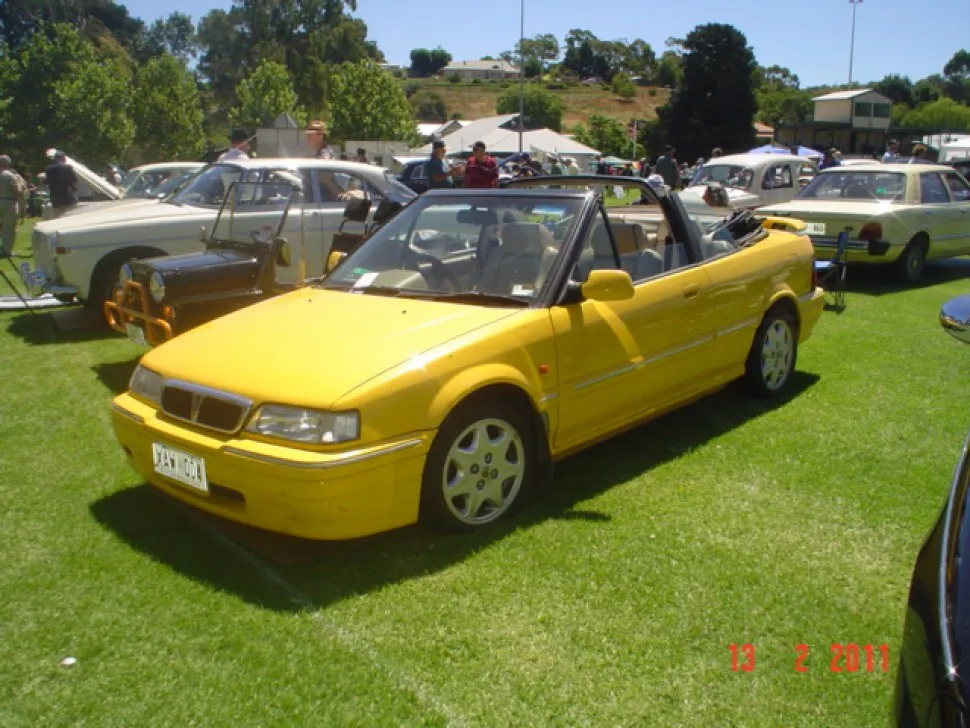
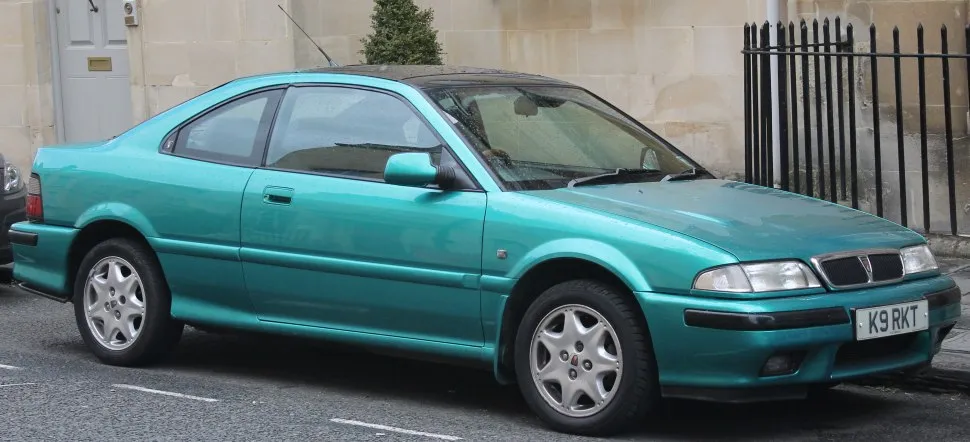
The Rover 200 was conceived in partnership with Honda originally as a four-door saloon car based on the Honda Ballade. The second generation introduced in 1989 was made in three or five-door hatchback forms, as well a coupé and cabriolet. Its sister model, the Honda Concerto was built on the same production line....(Read more on Wikipedia)
XH Overview:
Rover 200 (XH). Front‑wheel drive delivers efficiency and easy handling. The top speed reaches 170 km/h. A four-door car with a separate trunk, ideal for families and daily commuting. Seating for 5 makes it ideal for daily use.
The Rover 200 (XH) was produced before Euro NCAP testing began in 1997, so no official crash test rating is available. Safety features are rudimentary by modern standards, typical for vehicles of its 1980s era.
213 S (75 Hp) Verdict:

Performance Verdict
The 75 Hp 1.3L engine was the entry-level option, providing adequate power for city driving and shorter commutes, but felt strained on highways or with a full load.
Fuel Economy
As the smallest engine, it offered the best potential for fuel efficiency, making it a cost-effective choice for urban environments, though real-world figures varied.
Pros and Cons:
Pros:
- • Reliable Honda-derived engines
- • Comfortable ride quality
- • Classic British styling with a touch of executive feel
- • Good interior space for its class
- • Relatively easy to maintain for its era
Cons:
- • Dated safety features by modern standards
- • Prone to rust in unprotected areas
- • Performance of base models can be sluggish
- • Parts availability for specific trim items can be challenging
- • Resale value can be low unless in pristine condition
Specifications:
| General: | |
|---|---|
| Brand: | Rover |
| Model: | 200 |
| Generation: | XH |
| Modification (Engine): | 213 S (75 Hp) |
| Start of production: | 1985 |
| End of production: | 1989 |
| Powertrain Architecture: | Internal Combustion engine |
| Body type: | Sedan |
| Seats: | 5 |
| Doors: | 4 |
| Engine: | |
|---|---|
| Power: | 75 Hp |
| Power per litre: | 57.7 Hp/l |
| Engine Model/Code: | EV2 |
| Engine displacement: | 1300 |
| Number of cylinders: | 4 |
| Engine configuration: | Inline |
| Number of valves per cylinder: | 3 |
| Fuel injection system: | Carburettor |
| Engine aspiration: | Naturally aspirated engine |
| Valvetrain: | OHC |
| Engine layout: | Front, Transverse |
| Performance: | |
|---|---|
| Fuel Type: | Petrol (Gasoline) |
| Maximum speed: | 170 km/h |
| Powertrain: | |
|---|---|
| Drivetrain Architecture | The Internal combustion engine (ICE) drives the front wheels of the vehicle. |
| Drive wheel | Front wheel drive |
| Number of gears | 5 |
| Transmission type | Manual |
| Front brakes | Disc |
| Rear brakes | Drum |
| Steering type | Steering rack and pinion |
| Wheel rims size | 13 |
| Front suspension | Torsion |
| Rear suspension | Torsion |








Is the Rover 200 your dream ride or just a daily drive? Let's talk!