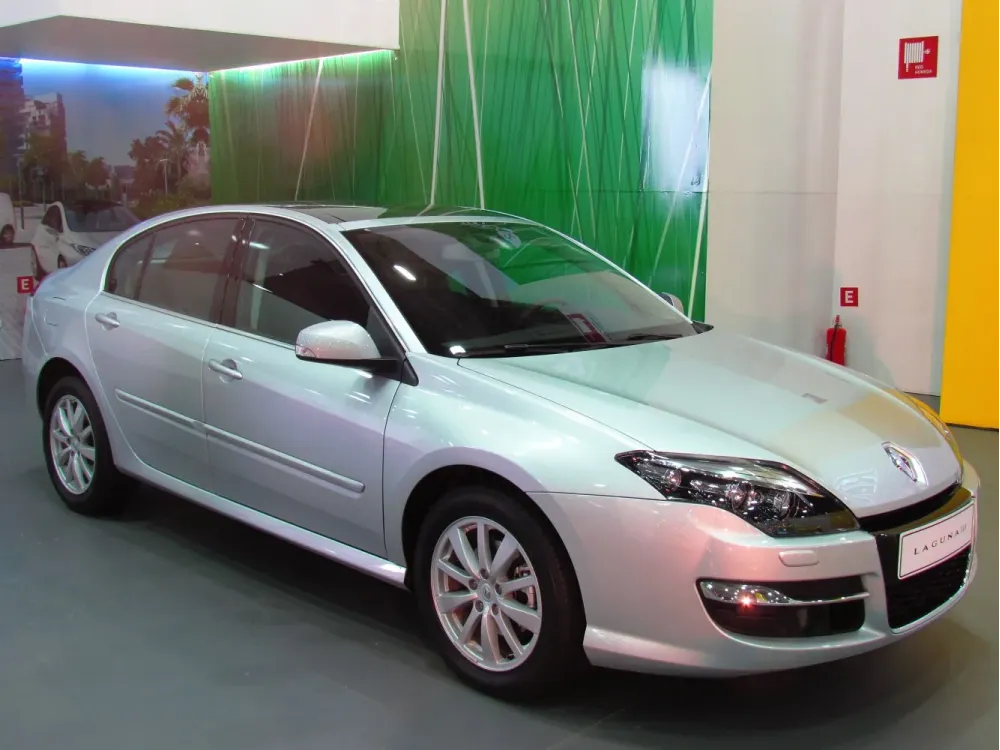
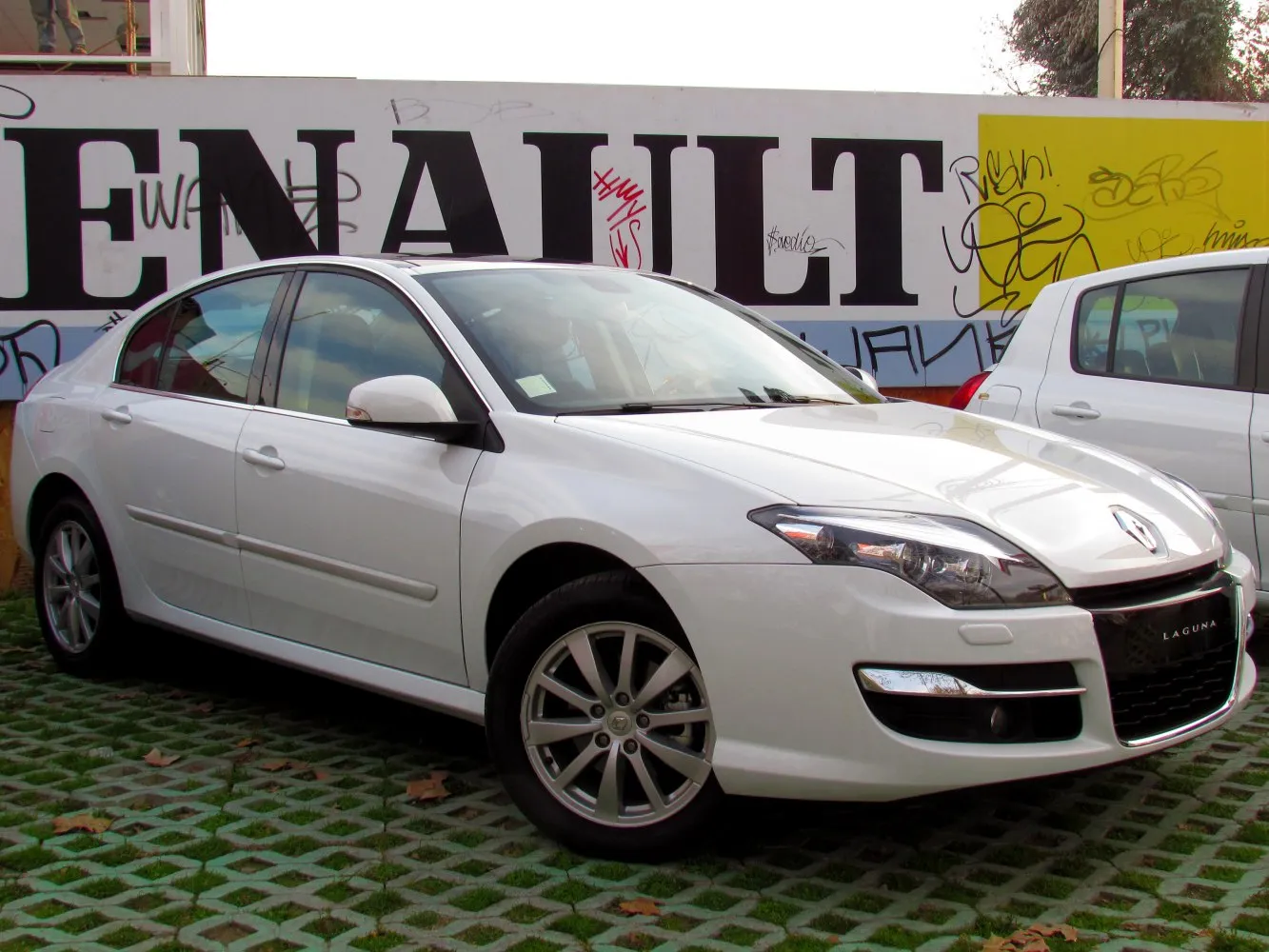
Click on image to view the full photo gallery
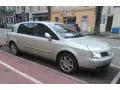
Renault Laguna III (Phase II) 2.0 dCi (130 Hp) start&stop
Overall Rating
Renault Laguna:
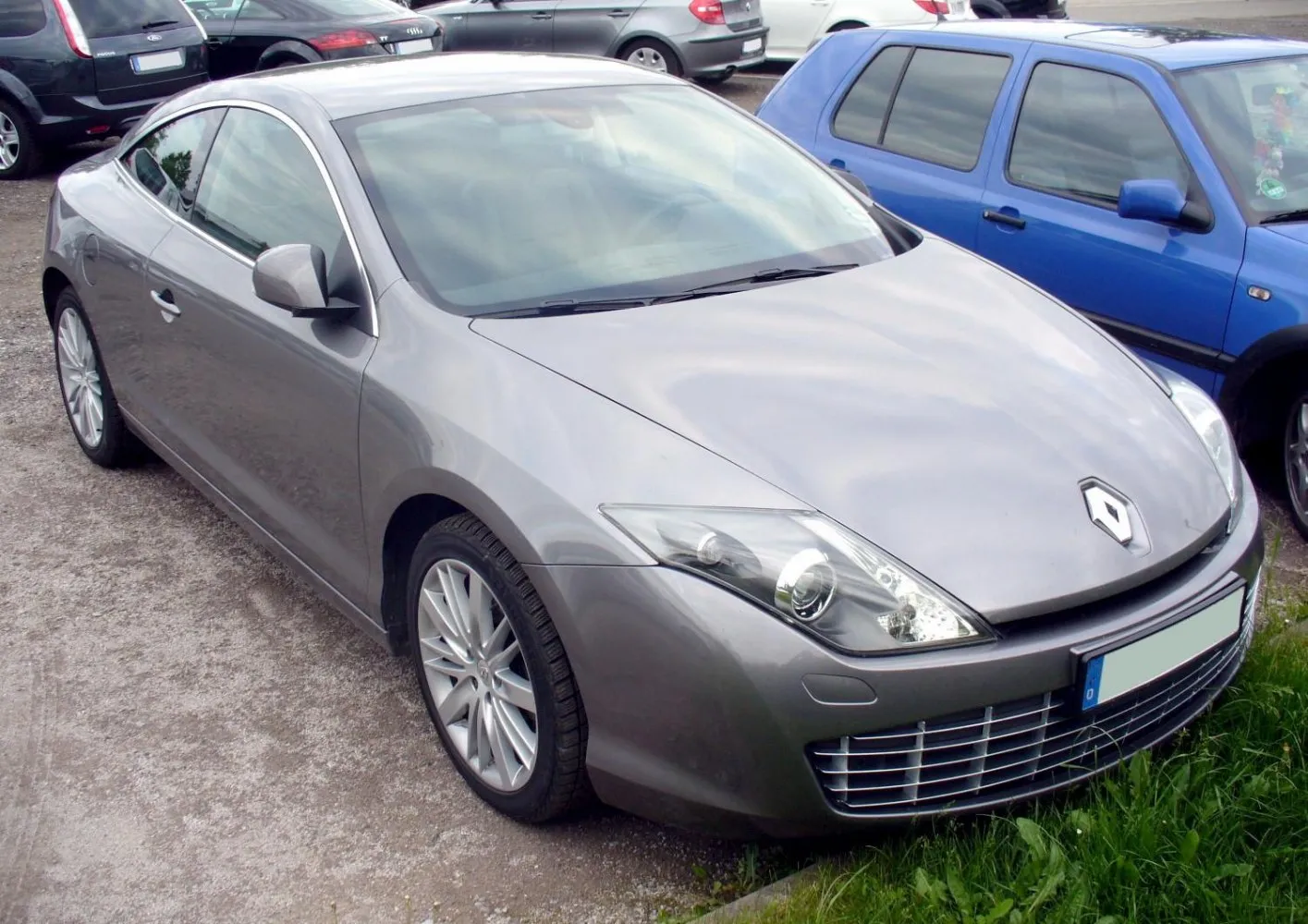
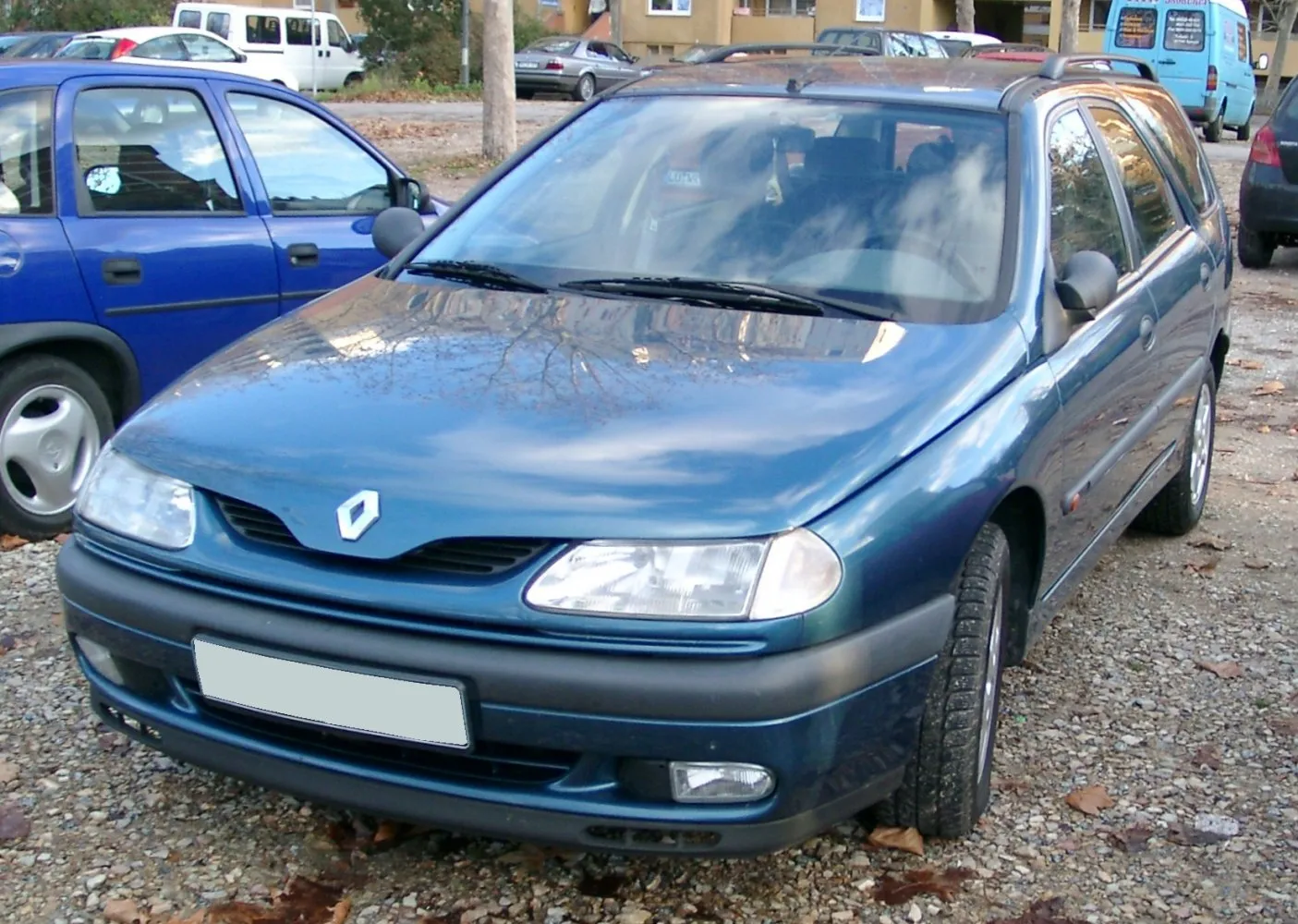
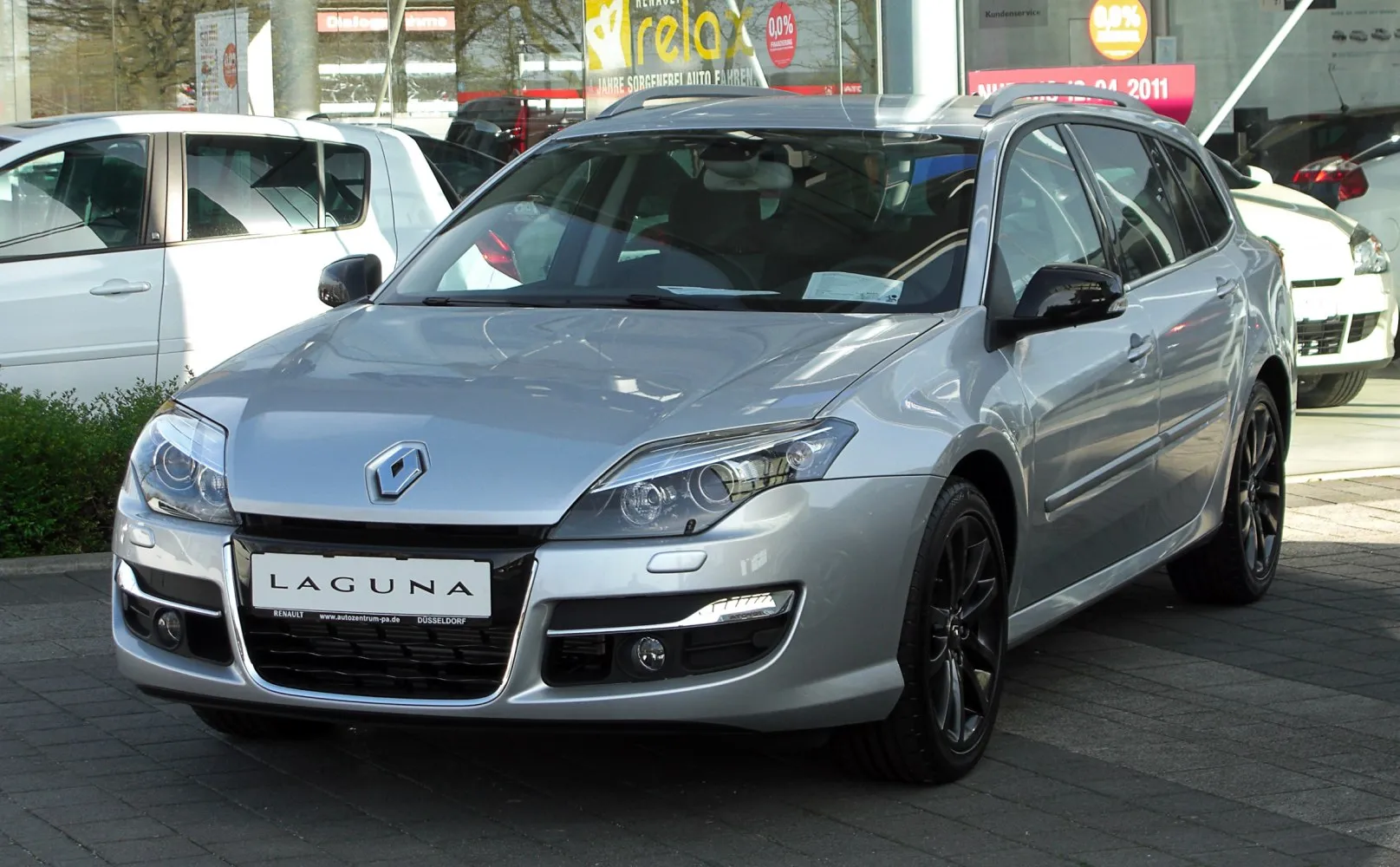
The Renault Laguna is a large family car that was manufactured and marketed by Renault for 21 years in three body styles: hatchback, coupé, and estate. The first generation Laguna was launched in 1994, the second generation was introduced in 2000, and the third generation was built from October 2007 until 2015.
The production Renault passenger models are unrelated to the concept car of the same name, the Laguna, a two-seater roadster presented by the automaker during the 1990 Paris Motor Show. The name was also previously used from 1973 to 1976 by Chevrolet, for a top-of-the-line Chevelle model, the Chevrolet Chevelle Laguna....(Read more on Wikipedia)
III (Phase II) Overview:
Renault Laguna (III (Phase II)). With 320 Nm of torque, it offers ample pulling power. It boasts low fuel consumption (~5.5 l/100km). With a weight of 1493 kg, it falls in the mid‑range. Front‑wheel drive delivers efficiency and easy handling. Acceleration is relatively slow (0–100 km/h in 10.5 s). The top speed reaches 206 km/h. A compact car with a rear door that swings upward to provide access to the cargo area. Seating for 5 makes it ideal for daily use.
2.0 dCi (130 Hp) start&stop Verdict:

Performance Verdict
A solid and smooth performer, offering sufficient power for most situations without feeling underpowered.
Fuel Economy
Excellent fuel economy, making it a very economical choice for daily driving, enhanced by start&stop.
Pros and Cons:
Pros:
- • Comfortable and refined ride quality, especially on long journeys.
- • Excellent safety record with a 5-star Euro NCAP rating.
- • Stylish and distinctive design for its segment.
- • Wide range of efficient and capable diesel engines.
- • Practical hatchback body style with good cargo space.
Cons:
- • Resale value tends to be lower than some German rivals.
- • Interior plastics can feel less premium in some areas.
- • Driving dynamics are more comfort-oriented than sporty.
- • Perception of historical reliability issues, though improved in this generation.
Specifications:
Specifications are compared to those of the previous generation(III (Phase II): January, 2010 - 2015).
| General: | |
|---|---|
| Brand: | Renault |
| Model: | Laguna |
| Generation: | III (Phase II) |
| Modification (Engine): | 2.0 dCi (130 Hp) start&stop |
| Start of production: | June, 2013 |
| End of production: | July, 2015 |
| Powertrain Architecture: | Internal Combustion engine |
| Body type: | Hatchback |
| Seats: | 5 |
| Doors: | 5 |
| Engine: | |
|---|---|
| Engine systems: | Start & Stop System |
| Power: | 130 Hp |
| Power per litre: | 65.2 Hp/l |
| Torque: | 320 Nm |
| Engine Model/Code: | M9R [Same engine] More details about the engine M9R |
| Engine displacement: | 1995 |
| Engine configuration: | Inline |
| Fuel injection system: | Diesel Commonrail |
| Engine aspiration: | Turbocharger, Intercooler |
| Engine oil capacity: | 6.6 l |
| Coolant: | 7.8 l |
| Engine layout: | Front, Transverse |
| Performance: | |
|---|---|
| Fuel Type: | Diesel |
| Fuel consumption (economy) - urban: | 5.5 l/100 km |
| Fuel consumption (economy) - extra urban: | 4 l/100 km |
| Fuel consumption (economy) - combined: | 4.5 l/100 km |
| Emission standard: | Euro 5 |
| Acceleration 0 - 100 km/h: | 10.5 sec |
| Acceleration 0 - 62 mph: | 10.5 sec |
| Maximum speed: | 206 km/h |
| Weight-to-power ratio: | 11.5 kg/Hp, 87.1 Hp/tonne |
| Weight-to-torque ratio: | 4.7 kg/Nm, 214.3 Nm/tonne |
| Acceleration 0 - 60 mph: | 10 sec |
| Space: | |
|---|---|
| Kerb Weight: | 1493 |
| Max. weight: | 2025 |
| Max load: | 532 |
| Trunk (boot) space - maximum: | 1377 l |
| Trunk (boot) space - minimum: | 450 l |
| Fuel tank capacity: | 66 l |
| Size: | |
|---|---|
| Length: | 4695 mm mm [Same length.] |
| Width: | 1811 mm mm [Same width.] |
| Minimum turning circle (turning diameter): | 11.05 m [above average] |
| Powertrain: | |
|---|---|
| Drivetrain Architecture | The Internal combustion engine (ICE) drives the front wheels of the vehicle. |
| Drive wheel | Front wheel drive |
| Number of gears | 6 |
| Transmission type | Manual |
| Front brakes | Ventilated discs [Best for performance and cooling.] |
| Rear brakes | Disc [above average] |
| Assisting systems | ABS (Anti-lock braking system) |
| Steering type | Steering rack and pinion |
| Tires size | 215/50 R17 |
| Wheel rims size | 17 |













What’s the best feature of the Renault Laguna? Tell us in the comments!