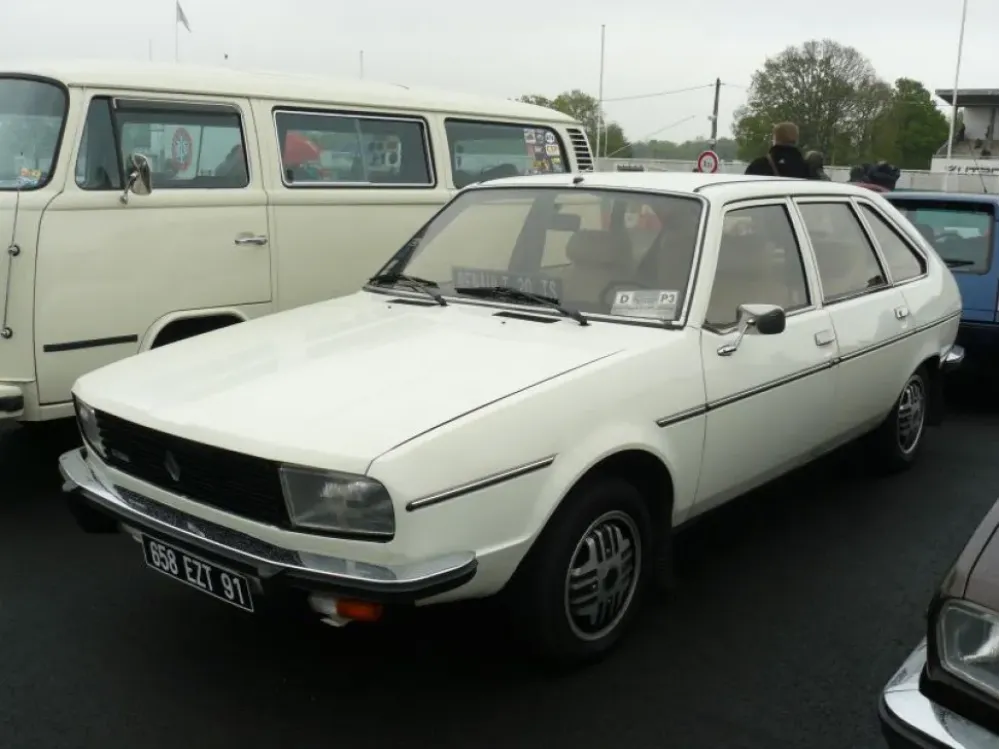
Click on image to view the full photo gallery
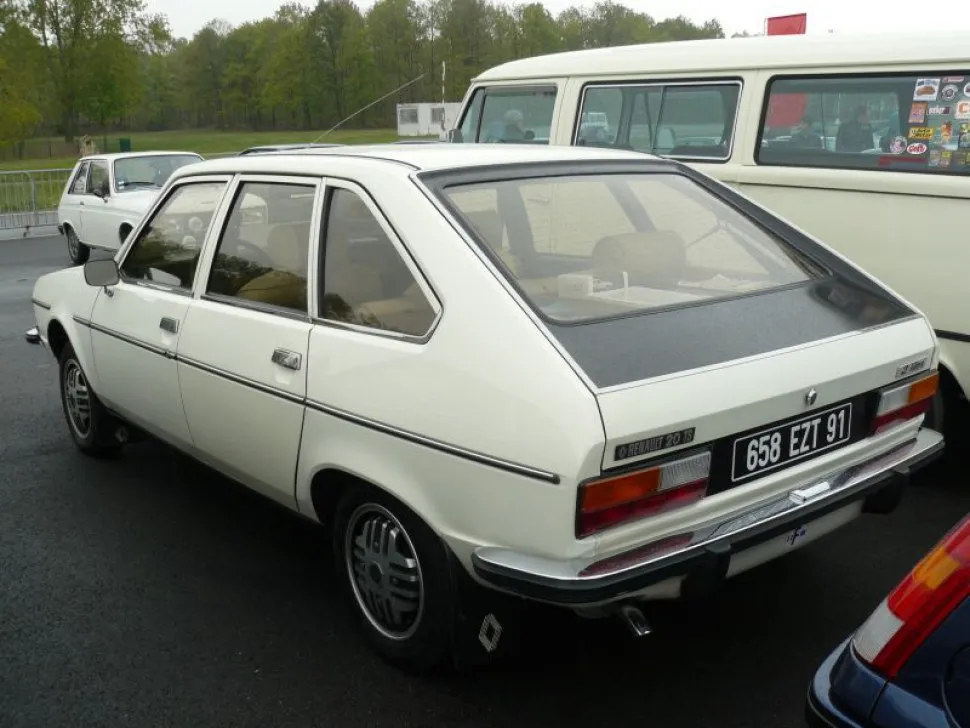
Renault 20 127 2.1 Diesel (1276) (64 Hp)
Overall Rating
Renault 20:
The Renault 20 and Renault 30 are two executive cars produced by the French automaker Renault between 1975 and 1983. The most upmarket and expensive Renaults of their time, the two cars were almost identical with regard to sheet metal and mechanicals; the R30 was the larger-engined and more expensive of the two. The two cars were easily distinguished between each other from their differing headlight configuration – the Renault 20 had two single rectangular headlights, whereas the Renault 30 had quadruple round headlights. The interior specifications differed substantially, however, with the Renault 30 having a higher specification in all models. Over 622,000 R20s and 145,000 R30s were produced in Sandouville near Le Havre, France....(Read more on Wikipedia)
127 Overview:
Renault 20 (127). Acceleration is relatively slow (0–100 km/h in 20.8 s). The top speed reaches 148 km/h. A compact car with a rear door that swings upward to provide access to the cargo area. Seating for 5 makes it ideal for daily use.
The Renault 20 predates modern Euro NCAP testing standards, which began in 1997. Therefore, no official rating is available. Safety features would be basic by contemporary standards.
2.1 Diesel (1276) (64 Hp) Verdict:

Performance Verdict
A very modest performer, with slow acceleration. Best suited for drivers who prioritize extreme fuel economy and durability over any form of brisk performance.
Fuel Economy
Likely the most economical engine for daily driving, offering excellent fuel efficiency, especially on longer, steady runs, making it very cost-effective.
Pros and Cons:
Pros:
- • Spacious and comfortable interior, ideal for families
- • Good ride quality for its era, absorbing road imperfections well
- • Range of engine options including economical diesels for varied needs
- • Practical hatchback design offering versatile cargo space
- • Robust build quality for its time, contributing to longevity
Cons:
- • Outdated safety features by modern standards due to its age
- • Performance can be sluggish with smaller engine variants
- • Rust can be a significant issue on older, unrestored models
- • Limited availability of specific parts for classic models
- • Fuel economy, while good for its time, is not competitive with modern cars
Specifications:
Specifications are compared to those of the previous generation(127: 1977 - 1983).
| General: | |
|---|---|
| Brand: | Renault |
| Model: | 20 |
| Generation: | 127 |
| Modification (Engine): | 2.1 Diesel (1276) (64 Hp) |
| Start of production: | 1980 |
| End of production: | 1983 |
| Powertrain Architecture: | Internal Combustion engine |
| Body type: | Hatchback |
| Seats: | 5 |
| Doors: | 5 |
| Engine: | |
|---|---|
| Power: | 64 Hp Same horsepower |
| Engine Model/Code: | J8S-852 More details about the engine J8S-852 |
| Engine aspiration: | Naturally aspirated engine |
| Engine oil capacity: | 5.3 l |
| Coolant: | 8.4 l |
| Performance: | |
|---|---|
| Fuel Type: | Diesel |
| Acceleration 0 - 100 km/h: | 20.8 sec |
| Acceleration 0 - 62 mph: | 20.8 sec |
| Maximum speed: | 148 km/h |
| Acceleration 0 - 60 mph: | 19.8 sec |
| Space: | |
|---|---|
| Fuel tank capacity: | 67 l |





Was the Renault 20 what you expected? Let us know!