Click on image to view the full photo gallery
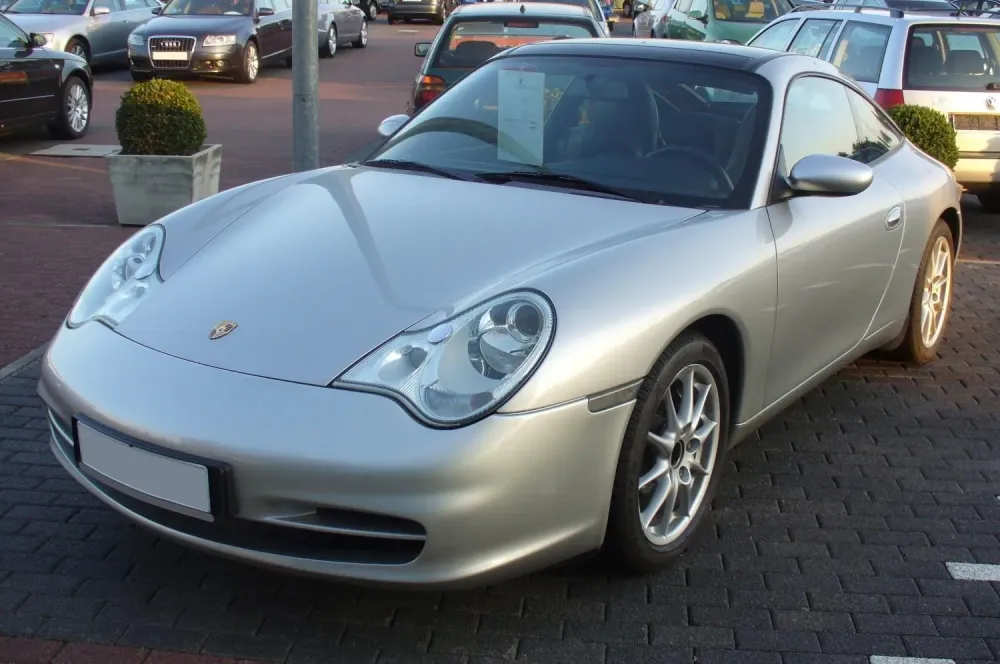
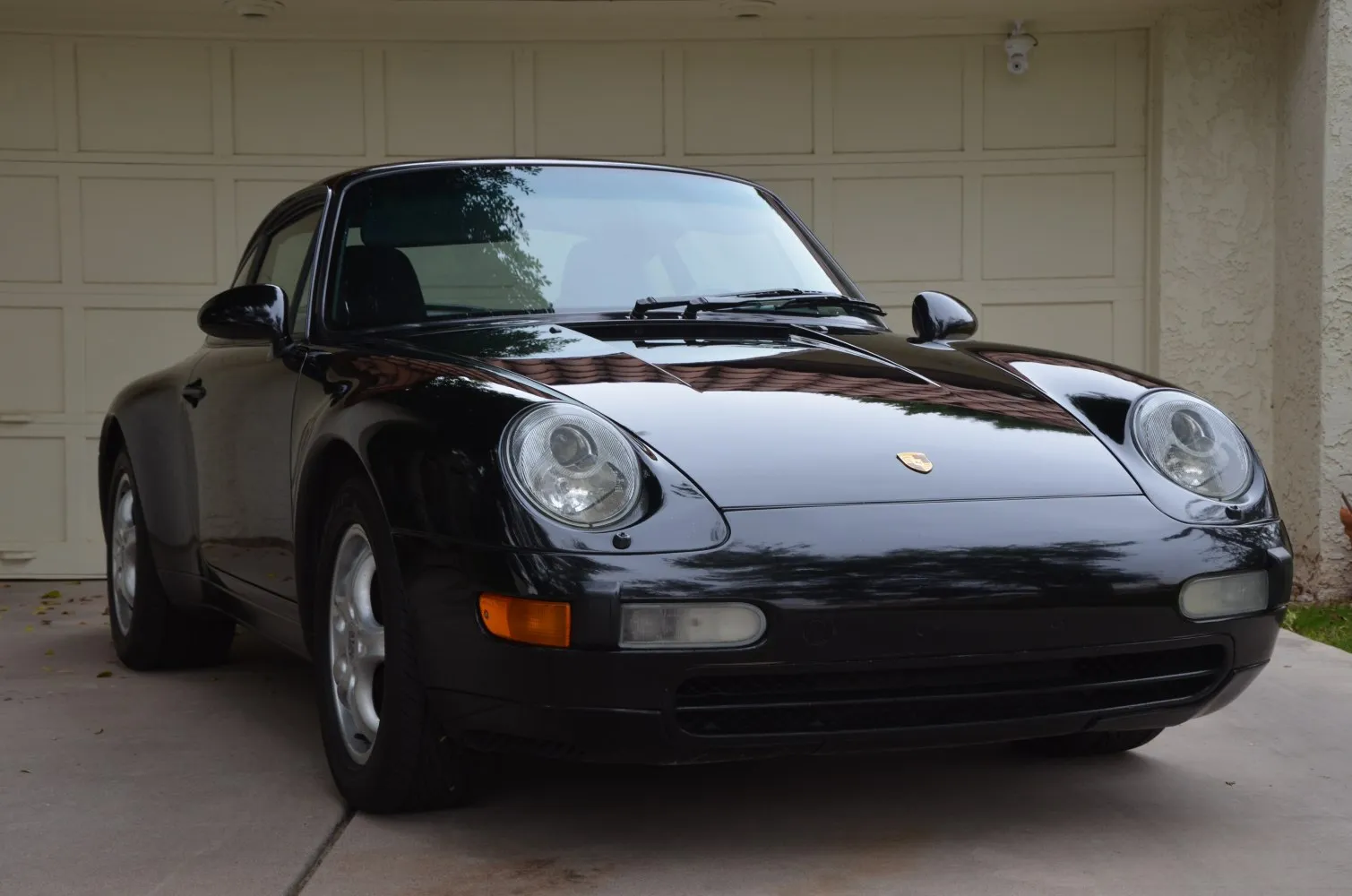
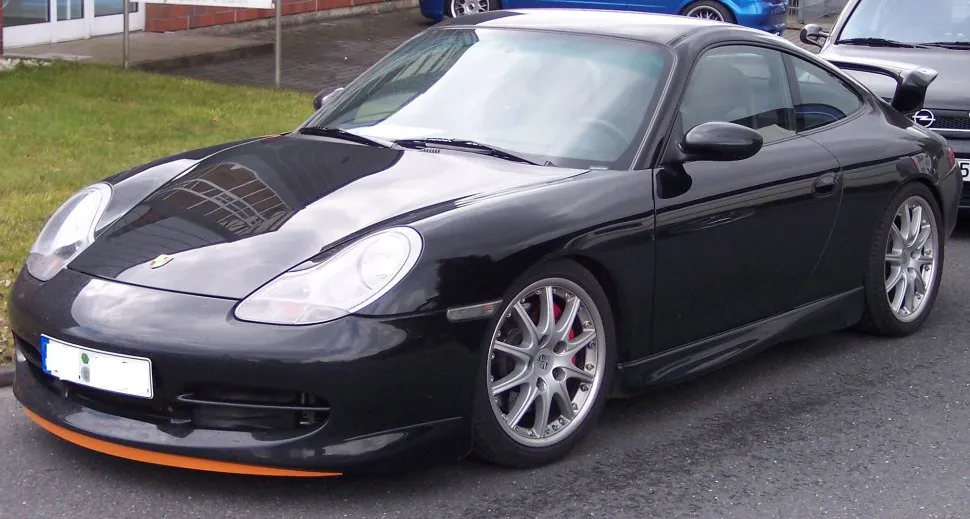
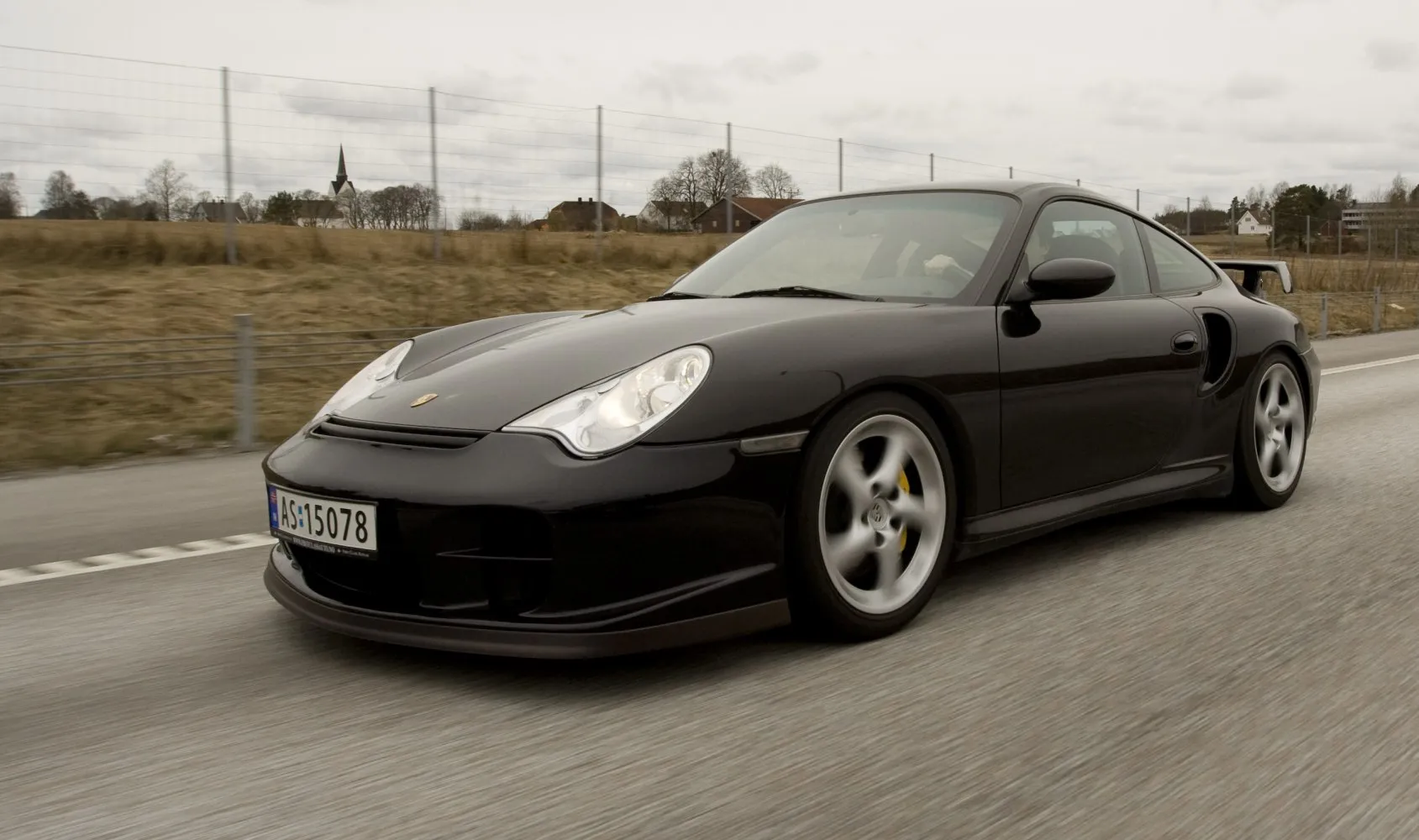
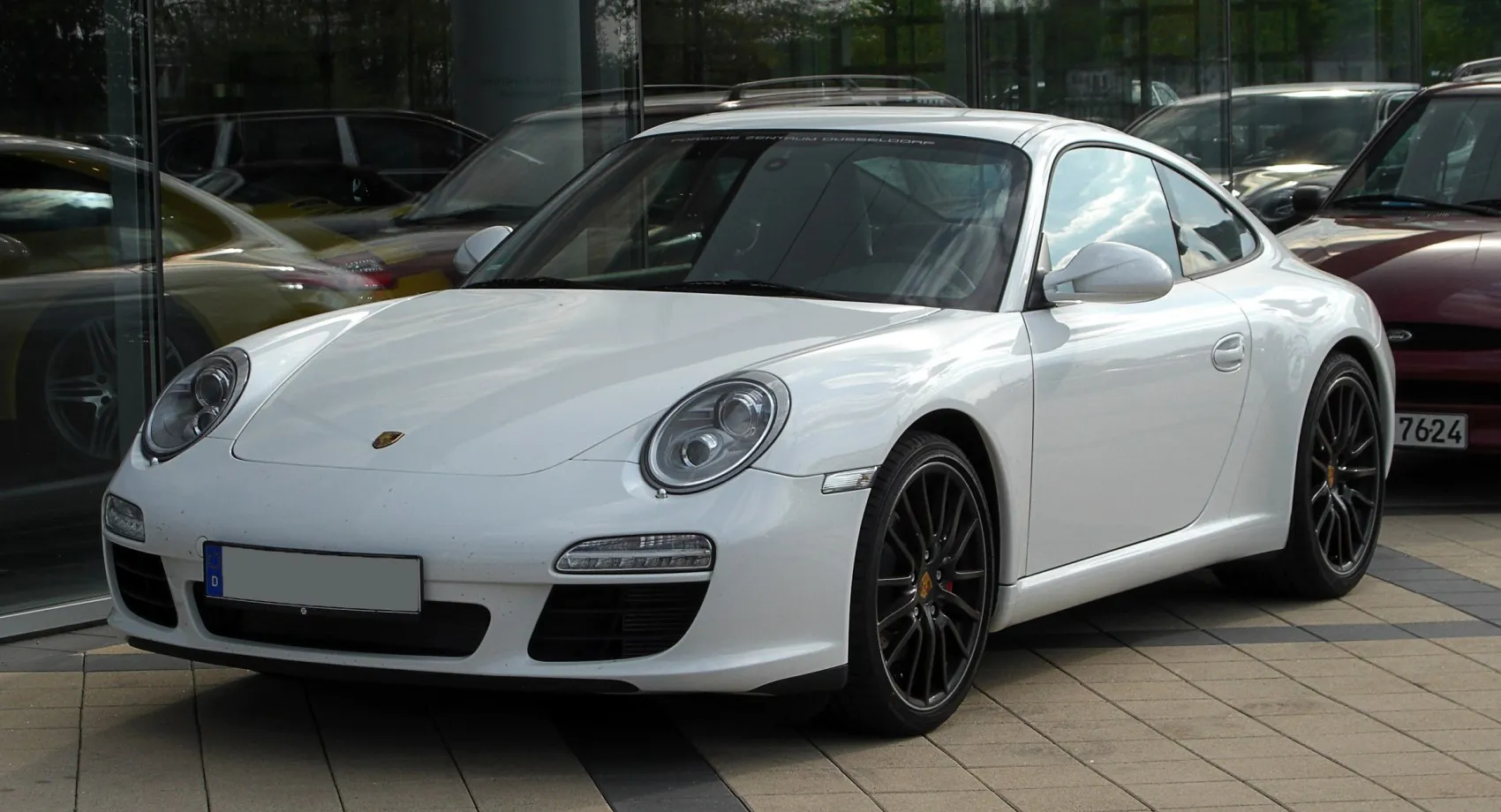
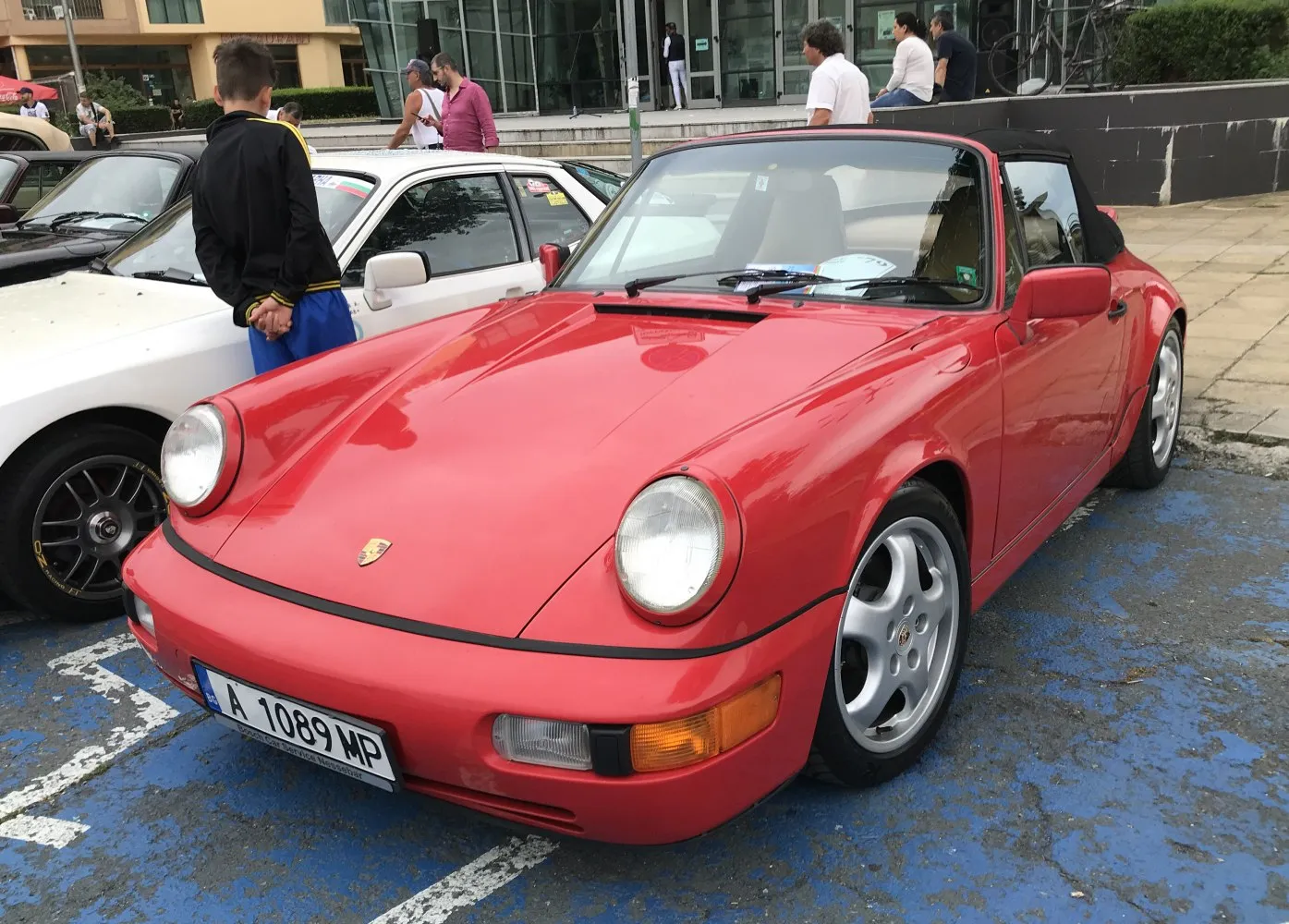
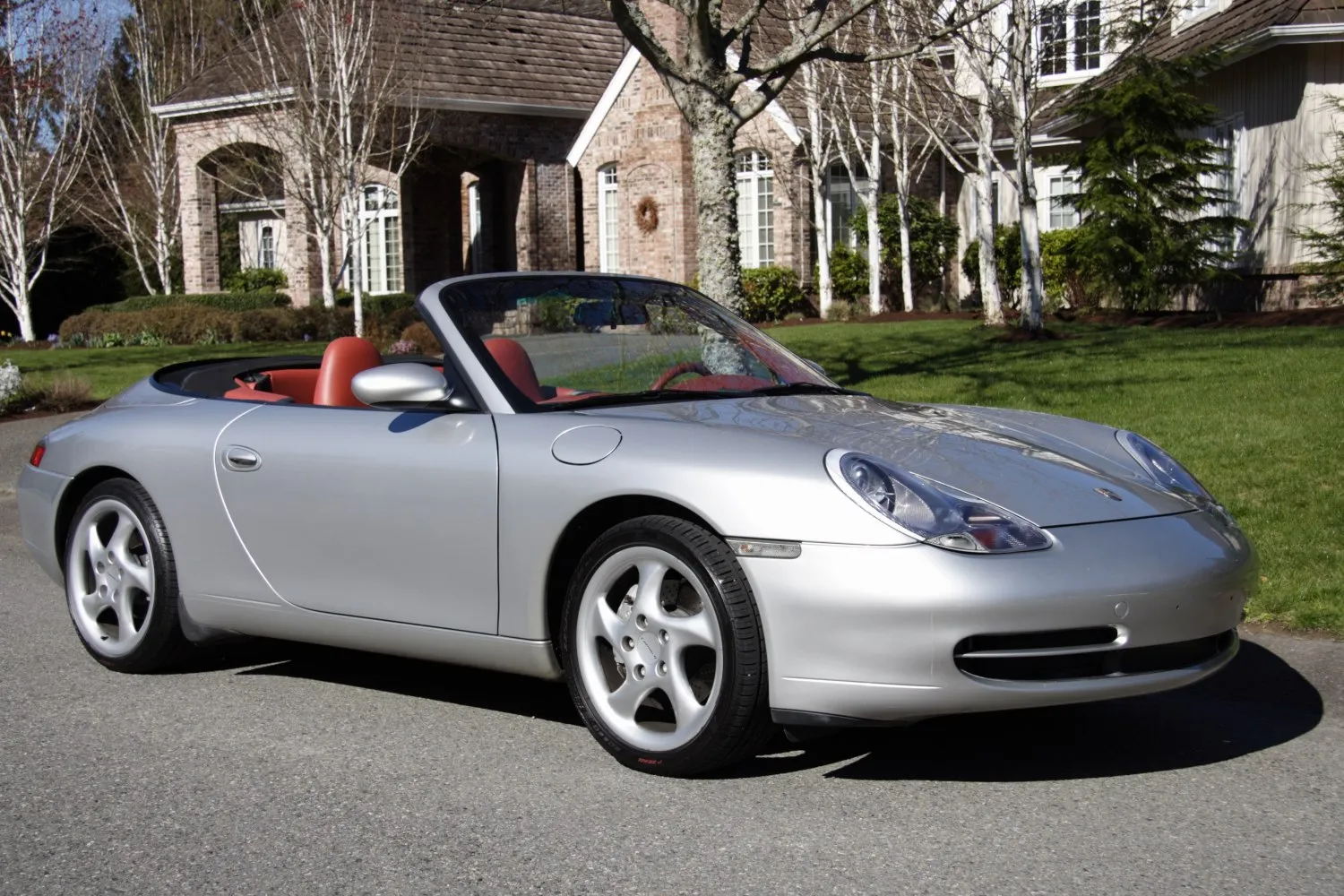
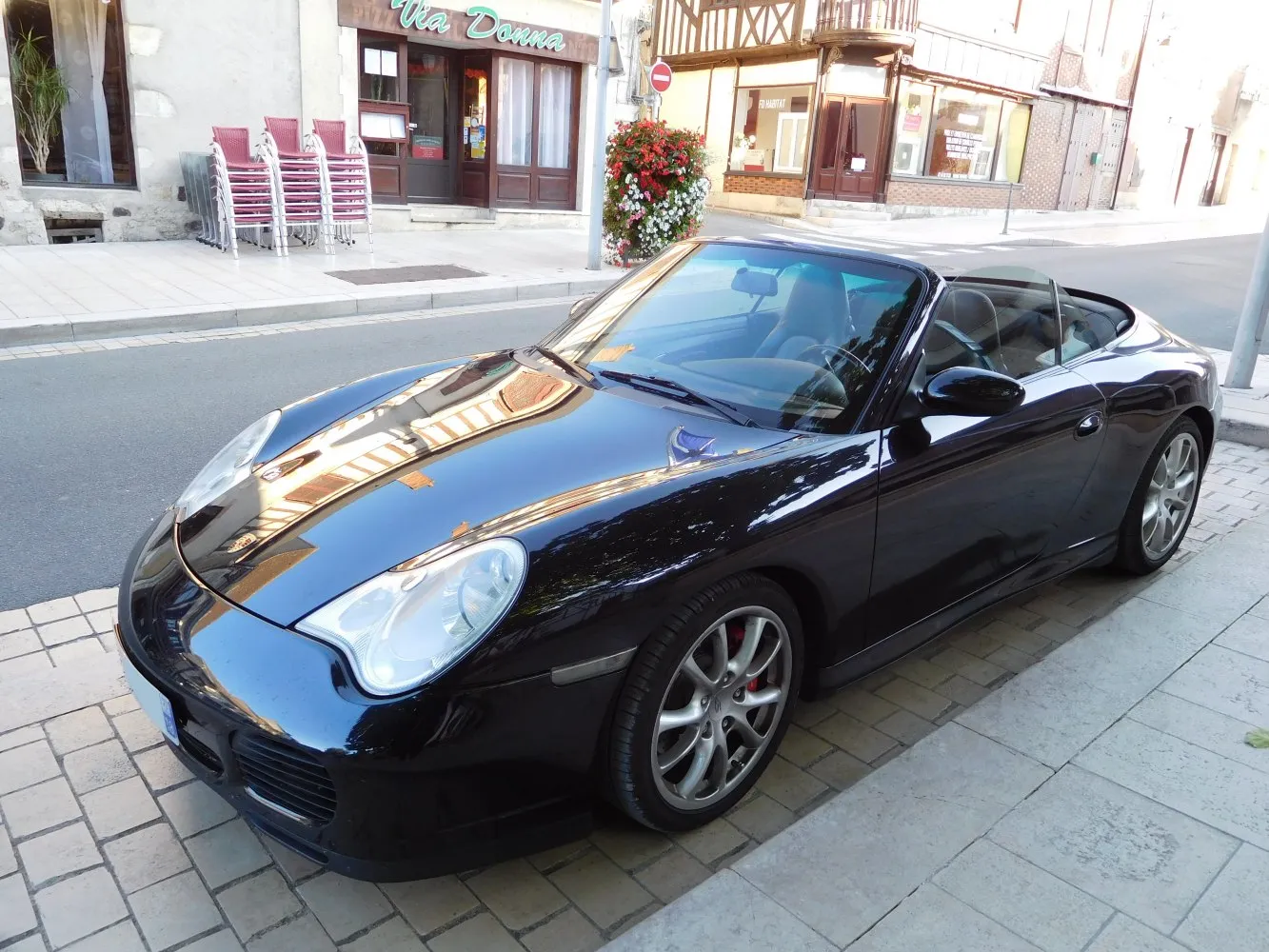
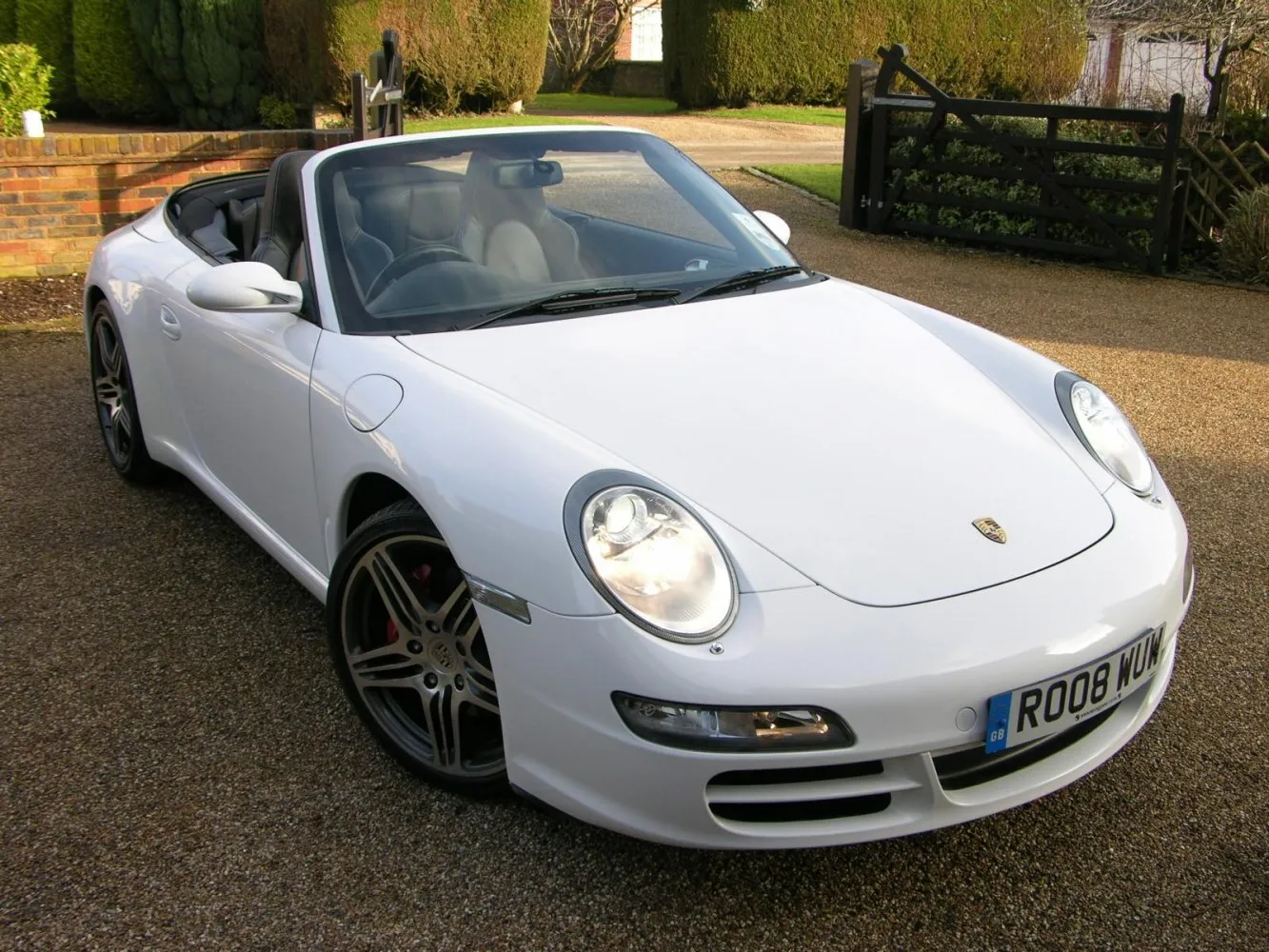
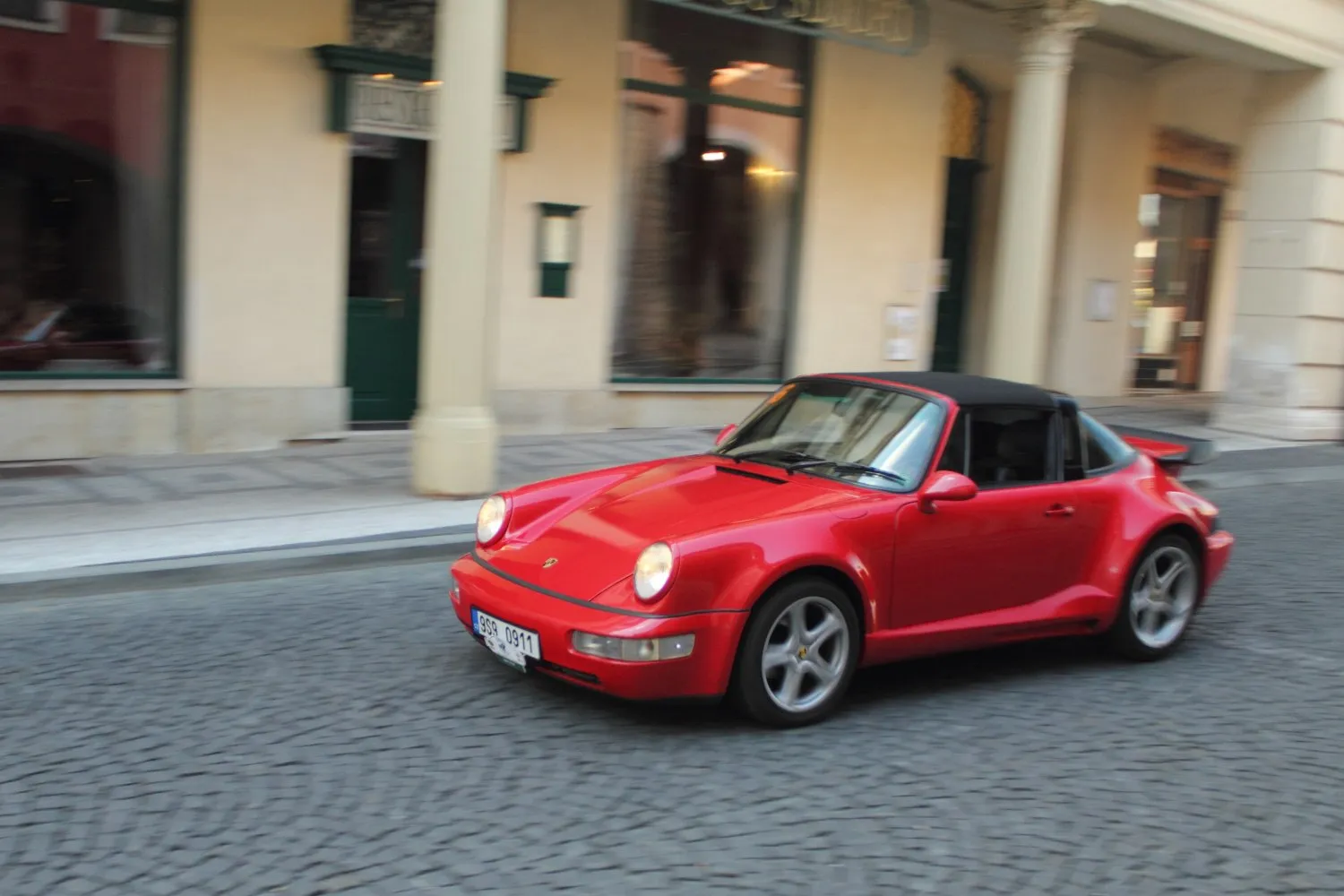
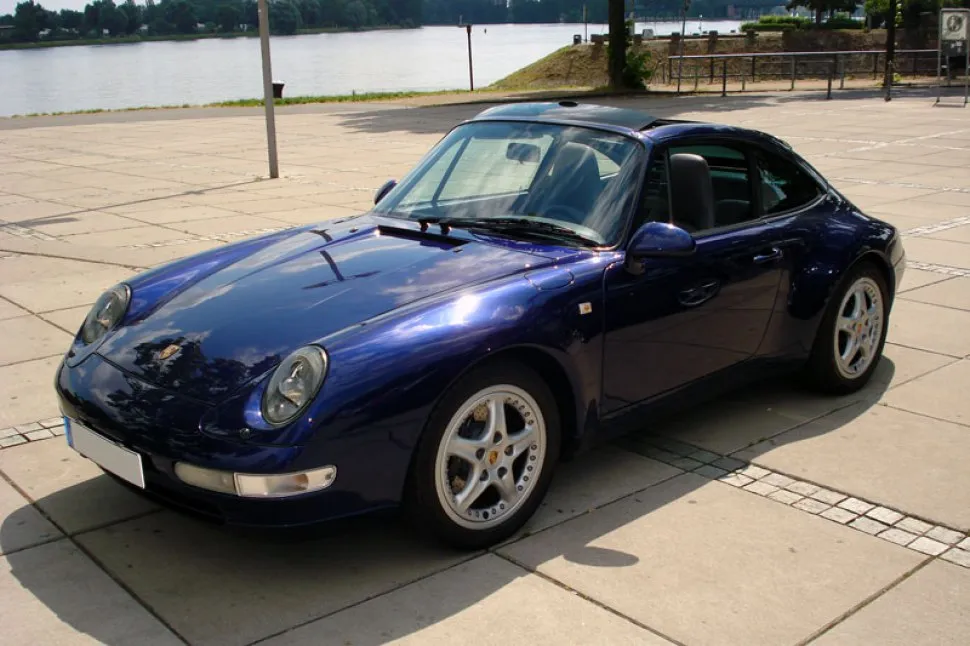
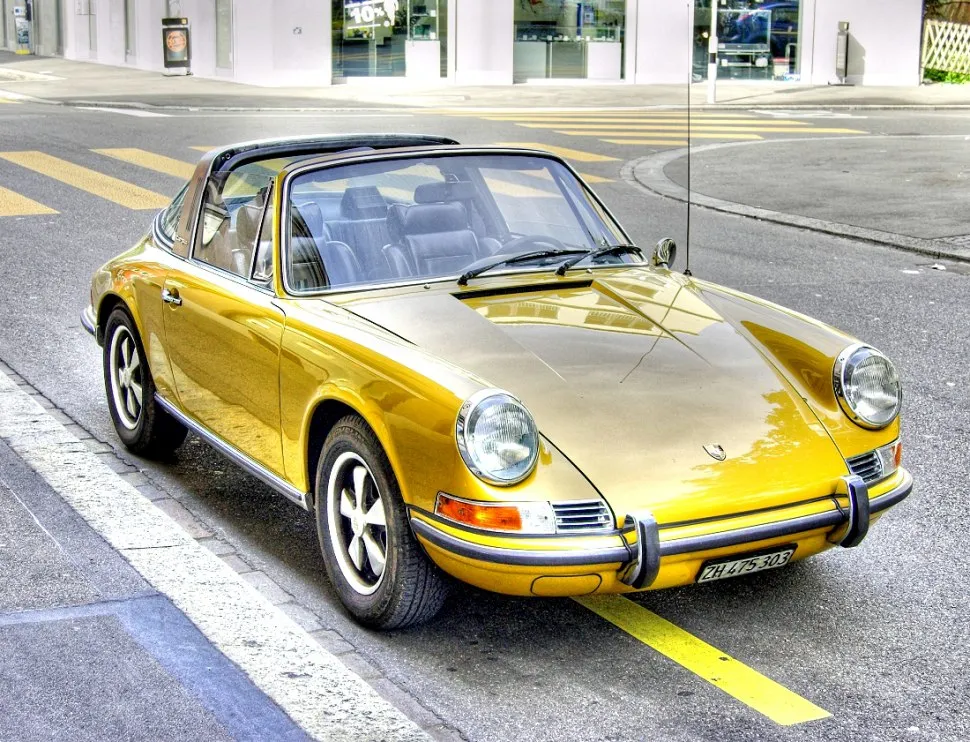
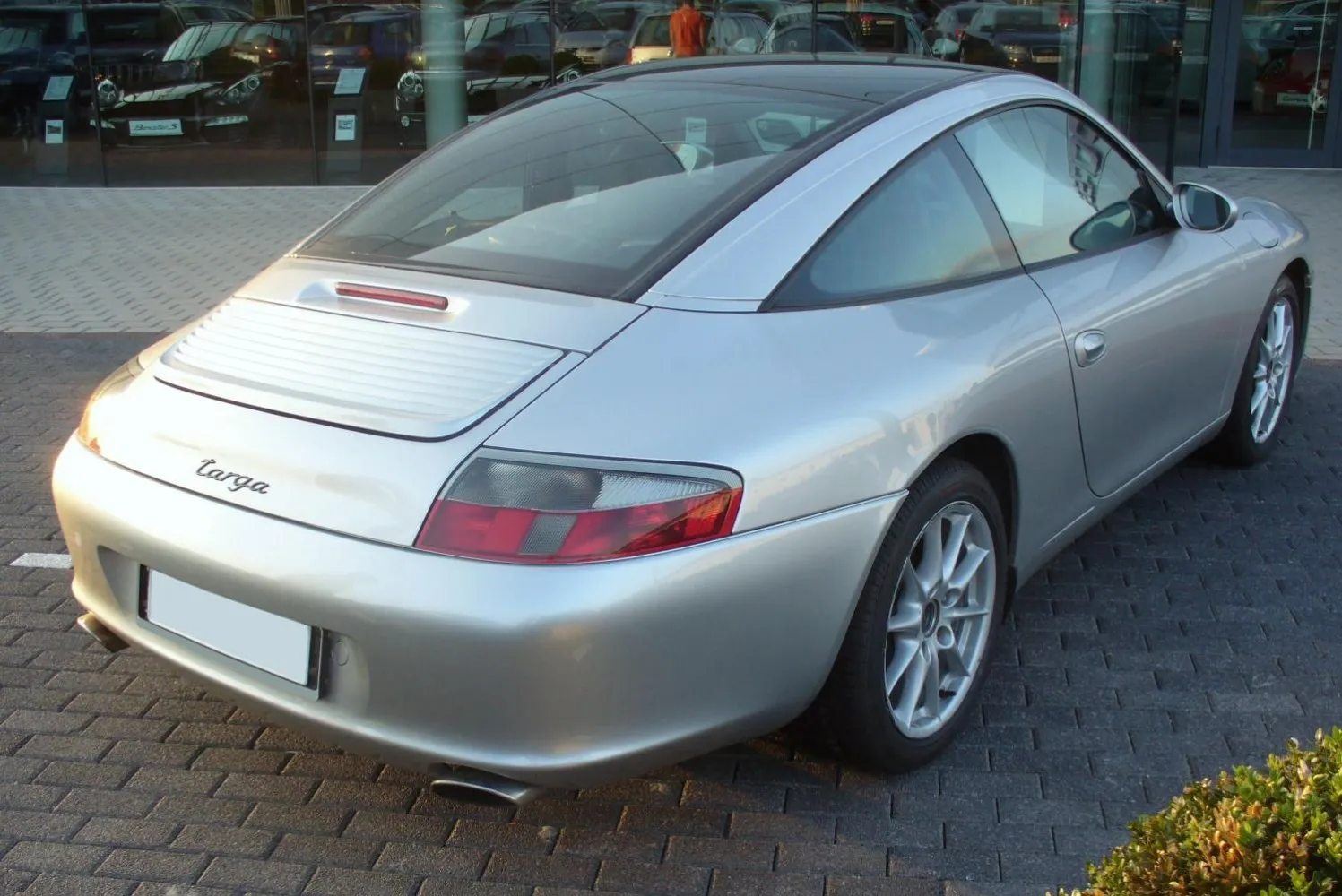
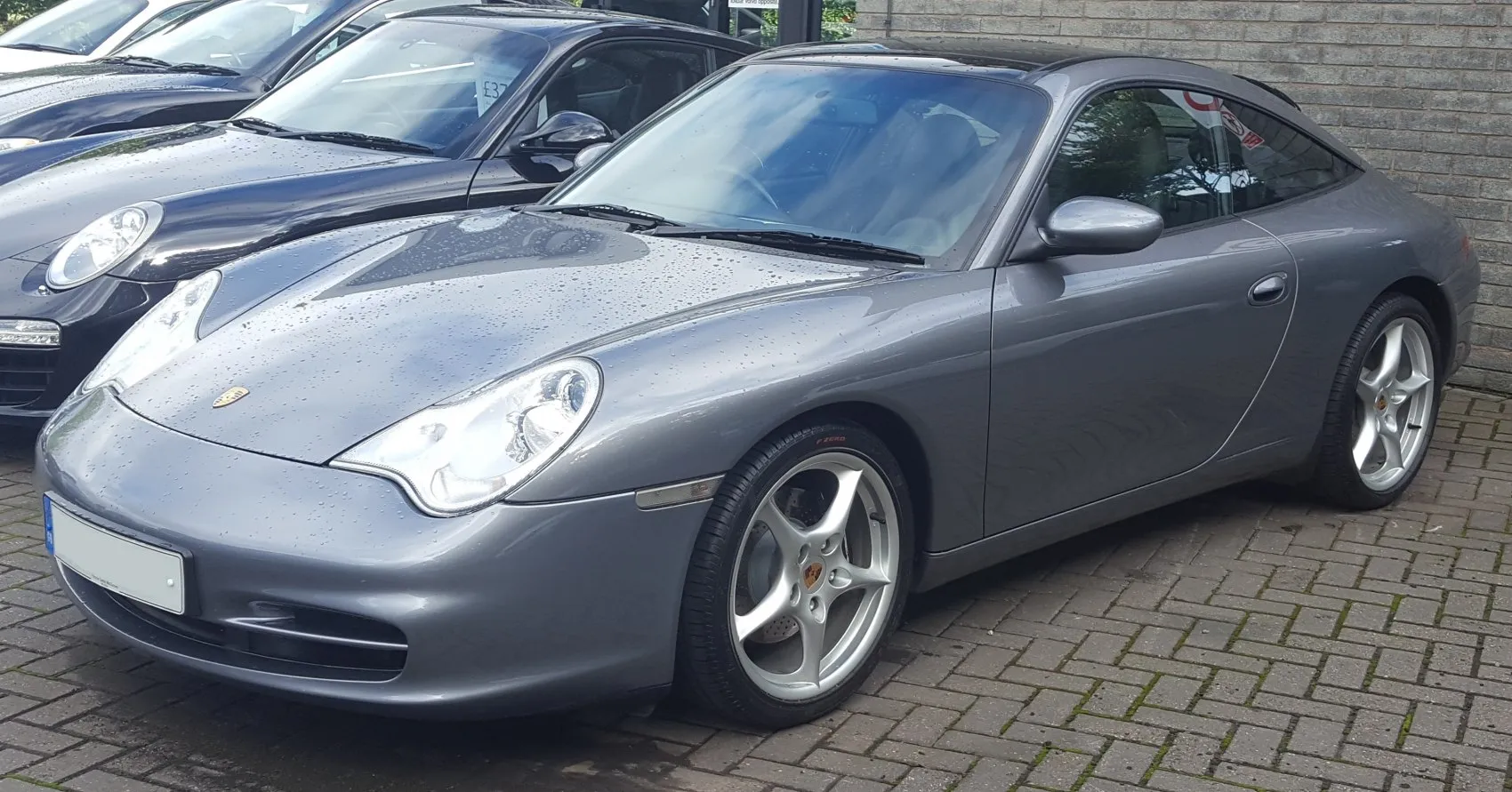
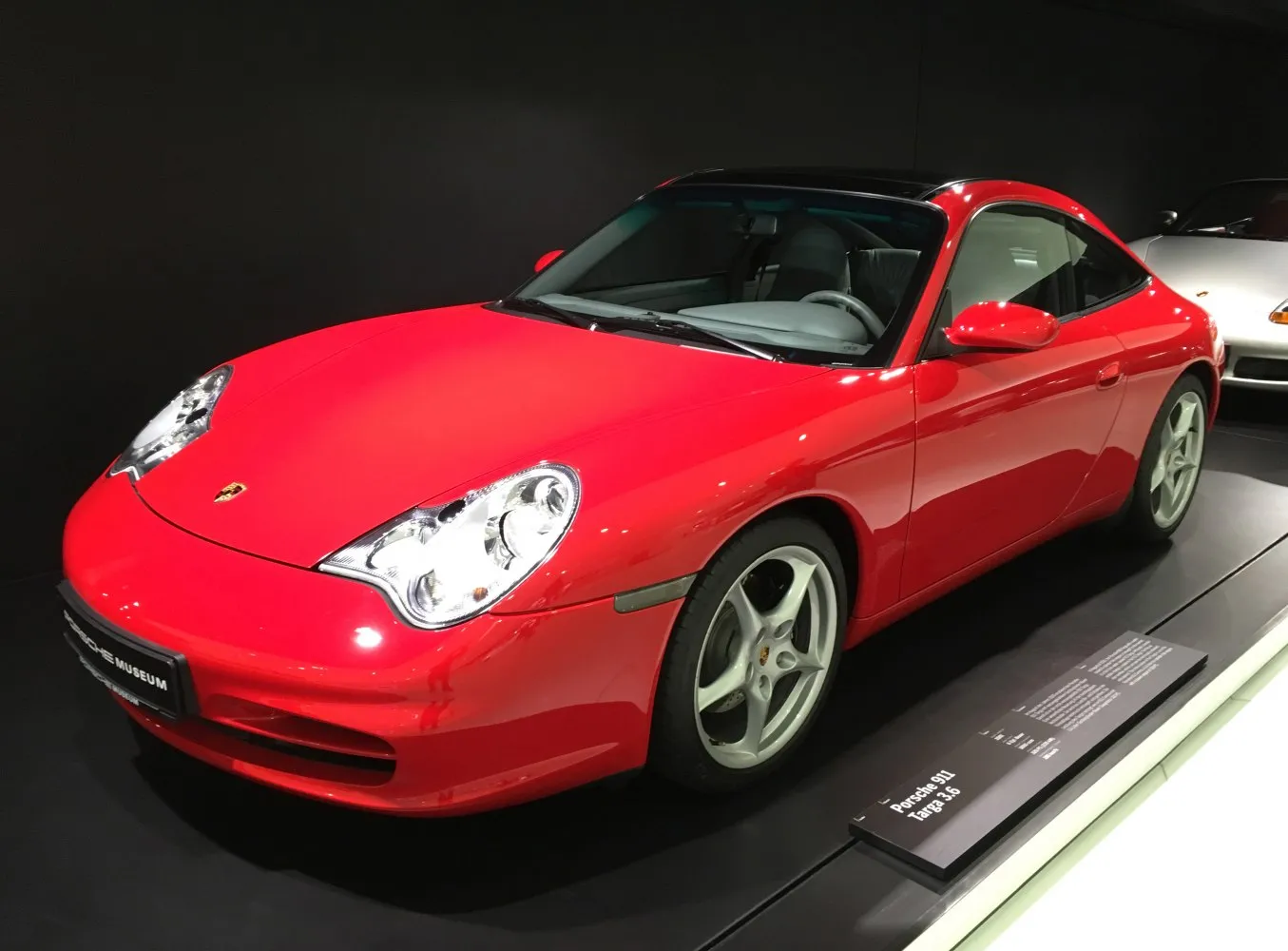
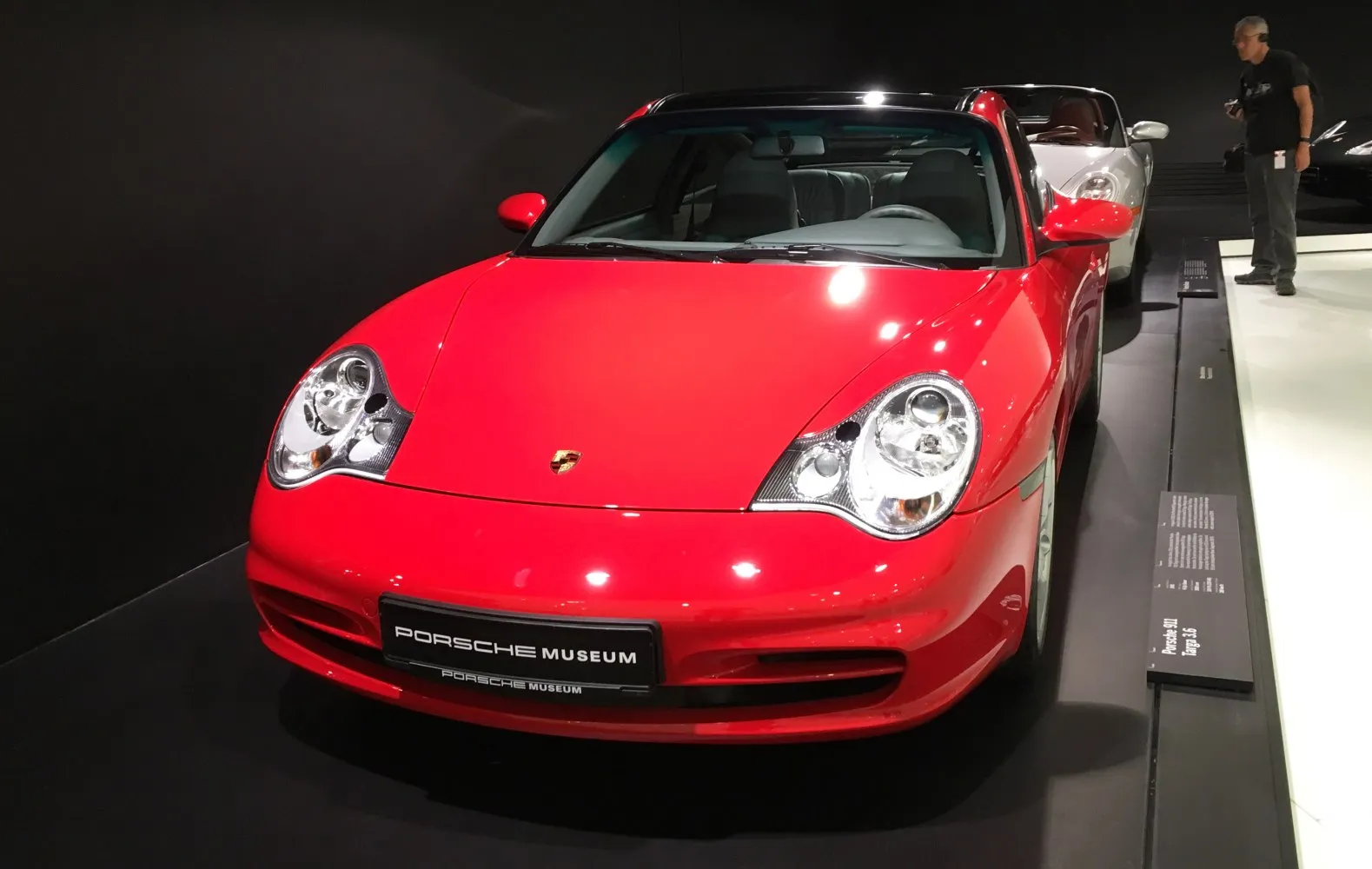
Porsche 911 Targa (996, facelift 2001) 3.6 (320 Hp)
Overall Rating
Porsche 911:
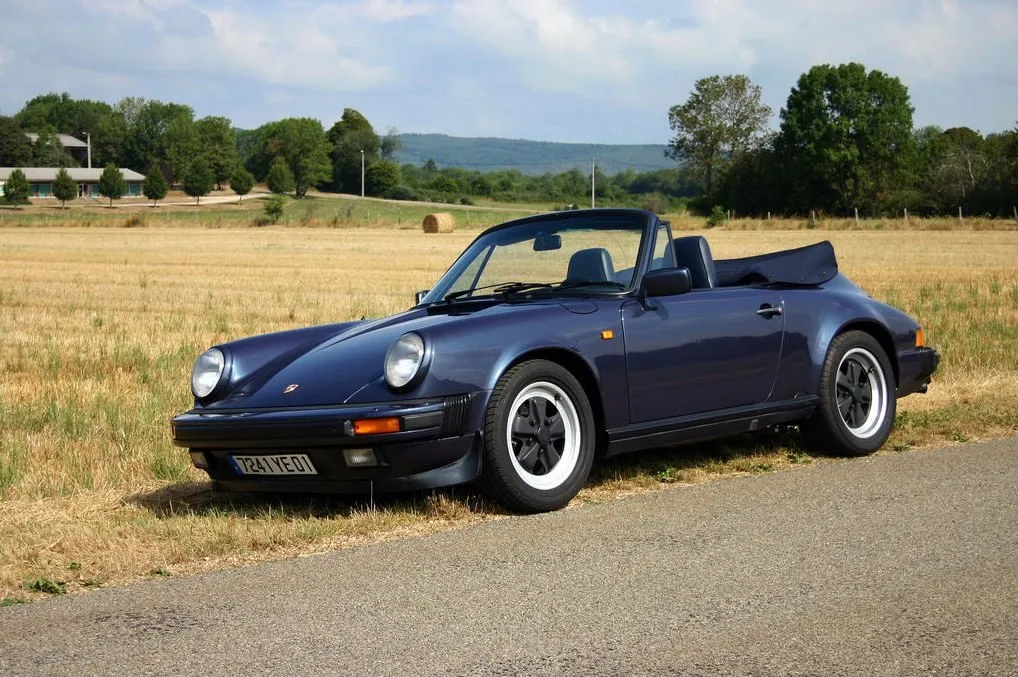
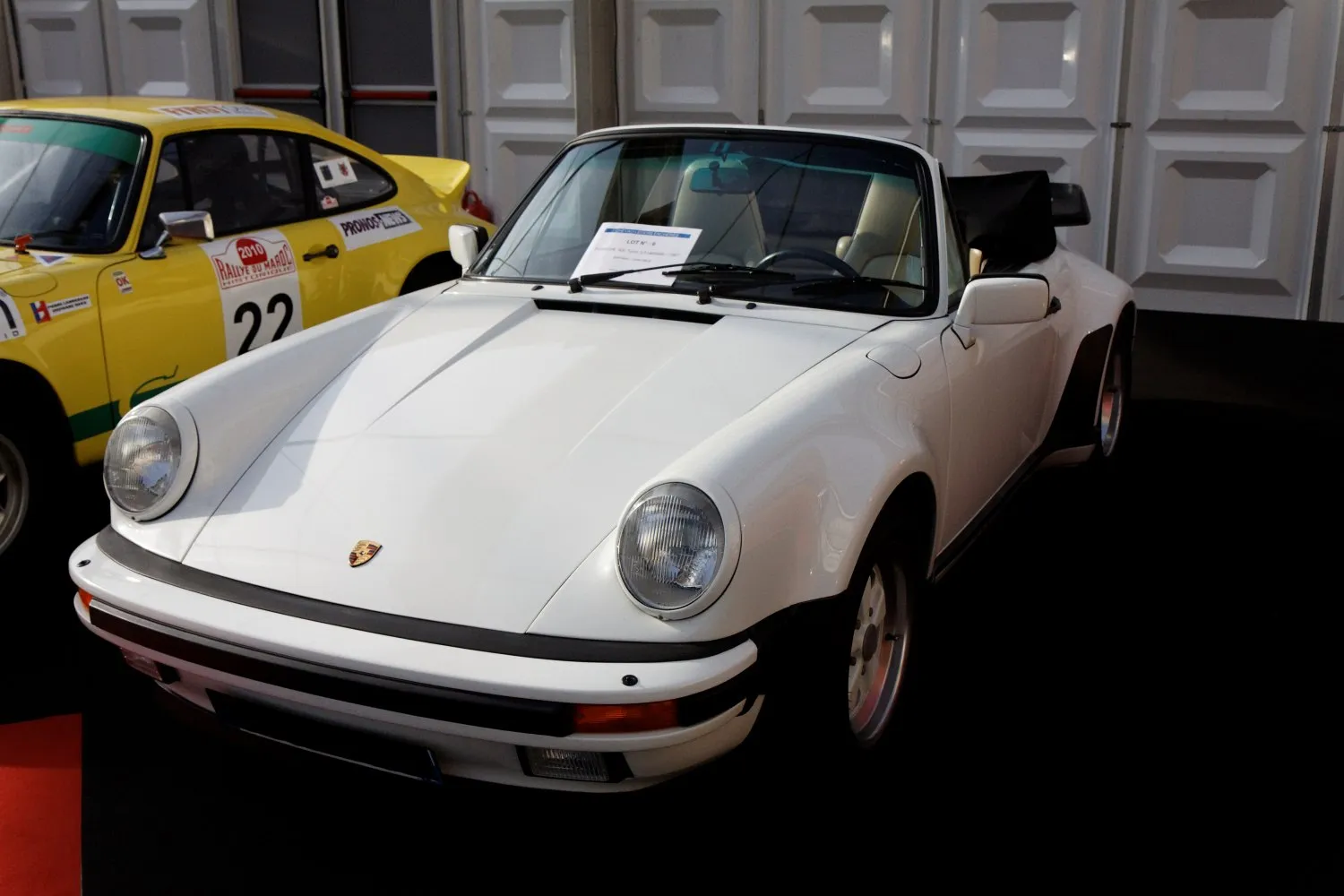
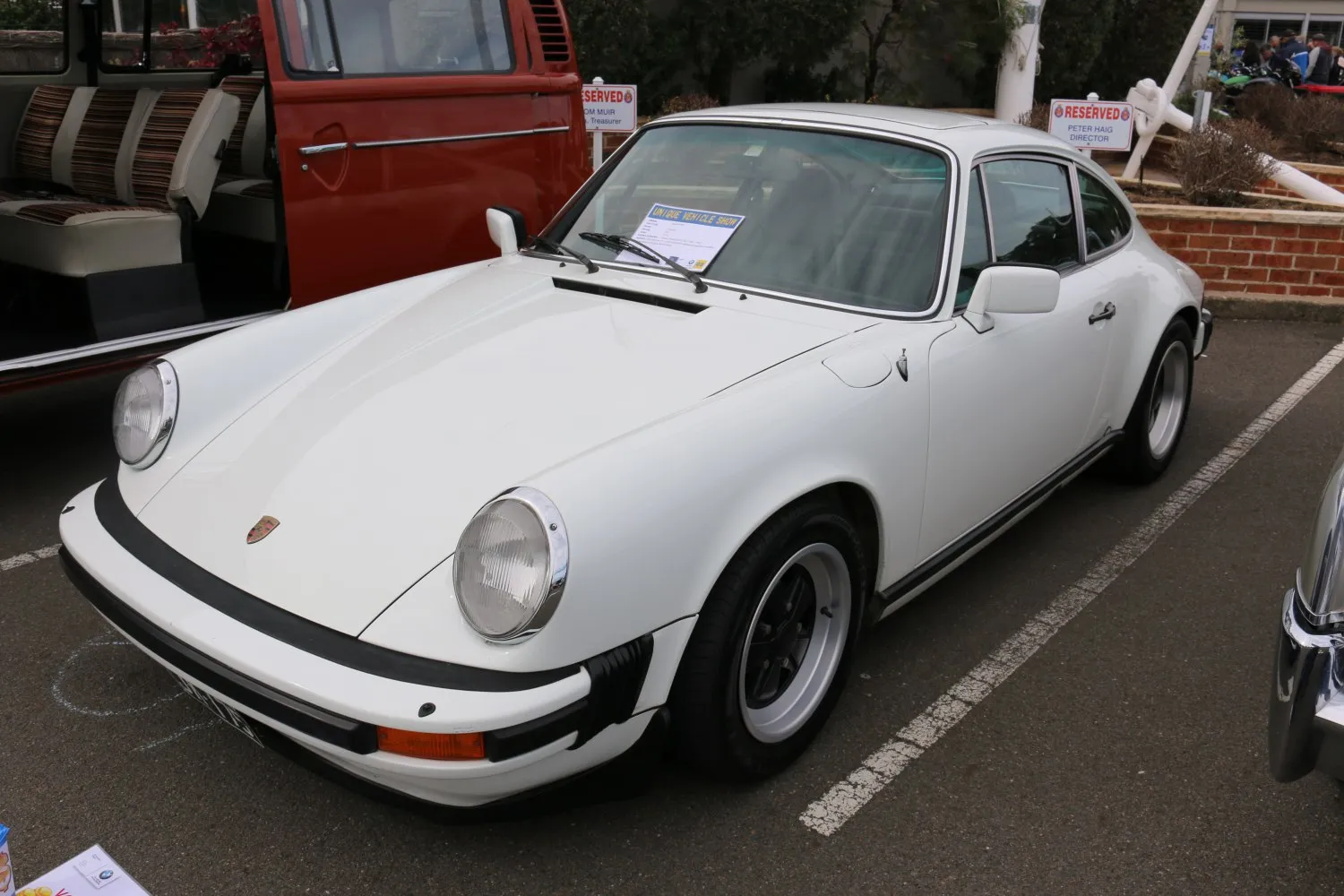
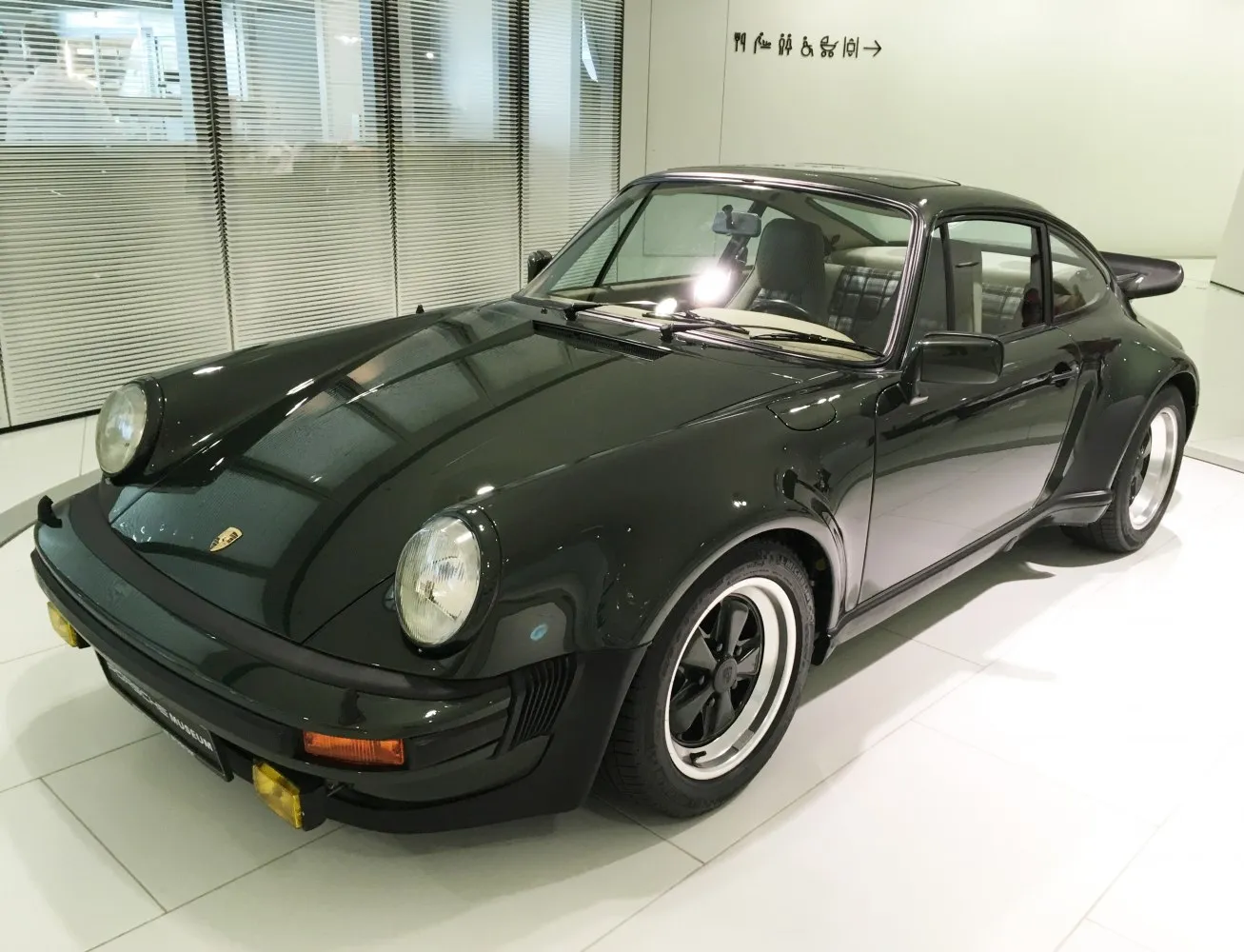
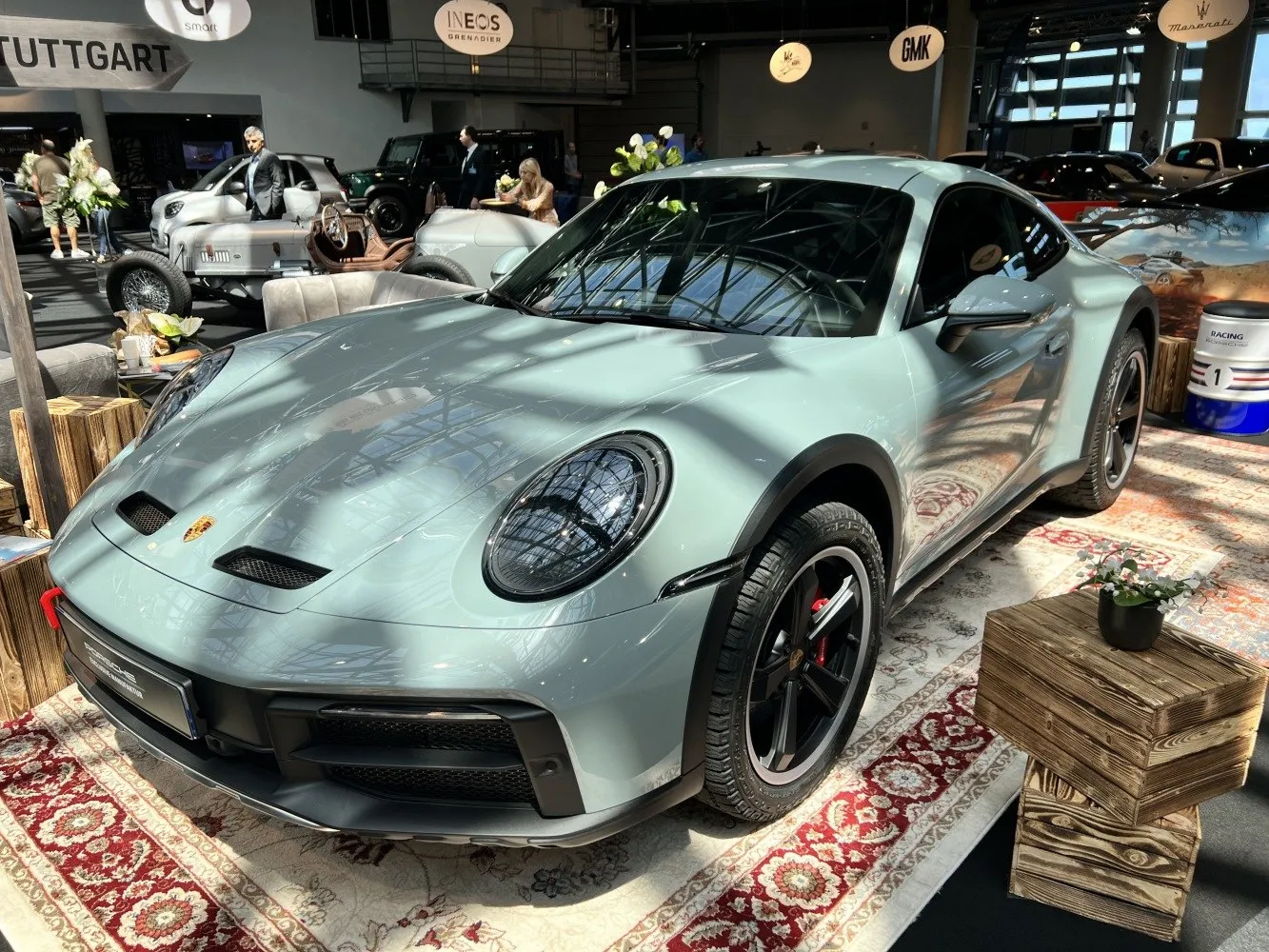
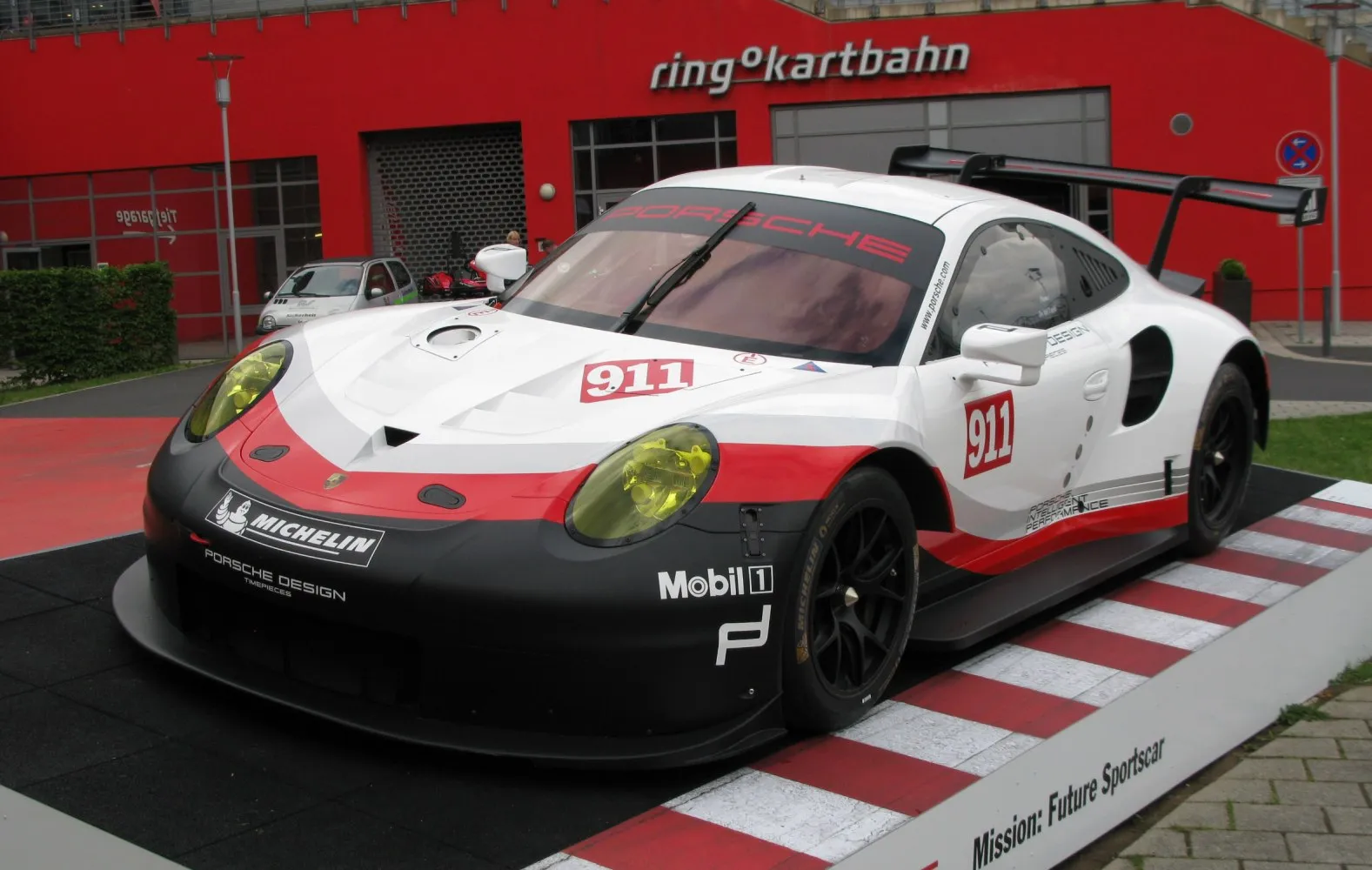
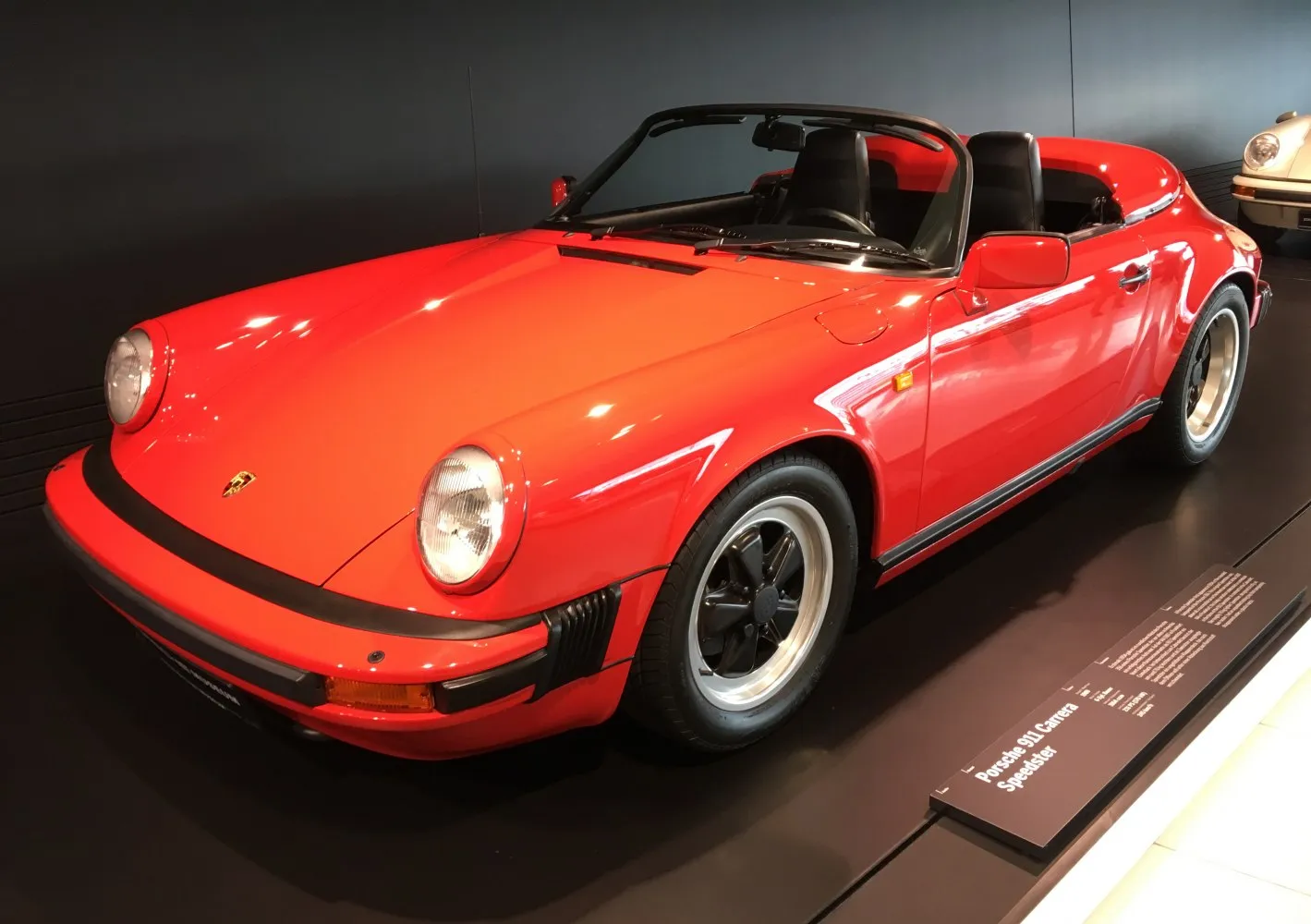
The Porsche 911 model series is a family of two-door, high performance rear-engine sports cars, introduced in September 1964 by Porsche of Stuttgart, Germany, and now in its eighth generation. All 911s have a rear-mounted flat-six engine, and usually 2+2 seating, except for special 2-seater variants. Originally, 911s had air-cooled engines, and torsion bar suspension, but the 911 has been continuously changed and improved across generations. Though the 911 core concept has remained largely unchanged, water-cooled engines were introduced with the 996 series in 1998, and front and rear suspension have been replaced by Porsche-specific MacPherson suspension up front, and independent multi-link rear suspension....(Read more on Wikipedia)
Targa (996, facelift 2001) Overview:
Porsche 911 (Targa (996, facelift 2001)). With 370 Nm of torque, it offers ample pulling power. With a weight of 1440 kg, it falls in the mid‑range. Rear‑wheel drive offers dynamic handling and sporty feedback. Acceleration is excellent (0–100 km/h in 5.2 s). The top speed reaches 285 km/h. A semi-convertible with a removable roof section and a full-width roll bar behind the seats. Seating for 4 makes it ideal for daily use.
3.6 (320 Hp) Verdict:

Performance Verdict
Offers exhilarating performance with a responsive 3.6L flat-six, delivering strong acceleration and a top speed of 285 km/h. The manual gearbox provides an engaging driving experience.
Fuel Economy
Combined fuel consumption of 11.1 l/100 km is respectable for a high-performance sports car, though urban driving will see significantly higher figures.
Pros and Cons:
Pros:
- • Iconic Porsche 911 styling with a modern twist
- • Engaging driving dynamics and powerful flat-six engine
- • Unique Targa glass roof offers open-air experience without full convertible compromises
- • Improved interior quality and refinement over previous generations
- • Relatively affordable entry into 911 ownership (historically, now appreciating)
Cons:
- • M96 engine reliability concerns (IMS bearing, D-chunk, bore scoring)
- • Interior design can feel dated compared to newer sports cars
- • Rear seats are very small, primarily for occasional use or luggage
- • Targa roof mechanism can be complex and potentially costly to repair
- • Hydraulic steering, while communicative, lacks the modern feel of electric systems for some
Specifications:
Specifications are compared to those of the previous generation(Cabriolet (996, facelift 2001): 2001 - 2004).
| General: | |
|---|---|
| Brand: | Porsche |
| Model: | 911 |
| Generation: | Targa (996, facelift 2001) |
| Modification (Engine): | 3.6 (320 Hp) |
| Start of production: | 2002 |
| End of production: | 2005 |
| Powertrain Architecture: | Internal Combustion engine |
| Body type: | Targa |
| Seats: | 4 |
| Doors: | 2 |
| Engine: | |
|---|---|
| Power: | 320 Hp @ 6800 rpm. |
| Power per litre: | 89 Hp/l |
| Torque: | 370 Nm @ 4250 rpm. |
| Engine Model/Code: | M96.05 [Same engine] More details about the engine M96.05 |
| Engine displacement: | 3596 |
| Number of cylinders: | 6 |
| Engine configuration: | Boxer |
| Number of valves per cylinder: | 4 |
| Fuel injection system: | Multi-port manifold injection |
| Engine aspiration: | Naturally aspirated engine |
| Valvetrain: | DOHC |
| Engine oil capacity: | 8.8 l |
| Coolant: | 31 l |
| Engine layout: | Rear, Longitudinal |
| Compression ratio: | 11.3:1 |
| Performance: | |
|---|---|
| Fuel Type: | Petrol (Gasoline) |
| Fuel consumption (economy) - urban: | 16.1 l/100 km |
| Fuel consumption (economy) - extra urban: | 8.1 l/100 km |
| Fuel consumption (economy) - combined: | 11.1 l/100 km |
| Acceleration 0 - 100 km/h: | 5.2 sec |
| Acceleration 0 - 62 mph: | 5.2 sec |
| Maximum speed: | 285 km/h |
| Weight-to-power ratio: | 4.5 kg/Hp, 222.2 Hp/tonne |
| Weight-to-torque ratio: | 3.9 kg/Nm, 256.9 Nm/tonne |
| Acceleration 0 - 60 mph: | 4.9 sec |
| Space: | |
|---|---|
| Kerb Weight: | 1440 |
| Max. weight: | 1845 |
| Max load: | 405 |
| Trunk (boot) space - maximum: | 130 l |
| Fuel tank capacity: | 64 l |
| Size: | |
|---|---|
| Length: | 4430 mm mm [Same length.] |
| Width: | 1770 mm mm [Same width.] |
| Height: | 1305 mm mm [Same height.] |
| Wheelbase: | 2350 mm mm [Same wheelbase.] |
| Front track: | 1465 mm |
| Rear (Back) track: | 1500 mm |
| Powertrain: | |
|---|---|
| Drivetrain Architecture | The Internal combustion engine (ICE) drives the rear wheels of the vehicle. |
| Drive wheel | Rear wheel drive |
| Number of gears | 6 |
| Transmission type | Manual |
| Front brakes | Ventilated discs [Best for performance and cooling.] |
| Rear brakes | Ventilated discs [Best for performance and cooling.] |
| Assisting systems | ABS (Anti-lock braking system) |
| Steering type | Steering rack and pinion |
| Power steering | Hydraulic Steering |
| Tires size | 205/50 R17; 255/40 R17 |
| Wheel rims size | 7J x 17; 9J x 17 |
| Front suspension | Independent type McPherson |
| Rear suspension | Independent multi-link suspension |












Behind the wheel of the Porsche 911. How does it handle on the road?