
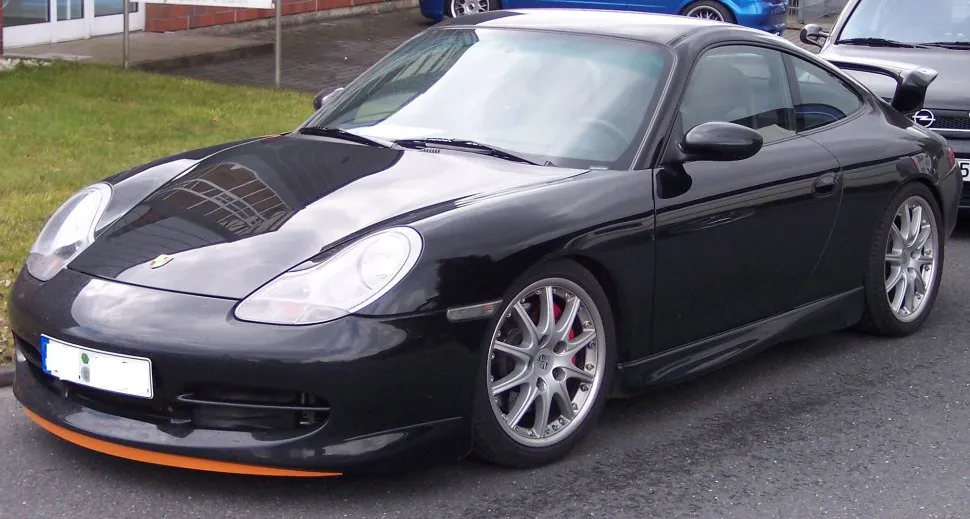
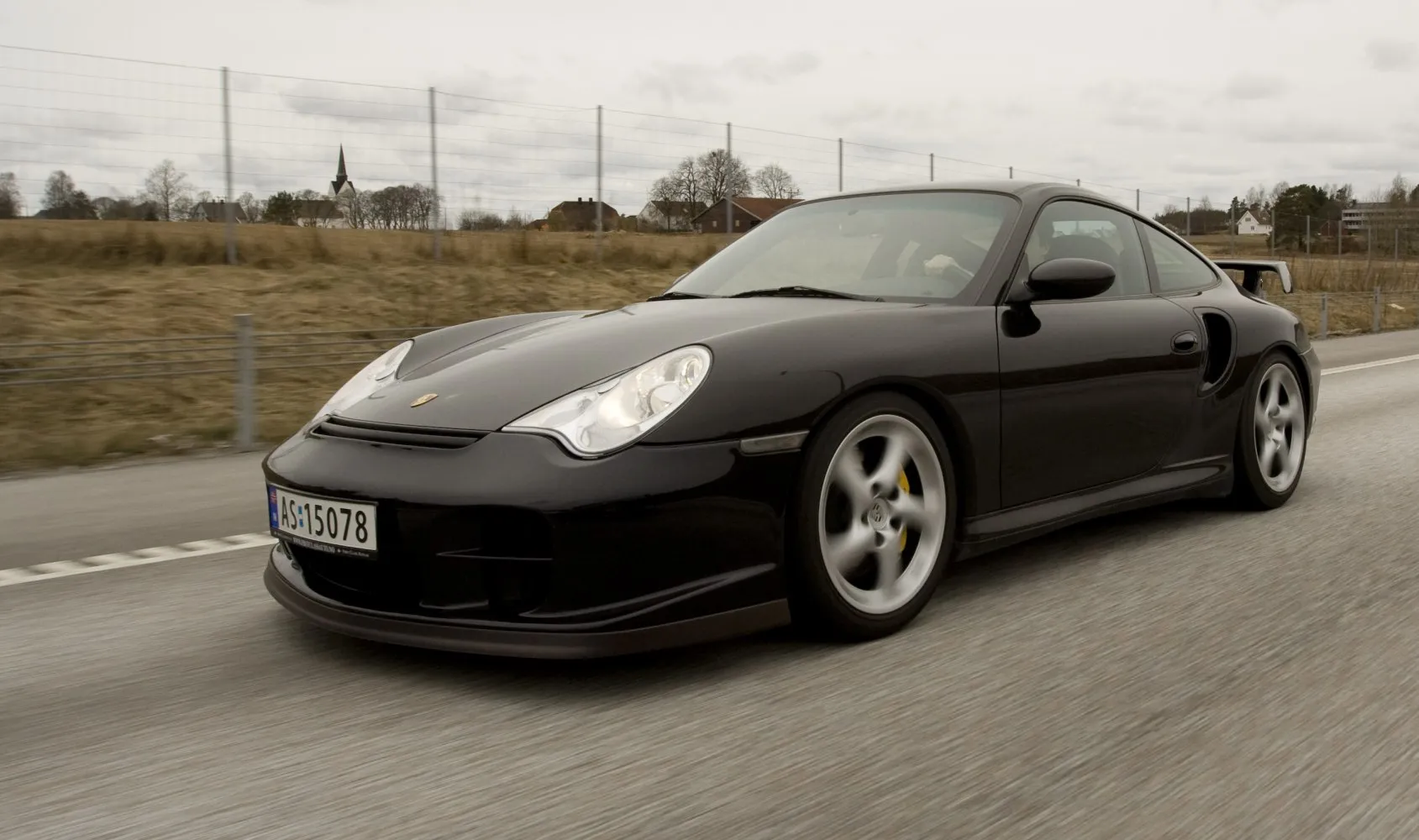
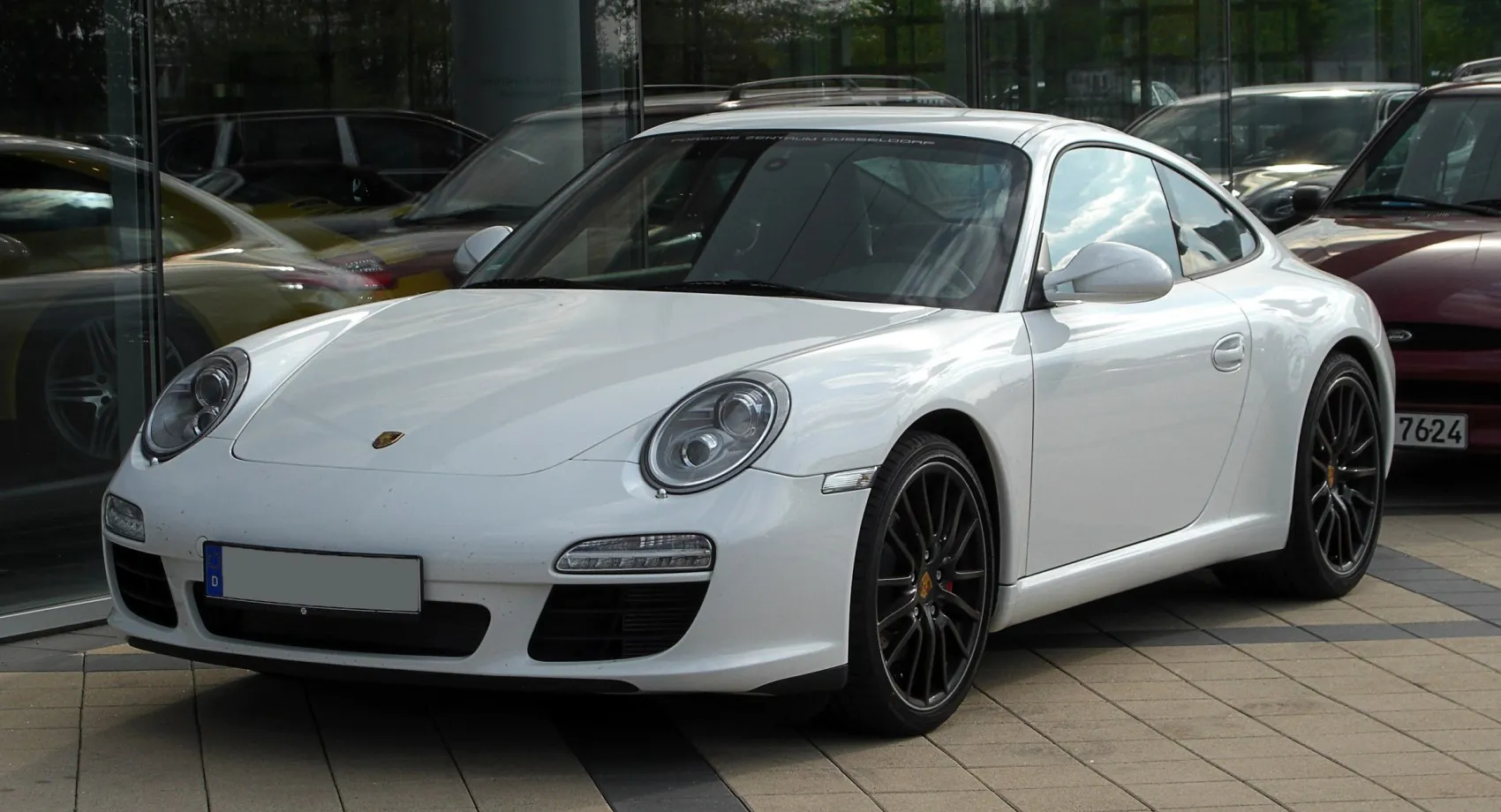
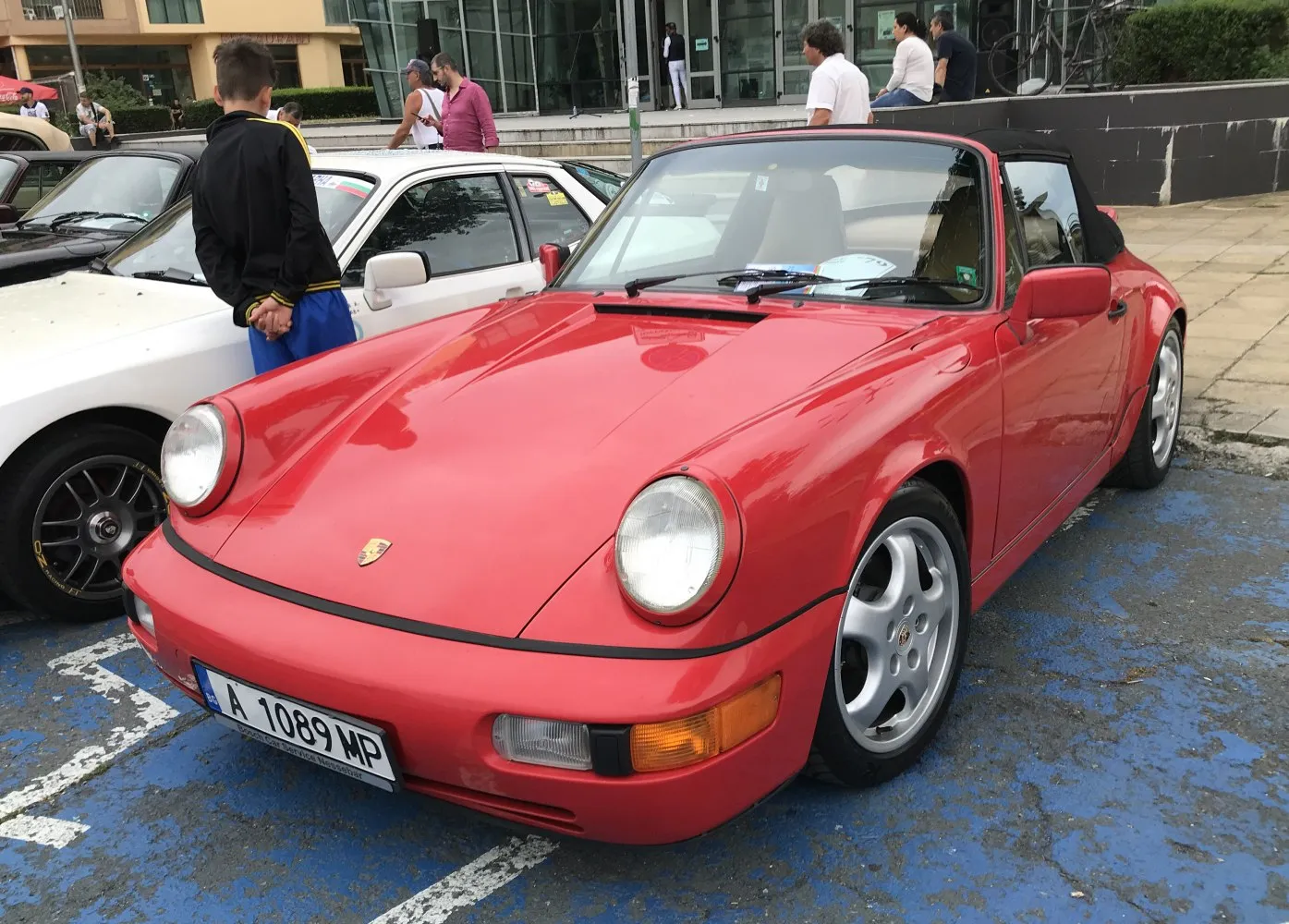
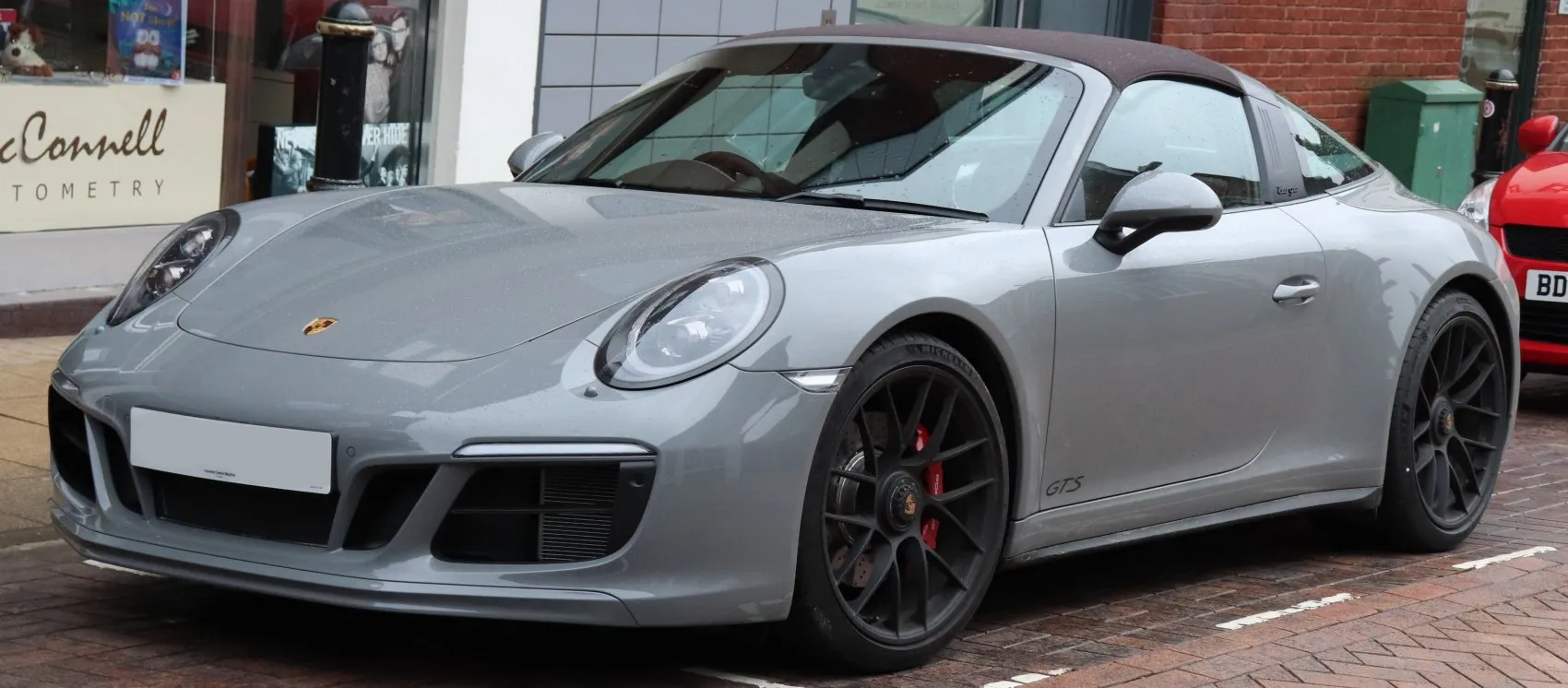
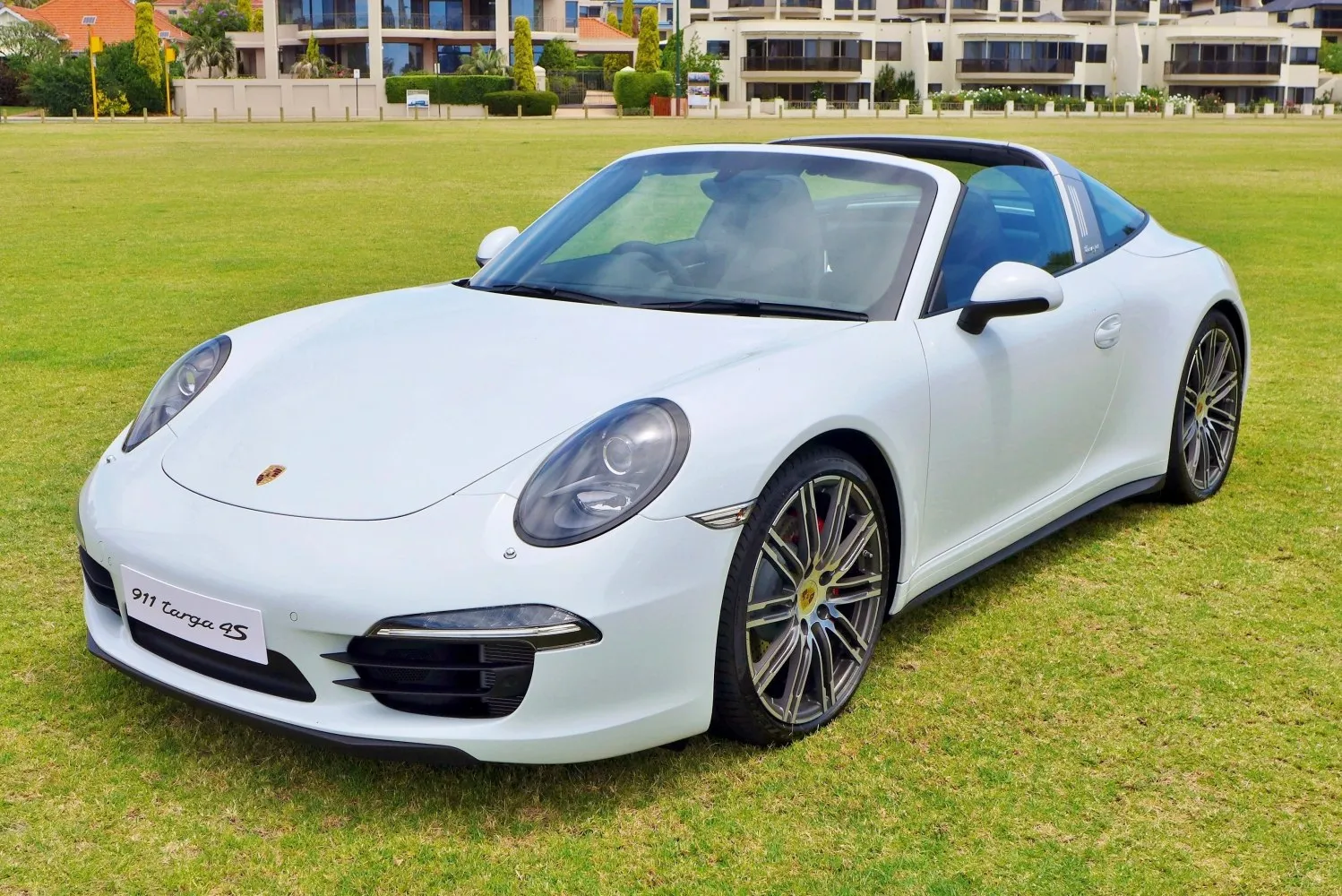
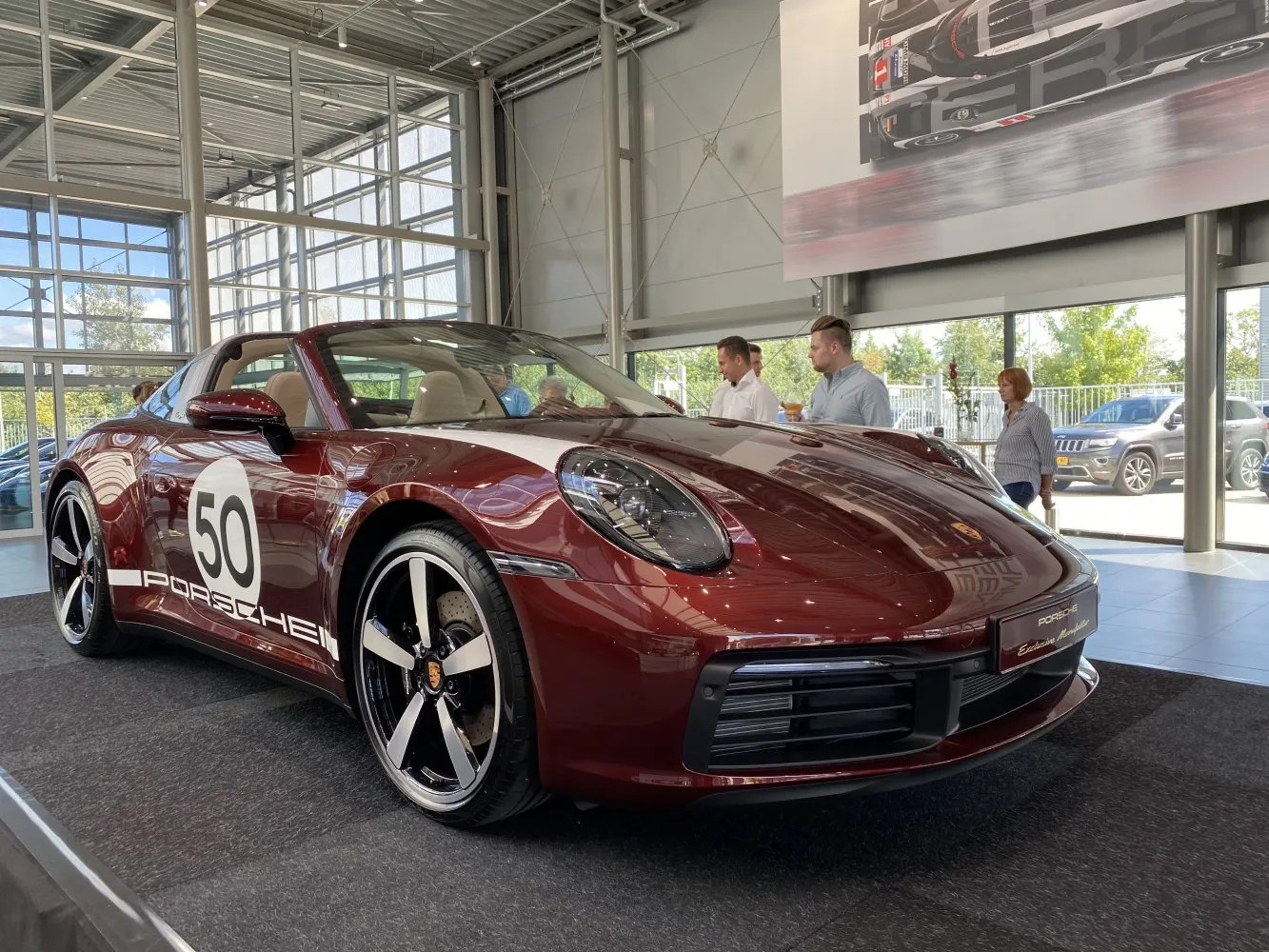
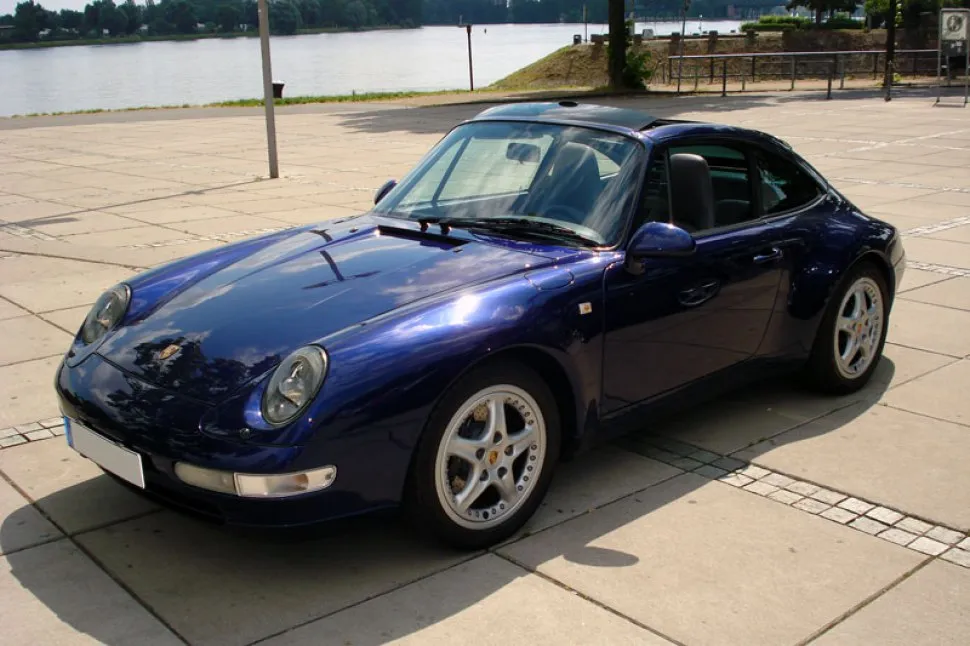
Click on image to view the full photo gallery
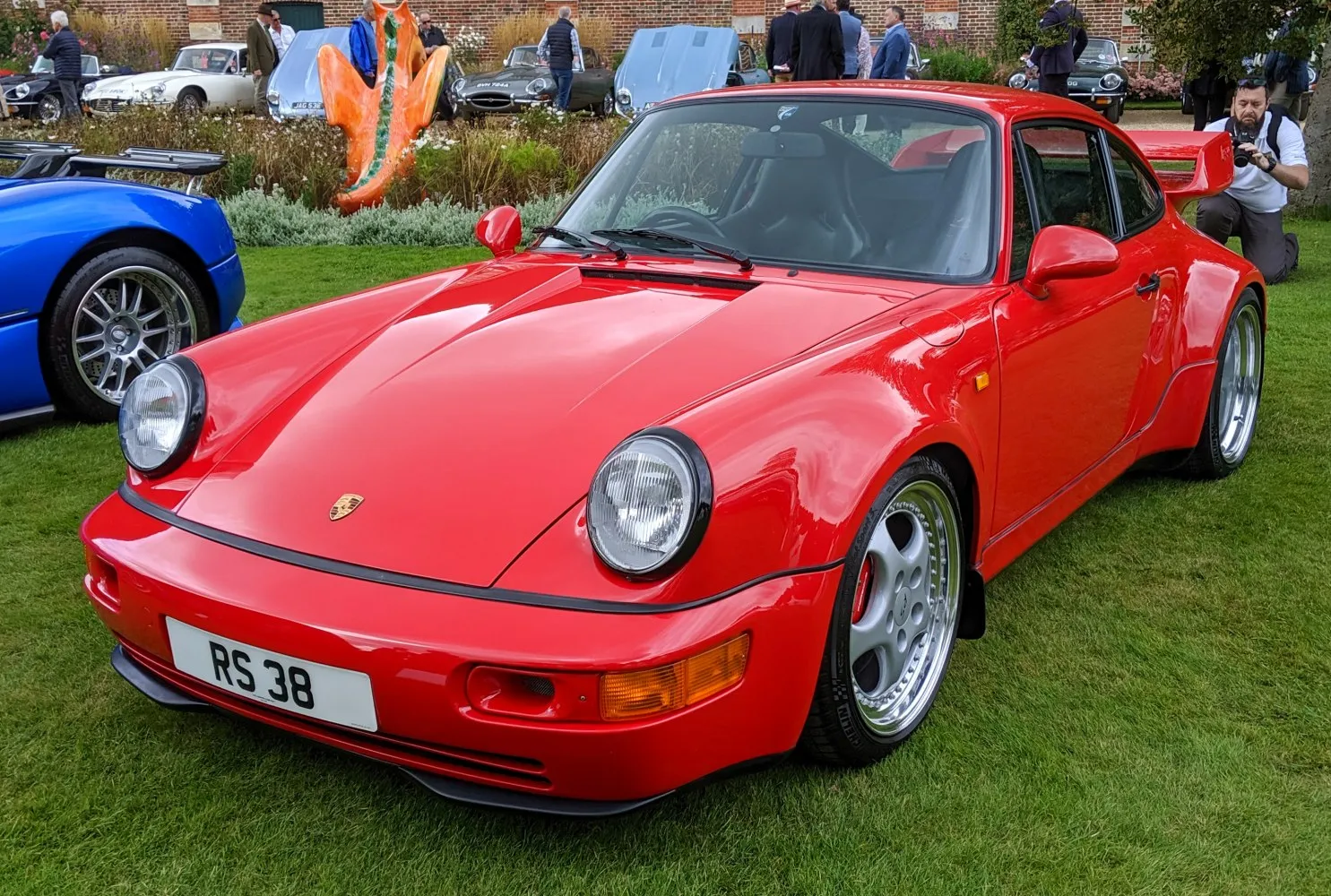
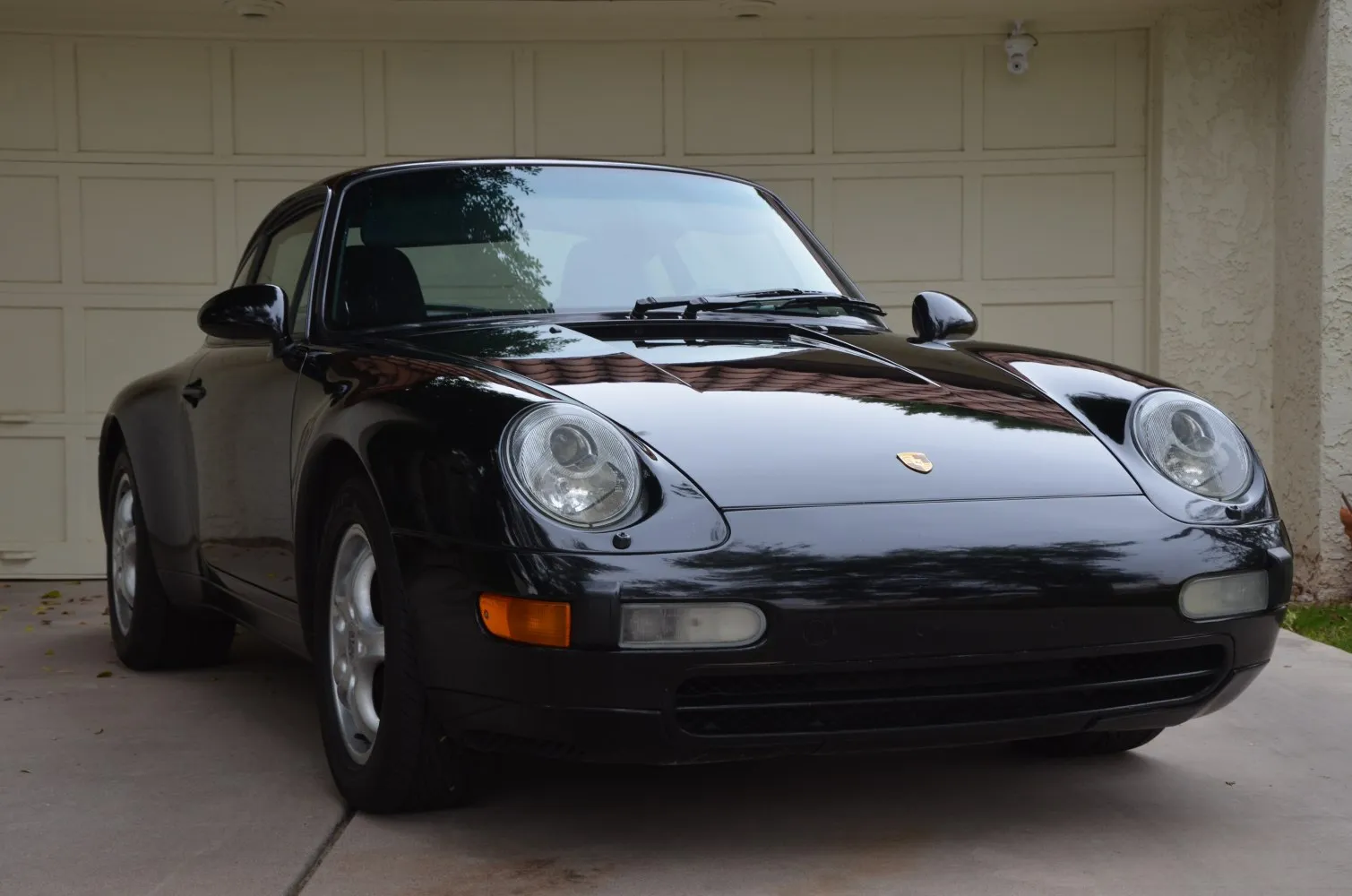
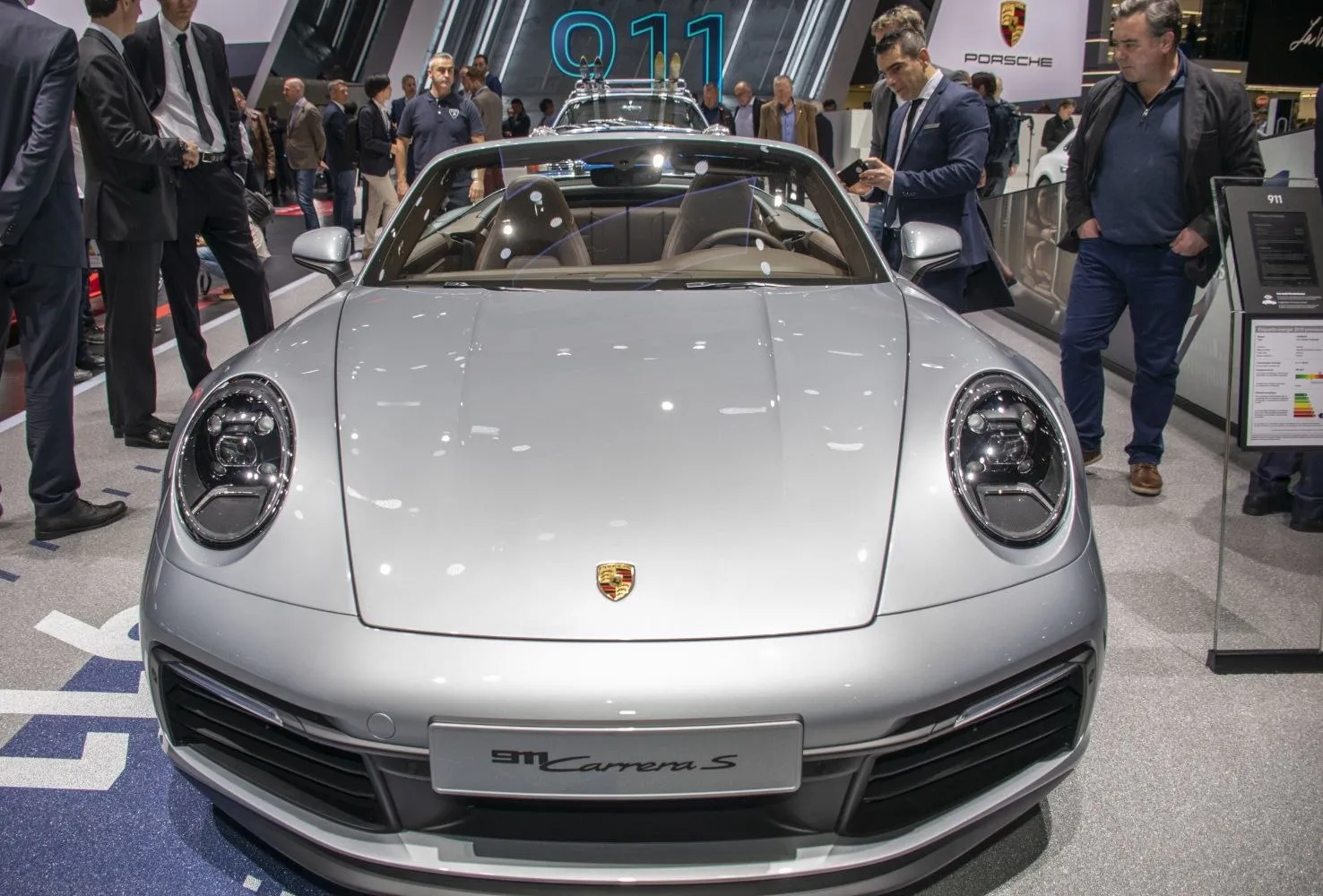
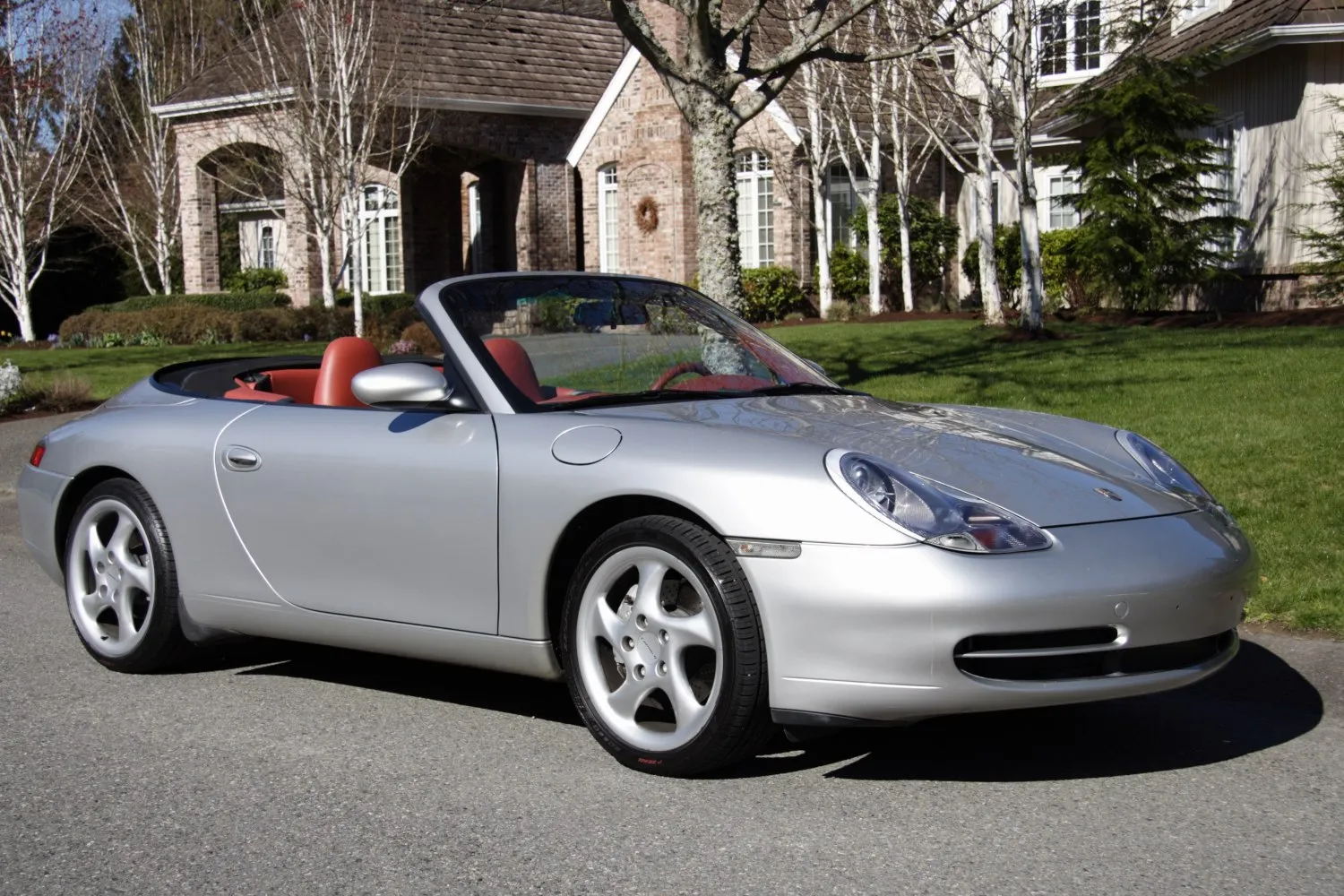
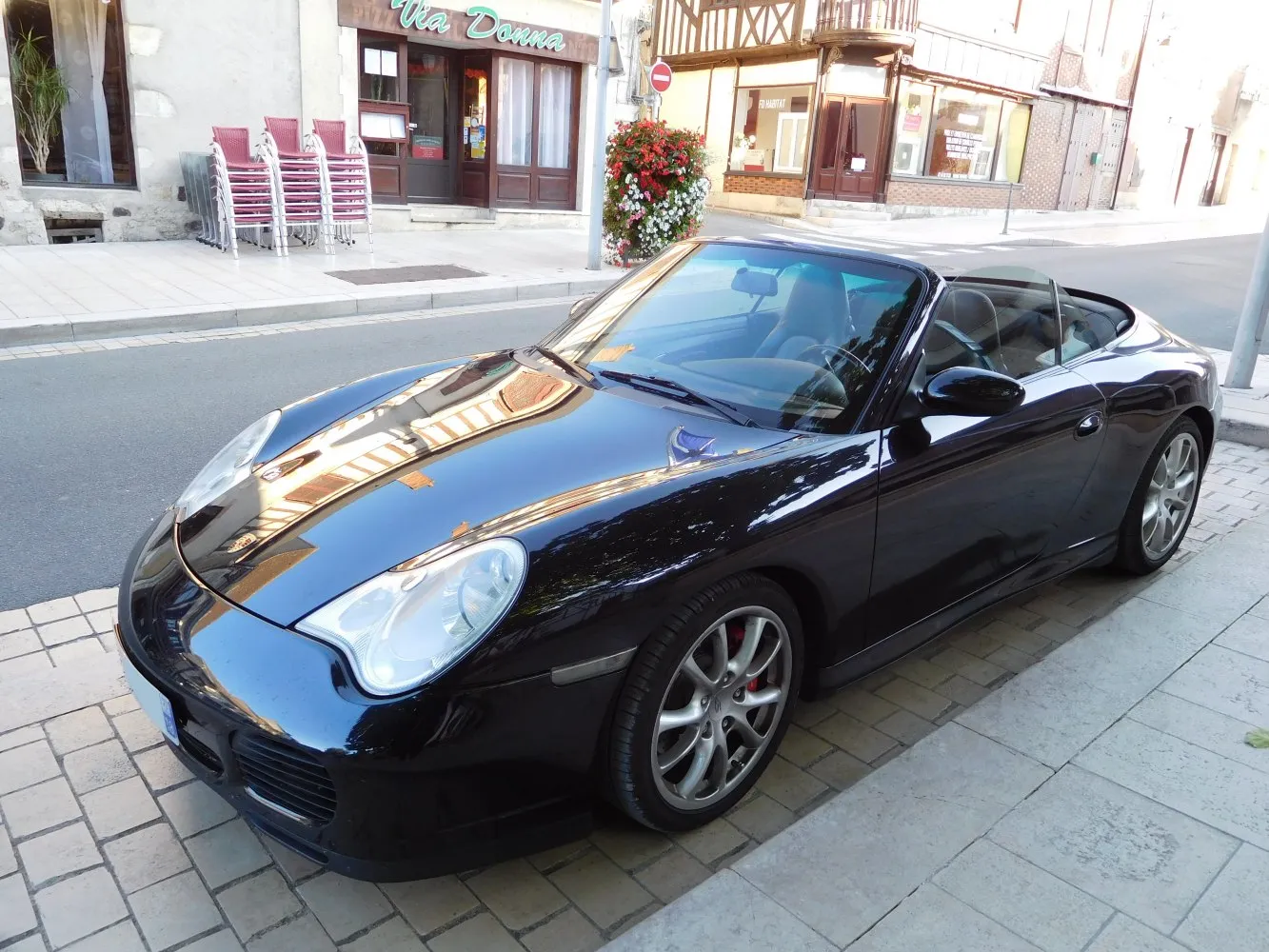
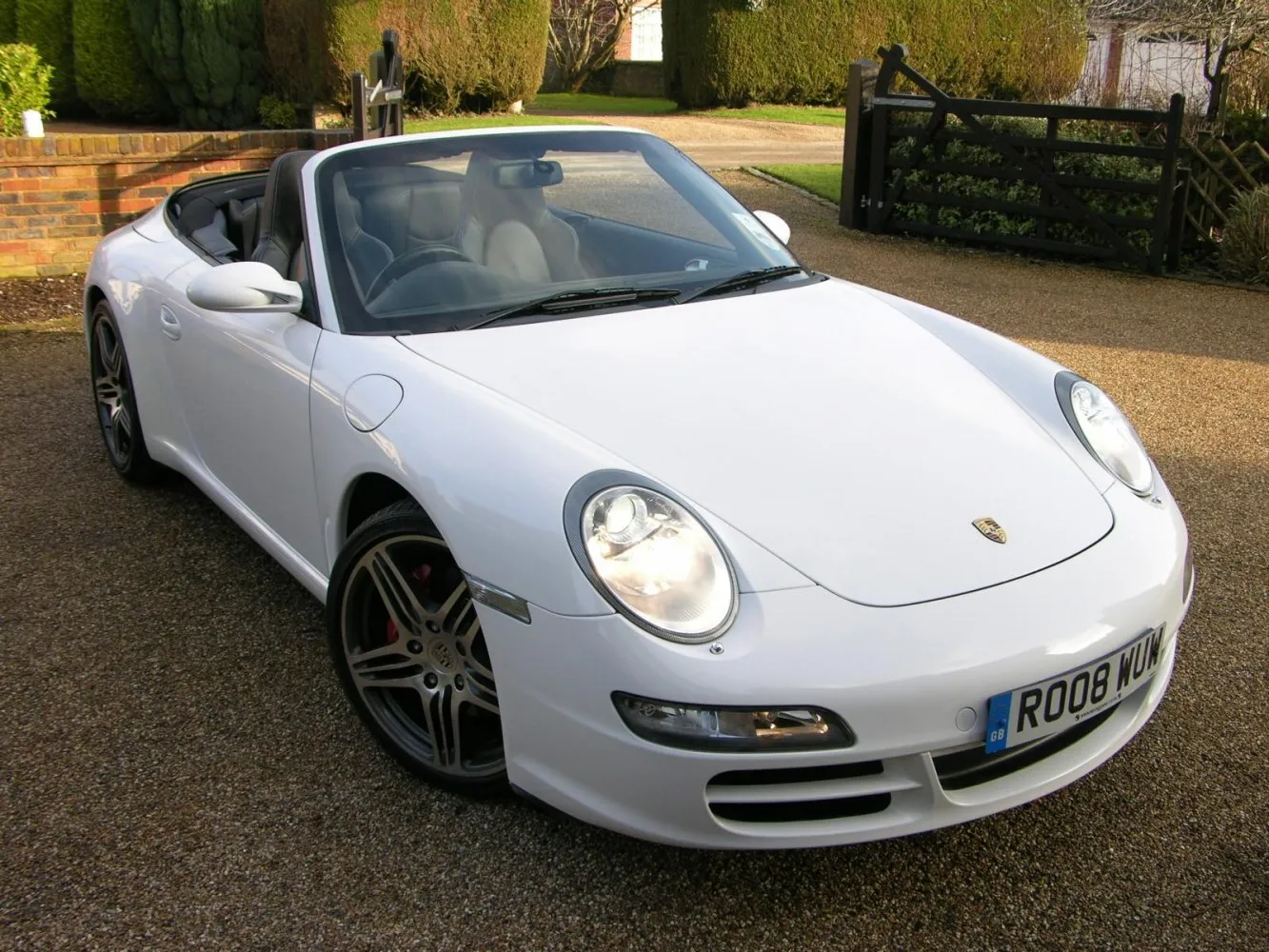
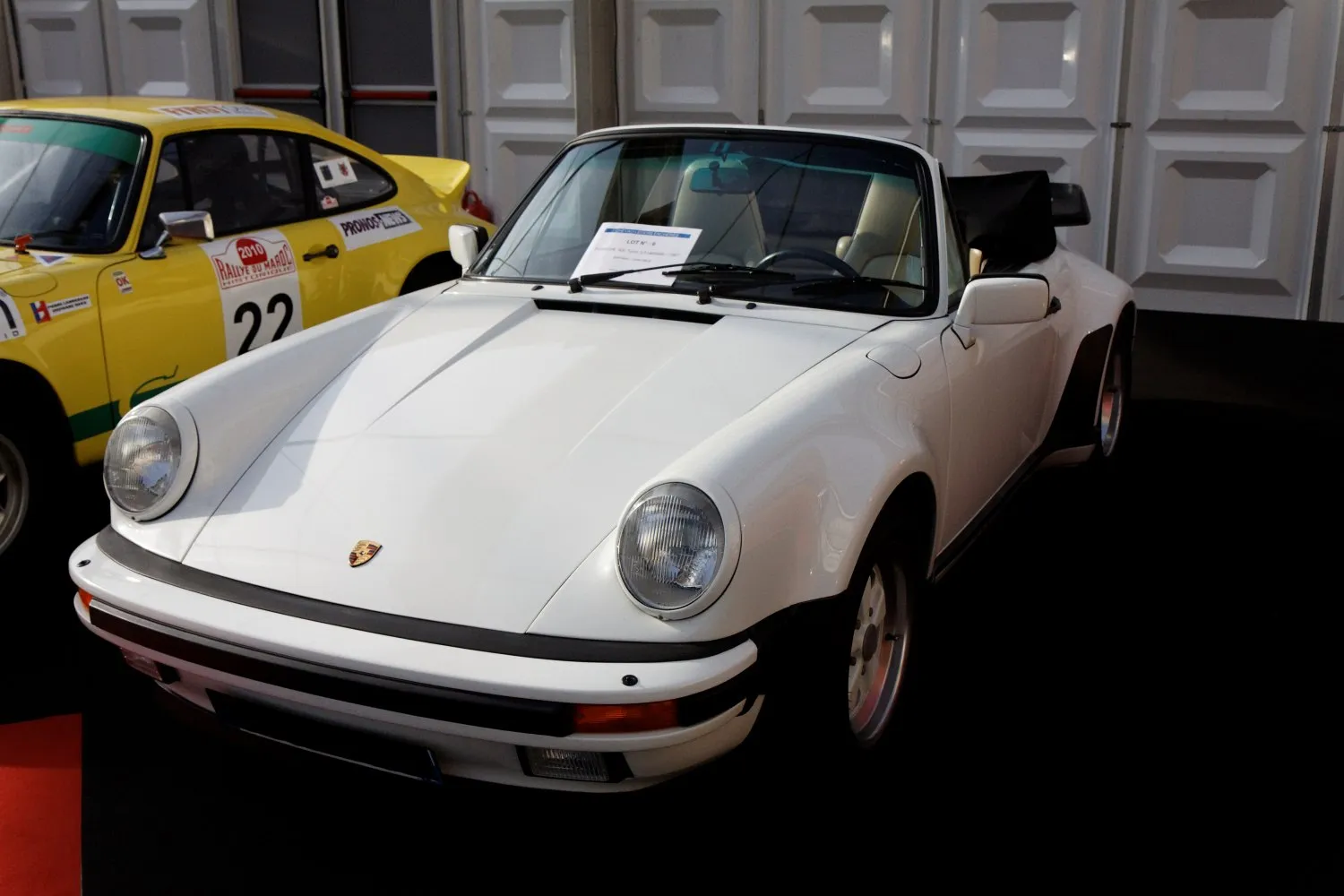
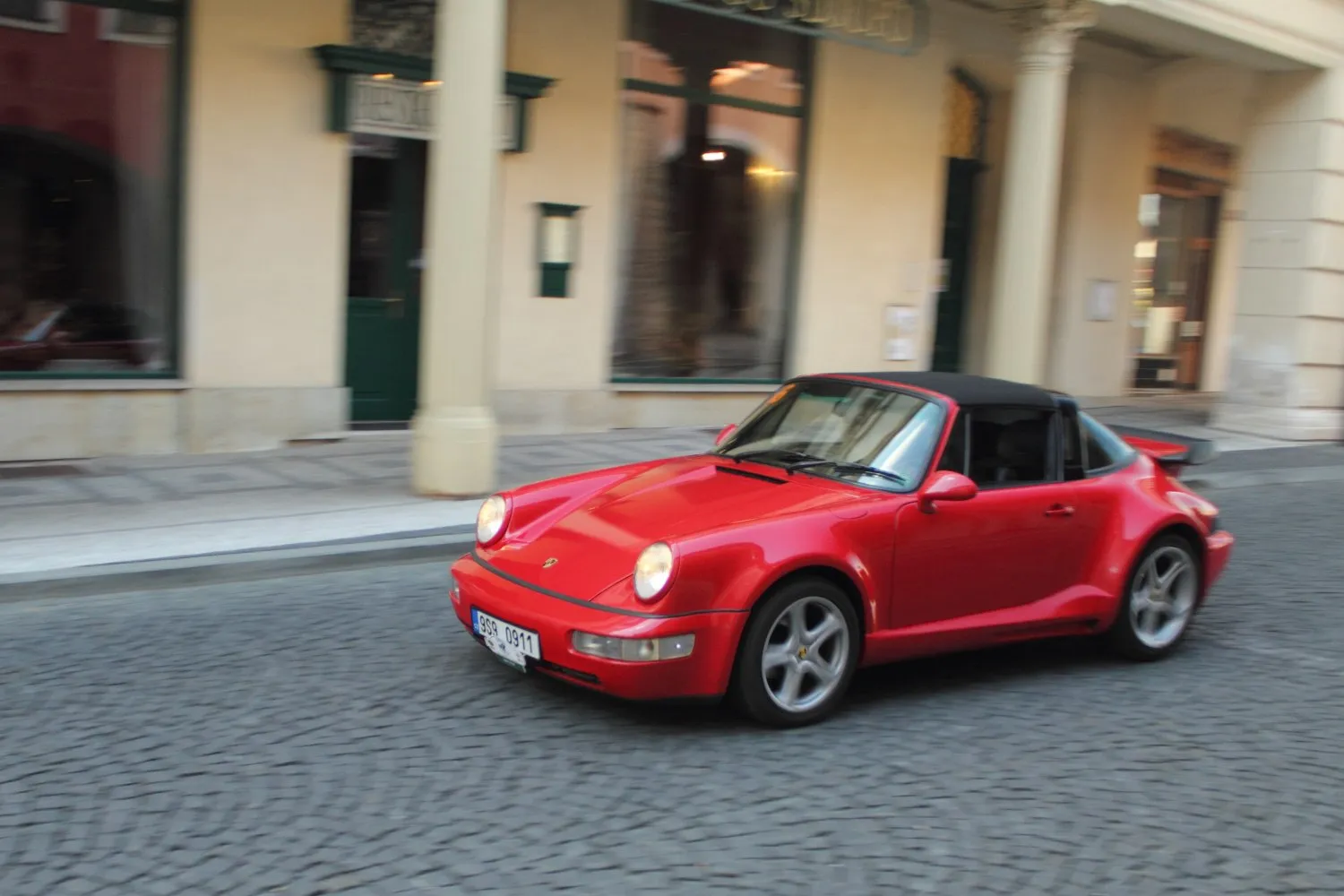
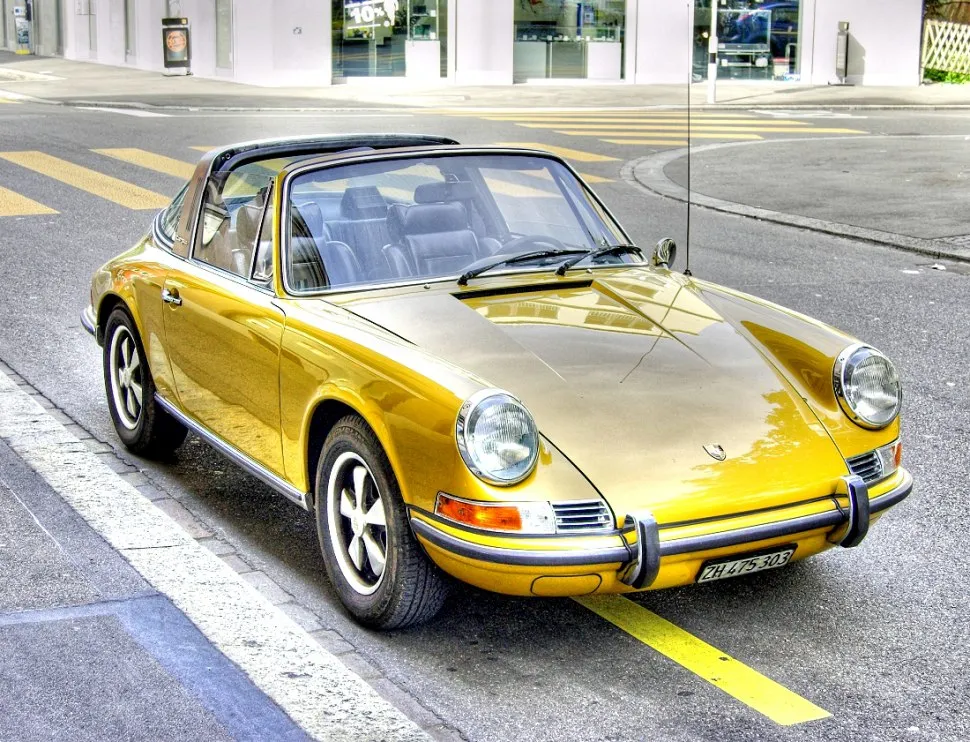
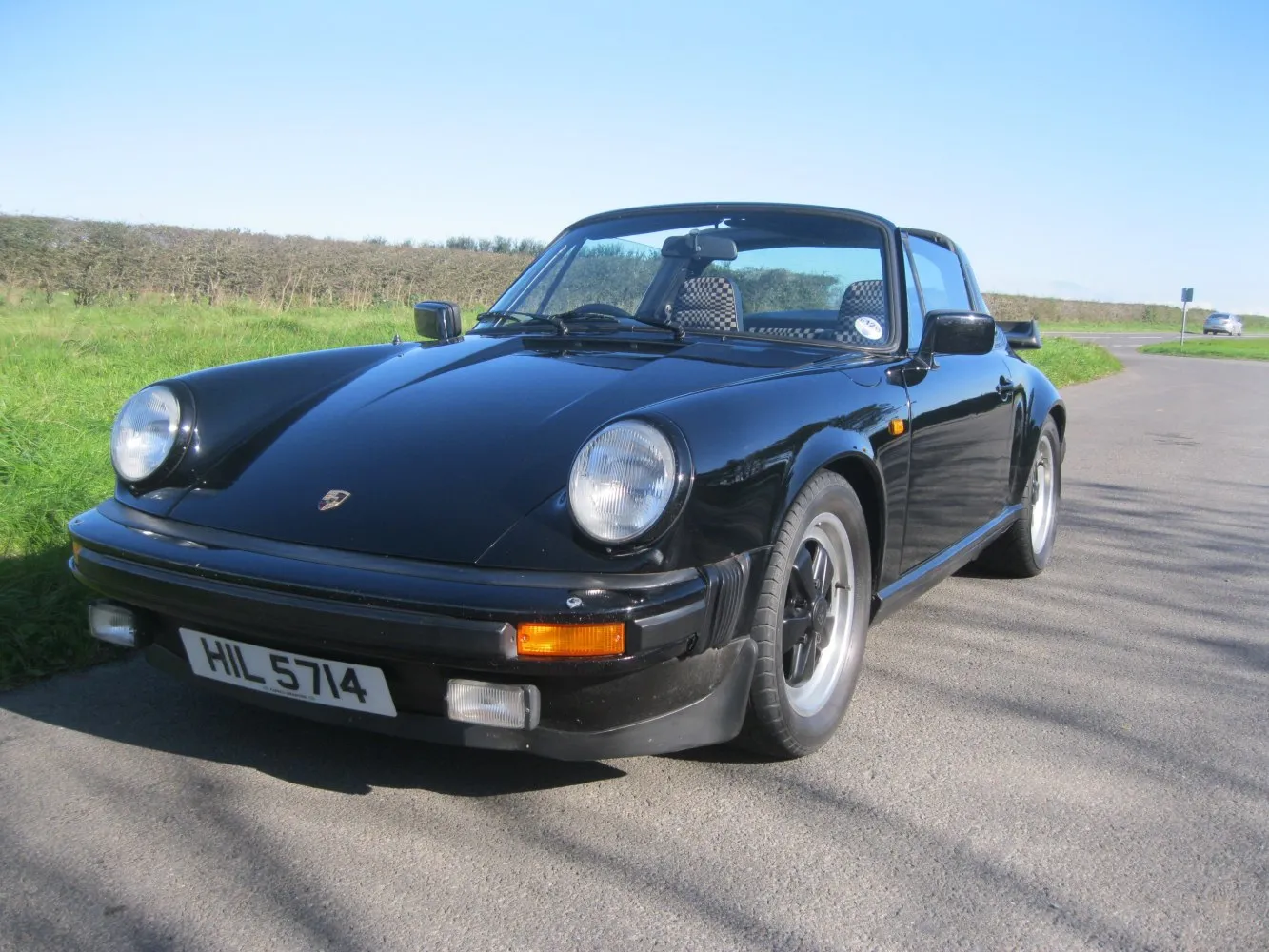
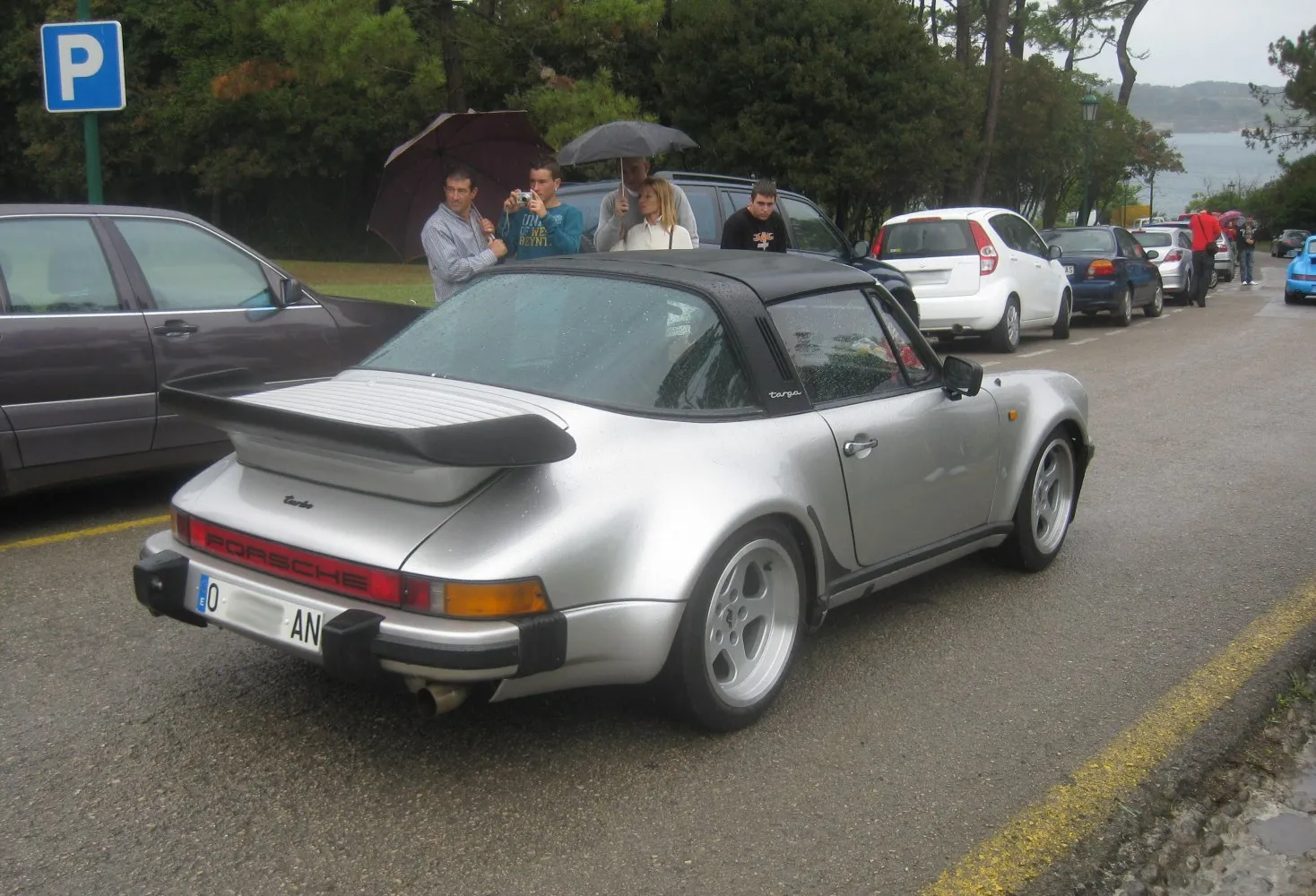
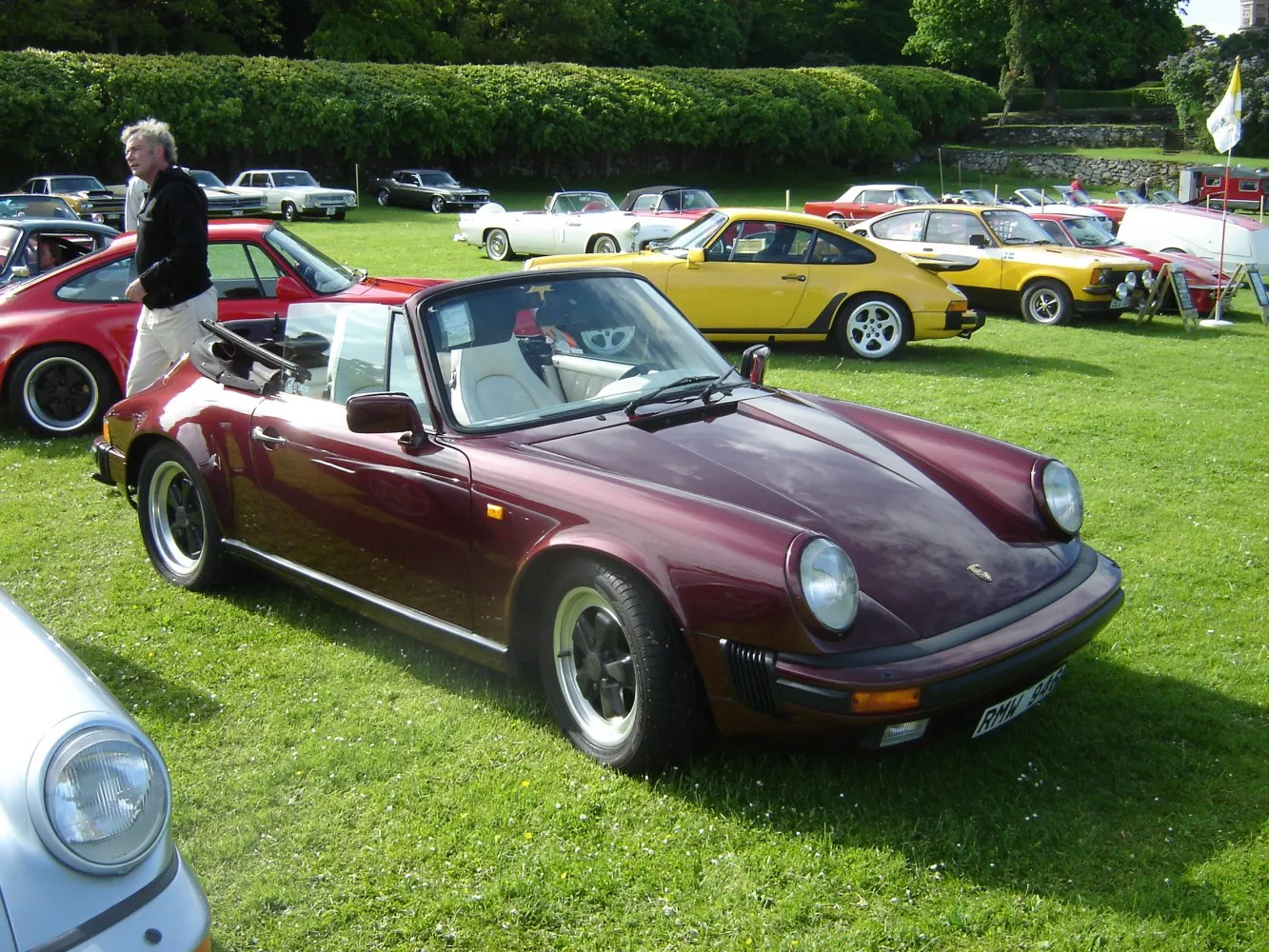
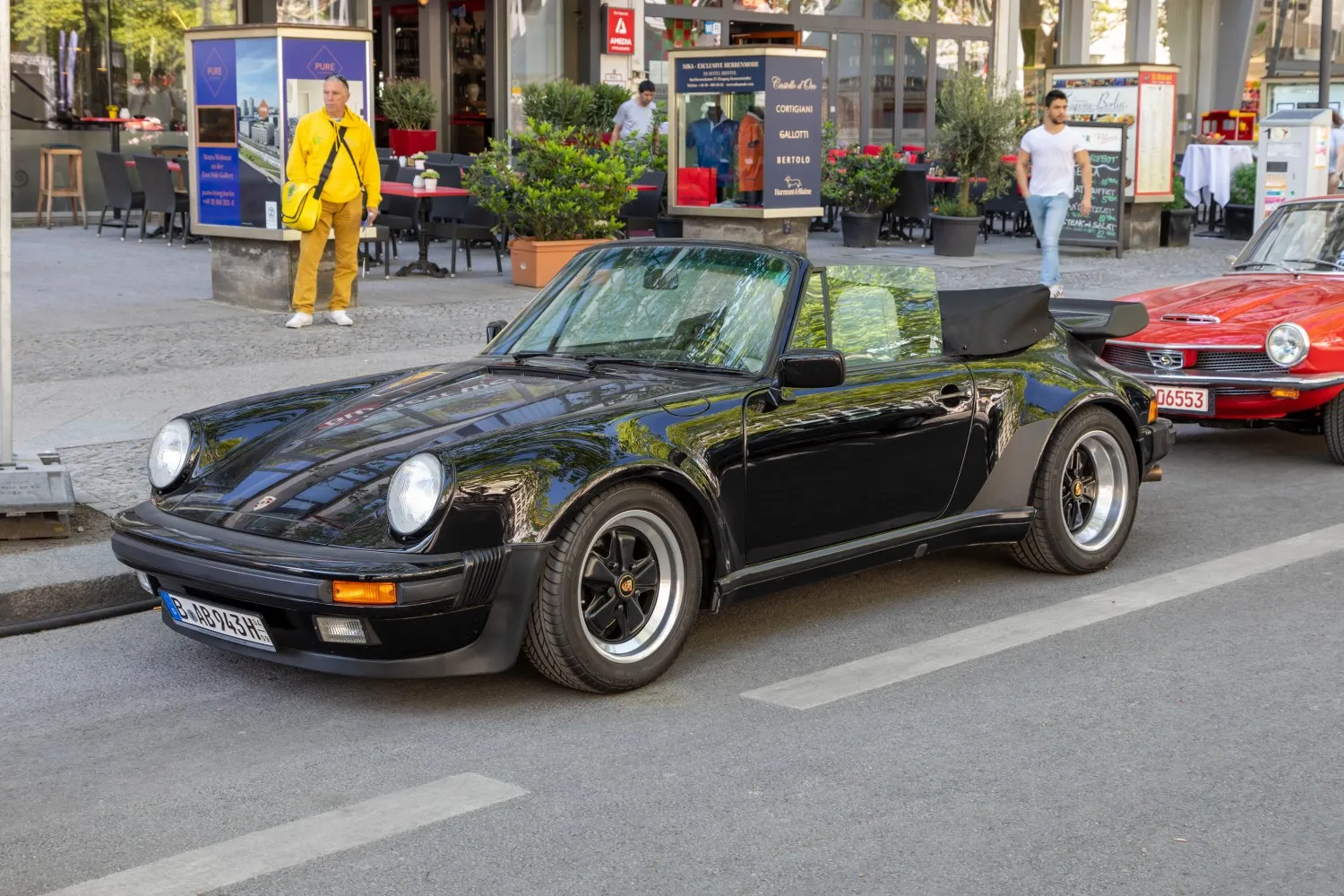
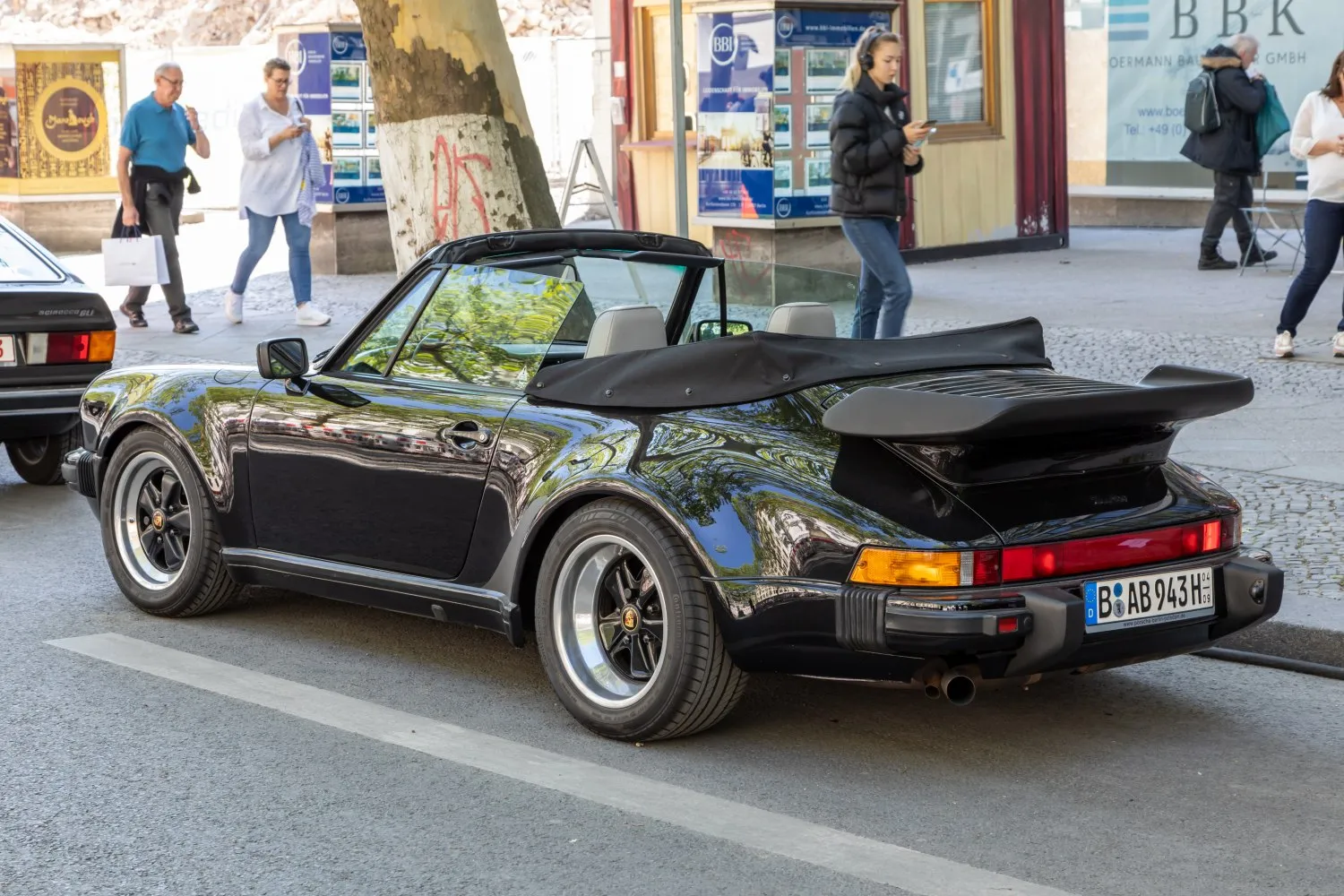
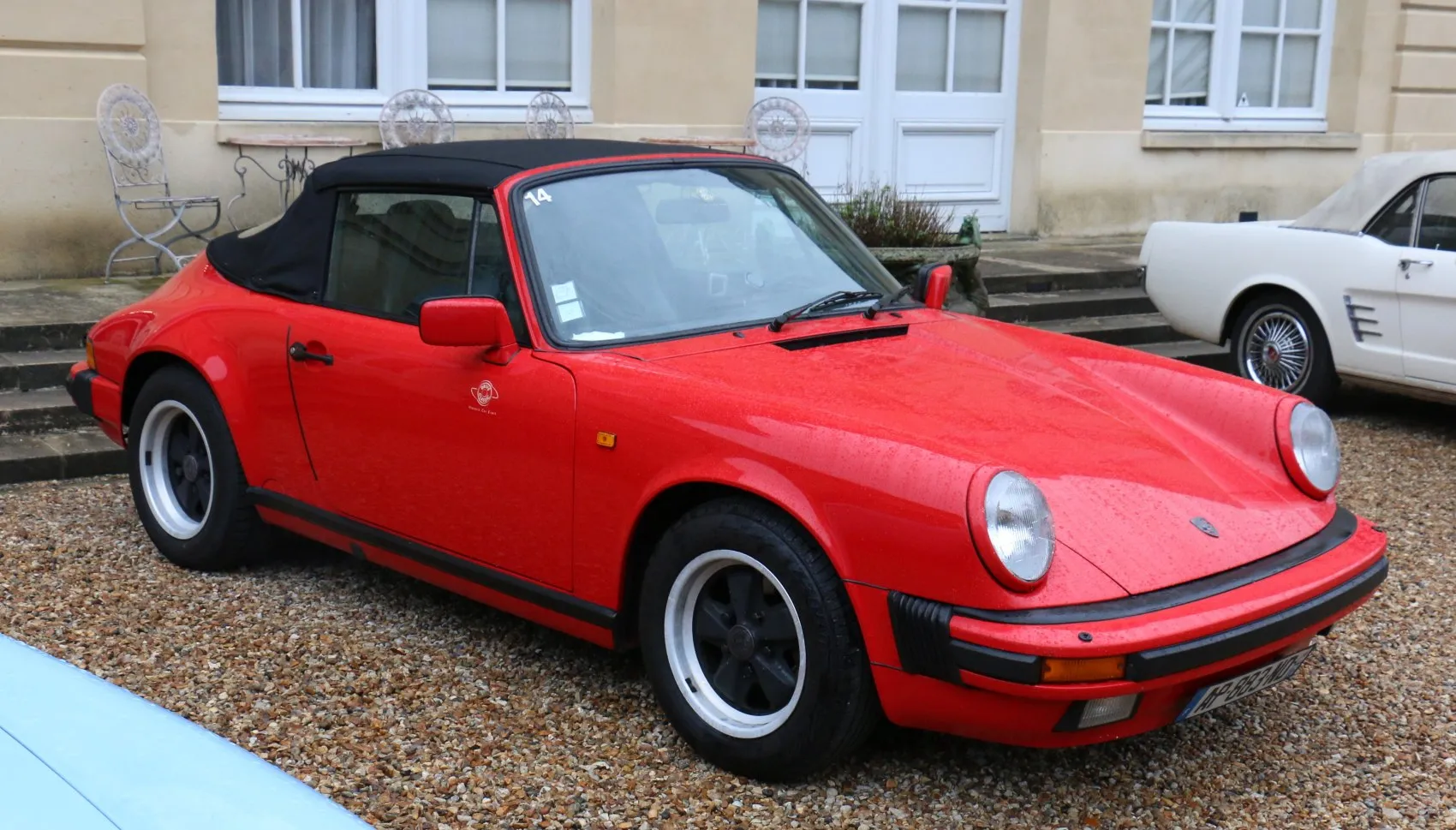
Porsche 911 Cabriolet (G) 3.2 Carrera CAT (207 Hp)
Overall Rating
Porsche 911:
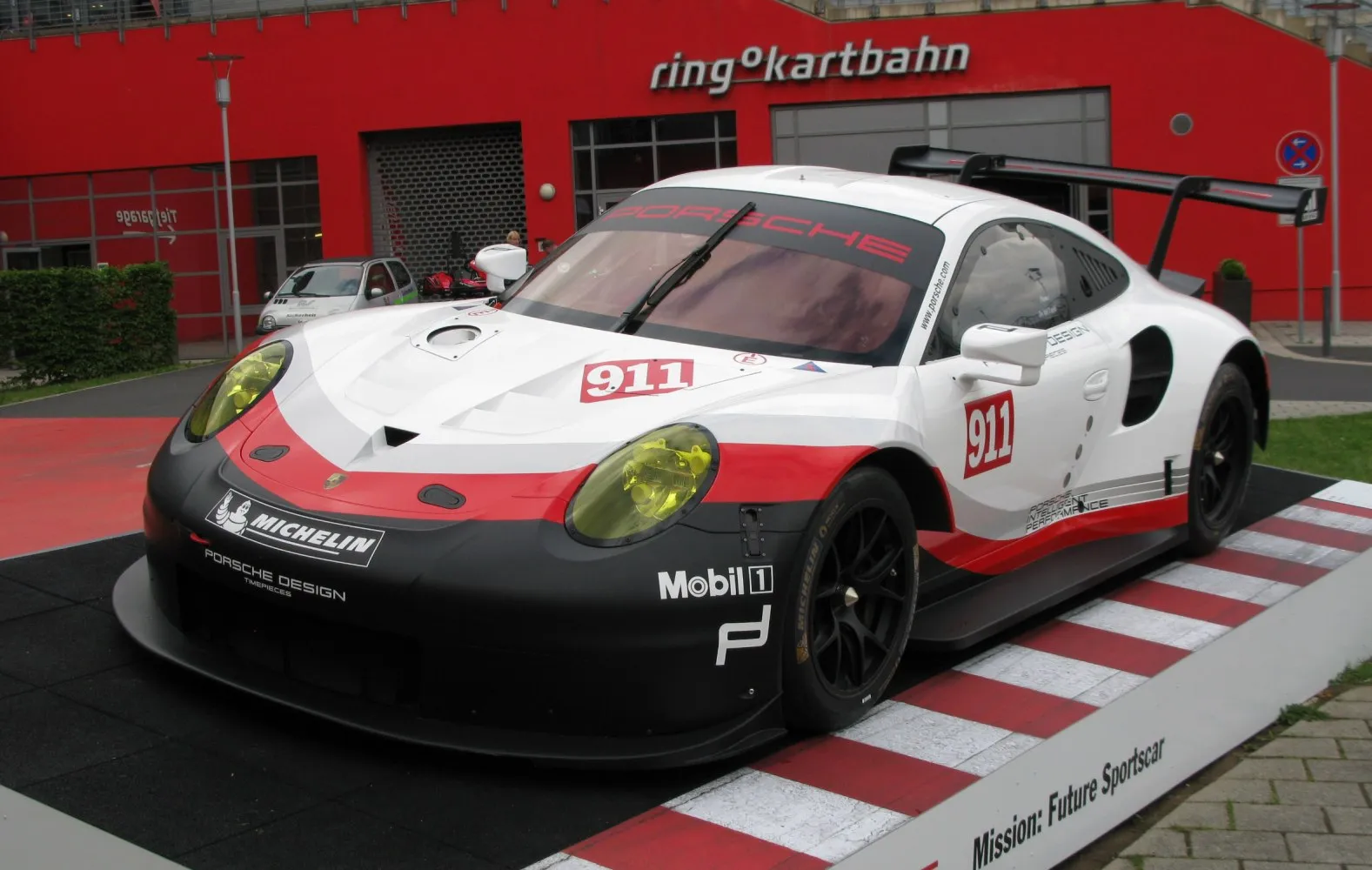
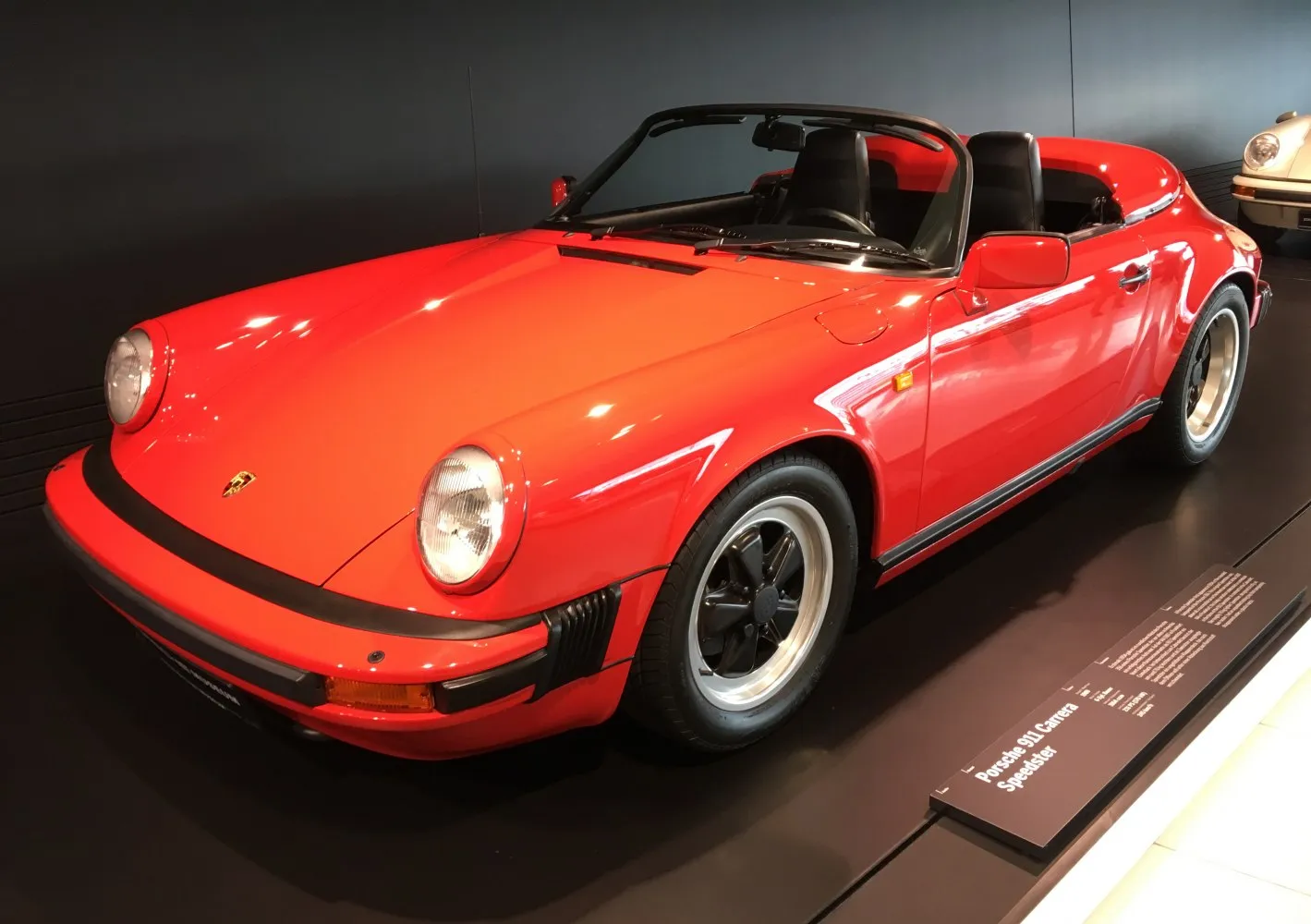
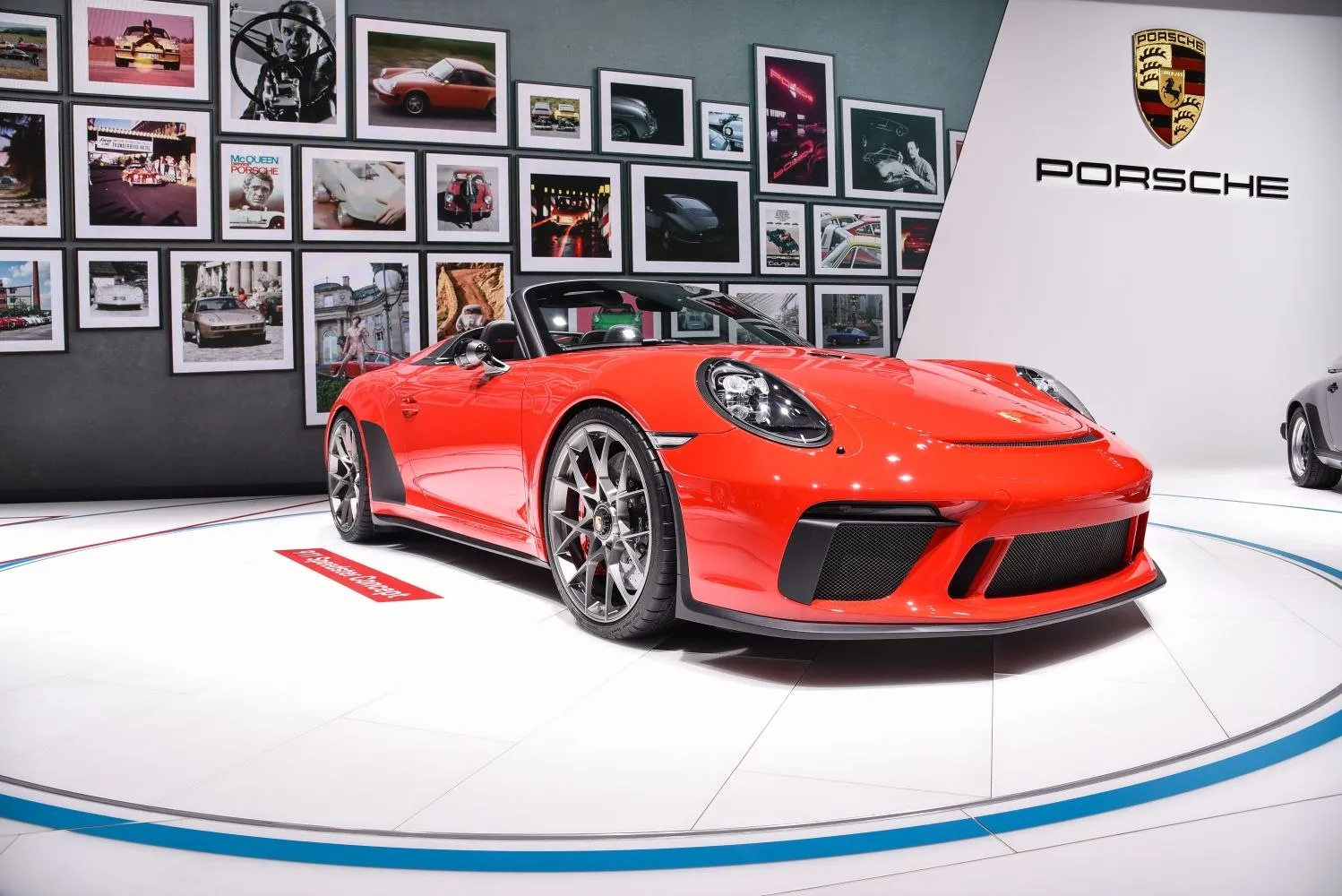
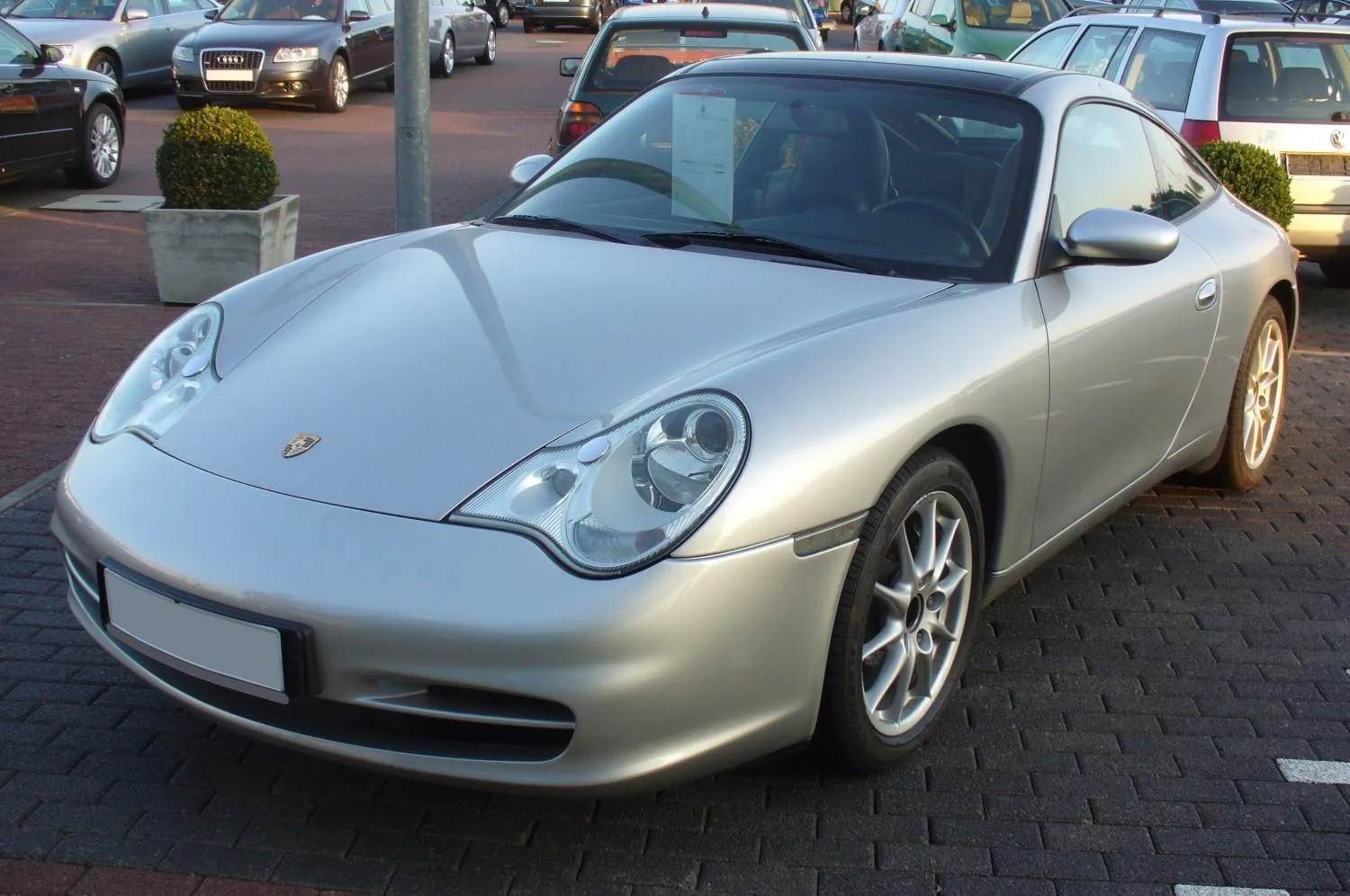
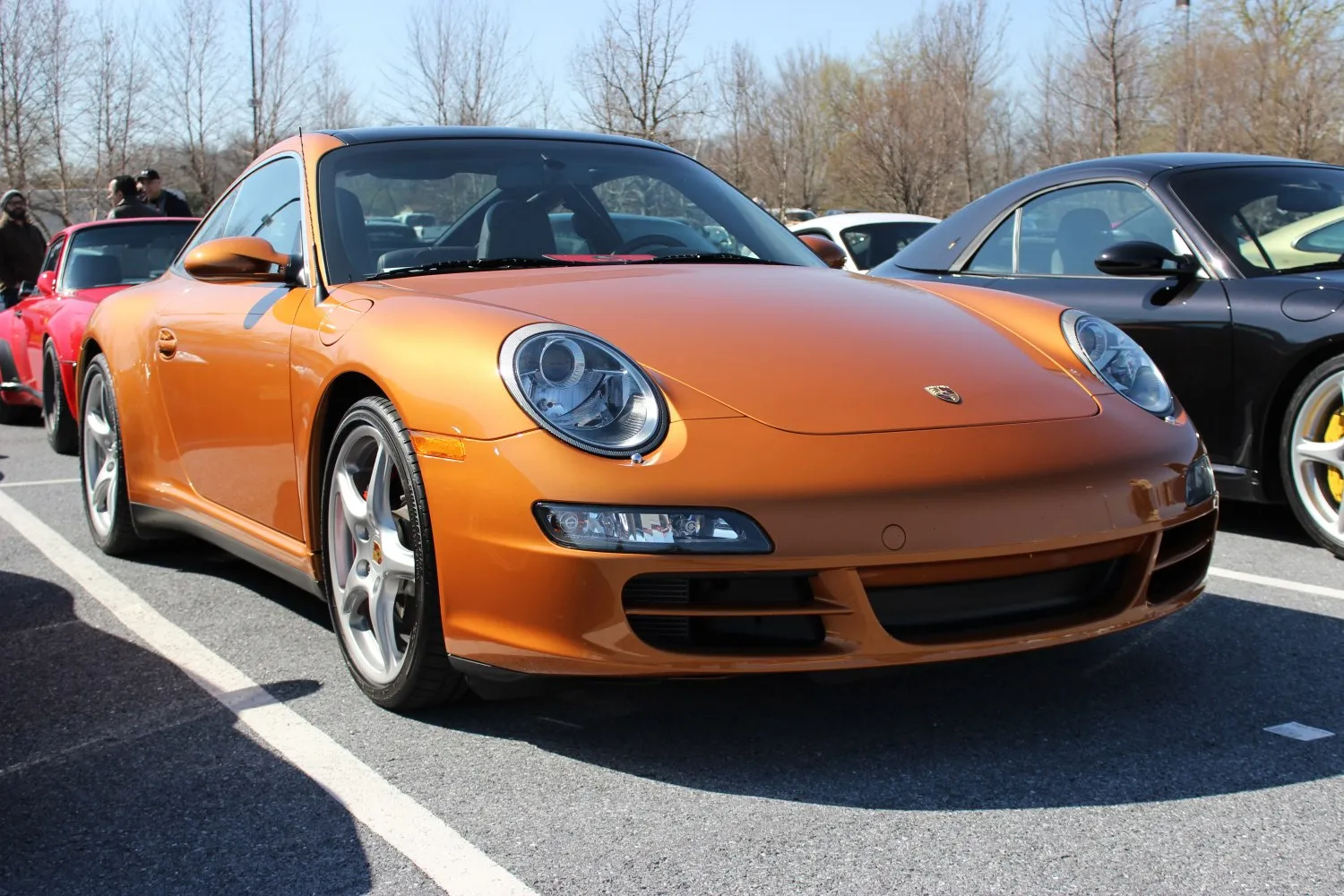
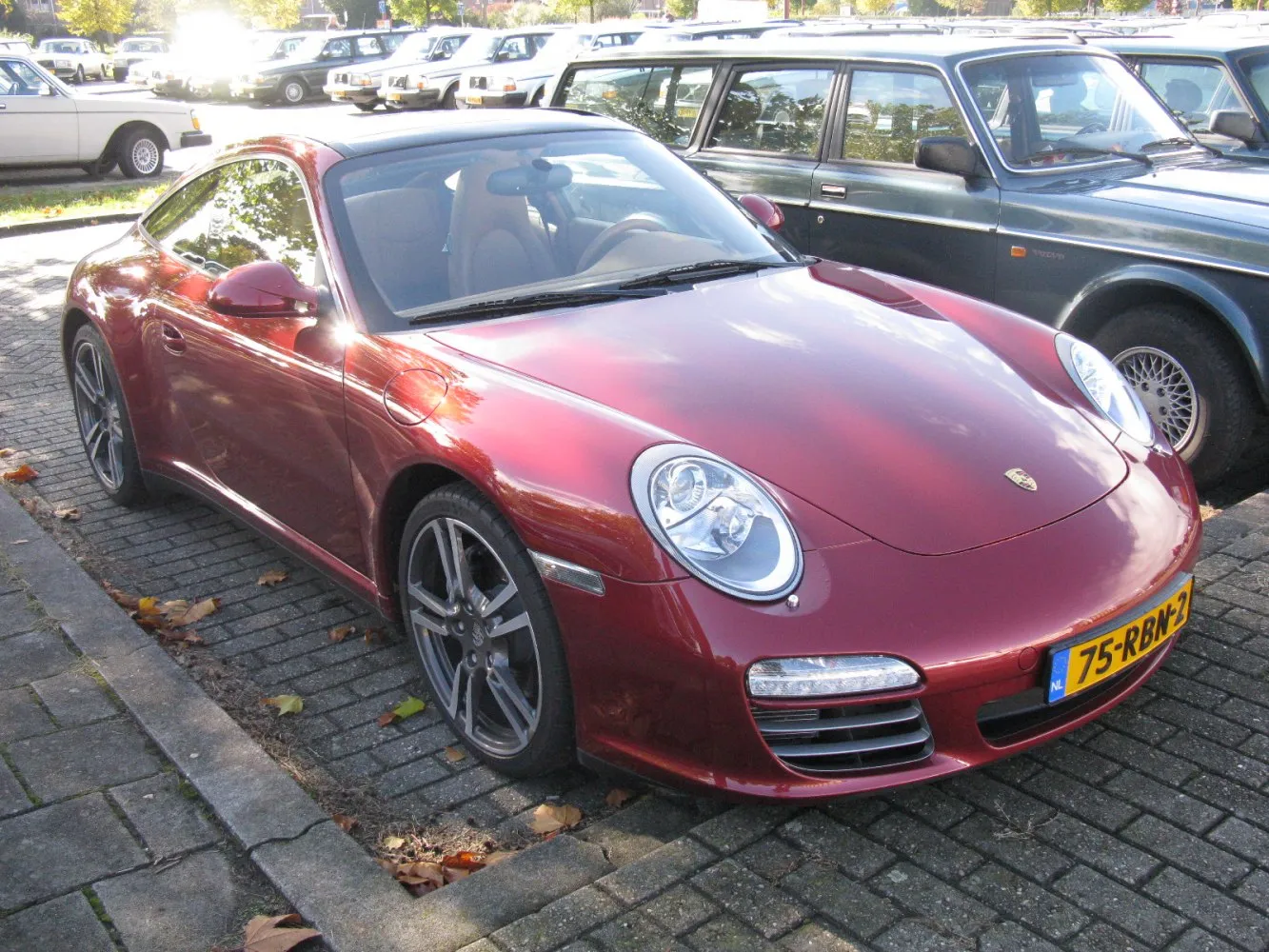
The Porsche 911 model series is a family of two-door, high performance rear-engine sports cars, introduced in September 1964 by Porsche of Stuttgart, Germany, and now in its eighth generation. All 911s have a rear-mounted flat-six engine, and usually 2+2 seating, except for special 2-seater variants. Originally, 911s had air-cooled engines, and torsion bar suspension, but the 911 has been continuously changed and improved across generations. Though the 911 core concept has remained largely unchanged, water-cooled engines were introduced with the 996 series in 1998, and front and rear suspension have been replaced by Porsche-specific MacPherson suspension up front, and independent multi-link rear suspension....(Read more on Wikipedia)
Cabriolet (G) Overview:
Porsche 911 (Cabriolet (G)). With 262 Nm of torque, it offers ample pulling power. Weighing only 1250 kg, it’s quite light. Rear‑wheel drive offers dynamic handling and sporty feedback. Acceleration is good (0–100 km/h in 6.5 s). The top speed reaches 235 km/h. A convertible car with a retractable roof, offering open-air driving experiences. Seating for 4 makes it ideal for daily use.
3.2 Carrera CAT (207 Hp) Verdict:

Performance Verdict
Offers a classic 911 experience with a slightly more relaxed power delivery, suitable for cruising and enjoyable spirited drives, with emissions considerations.
Fuel Economy
Marginally better fuel economy than higher-output 3.2L versions due to emissions tuning, but still a classic sports car with period-typical consumption.
Pros and Cons:
Pros:
- • Iconic and timeless design
- • Engaging and pure driving experience
- • Strong performance for its era
- • Excellent build quality and durability (if maintained)
- • Appreciating classic car value
- • Open-top driving exhilaration
Cons:
- • High maintenance and repair costs
- • Dated safety features by modern standards
- • Firm ride quality, less comfortable for long journeys
- • Limited modern conveniences and technology
- • Potential for rust in neglected areas
- • Fuel economy is poor compared to modern vehicles
Specifications:
Specifications are compared to those of the previous generation(Cabriolet (G): 1982 - 1983).
| General: | |
|---|---|
| Brand: | Porsche |
| Model: | 911 |
| Generation: | Cabriolet (G) |
| Modification (Engine): | 3.2 Carrera CAT (207 Hp) |
| Start of production: | 1984 |
| End of production: | 1989 |
| Powertrain Architecture: | Internal Combustion engine |
| Body type: | Cabriolet |
| Seats: | 4 |
| Doors: | 2 |
| Engine: | |
|---|---|
| Engine systems: | Particulate filter |
| Power: | 207 Hp @ 5900 rpm. Same horsepower |
| Power per litre: | 65.4 Hp/l [Same length.] |
| Torque: | 262 Nm @ 4800 rpm. |
| Engine Model/Code: | 930.21 More details about the engine 930.21 |
| Engine displacement: | 3164 |
| Number of cylinders: | 6 |
| Engine configuration: | Boxer |
| Number of valves per cylinder: | 2 |
| Fuel injection system: | Multi-port manifold injection |
| Engine aspiration: | Naturally aspirated engine |
| Valvetrain: | SOHC |
| Engine oil capacity: | 13 l |
| Engine layout: | Rear, Longitudinal |
| Cylinder Bore: | 95 mm mm |
| Piston Stroke: | 74.4 mm mm |
| Compression ratio: | 9.5:1 |
| Maximum engine speed: | 6500 rpm. |
| Performance: | |
|---|---|
| Fuel Type: | Petrol (Gasoline) |
| Fuel consumption (economy) - urban: | 15.5 l/100 km |
| Fuel consumption (economy) - extra urban: | 7.9 l/100 km |
| Acceleration 0 - 100 km/h: | 6.5 sec |
| Acceleration 0 - 62 mph: | 6.5 sec |
| Maximum speed: | 235 km/h |
| Weight-to-power ratio: | 6 kg/Hp, 165.6 Hp/tonne |
| Weight-to-torque ratio: | 4.8 kg/Nm, 209.6 Nm/tonne |
| Acceleration 0 - 60 mph: | 6.2 sec |
| Space: | |
|---|---|
| Kerb Weight: | 1250 |
| Fuel tank capacity: | 85 l |
| Size: | |
|---|---|
| Length: | 4291 mm mm [Same length.] |
| Width: | 1652 mm mm [Same width.] |
| Height: | 1320 mm mm [Same height.] |
| Wheelbase: | 2272 mm mm [Same wheelbase.] |
| Front track: | 1372 mm |
| Rear (Back) track: | 1380 mm |
| Ride height (ground clearance): | 130 mm |
| Minimum turning circle (turning diameter): | 10.95 m [above average] |
| Powertrain: | |
|---|---|
| Drivetrain Architecture | The Internal combustion engine (ICE) drives the rear wheels of the vehicle. |
| Drive wheel | Rear wheel drive |
| Number of gears | 5 |
| Transmission type | Manual |
| Front brakes | Ventilated discs [Best for performance and cooling.] |
| Rear brakes | Ventilated discs [Best for performance and cooling.] |
| Steering type | Steering rack and pinion |
| Tires size | Front wheel tires: 185/70 R15 |
| Wheel rims size | Front wheel rims: 6J x 15 |
| Front suspension | Spring Strut, Wishbone |
| Rear suspension | Trailing arm |













Is it love at first sight with the Porsche 911? Tell us your story!