
Click on image to view the full photo gallery
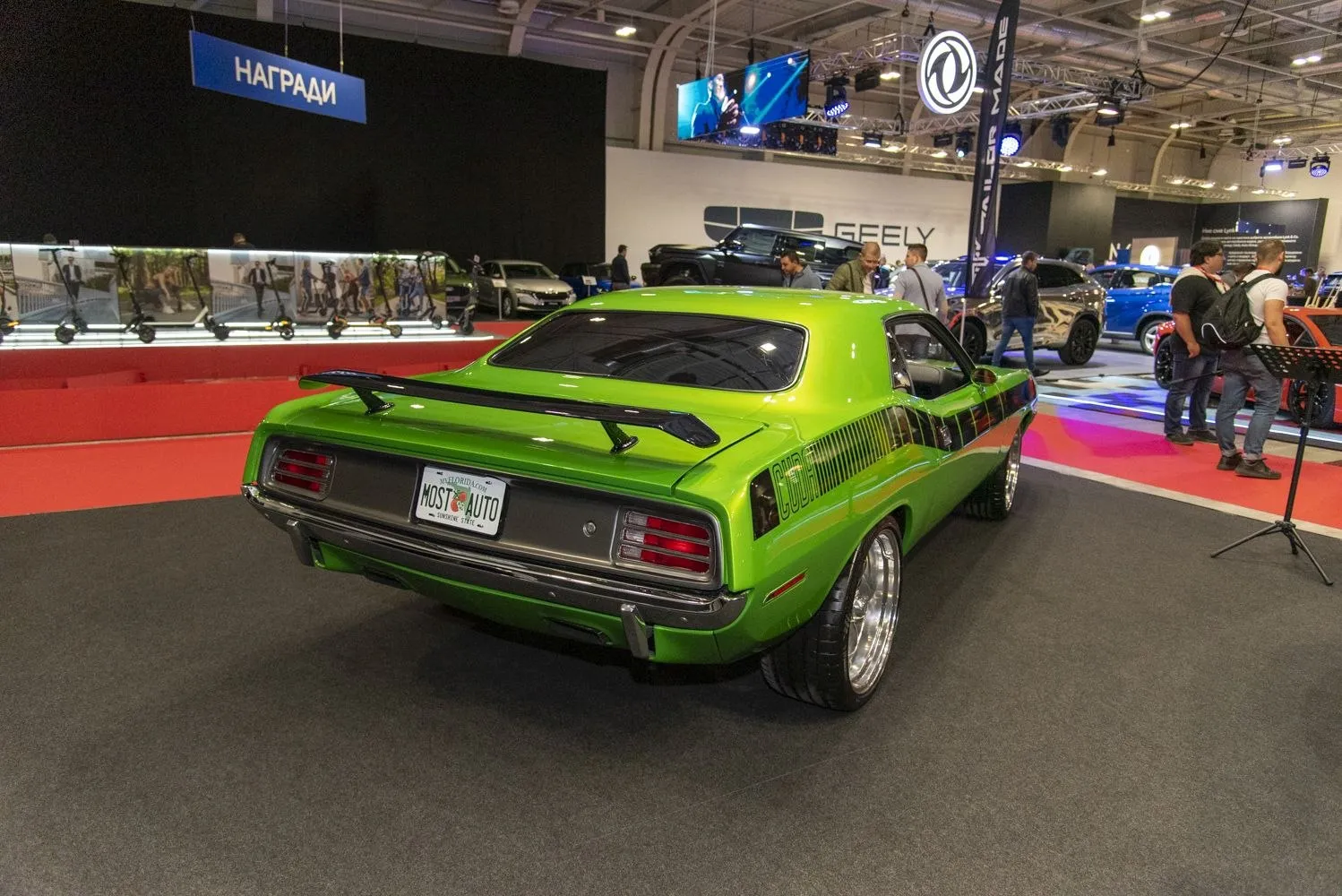
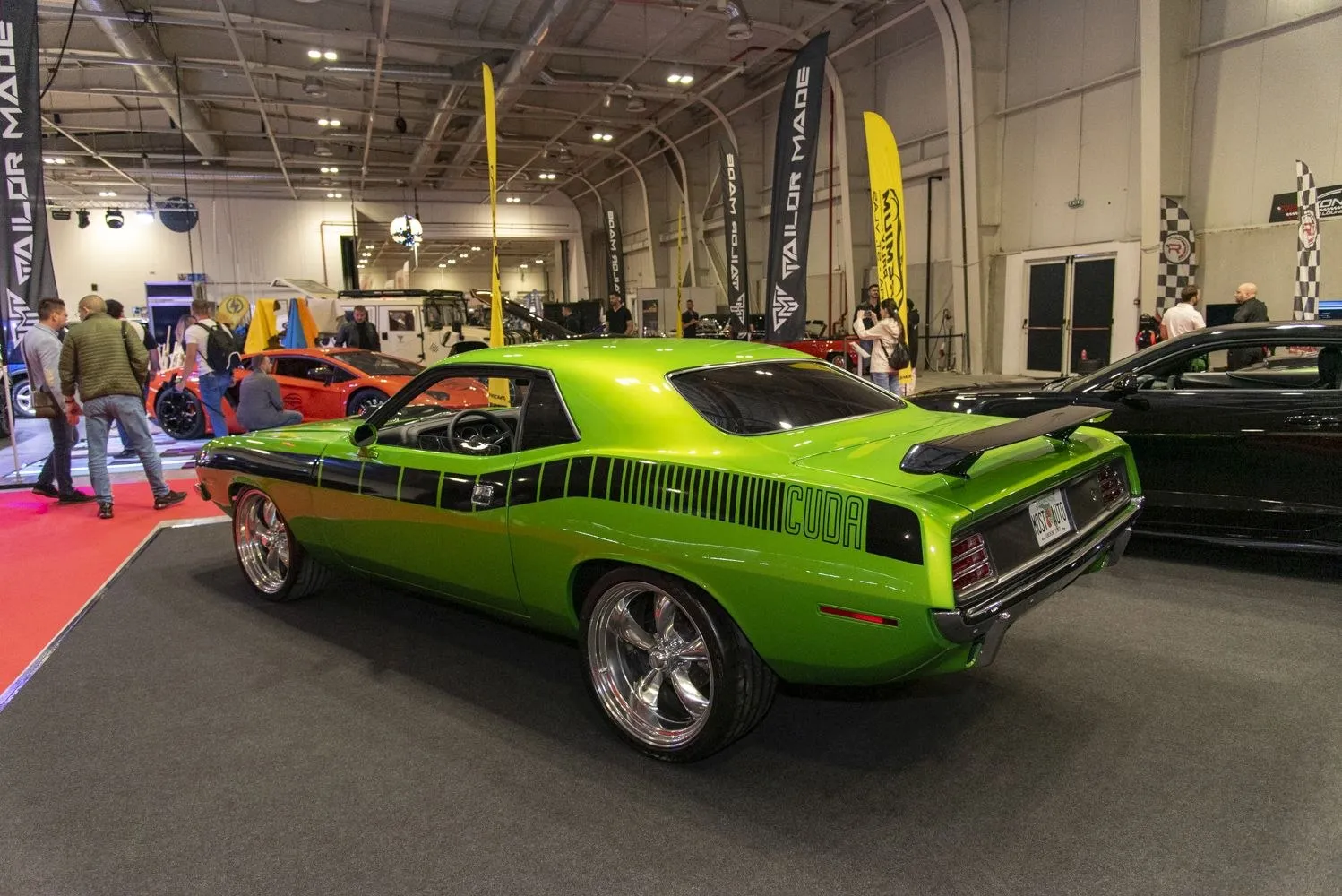
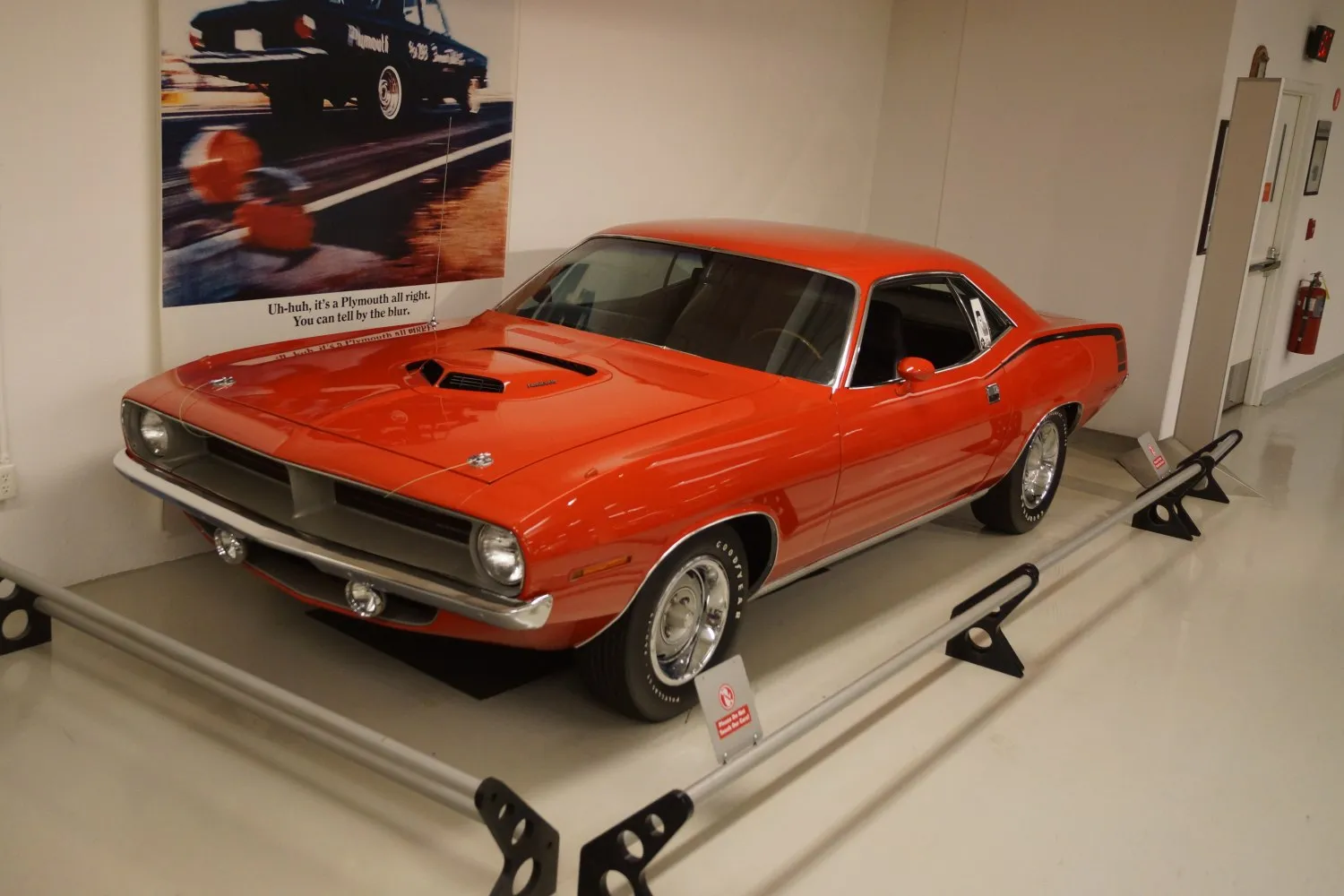
Plymouth Barracuda III 6.3 V8 (330 Hp)
Overall Rating
Plymouth Barracuda:
The Plymouth Barracuda is a two-door pony car that was manufactured by Chrysler Corporation from 1964 through 1974 model years.
The first-generation Barracuda was based on the Chrysler A-body and was offered from 1964 until 1966. A two-door hardtop fastback design, it shared a great majority of parts and bodywork with the Plymouth Valiant, except for the distinctive wraparound rear glass.
The second-generation Barracuda, though still Valiant-based, was heavily redesigned. Built from 1967 through 1969, it was available as a two-door in fastback, notchback, and convertible versions....(Read more on Wikipedia)
III Overview:
Plymouth Barracuda (III). With 576 Nm of torque, it offers ample pulling power. Rear‑wheel drive offers dynamic handling and sporty feedback. A two-door car with a fixed roof, known for its sporty design and dynamic performance. Seating for 4 makes it ideal for daily use.
The 1970 Plymouth Barracuda III predates modern safety testing standards like Euro NCAP. Safety features were rudimentary by today's standards, focusing on basic structural integrity and seatbelts.
6.3 V8 (330 Hp) Verdict:

Performance Verdict
Good, robust performance from this 383 V8 variant, offering ample power for spirited driving and highway cruising.
Fuel Economy
Poor fuel economy, consistent with other large V8s of the period, not designed for efficiency.
Pros and Cons:
Pros:
- • Iconic muscle car styling and presence
- • Wide range of powerful V8 engine options, including Hemi and Six-Barrel
- • Strong aftermarket support for parts and modifications
- • High collector's value, especially for rare trims
- • Engaging and raw driving experience
Cons:
- • Very poor fuel economy across most V8 models
- • Limited modern safety features and crash protection
- • Handling and braking are not up to modern standards
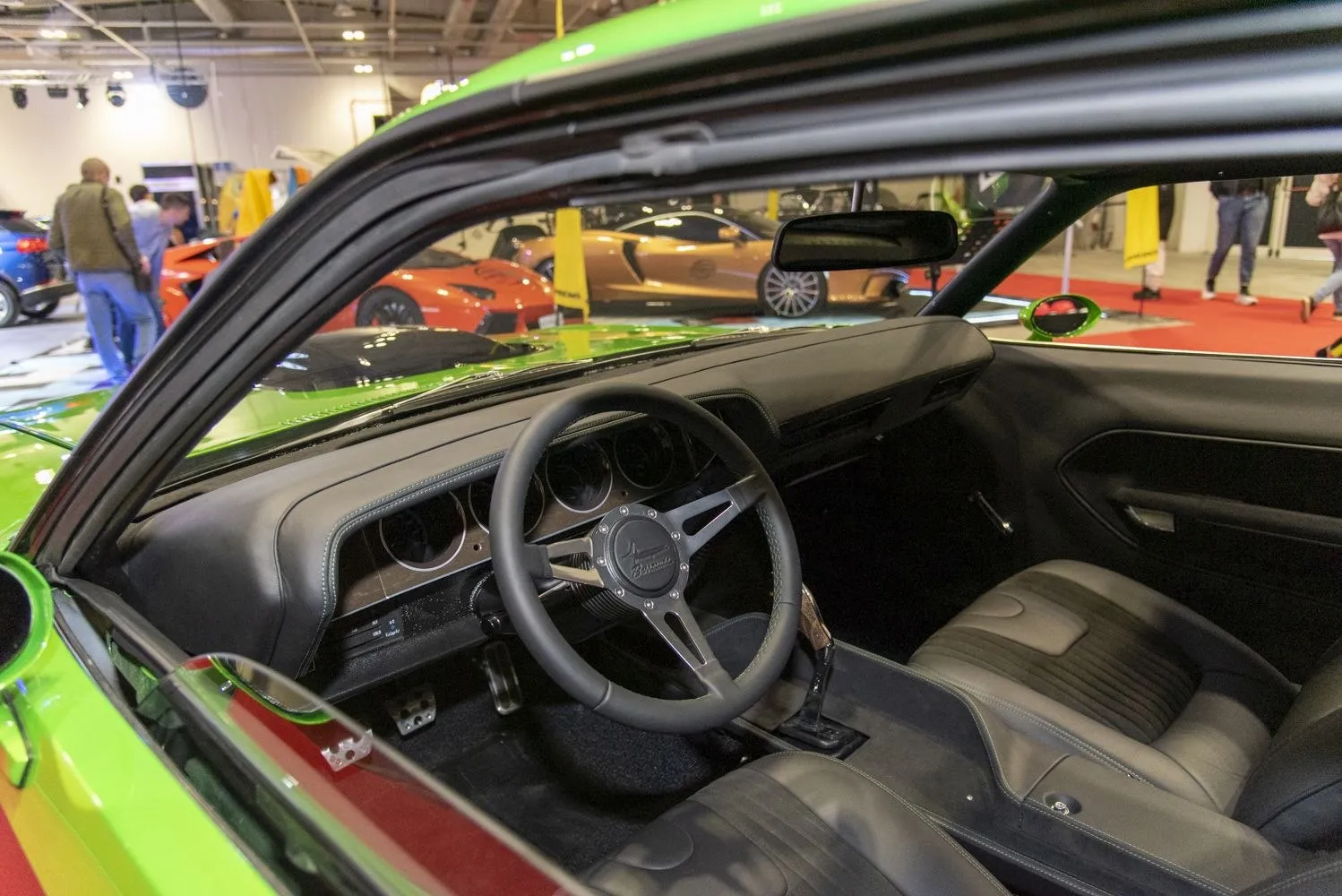
- • Interior comfort and refinement are basic
- • Rust can be a significant issue on unrestored examples
Specifications:
| General: | |
|---|---|
| Brand: | Plymouth |
| Model: | Barracuda |
| Generation: | III |
| Modification (Engine): | 6.3 V8 (330 Hp) |
| Start of production: | 1970 |
| End of production: | 1970 |
| Powertrain Architecture: | Internal Combustion engine |
| Body type: | Coupe |
| Seats: | 4 |
| Doors: | 2 |
| Engine: | |
|---|---|
| Power: | 330 Hp @ 5000 rpm. |
| Power per litre: | 52.6 Hp/l |
| Torque: | 576 Nm @ 3200 rpm. |
| Engine Model/Code: | B |
| Engine displacement: | 6277 |
| Number of cylinders: | 8 |
| Engine configuration: | V-engine |
| Number of valves per cylinder: | 2 |
| Fuel injection system: | Carburettor |
| Engine aspiration: | Naturally aspirated engine |
| Valvetrain: | OHV |
| Engine oil capacity: | 4.7 l |
| Engine layout: | Front, Longitudinal |
| Cylinder Bore: | 108 mm mm |
| Piston Stroke: | 85.7 mm mm |
| Compression ratio: | 9.5:1 |
| Performance: | |
|---|---|
| Fuel Type: | Petrol (Gasoline) |
| Space: | |
|---|---|
| Trunk (boot) space - minimum: | 167 l |
| Fuel tank capacity: | 72 l |
| Size: | |
|---|---|
| Length: | 4742 mm mm |
| Width: | 1902 mm mm |
| Height: | 1293 mm mm |
| Wheelbase: | 2743 mm mm |
| Front track: | 1516 mm |
| Rear (Back) track: | 1557 mm |
| Powertrain: | |
|---|---|
| Drivetrain Architecture | The Internal combustion engine (ICE) drives the rear wheels of the vehicle. |
| Drive wheel | Rear wheel drive |
| Number of gears | 3 |
| Transmission type | Manual |
| Front brakes | Drum, 254x63.5 mm |
| Rear brakes | Drum, 254x63.5 mm |
| Steering type | Cone worm with recirculation balls |
| Wheel rims size | 5J x 14; 6J x 14 |
| Front suspension | Independent torsion bar, double wishbone |
| Rear suspension | Rigid axle suspension, Leaf spring |







What’s the best feature of the Plymouth Barracuda? Tell us in the comments!