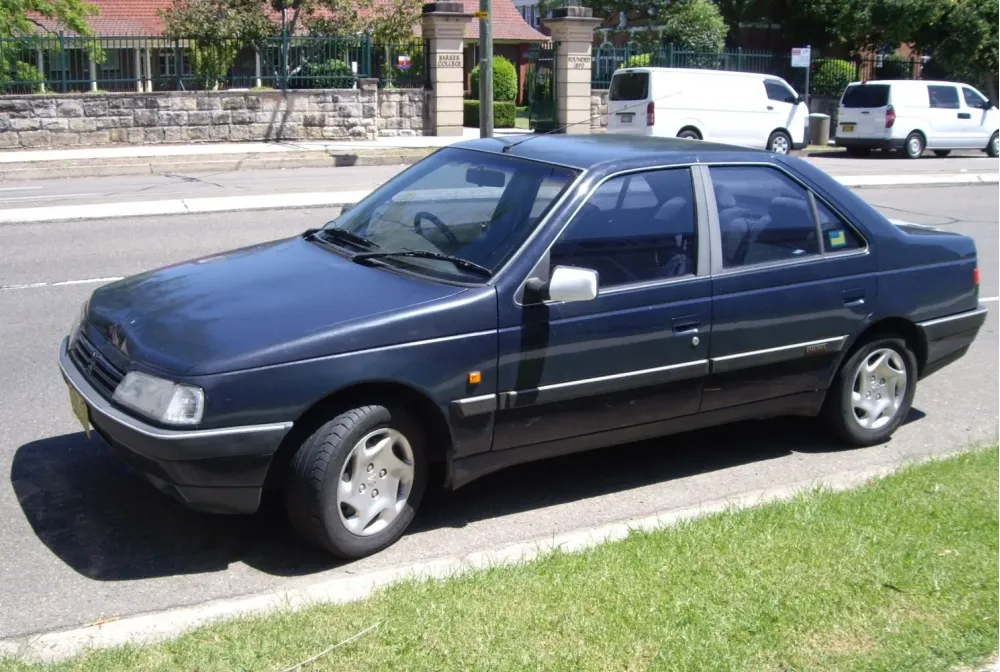
Click on image to view the full photo gallery
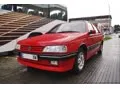
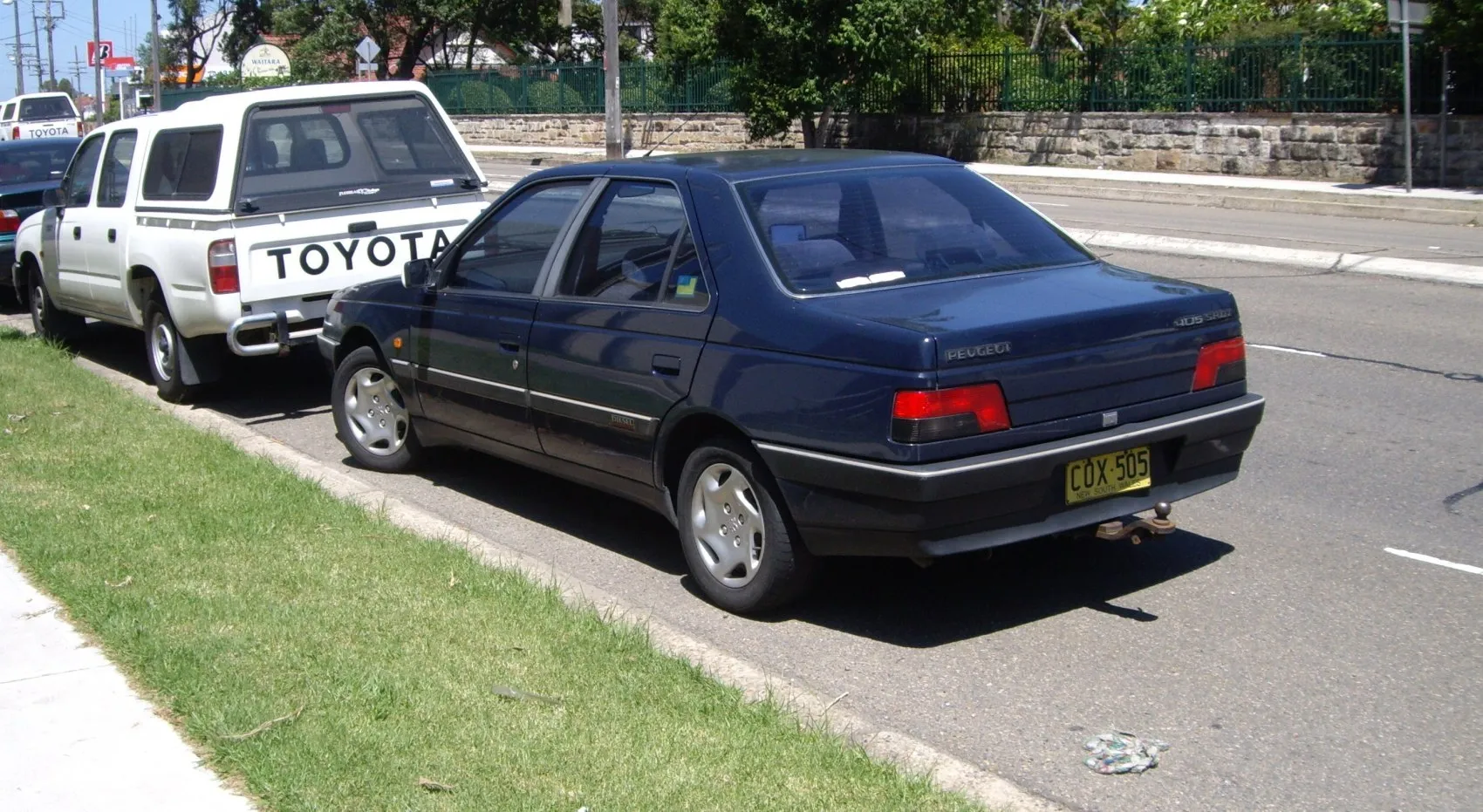
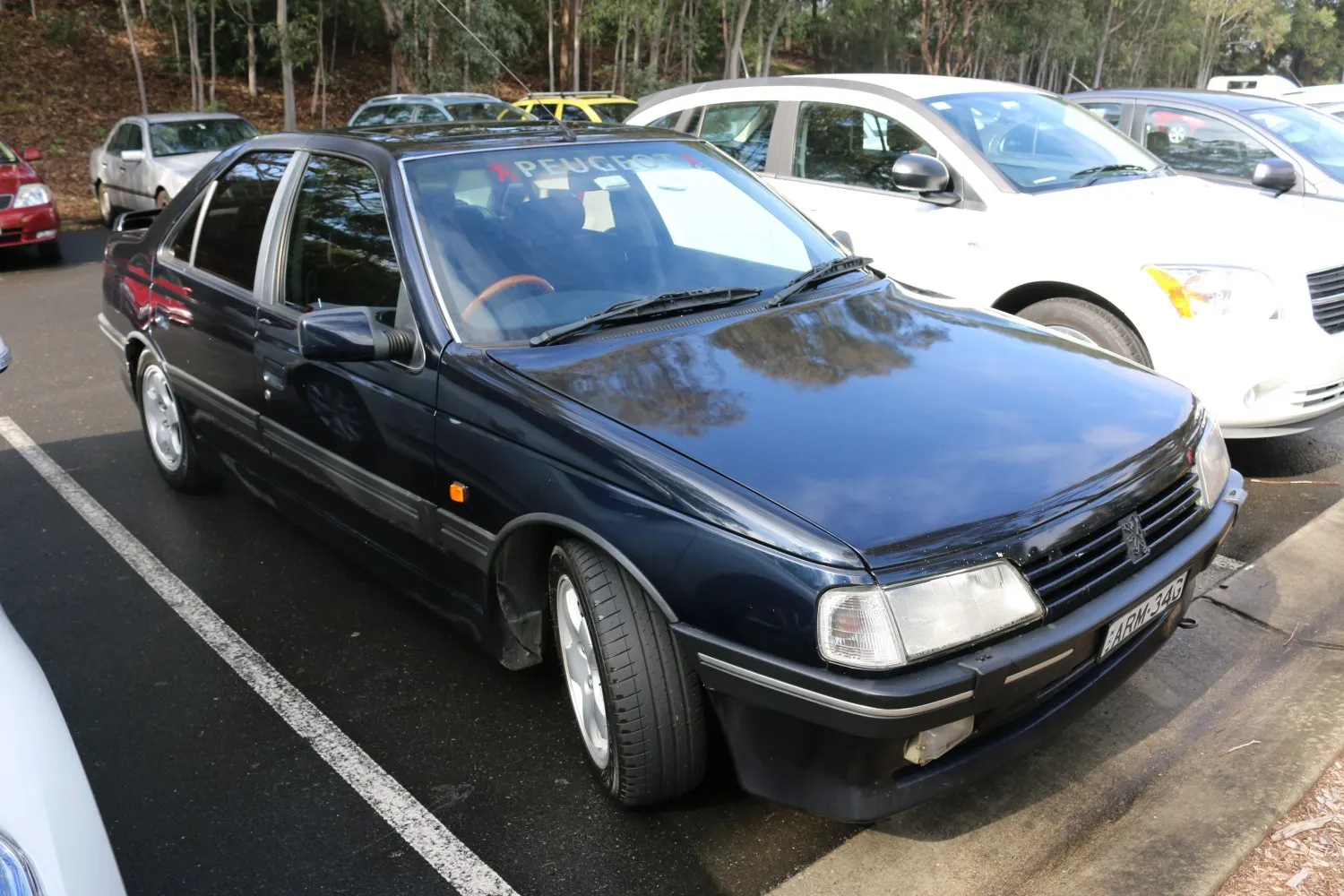
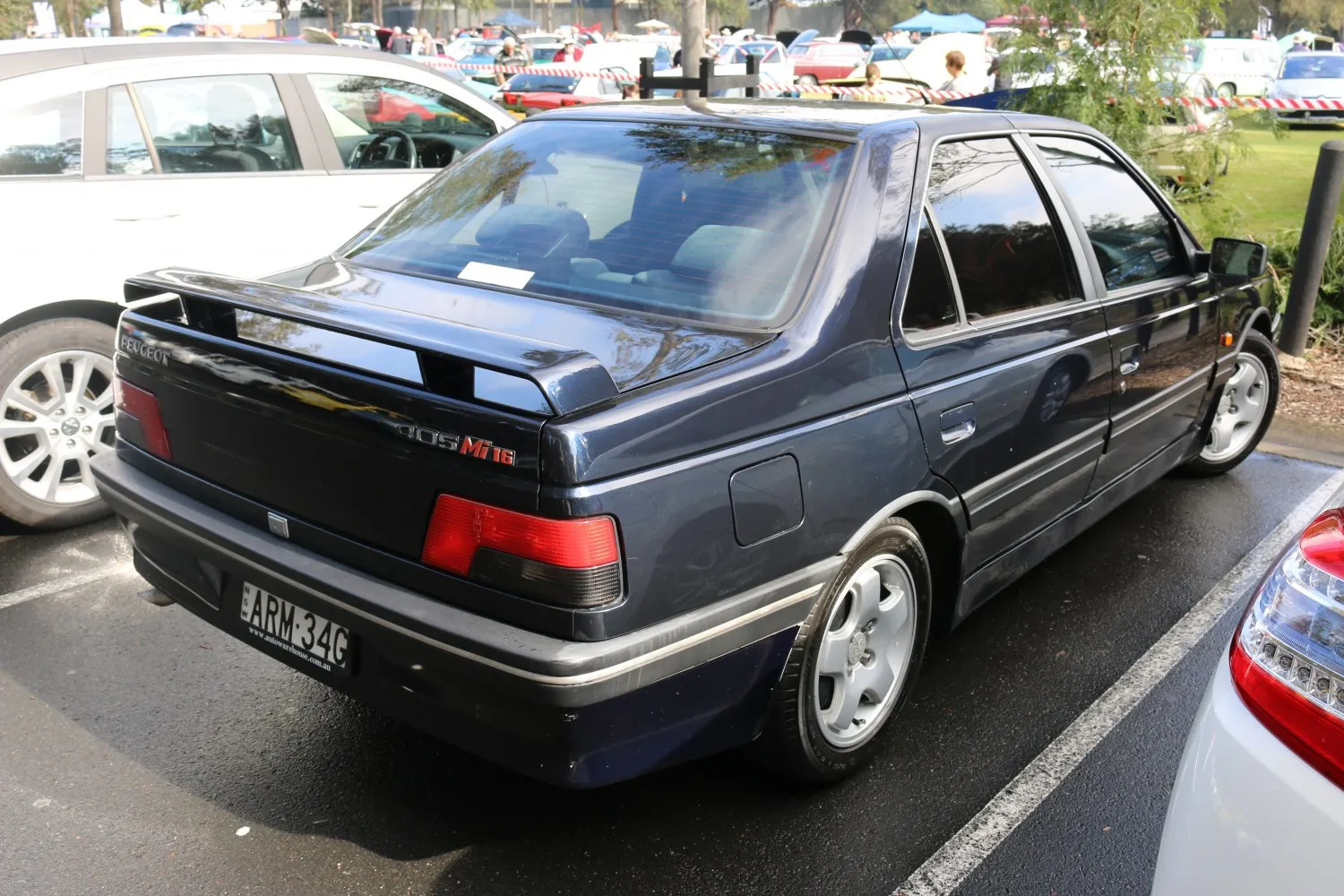
Peugeot 405 I (15B, facelift 1992) 1.4 (75 Hp)
Overall Rating
Peugeot 405:
The Peugeot 405 is a large family car manufactured by the French automaker Peugeot from 1987 to 1997. Its production continued under license from outside Europe in Iran by Iran Khodro Company until 2020. It was voted European Car of the Year for 1988 by the largest number of votes in the history of the contest. About 2. 5 million vehicles have been sold worldwide, both in left and right drive versions, as a saloon and estate. In early 2020, the 33-year production run of the Peugeot 405 was counted as the "twentieth most long-lived single generation car in history. "....(Read more on Wikipedia)
I (15B, facelift 1992) Overview:
Peugeot 405 (I (15B, facelift 1992)). With 113 Nm of torque, it offers ample pulling power. It has moderate fuel consumption (~8.3 l/100km). Weighing only 1020 kg, it’s quite light. Front‑wheel drive delivers efficiency and easy handling. Acceleration is relatively slow (0–100 km/h in 15.1 s). The top speed reaches 169 km/h. A four-door car with a separate trunk, ideal for families and daily commuting. Seating for 4 makes it ideal for daily use.
1.4 (75 Hp) Verdict:

Performance Verdict
A basic entry-level engine, best suited for urban environments and light duties, lacking power for highway overtaking.
Fuel Economy
Offers good fuel economy, making it the most cost-effective choice for city driving and short trips.
Pros and Cons:
Pros:
- • Wide range of engines, from economical diesels to high-performance petrols.
- • Comfortable ride quality and well-appointed interior for its class.
- • Good handling dynamics, especially in higher-spec models like the MI-16 and T16.
- • Spacious cabin and generous boot capacity.
- • Timeless design with the facelift bringing subtle modern touches.
Cons:
- • Older models may suffer from rust and electrical issues.
- • Some entry-level engines can feel underpowered.
- • Parts availability can be challenging for specific components on rarer trims.
- • Safety features are basic by modern standards (pre-Euro NCAP).
- • Fuel consumption on performance models can be high.
Specifications:
Specifications are compared to those of the previous generation(I (15B): 1989 - 1992).
| General: | |
|---|---|
| Brand: | Peugeot |
| Model: | 405 |
| Generation: | I (15B, facelift 1992) |
| Modification (Engine): | 1.4 (75 Hp) |
| Start of production: | 1992 |
| End of production: | 1996 |
| Powertrain Architecture: | Internal Combustion engine |
| Body type: | Sedan |
| Seats: | 4 |
| Doors: | 5 |
| Engine: | |
|---|---|
| Power: | 75 Hp @ 5800 rpm. Same horsepower |
| Power per litre: | 55.1 Hp/l [Same length.] |
| Torque: | 113 Nm @ 3400 rpm. |
| Engine Model/Code: | KDX TU3MC More details about the engine KDX TU3MC |
| Engine displacement: | 1360 |
| Number of cylinders: | 4 |
| Engine configuration: | Inline |
| Fuel injection system: | Multi-port manifold injection |
| Engine aspiration: | Naturally aspirated engine |
| Engine oil capacity: | 3.2 l |
| Engine layout: | Front, Transverse |
| Performance: | |
|---|---|
| Fuel Type: | Petrol (Gasoline) |
| Fuel consumption (economy) - urban: | 8.3 l/100 km |
| Fuel consumption (economy) - extra urban: | 5.6 l/100 km |
| Acceleration 0 - 100 km/h: | 15.1 sec |
| Acceleration 0 - 62 mph: | 15.1 sec |
| Maximum speed: | 169 km/h |
| Weight-to-power ratio: | 13.6 kg/Hp, 73.5 Hp/tonne |
| Weight-to-torque ratio: | 9 kg/Nm, 110.8 Nm/tonne |
| Acceleration 0 - 60 mph: | 14.3 sec |
| Space: | |
|---|---|
| Kerb Weight: | 1020 |
| Max. weight: | 1500 |
| Max load: | 480 |
| Trunk (boot) space - minimum: | 470 l |
| Permitted trailer load with brakes (12%): | 1200 kg |
| Fuel tank capacity: | 70 l |
| Size: | |
|---|---|
| Length: | 4408 mm mm [Same length.] |
| Width: | 1714 mm mm [Same width.] |
| Height: | 1406 mm mm [Same height.] |
| Wheelbase: | 2669 mm mm [Same wheelbase.] |
| Front track: | 1450 mm |
| Rear (Back) track: | 1443 mm |
| Front overhang: | 817 mm |
| Rear overhang: | 922 mm |
| Powertrain: | |
|---|---|
| Drivetrain Architecture | The Internal combustion engine (ICE) drives the front wheels of the vehicle. |
| Drive wheel | Front wheel drive |
| Number of gears | 5 |
| Transmission type | Manual |
| Front brakes | Disc [bad for performance and cooling.] |
| Rear brakes | Drum [bad for performance and cooling.] |
| Steering type | Steering rack and pinion |
| Power steering | Hydraulic Steering |
| Tires size | 165/70 R14 |
| Wheel rims size | 14 |
| Front suspension | Independent, type McPherson with coil spring and anti-roll bar |
| Rear suspension | Torsion |






Help others decide – share your experience!