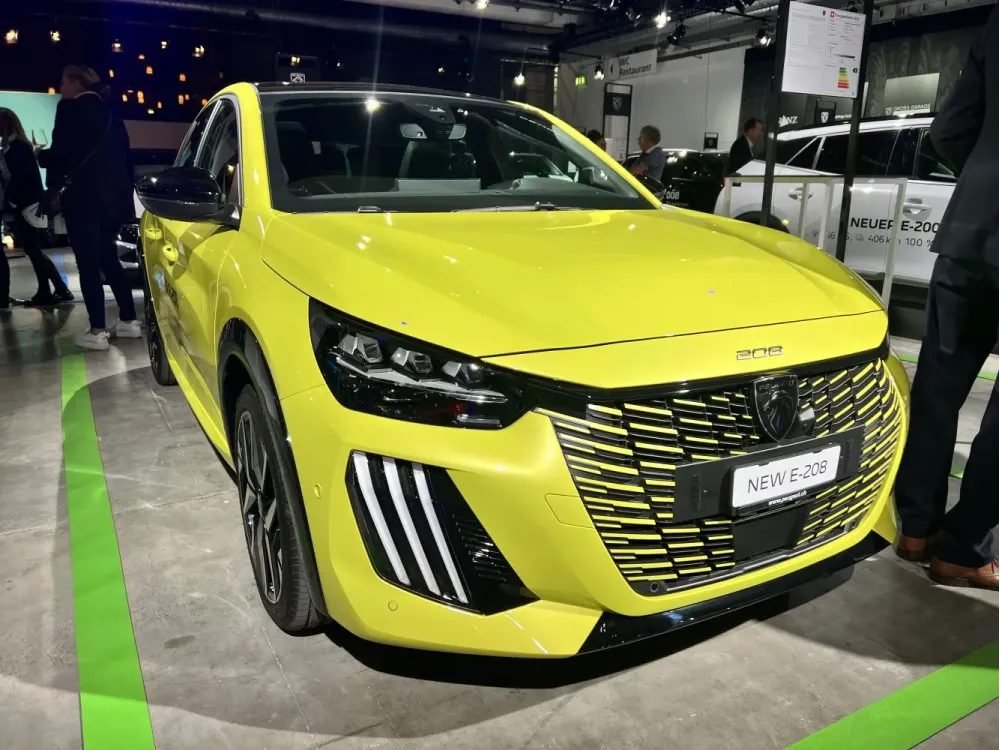
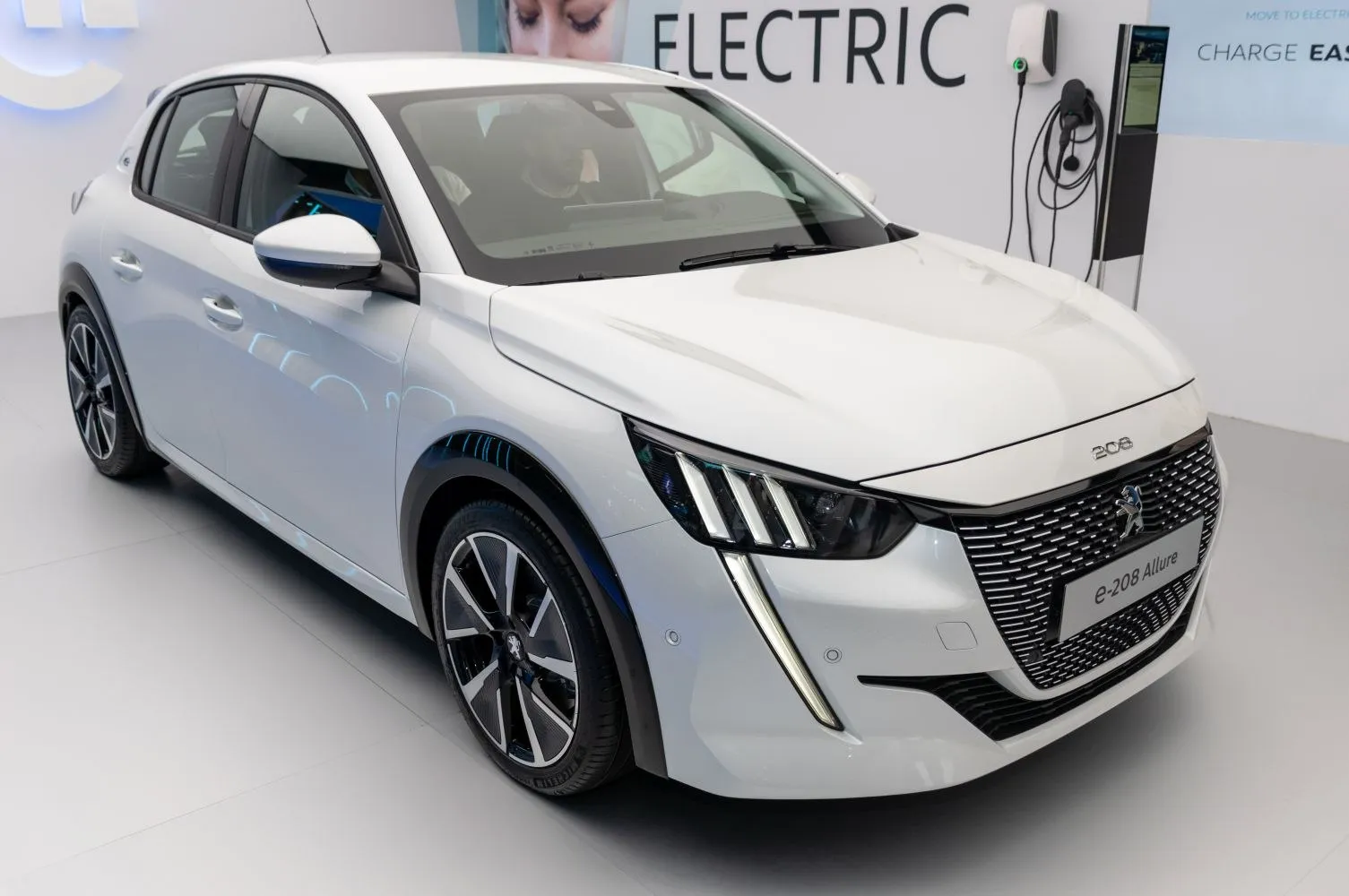
Peugeot 208 II (Phase II, 2023) 1.2 (136 Hp) Mild Hybrid Automatic
People\'s Opinion
N/A / 5
Peugeot 208:
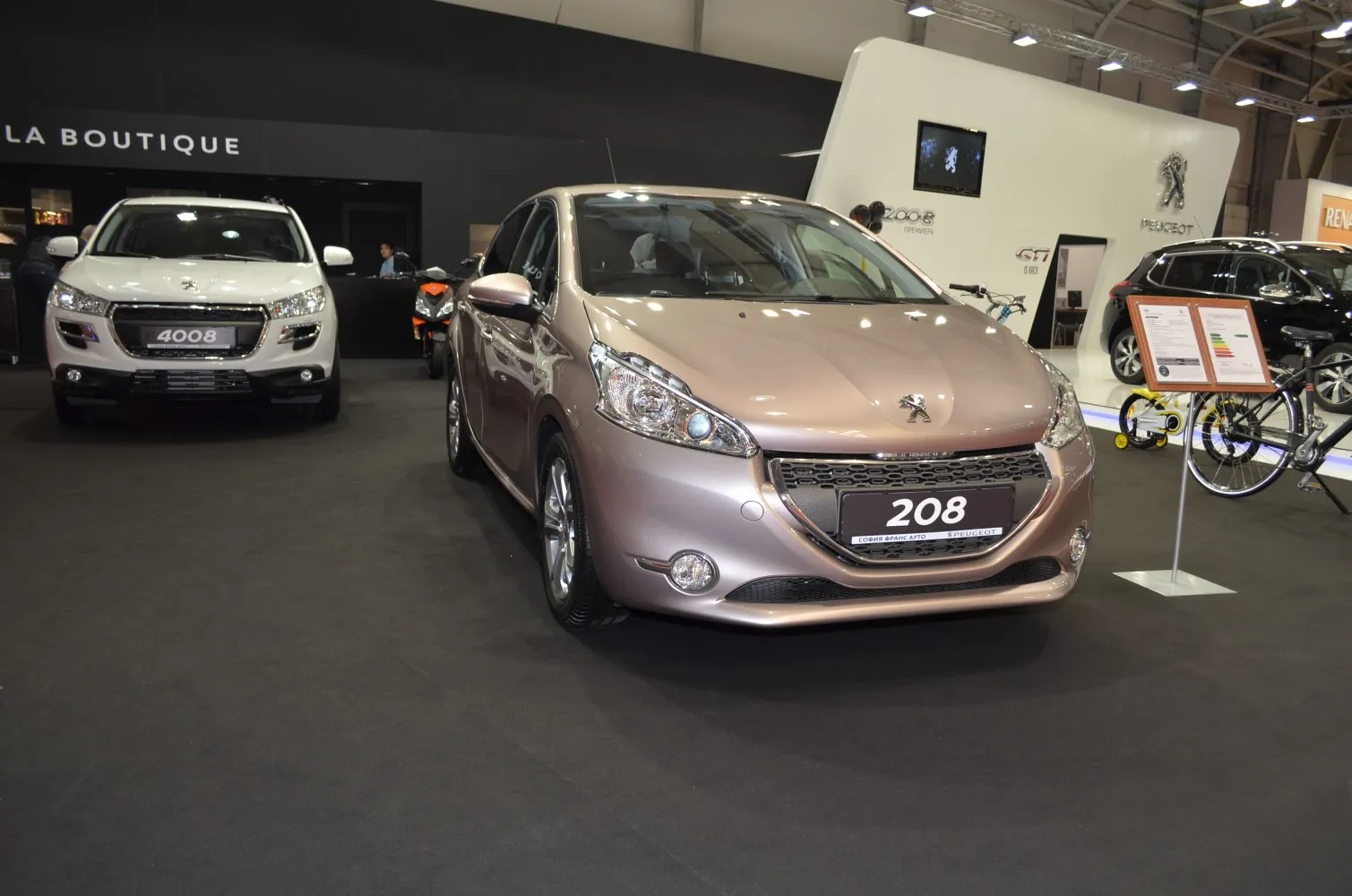
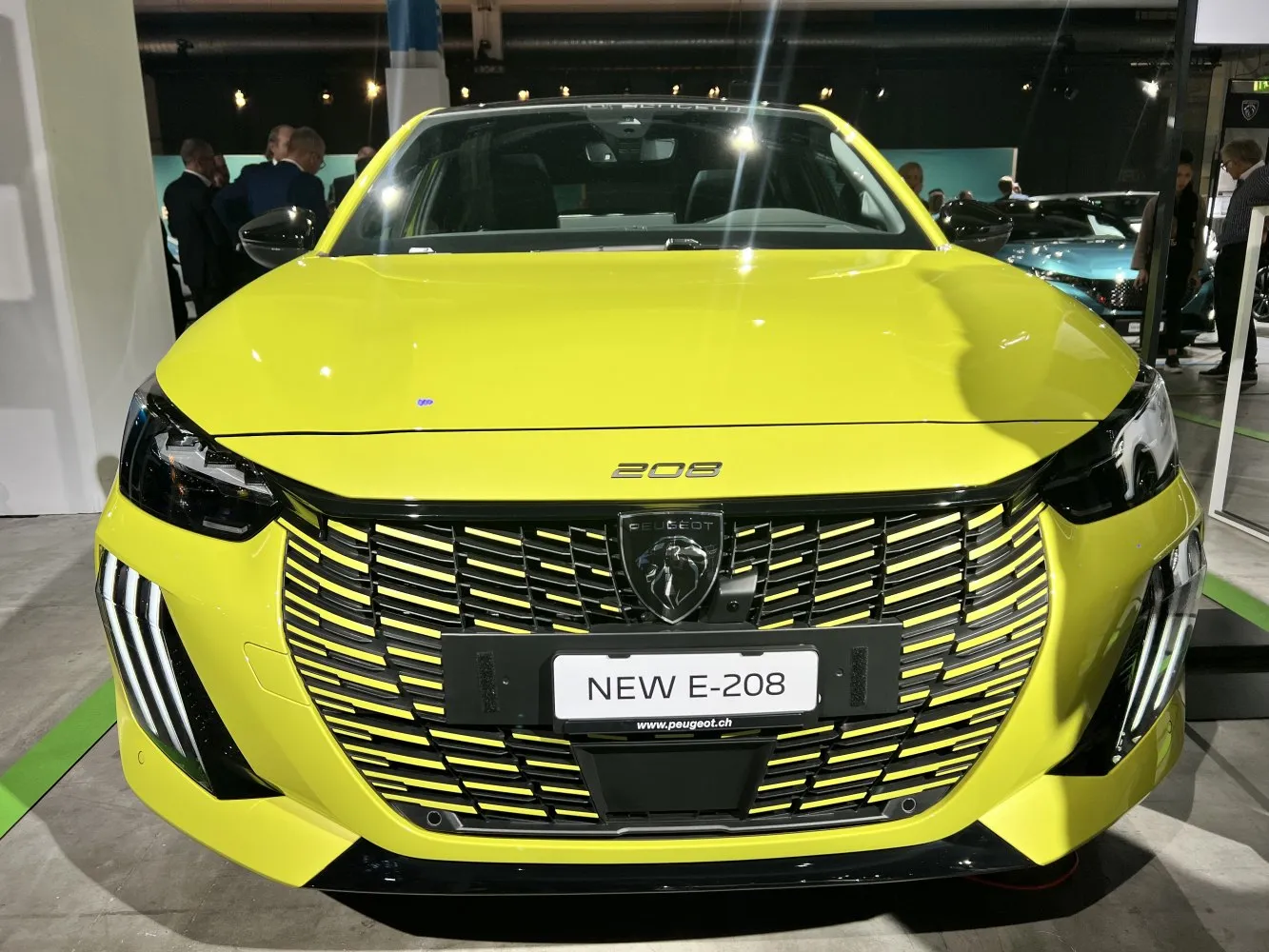
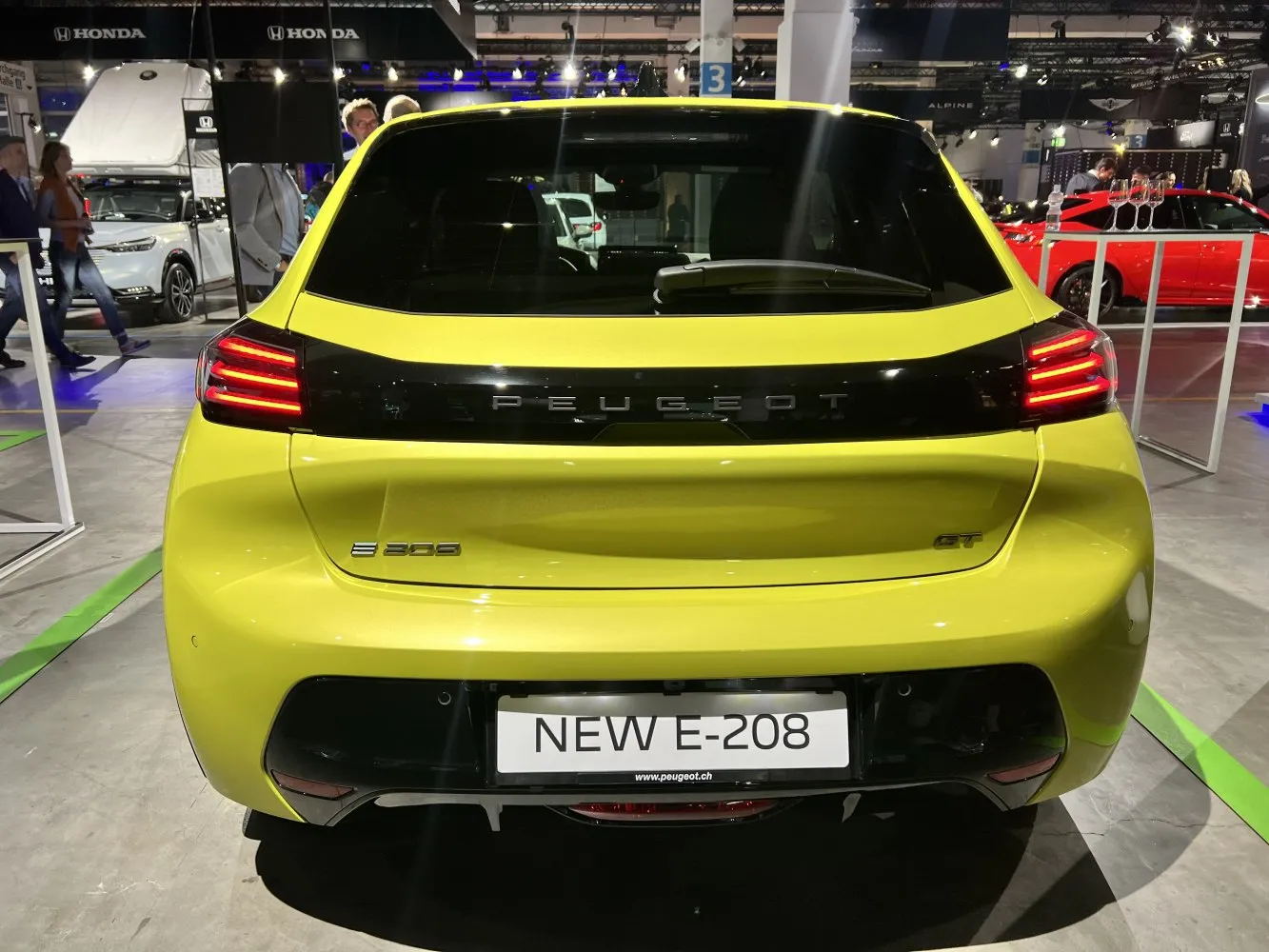
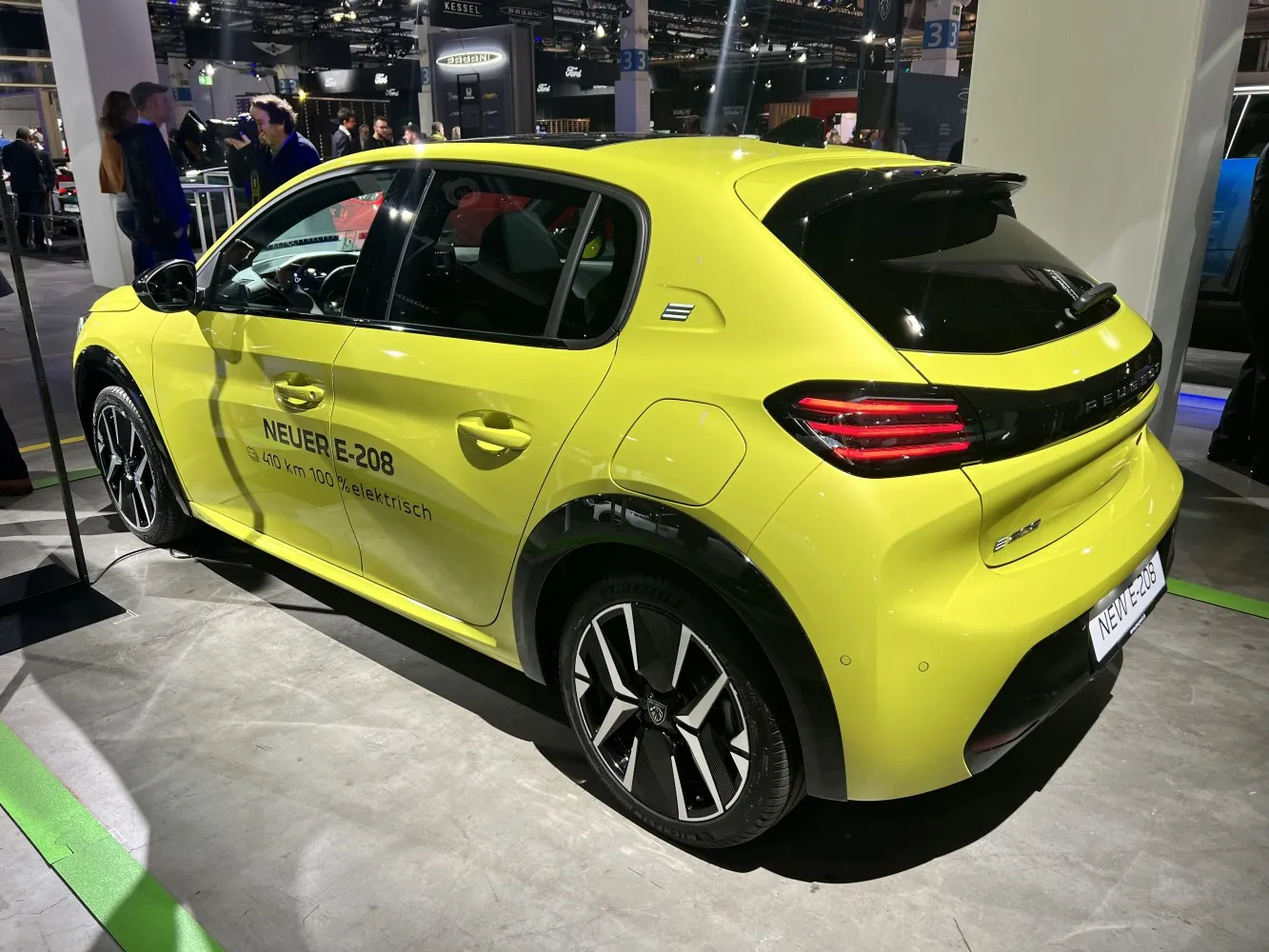
The Peugeot 208 is a supermini car produced by the French automaker Peugeot. Unveiled at the Geneva Motor Show in March 2012 and positioned below the larger 308, the 208 replaced the 207 in 2012, and the second generation model was introduced in 2019.
The 208 was designed by a team under the direction of Pierre Authier who also designed the Peugeot 2008 Mk1. In November 2011, the initial 208 models were three-door hatchbacks produced at Peugeot's new plant in Trnava, Slovakia. As five-door hatchbacks became available in June 2012, production also started at Peugeot's French plants located in Mulhouse and Poissy....(Read more on Wikipedia)
II (Phase II, 2023) Overview:
Peugeot 208 (II (Phase II, 2023)). With 230 Nm of torque, it offers ample pulling power. Weighing only 1228 kg, it’s quite light. Front‑wheel drive delivers efficiency and easy handling. Acceleration is good (0–100 km/h in 8.1 s). The top speed reaches 214 km/h. A compact car with a rear door that swings upward to provide access to the cargo area. Seating for 5 makes it ideal for daily use.
Performance Verdict
Smooth and responsive acceleration, benefiting from the mild-hybrid boost and seamless automatic transmission, ideal for relaxed driving.
Fuel Economy
Combines the efficiency of mild-hybrid technology with the convenience of an automatic gearbox, offering excellent fuel economy for its class.
Best Use Case:
Mixed Driving / Comfortable Commute
Pros and Cons:
Pros:
- • Stylish and distinctive exterior design
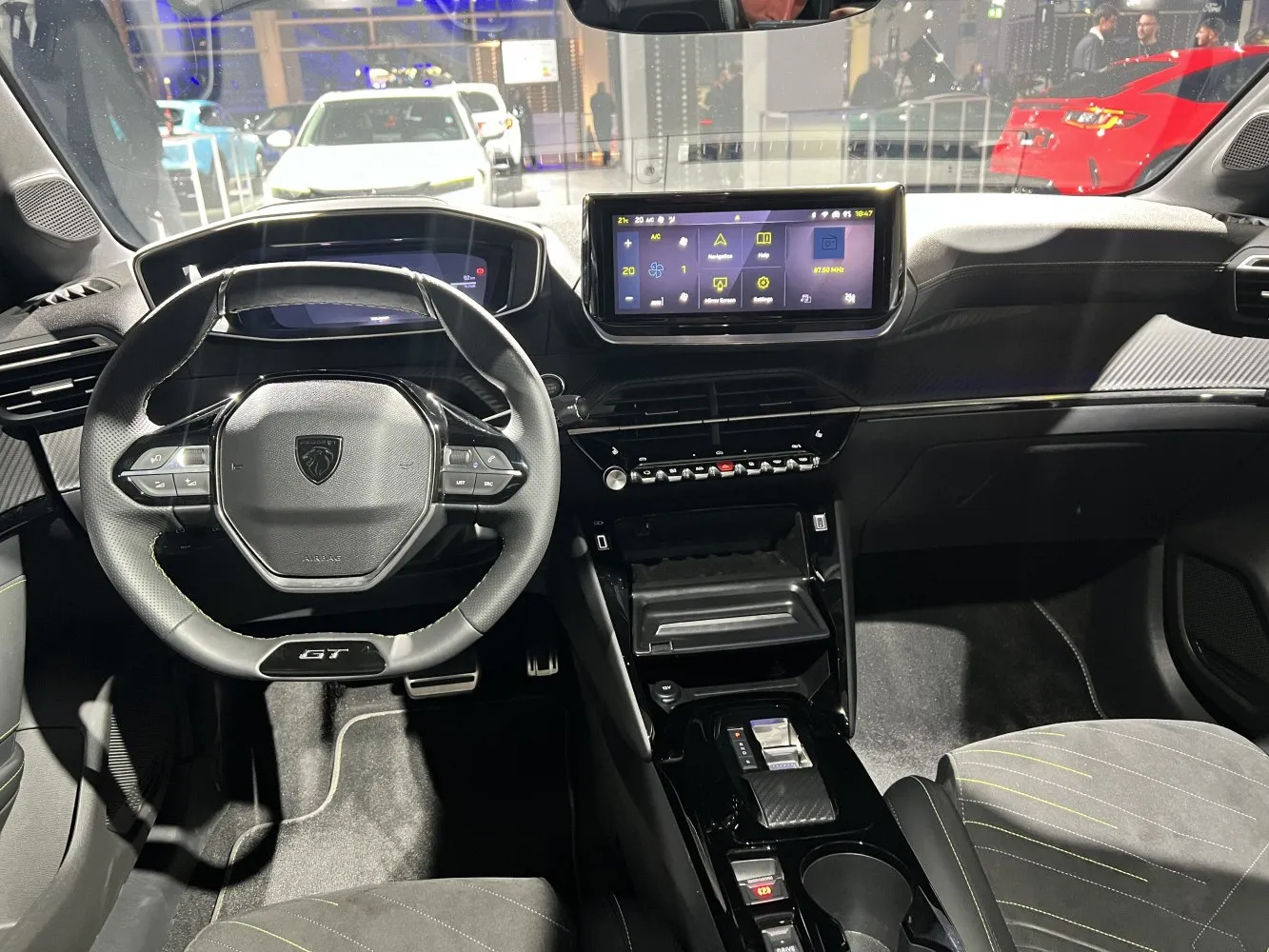
- • Modern and high-quality interior with i-Cockpit
- • Wide range of efficient powertrains, including full electric and mild-hybrid
- • Comfortable ride quality for a supermini
- • Good technology and infotainment features
Cons:
- • i-Cockpit layout may not suit all drivers
- • Rear passenger space can be tight for adults on longer journeys
- • Some PureTech engines have had historical reliability concerns (though newer versions improved)
- • Entry-level petrol engine can feel underpowered on highways
- • Higher trims can be expensive
Specifications:
Specifications are compared to those of the previous generation(I (Phase II, 2015): November, 2016 - 2019).
| General: |
| Brand: | Peugeot |
|---|
| Model: | 208 |
|---|
| Generation: | II (Phase II, 2023) |
|---|
| Modification (Engine): | 1.2 (136 Hp) Mild Hybrid Automatic |
|---|
| Start of production: | September, 2023 |
|---|
| End of production: | March, 2025 |
|---|
| Powertrain Architecture: | MHEV (Mild Hybrid Electric Vehicle, power-assist hybrid, battery-assisted hybrid vehicles, BAHV) |
|---|
| Body type: | Hatchback |
|---|
| Seats: | 5 |
|---|
| Doors: | 5 |
|---|
| Engine: |
| Engine systems: | Particulate filter |
|---|
| Power: | 136 Hp @ 5500 rpm. Same horsepower |
|---|
| Power per litre: | 113.4 Hp/l [82mm more] |
|---|
| Torque: | 230 Nm @ 1750 rpm. |
|---|
| Engine Model/Code: | HN09 More details about the engine HN09 |
|---|
| Engine displacement: | 1199 |
|---|
| Number of cylinders: | 3 |
|---|
| Engine configuration: | Inline |
|---|
| Number of valves per cylinder: | 4 |
|---|
| Fuel injection system: | Direct injection |
|---|
| Engine aspiration: | Turbocharger, Intercooler |
|---|
| Engine oil capacity: | 3.5 l |
|---|
| Engine layout: | Front, Transverse |
|---|
| Performance: |
| Fuel Type: | Petrol (Gasoline) |
|---|
| Combined fuel consumption (WLTP): | 4.6-4.7 l/100 km |
|---|
| Emission standard: | Euro 6d |
|---|
| Acceleration 0 - 100 km/h: | 8.1 sec |
|---|
| Acceleration 0 - 62 mph: | 8.1 sec |
|---|
| Maximum speed: | 214 km/h |
|---|
| Weight-to-power ratio: | 9 kg/Hp, 110.7 Hp/tonne |
|---|
| Weight-to-torque ratio: | 5.3 kg/Nm, 187.3 Nm/tonne |
|---|
| Acceleration 0 - 60 mph: | 7.7 sec |
|---|
| Space: |
| Kerb Weight: | 1228 |
|---|
| Max. weight: | 1690 |
|---|
| Max load: | 462 |
|---|
| Trunk (boot) space - maximum: | 1163 l |
|---|
| Trunk (boot) space - minimum: | 387 l |
|---|
| Permitted trailer load with brakes (12%): | 1200 kg |
|---|
| Size: |
| Length: | 4055 mm [82mm more] |
|---|
| Width: | 1745 mm [84mm less] |
|---|
| Height: | 1430 mm [30mm less] |
|---|
| Wheelbase: | 2540 mm [2mm more] |
|---|
| Width with mirrors folded: | 1765 mm |
|---|
| Width including mirrors: | 1960 mm |
|---|
| Front track: | 1500 mm |
|---|
| Rear (Back) track: | 1500 mm |
|---|
| Front overhang: | 825 mm |
|---|
| Rear overhang: | 690 mm |
|---|
| Powertrain: |
| Drivetrain Architecture | The Internal combustion engine (ICE) and electric motor drive the front wheels of the car with the ability to work only in mixed mode. |
|---|
| Drive wheel | Front wheel drive |
|---|
| Number of gears | 6 |
|---|
| Transmission type | Automatic |
|---|
| Front brakes | Disc, 283x26 mm |
|---|
| Rear brakes | Disc, 249x10 mm |
|---|
| Assisting systems | ABS (Anti-lock braking system) |
|---|
| Steering type | Steering rack and pinion |
|---|
| Power steering | Electric Steering |
|---|
| Tires size | 205/45 R17 H |
|---|
| Wheel rims size | 17 |
|---|
| Front suspension | Independent type McPherson |
|---|
| Rear suspension | Elastic beam |
|---|
| Electric: |
| Net (usable) battery capacity: | 0.43 kWh |
|---|
| Gross battery capacity: | 0.89 kWh |
|---|
| Battery technology: | Lithium-ion (Li-Ion) |
|---|
| Battery voltage: | 48 V |
|---|









Show off your Peugeot 208 knowledge – drop a review below!