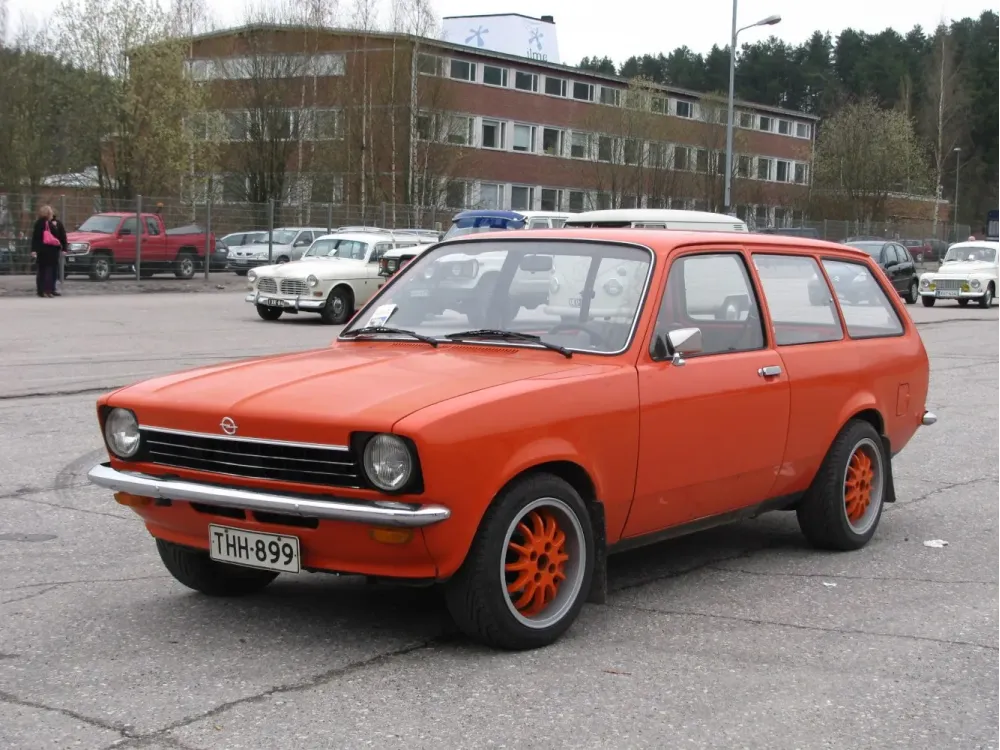
Click on image to view the full photo gallery
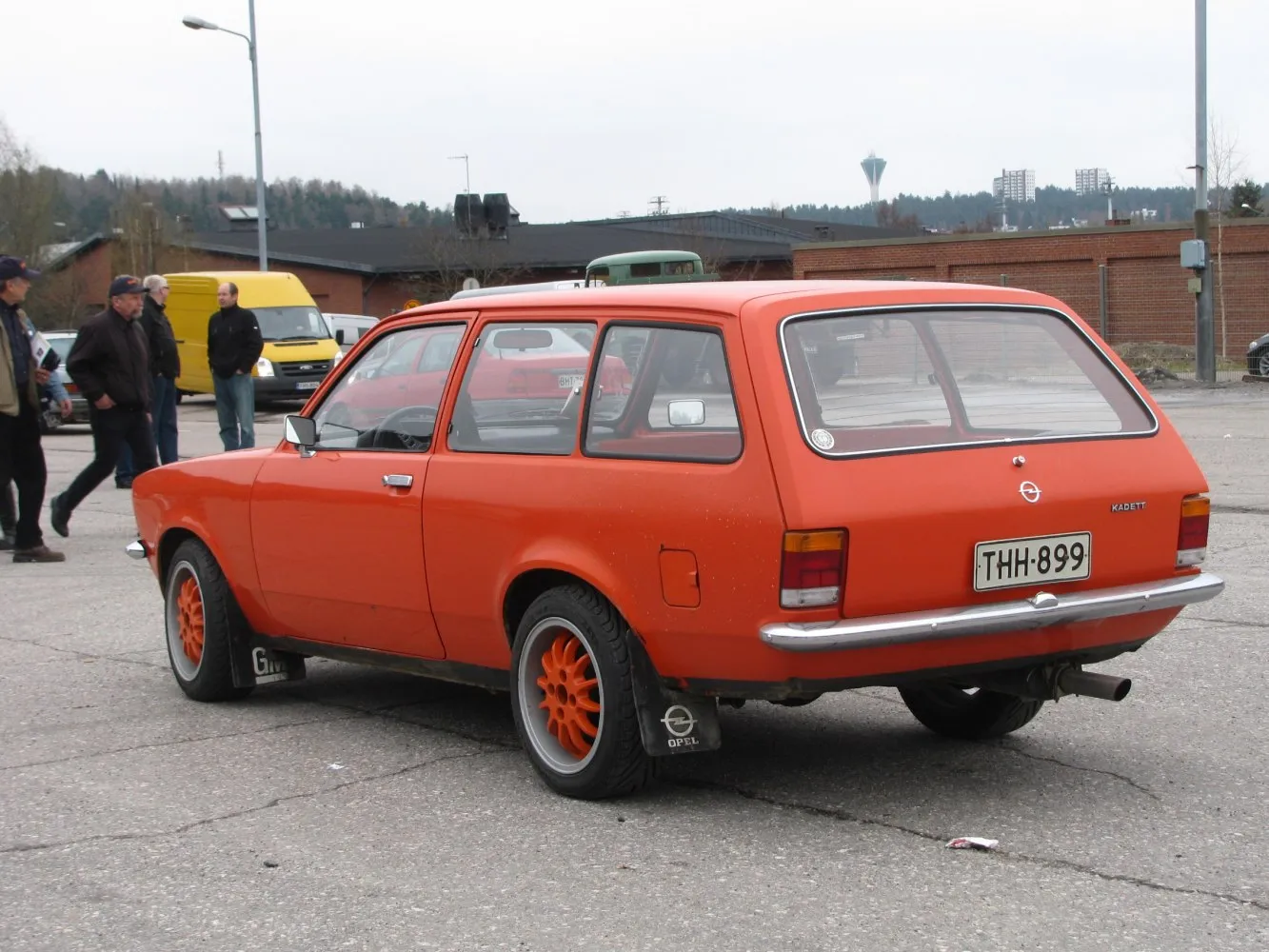
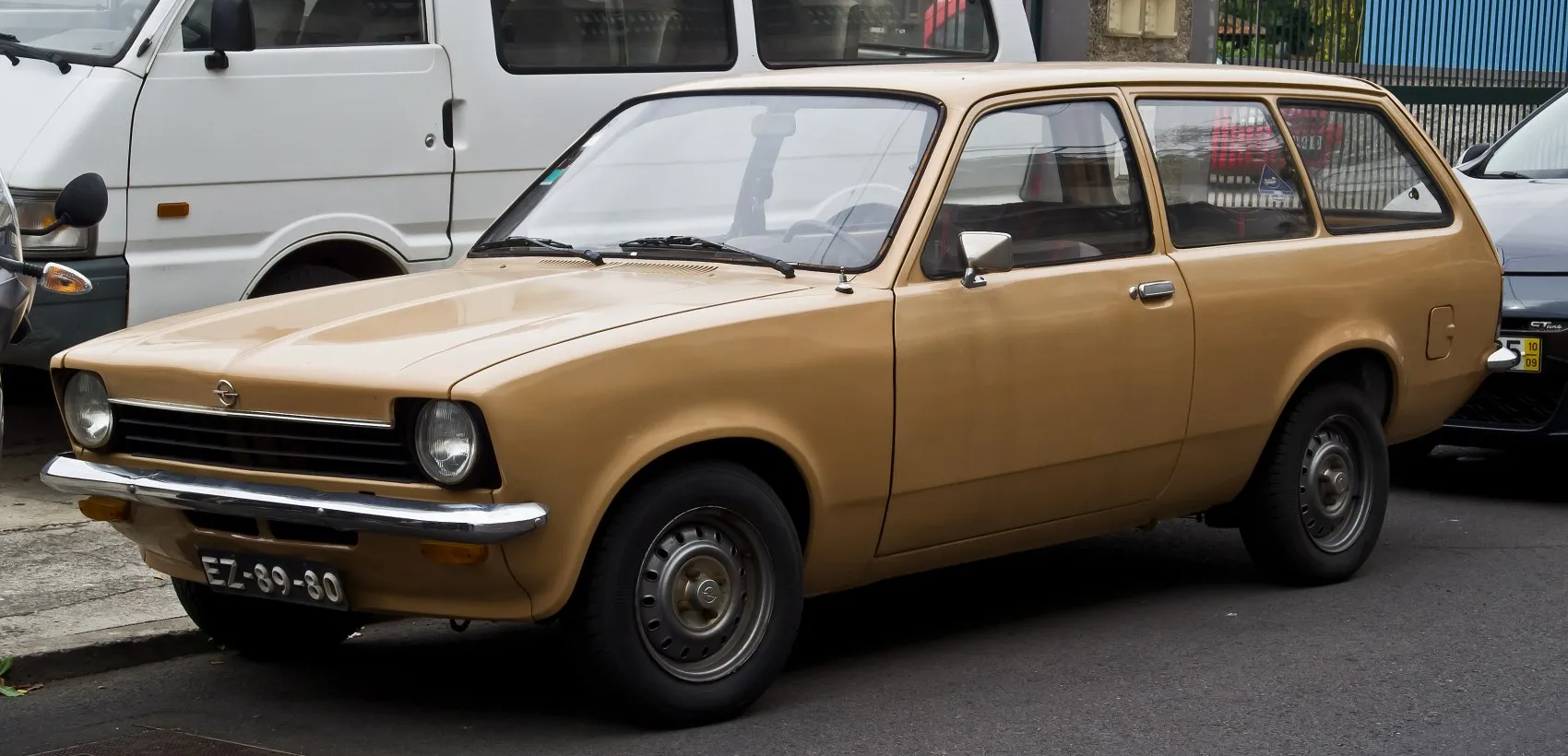
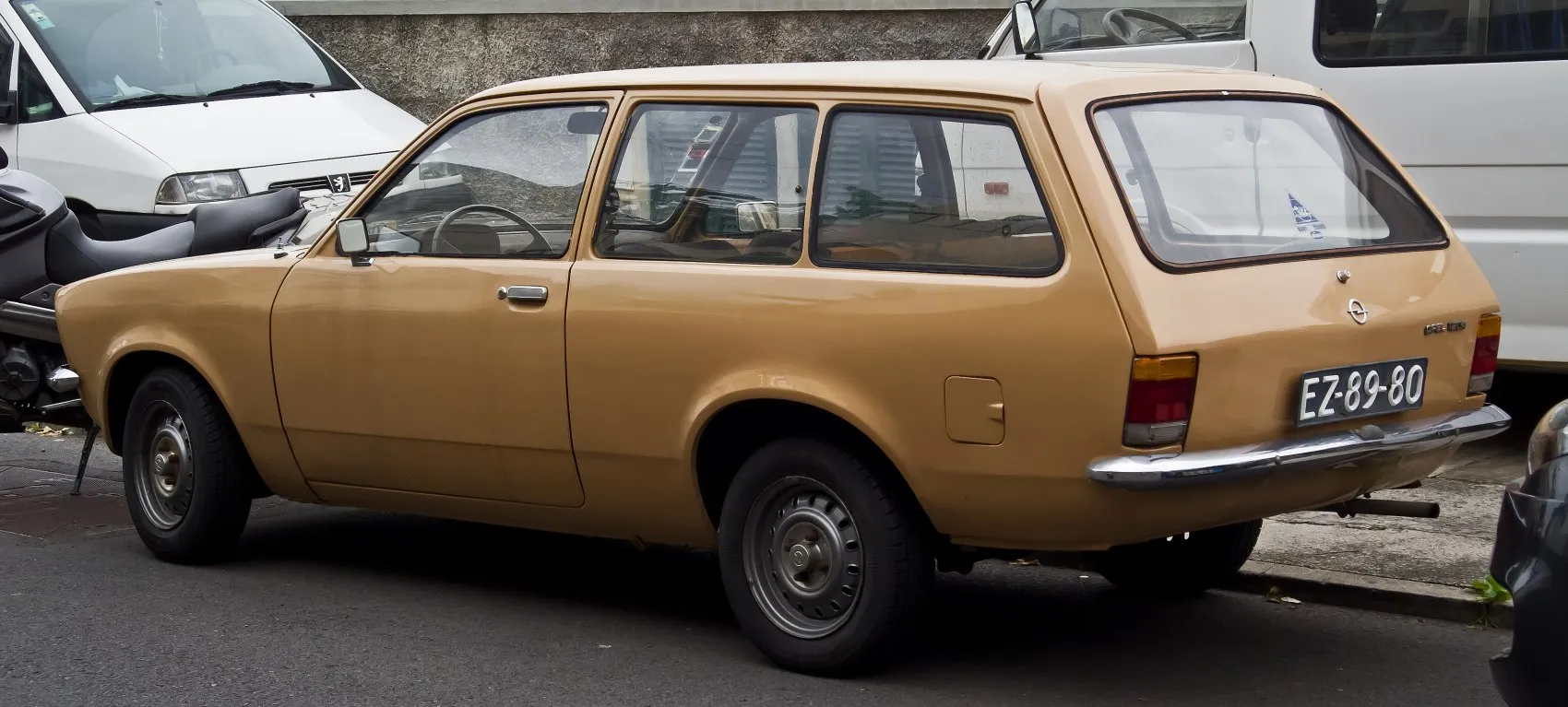
Opel Kadett C Caravan 1.0 (40 Hp)
Overall Rating
Opel Kadett:
The Opel Kadett is a small family car produced by the German automobile manufacturer Opel from 1936 until 1940 and then from 1962 until 1991 , when it was succeeded by the Opel Astra.
Originally, the Kadett was Opel's smallest model; however, as it grew in size with each generation , the Opel Corsa became GM/Opel's entry-level model.
The first Opel car to carry the Kadett name was presented to the public in December 1936 by Opel's commercial-technical director, Heinrich Nordhoff, who would in later decades become known for his leadership role in building up the Volkswagen company. Production was interrupted in 1940 by World War II....(Read more on Wikipedia)
C Caravan Overview:
Opel Kadett (C Caravan). With 70 Nm of torque, it offers ample pulling power. Weighing only 820 kg, it’s quite light. Front‑wheel drive delivers efficiency and easy handling. Acceleration is relatively slow (0–100 km/h in 28 s). The top speed reaches 122 km/h. A car with an extended rear cargo area, combining passenger comfort with increased storage. Seating for 5 makes it ideal for daily use.
1.0 (40 Hp) Verdict:

Performance Verdict
Extremely modest performance, primarily suited for urban environments and light loads with minimal demands.
Fuel Economy
Offers the best fuel economy of the lineup, reflecting its small displacement and low power output.
Pros and Cons:
Pros:
- • Excellent practicality and cargo space for its size
- • Simple, robust, and easy-to-maintain mechanics
- • Classic rear-wheel-drive handling characteristics
- • Strong community and parts availability for enthusiasts
- • Good value as a classic utility vehicle
Cons:
- • Basic safety features by modern standards
- • Modest performance on most engine trims
- • Dated technology and interior amenities
- • Susceptible to rust, especially in older models
- • Fuel economy is not competitive with modern vehicles
Specifications:
Specifications are compared to those of the previous generation(B Coupe: 1965 - 1973).
| General: | |
|---|---|
| Brand: | Opel |
| Model: | Kadett |
| Generation: | C Caravan |
| Modification (Engine): | 1.0 (40 Hp) |
| Start of production: | 1973 |
| End of production: | 1979 |
| Powertrain Architecture: | Internal Combustion engine |
| Body type: | Station wagon (estate) |
| Seats: | 5 |
| Doors: | 3-5 |
| Engine: | |
|---|---|
| Power: | 40 Hp @ 5400 rpm. Same horsepower |
| Power per litre: | 40.3 Hp/l [42mm less] |
| Torque: | 70 Nm |
| Engine Model/Code: | 10N More details about the engine 10N |
| Engine displacement: | 993 |
| Number of cylinders: | 4 |
| Engine configuration: | Inline |
| Number of valves per cylinder: | 2 |
| Fuel injection system: | Carburettor |
| Engine aspiration: | Naturally aspirated engine |
| Engine oil capacity: | 2.8 l |
| Coolant: | 4.9 l |
| Engine layout: | Front, Transverse |
| Cylinder Bore: | 72 mm mm |
| Piston Stroke: | 61 mm mm |
| Compression ratio: | 7.9:1 |
| Performance: | |
|---|---|
| Fuel Type: | Petrol (Gasoline) |
| Fuel consumption (economy) - combined: | 7.4 l/100 km |
| Acceleration 0 - 100 km/h: | 28 sec |
| Acceleration 0 - 62 mph: | 28 sec |
| Maximum speed: | 122 km/h |
| Weight-to-power ratio: | 20.5 kg/Hp, 48.8 Hp/tonne |
| Weight-to-torque ratio: | 11.7 kg/Nm, 85.4 Nm/tonne |
| Acceleration 0 - 60 mph: | 26.6 sec |
| Space: | |
|---|---|
| Kerb Weight: | 820 |
| Max. weight: | 1270 |
| Max. roof load: | 60 kg |
| Max load: | 450 |
| Trunk (boot) space - maximum: | 450 l |
| Permitted trailer load with brakes (12%): | 800 kg |
| Fuel tank capacity: | 43 l |
| Permitted trailer load without brakes: | 430 kg |
| Size: | |
|---|---|
| Length: | 4140 mm mm [42mm less] |
| Width: | 1580 mm mm [7mm more] |
| Height: | 1385 mm mm [20mm less] |
| Wheelbase: | 2395 mm mm [21mm less] |
| Front track: | 1300 mm |
| Rear (Back) track: | 1299 mm |
| Minimum turning circle (turning diameter): | 9.2 m [above average] |
| Powertrain: | |
|---|---|
| Drivetrain Architecture | The Internal combustion engine (ICE) drives the front wheels of the vehicle. |
| Drive wheel | Front wheel drive |
| Number of gears | 4 |
| Transmission type | Manual |
| Front brakes | Drum [bad for performance and cooling.] |
| Rear brakes | Drum [bad for performance and cooling.] |
| Tires size | 155/80 SR13 |
| Wheel rims size | 13 |


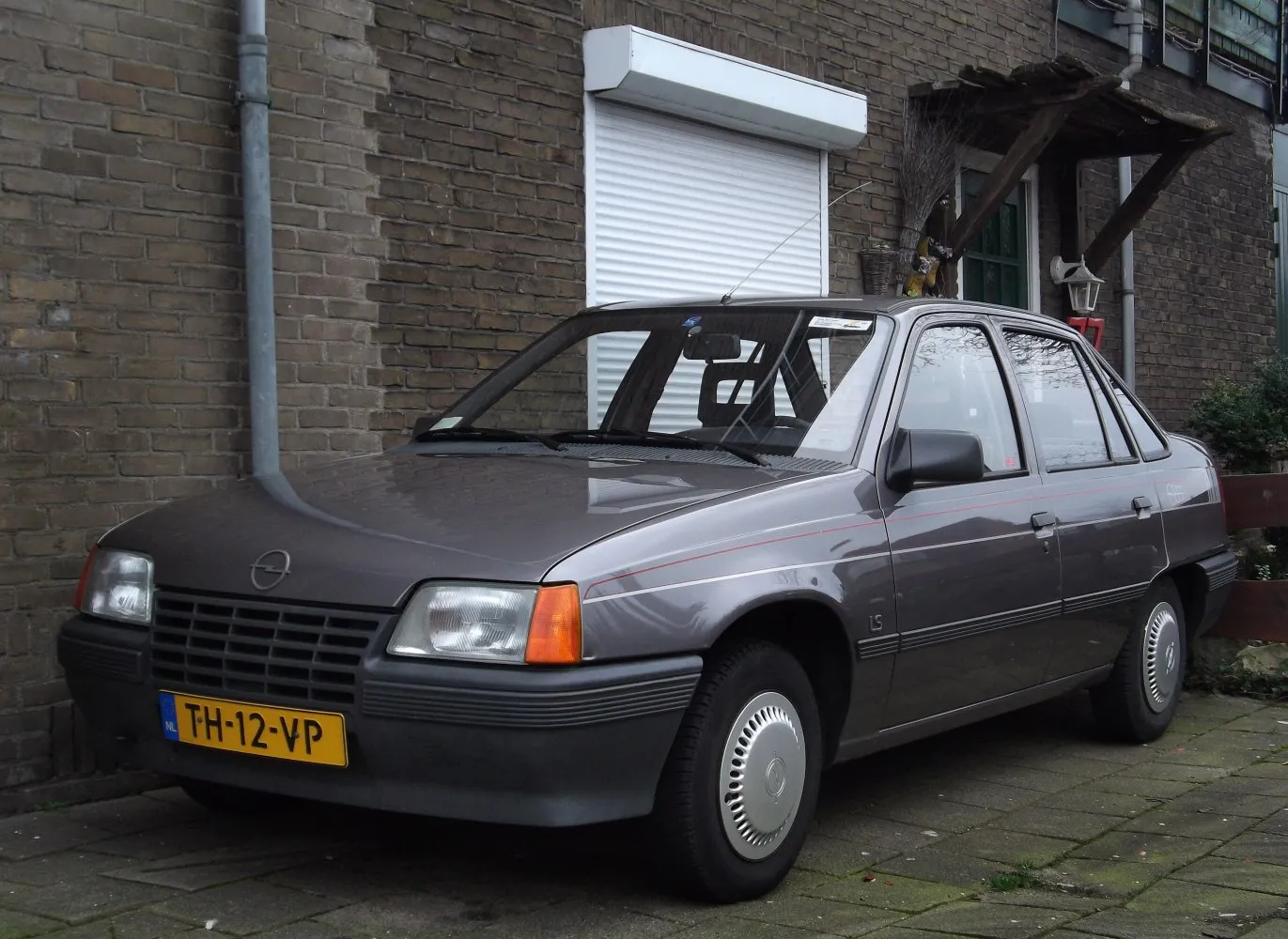




Is the Opel Kadett worth every penny? Give us your honest ROI.