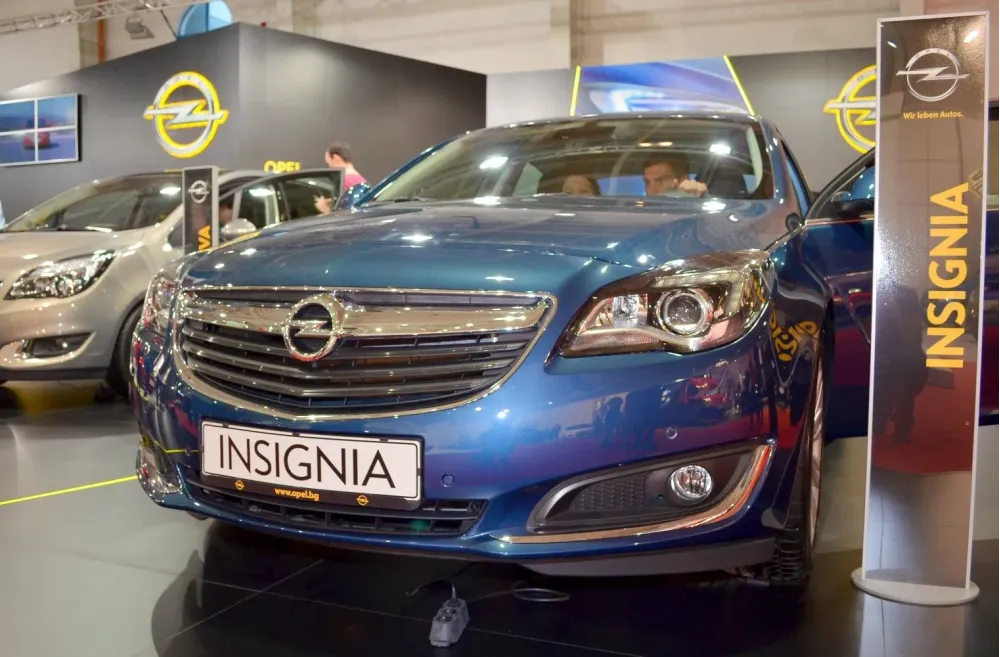
Click on image to view the full photo gallery
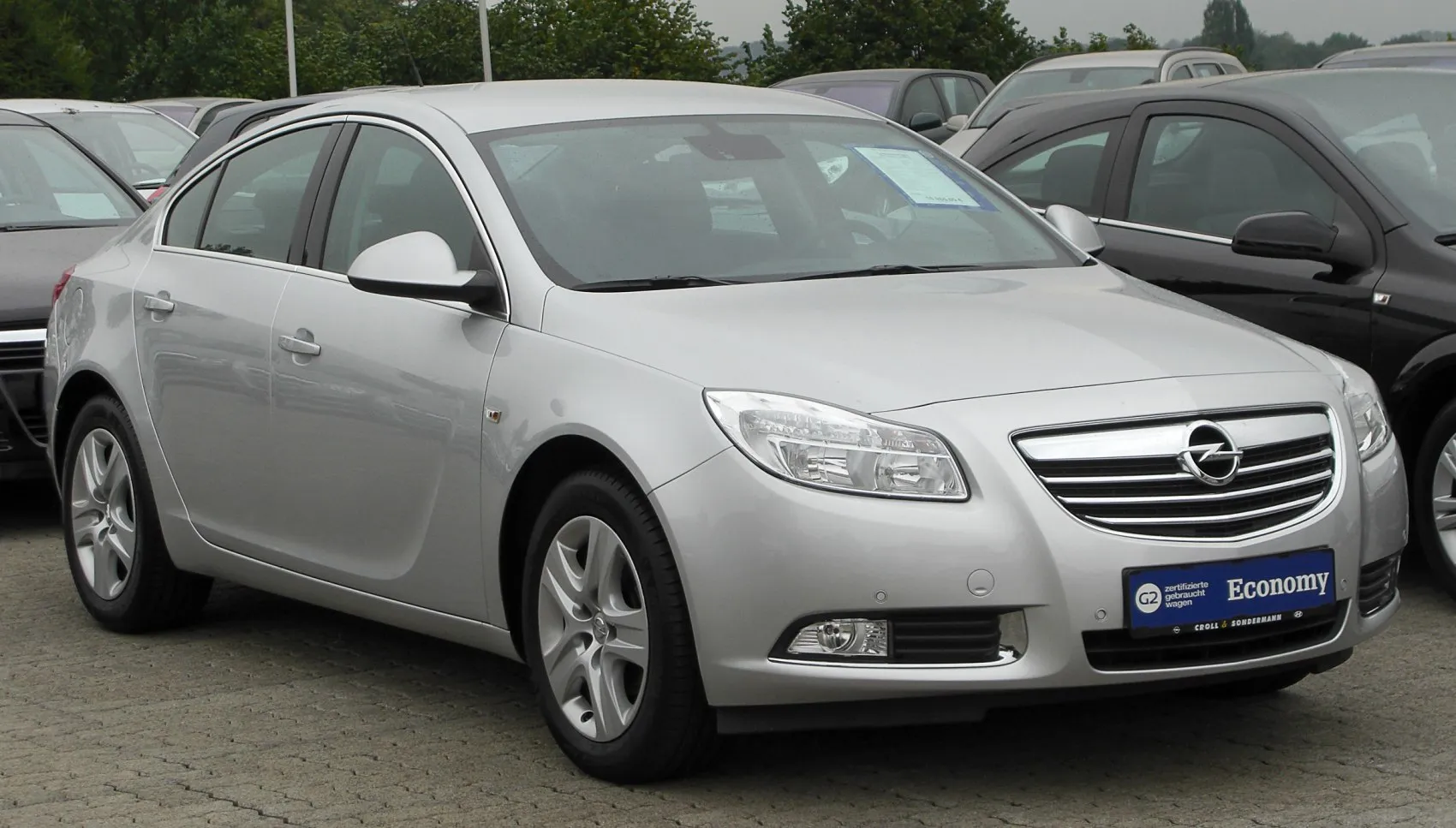
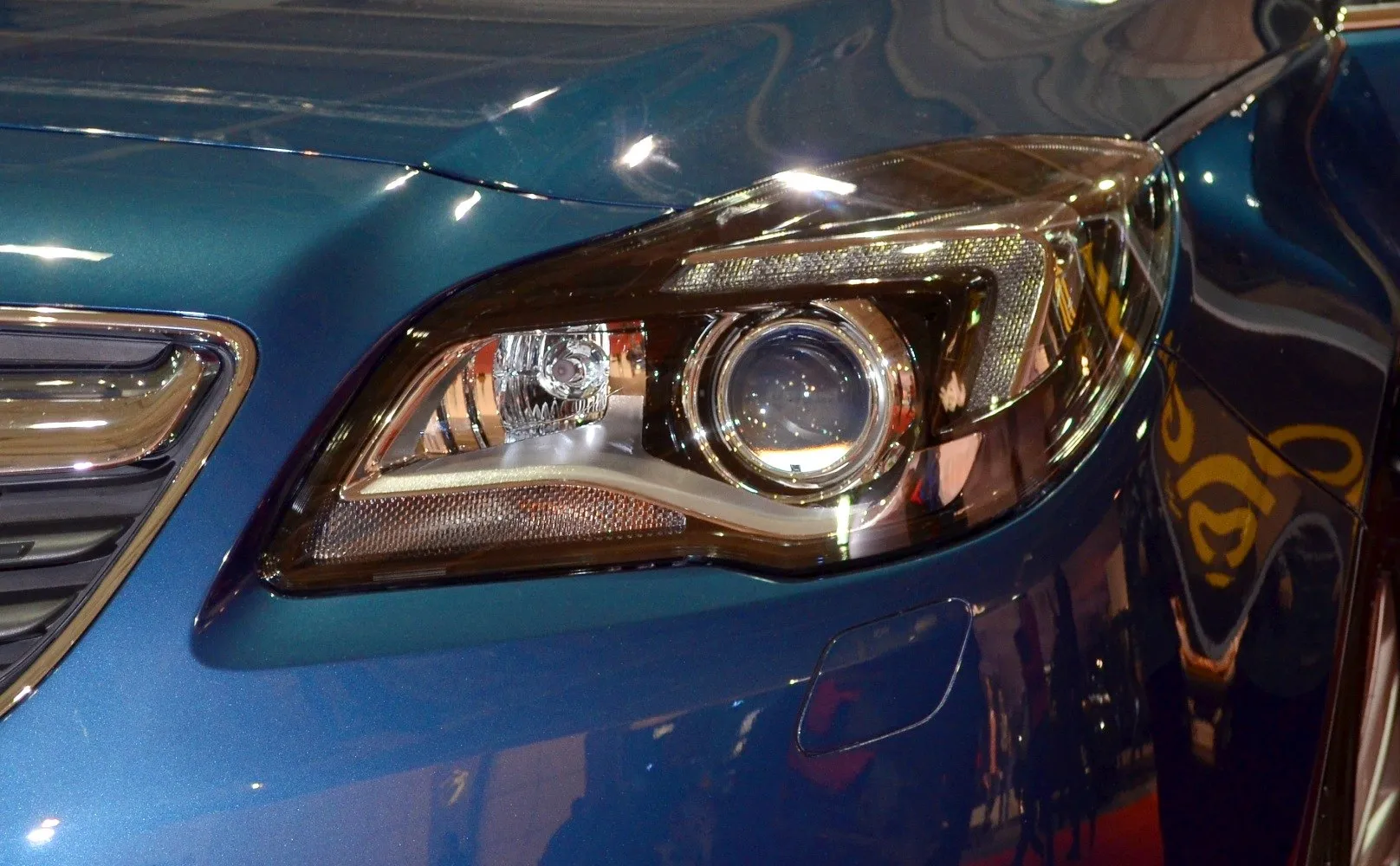
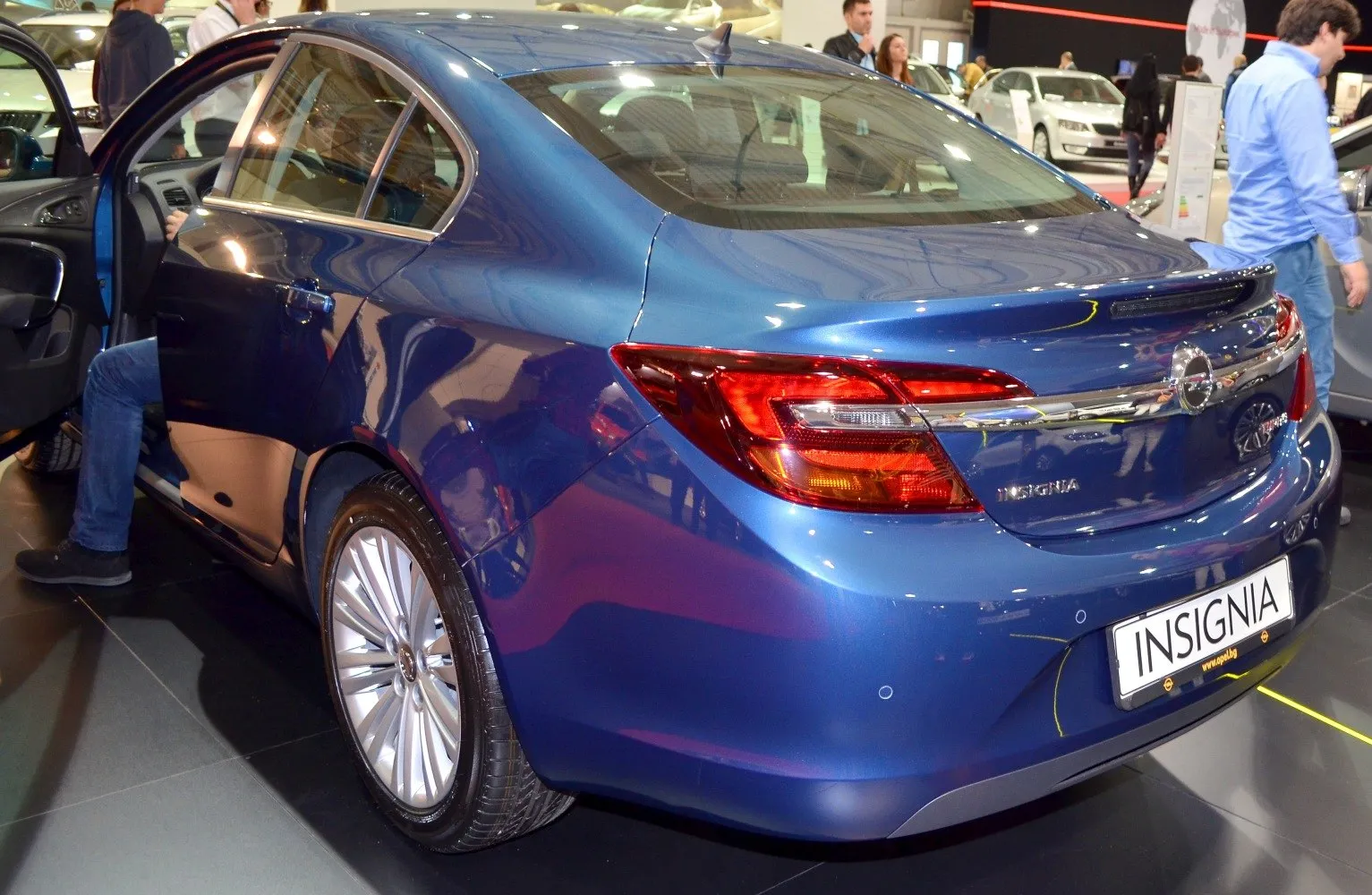
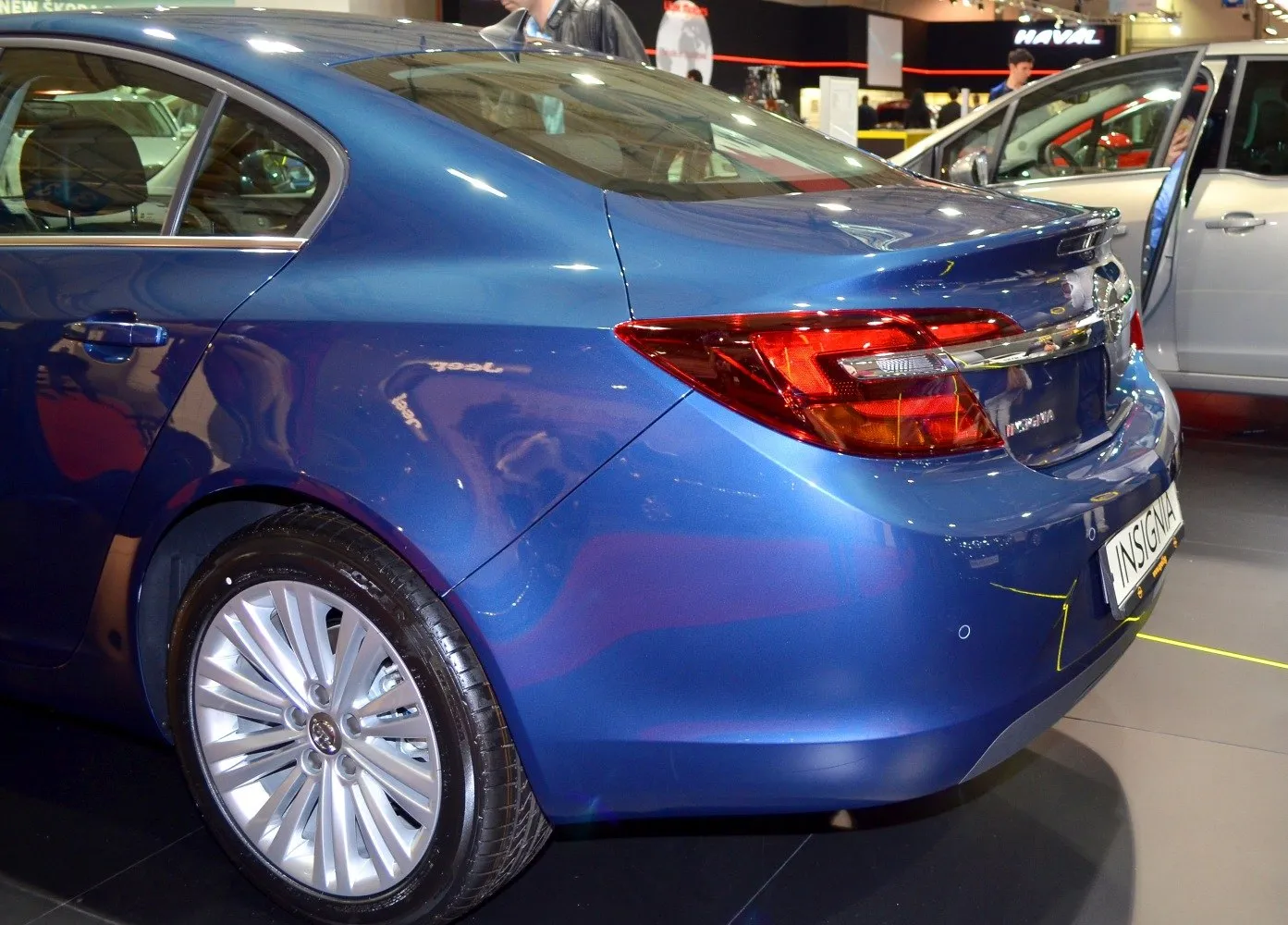
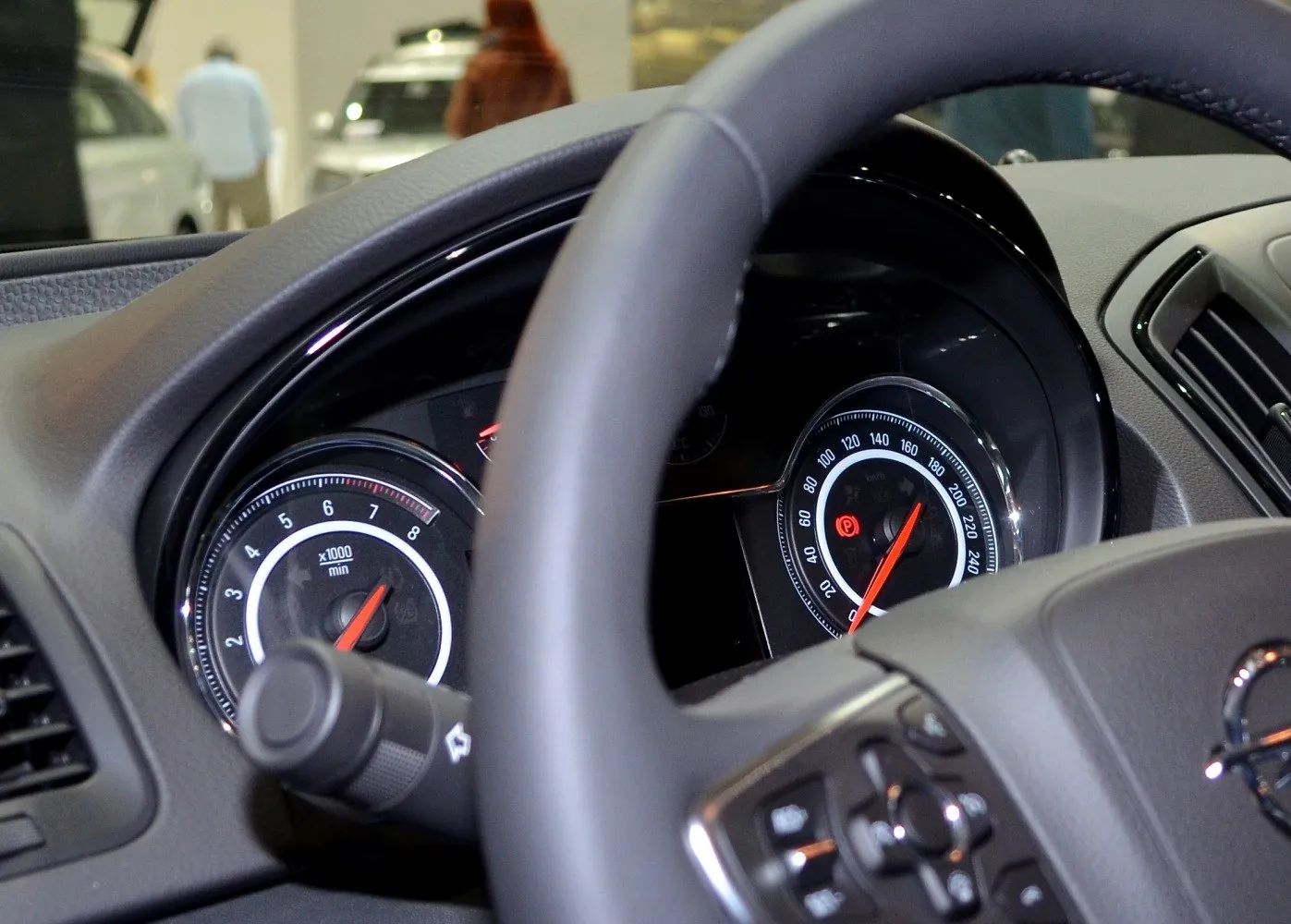
Opel Insignia Sedan (A, facelift 2013) 2.0 (250 Hp) AWD Turbo Ecotec Automatic
Overall Rating
Opel Insignia:
The Opel Insignia is a large family car developed and produced by the German car manufacturer Opel from 2008 to 2022. Taking its name from a 2003 concept car, the model line serves as the flagship model, slotted above the Astra and Corsa in size. The Insignia serves as the successor to both the Signum and Vectra model lines, replacing both vehicles under a single nameplate. The model line was offered in four-door sedan/saloon body styles, five-door liftback, and as a five-door station wagon/estate....(Read more on Wikipedia)
Sedan (A, facelift 2013) Overview:
Opel Insignia (Sedan (A, facelift 2013)). With 400 Nm of torque, it offers ample pulling power. It has moderate fuel consumption (~11.7 l/100km). All‑wheel drive provides excellent grip, ideal for off‑road use. Acceleration is good (0–100 km/h in 7.7 s). The top speed reaches 245 km/h. A four-door car with a separate trunk, ideal for families and daily commuting. Seating for 5 makes it ideal for daily use.
2.0 (250 Hp) AWD Turbo Ecotec Automatic Verdict:

Performance Verdict
Very strong performance with good acceleration, enhanced by the AWD system for superior traction and grip.
Fuel Economy
Decent fuel economy for a powerful AWD petrol engine, though still higher than diesel alternatives.
Pros and Cons:
Pros:
- • Spacious interior and large boot capacity
- • Comfortable ride quality, especially on long journeys
- • Wide range of efficient and powerful diesel engines
- • Strong OPC performance for enthusiasts
- • Good Euro NCAP safety rating
- • Attractive facelifted design
Cons:
- • Some petrol engines feel underpowered for the vehicle's weight
- • Interior quality can feel dated compared to premium rivals
- • Infotainment system can be clunky and slow
- • Heavy vehicle, impacting agility and some engine's performance
- • Rear visibility can be limited due to design
Specifications:
Specifications are compared to those of the previous generation(Sports Tourer (A): July, 2012 - June, 2013).
| General: | |
|---|---|
| Brand: | Opel |
| Model: | Insignia |
| Generation: | Sedan (A, facelift 2013) |
| Modification (Engine): | 2.0 (250 Hp) AWD Turbo Ecotec Automatic |
| Start of production: | July, 2013 |
| End of production: | January, 2017 |
| Powertrain Architecture: | Internal Combustion engine |
| Body type: | Sedan |
| Seats: | 5 |
| Doors: | 4 |
| Engine: | |
|---|---|
| Power: | 250 Hp @ 5300 rpm. Same horsepower |
| Power per litre: | 125.1 Hp/l [66mm less] |
| Torque: | 400 Nm @ 2500-4000 rpm. |
| Engine Model/Code: | A20NHT, B20NHT More details about the engine A20NHT, B20NHT |
| Engine displacement: | 1998 |
| Number of cylinders: | 4 |
| Engine configuration: | Inline |
| Number of valves per cylinder: | 4 |
| Fuel injection system: | Direct injection |
| Engine aspiration: | Turbocharger, Intercooler |
| Engine oil capacity: | 6 l |
| Coolant: | 8 l |
| Engine layout: | Front, Transverse |
| Cylinder Bore: | 86 mm mm |
| Piston Stroke: | 86 mm mm |
| Performance: | |
|---|---|
| Fuel Type: | Petrol (Gasoline) |
| Fuel consumption (economy) - urban: | 11.7 l/100 km |
| Fuel consumption (economy) - extra urban: | 6.3 l/100 km |
| Fuel consumption (economy) - combined: | 8.3 l/100 km |
| Emission standard: | Euro 5 |
| Acceleration 0 - 100 km/h: | 7.7 sec |
| Acceleration 0 - 62 mph: | 7.7 sec |
| Maximum speed: | 245 km/h |
| Acceleration 0 - 60 mph: | 7.3 sec |
| Space: | |
|---|---|
| Trunk (boot) space - maximum: | 1015 l |
| Trunk (boot) space - minimum: | 500 l |
| Fuel tank capacity: | 70 l |
| Size: | |
|---|---|
| Length: | 4842 mm mm [66mm less] |
| Width: | 1856 mm mm [2mm less] |
| Height: | 1498 mm mm [22mm less] |
| Wheelbase: | 2737 mm mm [Same wheelbase.] |
| Width including mirrors: | 2084 mm |
| Front track: | 1587 mm |
| Rear (Back) track: | 1590 mm |
| Minimum turning circle (turning diameter): | 11.4 m [above average] |
| Powertrain: | |
|---|---|
| Drive wheel | All wheel drive (4x4) |
| Number of gears | 6 |
| Transmission type | Automatic |
| Assisting systems | ABS (Anti-lock braking system) |
| Steering type | Steering rack and pinion |

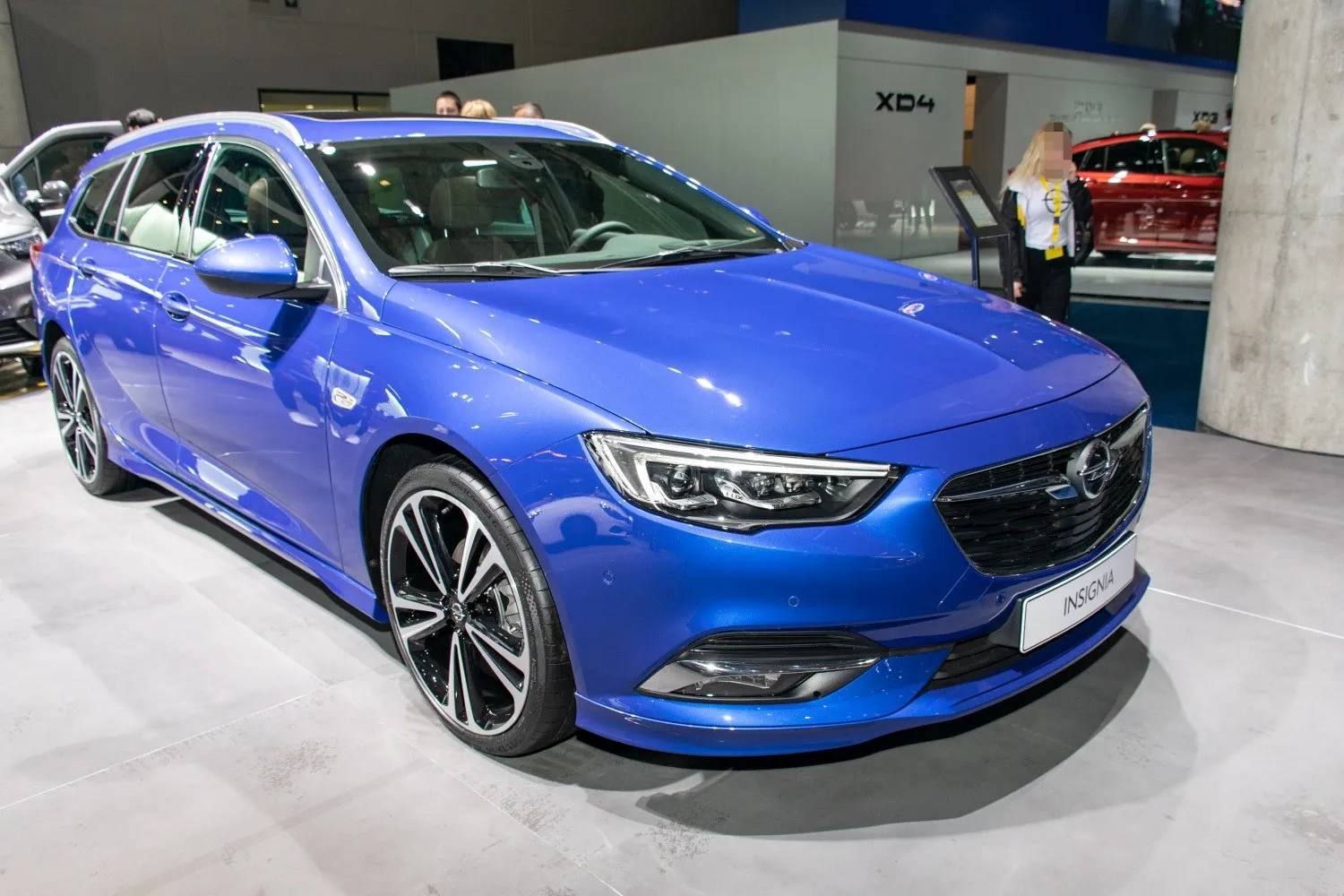






If you could change one thing about the Opel Insignia, what would it be?