
Click on image to view the full photo gallery
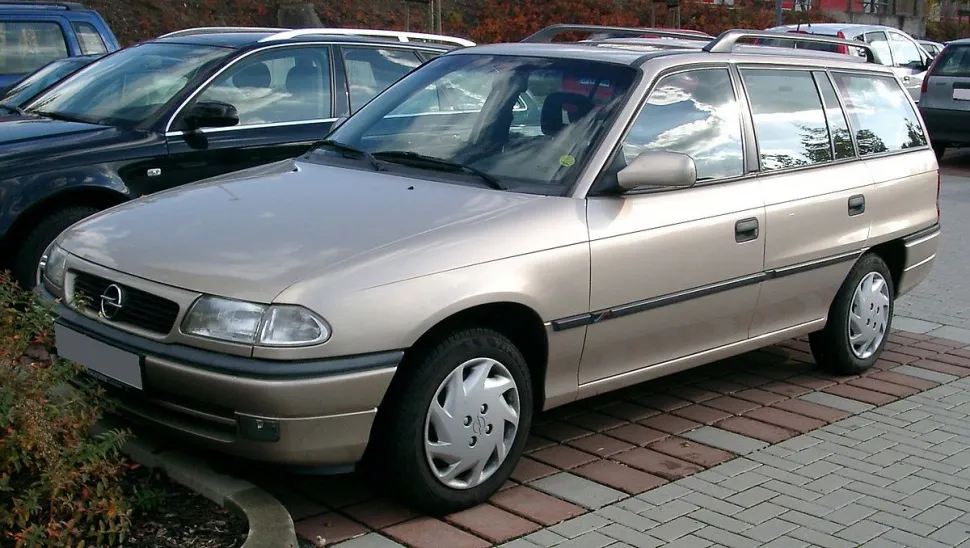
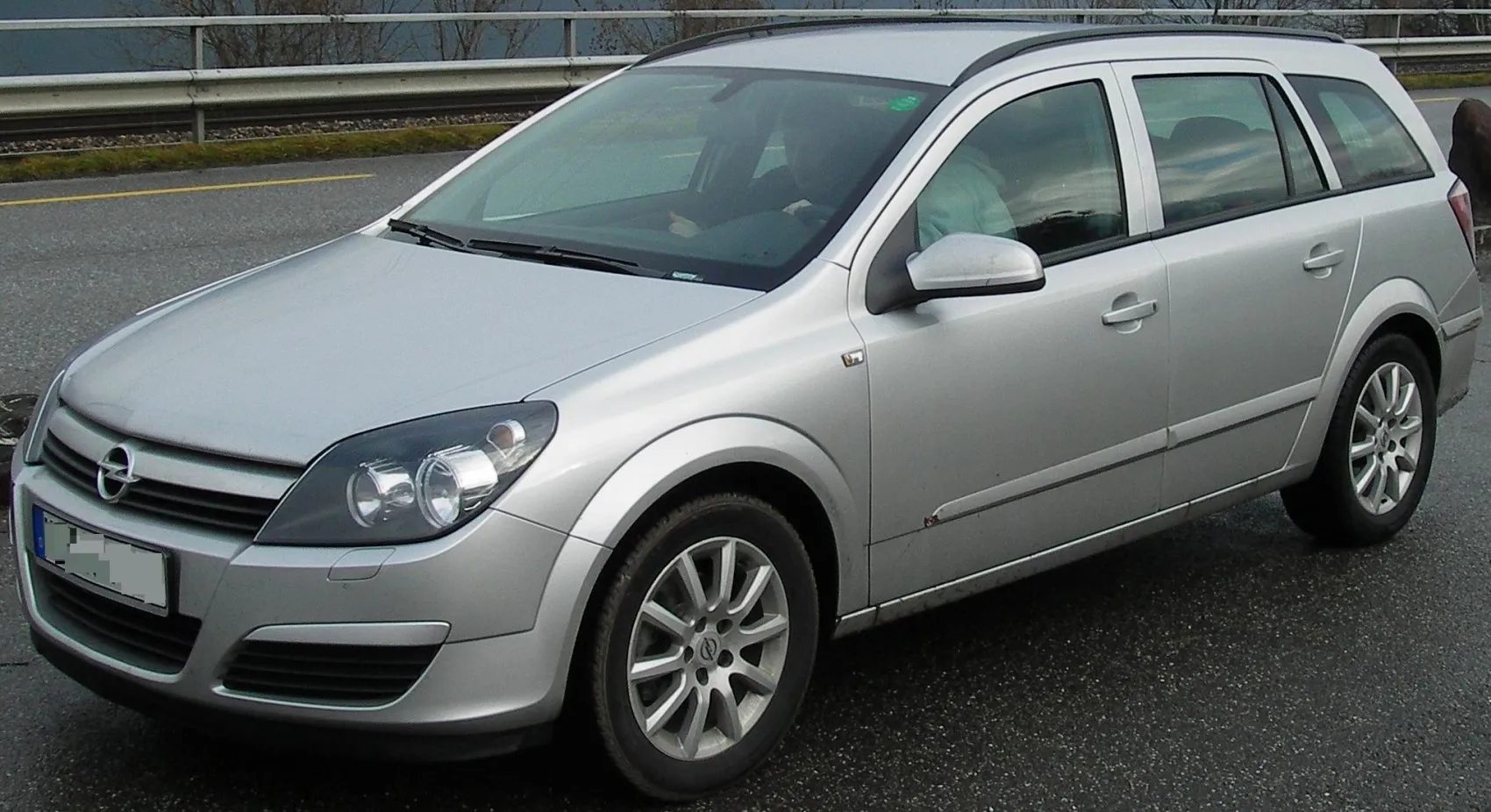
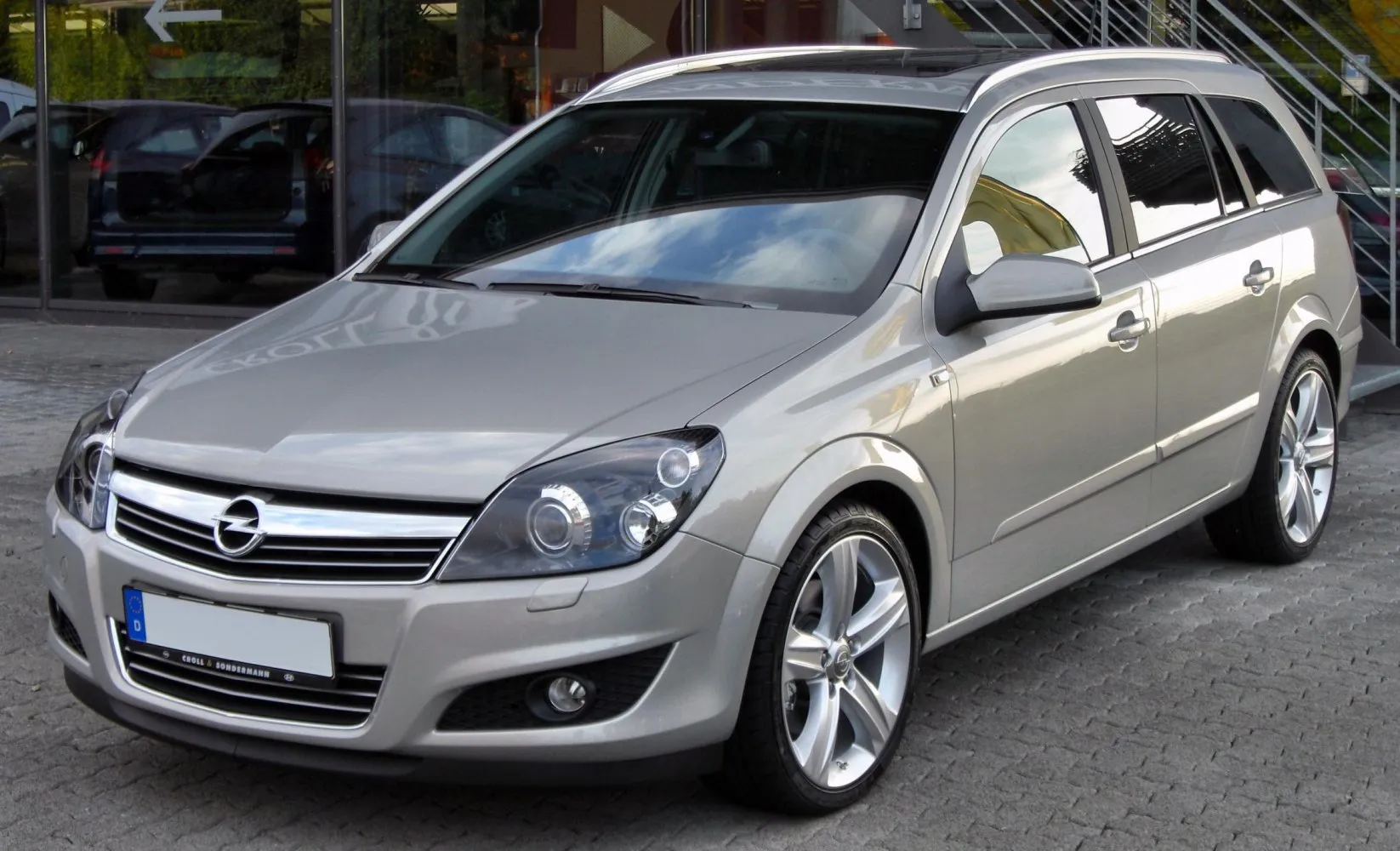
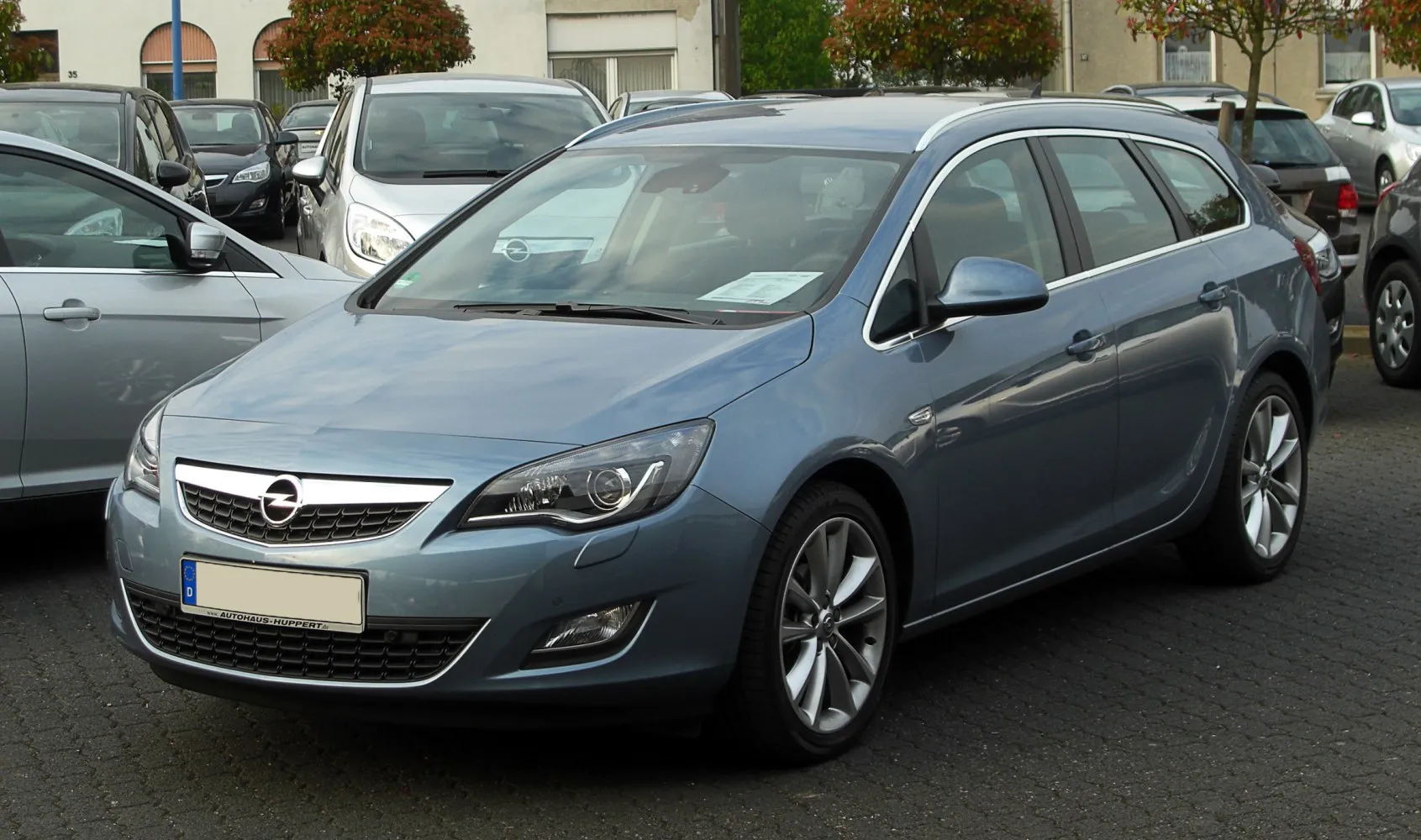
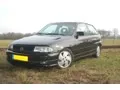
Opel Astra G Caravan (facelift 2002) 1.7 CDTI (80 Hp)
Overall Rating
Opel Astra:
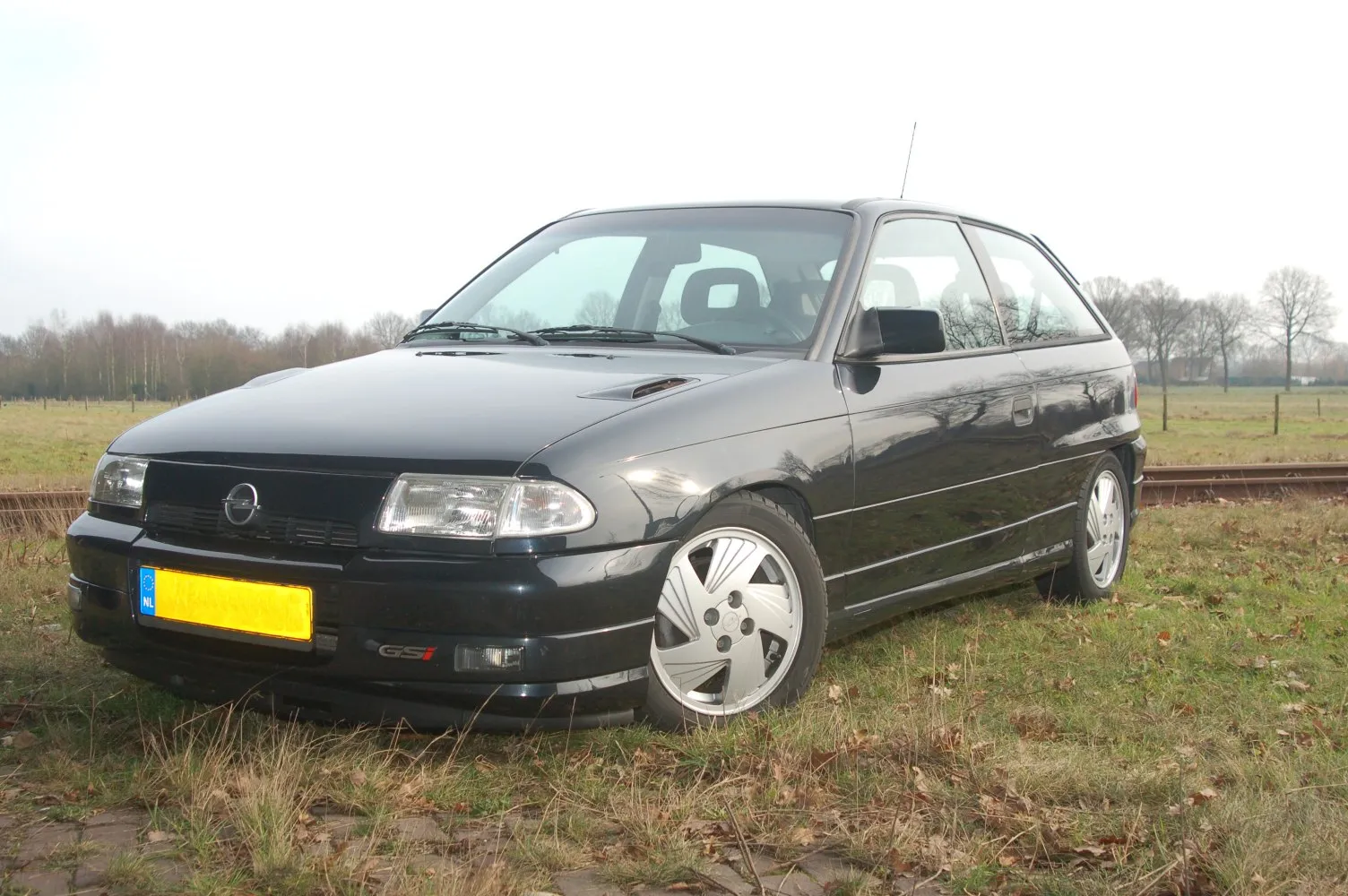
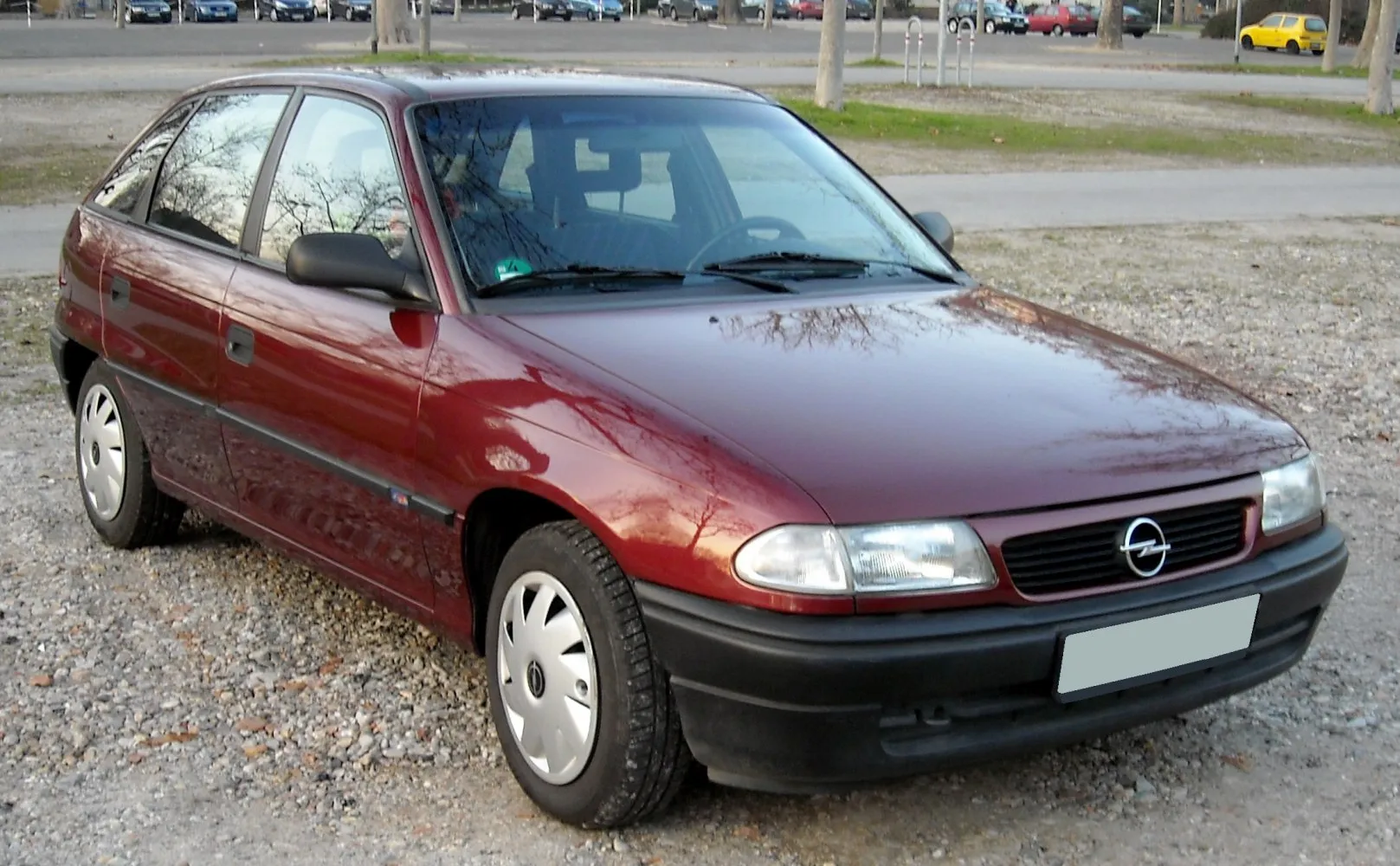
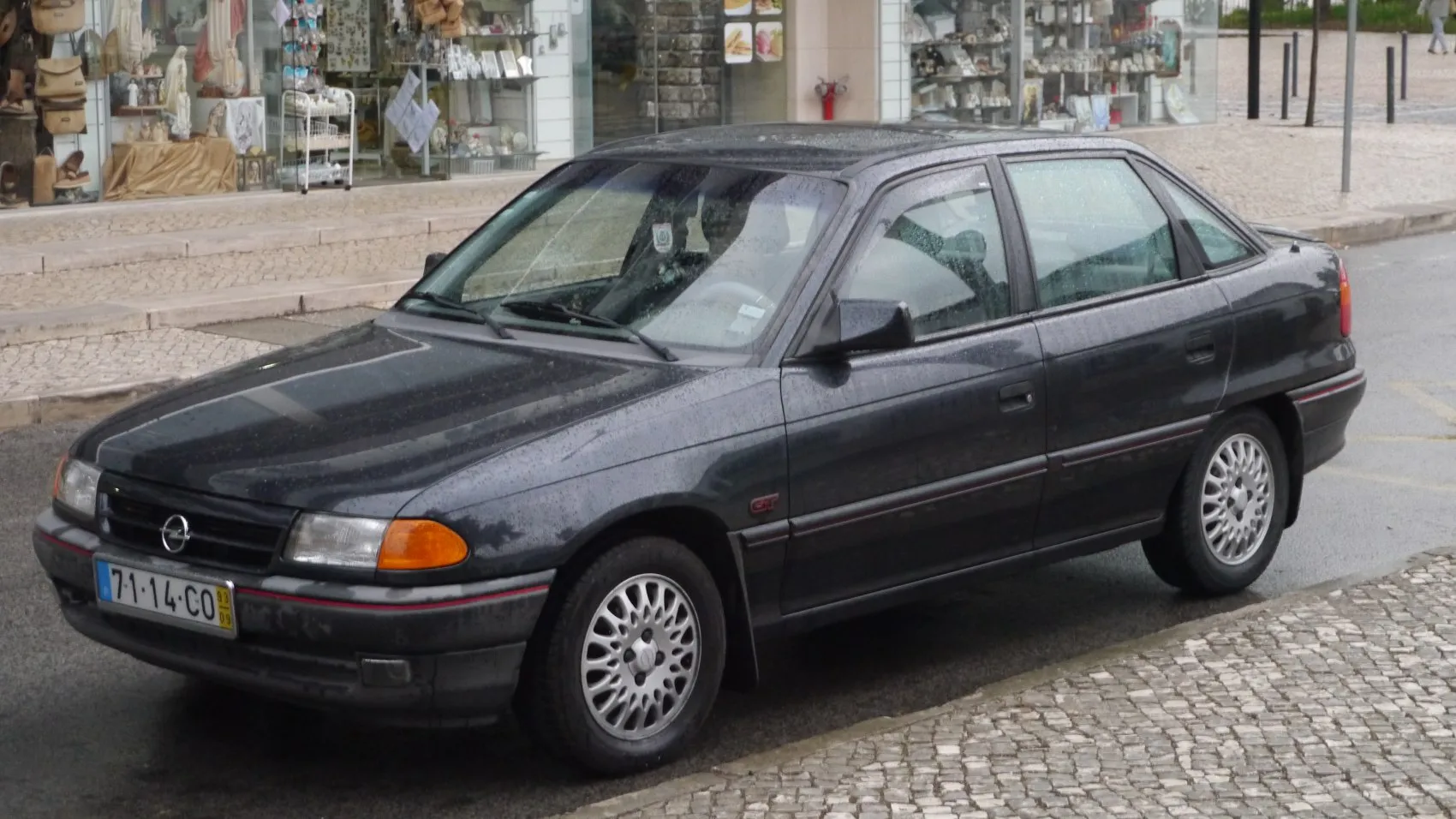
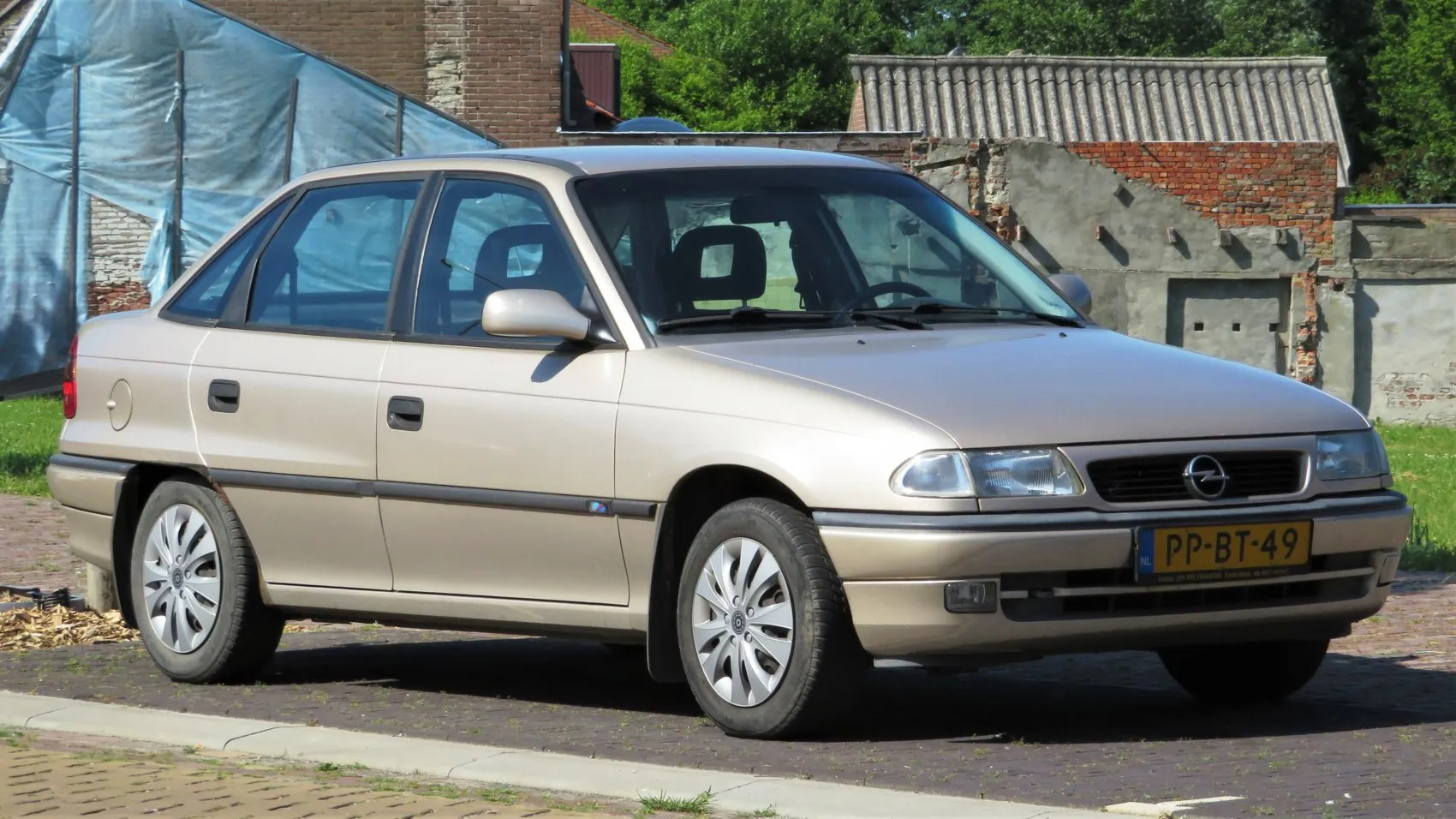
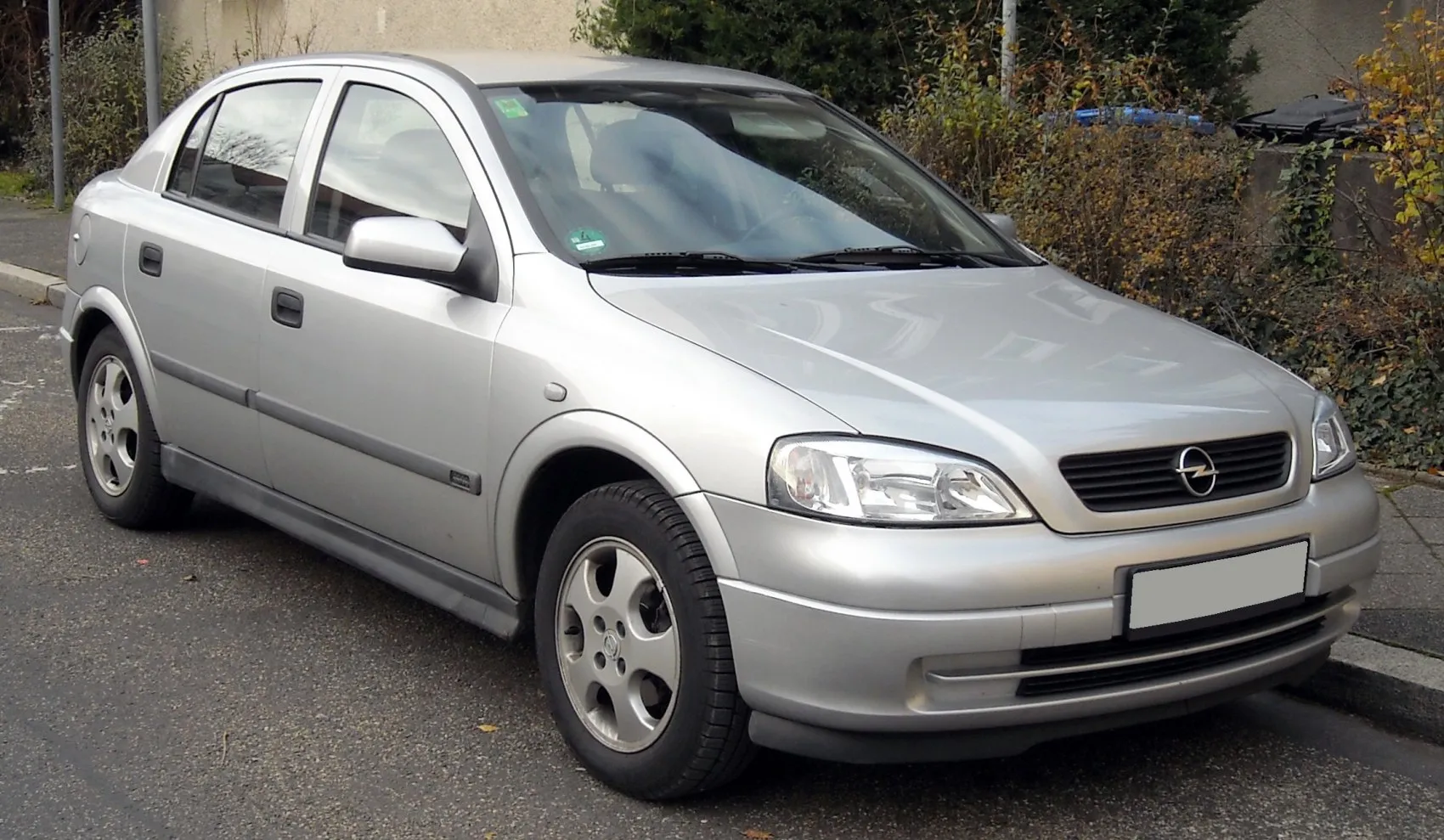
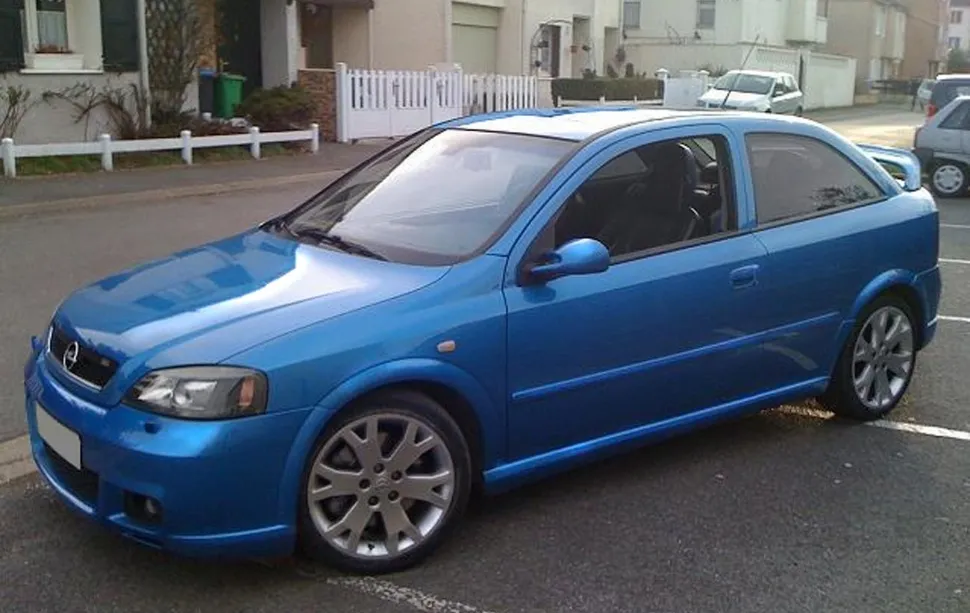
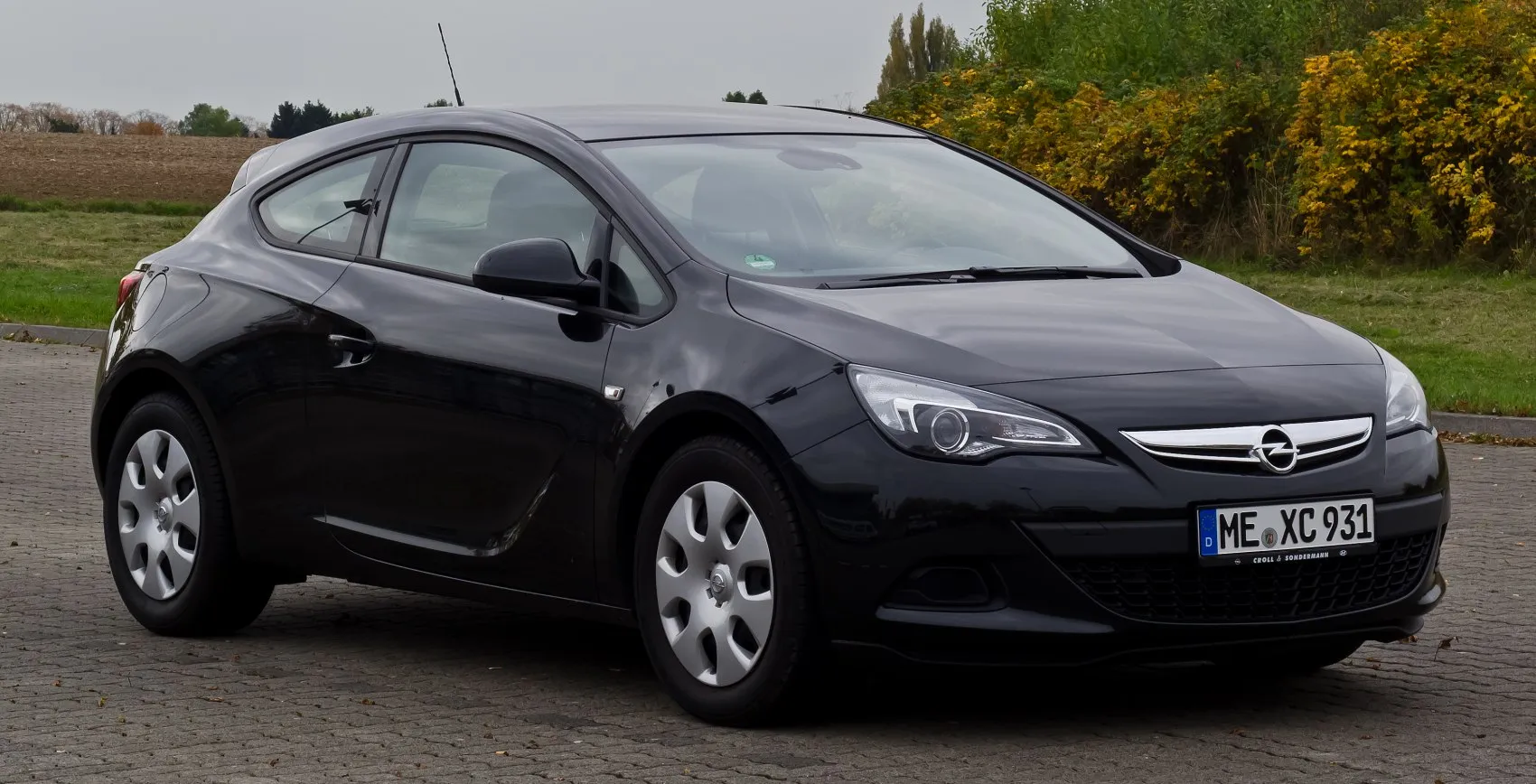
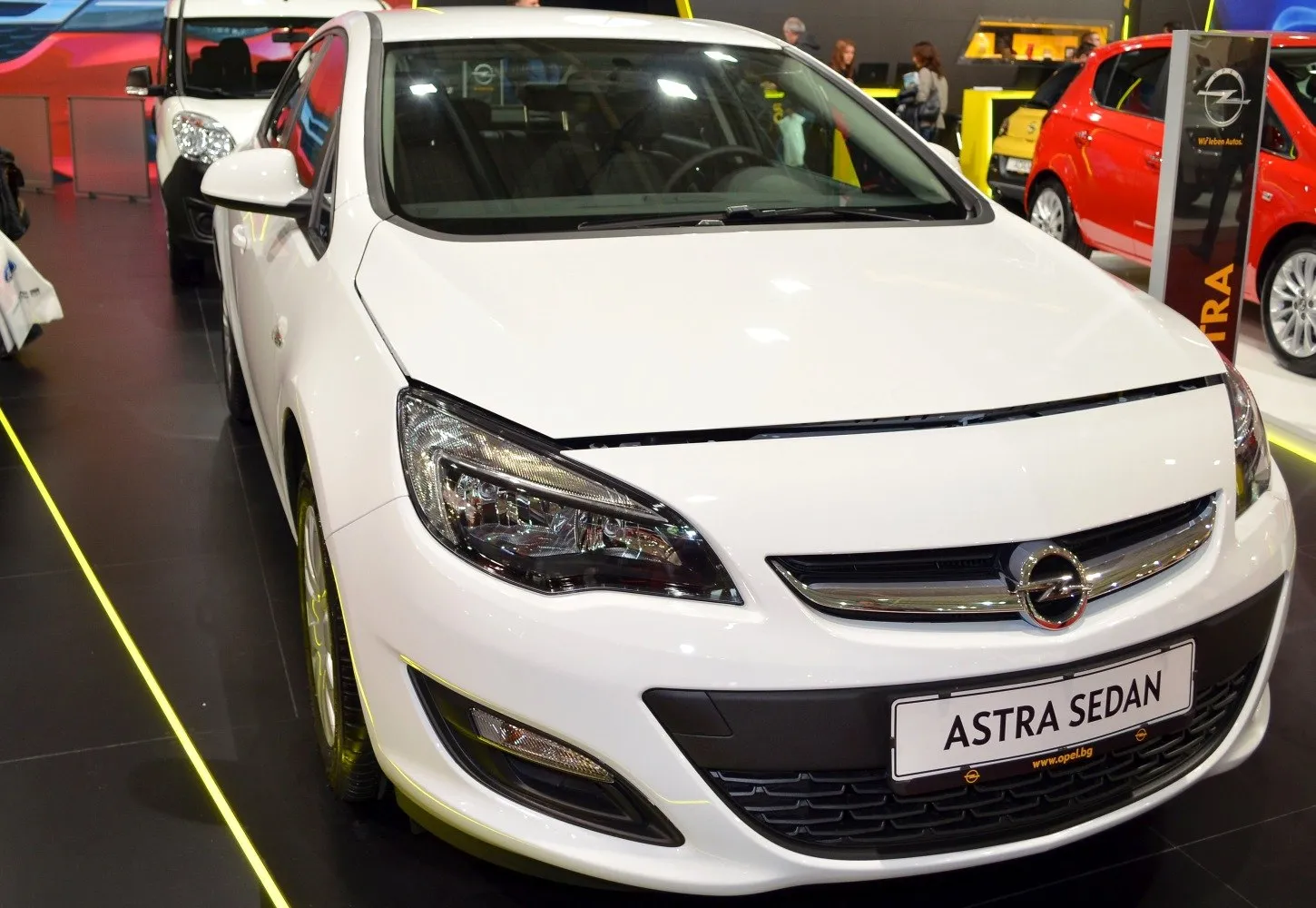
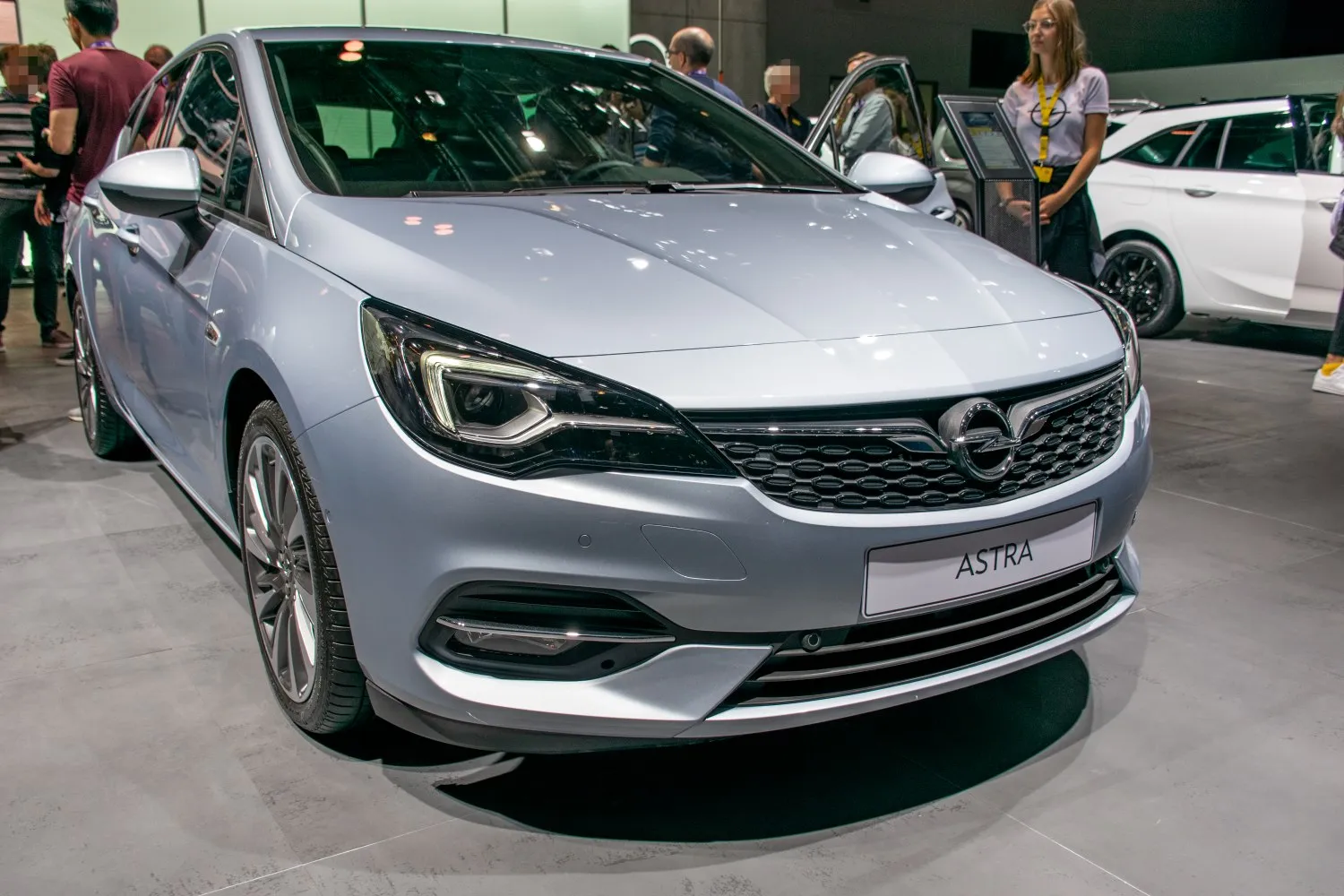
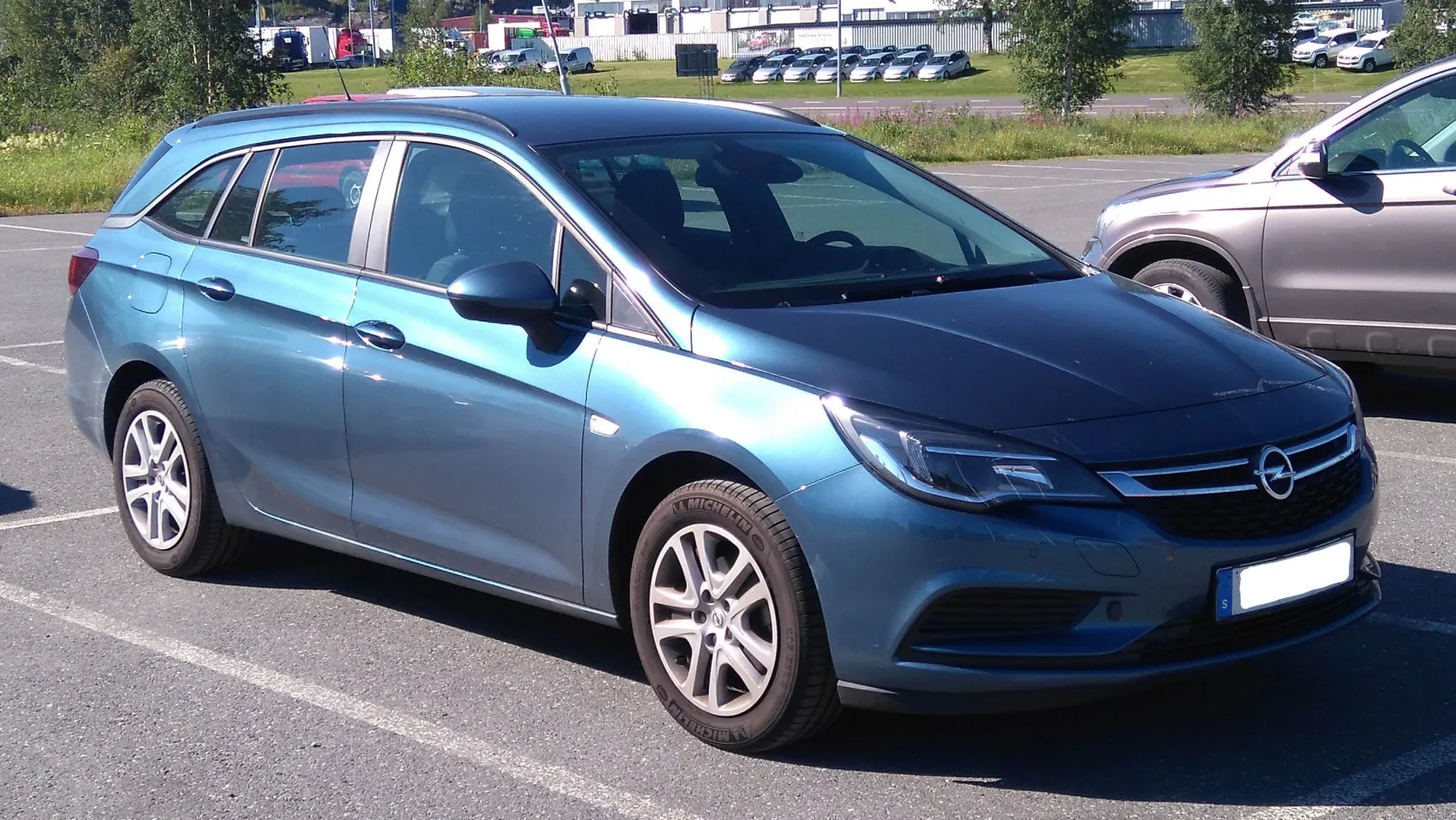
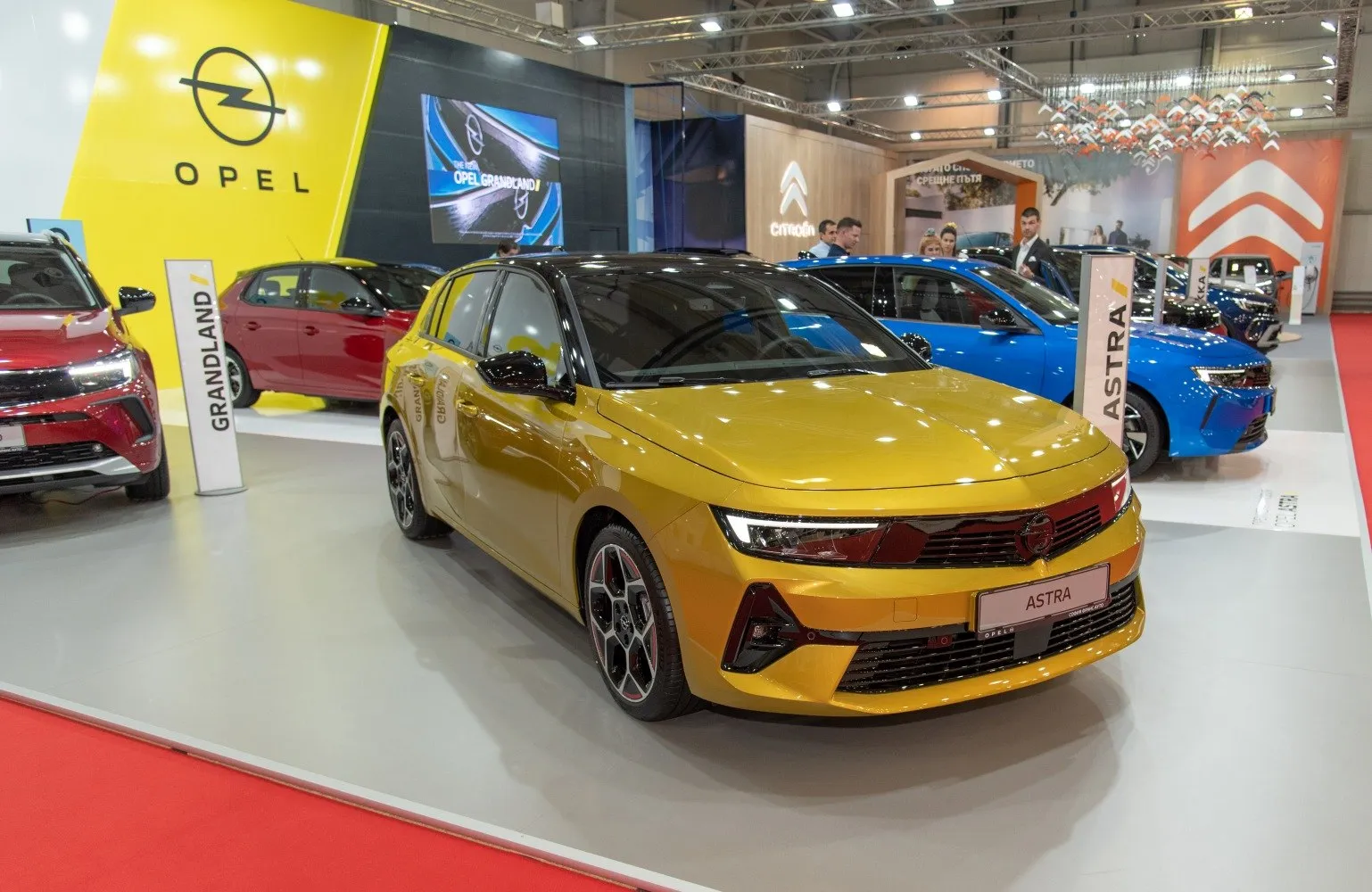
The Opel Astra is a compact car/small family car developed and produced by the German automaker Opel since 1991, currently at its sixth generation. It was first launched in September 1991 as a direct replacement to the Opel Kadett. As of 2025, the car slots between the smaller Corsa supermini and the larger Frontera subcompact crossover SUV.
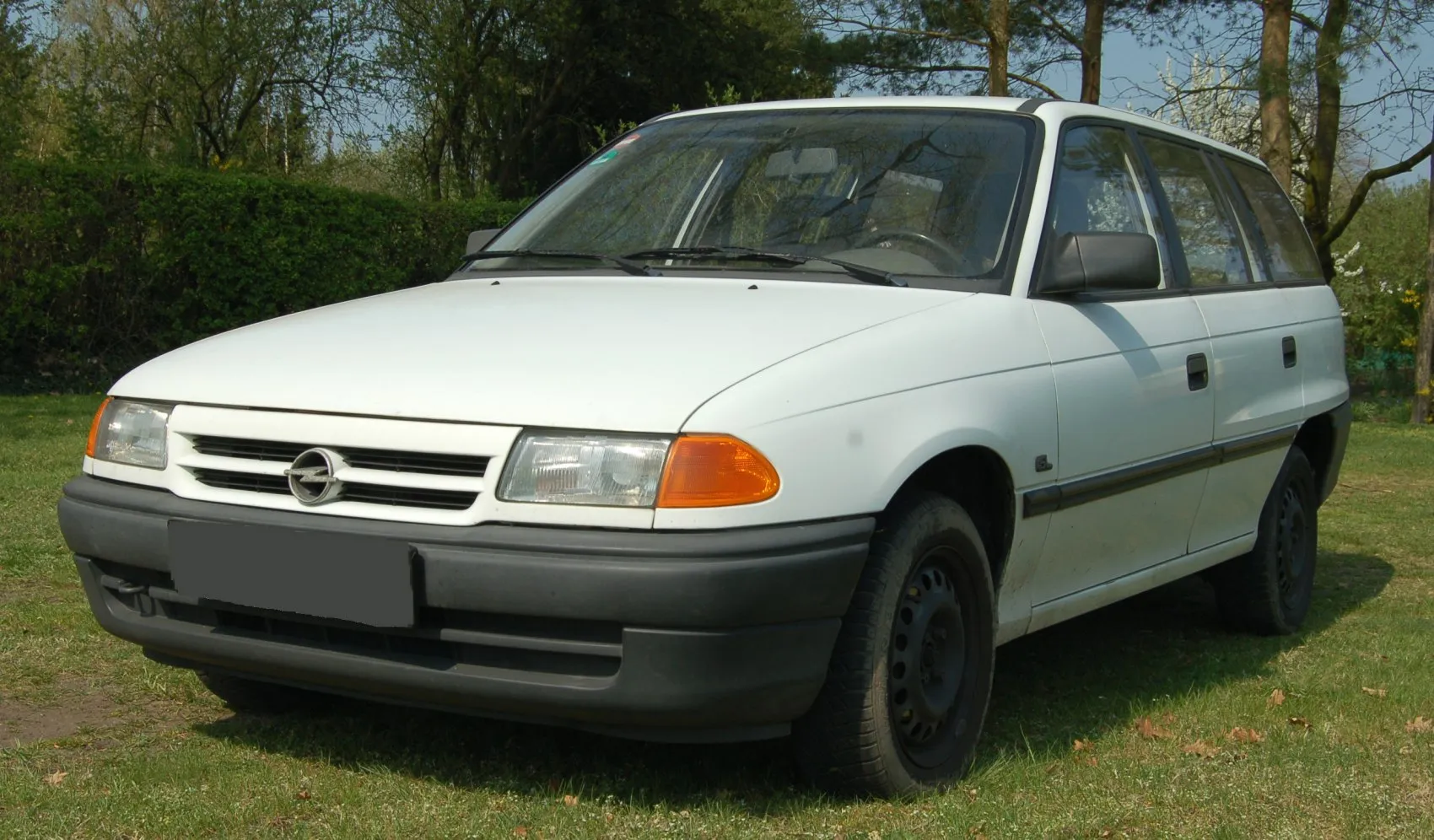
Initially, the Astra was available in hatchback, saloon, and estate forms. A panel van and a convertible also appeared in the early 1990s. These body styles were later followed by a coupé in 2004, and the sporty Astra OPC appeared in 2005. The Twin Top retractable hardtop convertible replaced the soft top convertible in 2006, while the Caravan was renamed to Astra Sports Tourer since 2009....(Read more on Wikipedia)
G Caravan (facelift 2002) Overview:
Opel Astra (G Caravan (facelift 2002)). With 170 Nm of torque, it offers ample pulling power. It has moderate fuel consumption (~6.1 l/100km). Weighing only 1220 kg, it’s quite light. Front‑wheel drive delivers efficiency and easy handling. Acceleration is relatively slow (0–100 km/h in 14.5 s). The top speed reaches 168 km/h. A car with an extended rear cargo area, combining passenger comfort with increased storage. Seating for 5 makes it ideal for daily use.
1.7 CDTI (80 Hp) Verdict:

Performance Verdict
Modest power and acceleration, primarily focused on efficiency rather than outright speed.
Fuel Economy
Outstanding fuel economy, making it a very cheap-to-run option for commuters.
Pros and Cons:
Pros:
- • Spacious and practical interior, especially the Caravan body style
- • Wide range of engine options to suit various needs
- • Generally reliable and robust build quality for its era
- • Good value for money on the used market
- • Comfortable ride for its class
Cons:
- • Interior design can feel dated compared to newer rivals
- • Some engines lack refinement or can be noisy
- • Older safety rating compared to modern cars
- • Potential for rust on older models, especially wheel arches
- • Not the most engaging driving experience (except for OPC variants)
Specifications:
Specifications are compared to those of the previous generation(G: February, 2000 - 2002).
| General: | |
|---|---|
| Brand: | Opel |
| Model: | Astra |
| Generation: | G Caravan (facelift 2002) |
| Modification (Engine): | 1.7 CDTI (80 Hp) |
| Start of production: | February, 2003 |
| End of production: | May, 2004 |
| Powertrain Architecture: | Internal Combustion engine |
| Body type: | Station wagon (estate) |
| Seats: | 5 |
| Doors: | 5 |
| Engine: | |
|---|---|
| Power: | 80 Hp @ 4400 rpm. Same horsepower |
| Power per litre: | 47.4 Hp/l [178mm more] |
| Torque: | 170 Nm @ 1800 rpm. |
| Engine Model/Code: | Z17DTL More details about the engine Z17DTL |
| Engine displacement: | 1686 |
| Number of cylinders: | 4 |
| Engine configuration: | Inline |
| Number of valves per cylinder: | 4 |
| Fuel injection system: | Diesel Commonrail |
| Engine aspiration: | Turbocharger, Intercooler |
| Valvetrain: | DOHC |
| Engine oil capacity: | 4.5 l |
| Coolant: | 7.1 l |
| Engine layout: | Front, Transverse |
| Cylinder Bore: | 79 mm mm |
| Piston Stroke: | 86 mm mm |
| Compression ratio: | 18.4:1 |
| Performance: | |
|---|---|
| Fuel Type: | Diesel |
| Fuel consumption (economy) - urban: | 6.1 l/100 km |
| Fuel consumption (economy) - extra urban: | 4 l/100 km |
| Fuel consumption (economy) - combined: | 4.8 l/100 km |
| Acceleration 0 - 100 km/h: | 14.5 sec |
| Acceleration 0 - 62 mph: | 14.5 sec |
| Maximum speed: | 168 km/h |
| Weight-to-power ratio: | 15.3 kg/Hp, 65.6 Hp/tonne |
| Weight-to-torque ratio: | 7.2 kg/Nm, 139.3 Nm/tonne |
| Acceleration 0 - 60 mph: | 13.8 sec |
| Space: | |
|---|---|
| Kerb Weight: | 1220 |
| Max. weight: | 1795 |
| Max load: | 575 |
| Trunk (boot) space - maximum: | 1500 l |
| Trunk (boot) space - minimum: | 480 l |
| Fuel tank capacity: | 52 l |
| Size: | |
|---|---|
| Length: | 4288 mm mm [178mm more] |
| Width: | 1710 mm mm [1mm more] |
| Height: | 1510 mm mm [85mm more] |
| Wheelbase: | 2611 mm mm [5mm more] |
| Width including mirrors: | 1967 mm |
| Front track: | 1484 mm |
| Rear (Back) track: | 1460 mm |
| Ride height (ground clearance): | 130 mm |
| Powertrain: | |
|---|---|
| Drivetrain Architecture | The Internal combustion engine (ICE) drives the front wheels of the vehicle. |
| Drive wheel | Front wheel drive |
| Number of gears | 5 |
| Transmission type | Manual |
| Front brakes | Disc [bad for performance and cooling.] |
| Rear brakes | Drum [bad for performance and cooling.] |
| Assisting systems | ABS (Anti-lock braking system) |
| Steering type | Steering rack and pinion |
| Power steering | Hydraulic Steering |
| Tires size | 195/60 R15 |
| Wheel rims size | 15 |
| Front suspension | Spring Strut |
| Rear suspension | Trailing arm |















Help others decide – share your experience!