
Click on image to view the full photo gallery
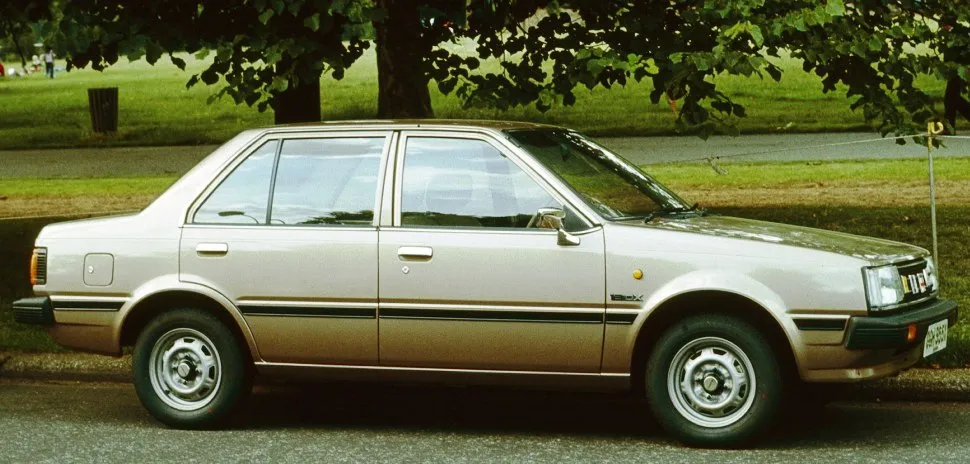
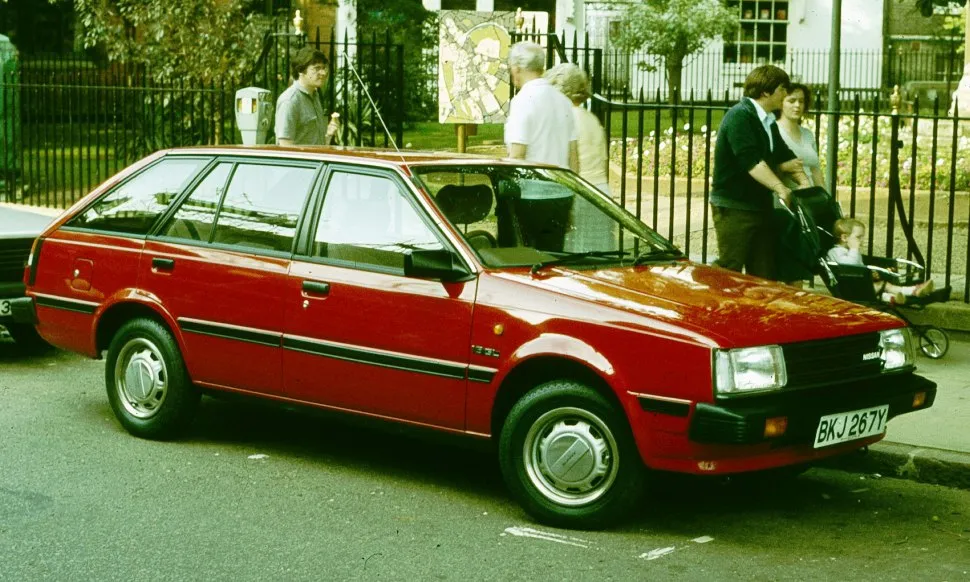
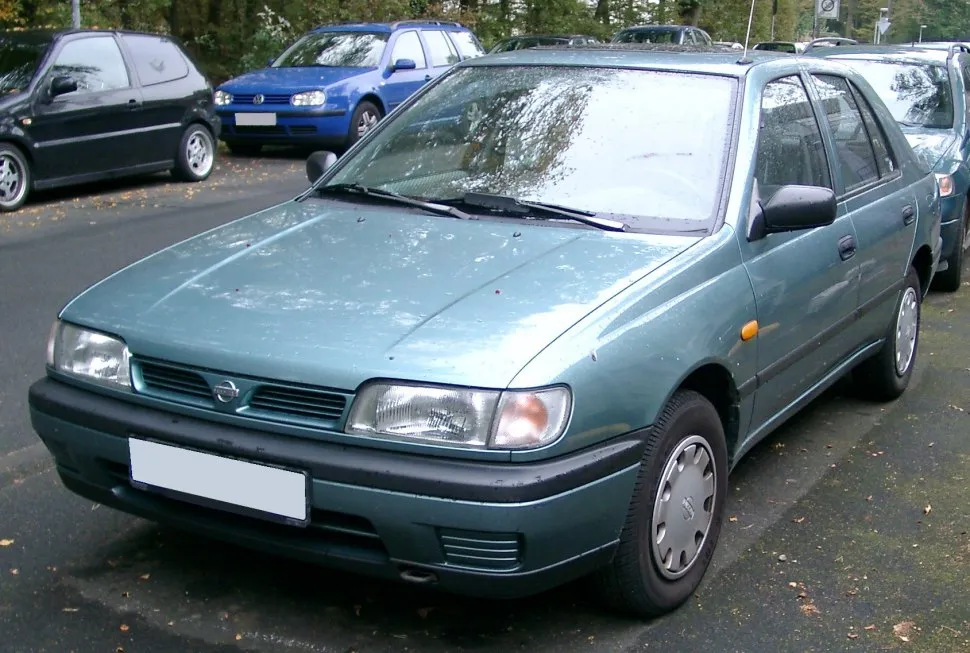
Nissan Sunny III Wagon (Y10) 2.0 D (75 Hp)
Overall Rating
Nissan Sunny:
The Nissan Sunny is an automobile built by the Japanese automaker Nissan from 1966 until 2004. In the early 1980s, the brand changed from Datsun to Nissan in line with other models by the company. Although production of the Sunny in Japan ended in 2004, the name remains in use in China and GCC countries for a rebadged version of the Nissan Almera.
In North America, the later models were known as the Nissan Sentra; in Mexico, the Sunny is known as the Nissan Tsuru, which is Japanese for the bird species "crane". The latest versions of the Sunny were larger than the early models, and may be considered compact cars. Earlier versions were subcompact cars. All Sunnys through the 1982 model year used Nissan A engine motors. It was designed to compete with the Toyota Corolla....(Read more on Wikipedia)
III Wagon (Y10) Overview:
Nissan Sunny (III Wagon (Y10)). With 132 Nm of torque, it offers ample pulling power. Weighing only 1134 kg, it’s quite light. Front‑wheel drive delivers efficiency and easy handling. Acceleration is relatively slow (0–100 km/h in 15.9 s). The top speed reaches 154 km/h. A car with an extended rear cargo area, combining passenger comfort with increased storage. Seating for 5 makes it ideal for daily use.
2.0 D (75 Hp) Verdict:

Performance Verdict
Very slow acceleration, but offers good low-end torque, making it suitable for hauling and relaxed cruising.
Fuel Economy
The most economical option in the lineup, providing excellent fuel efficiency for its time.
Pros and Cons:
Pros:
- • Excellent reliability and durability, typical of 90s Japanese cars.
- • Highly practical wagon body with generous cargo space (460-1600 liters).
- • Economical 2.0D diesel engine option for low running costs.
- • Simple, robust mechanics make for easy maintenance.
Cons:
- • Performance is generally uninspired across the engine lineup.
- • Dated exterior styling and basic interior design.
- • Limited modern safety features due to its age (no Euro NCAP rating).
- • Ride comfort can be firm on rougher roads due to basic suspension.
Specifications:
Specifications are compared to those of the previous generation(III Hatch (N14) 3 doors: 1990 - 1992).
| General: | |
|---|---|
| Brand: | Nissan |
| Model: | Sunny |
| Generation: | III Wagon (Y10) |
| Modification (Engine): | 2.0 D (75 Hp) |
| Start of production: | 1991 |
| End of production: | 2000 |
| Powertrain Architecture: | Internal Combustion engine |
| Body type: | Station wagon (estate) |
| Seats: | 5 |
| Doors: | 5 |
| Engine: | |
|---|---|
| Power: | 75 Hp @ 4800 rpm. Same horsepower |
| Power per litre: | 38 Hp/l [200mm more] |
| Torque: | 132 Nm @ 2800 rpm. |
| Engine Model/Code: | CD20 More details about the engine CD20 |
| Engine displacement: | 1974 |
| Number of cylinders: | 4 |
| Engine configuration: | Inline |
| Number of valves per cylinder: | 2 |
| Fuel injection system: | Precombustion chamber injection |
| Engine aspiration: | Naturally aspirated engine |
| Valvetrain: | OHC |
| Engine oil capacity: | 4.7 l |
| Coolant: | 5.7 l |
| Engine layout: | Front, Transverse |
| Cylinder Bore: | 84.5 mm mm |
| Piston Stroke: | 88 mm mm |
| Compression ratio: | 22.2:1 |
| Performance: | |
|---|---|
| Fuel Type: | Diesel |
| Fuel consumption (economy) - combined: | 6 l/100 km |
| Acceleration 0 - 100 km/h: | 15.9 sec |
| Acceleration 0 - 62 mph: | 15.9 sec |
| Maximum speed: | 154 km/h |
| Weight-to-power ratio: | 15.1 kg/Hp, 66.1 Hp/tonne |
| Weight-to-torque ratio: | 8.6 kg/Nm, 116.4 Nm/tonne |
| Acceleration 0 - 60 mph: | 15.1 sec |
| Space: | |
|---|---|
| Kerb Weight: | 1134 |
| Max. weight: | 1620 |
| Max load: | 486 |
| Trunk (boot) space - maximum: | 1600 l |
| Trunk (boot) space - minimum: | 460 l |
| Fuel tank capacity: | 50 l |
| Size: | |
|---|---|
| Length: | 4175 mm mm [200mm more] |
| Width: | 1665 mm mm [25mm less] |
| Height: | 1520 mm mm [125mm more] |
| Wheelbase: | 2400 mm mm [30mm less] |
| Front track: | 1445 mm |
| Rear (Back) track: | 1445 mm |
| Powertrain: | |
|---|---|
| Drivetrain Architecture | The Internal combustion engine (ICE) drives the front wheels of the vehicle. |
| Drive wheel | Front wheel drive |
| Number of gears | 5 |
| Transmission type | Manual |
| Front brakes | Ventilated discs [Best for performance and cooling.] |
| Rear brakes | Drum [bad for performance and cooling.] |
| Assisting systems | ABS (Anti-lock braking system) |
| Steering type | Steering rack and pinion |
| Power steering | Hydraulic Steering |
| Tires size | 175/70 R13 |
| Front suspension | Wishbone |
| Rear suspension | Spring Strut |













Help others decide – share your experience!