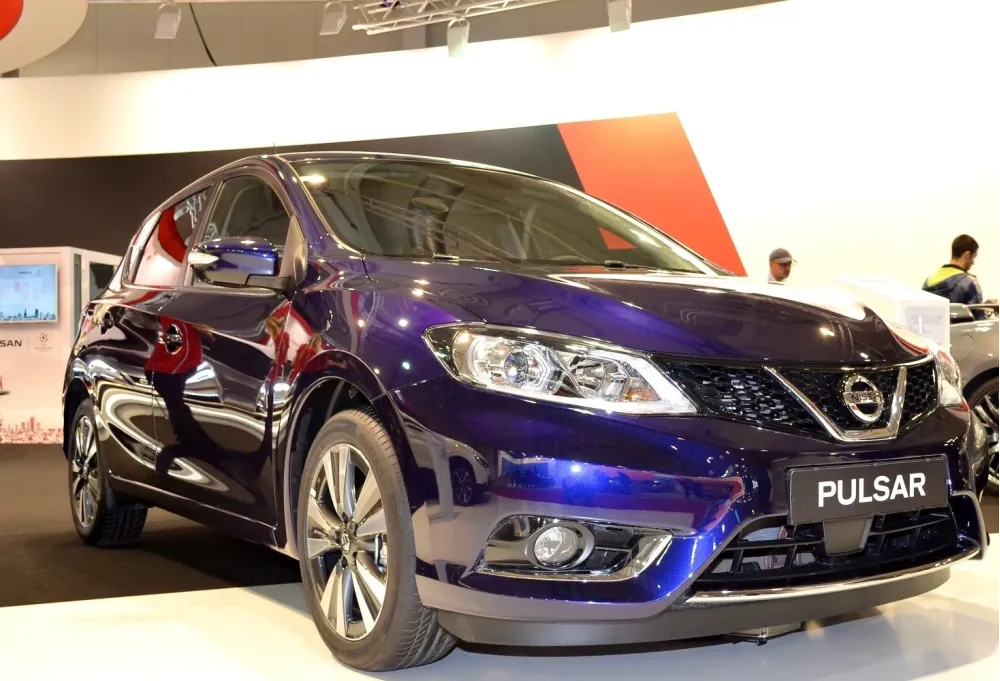
Click on image to view the full photo gallery
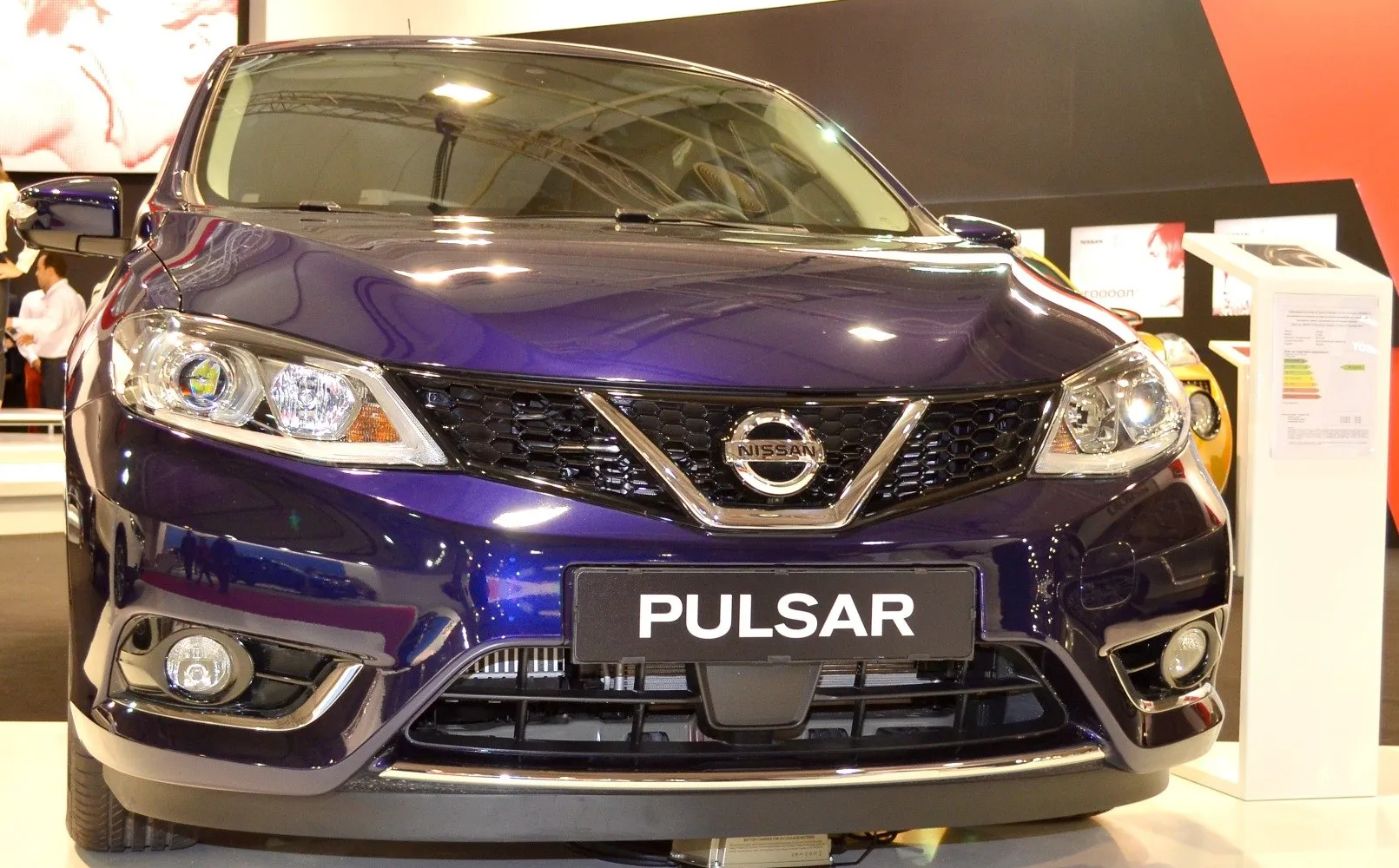
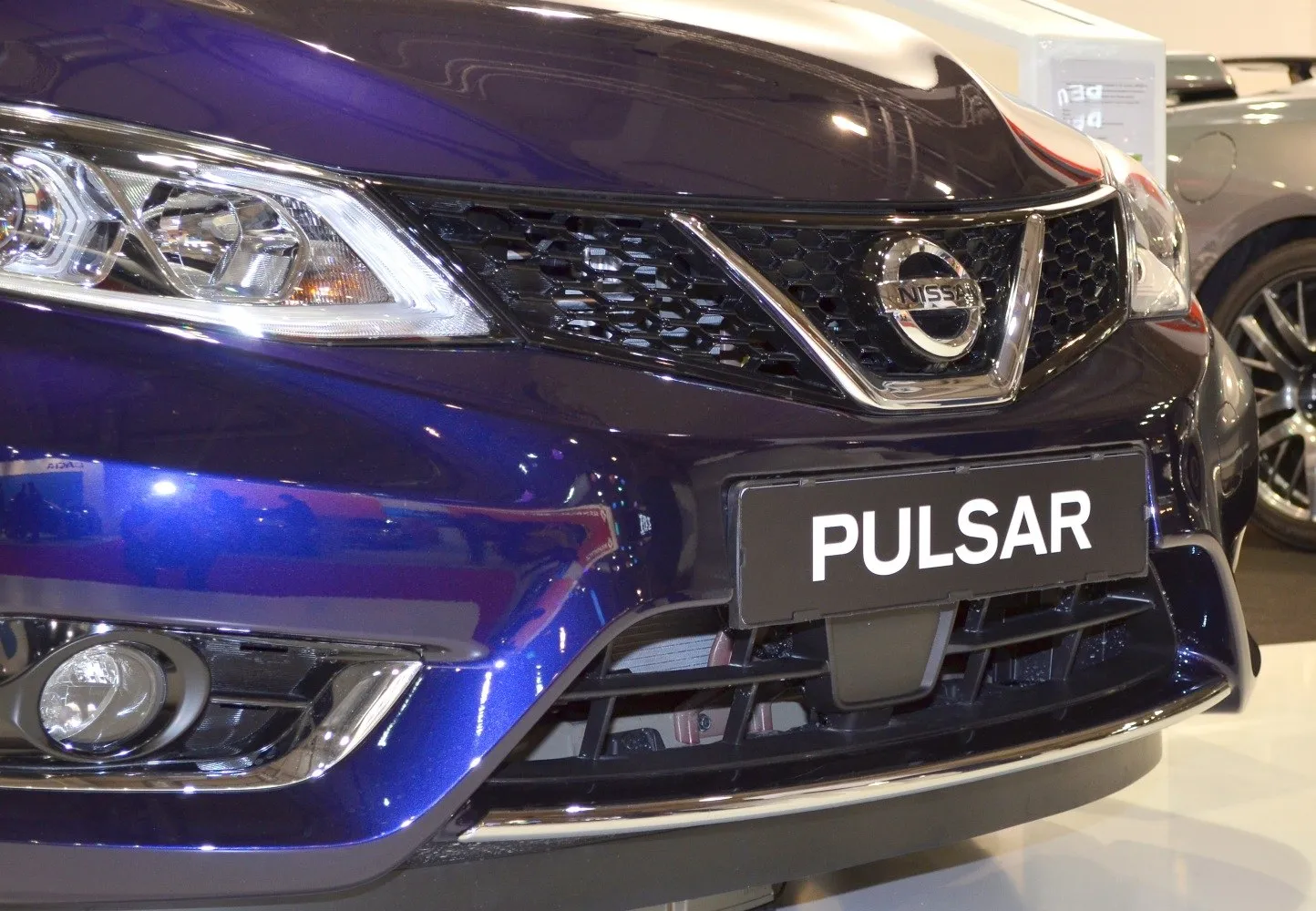
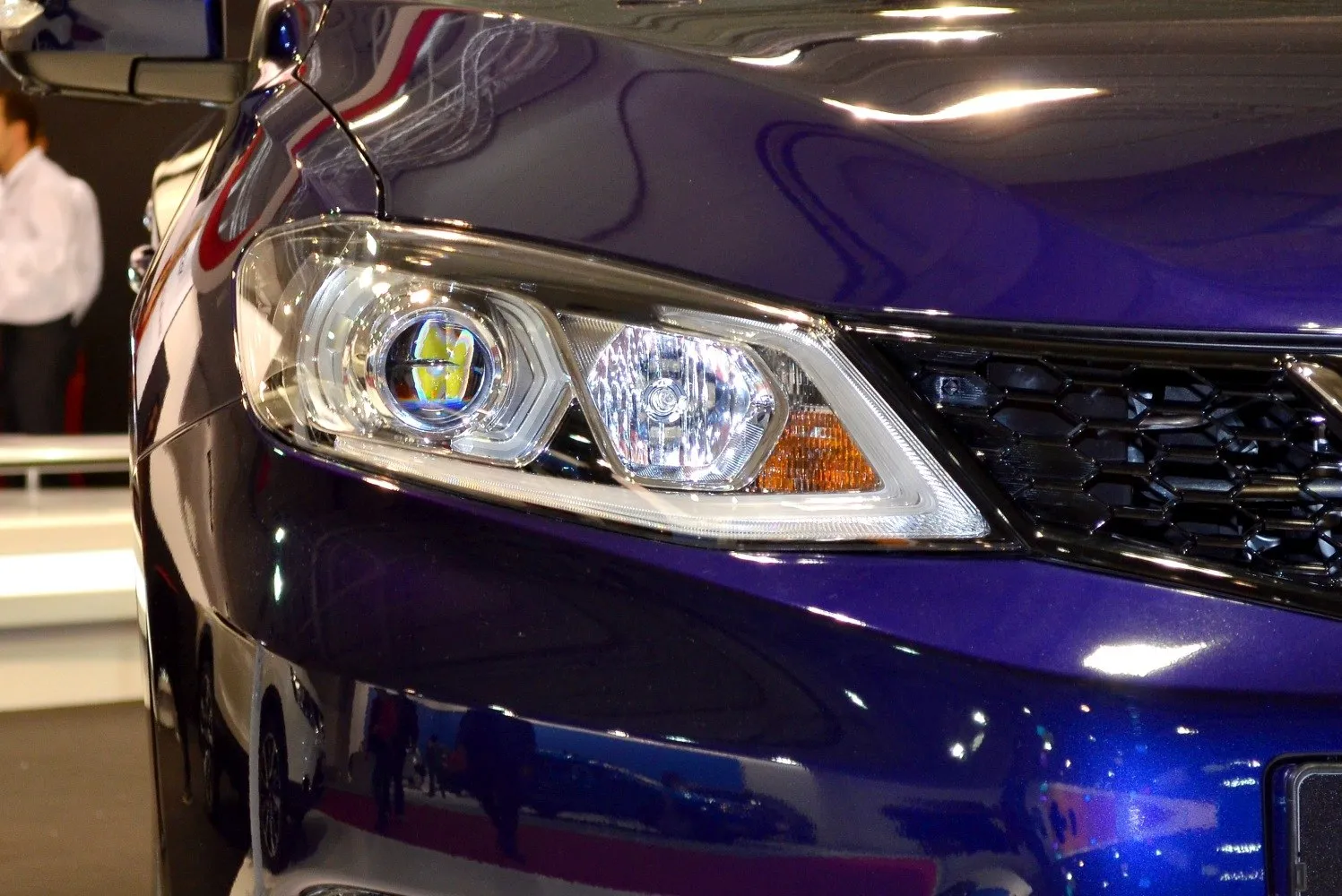
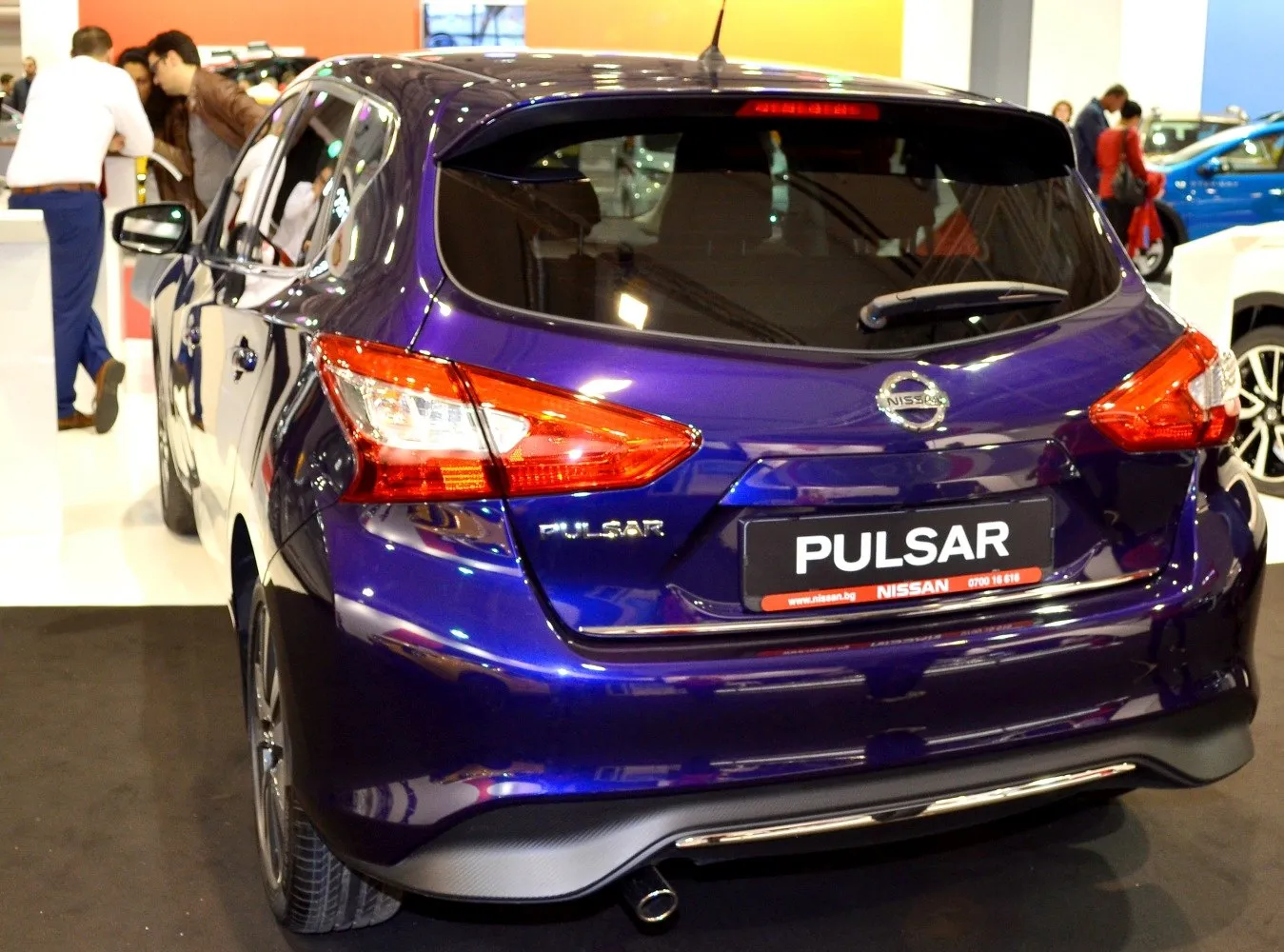
Nissan Pulsar C13 1.5 dCi (110 Hp)
Overall Rating
Nissan Pulsar:
The Nissan Pulsar is a line of automobiles produced by the Japanese automaker Nissan from 1978 until 2000, when it was replaced by the Nissan Bluebird Sylphy in the Japanese market.
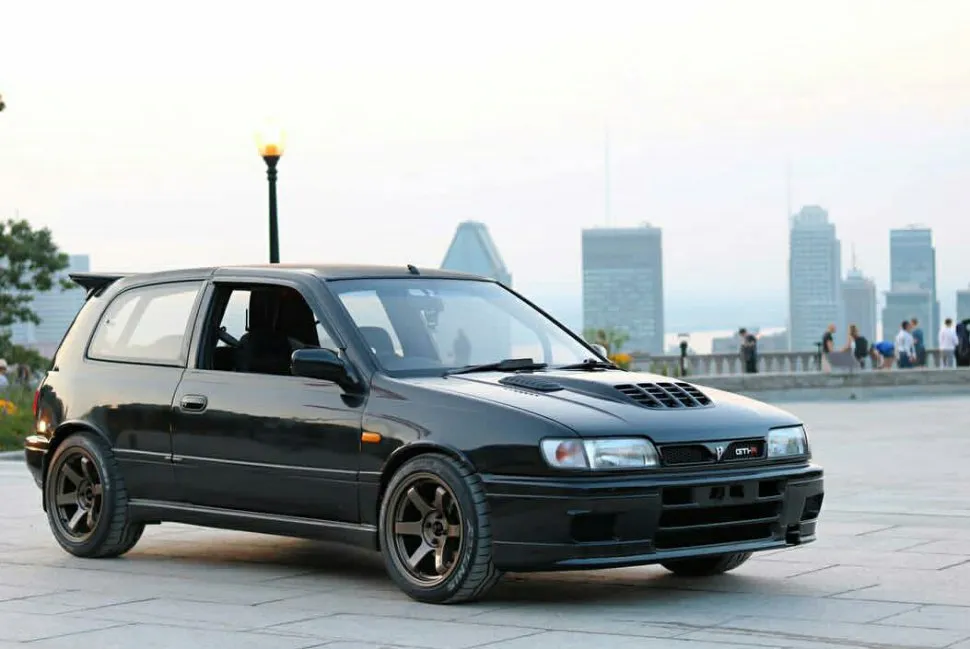
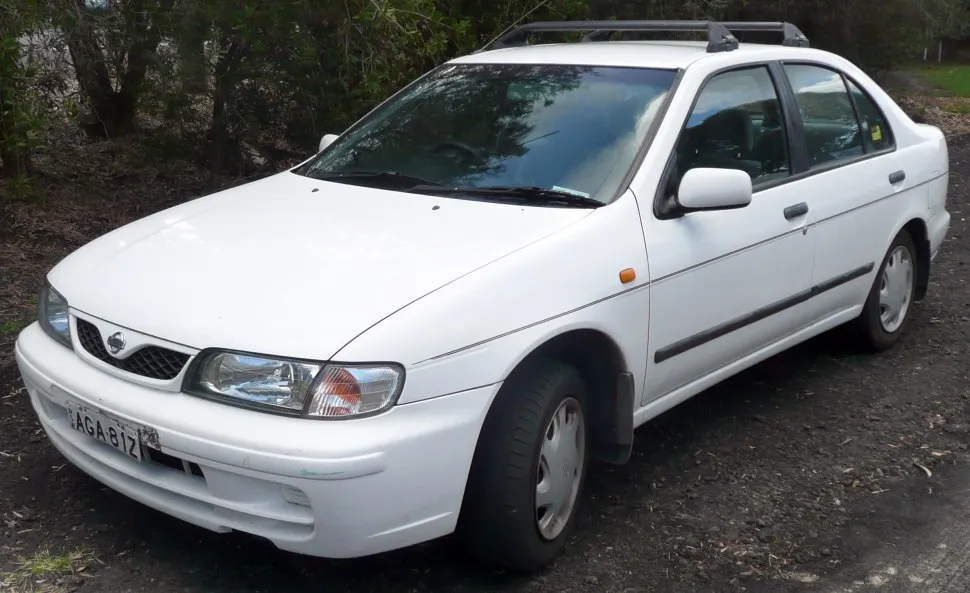
Between 2000 and 2005, the name "Pulsar" has been used in Australia and New Zealand on rebadged versions of the Sylphy. This arrangement continued until the introduction of the Nissan Tiida in 2005; at this time the Pulsar name was retired. In 2013, Nissan replaced the Tiida in Australia and New Zealand with two new models badged as Pulsar. These were based on the Sylphy sedan and Tiida hatchback, the latter also sold in Thailand under the Pulsar name. In 2014, a European-only replacement for the Tiida was introduced using the Pulsar nameplate....(Read more on Wikipedia)
C13 Overview:
Nissan Pulsar (C13). With 260 Nm of torque, it offers ample pulling power. It boasts low fuel consumption (~4.1 l/100km). With a weight of 1311 kg, it falls in the mid‑range. Front‑wheel drive delivers efficiency and easy handling. Acceleration is relatively slow (0–100 km/h in 11.5 s). The top speed reaches 190 km/h. A compact car with a rear door that swings upward to provide access to the cargo area. Seating for 5 makes it ideal for daily use.
The Nissan Pulsar C13 achieved a commendable 5-star Euro NCAP rating, demonstrating strong adult and child occupant protection, making it a safe choice in its class.
1.5 dCi (110 Hp) Verdict:

Performance Verdict
While not a powerhouse, the diesel engine provides strong mid-range torque, making it capable for highway cruising and overtaking.
Fuel Economy
Outstanding fuel economy, making this the most economical choice for long-distance drivers and those prioritizing low running costs.
Pros and Cons:
Pros:
- • Exceptional interior space for its class, especially rear legroom
- • Comfortable and compliant ride quality
- • Excellent fuel economy from the 1.5 dCi diesel engine
- • High Euro NCAP safety rating (5 stars)
- • Good value for money in the used car market
Cons:
- • Uninspiring driving dynamics and steering feel
- • Interior materials can feel a bit basic in some trims
- • CVT (Xtronic) transmission can be noisy under hard acceleration
- • Limited engine choice compared to some rivals
- • Styling is somewhat conservative
Specifications:
Specifications are compared to those of the previous generation(C13: March, 2015 - June, 2018).
| General: | |
|---|---|
| Brand: | Nissan |
| Model: | Pulsar |
| Generation: | C13 |
| Modification (Engine): | 1.5 dCi (110 Hp) |
| Start of production: | October, 2014 |
| End of production: | June, 2018 |
| Powertrain Architecture: | Internal Combustion engine |
| Body type: | Hatchback |
| Seats: | 5 |
| Doors: | 5 |
| Engine: | |
|---|---|
| Engine systems: | Particulate filter |
| Power: | 110 Hp @ 4000 rpm. Same horsepower |
| Power per litre: | 75.3 Hp/l [Same length.] |
| Torque: | 260 Nm @ 1750-2500 rpm. |
| Engine Model/Code: | K9K More details about the engine K9K |
| Engine displacement: | 1461 |
| Number of cylinders: | 4 |
| Engine configuration: | Inline |
| Number of valves per cylinder: | 2 |
| Fuel injection system: | Diesel Commonrail |
| Engine aspiration: | Turbocharger, Intercooler |
| Engine oil capacity: | 4.4 l |
| Coolant: | 7.4 l |
| Engine layout: | Front, Transverse |
| Cylinder Bore: | 76 mm mm |
| Piston Stroke: | 80.5 mm mm |
| Performance: | |
|---|---|
| Fuel Type: | Diesel |
| Fuel consumption (economy) - urban: | 4.1 l/100 km |
| Fuel consumption (economy) - extra urban: | 3.3 l/100 km |
| Fuel consumption (economy) - combined: | 3.6 l/100 km |
| Emission standard: | Euro 6 |
| Acceleration 0 - 100 km/h: | 11.5 sec |
| Acceleration 0 - 62 mph: | 11.5 sec |
| Maximum speed: | 190 km/h |
| Weight-to-power ratio: | 11.5 kg/Hp, 86.6 Hp/tonne |
| Weight-to-torque ratio: | 4.9 kg/Nm, 204.7 Nm/tonne |
| Acceleration 0 - 60 mph: | 10.9 sec |
| Space: | |
|---|---|
| Kerb Weight: | 1270-1352 |
| Max. weight: | 1785 |
| Max. roof load: | 75 kg |
| Max load: | 433-515 |
| Trunk (boot) space - maximum: | 1395 l |
| Trunk (boot) space - minimum: | 385 l |
| Permitted trailer load with brakes (12%): | 1200 kg |
| Fuel tank capacity: | 46 l |
| Permitted trailer load without brakes: | 672 kg |
| Permitted towbar download: | 75 kg |
| Size: | |
|---|---|
| Length: | 4387 mm mm [Same length.] |
| Width: | 1768 mm mm [Same width.] |
| Height: | 1520 mm mm [Same height.] |
| Wheelbase: | 2700 mm mm [Same wheelbase.] |
| Front track: | 1540/1530 mm |
| Rear (Back) track: | 1540/1530 mm |
| Ride height (ground clearance): | 156 mm |
| Minimum turning circle (turning diameter): | 10.2 m [above average] |
| Powertrain: | |
|---|---|
| Drivetrain Architecture | The Internal combustion engine (ICE) drives the front wheels of the vehicle. |
| Drive wheel | Front wheel drive |
| Number of gears | 6 |
| Transmission type | Manual |
| Front brakes | Ventilated discs [Best for performance and cooling.] |
| Assisting systems | ABS (Anti-lock braking system) |
| Steering type | Steering rack and pinion |
| Tires size | 195/60 R16; 205/50 R17 |
| Wheel rims size | 6.5J x 16; 6.5J x 17 |
| Front suspension | Independent type McPherson |
| Rear suspension | Semi-independent, coil spring |

















Is the Nissan Pulsar worth every penny? Give us your honest ROI.