
Click on image to view the full photo gallery
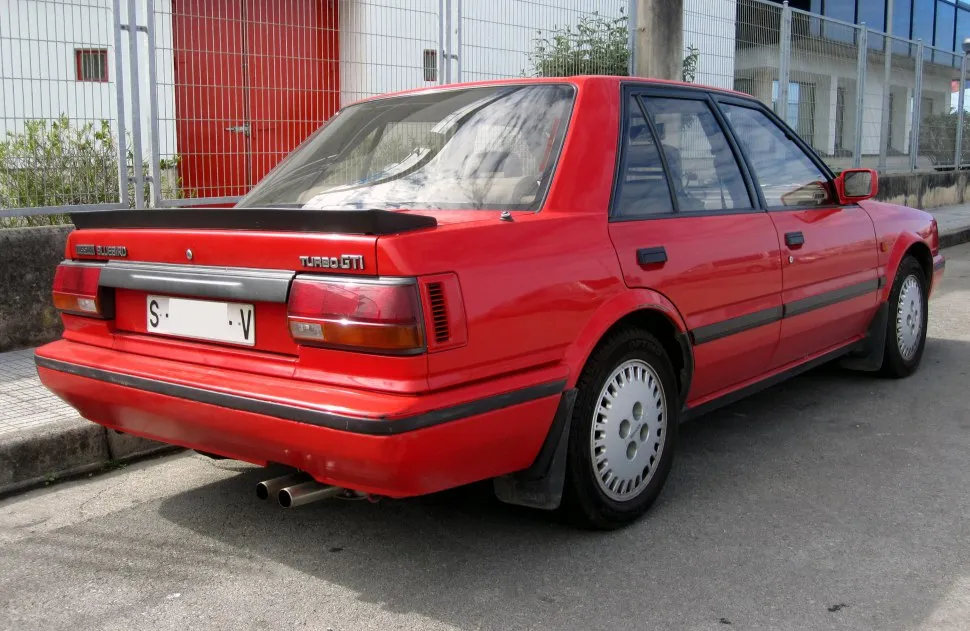
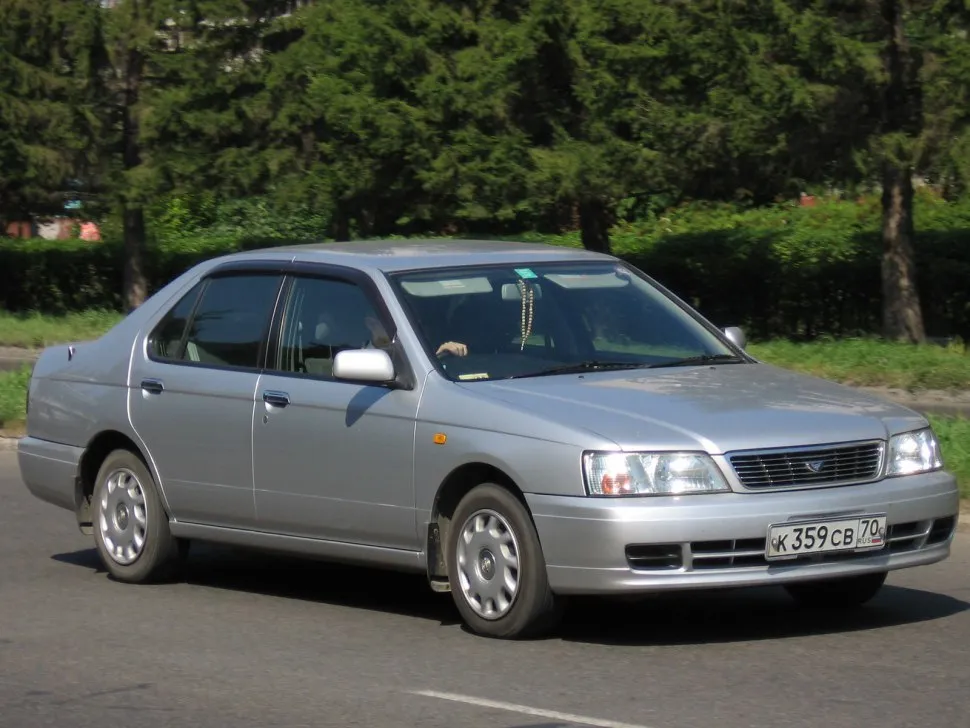
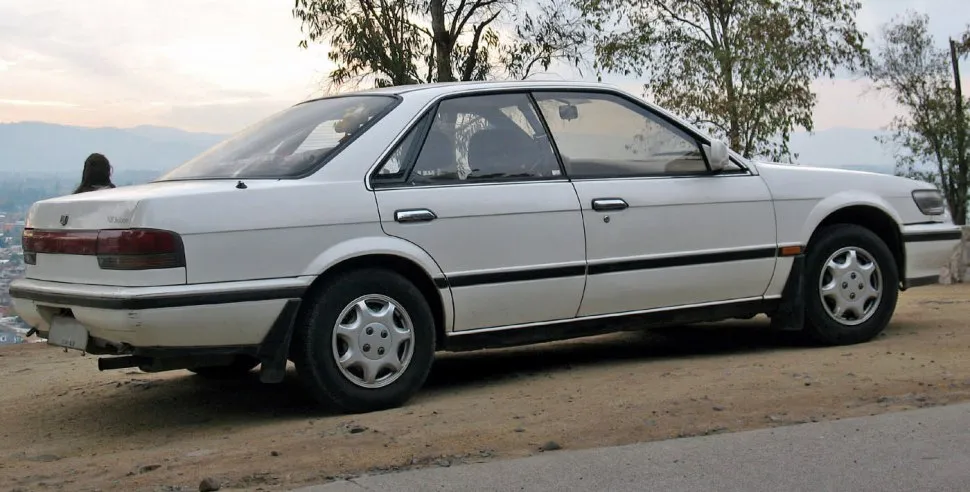
Nissan Bluebird U12 2.0 SSS (140 Hp)
Overall Rating
Nissan Bluebird:
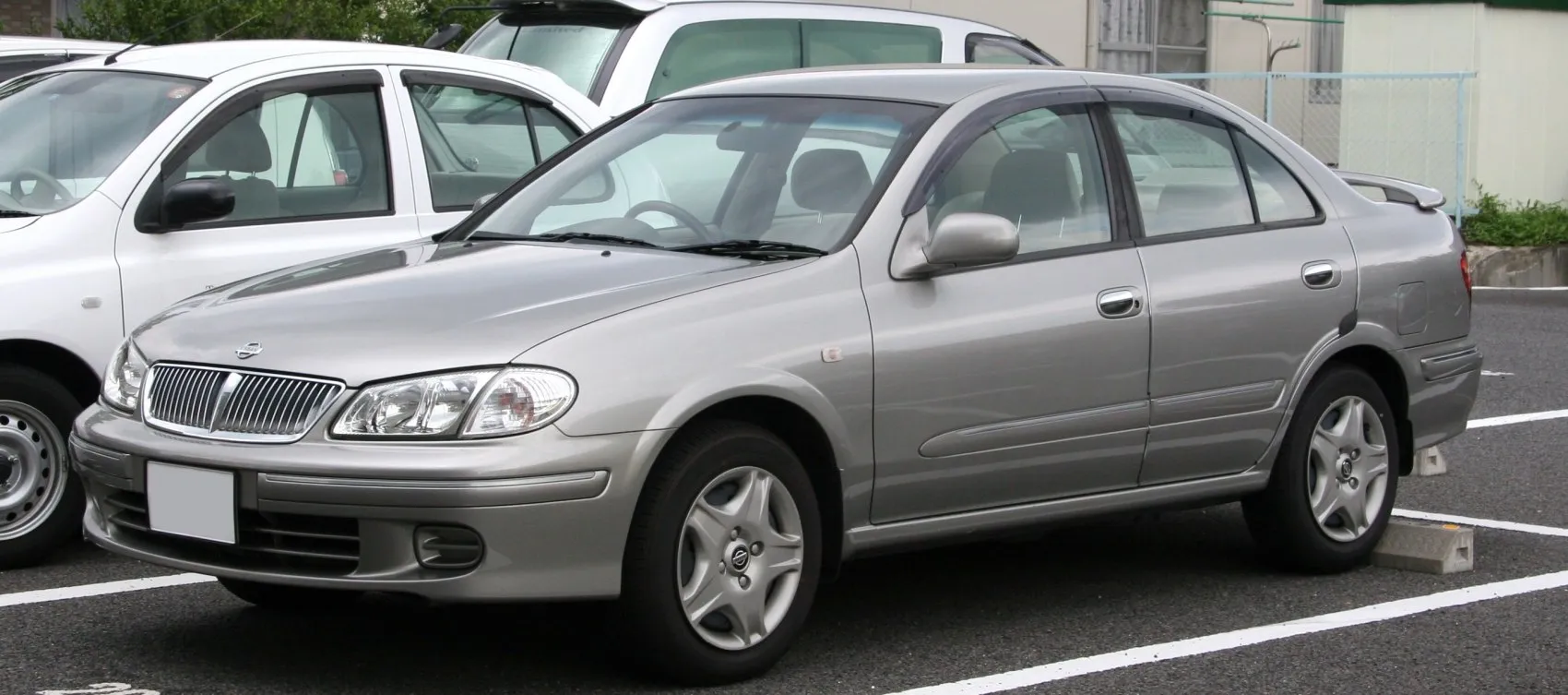
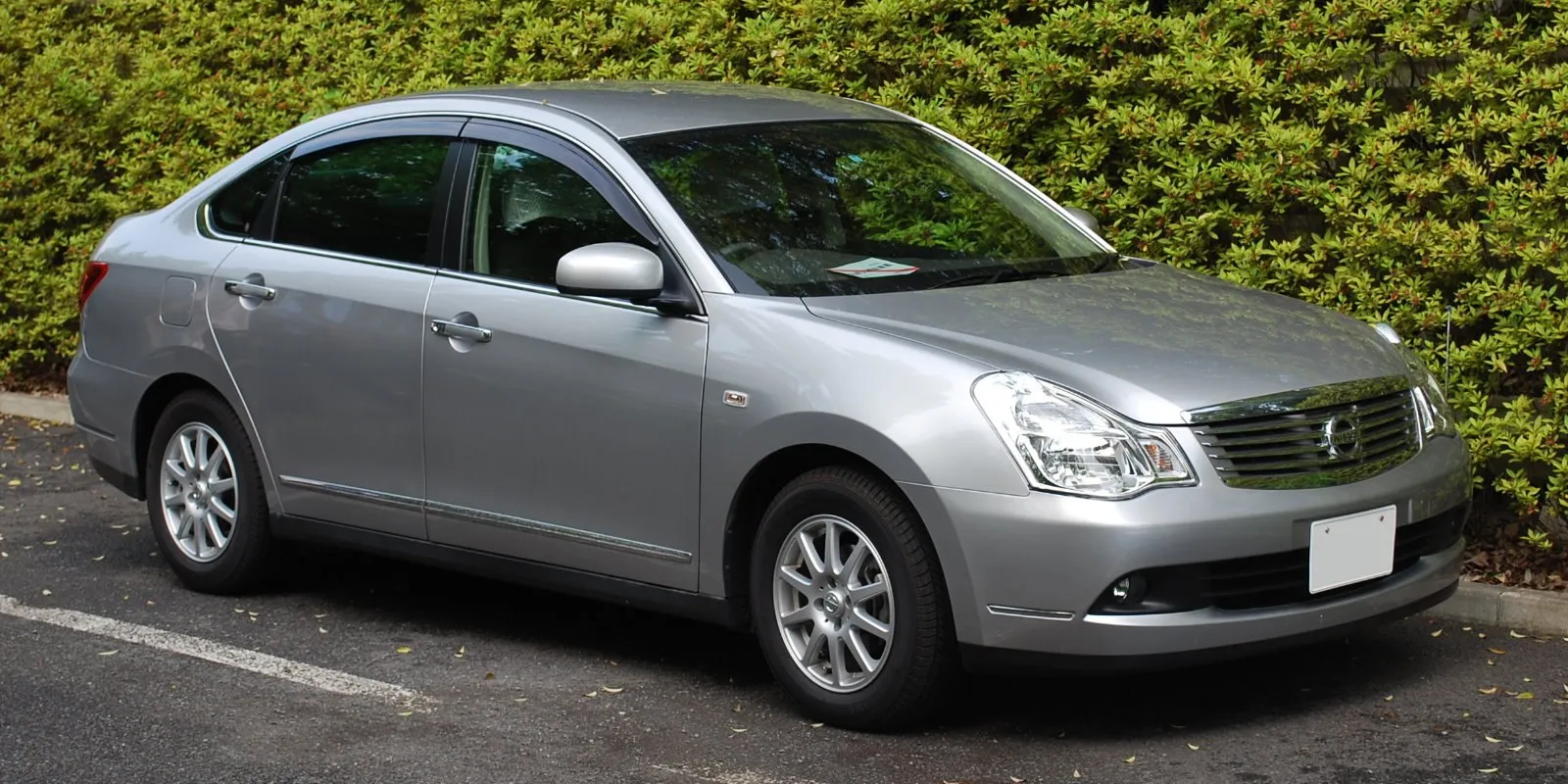
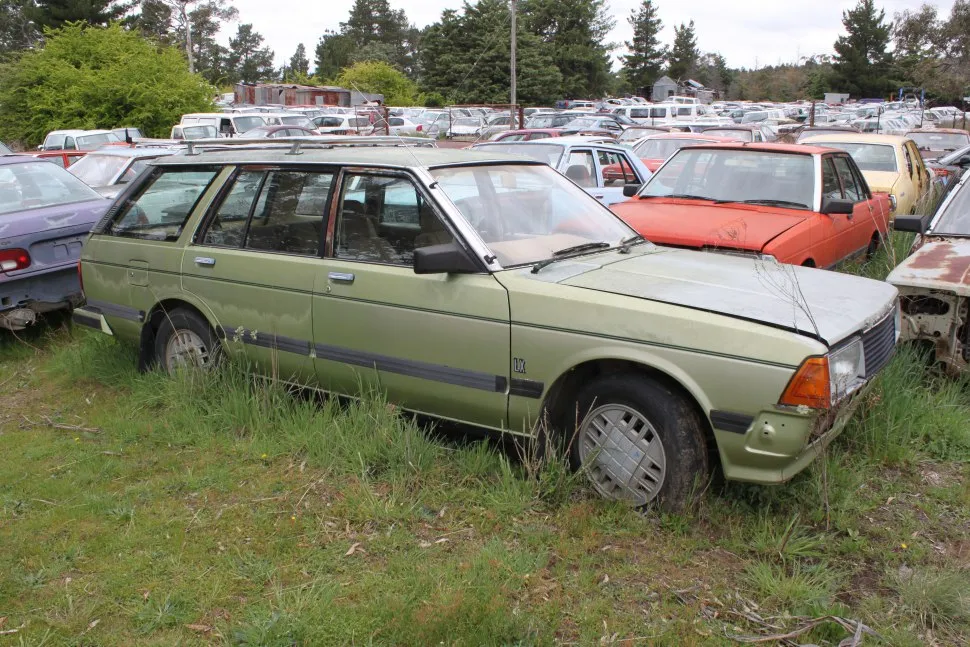
The Nissan Bluebird is a compact car produced between 1955 and 2007 with a model name introduced in 1957. It was Nissan's most internationally recognized sedan, known for its dependability and durability in multiple body styles. The Bluebird originated from Nissan's first vehicles, dating to the early 1900s, and its traditional competitor became the Toyota Corona. The Bluebird was positioned to compete with the Corona, as the Corona was developed to continue offering a sedan used as a taxi since the Toyota Crown was growing in size. Every generation of the Bluebird has been available as a taxi, duties that are shared with base level Nissan Cedrics. It is one of the longest-running nameplates from a Japanese automaker. It spawned most of Nissan's products sold internationally, and has been known by a number of different names and bodystyles, including the Auster/Stanza names....(Read more on Wikipedia)
U12 Overview:
Nissan Bluebird (U12). With 181 Nm of torque, it offers ample pulling power. It has moderate fuel consumption (~7.4 l/100km). Front‑wheel drive delivers efficiency and easy handling. A four-door car with a separate trunk, ideal for families and daily commuting. Seating for 5 makes it ideal for daily use.
The Nissan Bluebird U12 predates Euro NCAP testing standards, which began in 1997. As such, no official Euro NCAP safety rating is available for this generation. Safety features would be basic by modern standards.
2.0 SSS (140 Hp) Verdict:

Performance Verdict
A strong performer for its era, offering spirited acceleration and a sporty feel, making it a desirable choice for enthusiasts.
Fuel Economy
Decent fuel economy for a performance-oriented 2.0L engine, but not class-leading, especially when driven hard.
Pros and Cons:
Pros:
- • Excellent reliability and durability
- • Comfortable and spacious interior for its class
- • Wide range of engine options, including sporty SSS trims
- • Good fuel economy on diesel and smaller petrol variants
- • Practical and easy to maintain
Cons:
- • Outdated safety features by modern standards
- • Base models can feel underpowered
- • Design is functional rather than exciting
- • Automatic transmissions can be sluggish
- • Rust can be an issue on older models
Specifications:
Specifications are compared to those of the previous generation(Hatchback (T72,T12): 1986 - 1990).
| General: | |
|---|---|
| Brand: | Nissan |
| Model: | Bluebird |
| Generation: | U12 |
| Modification (Engine): | 2.0 SSS (140 Hp) |
| Start of production: | 1987 |
| End of production: | 1991 |
| Powertrain Architecture: | Internal Combustion engine |
| Body type: | Sedan |
| Seats: | 5 |
| Doors: | 4 |
| Engine: | |
|---|---|
| Power: | 140 Hp @ 5800 rpm. |
| Power per litre: | 70.1 Hp/l [worst than previous generation] |
| Torque: | 181 Nm @ 4800 rpm. |
| Engine displacement: | 1998 |
| Number of cylinders: | 4 |
| Engine configuration: | Inline |
| Number of valves per cylinder: | 4 |
| Fuel injection system: | Multi-port manifold injection |
| Engine aspiration: | Naturally aspirated engine |
| Valvetrain: | DOHC |
| Engine layout: | Front, Transverse |
| Cylinder Bore: | 86 mm mm |
| Piston Stroke: | 86 mm mm |
| Compression ratio: | 10:1 |
| Performance: | |
|---|---|
| Fuel Type: | Petrol (Gasoline) |
| Fuel consumption (economy) - urban: | 7.4 l/100 km |
| Space: | |
|---|---|
| Fuel tank capacity: | 60 l |
| Size: | |
|---|---|
| Length: | 4520 mm mm |
| Width: | 1690 mm mm |
| Height: | 1375 mm mm |
| Wheelbase: | 2550 mm mm |
| Front track: | 1460 mm |
| Rear (Back) track: | 1440 mm |
| Minimum turning circle (turning diameter): | 10 m [above average] |
| Powertrain: | |
|---|---|
| Drivetrain Architecture | The Internal combustion engine (ICE) drives the front wheels of the vehicle. |
| Drive wheel | Front wheel drive |
| Number of gears | 5 |
| Transmission type | Manual |
| Front brakes | Ventilated discs [Best for performance and cooling.] |
| Rear brakes | Drum [bad for performance and cooling.] |








Better than its competitors? Tell us why the Nissan Bluebird stands out.