
Click on image to view the full photo gallery
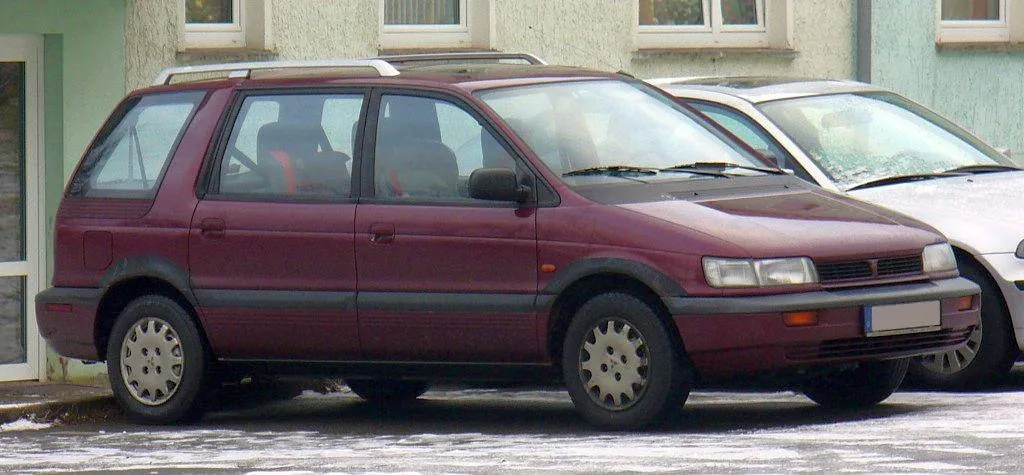
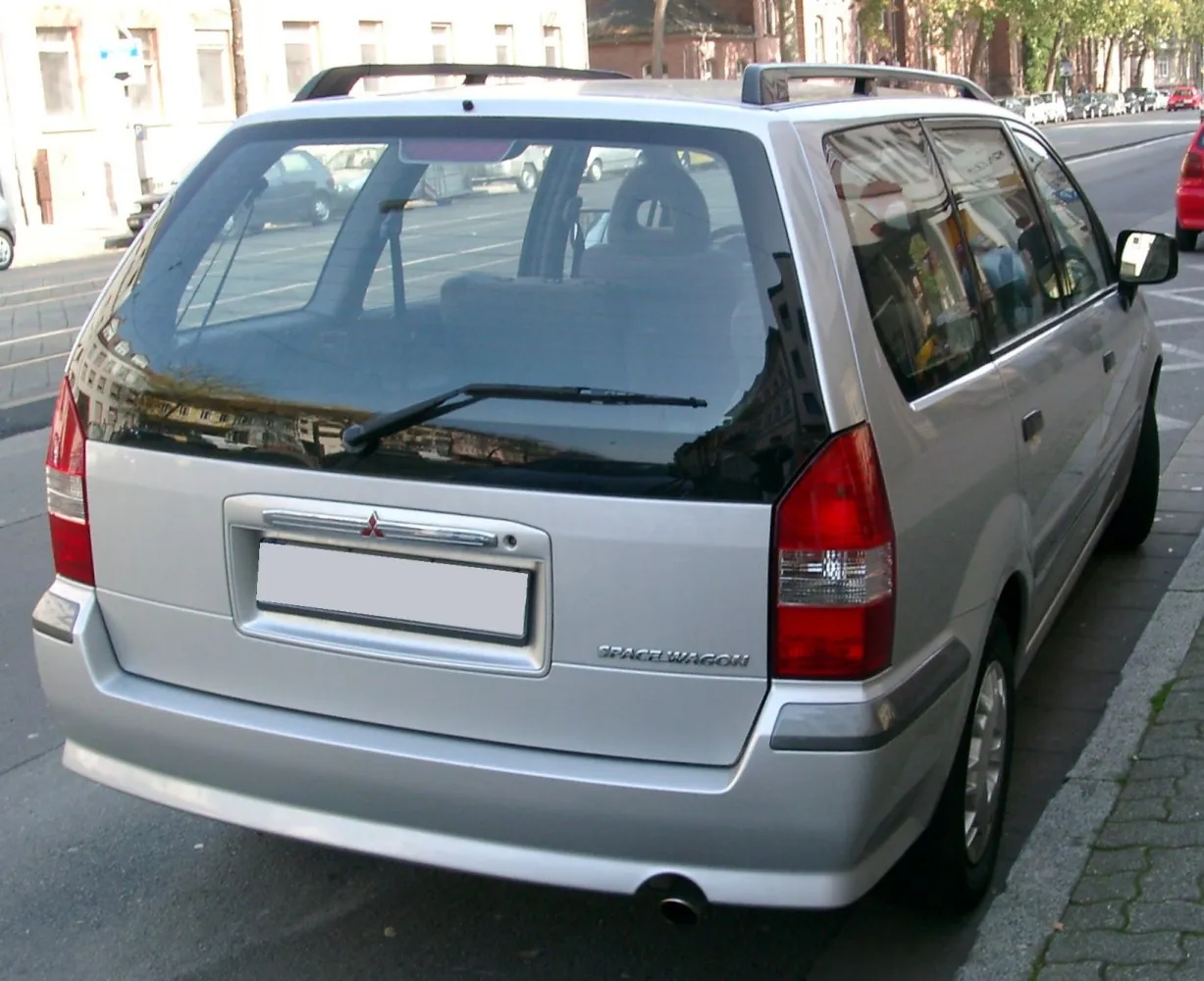
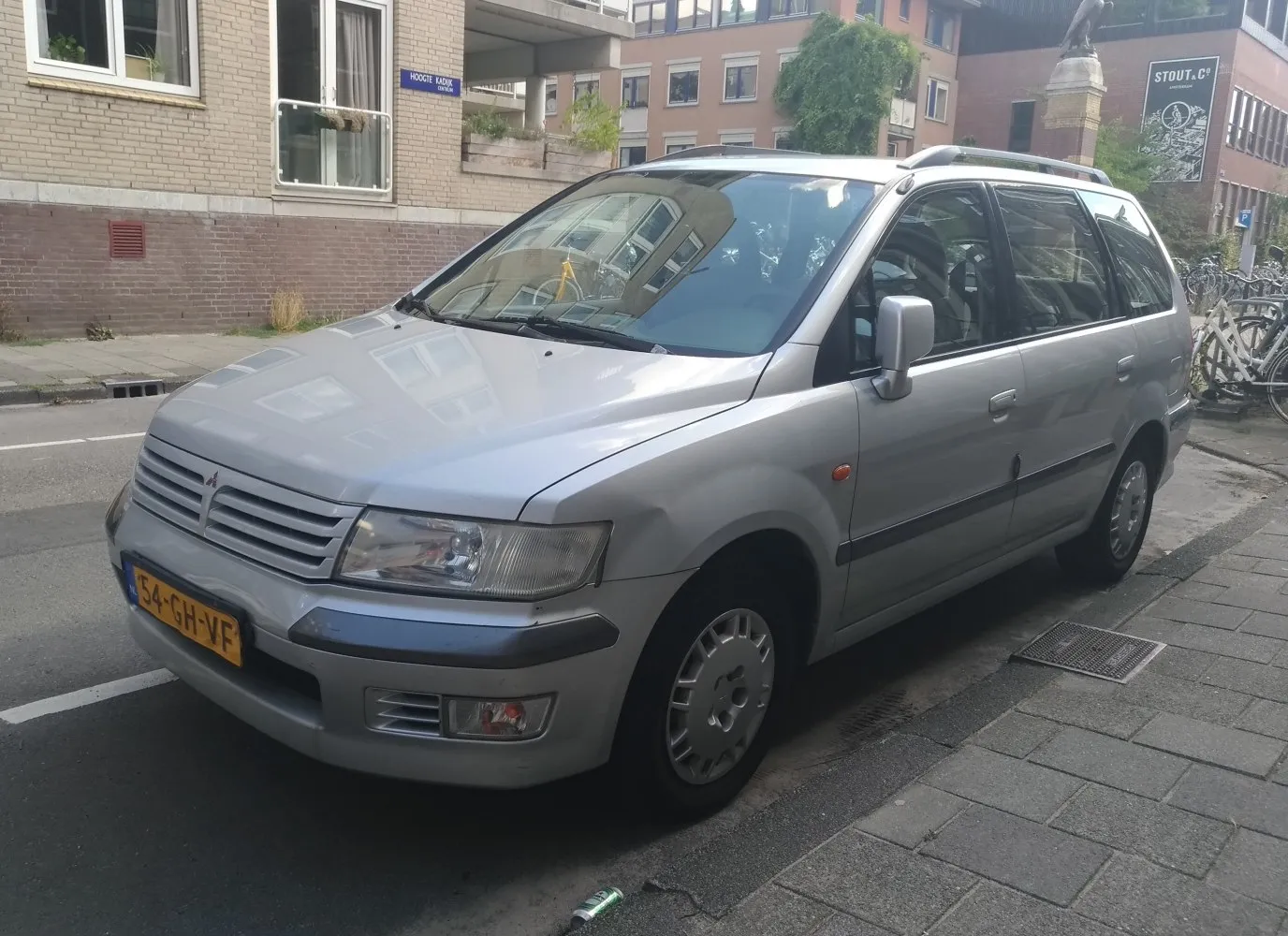
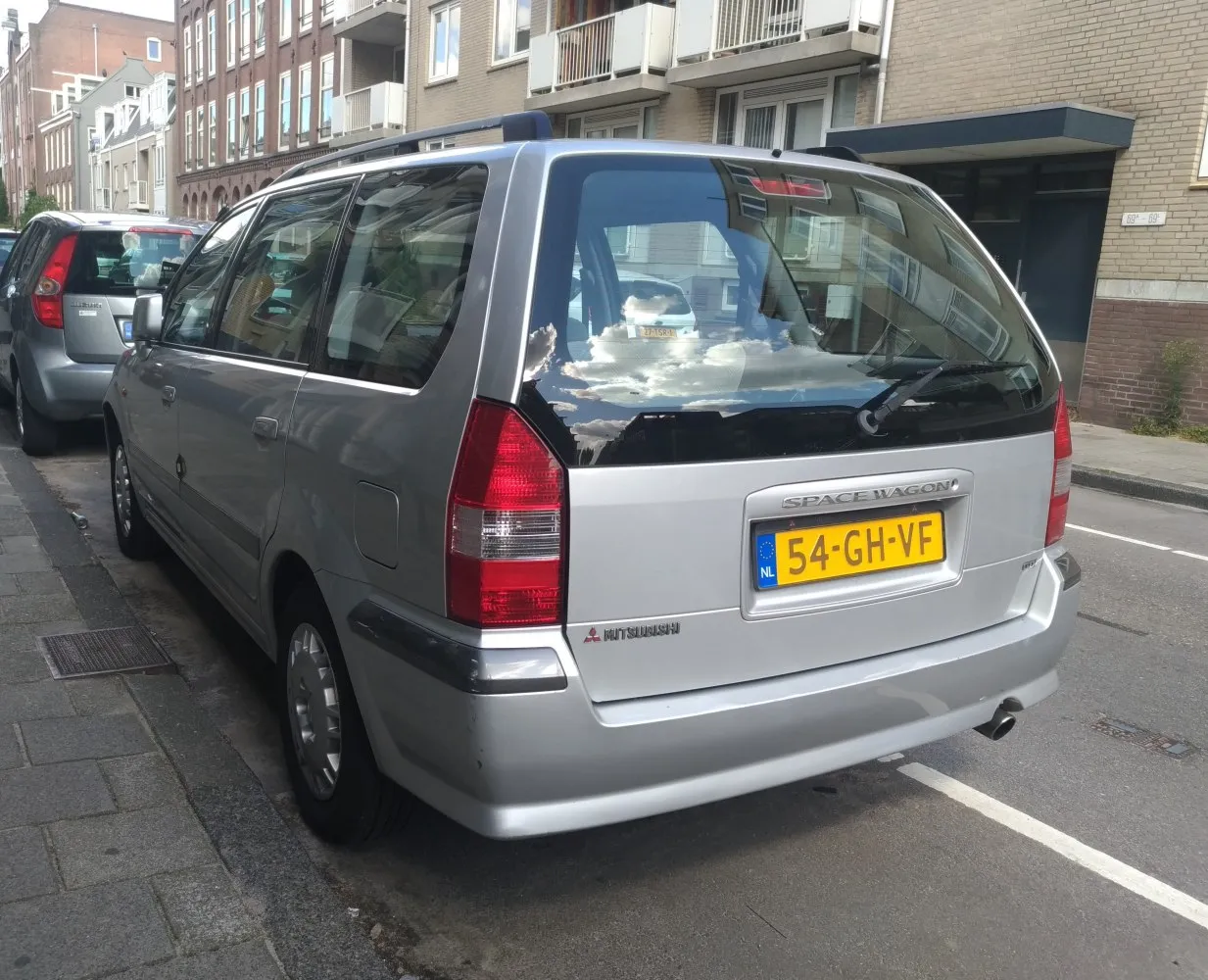
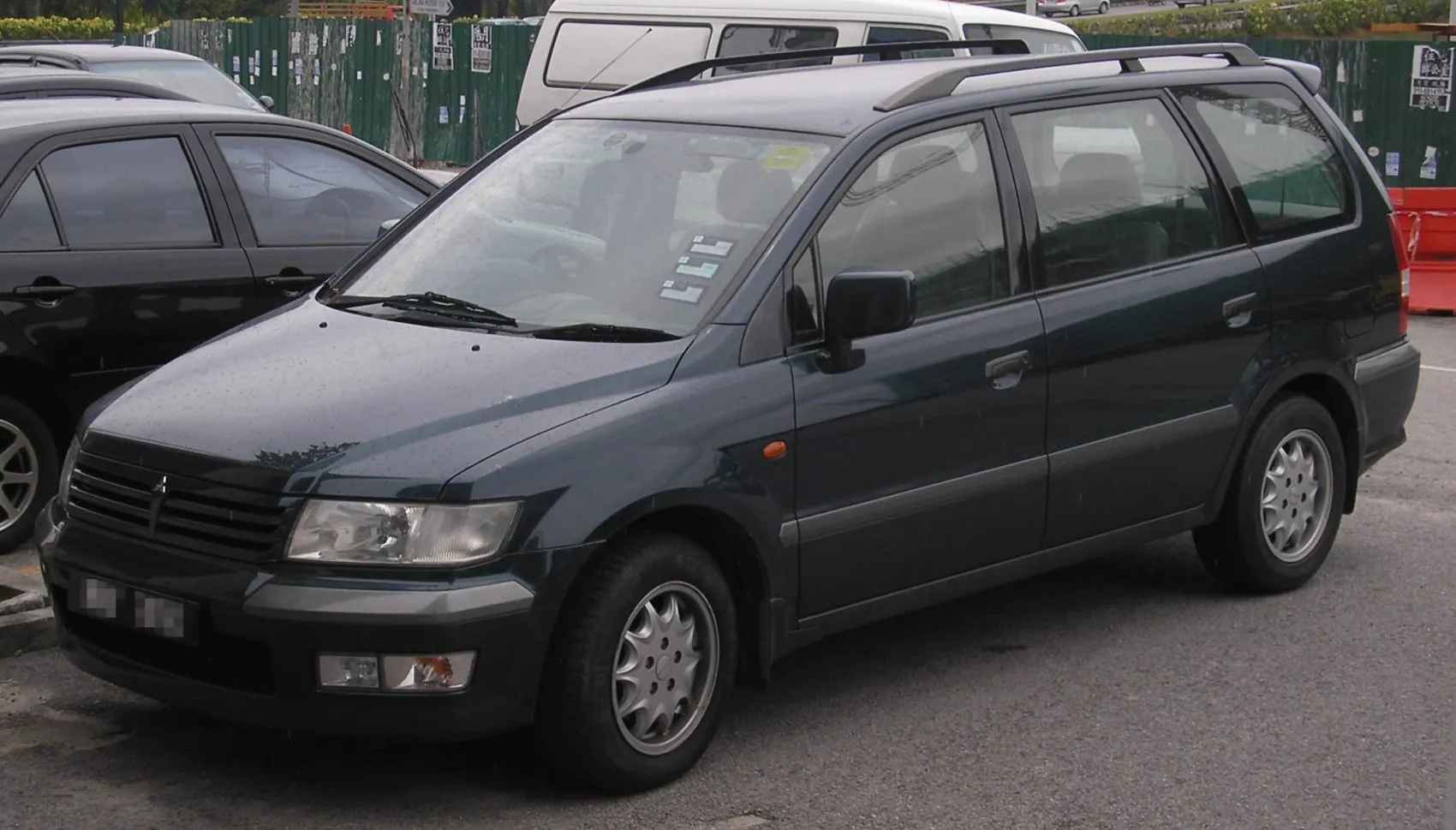
Mitsubishi Space Wagon III 2.4 GDi (165 Hp)
Overall Rating
Mitsubishi Space Wagon:
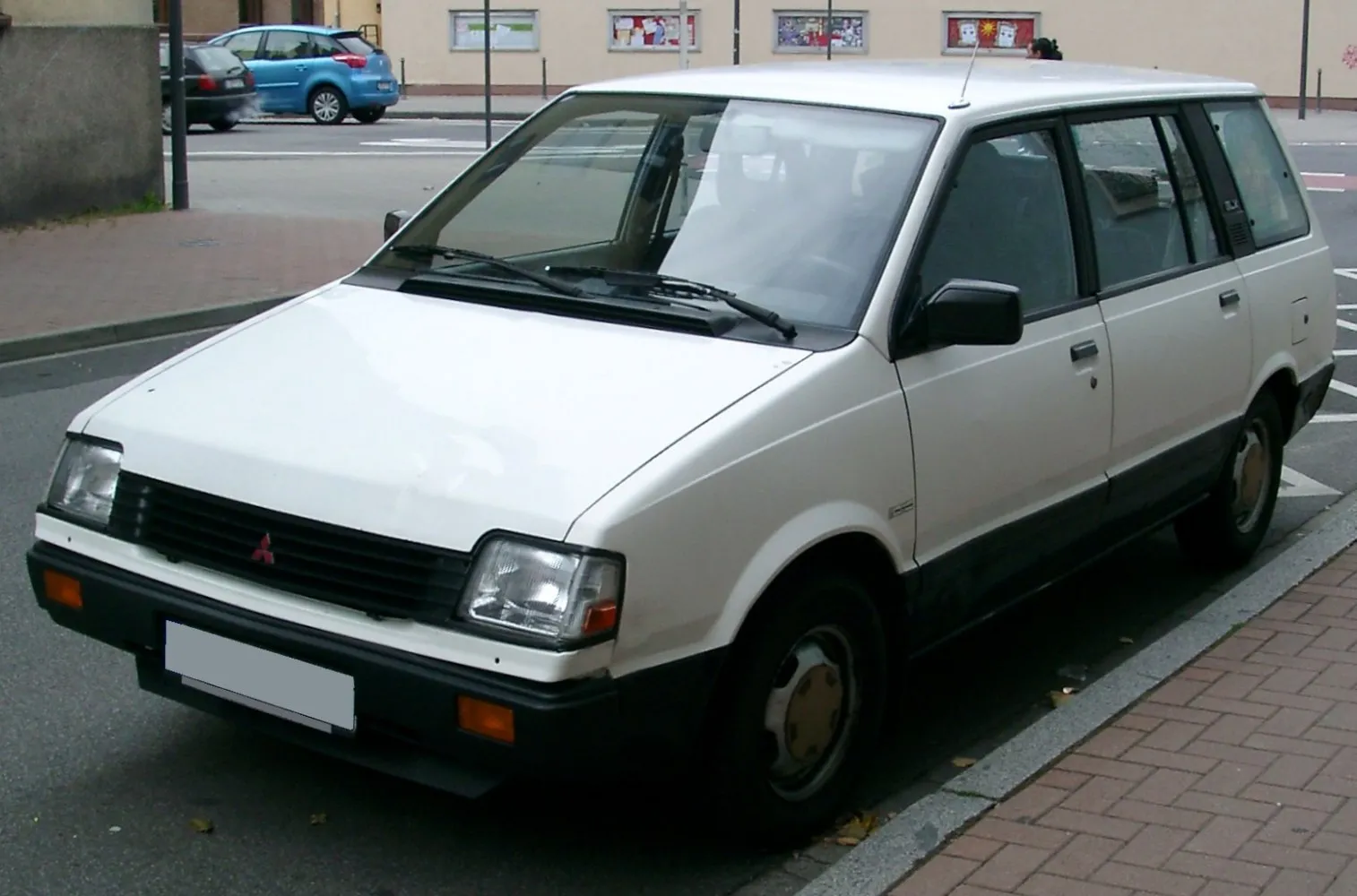
The Mitsubishi Chariot is an automobile manufactured and marketed by Mitsubishi from 1983 to 2003. It is a small multi-purpose vehicle. Based on the SSW concept car first exhibited at the 23rd Tokyo Motor Show in 1979, the MPV derives its nameplate from chariots used by the ancient Greek and Roman empires.
Internationally, the MPV has been marketed as the Mitsubishi Space Wagon, Mitsubishi Nimbus and Mitsubishi Expo — and as the Dodge and Plymouth Colt Vista Wagon, as captive imports in North America, and as the Eagle Vista Wagon in Canada. It has also been manufactured under license as the Hyundai Santamo and Mitsubishi Savrin in Asia....(Read more on Wikipedia)
III Overview:
Mitsubishi Space Wagon (III). With 230 Nm of torque, it offers ample pulling power. With a weight of 1510 kg, it falls in the mid‑range. Front‑wheel drive delivers efficiency and easy handling. A spacious vehicle designed to transport passengers comfortably, often with sliding doors. With seating for 7, it’s perfect for larger families.
2.4 GDi (165 Hp) Verdict:

Performance Verdict
Likely the most spirited 4-cylinder option, offering strong acceleration and a responsive driving feel, especially when paired with a manual gearbox.
Fuel Economy
Achieves a good balance of power and efficiency, potentially the most economical of the higher-powered 2.4L GDi variants due to manual control.
Pros and Cons:
Pros:
- • Spacious and versatile interior with flexible seating configurations
- • Available 4x4 drivetrain for enhanced traction and utility
- • GDi engines offered good efficiency for their time
- • Generally reliable if well-maintained
- • Comfortable ride quality for long journeys
Cons:
- • GDi engines can be prone to carbon buildup and fuel system issues if neglected
- • Interior design and materials became dated by the end of its production run
- • Some smaller engines can feel underpowered when fully loaded
- • Fuel economy for larger engines, especially 4x4, can be high
- • Limited advanced safety features compared to modern minivans
Specifications:
Specifications are compared to those of the previous generation(II: 1992 - 1998).
| General: | |
|---|---|
| Brand: | Mitsubishi |
| Model: | Space Wagon |
| Generation: | III |
| Modification (Engine): | 2.4 GDi (165 Hp) |
| Start of production: | 1998 |
| End of production: | 2004 |
| Powertrain Architecture: | Internal Combustion engine |
| Body type: | Minivan |
| Seats: | 7 |
| Doors: | 5 |
| Engine: | |
|---|---|
| Power: | 165 Hp @ 5700 rpm. |
| Power per litre: | 70.2 Hp/l |
| Torque: | 230 Nm @ 3500 rpm. |
| Engine displacement: | 2351 |
| Number of cylinders: | 4 |
| Engine configuration: | Inline |
| Number of valves per cylinder: | 4 |
| Fuel injection system: | Direct injection |
| Engine aspiration: | Naturally aspirated engine |
| Valvetrain: | DOHC |
| Engine layout: | Front, Transverse |
| Cylinder Bore: | 86.5 mm mm |
| Piston Stroke: | 100 mm mm |
| Compression ratio: | 11.5:1 |
| Performance: | |
|---|---|
| Fuel Type: | Petrol (Gasoline) |
| Weight-to-power ratio: | 9.2 kg/Hp, 109.3 Hp/tonne |
| Weight-to-torque ratio: | 6.6 kg/Nm, 152.3 Nm/tonne |
| Space: | |
|---|---|
| Kerb Weight: | 1510 |
| Max. weight: | 2180 |
| Max load: | 670 |
| Trunk (boot) space - maximum: | 1930 l |
| Trunk (boot) space - minimum: | 240 l |
| Fuel tank capacity: | 63 l |
| Size: | |
|---|---|
| Length: | 4600 mm mm |
| Width: | 1775 mm mm |
| Height: | 1690 mm mm |
| Wheelbase: | 2780 mm mm |
| Front track: | 1500 mm |
| Rear (Back) track: | 1535 mm |
| Powertrain: | |
|---|---|
| Drivetrain Architecture | The Internal combustion engine (ICE) drives the front wheels of the vehicle. |
| Drive wheel | Front wheel drive |
| Number of gears | 5 |
| Transmission type | Manual |
| Front brakes | Ventilated discs [Best for performance and cooling.] |
| Rear brakes | Disc |
| Assisting systems | ABS (Anti-lock braking system) |
| Steering type | Steering rack and pinion |
| Power steering | Hydraulic Steering |
| Tires size | 205/65 R15 |
| Front suspension | Wishbone |
| Rear suspension | Coil spring |






Every driver has a story. What’s yours with the Mitsubishi Space Wagon?