
Click on image to view the full photo gallery
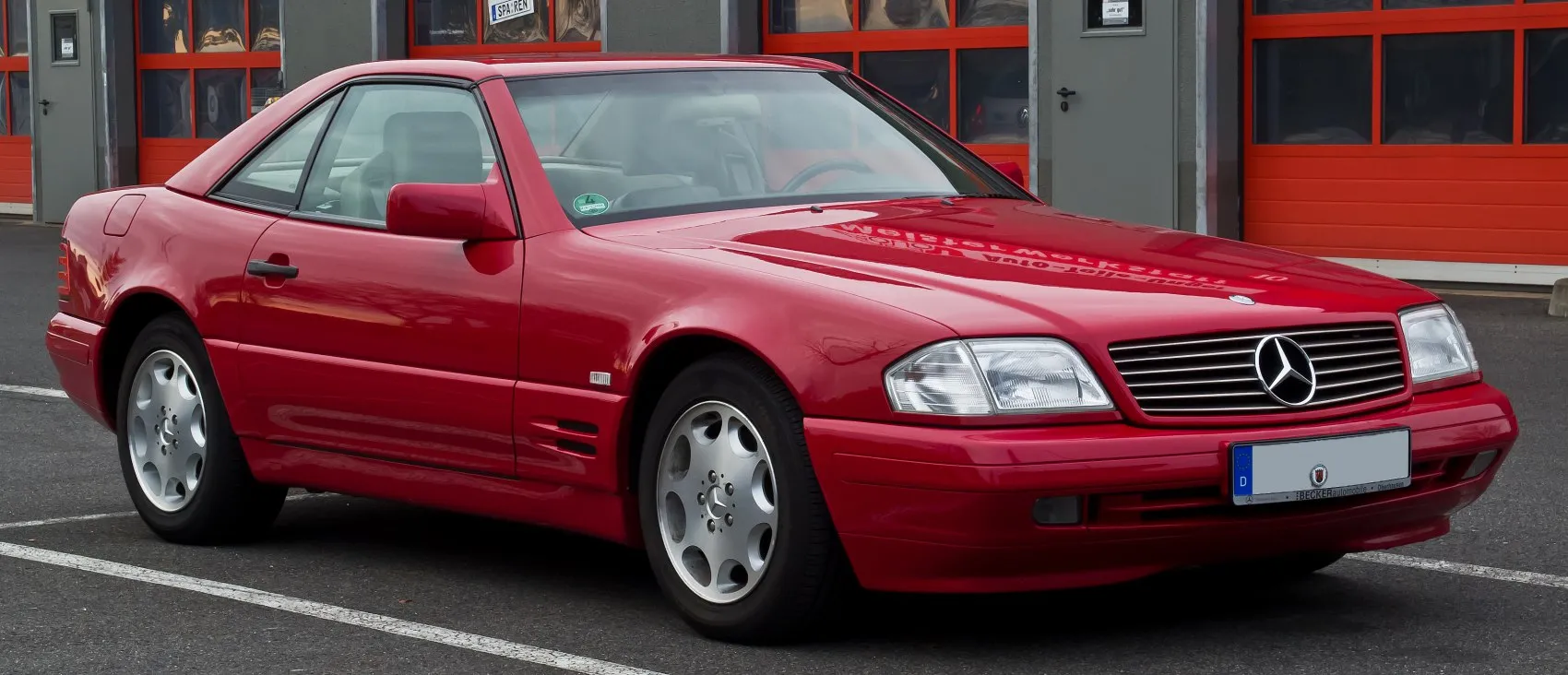
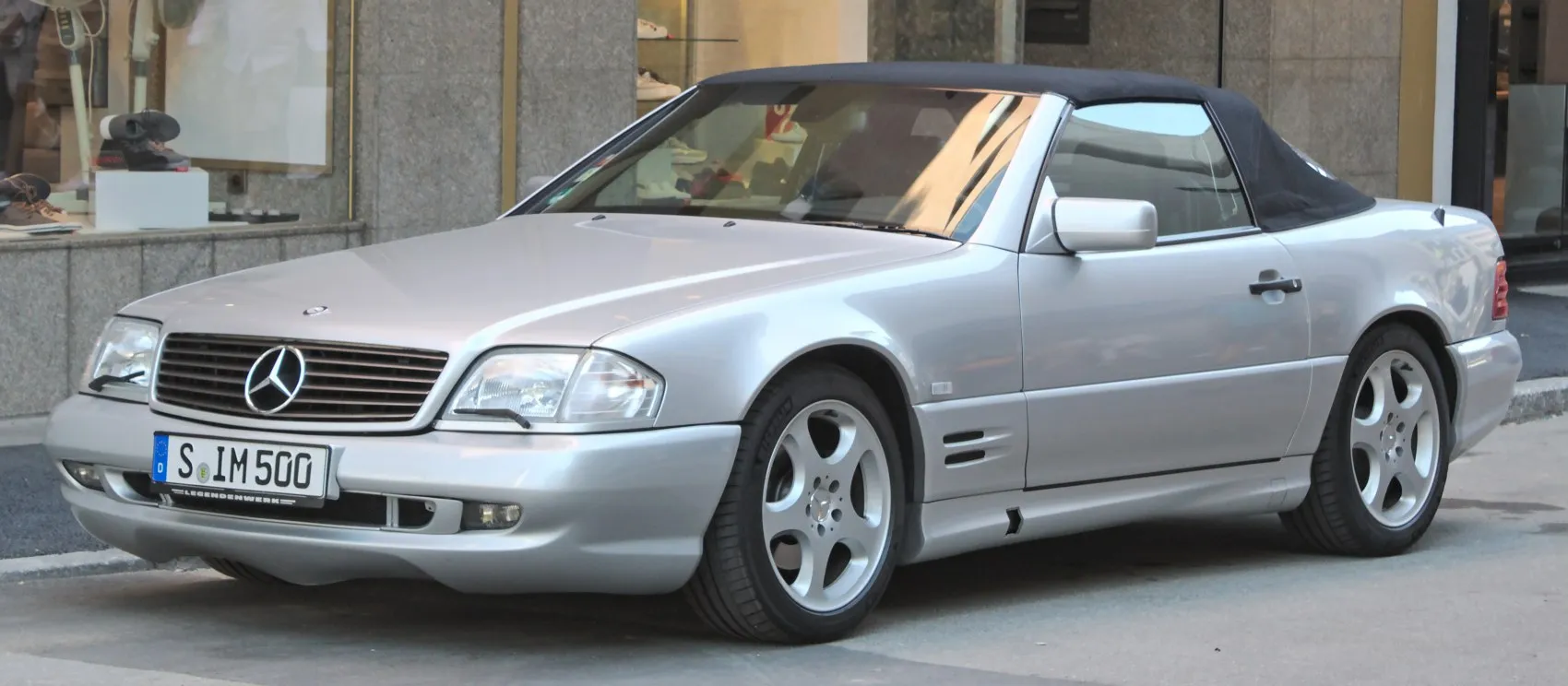
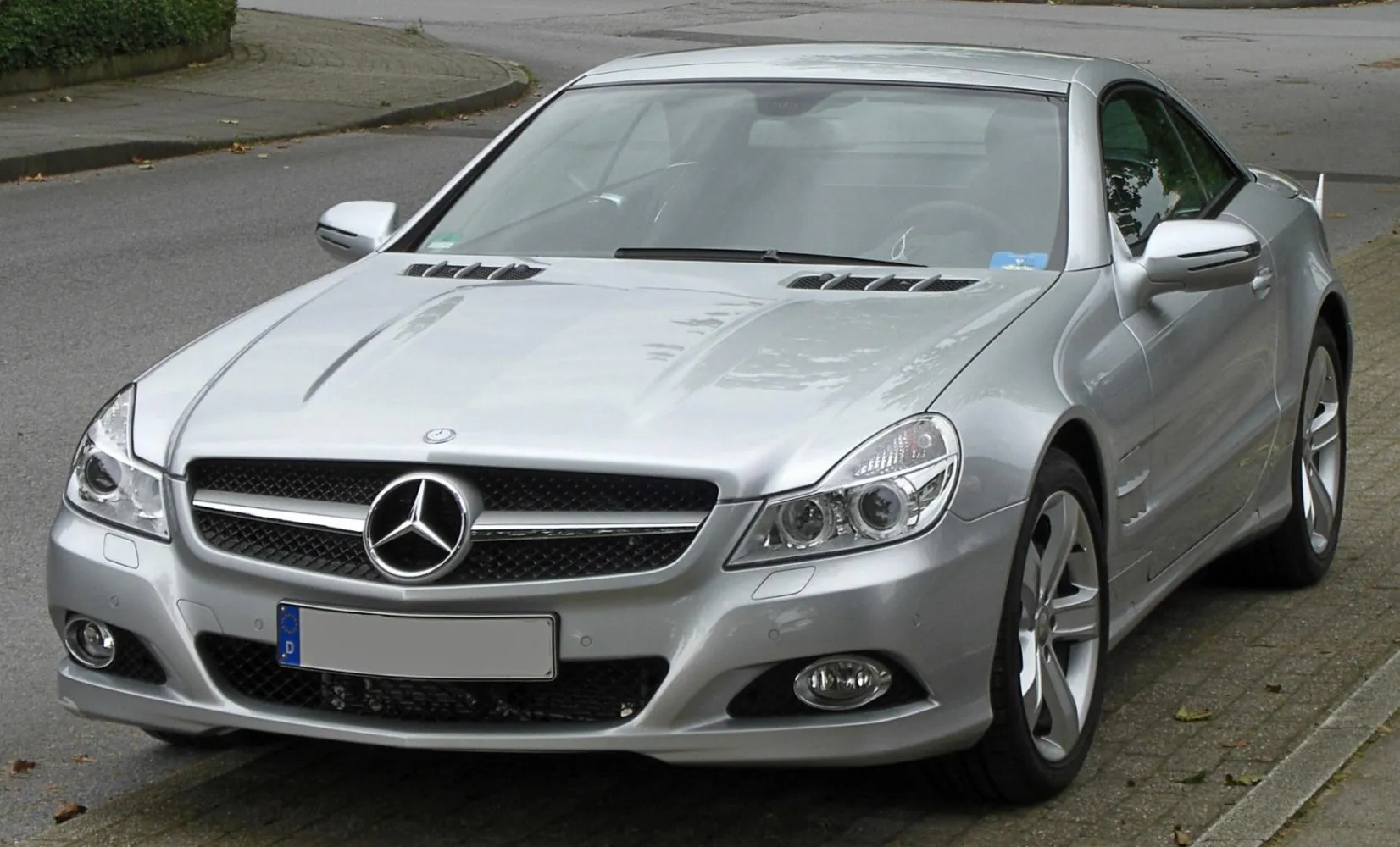
Mercedes-Benz SL R230 SL 350 V6 (245 Hp)
Overall Rating
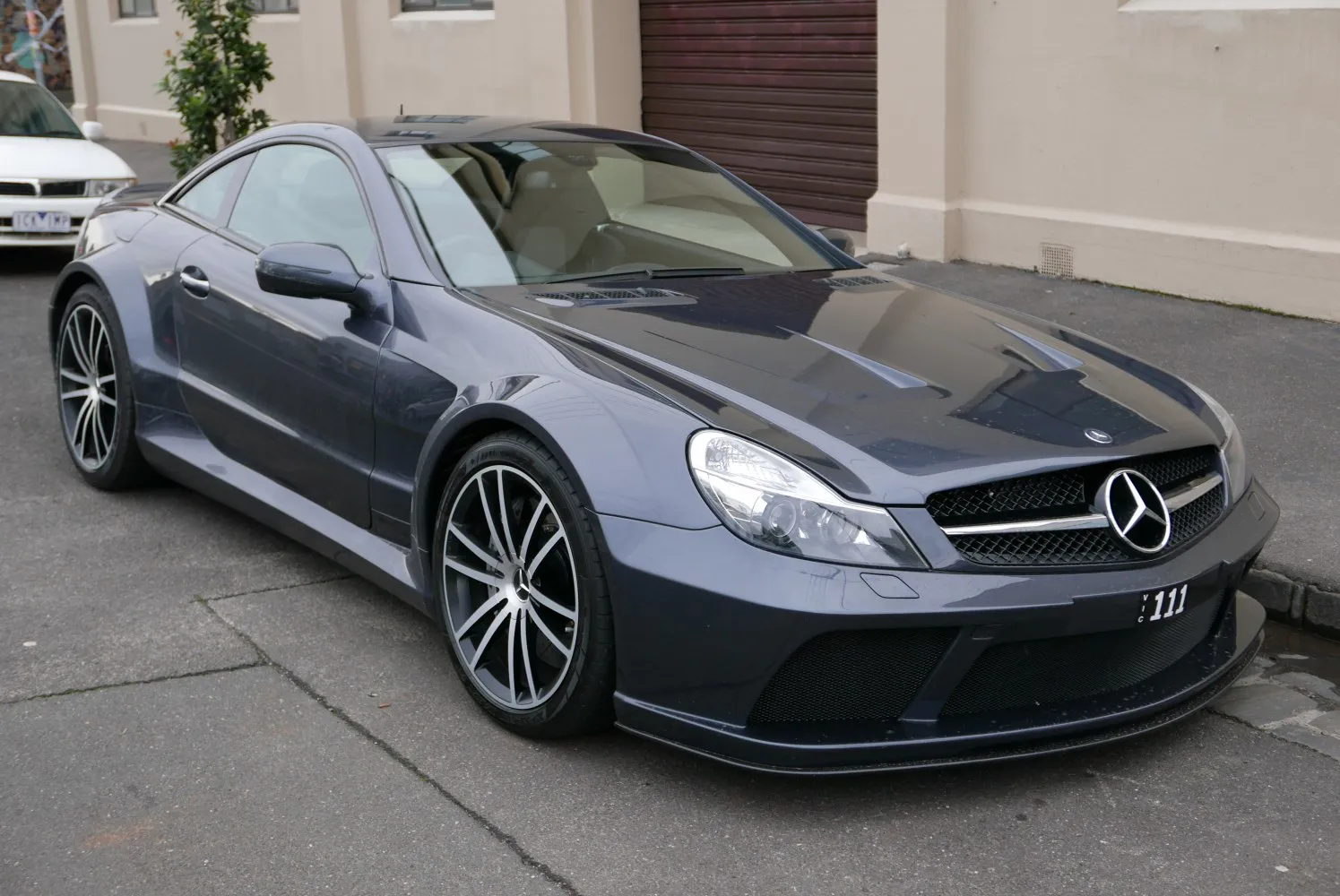
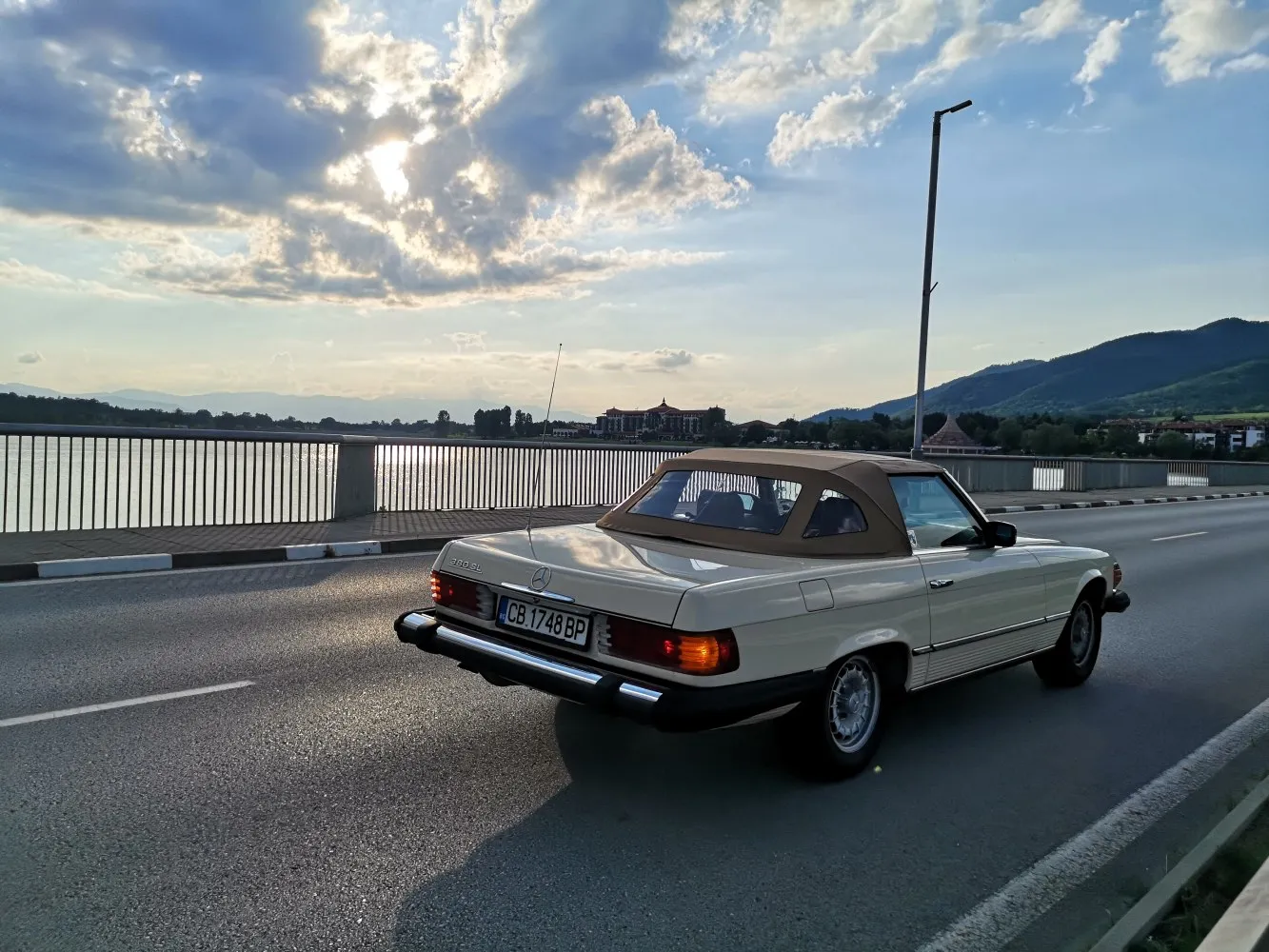
Mercedes-Benz SL:
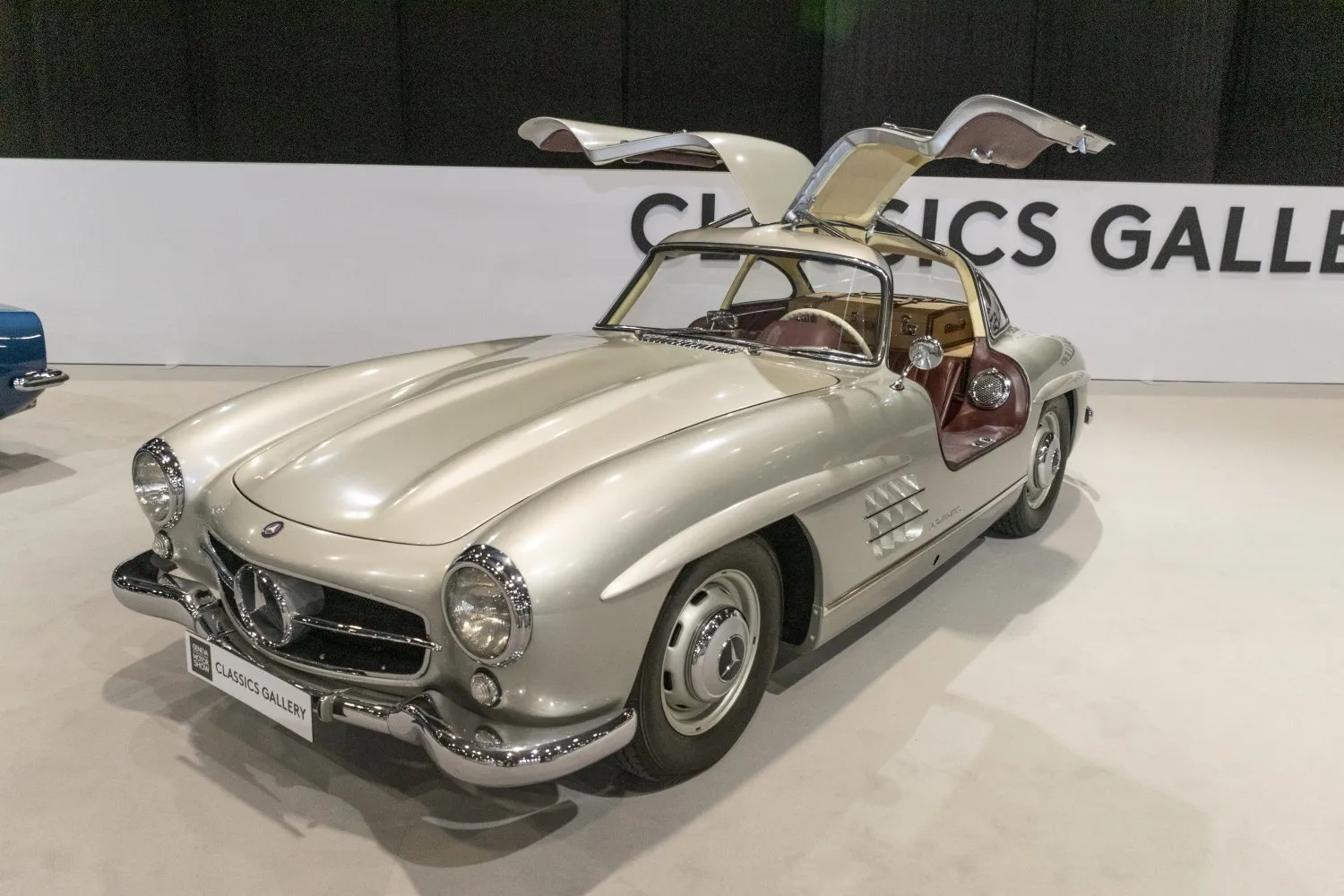
The Mercedes-Benz SL-Class is a grand touring sports car manufactured by Mercedes-Benz since 1954. The designation "SL" derives from the German term "Sport-Leicht", which translates to "Sport Light" in English.
Initially, the first 300 SL was a racing sports car built in 1952 with no intention of developing a street version. In 1954, an American importer Max Hoffman suggested the street version of 300 SL for the wealthy performance car enthusiasts in the United States where the market for the personal luxury car was booming after the Second World War....(Read more on Wikipedia)
R230 Overview:
Mercedes-Benz SL (R230). With 350 Nm of torque, it offers ample pulling power. With a weight of 1680 kg, it falls in the mid‑range. Rear‑wheel drive offers dynamic handling and sporty feedback. Acceleration is good (0–100 km/h in 7.2 s). The top speed reaches 250 km/h. A two-seater convertible designed for open-top driving pleasure. Seating for 2 makes it ideal for daily use.
The Mercedes-Benz SL R230 generation was not officially tested by Euro NCAP. However, Mercedes-Benz vehicles of this era generally featured robust safety structures and advanced passive safety systems for their time, including multiple airbags and stability control.
SL 350 V6 (245 Hp) Verdict:

Performance Verdict
Offers adequate power for relaxed cruising, but lacks the outright punch of its V8 and V12 siblings. Smooth and refined for daily driving.
Fuel Economy
The most economical choice in the lineup, providing reasonable fuel consumption for a luxury roadster, especially on extra-urban routes.
Pros and Cons:
Pros:
- • Stunning design with a retractable hardtop for all-weather versatility.
- • Exceptional ride comfort, especially with Active Body Control (ABC) suspension.
- • Wide range of powerful and refined engines, from V6 to AMG V12.
- • Luxurious interior with high-quality materials and advanced features for its time.
- • Strong performance, particularly in V8 and V12 variants.
Cons:
- • Complex Active Body Control (ABC) system can be very expensive to maintain and repair.
- • High running costs for V8 and V12 models (fuel, insurance, parts).
- • Early models can suffer from electronic issues and rust in certain areas.
- • Limited practicality with only two seats and modest trunk space with the roof down.
- • Depreciation can be significant, though now stabilizing for well-maintained examples.
Specifications:
Specifications are compared to those of the previous generation(R107: October, 1981 - October, 1985).
| General: | |
|---|---|
| Brand: | Mercedes-Benz |
| Model: | SL |
| Generation: | R230 |
| Modification (Engine): | SL 350 V6 (245 Hp) |
| Start of production: | October, 2002 |
| End of production: | February, 2006 |
| Powertrain Architecture: | Internal Combustion engine |
| Body type: | Roadster |
| Seats: | 2 |
| Doors: | 2 |
| Engine: | |
|---|---|
| Power: | 245 Hp @ 5750 rpm. Same horsepower |
| Power per litre: | 65.8 Hp/l [145mm more] |
| Torque: | 350 Nm @ 3000-4500 rpm. |
| Engine Model/Code: | M 112 E 37 More details about the engine M 112 E 37 |
| Engine displacement: | 3724 |
| Number of cylinders: | 6 |
| Engine configuration: | V-engine |
| Number of valves per cylinder: | 3 |
| Fuel injection system: | Multi-port manifold injection |
| Engine aspiration: | Naturally aspirated engine |
| Valvetrain: | SOHC |
| Engine oil capacity: | 8 l |
| Coolant: | 10.8 l |
| Engine layout: | Front, Longitudinal |
| Cylinder Bore: | 97 mm mm |
| Piston Stroke: | 84 mm mm |
| Compression ratio: | 10:1 |
| Maximum engine speed: | 6000 rpm. |
| Performance: | |
|---|---|
| Fuel Type: | Petrol (Gasoline) |
| Fuel consumption (economy) - urban: | 17.2 l/100 km |
| Fuel consumption (economy) - extra urban: | 8.3 l/100 km |
| Fuel consumption (economy) - combined (NEDC): | 11.5 l/100 km |
| Fuel consumption (economy) - urban (NEDC): | 17.2 l/100 km |
| Fuel consumption (economy) - extra urban (NEDC): | 8.3 l/100 km |
| Fuel consumption (economy) - combined: | 11.5 l/100 km |
| Emission standard: | Euro 4 |
| Acceleration 0 - 100 km/h: | 7.2 sec |
| Acceleration 0 - 62 mph: | 7.2 sec |
| Maximum speed: | 250 km/h, Electronically limited |
| Weight-to-power ratio: | 6.9 kg/Hp, 145.8 Hp/tonne |
| Weight-to-torque ratio: | 4.8 kg/Nm, 208.3 Nm/tonne |
| Acceleration 0 - 60 mph: | 6.8 sec |
| 100 km/h - 0: | 36.3 m |
| Space: | |
|---|---|
| Kerb Weight: | 1680 |
| Max. weight: | 2050 |
| Max. roof load: | 75 kg |
| Max load: | 370 |
| Trunk (boot) space - maximum: | 317 l |
| Trunk (boot) space - minimum: | 235 l |
| Fuel tank capacity: | 80 l |
| Size: | |
|---|---|
| Length: | 4535 mm mm [145mm more] |
| Width: | 1827 mm mm [37mm more] |
| Height: | 1317 mm mm [17mm more] |
| Wheelbase: | 2560 mm mm [105mm more] |
| Width including mirrors: | 2050 mm |
| Front track: | 1559 mm |
| Rear (Back) track: | 1547 mm |
| Minimum turning circle (turning diameter): | 11 m [above average] |
| Powertrain: | |
|---|---|
| Drivetrain Architecture | The Internal combustion engine (ICE) drives the rear wheels of the vehicle. |
| Drive wheel | Rear wheel drive |
| Number of gears | 6 |
| Transmission type | Manual |
| Front brakes | Ventilated discs, 312 mm [Best for performance and cooling.] |
| Rear brakes | Ventilated discs, 300 mm [Best for performance and cooling.] |
| Assisting systems | ABS (Anti-lock braking system) |
| Steering type | Steering rack and pinion |
| Power steering | Hydraulic Steering |
| Tires size | 255/45 R 17 98 W |
| Wheel rims size | 8.5 J x 17 H 2 |
| Front suspension | Independent multi-link suspension, Transverse stabilizer |
| Rear suspension | Independent multi-link suspension, Transverse stabilizer |









Would you recommend the Mercedes-Benz SL ? Tell us why or why not!