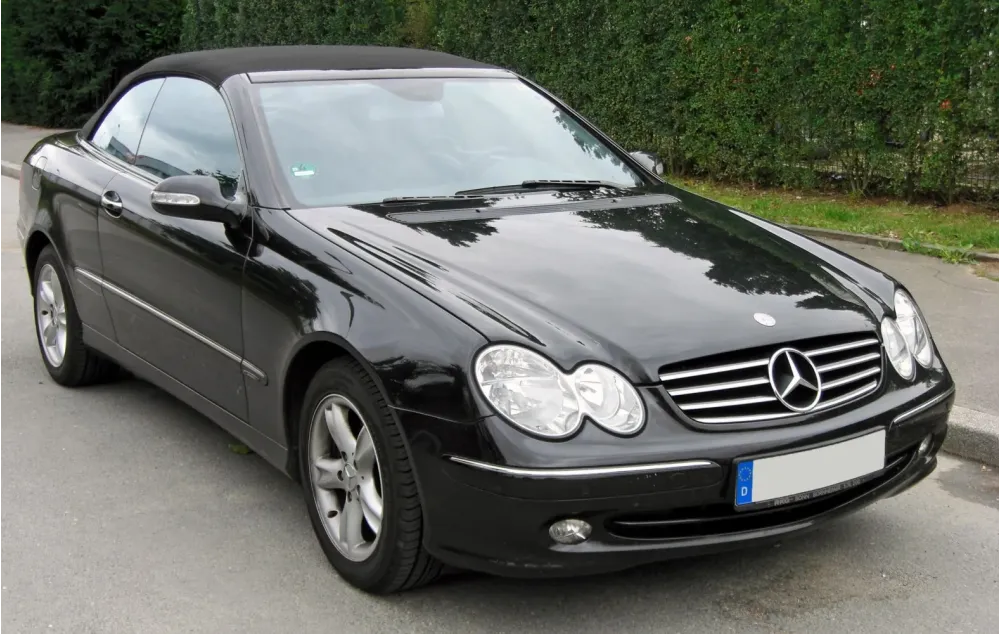
Click on image to view the full photo gallery
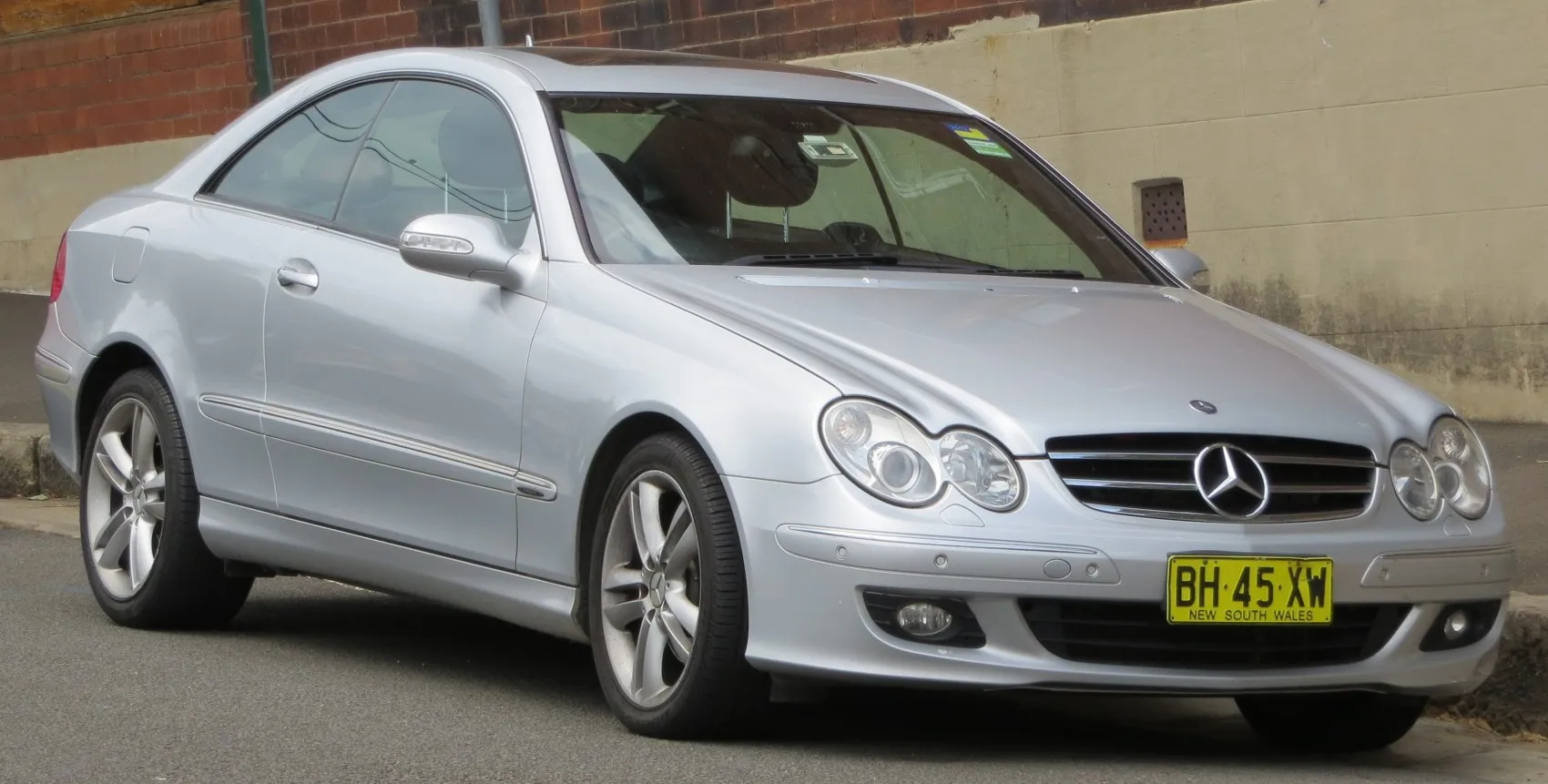
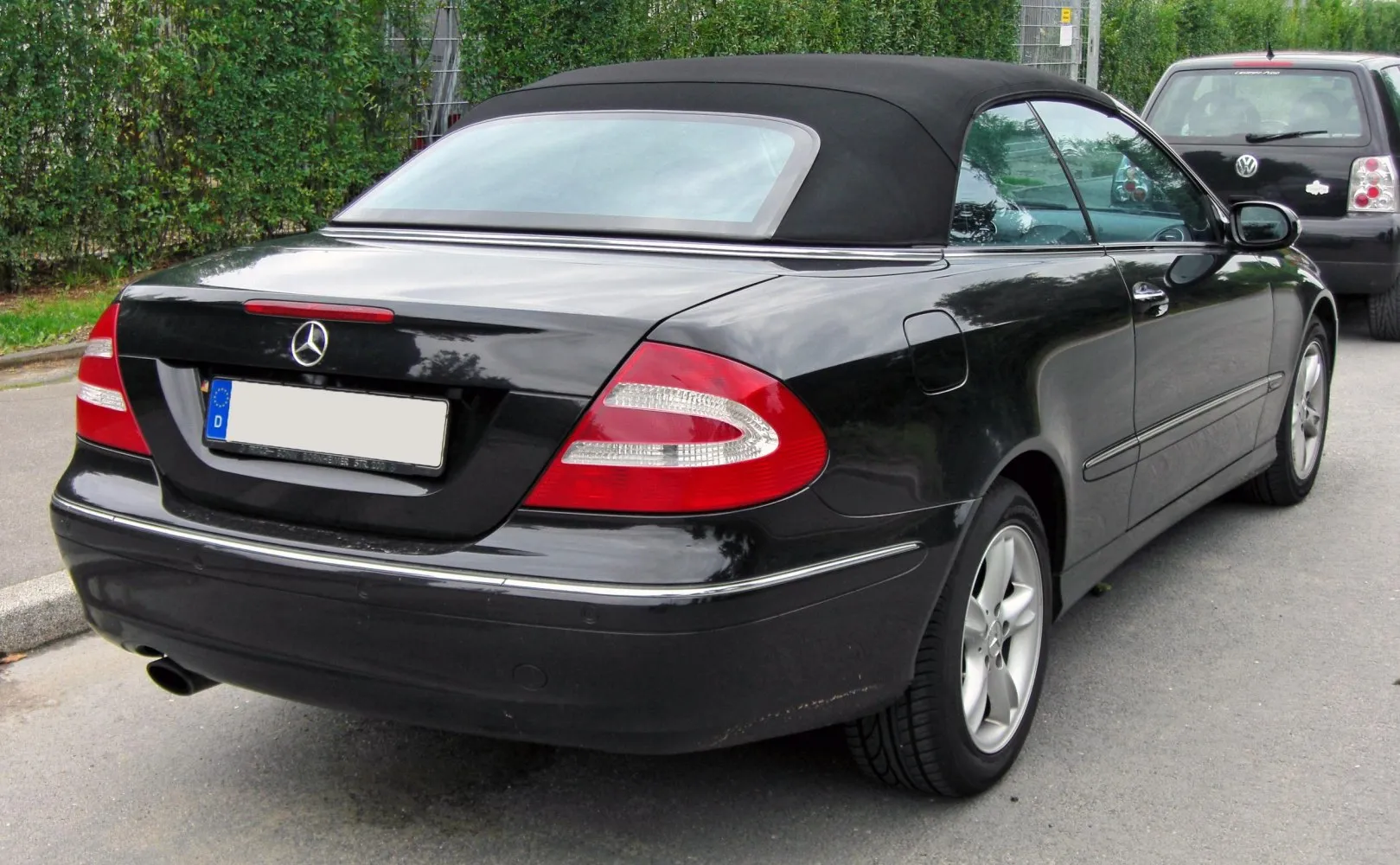
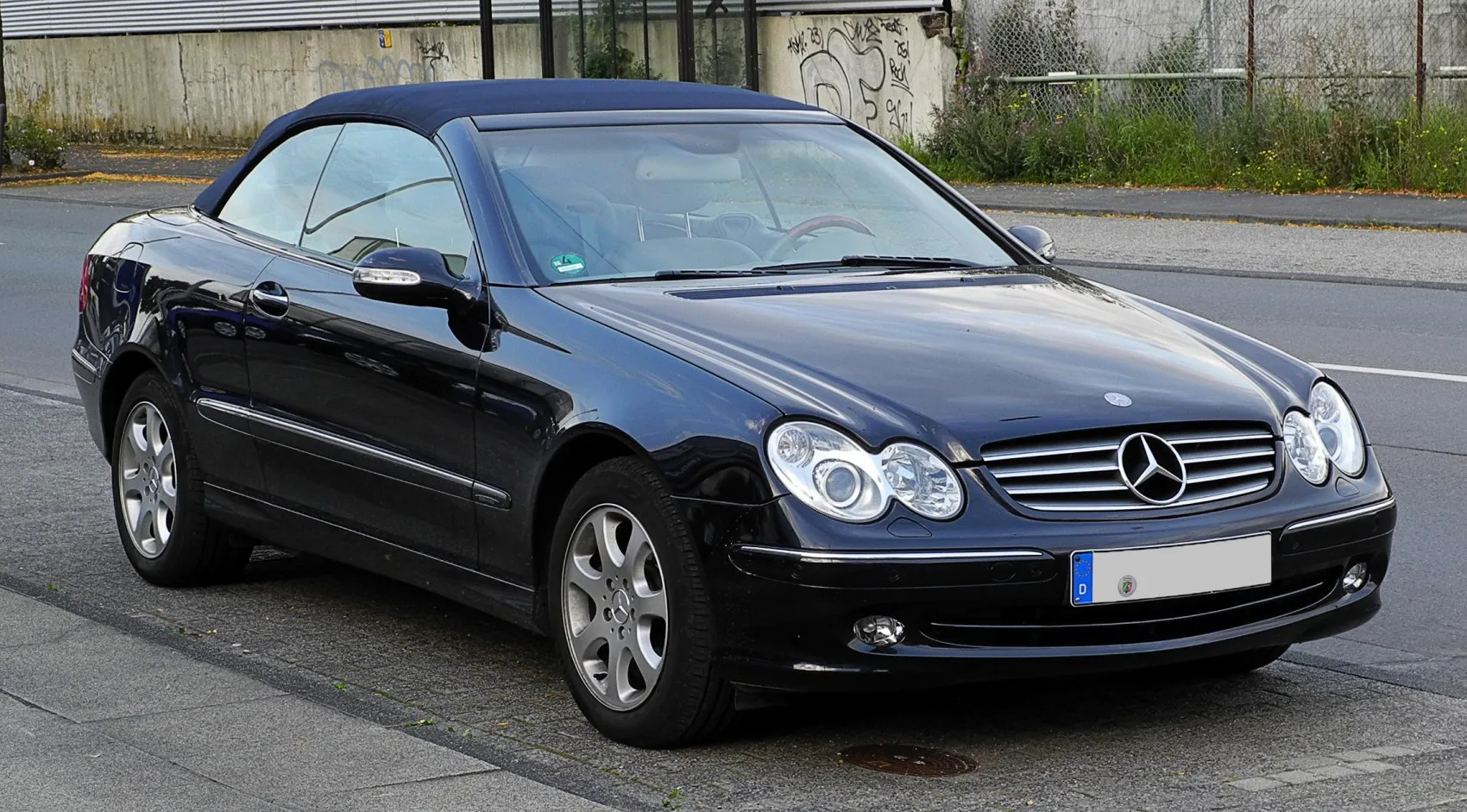
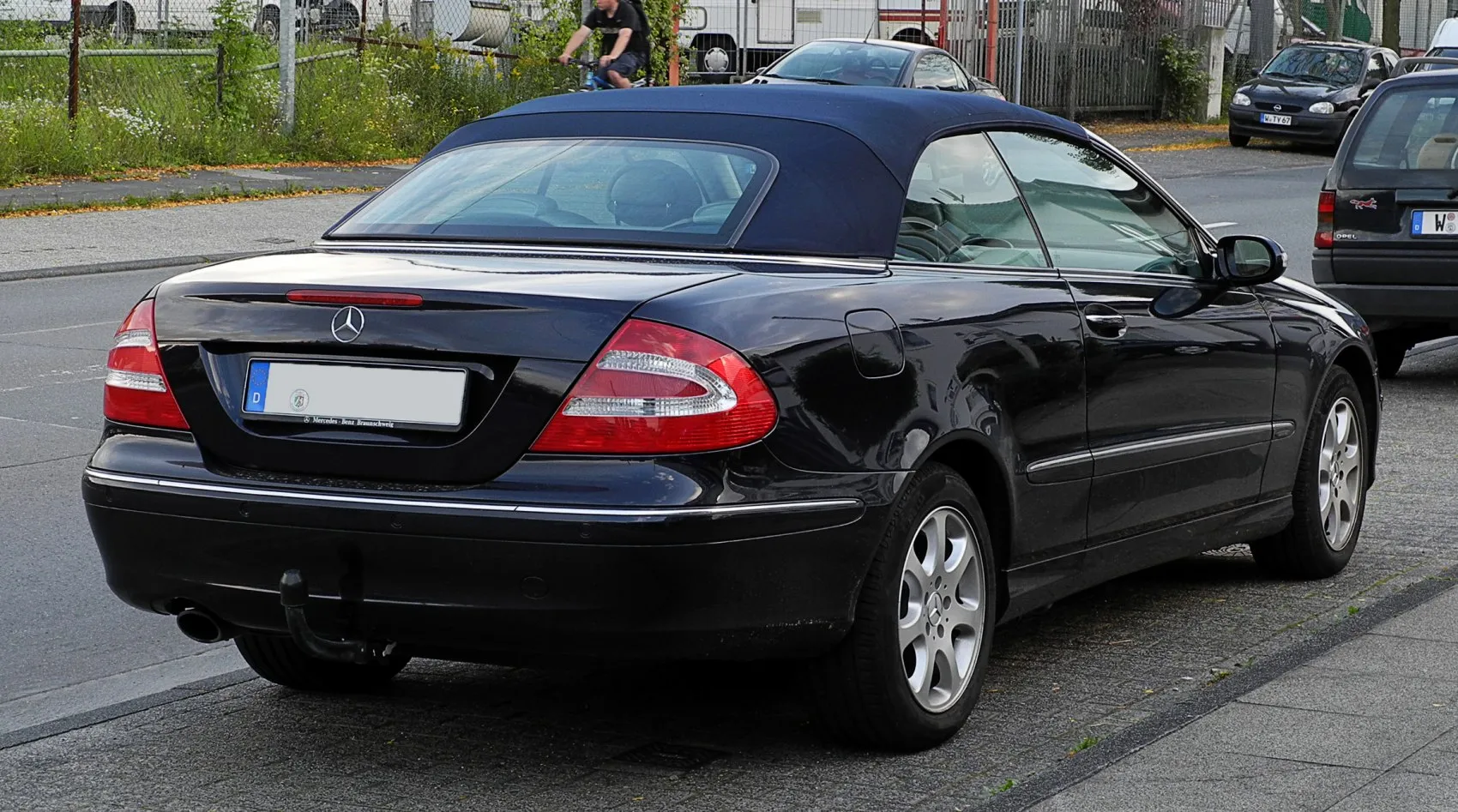
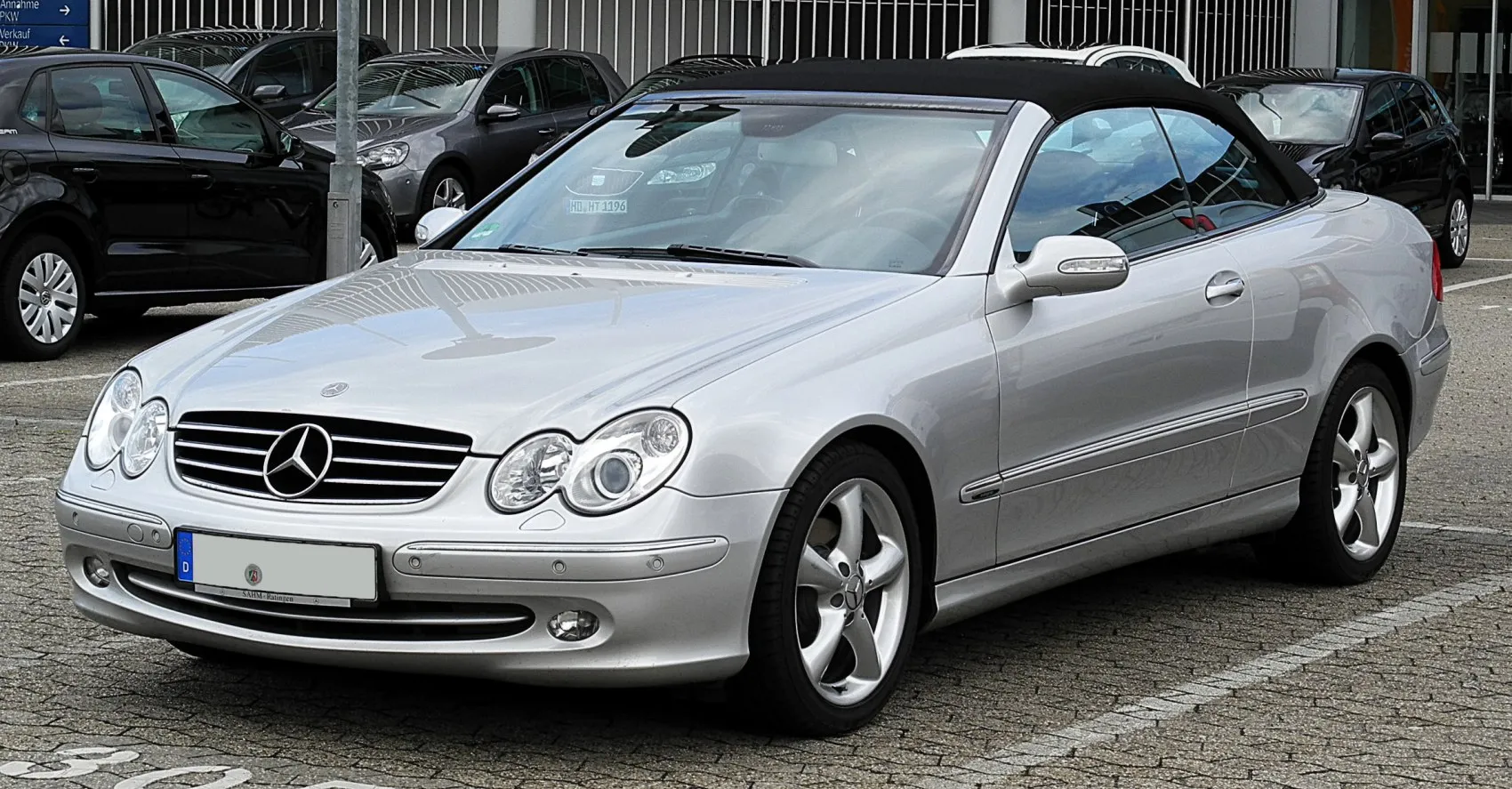
Mercedes-Benz CLK A209 CLK 200 CGI (170 Hp)
Overall Rating
Mercedes-Benz CLK:
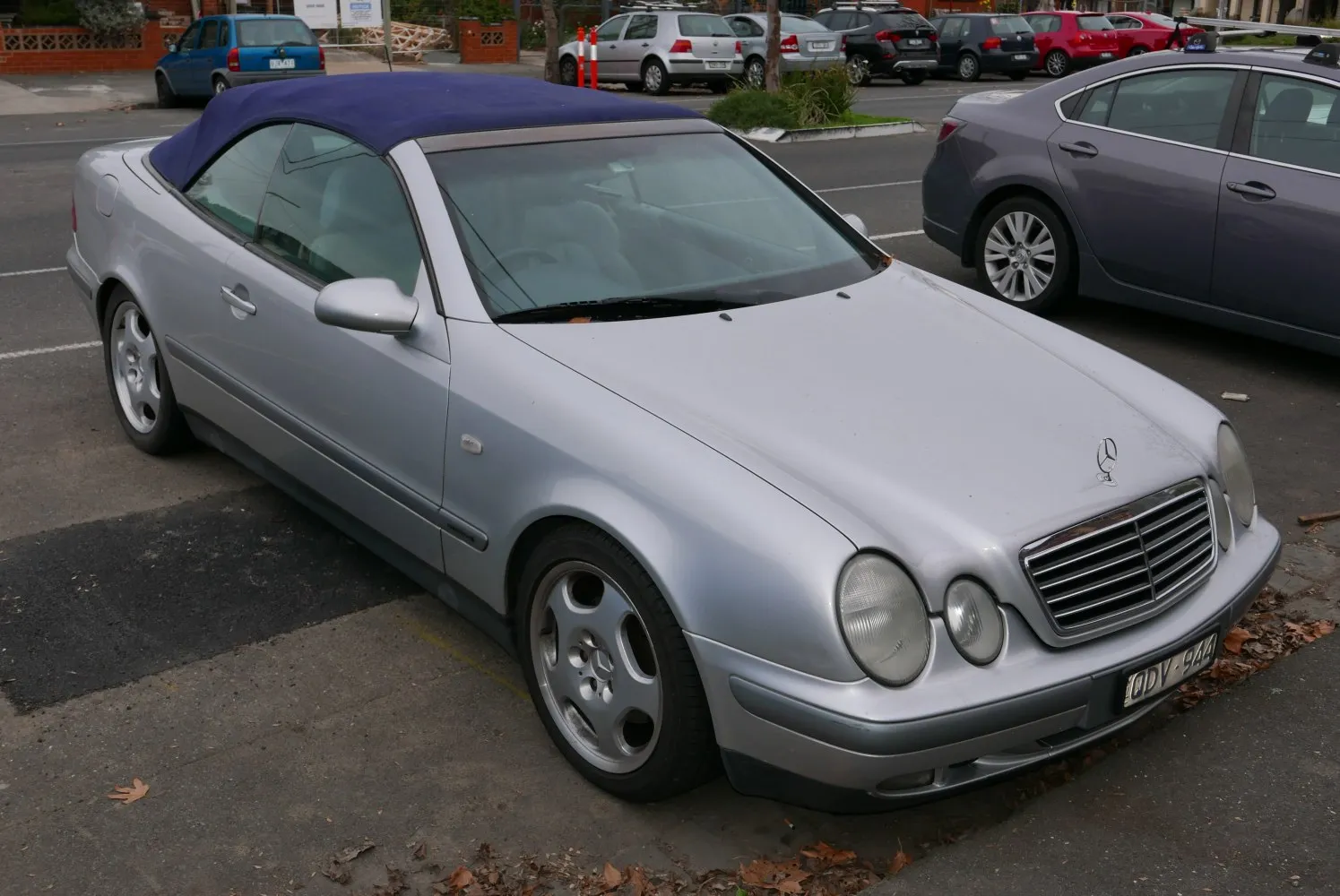
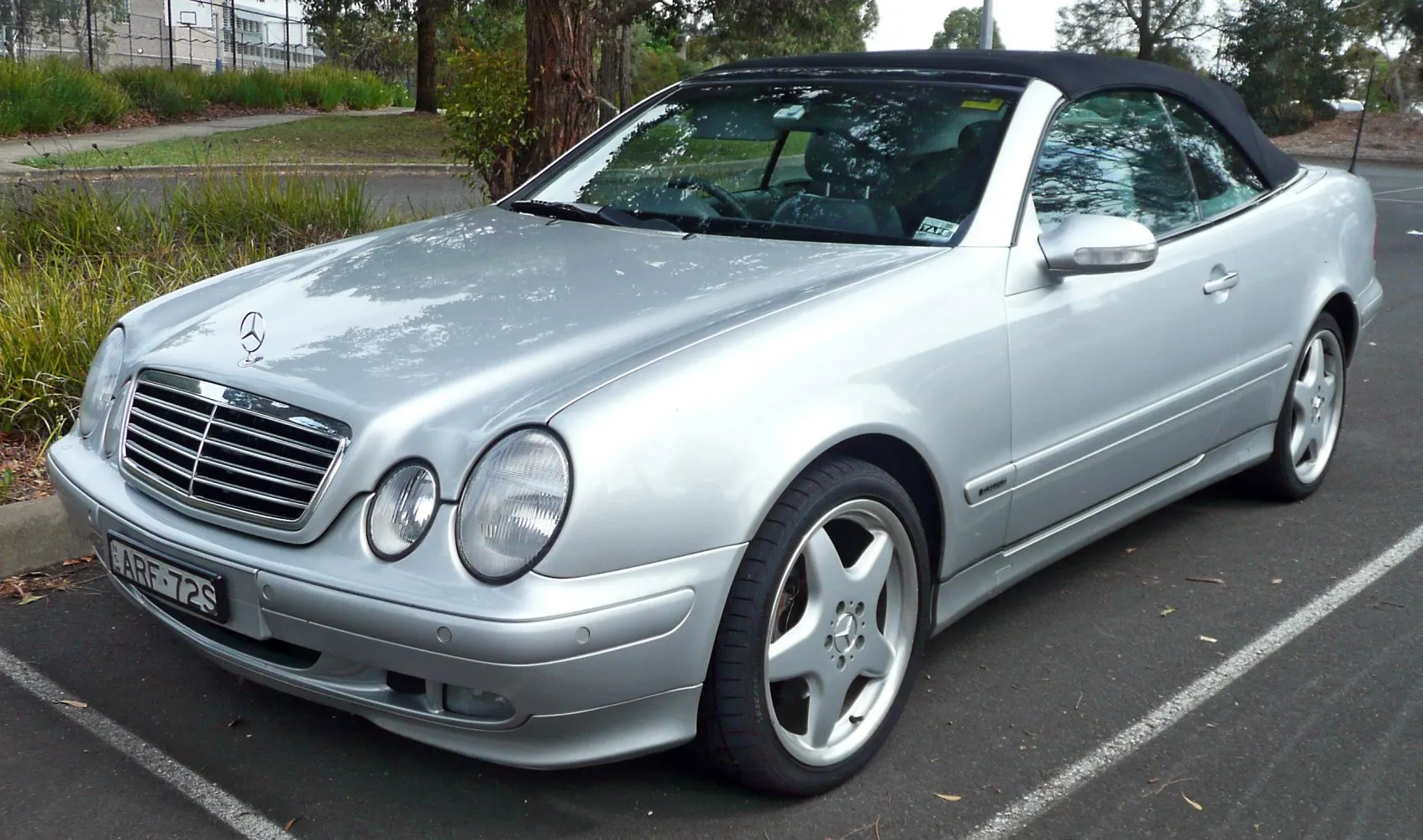
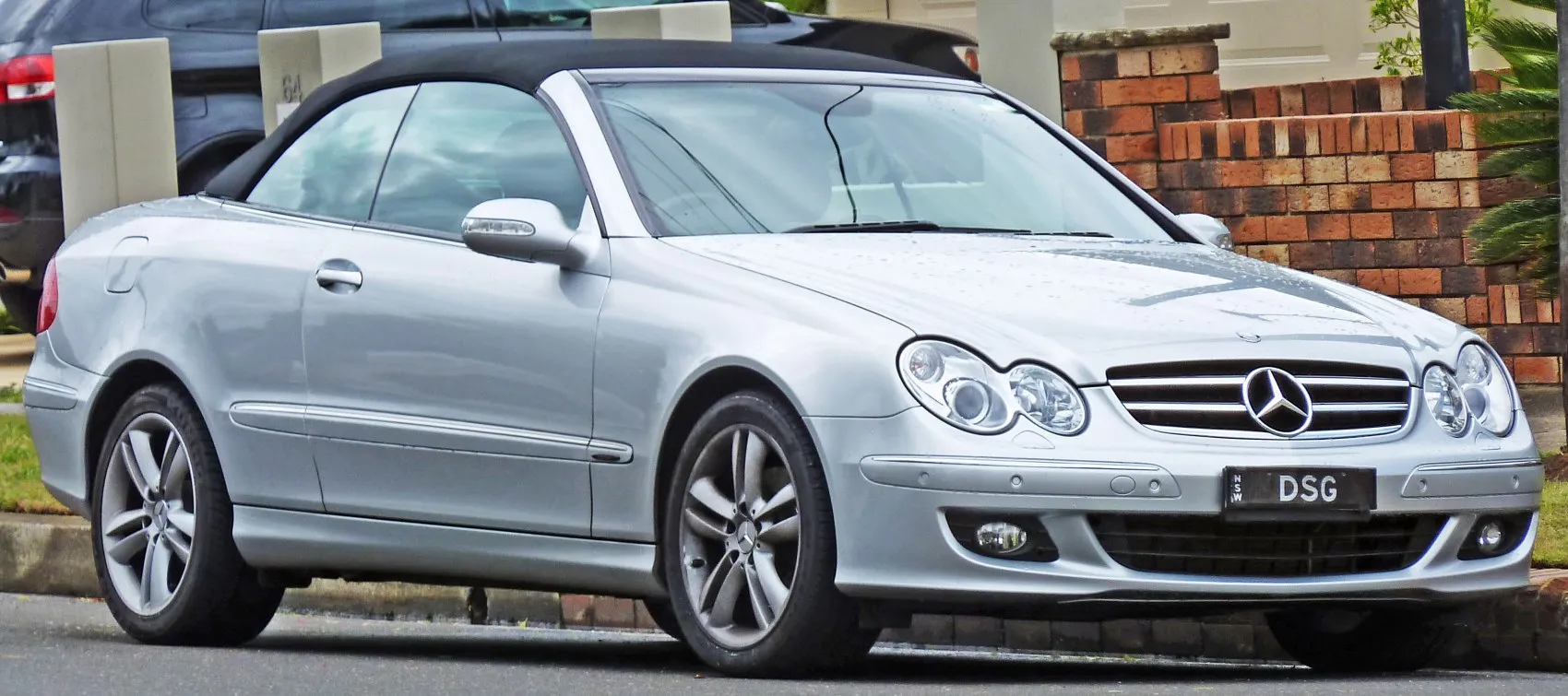
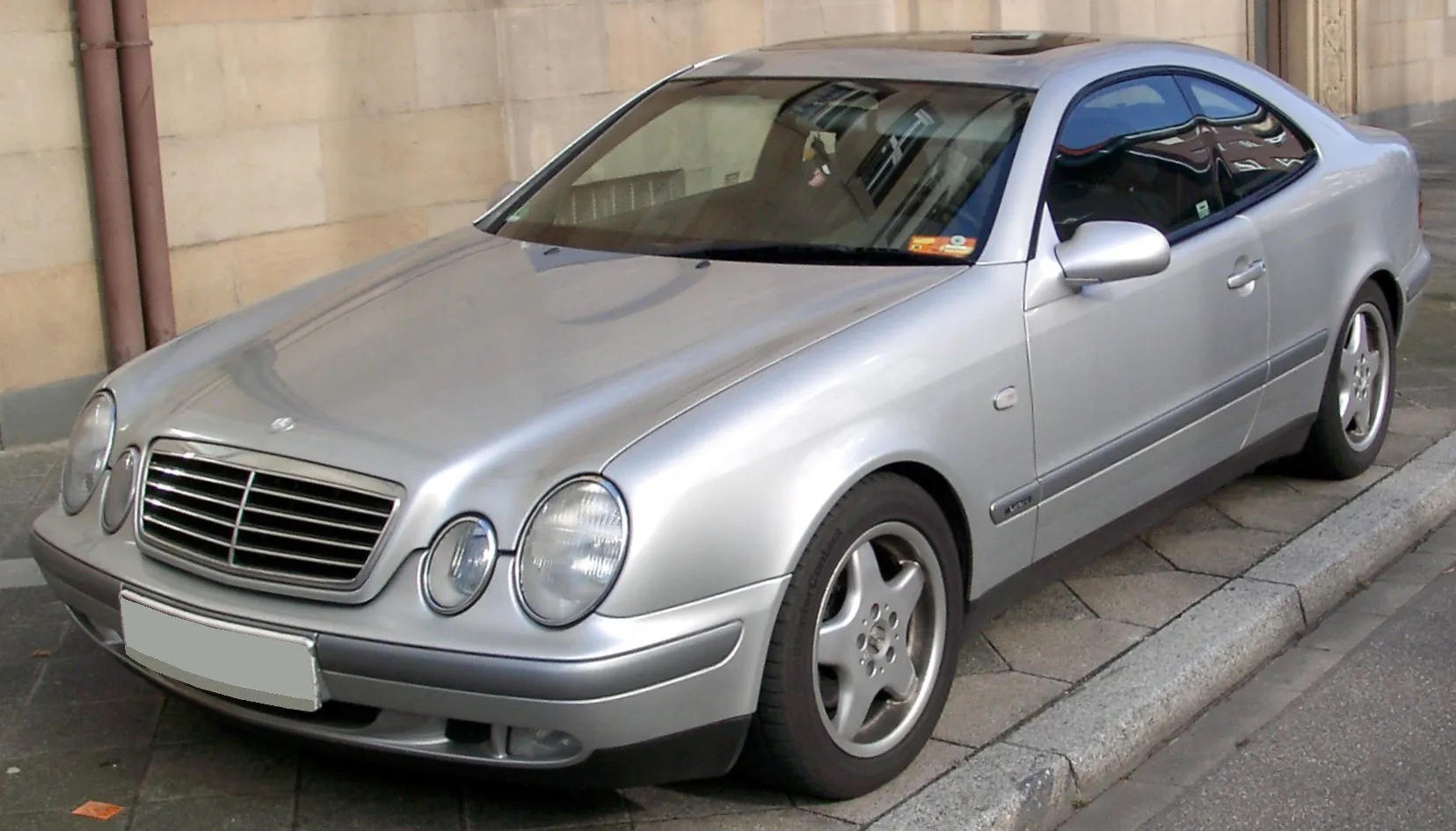
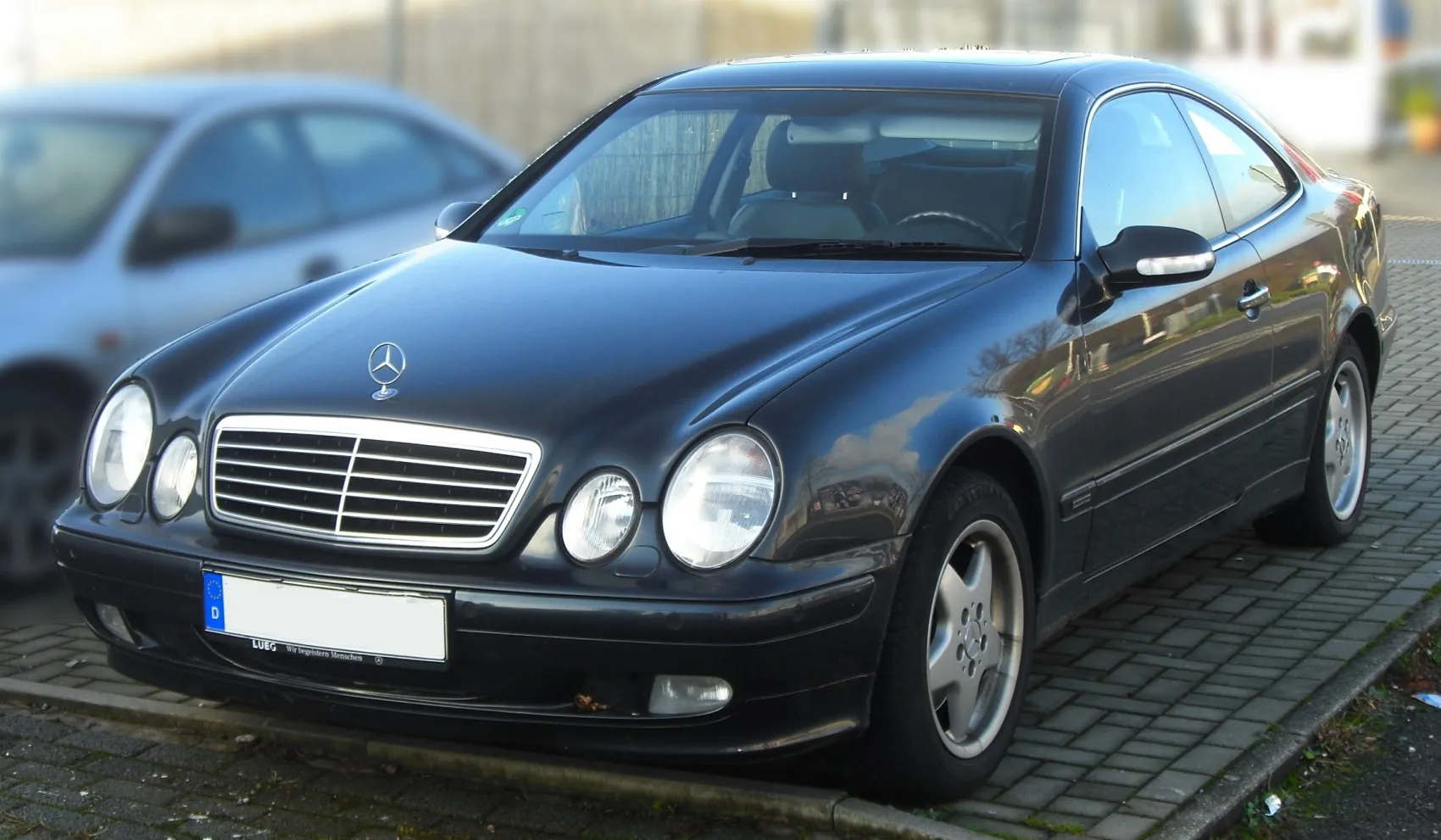
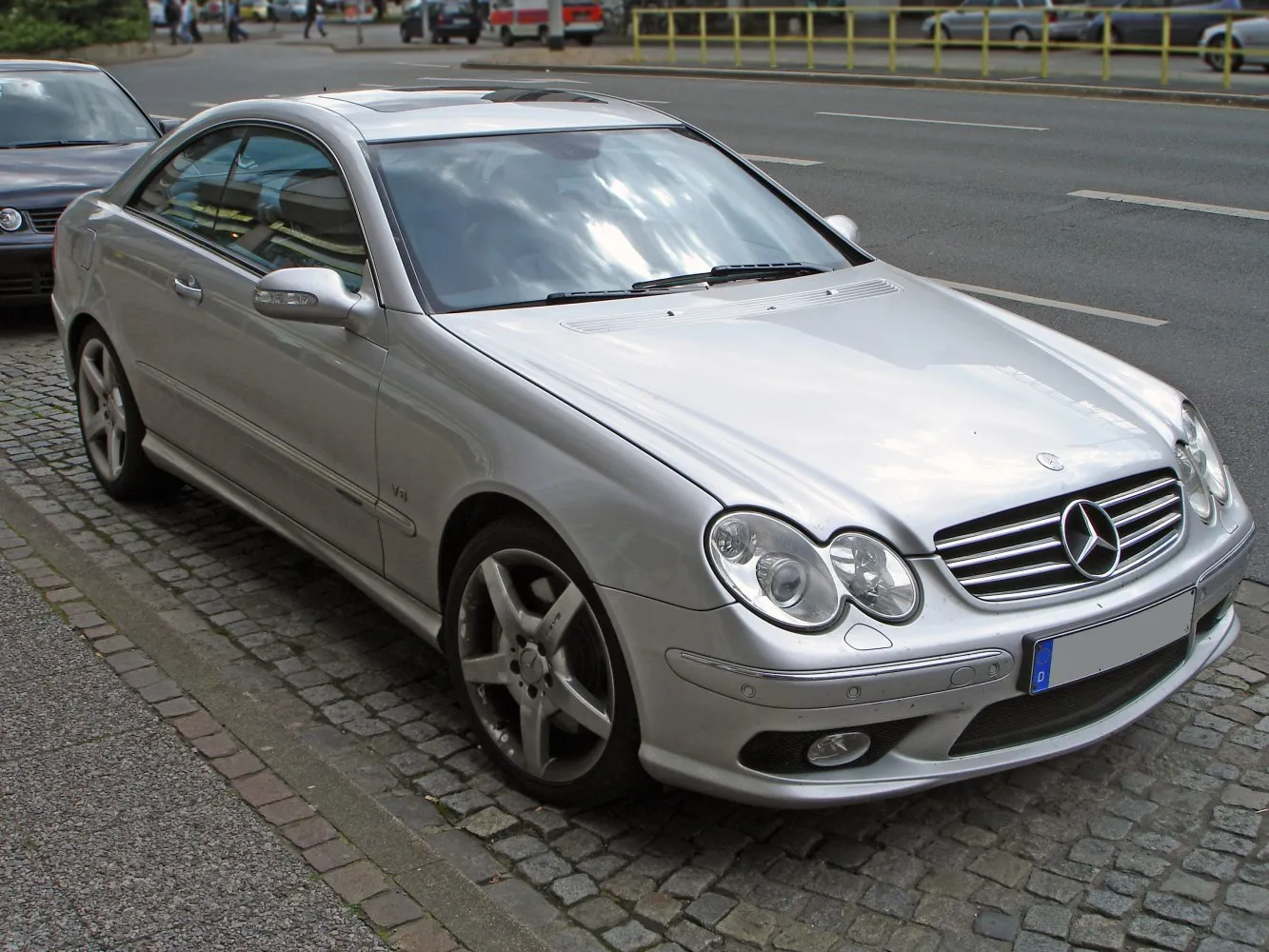
The Mercedes-Benz CLK-Class is a former series of mid-size or entry-level luxury coupés and convertibles produced by Mercedes-Benz between 1996 and 2010. Although its design and styling was derived from the E-Class, the mechanical underpinnings were based on the smaller C-Class, and was positioned between the Mercedes-Benz SLK-Class and CL-Class. The name CLK is either derived from the German words "Coupé", "Luxus" and "Kurz" or "Coupé", "Leicht" and "Kurz" , as the clear definition was never published. It primarily competes with the two-door BMW 3 and 6 Series, as well as the Audi A4 Cabriolet and Audi A5 Coupe/Cabriolet, as well as the Maserati Coupe and its convertible variant....(Read more on Wikipedia)
A209 Overview:
Mercedes-Benz CLK (A209). With 250 Nm of torque, it offers ample pulling power. It has moderate fuel consumption (~11.7 l/100km). With a weight of 1475 kg, it falls in the mid‑range. Rear‑wheel drive offers dynamic handling and sporty feedback. Acceleration is relatively slow (0–100 km/h in 9.2 s). The top speed reaches 231 km/h. A convertible car with a retractable roof, offering open-air driving experiences. Seating for 4 makes it ideal for daily use.
While the CLK A209 itself was not directly tested by Euro NCAP, it shares its platform and safety architecture with the Mercedes-Benz C-Class (W203) which achieved an excellent 5-star rating for adult occupant protection in 2002, indicating a high level of passive safety.
CLK 200 CGI (170 Hp) Verdict:

Performance Verdict
Offers a respectable balance of power and responsiveness for daily driving, feeling adequately brisk for its class.
Fuel Economy
Impressively fuel-efficient for a petrol engine of its era, making it a cost-effective choice for longer journeys.
Pros and Cons:
Pros:
- • Elegant and timeless design, especially as a cabriolet
- • High levels of comfort and refinement for cruising
- • Wide range of powerful and smooth engines available
- • Excellent build quality and luxurious interior materials
- • Good safety features for its era, based on W203 C-Class
Cons:
- • Rear seats are cramped, especially in the cabriolet
- • Some V6 engines (e.g., CLK 240) are underpowered and thirsty
- • Maintenance can be expensive, typical for a premium Mercedes
- • Older automatic transmissions (5G-TRONIC) can feel dated
- • Potential for rust issues on older models if not well maintained
Specifications:
Specifications are compared to those of the previous generation(A209, facelift 2005: December, 2006 - August, 2009).
| General: | |
|---|---|
| Brand: | Mercedes-Benz |
| Model: | CLK |
| Generation: | A209 |
| Modification (Engine): | CLK 200 CGI (170 Hp) |
| Start of production: | February, 2002 |
| End of production: | February, 2003 |
| Powertrain Architecture: | Internal Combustion engine |
| Body type: | Cabriolet |
| Seats: | 4 |
| Doors: | 2 |
| Engine: | |
|---|---|
| Power: | 170 Hp @ 5300 rpm. Same horsepower |
| Power per litre: | 94.7 Hp/l [14mm less] |
| Torque: | 250 Nm @ 3000 rpm. |
| Engine Model/Code: | M 271.942 More details about the engine M 271.942 |
| Engine displacement: | 1796 |
| Number of cylinders: | 4 |
| Engine configuration: | Inline |
| Number of valves per cylinder: | 4 |
| Fuel injection system: | Direct injection |
| Engine aspiration: | Supercharger, Intercooler |
| Valvetrain: | DOHC |
| Engine oil capacity: | 5.5 l |
| Coolant: | 8 l |
| Engine layout: | Front, Longitudinal |
| Cylinder Bore: | 82 mm mm |
| Piston Stroke: | 85 mm mm |
| Compression ratio: | 10.5:1 |
| Performance: | |
|---|---|
| Fuel Type: | Petrol (Gasoline) |
| Fuel consumption (economy) - urban: | 11.7 l/100 km |
| Fuel consumption (economy) - extra urban: | 6.1 l/100 km |
| Fuel consumption (economy) - combined (NEDC): | 8.1 l/100 km |
| Fuel consumption (economy) - urban (NEDC): | 11.7 l/100 km |
| Fuel consumption (economy) - extra urban (NEDC): | 6.1 l/100 km |
| Fuel consumption (economy) - combined: | 8.1 l/100 km |
| Emission standard: | Euro 4 |
| Acceleration 0 - 100 km/h: | 9.2 sec |
| Acceleration 0 - 62 mph: | 9.2 sec |
| Maximum speed: | 231 km/h |
| Weight-to-power ratio: | 8.7 kg/Hp, 115.3 Hp/tonne |
| Weight-to-torque ratio: | 5.9 kg/Nm, 169.5 Nm/tonne |
| Acceleration 0 - 60 mph: | 8.7 sec |
| Space: | |
|---|---|
| Kerb Weight: | 1475 |
| Max. weight: | 2020 |
| Max load: | 545 |
| Trunk (boot) space - maximum: | 390 l |
| Trunk (boot) space - minimum: | 276 l |
| Permitted trailer load with brakes (12%): | 1500 kg |
| Fuel tank capacity: | 62 l |
| Permitted trailer load without brakes: | 750 kg |
| Size: | |
|---|---|
| Length: | 4638 mm mm [14mm less] |
| Width: | 1740 mm mm [Same width.] |
| Height: | 1413 mm mm [Same height.] |
| Wheelbase: | 2715 mm mm [Same wheelbase.] |
| Width including mirrors: | 1991 mm |
| Front track: | 1493 mm |
| Rear (Back) track: | 1474 mm |
| Front overhang: | 840 mm |
| Rear overhang: | 1083 mm |
| Minimum turning circle (turning diameter): | 10.76 m [above average] |
| Powertrain: | |
|---|---|
| Drivetrain Architecture | The Internal combustion engine (ICE) drives the rear wheels of the vehicle. |
| Drive wheel | Rear wheel drive |
| Number of gears | 6 |
| Transmission type | Manual |
| Front brakes | Ventilated discs, 288x25 mm [Best for performance and cooling.] |
| Rear brakes | Disc, 278x9 mm [above average] |
| Assisting systems | ABS (Anti-lock braking system) |
| Steering type | Steering rack and pinion |
| Power steering | Hydraulic Steering |
| Tires size | Front wheel tires: 205/55 R16 |
| Wheel rims size | Front wheel rims: 7J x 16 |
| Front suspension | Independent type McPherson, Transverse stabilizer |
| Rear suspension | Independent multi-link suspension, Transverse stabilizer |




Does the Mercedes-Benz CLK live up to the hype? Give us your verdict!