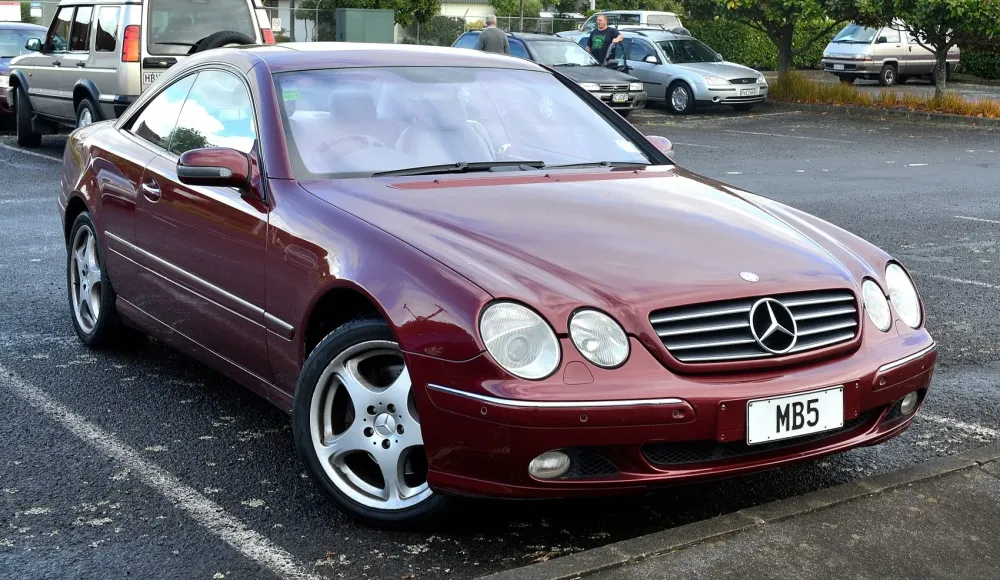
Click on image to view the full photo gallery
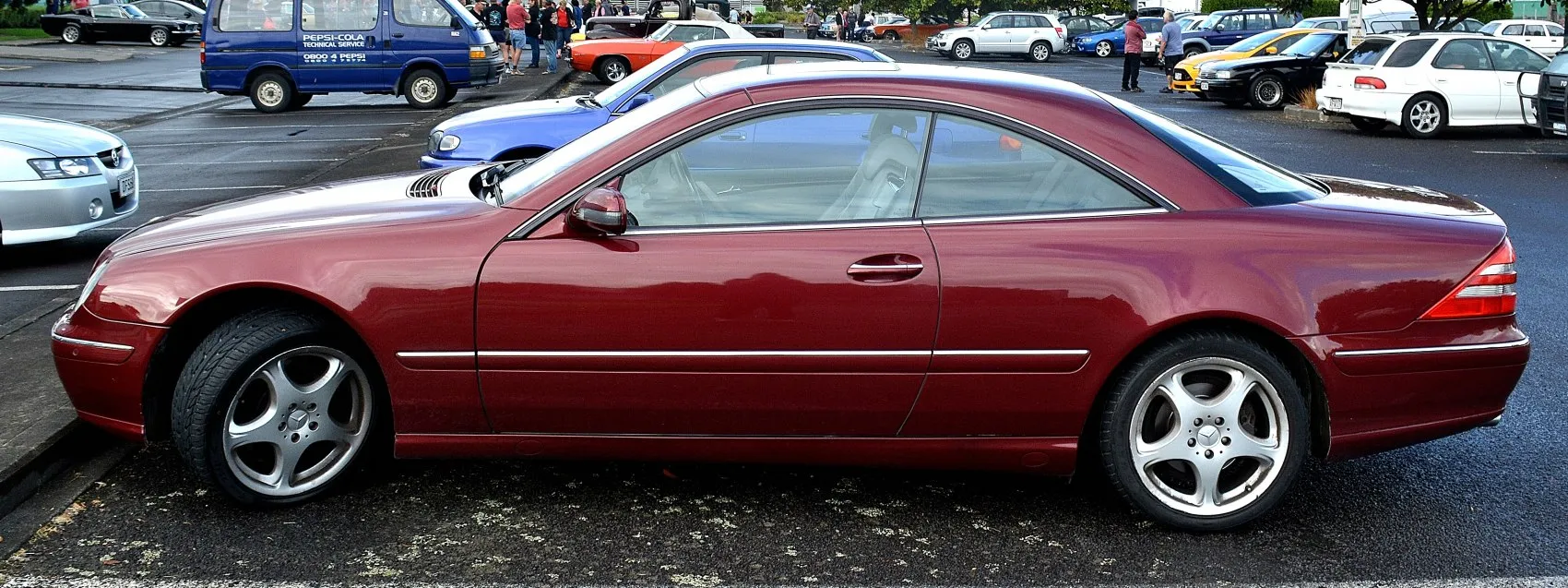
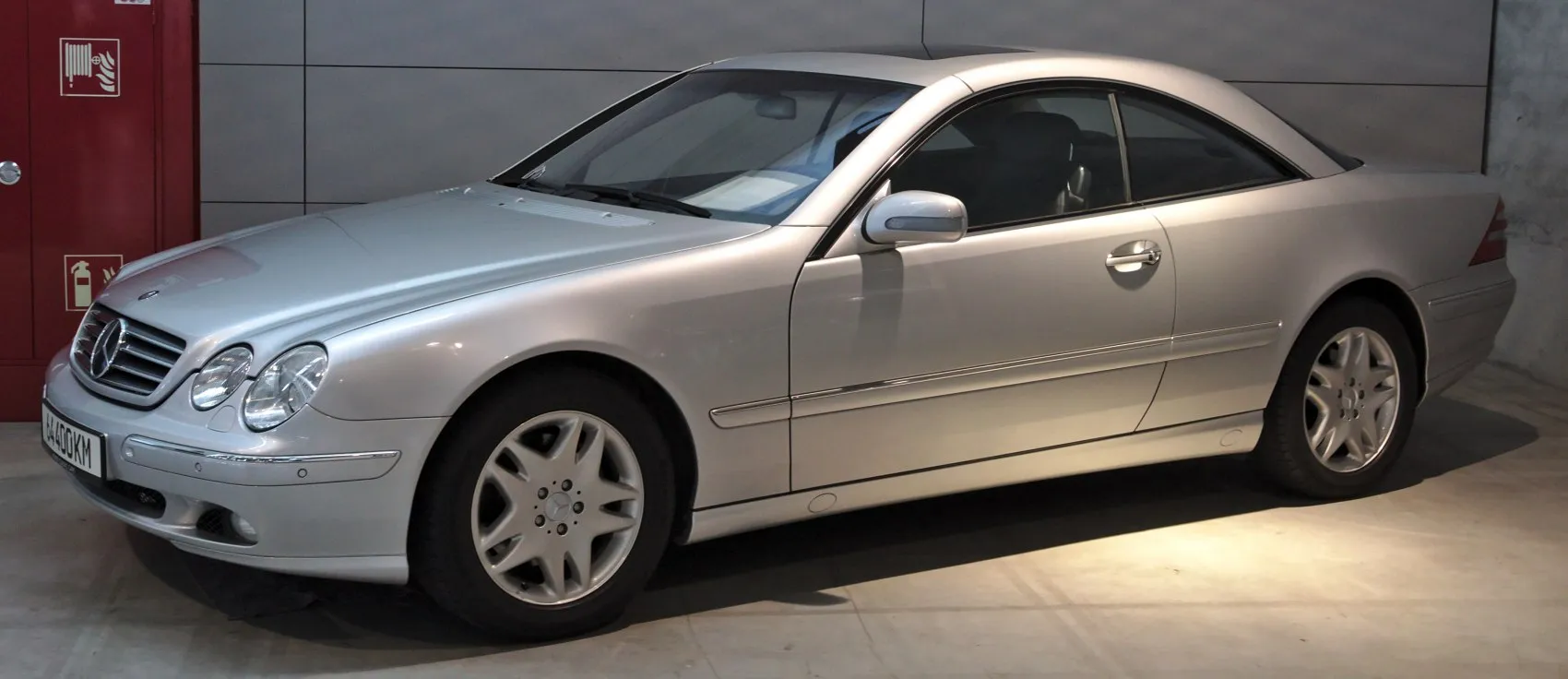
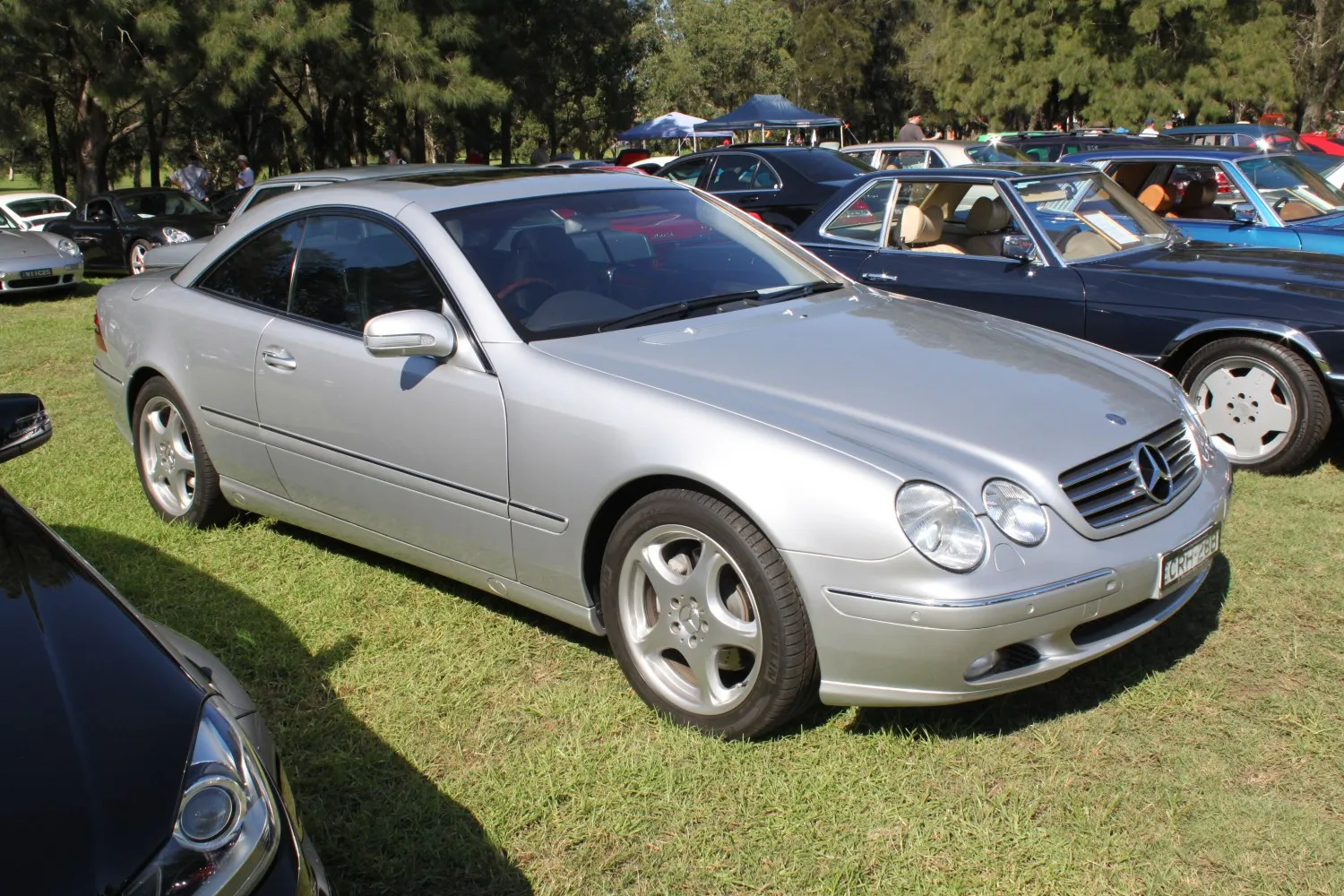
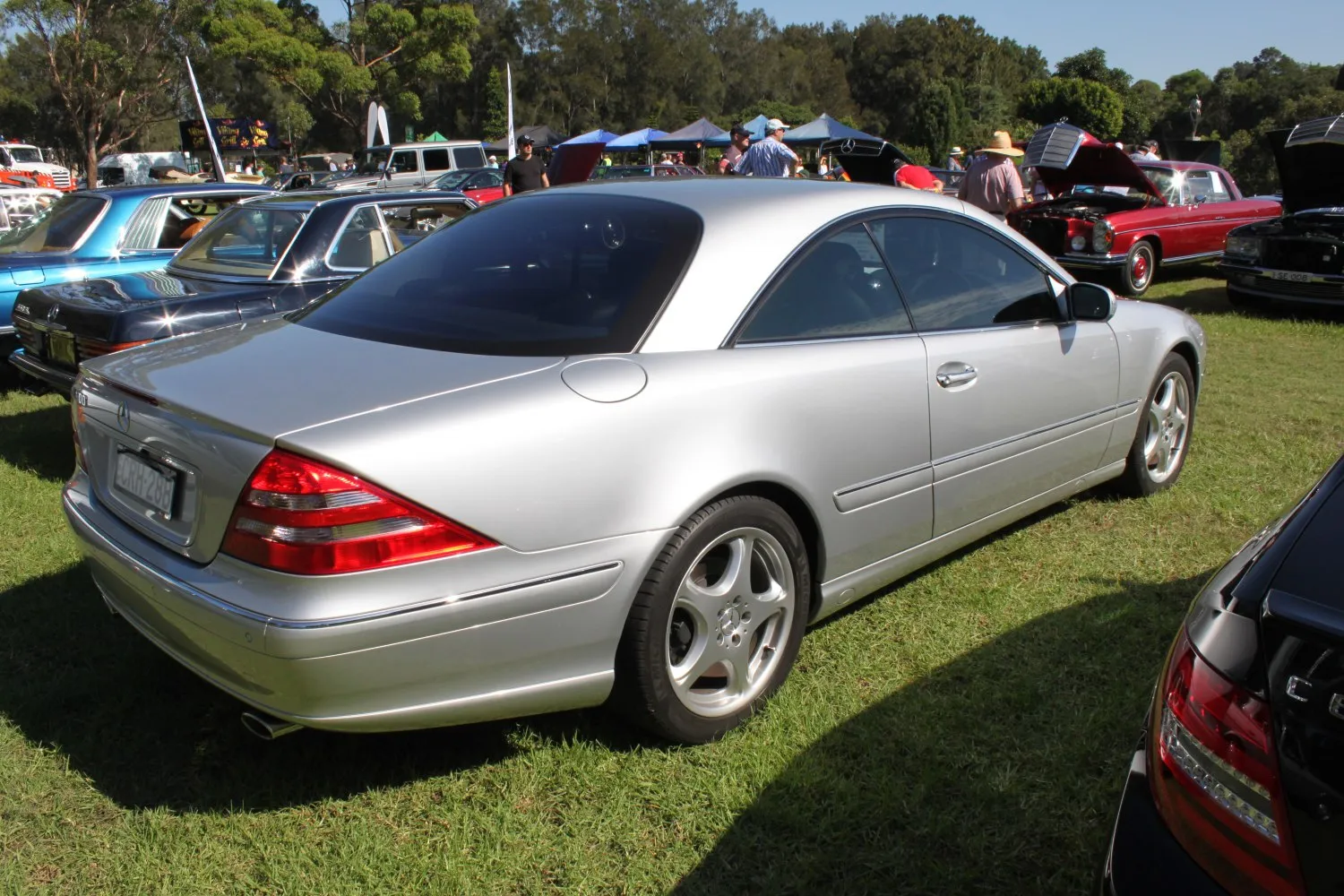
Mercedes-Benz CL C215 CL 600 V12 (367 Hp) Automatic
Overall Rating
Mercedes-Benz CL:
The Mercedes-Benz CL-Class was a line of grand tourers which are produced by German automaker Mercedes-Benz, produced from 1992 to 2014. The name CL stands for the German Coupé Luxusklasse. It was considered by Mercedes as their premier model.
In 2015 Mercedes officially ceased using the CL-Class designation, returning the vehicle's name back to the S-Class Coupe/Convertible, replacing it with the C217 S-Class Coupé.
The CL-Class was the coupé derivative of the S-Class full-size luxury saloon, upon which it shares the same platform. Formerly known as the SEC and later S-Coupé, it was spun off into its own, separate name in 1996 and in 1997 for North American markets. The CL continued to follow the same development cycle as the S, though riding on a shorter wheelbase, and sharing the same engines albeit with less choice as only the higher-output powertrains are offered. The last generation of the CL was actually heavier than its corresponding S trim , due to the roof engineering required to compensate for the lack of a central B-pillar....(Read more on Wikipedia)
C215 Overview:
Mercedes-Benz CL (C215). With 530 Nm of torque, it offers ample pulling power. With a weight of 1880 kg, it falls in the mid‑range. Rear‑wheel drive offers dynamic handling and sporty feedback. Acceleration is good (0–100 km/h in 6.1 s). The top speed reaches 250 km/h. A two-door car with a fixed roof, known for its sporty design and dynamic performance. Seating for 4 makes it ideal for daily use.
The Mercedes-Benz CL (C215) generation was not tested by Euro NCAP. However, as a flagship luxury coupe of its era, it featured advanced safety systems for the time, including multiple airbags, ABS, and ESP.
CL 600 V12 (367 Hp) Automatic Verdict:

Performance Verdict
Delivers immense, silky-smooth V12 power, providing effortless and refined acceleration.
Fuel Economy
Fuel consumption is significant, typical for a large displacement V12 luxury coupe.
Pros and Cons:
Pros:
- • Luxurious and comfortable interior
- • Powerful and refined engine options (V8 and V12)
- • Advanced technology for its time (e.g., ABC suspension)
- • Elegant and timeless coupe design
- • Excellent highway cruising capabilities
Cons:
- • High maintenance costs, especially for ABC suspension
- • Complex electronics can lead to costly repairs
- • Significant fuel consumption for all engine variants
- • Rapid depreciation from new value
- • Rear seat space is limited for adults
Specifications:
Specifications are compared to those of the previous generation(C215: 1999 - 2002).
| General: | |
|---|---|
| Brand: | Mercedes-Benz |
| Model: | CL |
| Generation: | C215 |
| Modification (Engine): | CL 600 V12 (367 Hp) Automatic |
| Start of production: | 2000 |
| End of production: | 2002 |
| Powertrain Architecture: | Internal Combustion engine |
| Body type: | Coupe |
| Seats: | 4 |
| Doors: | 2 |
| Engine: | |
|---|---|
| Power: | 367 Hp @ 5500 rpm. Same horsepower |
| Power per litre: | 63.4 Hp/l [Same length.] |
| Torque: | 530 Nm @ 4250 rpm. |
| Engine Model/Code: | M 137.970 More details about the engine M 137.970 |
| Engine displacement: | 5786 |
| Number of cylinders: | 12 |
| Engine configuration: | V-engine |
| Number of valves per cylinder: | 3 |
| Fuel injection system: | Multi-port manifold injection |
| Engine aspiration: | Naturally aspirated engine |
| Valvetrain: | SOHC |
| Engine oil capacity: | 9.5 l |
| Coolant: | 12 l |
| Engine layout: | Front, Longitudinal |
| Cylinder Bore: | 84 mm mm |
| Piston Stroke: | 87 mm mm |
| Compression ratio: | 10:1 |
| Maximum engine speed: | 6000 rpm. |
| Performance: | |
|---|---|
| Fuel Type: | Petrol (Gasoline) |
| Fuel consumption (economy) - urban: | 19.9 l/100 km |
| Fuel consumption (economy) - extra urban: | 9.5 l/100 km |
| Fuel consumption (economy) - combined (NEDC): | 13.4 l/100 km |
| Fuel consumption (economy) - urban (NEDC): | 19.9 l/100 km |
| Fuel consumption (economy) - extra urban (NEDC): | 9.5 l/100 km |
| Fuel consumption (economy) - combined: | 13.4 l/100 km |
| Emission standard: | Euro 3 |
| Acceleration 0 - 100 km/h: | 6.1 sec |
| Acceleration 0 - 62 mph: | 6.1 sec |
| Maximum speed: | 250 km/h, Electronically limited |
| Weight-to-power ratio: | 5.1 kg/Hp, 195.2 Hp/tonne |
| Weight-to-torque ratio: | 3.5 kg/Nm, 281.9 Nm/tonne |
| Acceleration 0 - 60 mph: | 5.8 sec |
| Space: | |
|---|---|
| Kerb Weight: | 1880 |
| Max. weight: | 2380 |
| Max. roof load: | 100 kg |
| Max load: | 500 |
| Trunk (boot) space - minimum: | 450 l |
| Fuel tank capacity: | 88 l |
| Size: | |
|---|---|
| Length: | 4993 mm mm [Same length.] |
| Width: | 1857 mm mm [Same width.] |
| Height: | 1398 mm mm [Same height.] |
| Wheelbase: | 2885 mm mm [Same wheelbase.] |
| Width including mirrors: | 2120 mm |
| Front track: | 1577 mm |
| Rear (Back) track: | 1578 mm |
| Minimum turning circle (turning diameter): | 11.5 m [above average] |
| Powertrain: | |
|---|---|
| Drivetrain Architecture | The Internal combustion engine (ICE) drives the rear wheels of the vehicle. |
| Drive wheel | Rear wheel drive |
| Number of gears | 5 |
| Transmission type | Automatic |
| Front brakes | Ventilated discs [Best for performance and cooling.] |
| Rear brakes | Ventilated discs [Best for performance and cooling.] |
| Assisting systems | ABS (Anti-lock braking system) |
| Steering type | Steering rack and pinion |
| Power steering | Hydraulic Steering |
| Tires size | 225/55 R17 |
| Wheel rims size | 7.5J x 17 |
| Front suspension | Hydraulic elements, Independent multi-link suspension |
| Rear suspension | Hydraulic elements, Independent multi-link suspension |



Help others decide – share your experience!