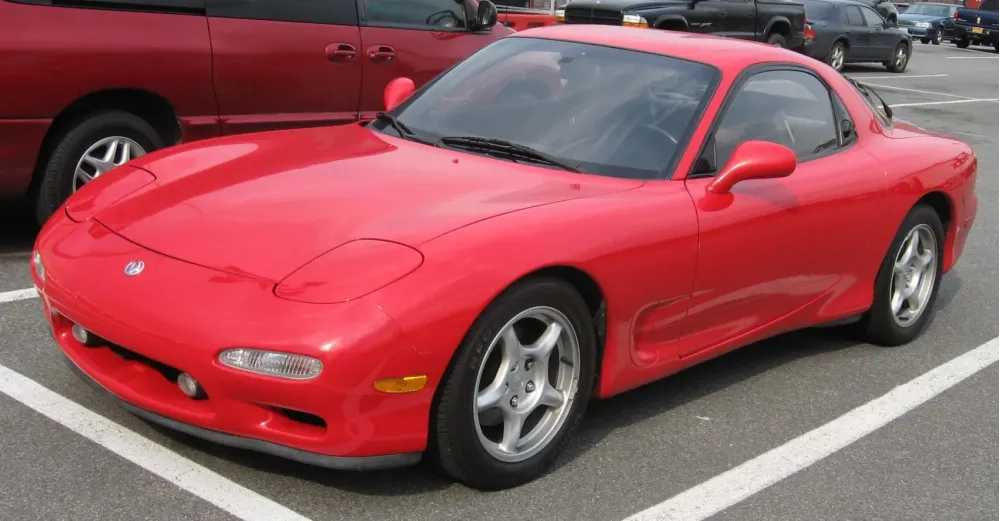
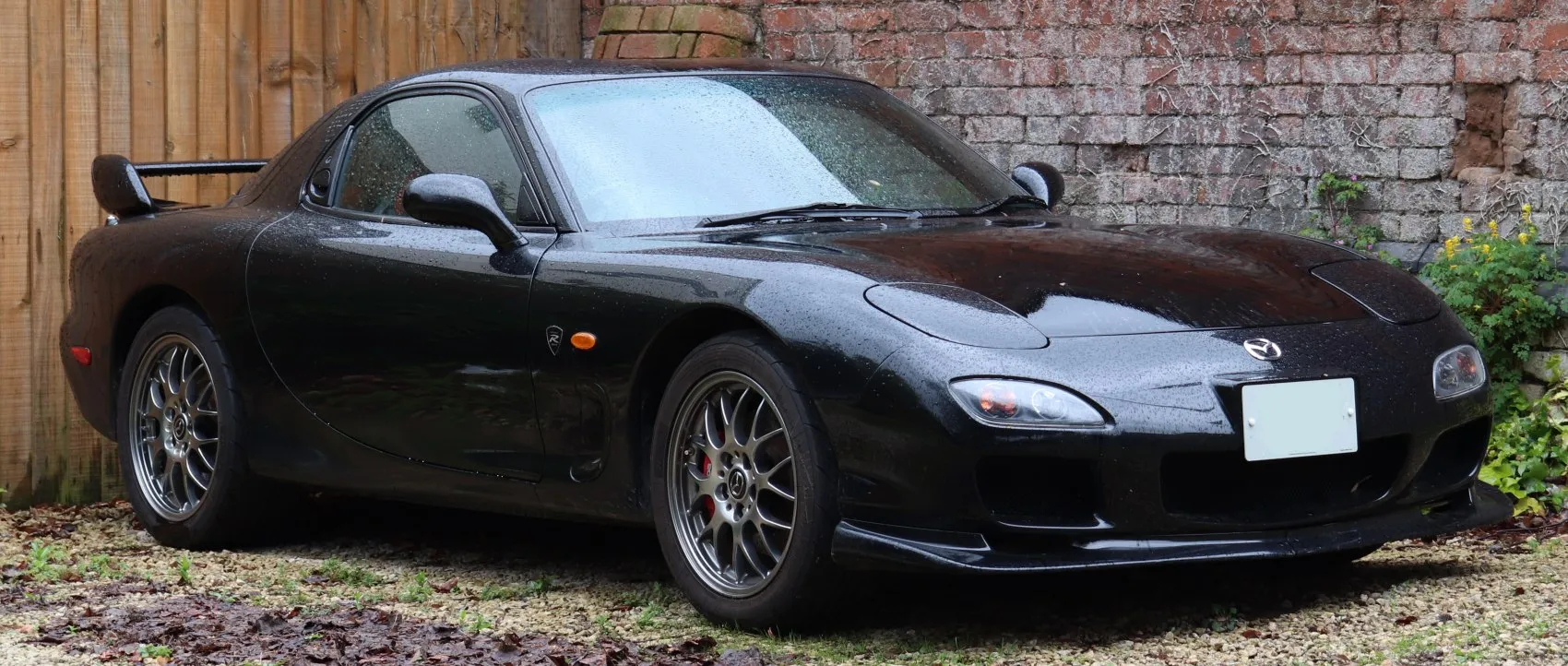
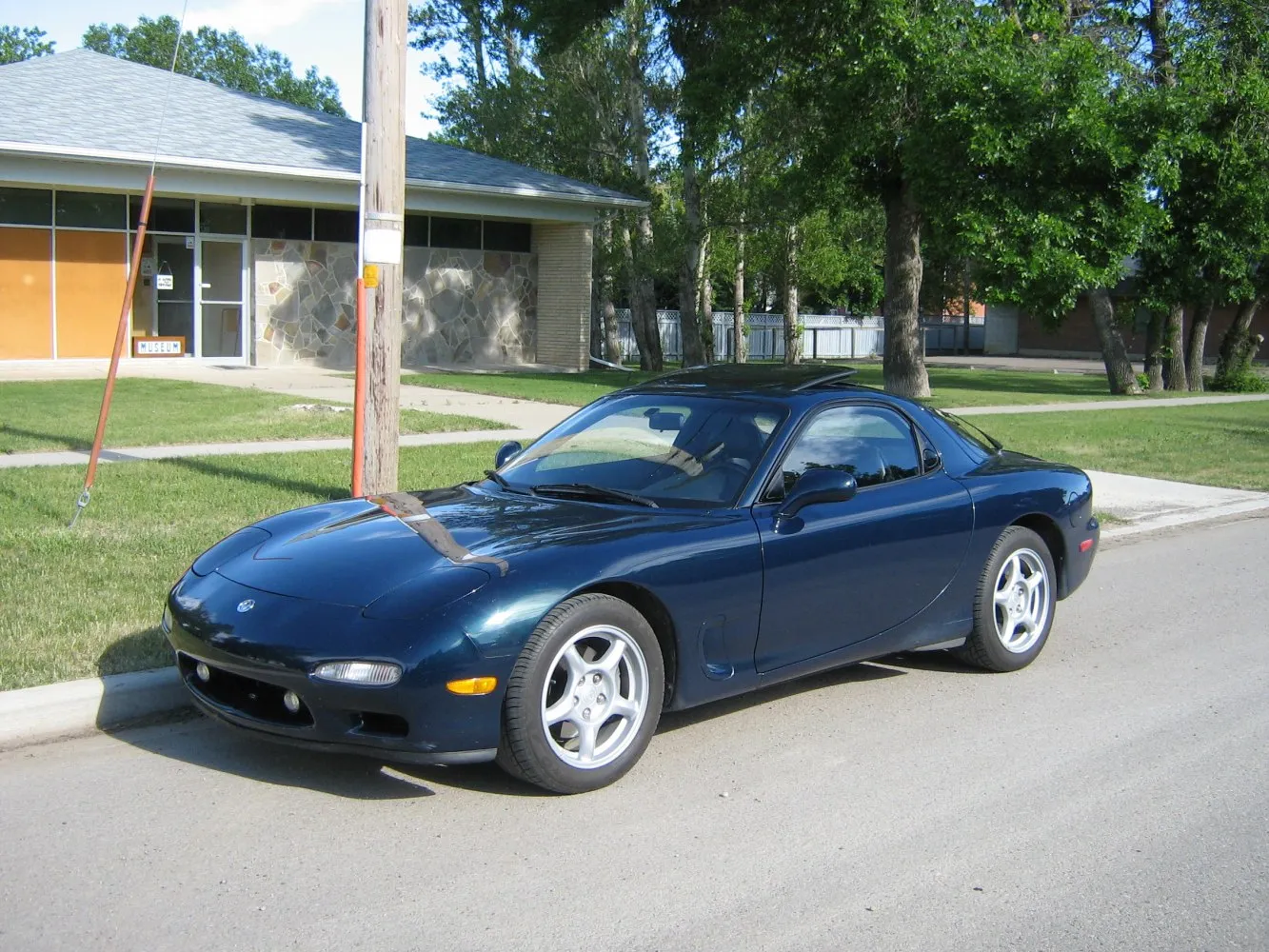
Mazda RX-7 RX 7 III (FD) Wankel Twin Turbo (239 Hp)
Mazda RX-7:
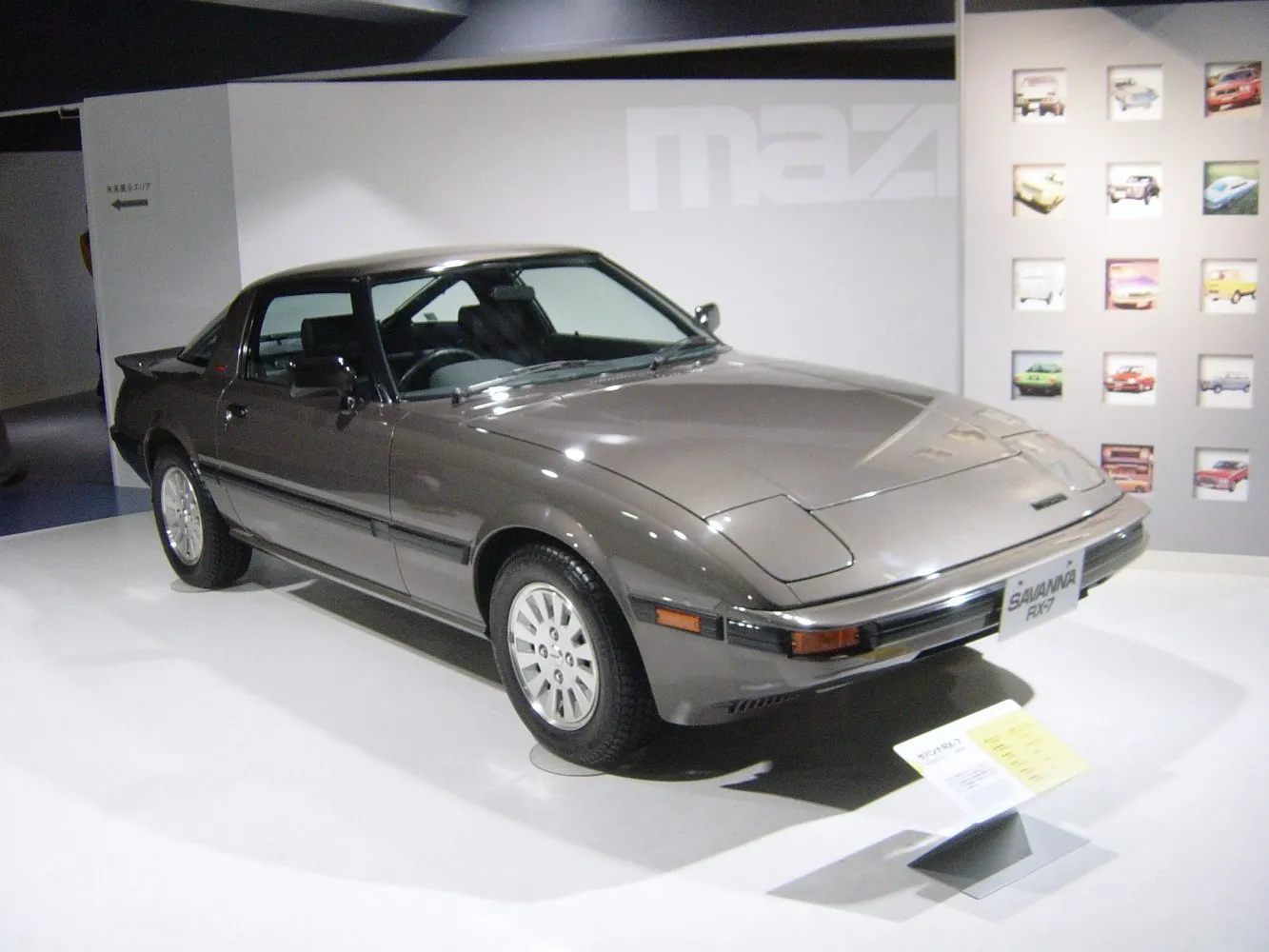
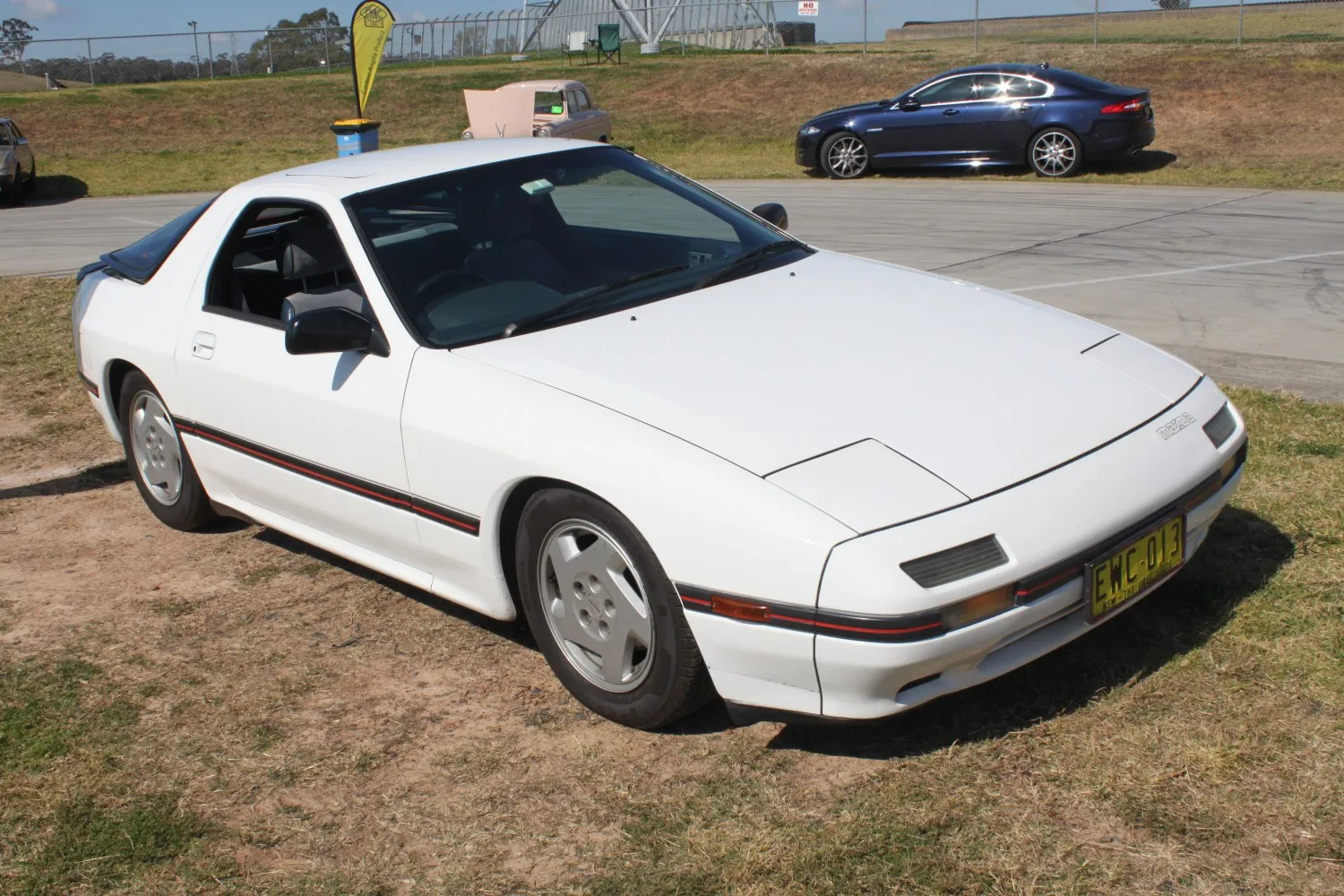
The Mazda RX-7 is a sports car which was manufactured and marketed by Mazda from 1978 to 2002 across three generations. It has a front mid engine, rear-wheel-drive layout and uses a compact and lightweight Wankel rotary engine.
The first-generation RX-7, codenamed SA and FB , is a two-seater coupé with a rear hatchback. It featured a 12A carbureted rotary engine as well as the option for a 13B rotary engine with electronic fuel injection in later years. The second-generation RX-7, carrying the internal model code FC, was offered as a two-seater coupé with a 2+2 option available in some markets, as well as in a convertible body style. This was powered by the 13B rotary engine, offered in naturally aspirated or turbocharged forms. The third-generation RX-7, model code FD, was offered as a two-seater coupé with a 2+2 version offered as an option for the Japanese market. It featured a sequentially turbocharged 13B REW engine....(Read more on Wikipedia)
RX 7 III (FD) Overview:
Mazda RX-7 (RX 7 III (FD)). With 294 Nm of torque, it offers ample pulling power. Weighing only 1280 kg, it’s quite light. Rear‑wheel drive offers dynamic handling and sporty feedback. Acceleration is excellent (0–100 km/h in 5.3 s). The top speed reaches 250 km/h. A two-door car with a fixed roof, known for its sporty design and dynamic performance. Seating for 4 makes it ideal for daily use.
Pros and Cons:
Pros:
- • Adequate and balanced power output (239 hp) for versatile driving.
- • Sporty acceleration: 0-100 km/h in 5.3 sec.
- • Rear-wheel drive layout for enhanced handling and balance.
- • Ventilated disc brakes for reliable cooling and stopping power.
- • Turbocharged engine ensures better torque delivery at low RPMs.
Cons:
- • Relatively high fuel consumption: 11.1 L/100 km combined.
- • Compact cargo space (160 L); may require careful packing.
- • Previous generation model; may lack the latest driver-assist technologies.
Specifications:
Specifications are compared to those of the previous generation(RX 7 II (FC): 1989 - 1991).
| General: |
| Brand: | Mazda |
|---|
| Model: | RX-7 |
|---|
| Generation: | RX 7 III (FD) |
|---|
| Modification (Engine): | Wankel Twin Turbo (239 Hp) |
|---|
| Start of production: | 1992 |
|---|
| End of production: | 2000 |
|---|
| Powertrain Architecture: | Internal Combustion engine |
|---|
| Body type: | Coupe |
|---|
| Seats: | 4 |
|---|
| Doors: | 2 |
|---|
| Engine: |
| Power: | 239 Hp @ 6500 rpm. |
|---|
| Power per litre: | 182.7 Hp/l [worst than previous generation] |
|---|
| Torque: | 294 Nm @ 5000 rpm. |
|---|
| Engine displacement: | 1308 |
|---|
| Engine configuration: | Rotary (Wankel) |
|---|
| Fuel injection system: | Multi-port manifold injection |
|---|
| Engine aspiration: | Turbocharger |
|---|
| Engine layout: | Front, Longitudinal |
|---|
| Compression ratio: | 9:1 |
|---|
| Performance: |
| Fuel Type: | Petrol (Gasoline) |
|---|
| Fuel consumption (economy) - combined: | 11.1 l/100 km |
|---|
| Acceleration 0 - 100 km/h: | 5.3 sec |
|---|
| Acceleration 0 - 62 mph: | 5.3 sec |
|---|
| Maximum speed: | 250 km/h |
|---|
| Weight-to-power ratio: | 5.4 kg/Hp, 186.7 Hp/tonne |
|---|
| Weight-to-torque ratio: | 4.4 kg/Nm, 229.7 Nm/tonne |
|---|
| Acceleration 0 - 60 mph: | 5 sec |
|---|
| Space: |
| Kerb Weight: | 1280 |
|---|
| Max. weight: | 1500 |
|---|
| Max load: | 220 |
|---|
| Trunk (boot) space - minimum: | 160 l |
|---|
| Fuel tank capacity: | 76 l |
|---|
| Size: |
| Length: | 4285 mm mm |
|---|
| Width: | 1760 mm mm |
|---|
| Height: | 1230 mm mm |
|---|
| Wheelbase: | 2465 mm mm |
|---|
| Front track: | 1460 mm |
|---|
| Rear (Back) track: | 1460 mm |
|---|
| Powertrain: |
| Drivetrain Architecture | The Internal combustion engine (ICE) drives the rear wheels of the vehicle. |
|---|
| Drive wheel | Rear wheel drive |
|---|
| Number of gears | 5 |
|---|
| Transmission type | Manual |
|---|
| Front brakes | Ventilated discs [Best for performance and cooling.] |
|---|
| Rear brakes | Ventilated discs [Best for performance and cooling.] |
|---|
| Assisting systems | ABS (Anti-lock braking system) |
|---|
| Steering type | Steering rack and pinion |
|---|
| Power steering | Hydraulic Steering |
|---|
| Tires size | 225/50 R16 |
|---|
| Wheel rims size | 16 |
|---|
| Front suspension | Double wishbone |
|---|
| Rear suspension | Coil spring |
|---|





Was the Mazda RX-7 what you expected? Let us know!