
Click on image to view the full photo gallery
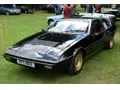
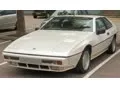
Lotus Excel 2.2 (162 Hp)
Overall Rating
Lotus Excel:
The Lotus Excel is a sports car designed and built by British automobile manufacturer Lotus Cars from 1982 to 1992. It is based on the design of the earlier Lotus Éclat, which itself was based on the earlier Lotus Type 75 Elite.
Toyota engaged Lotus to assist with the engineering work on the Supra. During this period, Toyota became a major shareholder in Lotus, later giving up their holding when General Motors bought Lotus.
Part of the deal between Lotus and Toyota included the use of many Toyota mechanical components in Lotus' cars. The original Excel used the W58 manual transmission, driveshafts, rear differential, 14x7 inch alloy wheels, and door handles from the A60 Supra. The engine was the familiar all-aluminium, DOHC 2. 2 L Lotus 912 slant-four engine also used in the Lotus Esprit S3, producing 160 hp....(Read more on Wikipedia)
Excel Overview:
Lotus Excel (Excel). The top speed reaches 216 km/h. A two-door car with a fixed roof, known for its sporty design and dynamic performance. Seating for 4 makes it ideal for daily use.
The 1983 Lotus Excel predates modern Euro NCAP testing standards. Safety features are basic by contemporary measures, focusing on structural integrity and driver skill rather than advanced passive or active systems.
2.2 (162 Hp) Verdict:

Performance Verdict
The 2.2-liter Lotus 912 engine delivers respectable performance for its era, offering a lively driving experience with a 0-60 mph time of 7 seconds and a top speed of 216 km/h, making it engaging for enthusiasts.
Fuel Economy
Fuel economy is typical for a sports car of the 1980s, with urban consumption around 14.1 l/100 km (approximately 16.7 MPG US), making it a less economical choice for daily city driving but acceptable for its class.
Pros and Cons:
Pros:
- • Excellent handling and driving dynamics characteristic of Lotus.
- • Distinctive classic sports car styling with a unique presence.
- • Respectable performance for its era, offering an engaging drive.
- • Relatively rare and collectible, appealing to classic car enthusiasts.
- • Toyota-derived components enhance reliability compared to earlier Lotus models.
Cons:
- • High fuel consumption, especially in urban settings.
- • Limited rear passenger space due to its 2+2 coupe design.
- • Maintenance can be specialized and parts availability challenging for some components.
- • Lack of modern safety features common in contemporary vehicles.
- • Interior ergonomics and amenities might feel dated by modern standards.
Specifications:
| General: | |
|---|---|
| Brand: | Lotus |
| Model: | Excel |
| Generation: | Excel |
| Modification (Engine): | 2.2 (162 Hp) |
| Start of production: | 1983 |
| End of production: | 1986 |
| Powertrain Architecture: | Internal Combustion engine |
| Body type: | Coupe |
| Seats: | 4 |
| Doors: | 2 |
| Engine: | |
|---|---|
| Power: | 162 Hp |
| Engine Model/Code: | Lotus 912 |
| Engine aspiration: | Naturally aspirated engine |
| Performance: | |
|---|---|
| Fuel Type: | Petrol (Gasoline) |
| Fuel consumption (economy) - urban: | 14.1 l/100 km |
| Maximum speed: | 216 km/h |
| Acceleration 0 - 60 mph: | 7 sec |
| Space: | |
|---|---|
| Fuel tank capacity: | 67 l |








Is the Lotus Excel worth every penny? Give us your honest ROI.