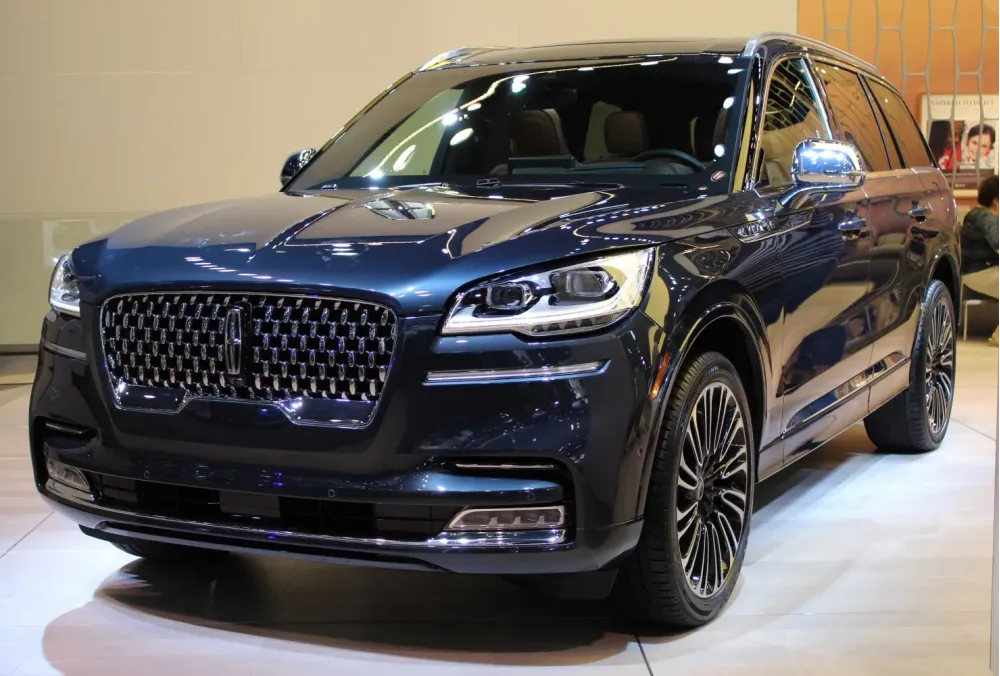
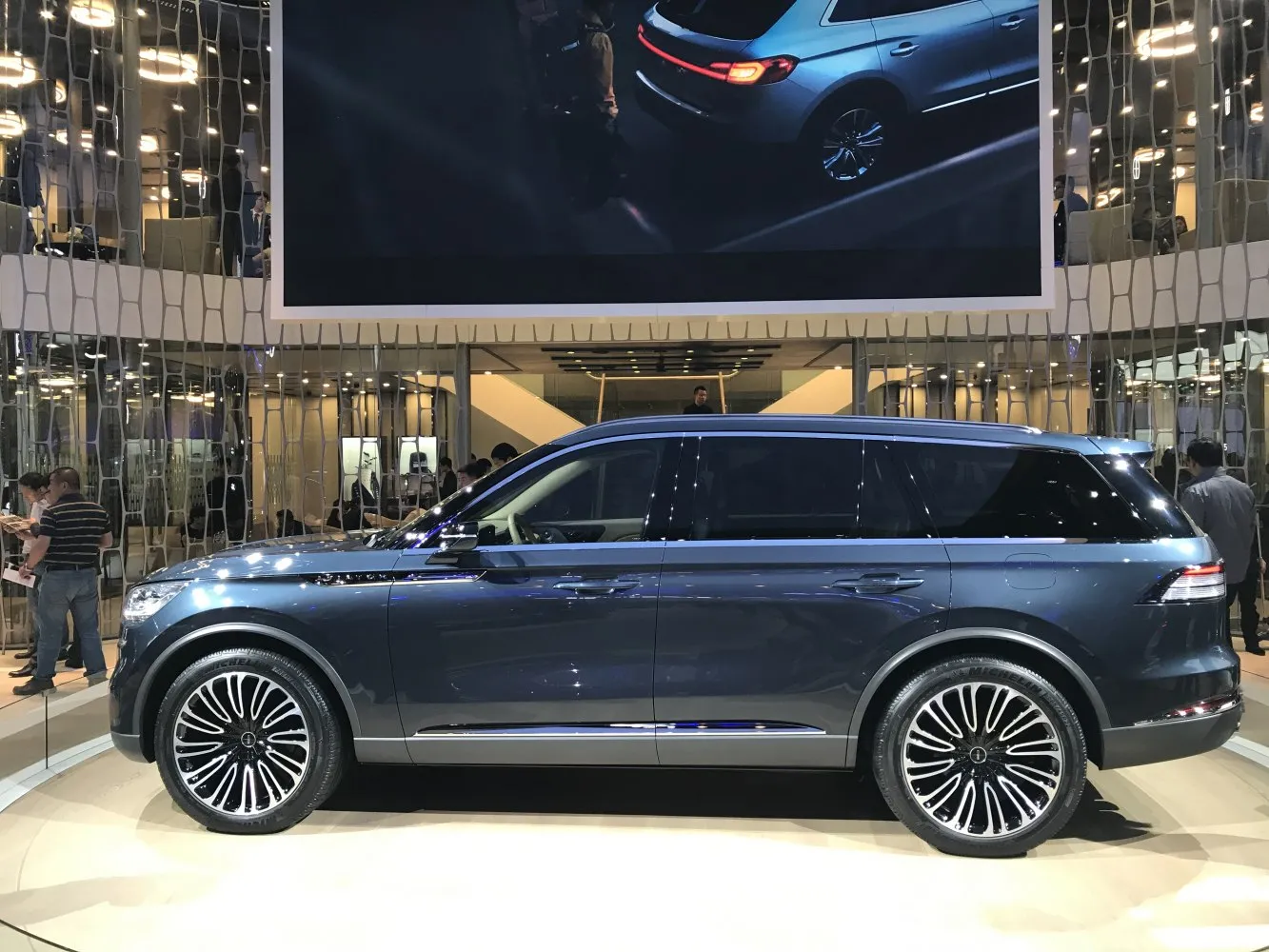
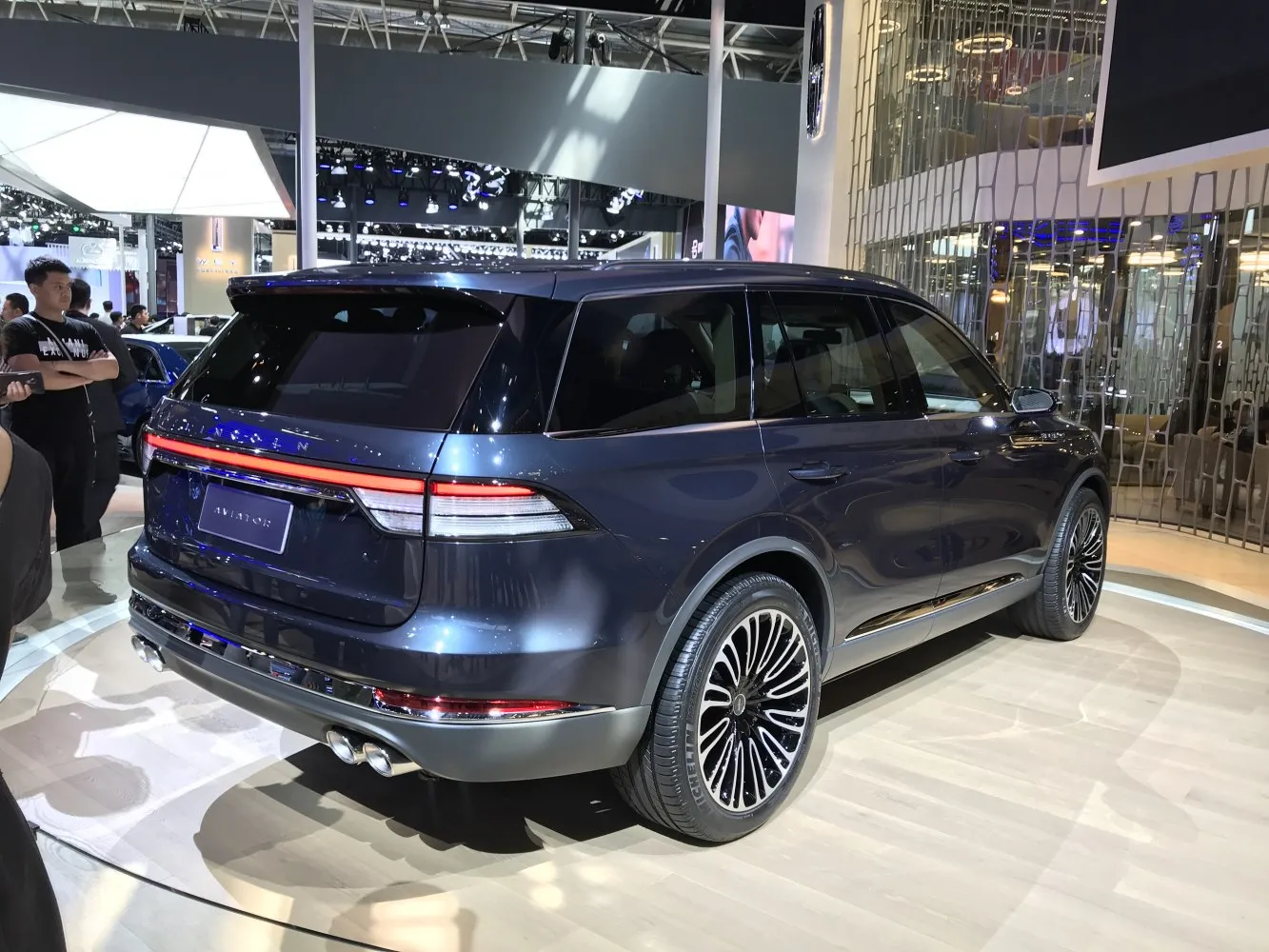
Click on image to view the full photo gallery
Lincoln Aviator II 3.0 V6 (494 Hp) Hybrid AWD SelectShift
Overall Rating
Lincoln Aviator:
The Lincoln Aviator is a mid-size, three-row luxury SUV manufactured and marketed under the Lincoln brand of Ford Motor Company — and now in its second generation, with a hiatus from 2006 to 2020.
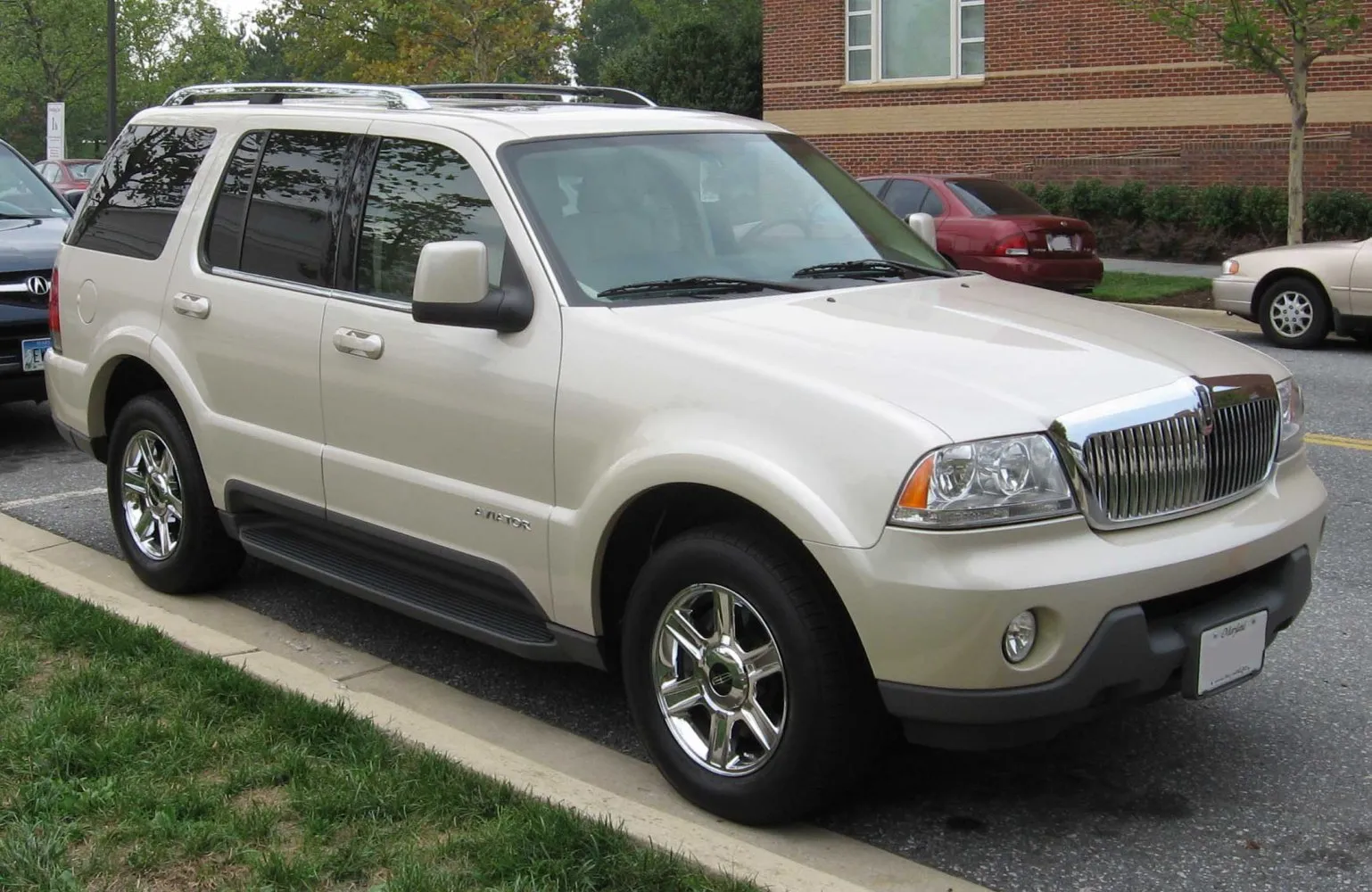
The first generation Aviator was manufactured for 2003–2005 model years as a rebadged variant of the third generation Ford Explorer — and assembled at the now-closed St. Louis Assembly in Hazelwood, Missouri, alongside the Explorer and Mountaineer.
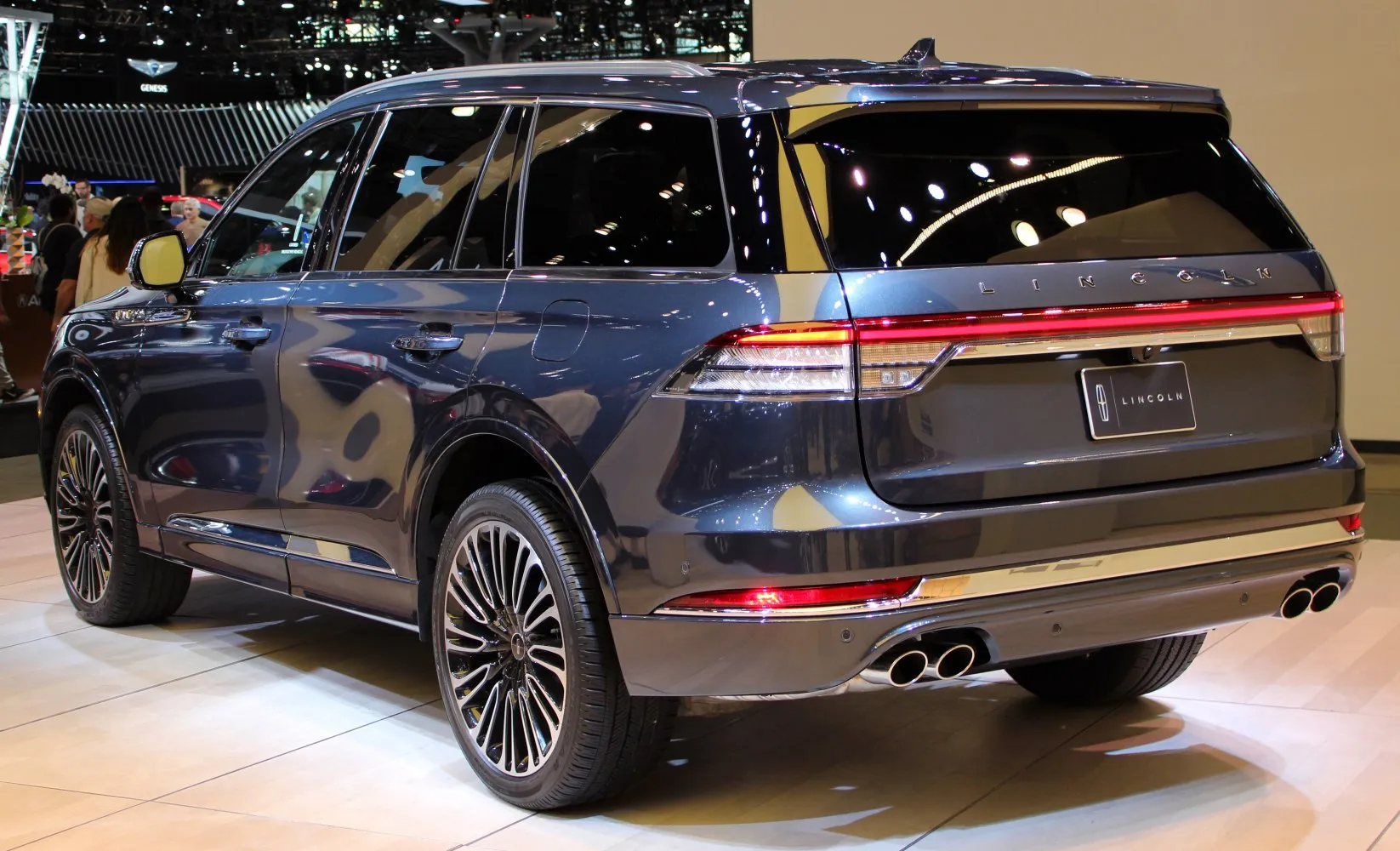
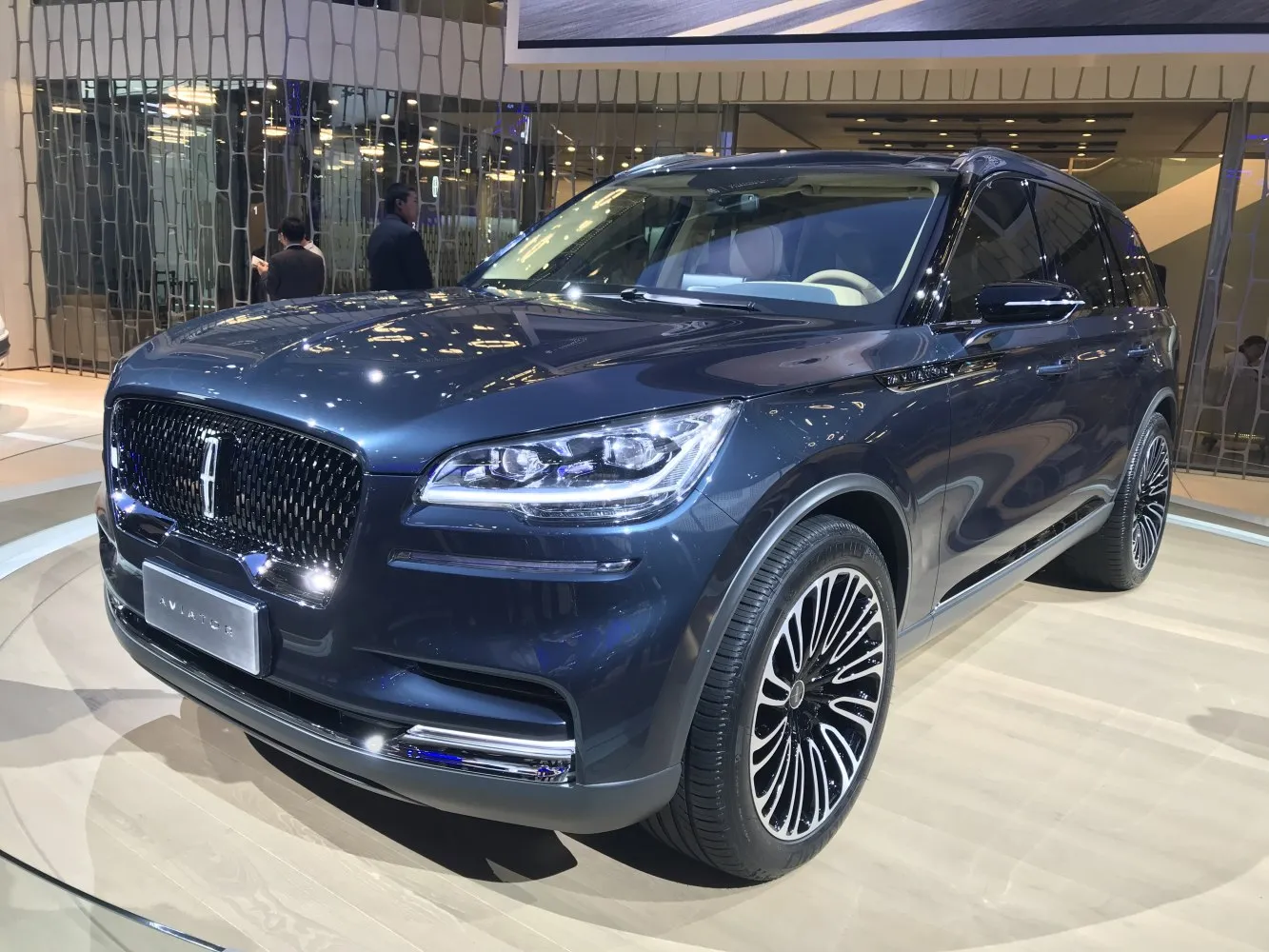
For the 2020 model year, Lincoln reintroduced the Aviator as a badge engineered variant of the sixth generation Ford Explorer manufactured at Chicago Assembly and offered with a plug-in hybrid variant....(Read more on Wikipedia)
II Overview:
Lincoln Aviator (II). With 563 Nm of torque, it offers ample pulling power. At around 2573 kg, it’s on the heavier side. All‑wheel drive provides excellent grip, ideal for off‑road use. A sport utility vehicle offering higher ground clearance and versatile cargo space. With seating for 7, it’s perfect for larger families.
The Lincoln Aviator II has not been tested by Euro NCAP. It typically receives high safety ratings from North American agencies like NHTSA.
3.0 V6 (494 Hp) Hybrid AWD SelectShift Verdict:

Performance Verdict
The Grand Touring hybrid offers exhilarating performance with a combined 494 hp, providing instant torque and rapid acceleration.
Fuel Economy
Impressive fuel efficiency for its power and size, benefiting significantly from the hybrid powertrain.
Pros and Cons:
Pros:
- • Powerful engine options, especially the hybrid
- • Luxurious and quiet interior with comfortable seating
- • Smooth and composed ride quality
- • Distinctive and elegant exterior styling
- • Available advanced technology and safety features
Cons:
- • Fuel economy (non-hybrid) could be better for the class
- • Infotainment system can be complex for some users
- • Some interior materials not quite on par with top German rivals
- • Large turning radius can make maneuvering in tight spaces challenging
Specifications:
Specifications are compared to those of the previous generation(I: 2003 - 2005).
| General: | |
|---|---|
| Brand: | Lincoln |
| Model: | Aviator |
| Generation: | II |
| Modification (Engine): | 3.0 V6 (494 Hp) Hybrid AWD SelectShift |
| Start of production: | 2019 |
| End of production: | 2024 |
| Powertrain Architecture: | PHEV (Plug-in Hybrid Electric Vehicle) |
| Body type: | SUV |
| Seats: | 7 |
| Doors: | 5 |
| Engine: | |
|---|---|
| Engine systems: | Start & Stop System |
| Power: | 400 Hp @ 5500 rpm. Same horsepower |
| Power per litre: | 135.6 Hp/l [154mm more] |
| Torque: | 563 Nm @ 2250 rpm. |
| Engine Model/Code: | Nano More details about the engine Nano |
| Engine displacement: | 2950 |
| Number of cylinders: | 6 |
| Engine configuration: | V-engine |
| Number of valves per cylinder: | 4 |
| Fuel injection system: | Direct injection |
| Engine aspiration: | Twin-Turbo, Intercooler |
| Valvetrain: | DOHC |
| Engine oil capacity: | 5.7 l |
| Coolant: | 18.3 l |
| Engine layout: | Front, Longitudinal |
| Cylinder Bore: | 85.34 mm mm |
| Piston Stroke: | 86.11 mm mm |
| Compression ratio: | 9.5:1 |
| Performance: | |
|---|---|
| Fuel Type: | Petrol / electricity |
| Fuel consumption (economy) - combined: | 10.2 l/100 km |
| Weight-to-power ratio: | 5.2 kg/Hp, 192 Hp/tonne |
| Weight-to-torque ratio: | 3 kg/Nm, 331.9 Nm/tonne |
| Space: | |
|---|---|
| Kerb Weight: | 2573 |
| Trunk (boot) space - maximum: | 2200 l |
| Trunk (boot) space - minimum: | 519 l |
| Permitted trailer load with brakes (12%): | 2540 kg |
| Fuel tank capacity: | 68 l |
| Size: | |
|---|---|
| Length: | 5063 mm mm [154mm more] |
| Width: | 2022 mm mm [145mm more] |
| Height: | 1758 mm mm [42mm less] |
| Wheelbase: | 3025 mm mm [136mm more] |
| Width with mirrors folded: | 2091 mm |
| Width including mirrors: | 2284 mm |
| Front track: | 1700 mm |
| Rear (Back) track: | 1700 mm |
| Powertrain: | |
|---|---|
| Drivetrain Architecture | The Internal combustion engine (ICE) and the electric motor permanently drive the rear wheels of the vehicle, capable of running in full electric or mixed mode, and if necessary through the electrically or mechanically controlled clutch, the front wheels |
| Drive wheel | All wheel drive (4x4) |
| Number of gears | 10 |
| Transmission type | Automatic |
| Gearbox type | SelectShift |
| Front brakes | Ventilated discs, 363x32 mm [Best for performance and cooling.] |
| Rear brakes | Ventilated discs, 350x26 mm [Best for performance and cooling.] |
| Assisting systems | ABS (Anti-lock braking system) |
| Steering type | Steering rack and pinion |
| Power steering | Electric Steering |
| Tires size | 255/55 R20; 275/45 R21 |
| Wheel rims size | 8J x 20; 9J x 21 |
| Front suspension | Double wishbone, Transverse stabilizer |
| Rear suspension | Independent multi-link spring suspension with stabilizer |
| Electric: | |
|---|---|
| Gross battery capacity: | 13.6 kWh |
| Battery technology: | Lithium-ion (Li-Ion) |
| Battery location: | Below the floor |
| System power: | 494 Hp @ 5500 rpm. |
| System torque: | 854 Nm @ 2250 rpm. |
| All-electric range: | 33.8 km |
| Electric motor power: | 102 Hp |
| Electric motor Torque: | 300 Nm |
| Average Energy consumption: | 37.4 kWh/100 km |
| Electric motor location: | Between the combustion engine and the transmission |









Better than its competitors? Tell us why the Lincoln Aviator stands out.