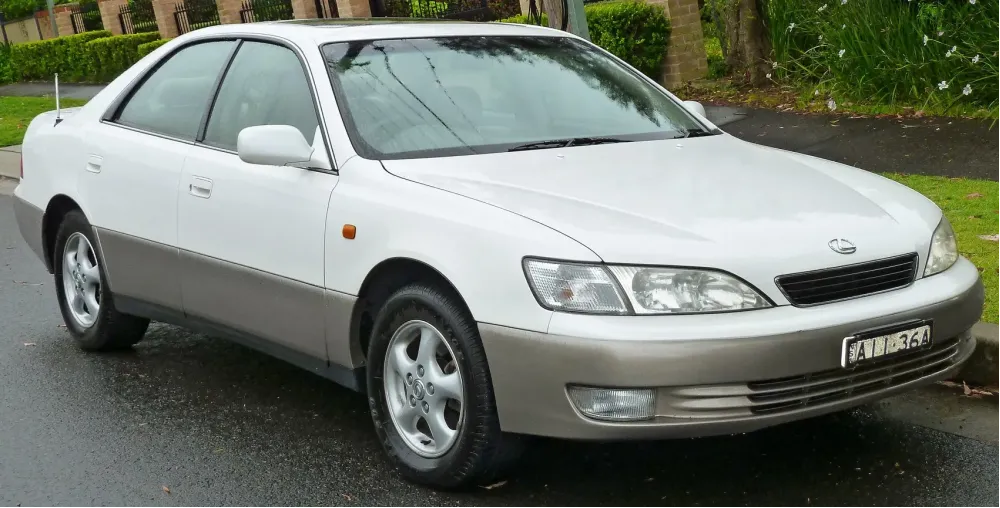
Click on image to view the full photo gallery
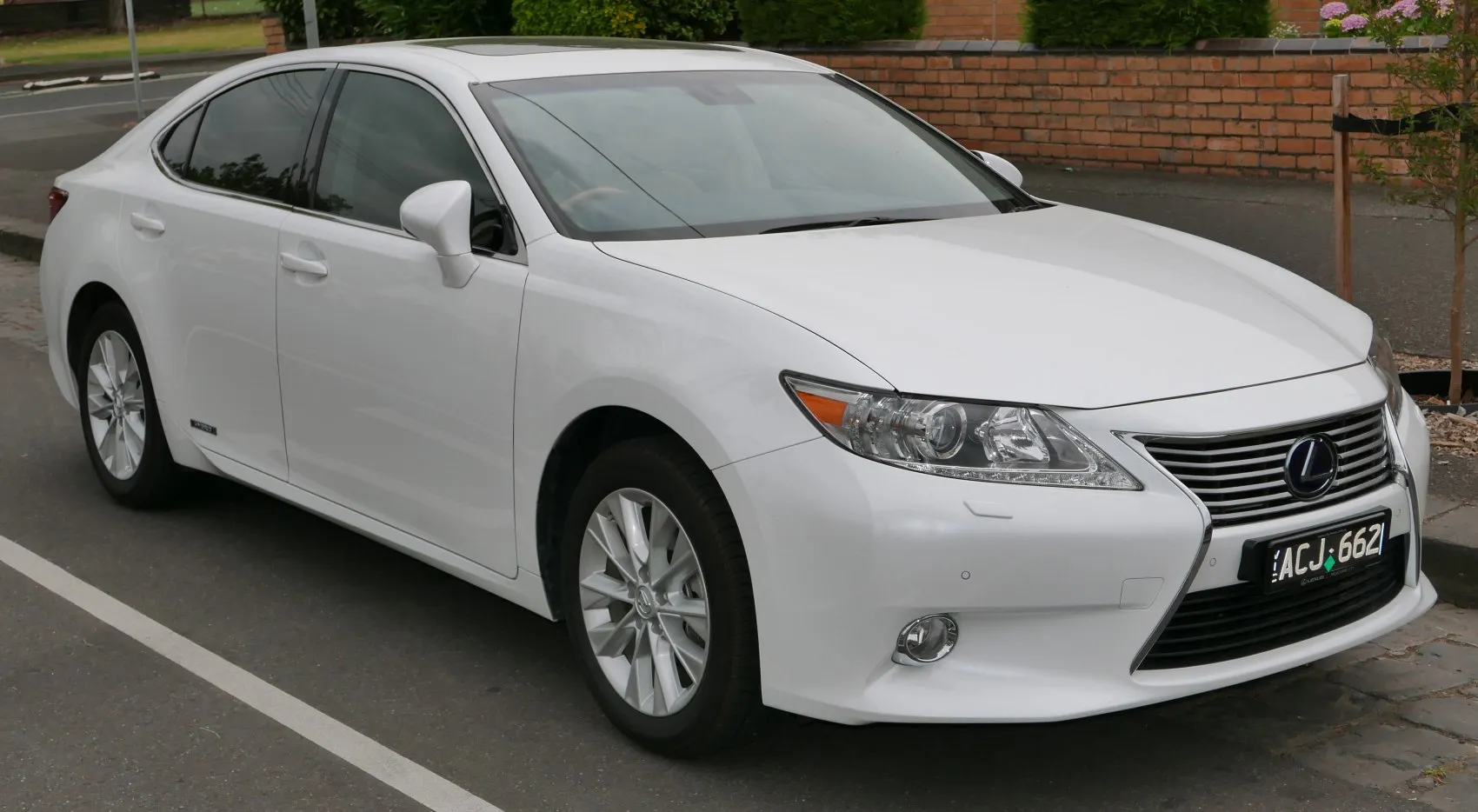
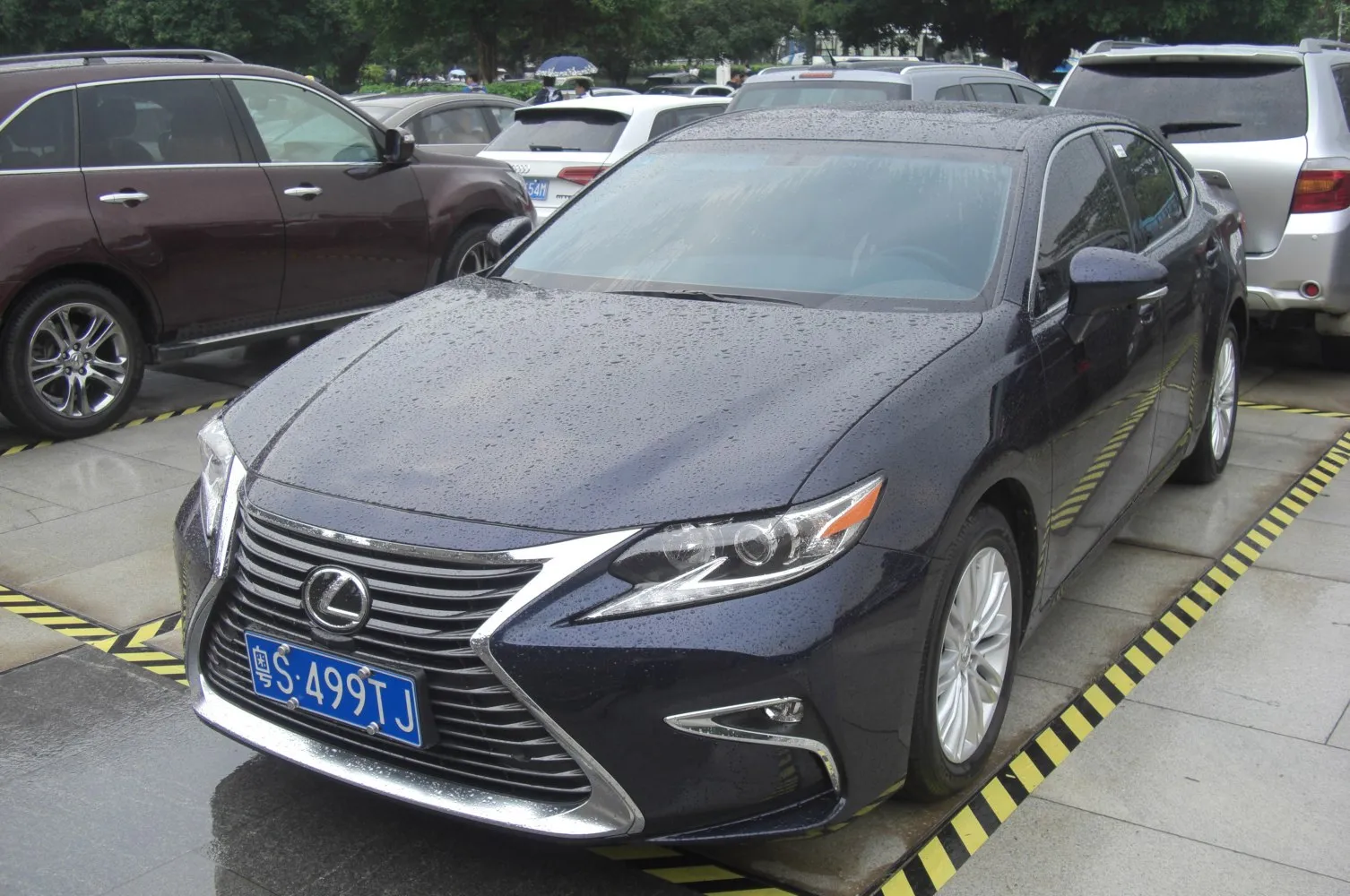
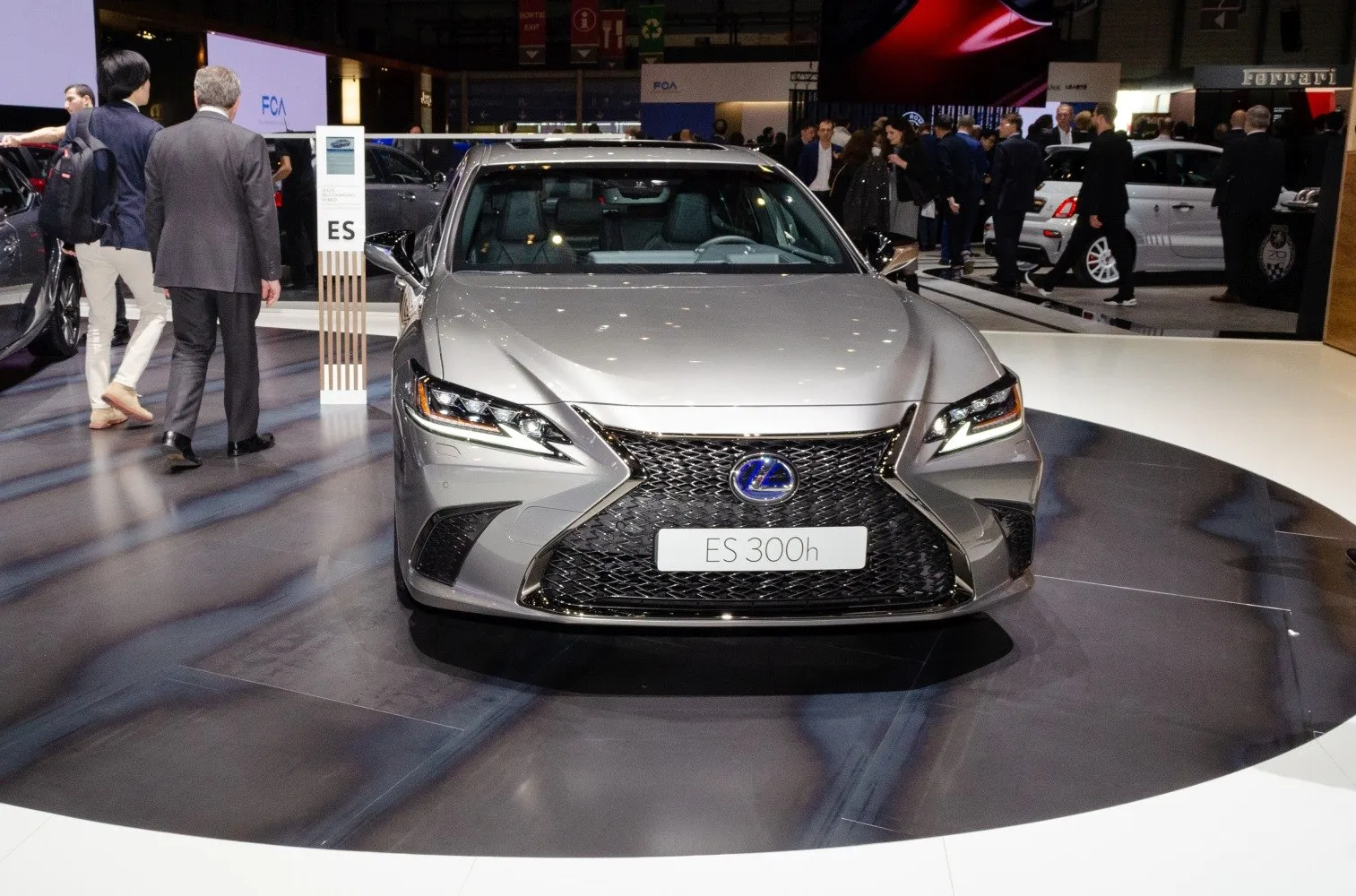
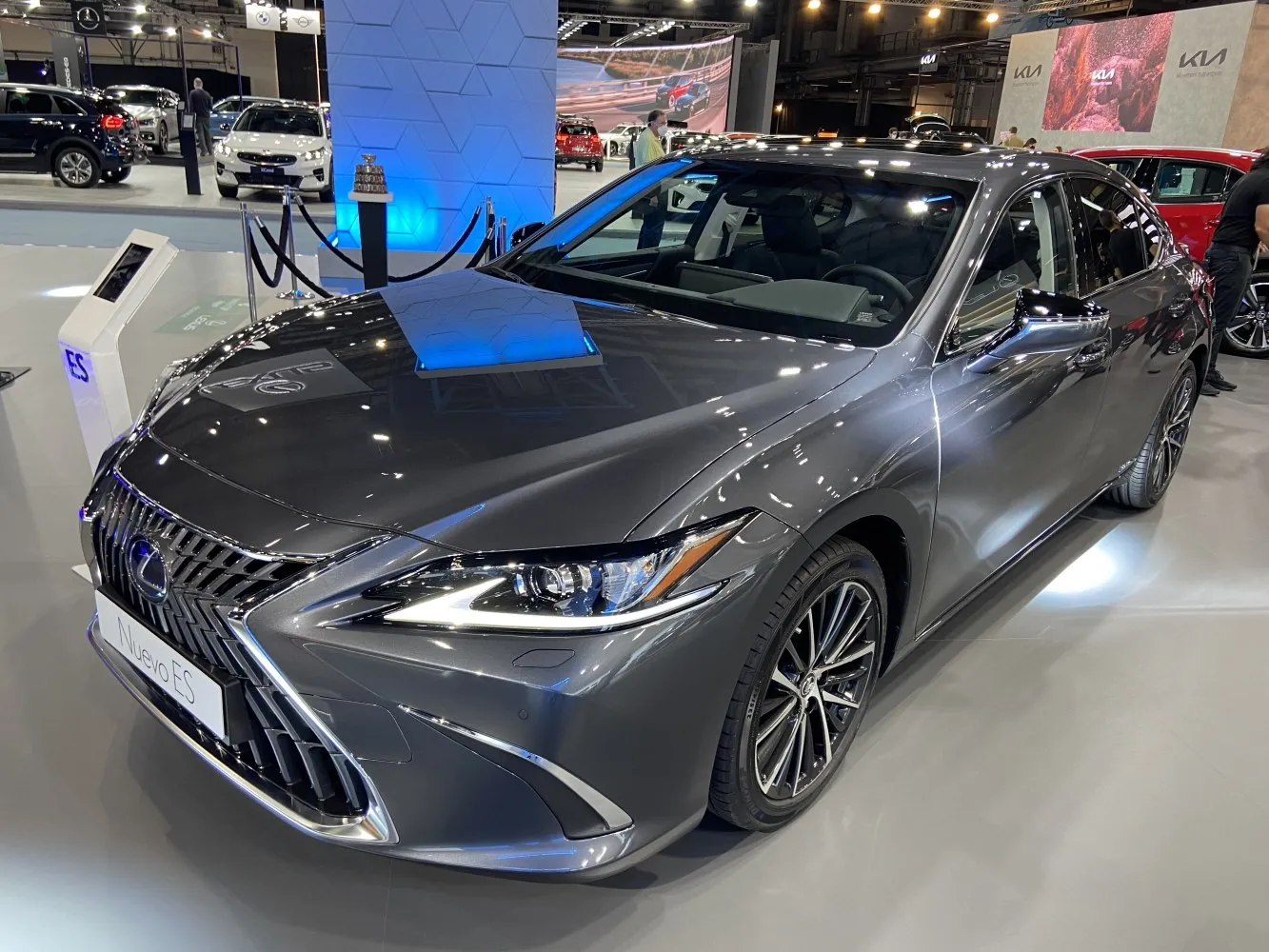
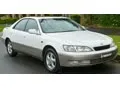
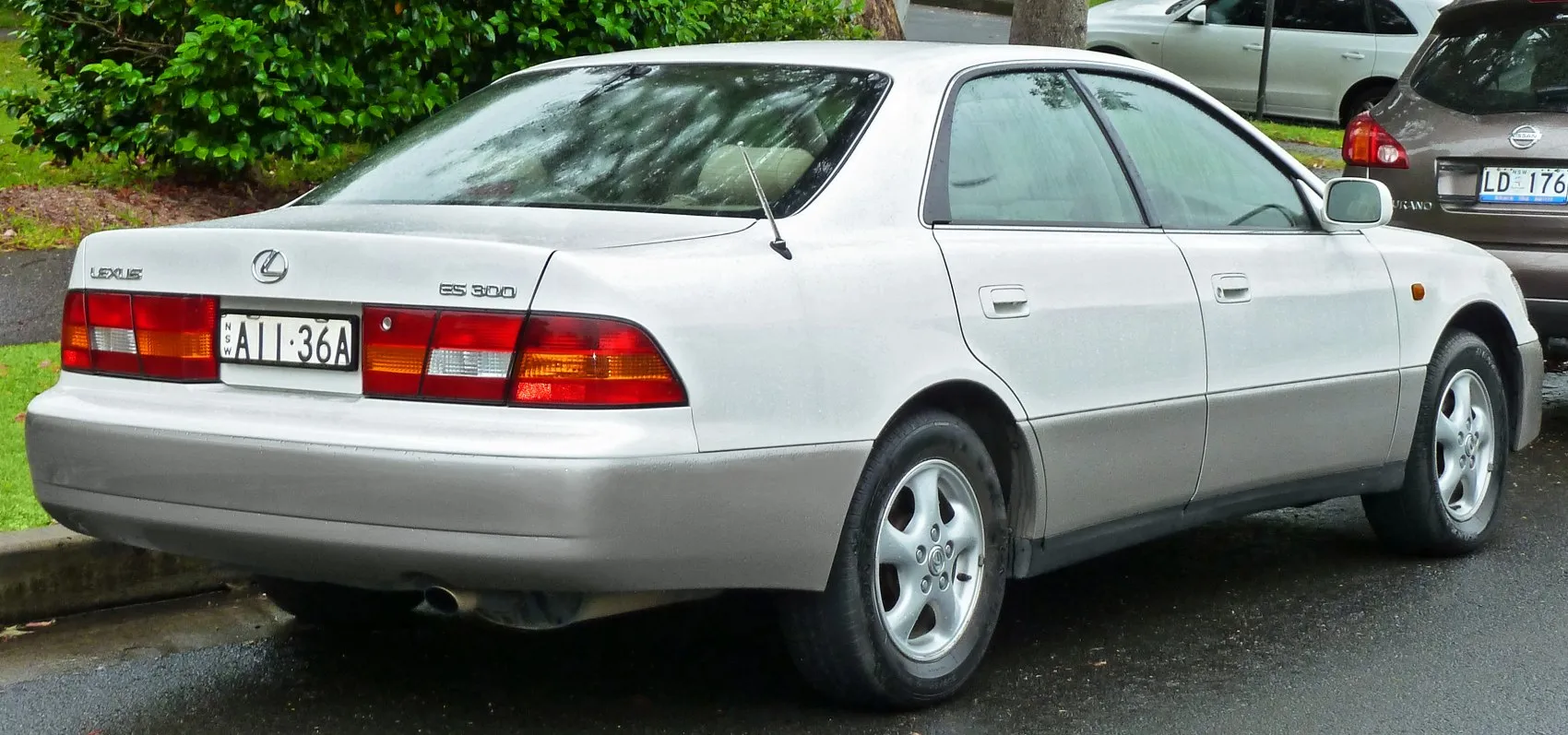
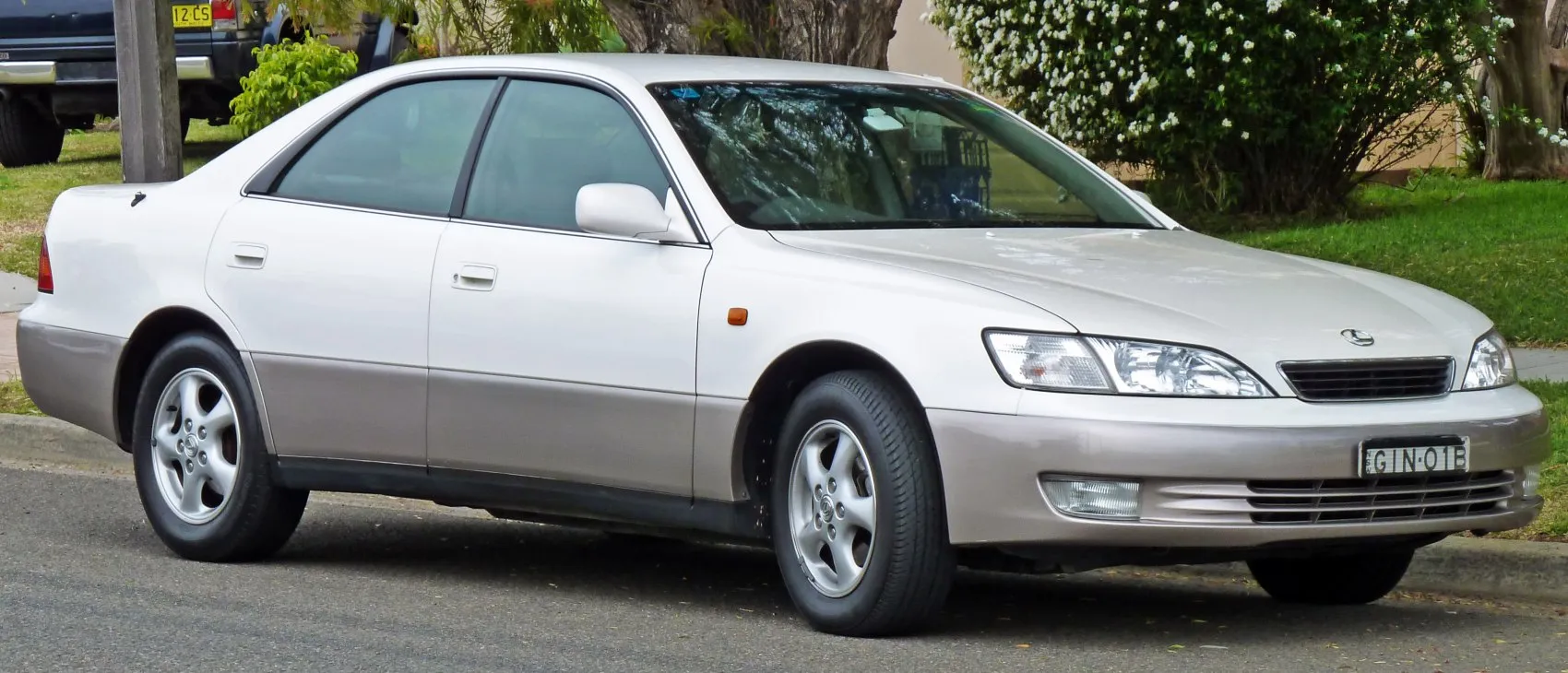
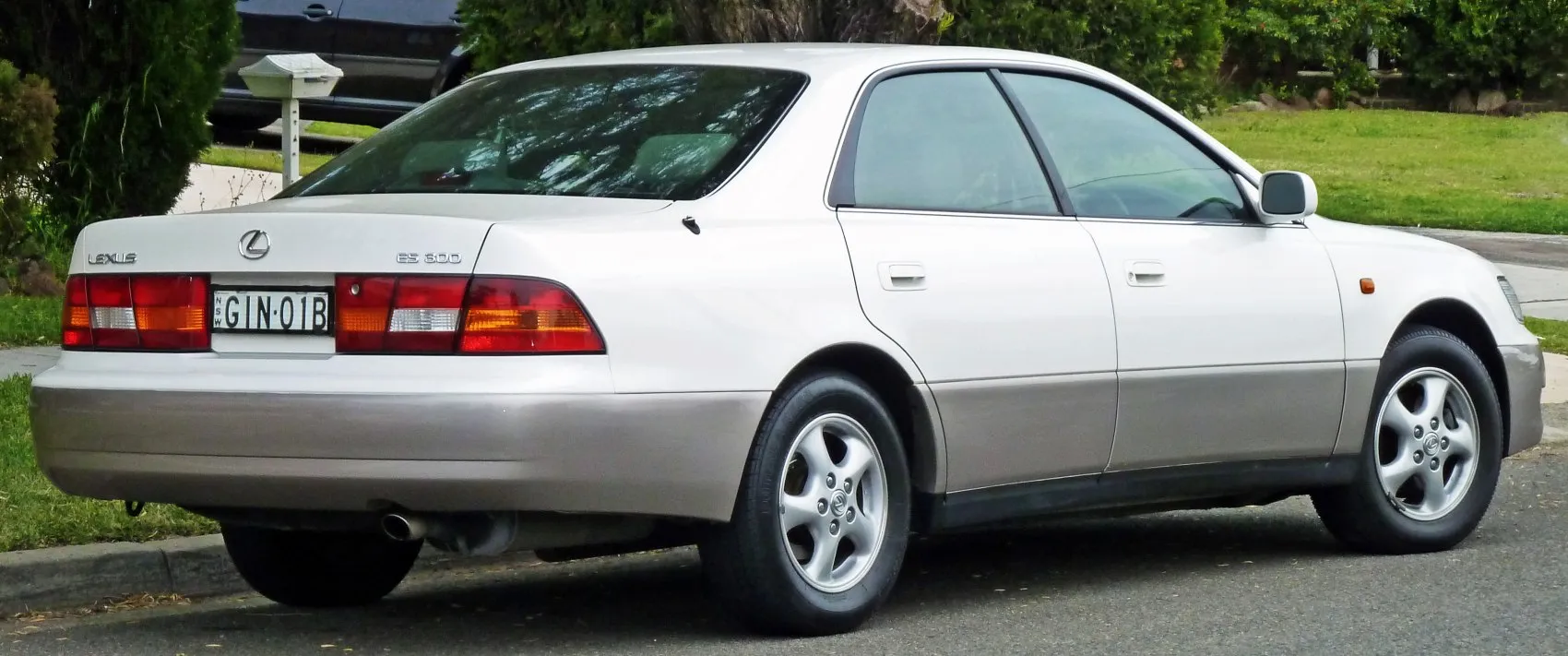
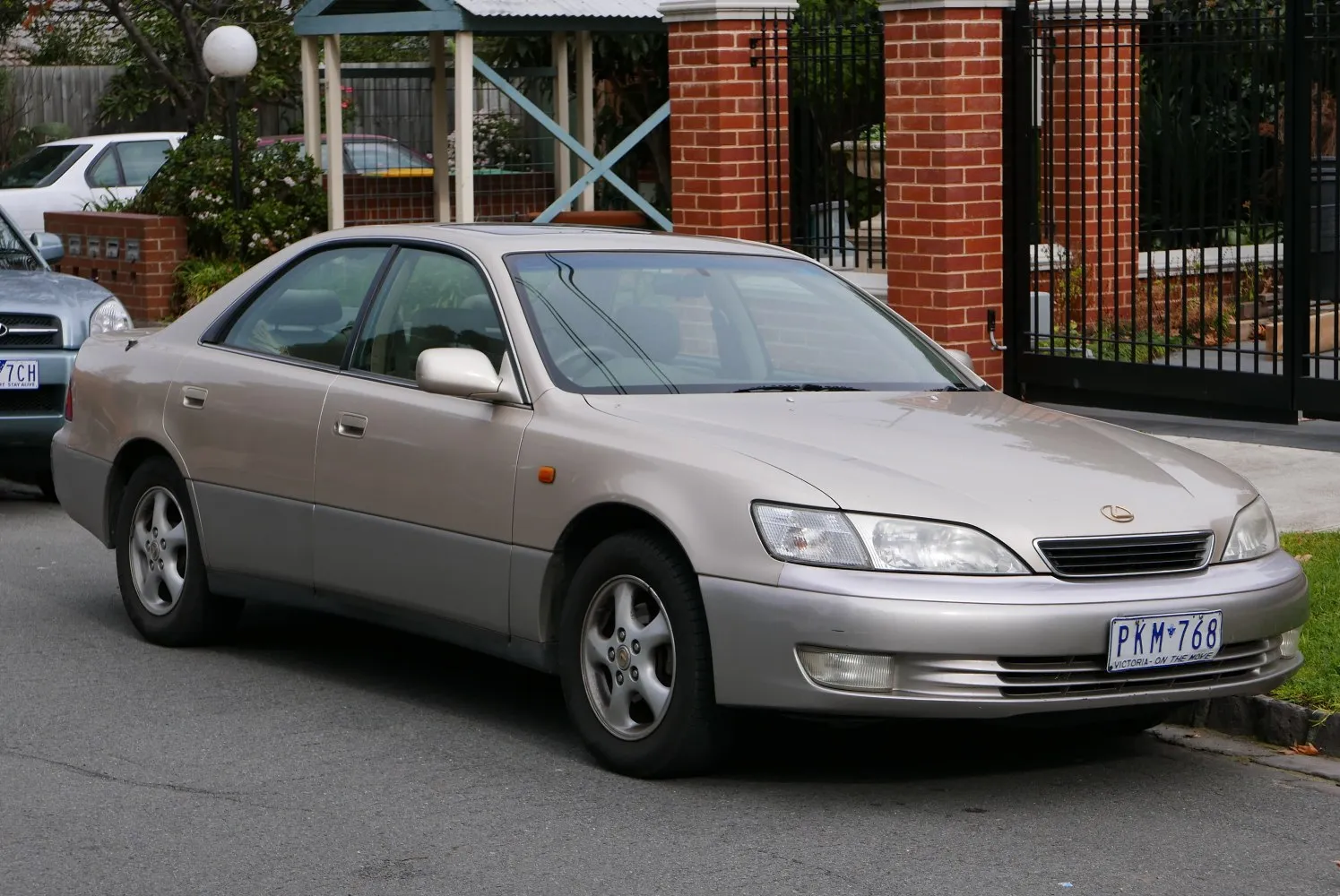
Lexus ES III (XV20) 300 (223 Hp)
Overall Rating
Lexus ES:
The Lexus ES is a mid-size luxury sedan marketed since 1989 by Lexus, the luxury division of Toyota, across multiple generations, each offering V6 engines and a front-engine, front-wheel-drive layout. The first five generations of the ES used the Toyota Camry platform, while the latter generations are more closely related to both the Camry and the Avalon. Manual transmissions were offered until 1993, a lower-displacement inline-four engine became an option in Asian markets in 2010, and a gasoline-electric hybrid version was introduced in 2012. The ES was Lexus's only front-wheel drive vehicle until 1998, when the related RX was introduced, and the sedan occupied the entry-level luxury car segment of the Lexus lineup in North America and other regions until the debut of the IS in 1999. The ES name stands for "Executive Sedan". However, some Lexus importers use the name, "Elegant Sedan"....(Read more on Wikipedia)
III (XV20) Overview:
Lexus ES (III (XV20)). With 301 Nm of torque, it offers ample pulling power. It has moderate fuel consumption (~11.8 l/100km). With a weight of 1495 kg, it falls in the mid‑range. Front‑wheel drive delivers efficiency and easy handling. Acceleration is good (0–100 km/h in 7.7 s). The top speed reaches 225 km/h. A four-door car with a separate trunk, ideal for families and daily commuting. Seating for 5 makes it ideal for daily use.
300 (223 Hp) Verdict:

Performance Verdict
The 3.0L 1MZ-FE V6 engine delivers smooth and ample power, providing respectable acceleration for a luxury sedan of its era. It's well-suited for both city driving and highway cruising.
Fuel Economy
Fuel economy is average for a V6 engine from the late 90s, with urban consumption around 11.8 l/100 km and extra-urban at 8.4 l/100 km. Not class-leading but acceptable.
Pros and Cons:
Pros:
- • Exceptional ride comfort and quiet cabin.
- • Highly reliable 1MZ-FE V6 engine and drivetrain.
- • Smooth and refined power delivery.
- • Spacious and well-appointed interior for its class.
Cons:
- • Dated exterior styling compared to some rivals.
- • Fuel economy is not competitive by modern standards.
- • Handling is comfort-oriented, lacking sporty engagement.
- • Limited advanced safety features compared to newer vehicles.
Specifications:
Specifications are compared to those of the previous generation(II (XV10): 1991 - 1997).
| General: | |
|---|---|
| Brand: | Lexus |
| Model: | ES |
| Generation: | III (XV20) |
| Modification (Engine): | 300 (223 Hp) |
| Start of production: | 1997 |
| End of production: | 2001 |
| Powertrain Architecture: | Internal Combustion engine |
| Body type: | Sedan |
| Seats: | 5 |
| Doors: | 4 |
| Engine: | |
|---|---|
| Power: | 223 Hp @ 5800 rpm. Same horsepower |
| Power per litre: | 74.5 Hp/l [60mm more] |
| Torque: | 301 Nm @ 4400 rpm. |
| Engine Model/Code: | 1MZ-FE More details about the engine 1MZ-FE |
| Engine displacement: | 2995 |
| Number of cylinders: | 6 |
| Engine configuration: | V-engine |
| Number of valves per cylinder: | 4 |
| Fuel injection system: | Multi-port manifold injection |
| Engine aspiration: | Naturally aspirated engine |
| Valvetrain: | DOHC |
| Engine oil capacity: | 4.7 l |
| Coolant: | 9.2 l |
| Engine layout: | Front, Transverse |
| Cylinder Bore: | 87.5 mm |
| Piston Stroke: | 83 mm |
| Compression ratio: | 10.5:1 |
| Performance: | |
|---|---|
| Fuel Type: | Petrol (Gasoline) |
| Fuel consumption (economy) - urban: | 11.8 l/100 km |
| Fuel consumption (economy) - extra urban: | 8.4 l/100 km |
| Acceleration 0 - 100 km/h: | 7.7 sec |
| Acceleration 0 - 62 mph: | 7.7 sec |
| Maximum speed: | 225 km/h |
| Weight-to-power ratio: | 6.7 kg/Hp, 149.2 Hp/tonne |
| Weight-to-torque ratio: | 5 kg/Nm, 201.3 Nm/tonne |
| Acceleration 0 - 60 mph: | 7.3 sec |
| Space: | |
|---|---|
| Kerb Weight: | 1495 |
| Max. weight: | 1765 |
| Max load: | 270 |
| Trunk (boot) space - minimum: | 370 l |
| Fuel tank capacity: | 70 l |
| Size: | |
|---|---|
| Length: | 4830 mm [60mm more] |
| Width: | 1790 mm [12mm more] |
| Height: | 1370 mm [Same height.] |
| Wheelbase: | 2670 mm [50mm more] |
| Front track: | 1550 mm |
| Rear (Back) track: | 1520 mm |
| Powertrain: | |
|---|---|
| Drivetrain Architecture | The Internal combustion engine (ICE) drives the front wheels of the vehicle. |
| Drive wheel | Front wheel drive |
| Number of gears | 4 |
| Transmission type | Automatic |
| Front brakes | Ventilated discs [Best for performance and cooling.] |
| Rear brakes | Disc |
| Assisting systems | ABS (Anti-lock braking system) |
| Steering type | Steering rack and pinion |
| Power steering | Hydraulic Steering |
| Tires size | 205/70 R15 |
| Front suspension | Wishbone |
| Rear suspension | Wishbone |






How many miles have you covered in your Lexus ES? Share your journey!