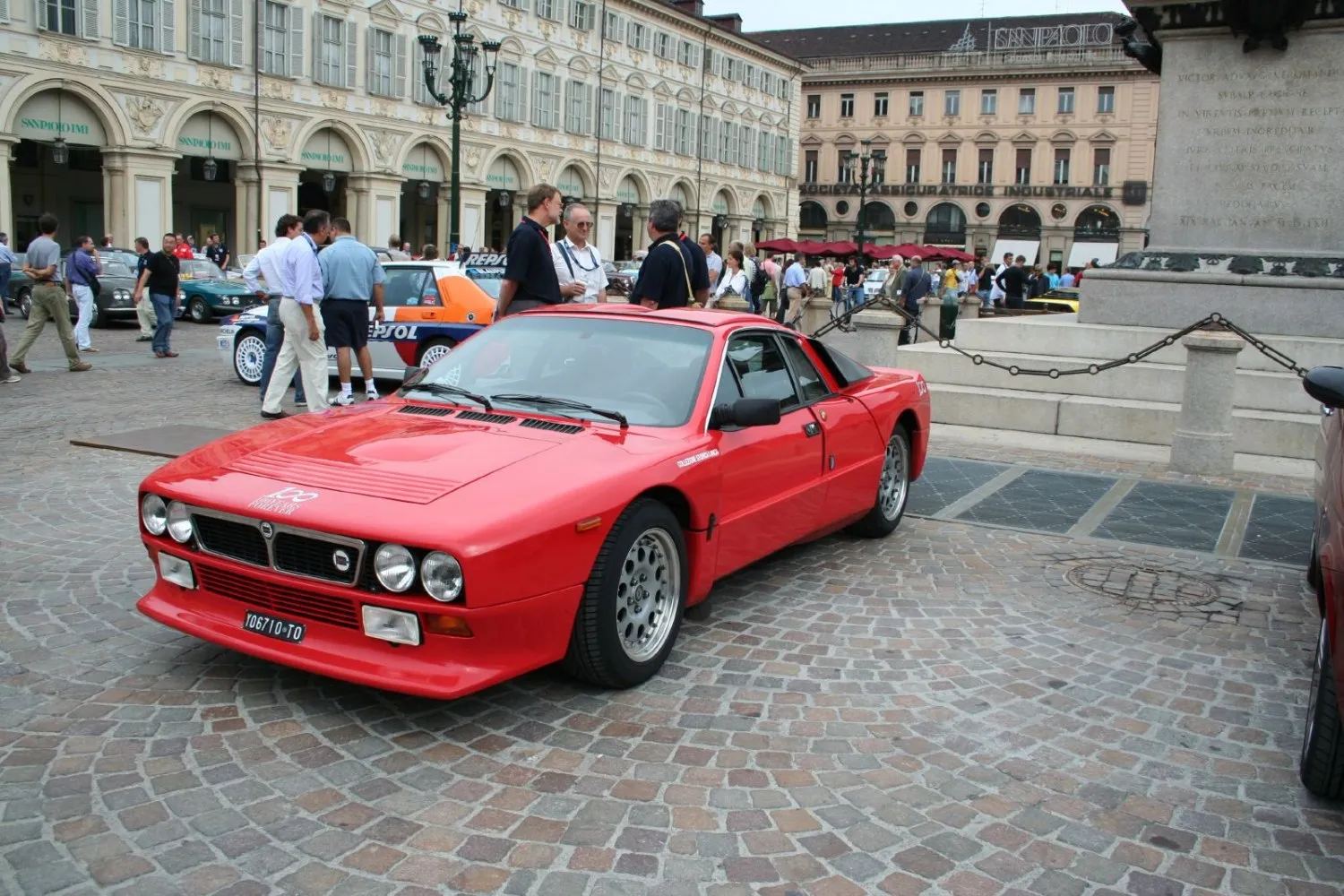
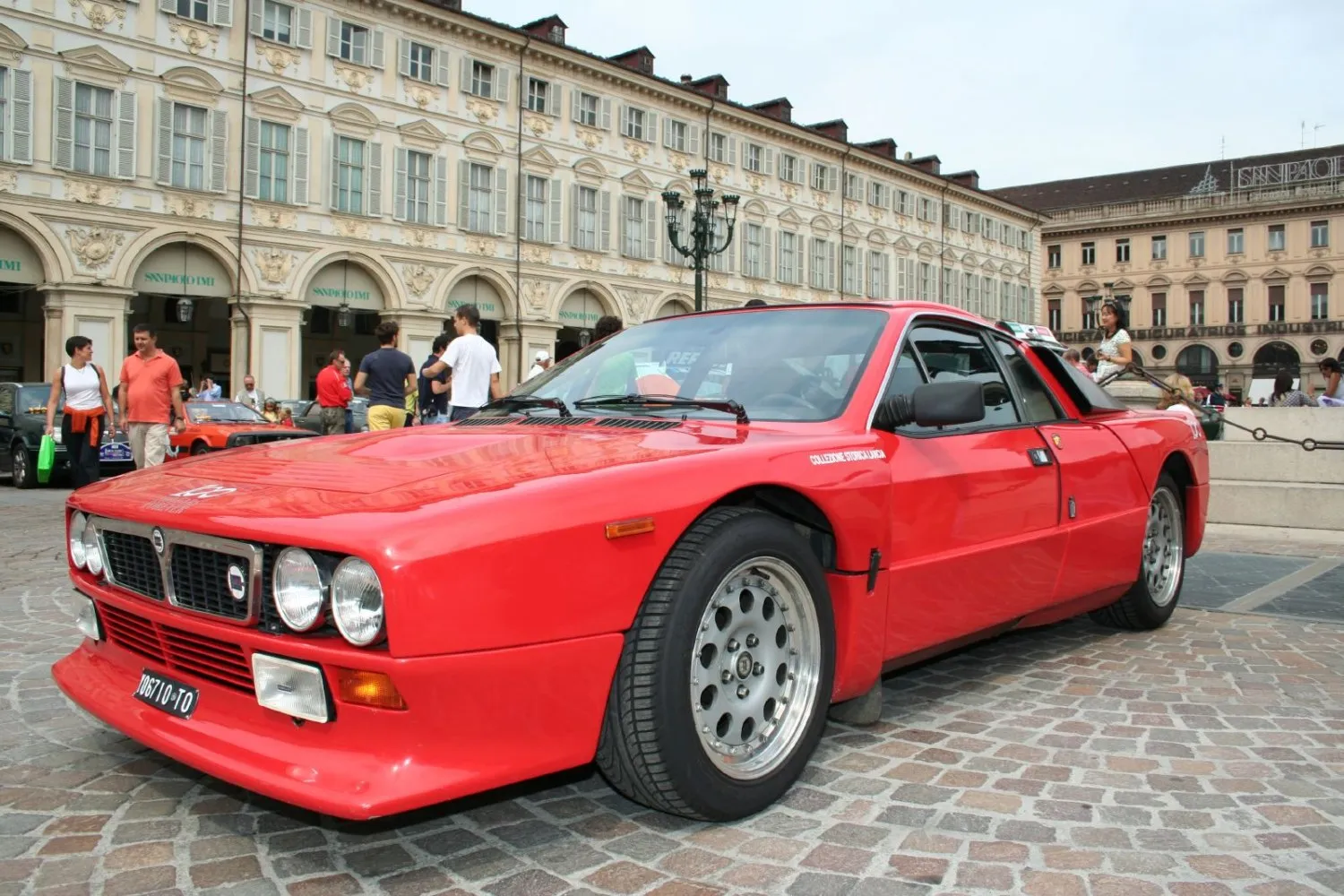
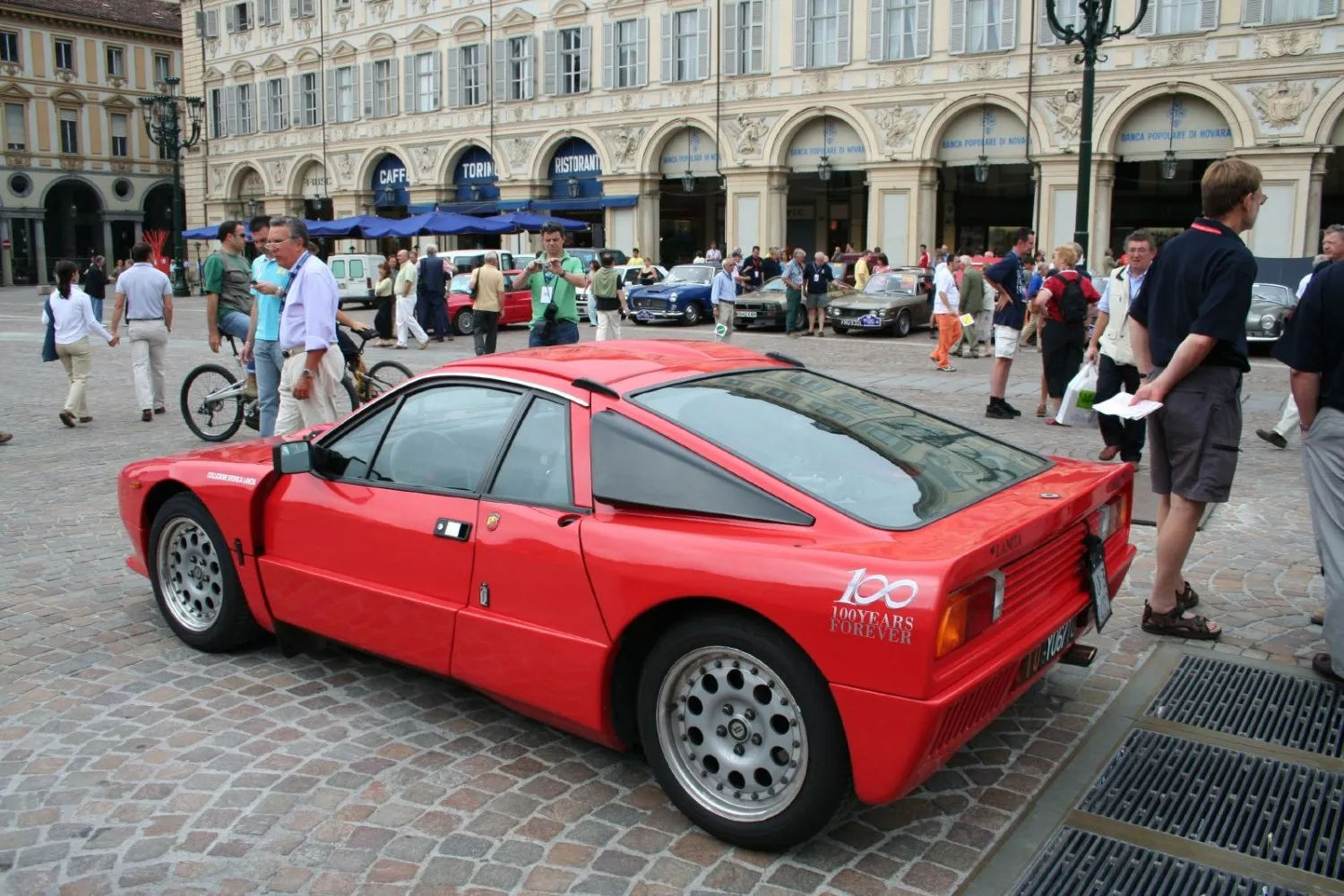
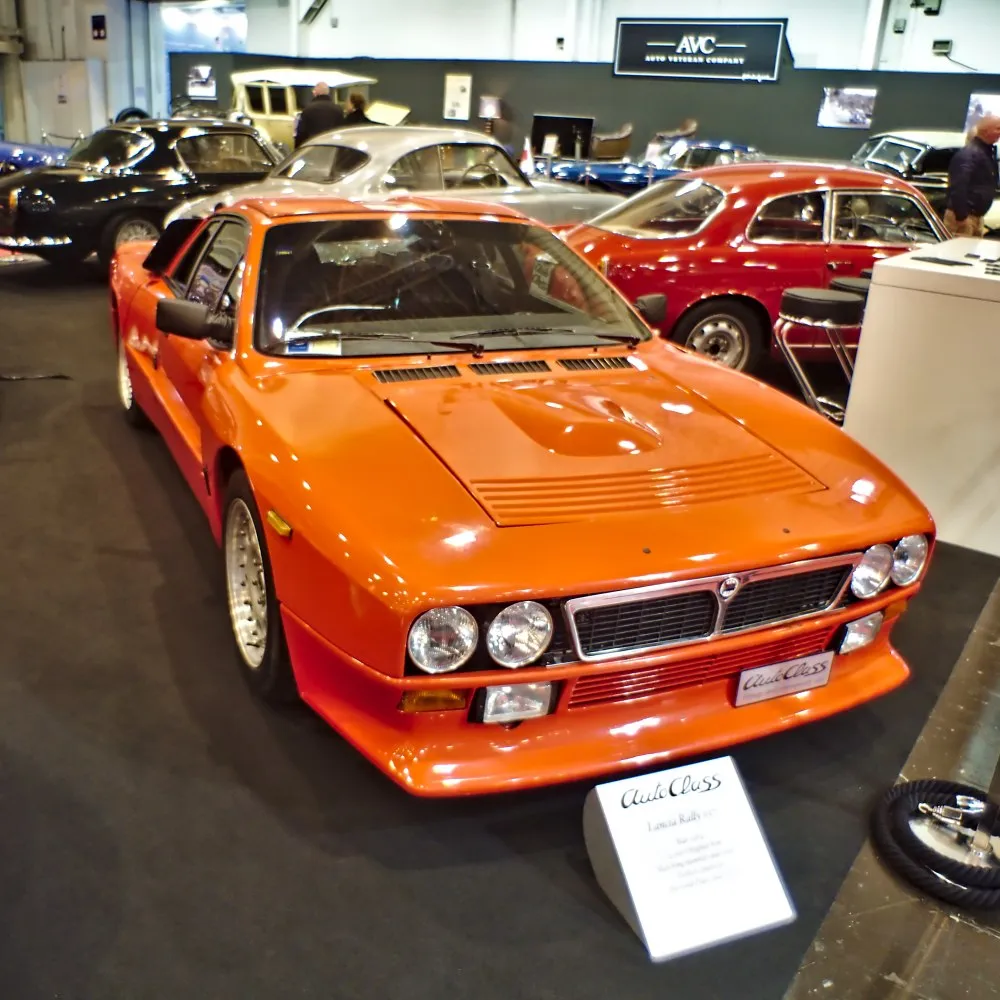
Lancia Rally 037 Stradale 2.0 (205 Hp)
People\'s Opinion
N/A / 5
Lancia Rally 037:
The Lancia Rally was a mid-engine sports car and rally car built by Lancia in the early 1980s to compete in the FIA Group B World Rally Championship. Driven by Markku Alén, Attilio Bettega, and Walter Röhrl, the car won Lancia the manufacturers' world championship in the 1983 season. It was the last rear-wheel drive car to win the WRC.
In 1980 Lancia began the development of the 037 to comply with the then new FIA Group B regulations that allowed cars to race with relatively few homologation models being built. As the project name was number 037, this eventually became the name by which the car was known. Abarth, now a part of the Lancia-Fiat family, did most of the design work, even incorporating styling cues from some of its famous race cars of the 1950s and 1960s such as a double bubble roof line. The car was developed in collaboration between Pininfarina, Abarth, Dallara and the project manager, engineer Sergio Limone. Prior to its first participation in the 1982 World Rally Championship season, 200 road-going models were built to comply with Group B regulations....(Read more on Wikipedia)
Stradale Overview:
Lancia Rally 037 (Stradale). With 233 Nm of torque, it offers ample pulling power. Weighing only 1170 kg, it’s quite light. Rear‑wheel drive offers dynamic handling and sporty feedback. Acceleration is good (0–100 km/h in 7 s). The top speed reaches 220 km/h. A two-door car with a fixed roof, known for its sporty design and dynamic performance. Seating for 2 makes it ideal for daily use.
Performance Verdict
The supercharged 2.0-liter engine delivers exhilarating performance for its time, with strong mid-range torque and a distinctive whine. Its 205 Hp in a lightweight chassis ensures rapid acceleration and a thrilling driving experience.
Fuel Economy
Fuel economy is secondary to performance, with urban consumption around 16.6 l/100 km. While not efficient by modern standards, it's acceptable for a high-performance homologation car of the early 80s.
Best Use Case:
Weekend track days, spirited mountain drives, collector's events.
Pros and Cons:
Pros:
- • Legendary Group B rally heritage
- • Exhilarating supercharged performance and sound
- • Stunning and iconic Pininfarina design
- • Exceptional rarity and collector's value
- • Pure, unadulterated driving experience
Cons:
- • Very limited comfort and practicality
- • High running and maintenance costs
- • Challenging to drive at the limit for inexperienced drivers
- • Lack of modern safety features
- • Parts availability can be extremely difficult and expensive
Specifications:
| General: |
| Brand: | Lancia |
|---|
| Model: | Rally 037 |
|---|
| Generation: | Stradale |
|---|
| Modification (Engine): | 2.0 (205 Hp) |
|---|
| Start of production: | 1982 |
|---|
| End of production: | 1984 |
|---|
| Powertrain Architecture: | Internal Combustion engine |
|---|
| Body type: | Coupe |
|---|
| Seats: | 2 |
|---|
| Doors: | 2 |
|---|
| Engine: |
| Power: | 205 Hp @ 7000 rpm. |
|---|
| Power per litre: | 102.8 Hp/l |
|---|
| Torque: | 233 Nm @ 5000 rpm. |
|---|
| Engine Model/Code: | 232AR4 |
|---|
| Engine displacement: | 1995 |
|---|
| Number of cylinders: | 4 |
|---|
| Engine configuration: | Inline |
|---|
| Number of valves per cylinder: | 4 |
|---|
| Fuel injection system: | Carburettor |
|---|
| Engine aspiration: | Supercharger |
|---|
| Valvetrain: | DOHC |
|---|
| Engine oil capacity: | 8.89 l |
|---|
| Coolant: | 9 l |
|---|
| Engine layout: | Middle, Longitudinal |
|---|
| Cylinder Bore: | 84 mm |
|---|
| Piston Stroke: | 90 mm |
|---|
| Compression ratio: | 7.5:1 |
|---|
| Performance: |
| Fuel Type: | Petrol (Gasoline) |
|---|
| Fuel consumption (economy) - urban: | 16.6 l/100 km |
|---|
| Fuel consumption (economy) - extra urban: | 8 l/100 km |
|---|
| Acceleration 0 - 100 km/h: | 7 sec |
|---|
| Acceleration 0 - 62 mph: | 7 sec |
|---|
| Maximum speed: | 220 km/h |
|---|
| Weight-to-power ratio: | 5.7 kg/Hp, 175.2 Hp/tonne |
|---|
| Weight-to-torque ratio: | 5 kg/Nm, 199.1 Nm/tonne |
|---|
| Acceleration 0 - 60 mph: | 6.7 sec |
|---|
| Space: |
| Kerb Weight: | 1170 |
|---|
| Max. weight: | 1330 |
|---|
| Max load: | 160 |
|---|
| Fuel tank capacity: | 70 l |
|---|
| Size: |
| Length: | 3915 mm |
|---|
| Width: | 1850 mm |
|---|
| Height: | 1245 mm |
|---|
| Wheelbase: | 2440 mm |
|---|
| Front track: | 1508 mm |
|---|
| Rear (Back) track: | 1490 mm |
|---|
| Front overhang: | 895 mm |
|---|
| Rear overhang: | 580 mm |
|---|
| Minimum turning circle (turning diameter): | 10.6 m |
|---|
| Climb angle: | 20.8° |
|---|
| Powertrain: |
| Drivetrain Architecture | The Internal combustion engine (ICE) drives the rear wheels of the vehicle. |
|---|
| Drive wheel | Rear wheel drive |
|---|
| Number of gears | 5 |
|---|
| Transmission type | Manual |
|---|
| Front brakes | Ventilated discs |
|---|
| Rear brakes | Ventilated discs |
|---|
| Steering type | Steering rack and pinion |
|---|
| Tires size | Front wheel tires: 205/55 R16 |
|---|
| Wheel rims size | Front wheel rims: 8J x 16 |
|---|
| Front suspension | Coil spring, Double wishbone, Transverse stabilizer |
|---|
| Rear suspension | Double wishbone, Coil spring |
|---|




Is the Lancia Rally 037 your dream ride or just a daily drive? Let's talk!