Lamborghini 400 GT 2+2 3.9 V12 (320 Hp)
Lamborghini 400 GT:
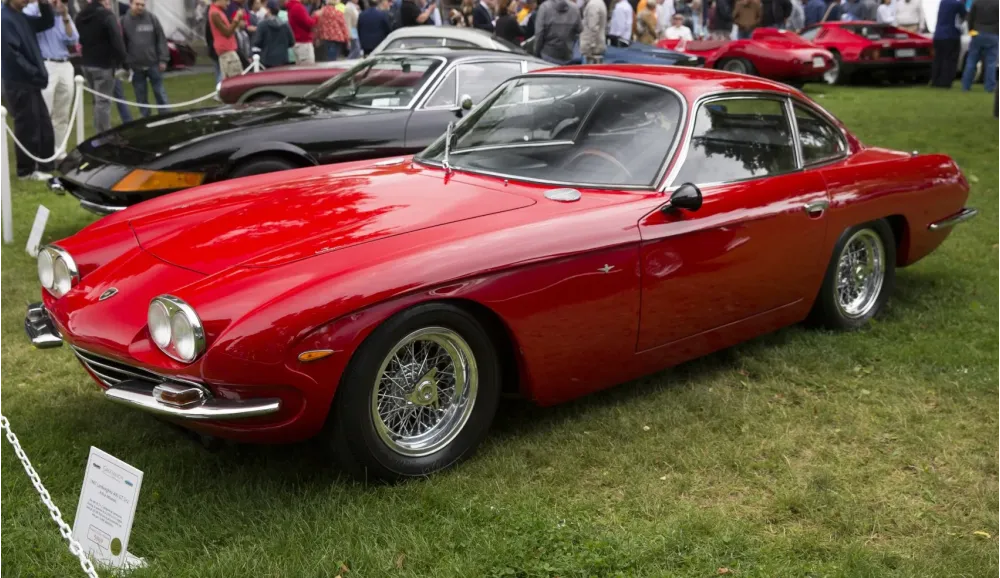
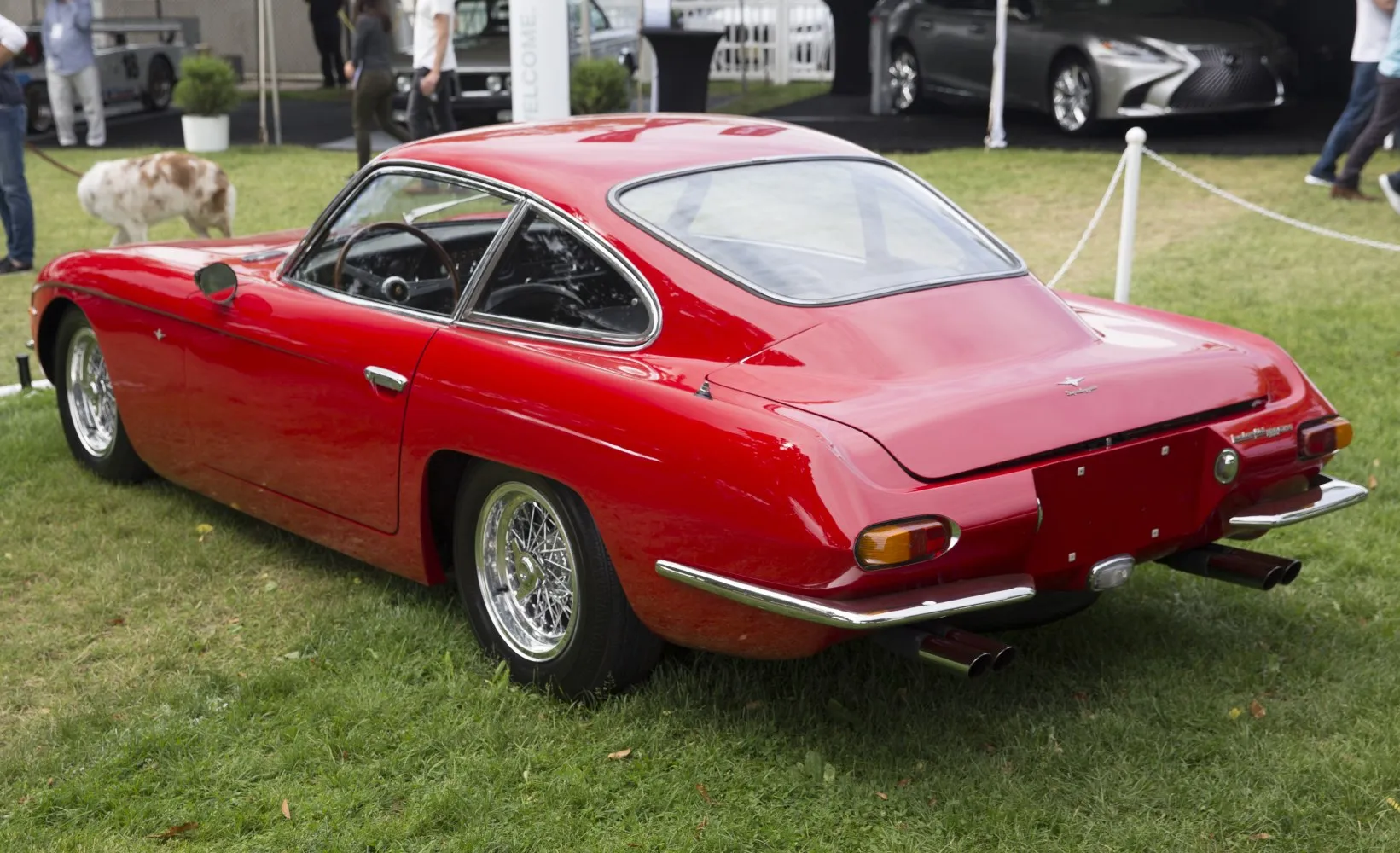
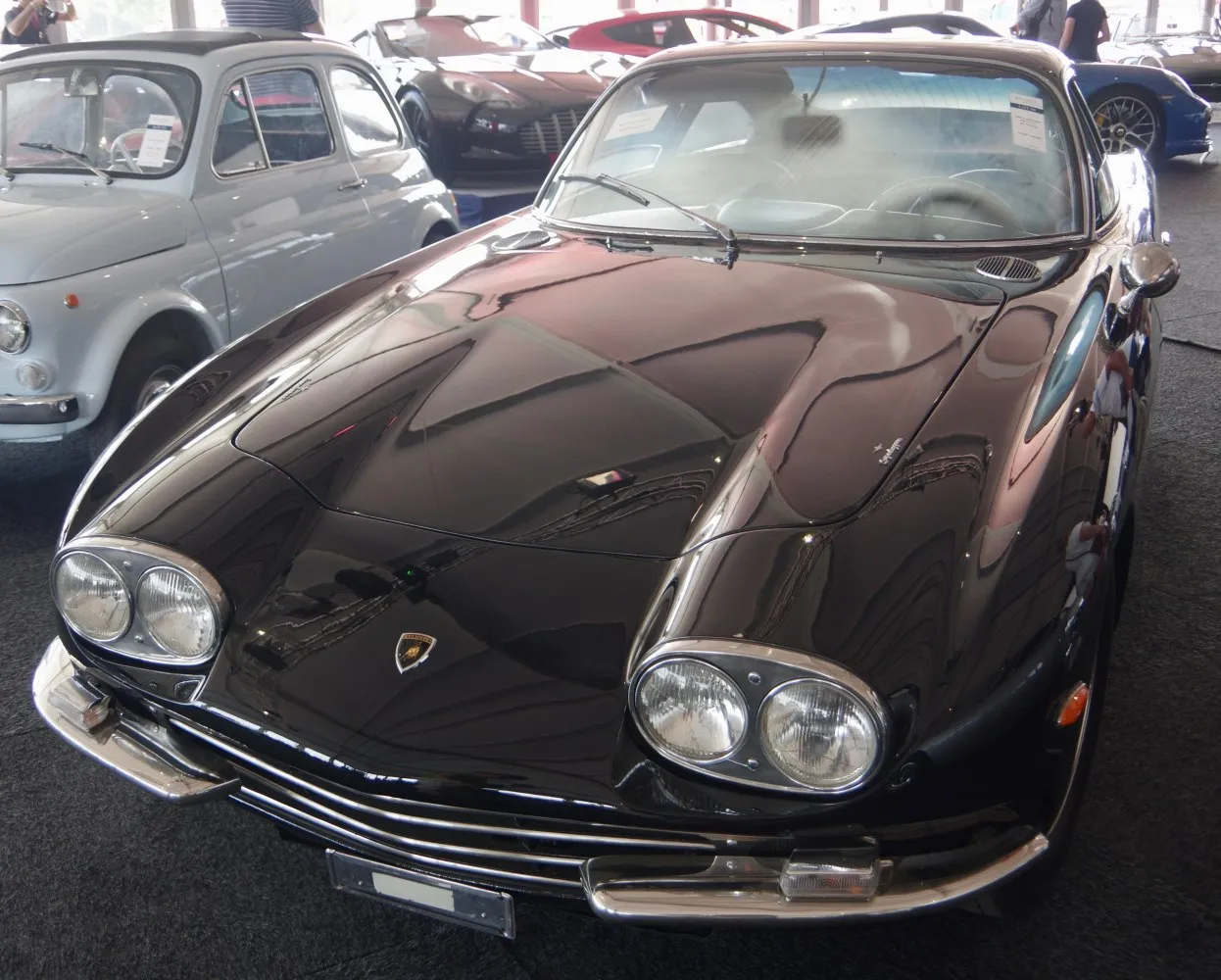
The Lamborghini 400 GT is the name given to two grand tourers produced by Italian manufacturer Lamborghini between 1966 and 1968.
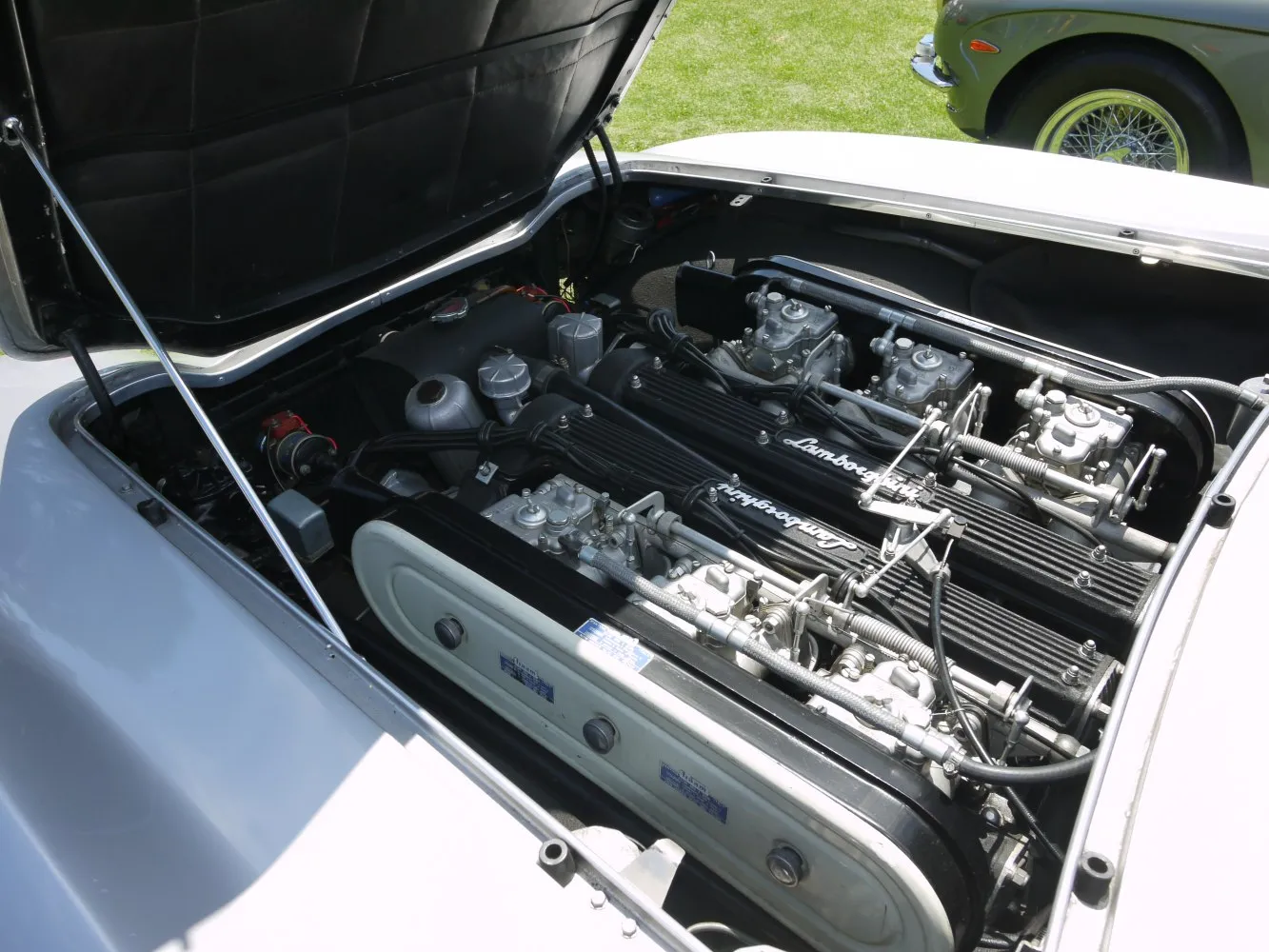
The first 400 GT, commonly referred to as simply the 400 GT or 400 GT Interim, was essentially the older 350 GT featuring an enlarged, 3,929 cc V12 engine, with a power output of 320 hp. Twenty-three of these cars were built, with three featuring aluminium bodywork.
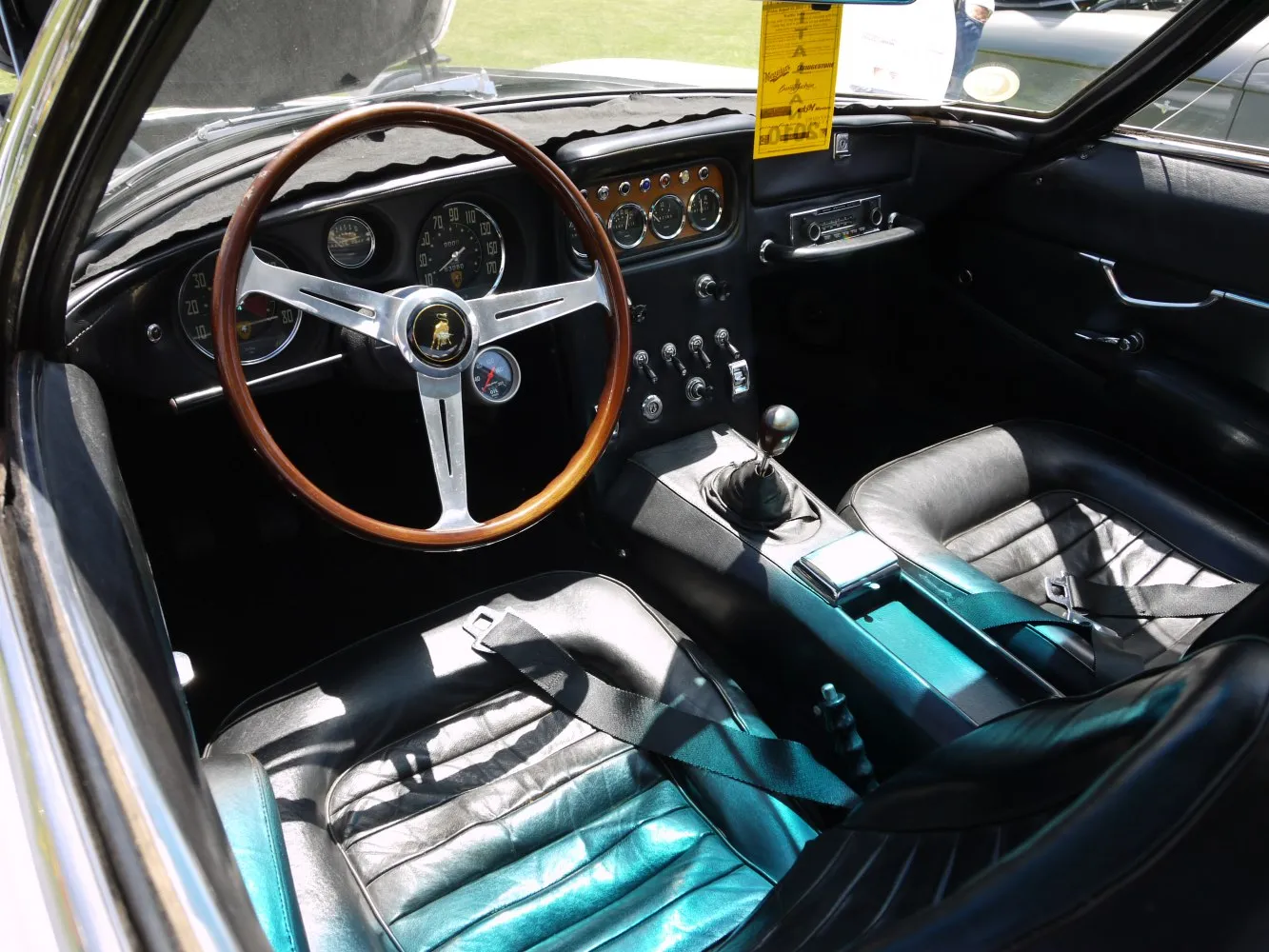
The second 400 GT, commonly known as the 400 GT 2+2, was first presented at the 1966 Geneva Auto Show. The steel-bodied 2+2 has a different roofline with larger side windows and a smaller rear windshield, and subtle but thorough sheetmetal changes compared to the 350 GT and first 400 GT. The floorpan is slightly lower while the beltline is actually 66 mm taller. The larger body shape enabled the +2 seating to be installed in the rear, where the 350 GT only had room for luggage or the rarely selected option of +1 seating. The bodywork revisions were carried out by Carrozzeria Touring, who also built the first examples, but after Touring's 1967 bankruptcy Marazzi took over production. The 400 GT 2+2 also had a Lamborghini designed gearbox, with Porsche-style synchromesh on all gears, which greatly improved the drivetrain. When leaving the factory the 400 GT was originally fitted with Pirelli Cinturato 205VR15 tyres....(Read more on Wikipedia)
2+2 Overview:
Lamborghini 400 GT (2+2). With 374 Nm of torque, it offers ample pulling power. With a weight of 1300 kg, it falls in the mid‑range. Rear‑wheel drive offers dynamic handling and sporty feedback. Acceleration is good (0–100 km/h in 6.2 s). The top speed reaches 270 km/h. A two-door car with a fixed roof, known for its sporty design and dynamic performance. Seating for 4 makes it ideal for daily use.
Pros and Cons:
Pros:
- • High-performance engine delivering 320 hp.
- • Sporty acceleration: 0-100 km/h in 6.2 sec.
- • Rear-wheel drive layout for enhanced handling and balance.
- • Standard trunk space (330 L) suitable for daily needs.
Cons:
- • Relatively high fuel consumption: 16 L/100 km combined.
- • Previous generation model; may lack the latest driver-assist technologies.
Specifications:
| General: |
| Brand: | Lamborghini |
|---|
| Model: | 400 GT |
|---|
| Generation: | 2+2 |
|---|
| Modification (Engine): | 3.9 V12 (320 Hp) |
|---|
| Start of production: | June, 1965 |
|---|
| End of production: | June, 1968 |
|---|
| Powertrain Architecture: | Internal Combustion engine |
|---|
| Body type: | Coupe |
|---|
| Seats: | 4 |
|---|
| Doors: | 2 |
|---|
| Engine: |
| Power: | 320 Hp @ 6500 rpm. |
|---|
| Power per litre: | 81.4 Hp/l |
|---|
| Torque: | 374 Nm @ 4500 rpm. |
|---|
| Engine displacement: | 3929 |
|---|
| Number of cylinders: | 12 |
|---|
| Engine configuration: | V-engine |
|---|
| Fuel injection system: | Carburettor |
|---|
| Engine aspiration: | Naturally aspirated engine |
|---|
| Valvetrain: | DOHC |
|---|
| Engine layout: | Front, Longitudinal |
|---|
| Cylinder Bore: | 82 mm mm |
|---|
| Piston Stroke: | 62 mm mm |
|---|
| Compression ratio: | 10.2:1 |
|---|
| Performance: |
| Fuel Type: | Petrol (Gasoline) |
|---|
| Fuel consumption (economy) - combined: | 16-18 l/100 km |
|---|
| Acceleration 0 - 100 km/h: | 6.2 sec |
|---|
| Acceleration 0 - 62 mph: | 6.2 sec |
|---|
| Maximum speed: | 270 km/h |
|---|
| Weight-to-power ratio: | 4.1 kg/Hp, 246.2 Hp/tonne |
|---|
| Weight-to-torque ratio: | 3.5 kg/Nm, 287.7 Nm/tonne |
|---|
| Acceleration 0 - 60 mph: | 5.9 sec |
|---|
| Space: |
| Kerb Weight: | 1300 |
|---|
| Max. weight: | 1670 |
|---|
| Max load: | 370 |
|---|
| Trunk (boot) space - minimum: | 330 l |
|---|
| Fuel tank capacity: | 87 l |
|---|
| Size: |
| Length: | 4460 mm mm |
|---|
| Width: | 1730 mm mm |
|---|
| Height: | 1285 mm mm |
|---|
| Wheelbase: | 2550 mm mm |
|---|
| Front track: | 1380 mm |
|---|
| Rear (Back) track: | 1380 mm |
|---|
| Ride height (ground clearance): | 127 mm |
|---|
| Minimum turning circle (turning diameter): | 11.5 m |
|---|
| Powertrain: |
| Drivetrain Architecture | The Internal combustion engine (ICE) drives the rear wheels of the vehicle. |
|---|
| Drive wheel | Rear wheel drive |
|---|
| Number of gears | 5 |
|---|
| Transmission type | Manual |
|---|
| Front brakes | Disc |
|---|
| Rear brakes | Disc |
|---|
| Steering type | Worm-reduction unit |
|---|
| Front suspension | Independent coil spring, Transverse stabilizer |
|---|
| Rear suspension | Independent coil spring, Transverse stabilizer |
|---|





Was the Lamborghini 400 GT what you expected? Let us know!