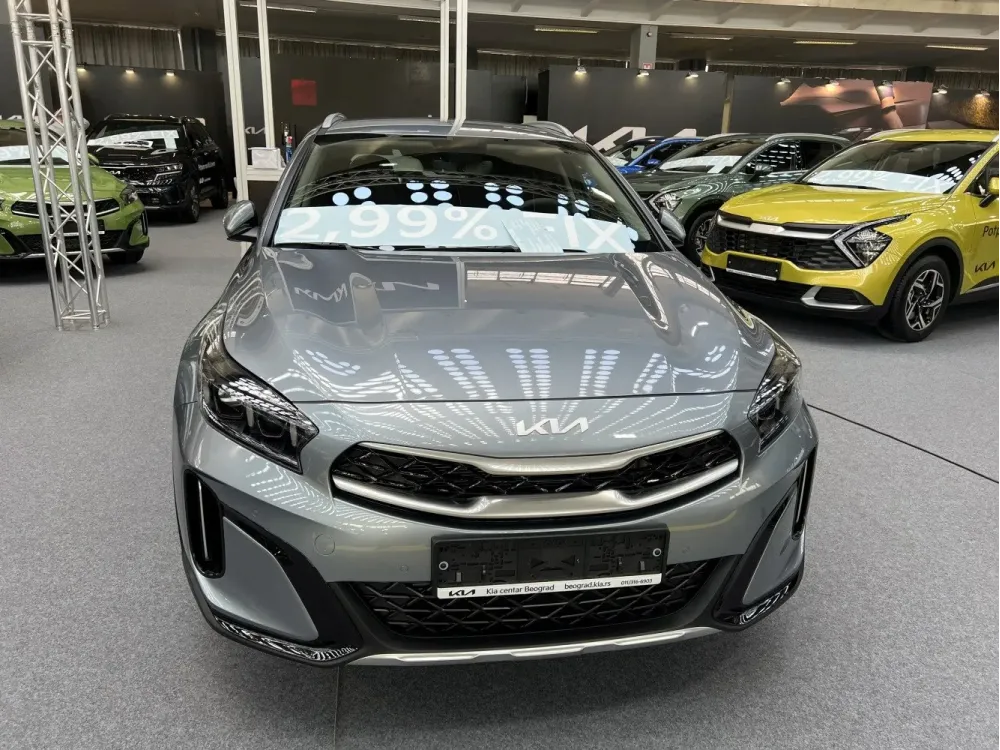
Kia XCeed facelift 2022 1.6 CRDi (136 Hp) Mild Hybrid
People\'s Opinion
N/A / 5
Kia XCeed:
The Kia Ceed is a compact car/small family car produced by the South Korean manufacturer Kia From 2006 exclusively for the European market.
It is the first Kia vehicle to be designed entirely in Europe and tailored to European customers. To mark the occasion, Kia took the initials of the European Economic Community, EEC or CEE in several languages and added ED for European Design. Realizing that "CEEED" had too many ‘E's, they replaced the last 'E' with an apostrophe, with 'Cee'd' being the end result. From 2018 to 2026 the Ceed name does not include an apostrophe. The initials now mean "Community of Europe, with European Design". The model has been manufactured at the Kia Motors Slovakia assembly plant in Žilina since October 2006. The Ceed replaced the Cerato which had little success in Europe....(Read more on Wikipedia)
facelift 2022 Overview:
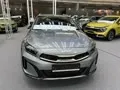
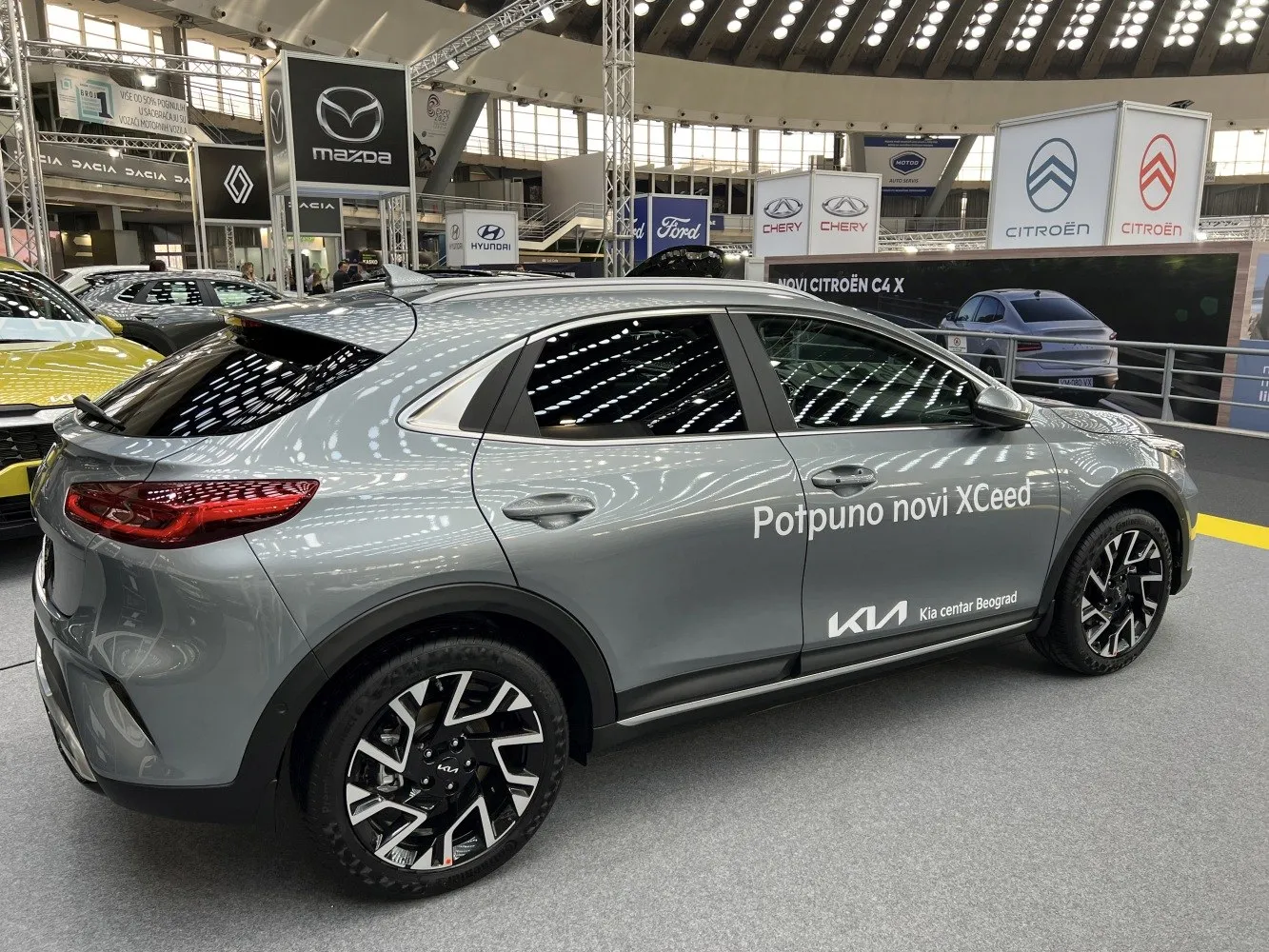
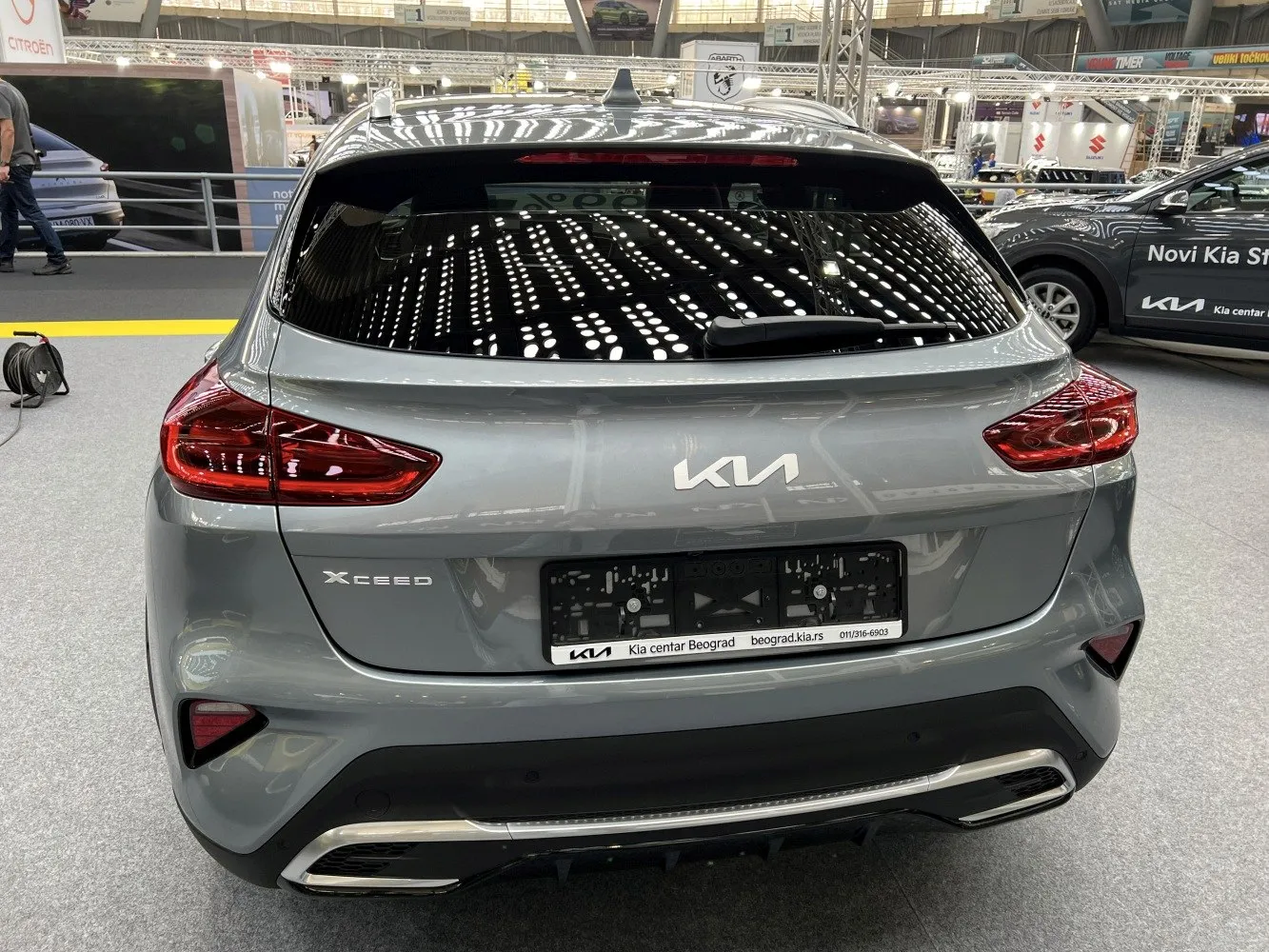
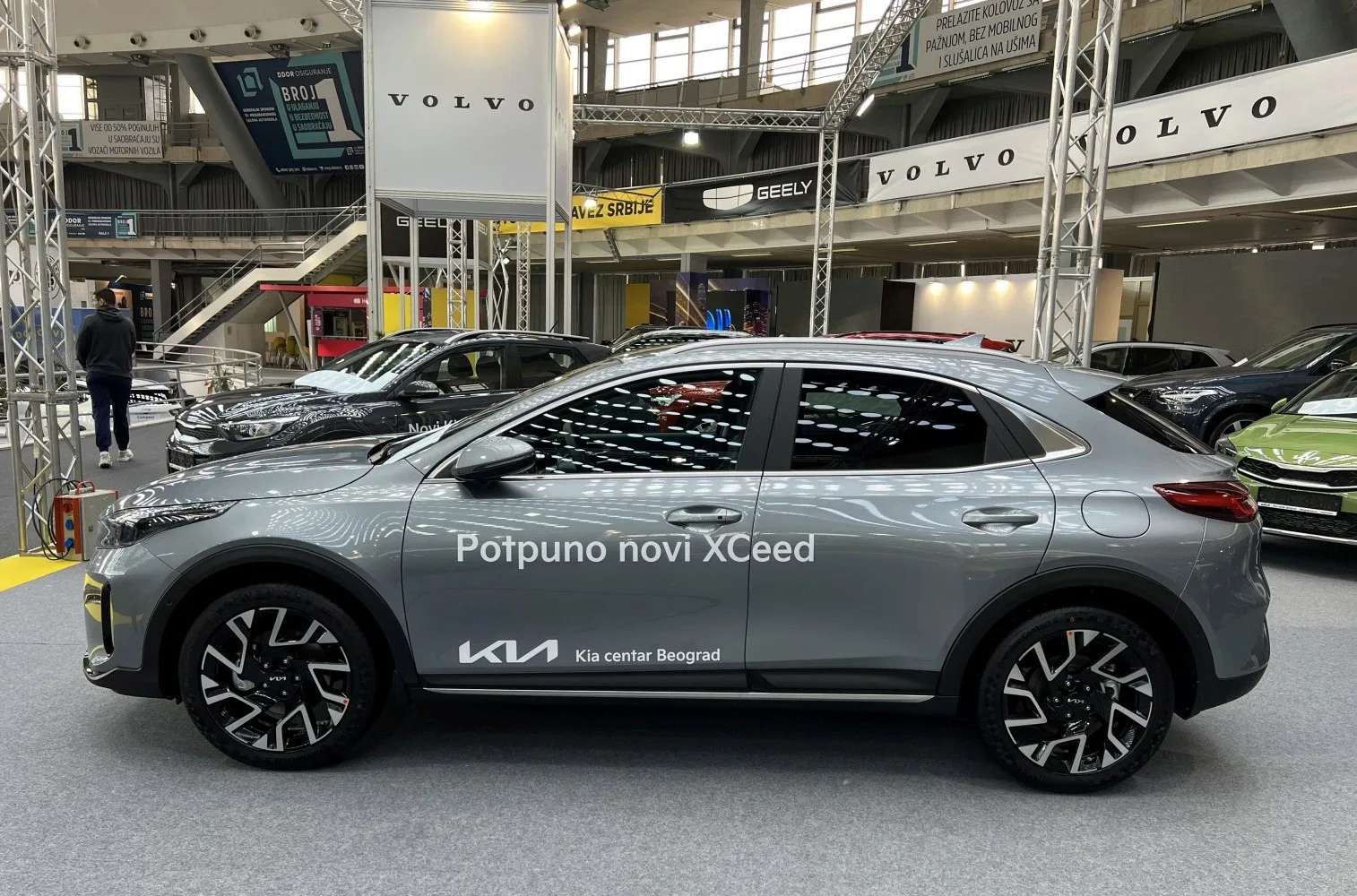
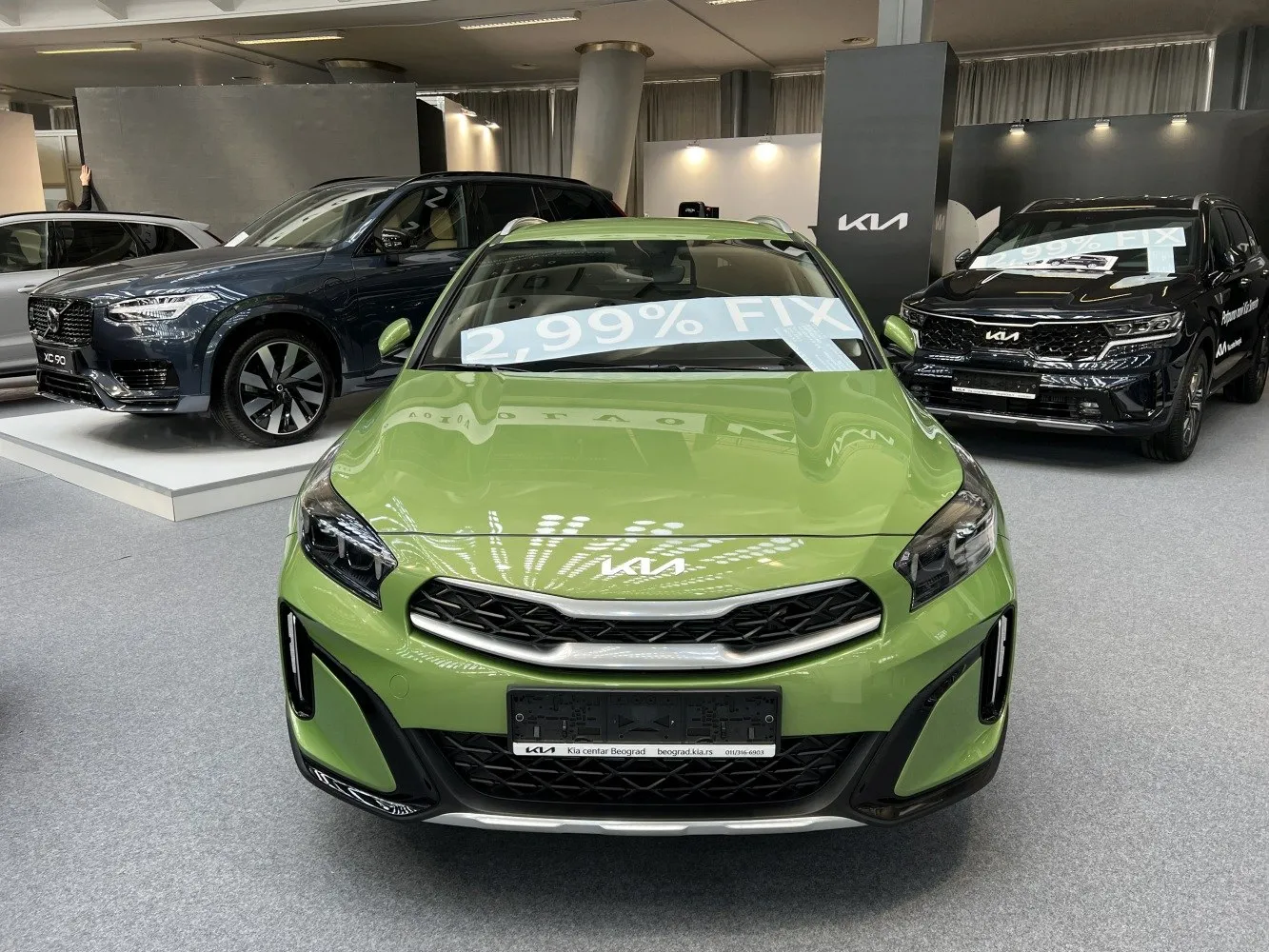
Kia XCeed (facelift 2022). With 280 Nm of torque, it offers ample pulling power. It boasts low fuel consumption (~4.4 l/100km). With a weight of 1427 kg, it falls in the mid‑range. Front‑wheel drive delivers efficiency and easy handling. Acceleration is relatively slow (0–100 km/h in 10.6 s). The top speed reaches 196 km/h. A sport utility vehicle offering higher ground clearance and versatile cargo space. A vehicle that combines characteristics of SUVs and hatchbacks for versatility. Seating for 5 makes it ideal for daily use.
Performance Verdict
Offers strong low-end torque for confident overtaking and relaxed cruising, benefiting from mild-hybrid assistance for smoother operation.
Fuel Economy
Excellent fuel efficiency for a crossover, especially on longer journeys, making it a cost-effective daily driver with low emissions.
Best Use Case:
Mixed Driving / Highway Commuting
Pros and Cons:
Pros:
- • Diverse and efficient engine lineup, including mild-hybrid and plug-in hybrid options.
- • Stylish crossover design with a more dynamic stance than the Ceed hatchback.
- • Comfortable ride quality and refined interior.
- • Comprehensive standard equipment and technology features.
- • Excellent 7-year warranty provides peace of mind.
Cons:
- • Rear visibility can be somewhat limited due to the sloping roofline.
- • Boot space, while decent, is slightly less than some direct rivals.
- • Entry-level 1.0 T-GDI can feel underpowered on highways.
- • Some interior plastics could be improved in lower trims.
Specifications:
Specifications are compared to those of the previous generation(XCeed: April, 2021 - July, 2022).
| General: |
| Brand: | Kia |
|---|
| Model: | XCeed |
|---|
| Generation: | facelift 2022 |
|---|
| Modification (Engine): | 1.6 CRDi (136 Hp) Mild Hybrid |
|---|
| Start of production: | July, 2022 |
|---|
| Powertrain Architecture: | MHEV (Mild Hybrid Electric Vehicle, power-assist hybrid, battery-assisted hybrid vehicles, BAHV) |
|---|
| Body type: | SUV, Crossover |
|---|
| Seats: | 5 |
|---|
| Doors: | 5 |
|---|
| Engine: |
| Engine systems: | Start & Stop System |
|---|
| Power: | 136 Hp @ 4000 rpm. Same horsepower |
|---|
| Power per litre: | 85.1 Hp/l [Same length.] |
|---|
| Torque: | 280 Nm @ 1500-3000 rpm. |
|---|
| Engine Model/Code: | D4FE More details about the engine D4FE |
|---|
| Engine displacement: | 1598 |
|---|
| Number of cylinders: | 4 |
|---|
| Engine configuration: | Inline |
|---|
| Number of valves per cylinder: | 4 |
|---|
| Fuel injection system: | Diesel Commonrail |
|---|
| Engine aspiration: | Turbocharger, Intercooler |
|---|
| Engine oil capacity: | 4.4 l |
|---|
| Coolant: | 7.7 l |
|---|
| Engine layout: | Front, Transverse |
|---|
| Cylinder Bore: | 77 mm mm |
|---|
| Piston Stroke: | 85.8 mm mm |
|---|
| Compression ratio: | 15.9:1 |
|---|
| Performance: |
| Fuel Type: | Diesel |
|---|
| Fuel consumption (economy) - urban: | 4.3-4.5 l/100 km |
|---|
| Fuel consumption (economy) - extra urban: | 4.1-4.3 l/100 km |
|---|
| Combined fuel consumption (WLTP): | 4.9-5.1 l/100 km |
|---|
| Fuel consumption (economy) - urban (NEDC, WLTP equivalent): | 4.3-4.5 l/100 km |
|---|
| Fuel consumption (economy) - extra urban (NEDC, WLTP equivalent): | 4.1-4.3 l/100 km |
|---|
| Fuel consumption (economy) - combined (NEDC, WLTP equivalent): | 4.1-4.4 l/100 km |
|---|
| Fuel consumption (economy) - combined: | 4.1-4.4 l/100 km |
|---|
| Emission standard: | Euro 6d |
|---|
| Acceleration 0 - 100 km/h: | 10.6 sec |
|---|
| Acceleration 0 - 62 mph: | 10.6 sec |
|---|
| Maximum speed: | 196 km/h |
|---|
| Weight-to-power ratio: | 10.1 kg/Hp, 99.3 Hp/tonne |
|---|
| Weight-to-torque ratio: | 4.9 kg/Nm, 204.4 Nm/tonne |
|---|
| Acceleration 0 - 60 mph: | 10.1 sec |
|---|
| Space: |
| Kerb Weight: | 1370-1484 |
|---|
| Max. weight: | 1920 |
|---|
| Max. roof load: | 80 kg |
|---|
| Max load: | 436-550 |
|---|
| Trunk (boot) space - maximum: | 1332 l |
|---|
| Trunk (boot) space - minimum: | 380 l |
|---|
| Permitted trailer load with brakes (12%): | 1500 kg |
|---|
| Fuel tank capacity: | 50 l |
|---|
| AdBlue tank: | 12 l |
|---|
| Permitted trailer load without brakes: | 650 kg |
|---|
| Permitted towbar download: | 75 kg |
|---|
| Size: |
| Length: | 4395 mm mm [Same length.] |
|---|
| Width: | 1826 mm mm [Same width.] |
|---|
| Height: | 1483-1495 mm mm [Same height.] |
|---|
| Wheelbase: | 2650 mm mm [Same wheelbase.] |
|---|
| Front track: | 1575-1585 mm |
|---|
| Rear (Back) track: | 1573-1583 mm |
|---|
| Front overhang: | 905 mm |
|---|
| Rear overhang: | 840 mm |
|---|
| Minimum turning circle (turning diameter): | 10.6 m [above average] |
|---|
| Powertrain: |
| Drivetrain Architecture | The Internal combustion engine (ICE) and electric motor drive the front wheels of the car with the ability to work only in mixed mode. |
|---|
| Drive wheel | Front wheel drive |
|---|
| Number of gears | 6 |
|---|
| Transmission type | Manual |
|---|
| Front brakes | Ventilated discs, 305x25 mm [Best for performance and cooling.] |
|---|
| Rear brakes | Disc, 284x10 mm [above average] |
|---|
| Assisting systems | ABS (Anti-lock braking system) |
|---|
| Steering type | Steering rack and pinion |
|---|
| Power steering | Electric Steering |
|---|
| Tires size | 205/60 R16 92H; 235/45 R18 94V |
|---|
| Wheel rims size | 6.5J x 16 ET40; 7.5J x 18 ET45 |
|---|
| Front suspension | Independent type McPherson |
|---|
| Rear suspension | Independent multi-link spring suspension with stabilizer |
|---|
| Electric: |
| Battery technology: | Lithium-polymer (LiPo) |
|---|
| Battery voltage: | 48 V |
|---|







Help others decide – share your experience!