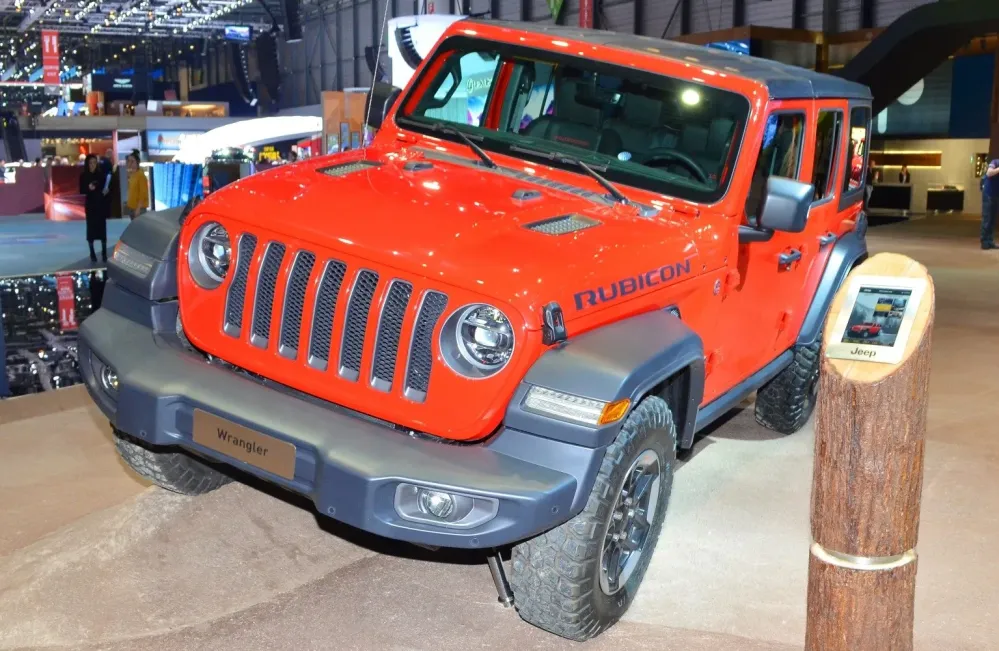
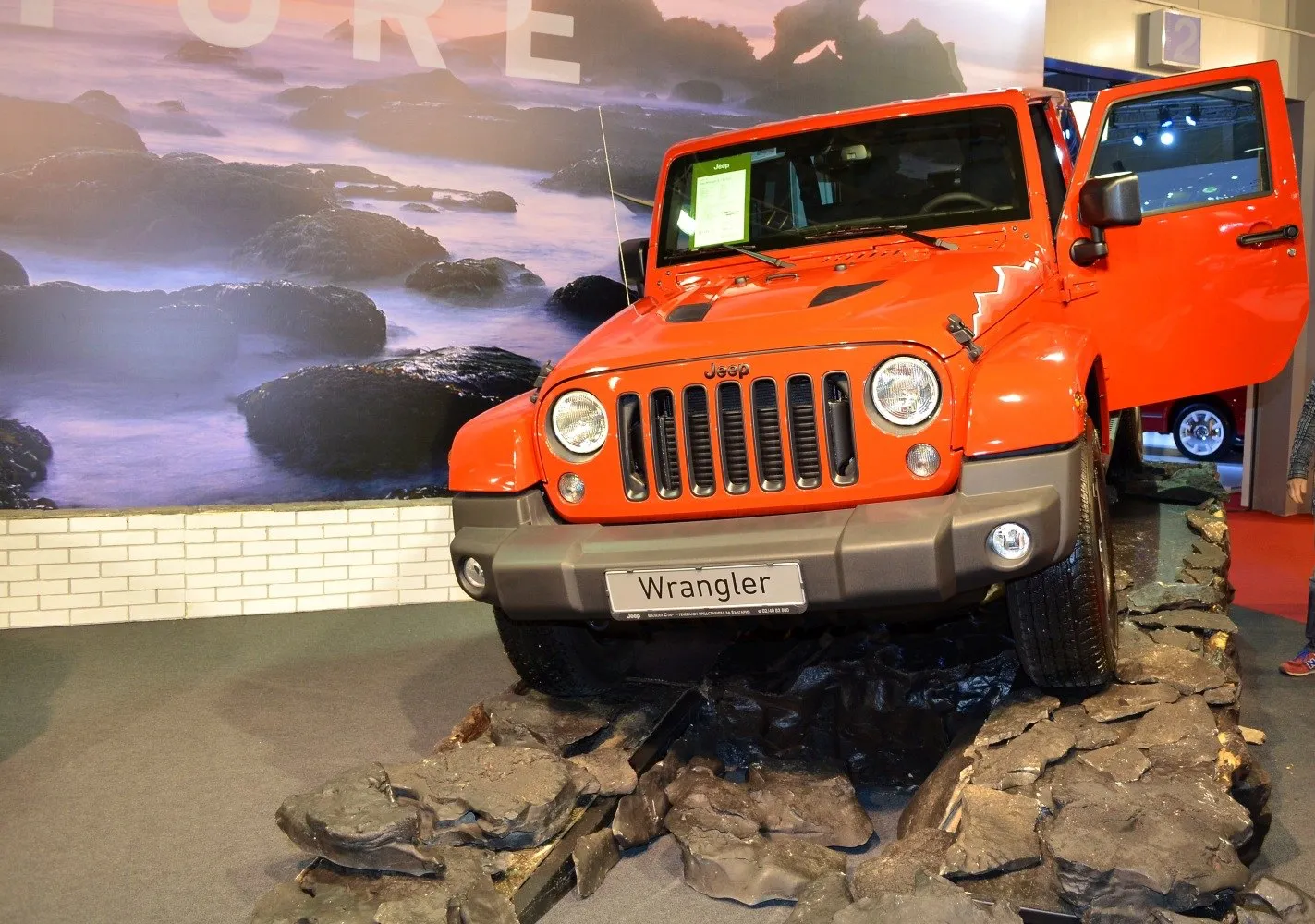
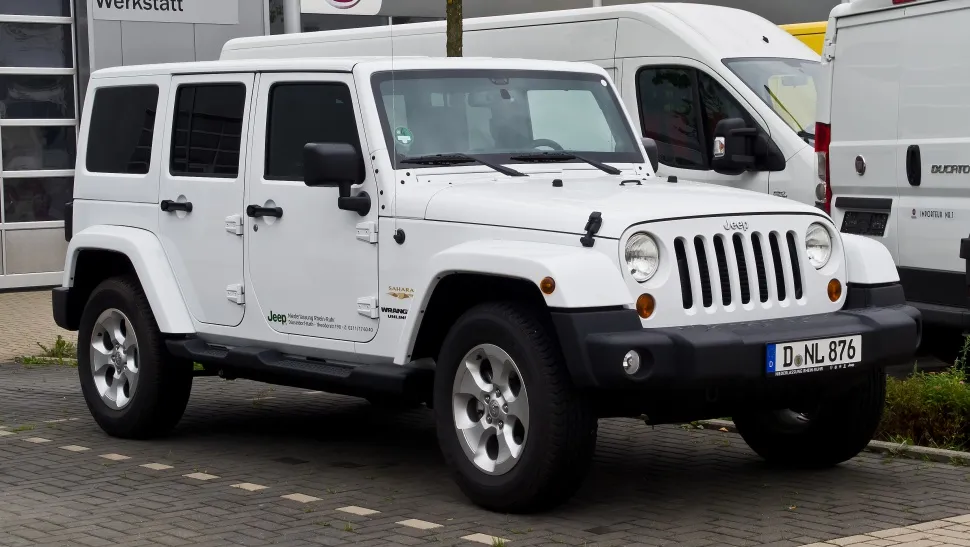
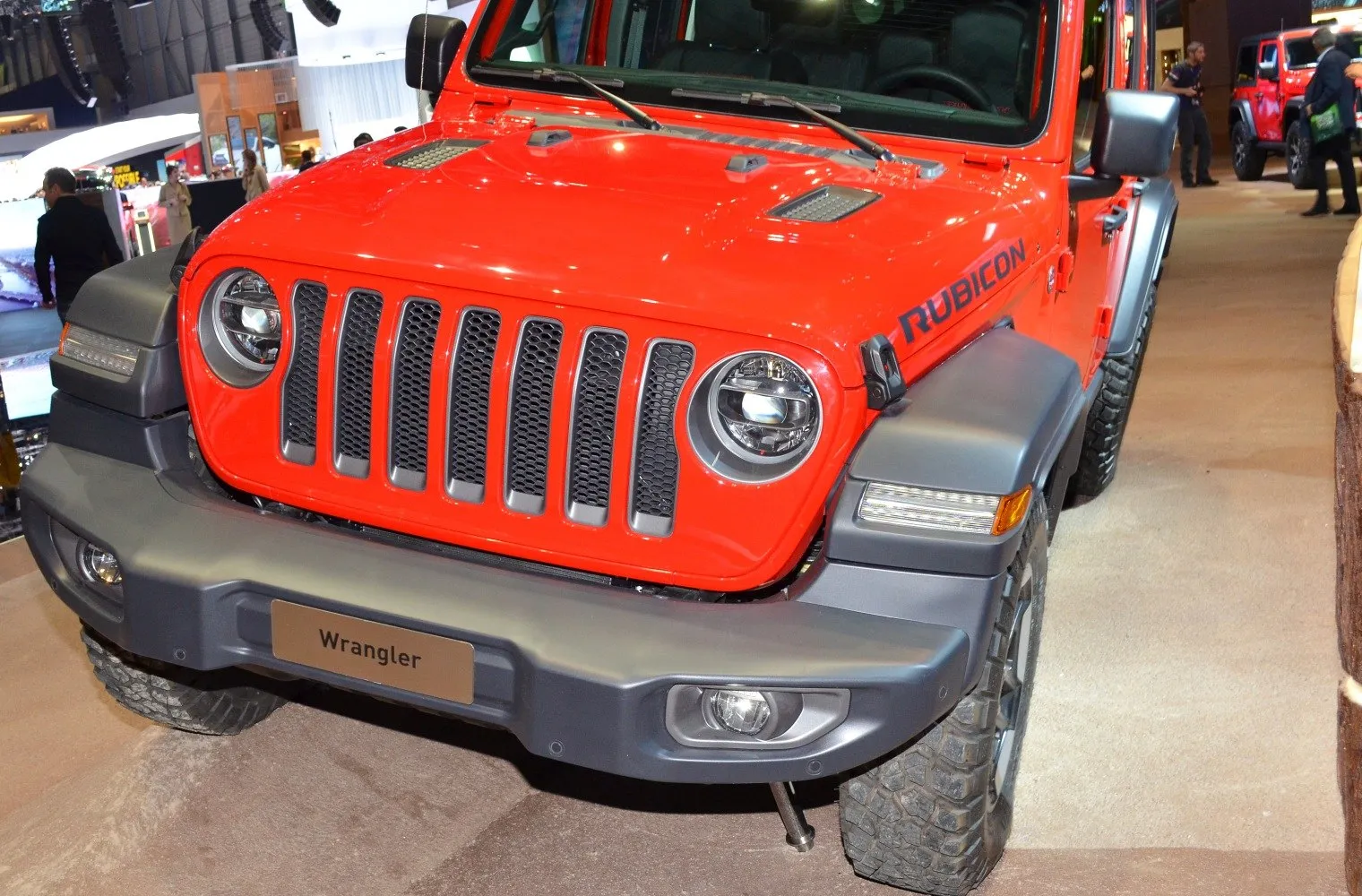
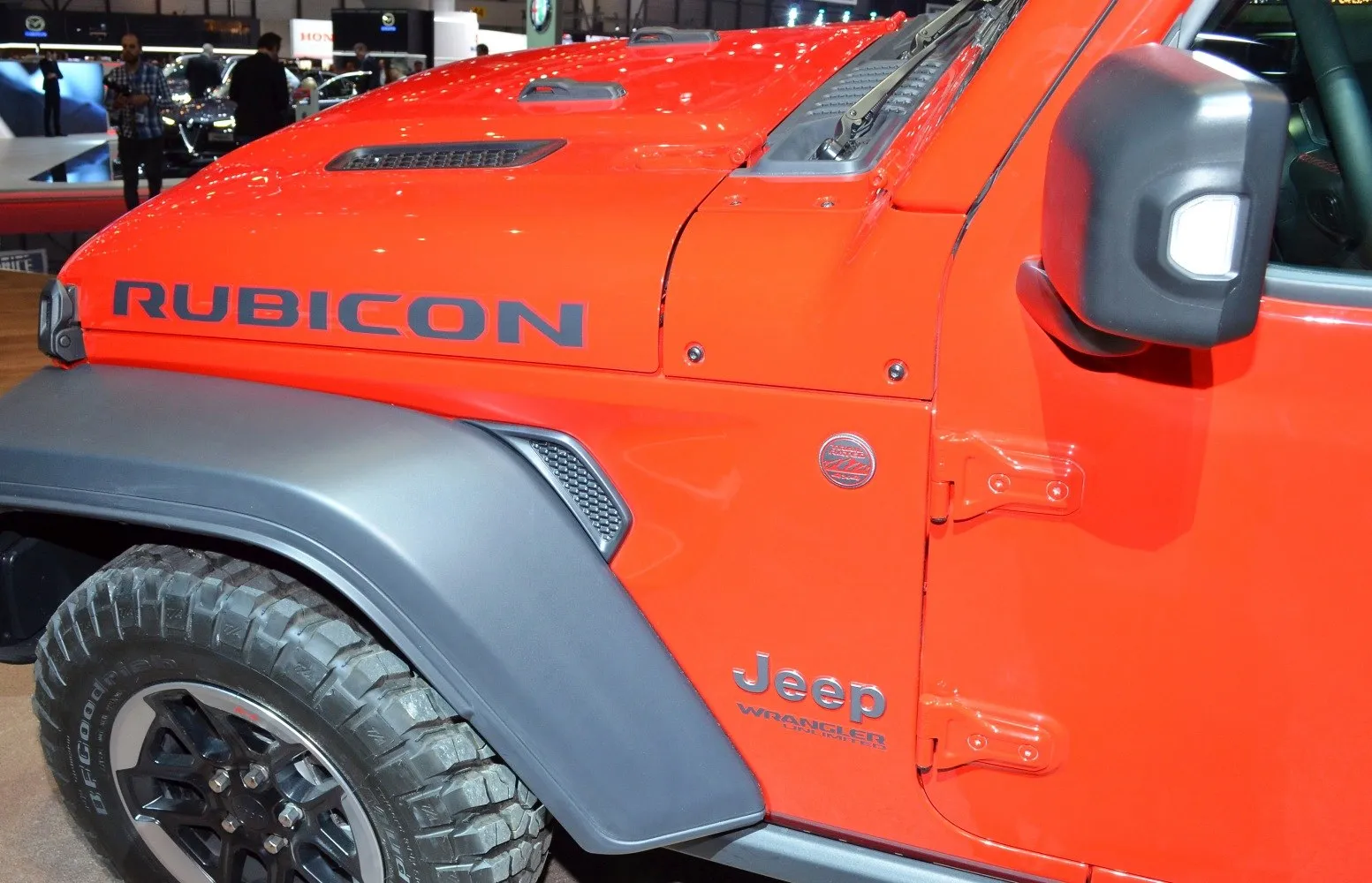
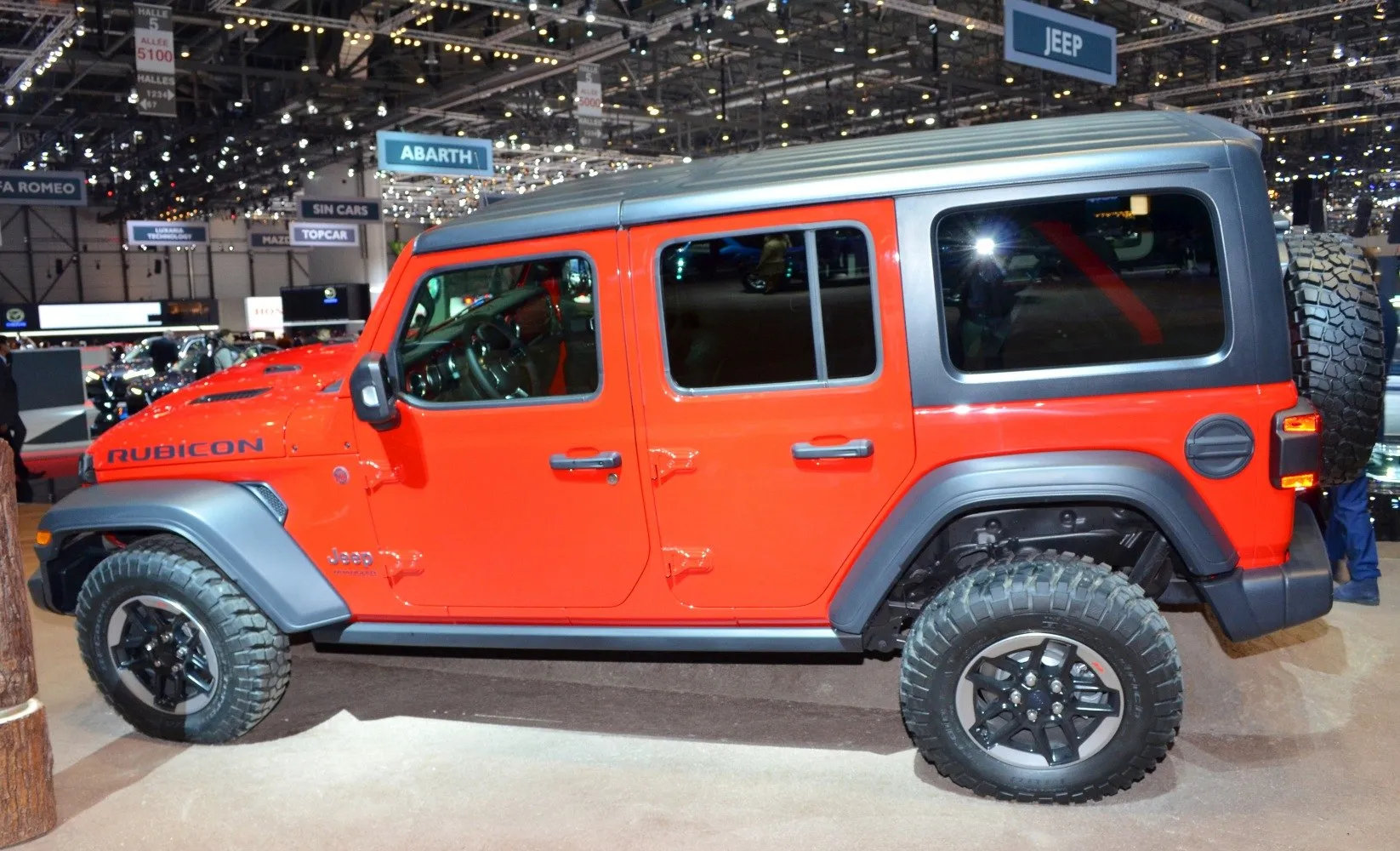
Jeep Wrangler IV Unlimited (JL) Sahara 3.6 Pentastar V6 (285 Hp) eTorque Mild Hybrid 4x4 Automatic
Jeep Wrangler:
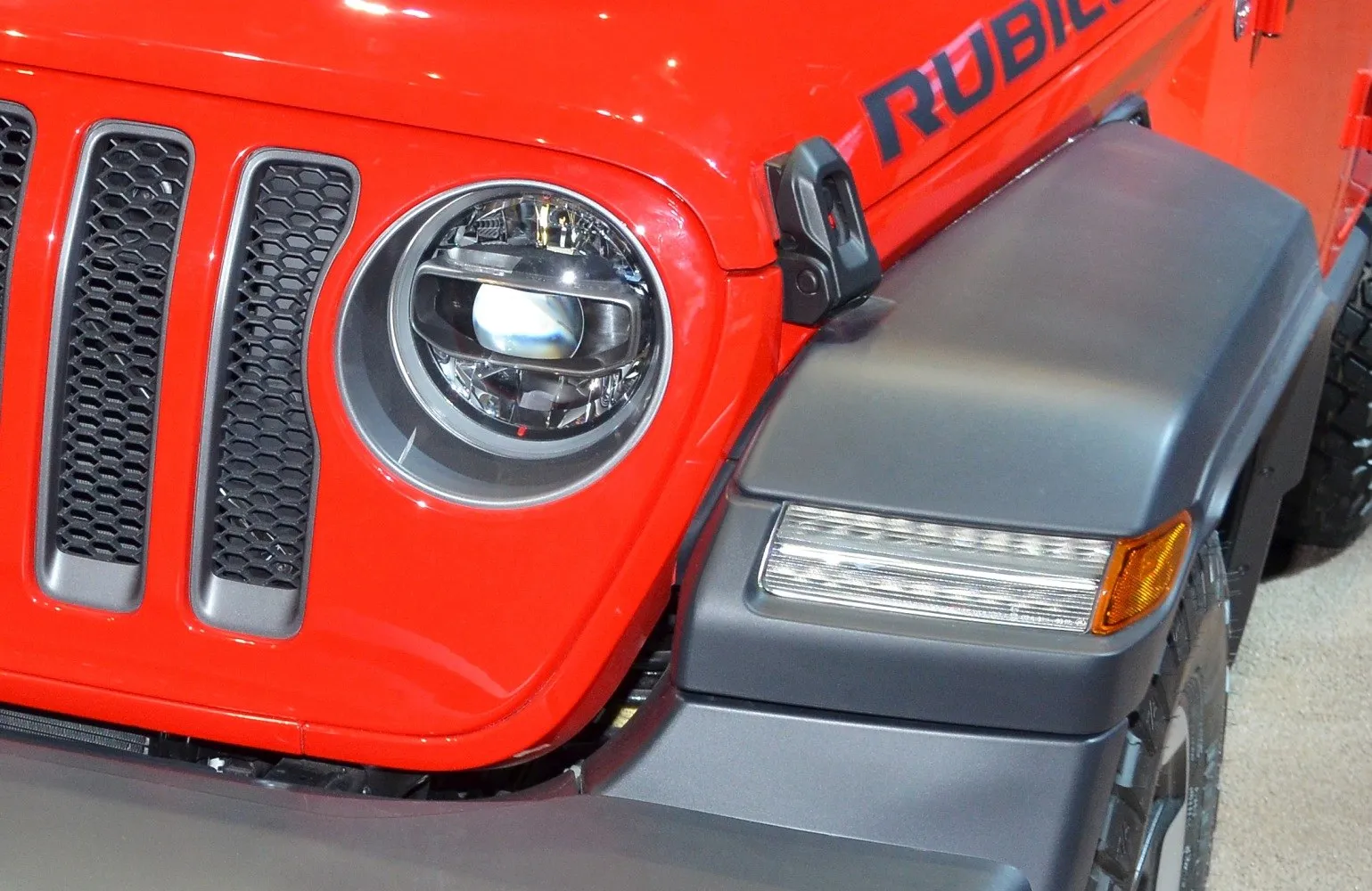
The Jeep Wrangler is a series of compact and mid-size off-road SUVs manufactured by Jeep since 1986, and currently in its fourth generation. The Wrangler JL, the most recent generation, was unveiled in late 2017 and is produced at Jeep's Toledo Complex.
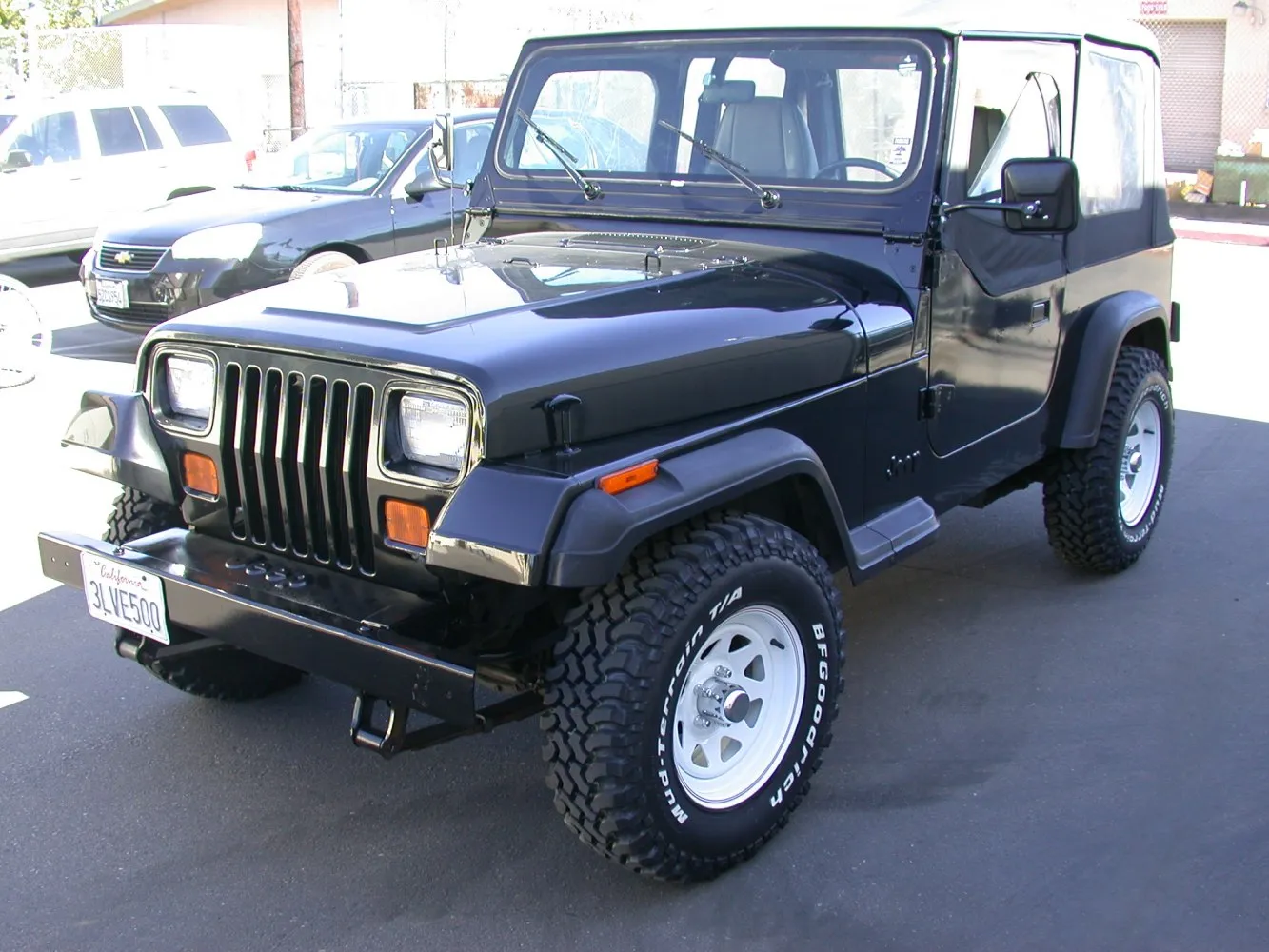
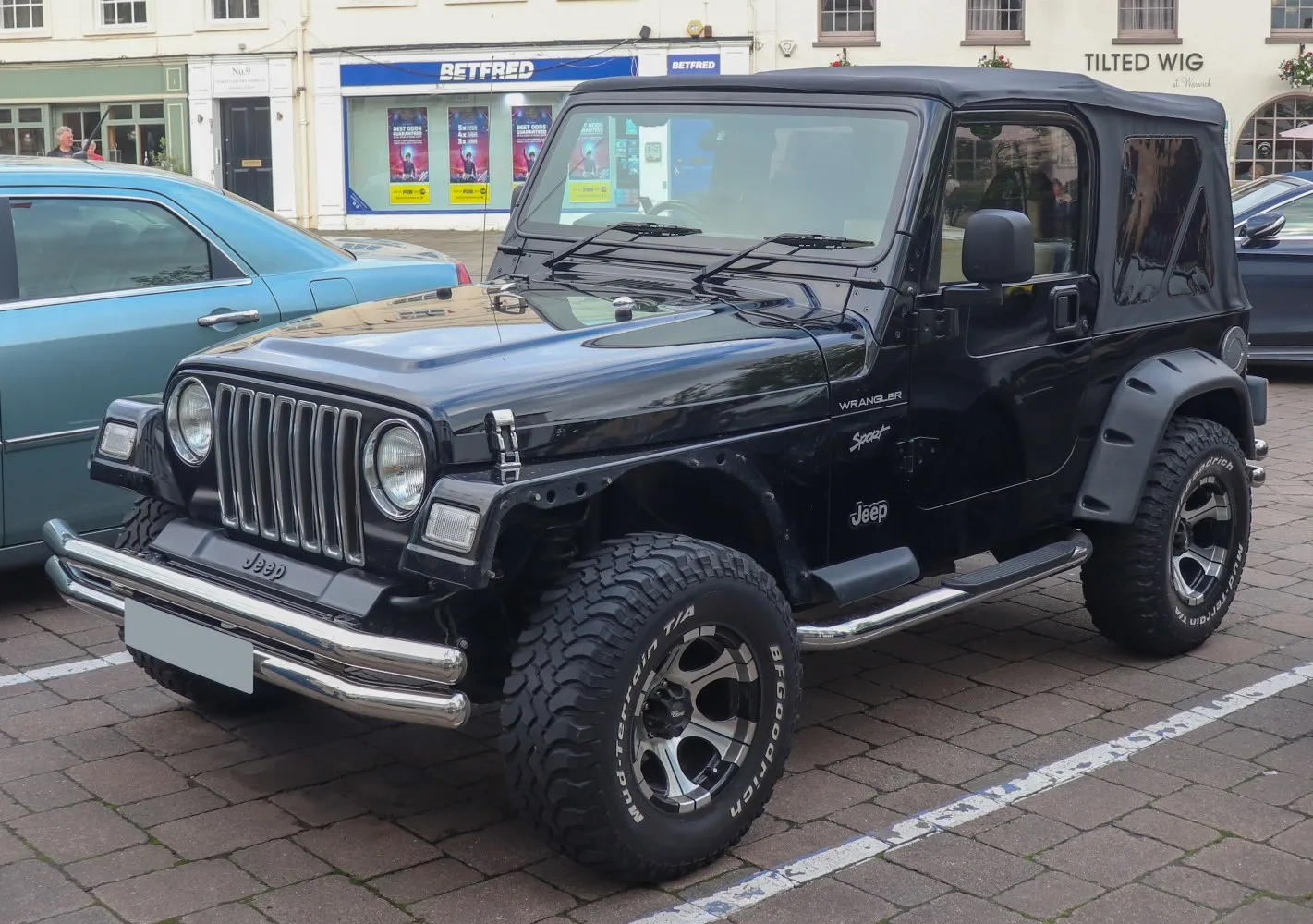
The Wrangler is a direct progression from the World War II Jeep, through the CJ produced by Willys, Kaiser-Jeep, and American Motors Corporation from the mid-1940s through the 1980s. Although neither AMC nor Chrysler have claimed that the Wrangler was a direct descendant of the original military model — both the CJ Jeeps and the conceptually consistent Wrangler, with their solid axles and open top, have been called the Jeep model as central to Jeep's brand identity as the rear-engine 911 is to Porsche....(Read more on Wikipedia)
IV Unlimited (JL) Overview:
Jeep Wrangler (IV Unlimited (JL)). With 353 Nm of torque, it offers ample pulling power. With a weight of 1999 kg, it falls in the mid‑range. All‑wheel drive provides excellent grip, ideal for off‑road use. A rugged vehicle built to handle rough terrains and challenging driving conditions. Seating for 5 makes it ideal for daily use.
Pros and Cons:
Pros:
- • High-performance engine delivering 285 hp.
- • All-wheel drive for superior traction in all conditions.
- • Ventilated disc brakes for reliable cooling and stopping power.
- • Generous trunk capacity of 548 Liters.
Cons:
- • Relatively high fuel consumption: 11.8 L/100 km combined.
Specifications:
Specifications are compared to those of the previous generation(IV Unlimited (JL): August, 2018 - December, 2020).
| General: |
| Brand: | Jeep |
|---|
| Model: | Wrangler |
|---|
| Generation: | IV Unlimited (JL) |
|---|
| Modification (Engine): | Sahara 3.6 Pentastar V6 (285 Hp) eTorque Mild Hybrid 4x4 Automatic |
|---|
| Start of production: | August, 2019 |
|---|
| End of production: | April, 2023 |
|---|
| Powertrain Architecture: | MHEV (Mild Hybrid Electric Vehicle, power-assist hybrid, battery-assisted hybrid vehicles, BAHV) |
|---|
| Body type: | Off-road vehicle |
|---|
| Seats: | 5 |
|---|
| Doors: | 4 |
|---|
| Engine: |
| Engine systems: | Start & Stop System |
|---|
| Power: | 285 Hp @ 6400 rpm. Same horsepower |
|---|
| Power per litre: | 79.1 Hp/l [97mm less] |
|---|
| Torque: | 353 Nm @ 4800 rpm. |
|---|
| Engine Model/Code: | Pentastar / ERG More details about the engine Pentastar / ERG |
|---|
| Engine displacement: | 3604 |
|---|
| Number of cylinders: | 6 |
|---|
| Engine configuration: | V-engine |
|---|
| Number of valves per cylinder: | 4 |
|---|
| Fuel injection system: | Multi-port manifold injection |
|---|
| Engine aspiration: | Naturally aspirated engine |
|---|
| Valvetrain: | DOHC |
|---|
| Engine oil capacity: | 4.73 l |
|---|
| Coolant: | 10.1 l |
|---|
| Engine layout: | Front, Longitudinal |
|---|
| Cylinder Bore: | 96 mm |
|---|
| Piston Stroke: | 83 mm |
|---|
| Compression ratio: | 11.3:1 |
|---|
| Maximum engine speed: | 6600 rpm. |
|---|
| Performance: |
| Fuel Type: | Petrol (Gasoline) |
|---|
| Fuel consumption (economy) - urban: | 12.4 l/100 km |
|---|
| Fuel consumption (economy) - extra urban: | 10.7 l/100 km |
|---|
| Fuel consumption (economy) - urban (EPA): | 12.4 l/100 km |
|---|
| Fuel consumption (economy) - extra urban (EPA): | 10.7 l/100 km |
|---|
| Fuel consumption (economy) - combined (EPA): | 11.8 l/100 km |
|---|
| Fuel consumption (economy) - combined: | 11.8 l/100 km |
|---|
| Weight-to-power ratio: | 7 kg/Hp, 142.6 Hp/tonne |
|---|
| Weight-to-torque ratio: | 5.7 kg/Nm, 176.6 Nm/tonne |
|---|
| Space: |
| Kerb Weight: | 1999 |
|---|
| Max. weight: | 2546 |
|---|
| Max load: | 547 |
|---|
| Trunk (boot) space - maximum: | 1059 l |
|---|
| Trunk (boot) space - minimum: | 548 l |
|---|
| Permitted trailer load with brakes (12%): | 1588 kg |
|---|
| Fuel tank capacity: | 81 l |
|---|
| Size: |
| Ramp-over (brakeover) angle: | 21° |
|---|
| Length: | 4785 mm [97mm less] |
|---|
| Width: | 1875 mm [19mm less] |
|---|
| Height: | 1868 mm [30mm more] |
|---|
| Wheelbase: | 3008 mm [Same wheelbase.] |
|---|
| Front track: | 1598 mm |
|---|
| Rear (Back) track: | 1598 mm |
|---|
| Front overhang: | 742 mm |
|---|
| Rear overhang: | 1036 mm |
|---|
| Ride height (ground clearance): | 254 mm |
|---|
| Minimum turning circle (turning diameter): | 12 m [above average] |
|---|
| Approach angle: | 41.8° |
|---|
| Departure angle: | 36.1° |
|---|
| Powertrain: |
| Drivetrain Architecture | The Internal combustion engine (ICE) and the electric motor permanently drive the rear wheels of the vehicle, capable of running only in mixed mode, and if necessary through the electrically or mechanically controlled clutch, the front wheels are driven. |
|---|
| Drive wheel | All wheel drive (4x4) |
|---|
| Number of gears | 8 |
|---|
| Transmission type | Automatic |
|---|
| Front brakes | Ventilated discs, 330x28 mm [Best for performance and cooling.] |
|---|
| Rear brakes | Disc, 342x14 mm [above average] |
|---|
| Assisting systems | ABS (Anti-lock braking system) |
|---|
| Steering type | Cone worm with recirculation balls |
|---|
| Power steering | Electric Steering |
|---|
| Tires size | 255/70 R18 |
|---|
| Wheel rims size | 7.5J x 18 |
|---|
| Front suspension | Coil spring, Rigid axle suspension, Transverse stabilizer |
|---|
| Rear suspension | Rigid axle suspension, Transverse stabilizer, Coil spring |
|---|
| Electric: |
| Gross battery capacity: | 0.43 kWh |
|---|
| Battery technology: | Lithium-ion (Li-Ion) |
|---|
| Battery location: | Under the rear seats |
|---|
| Electric motor location: | Front, Longitudinal |
|---|
| Battery voltage: | 48 V |
|---|









Better than its competitors? Tell us why the Jeep Wrangler stands out.