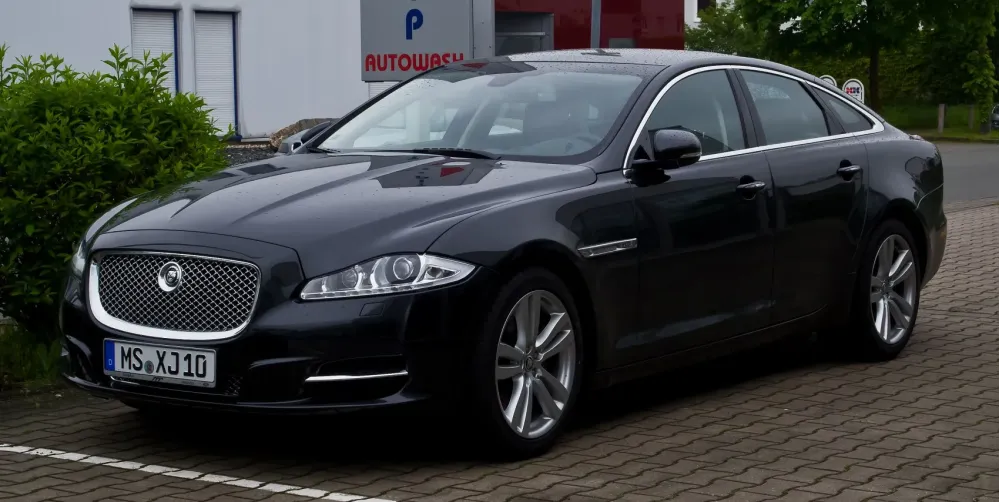
Click on image to view the full photo gallery
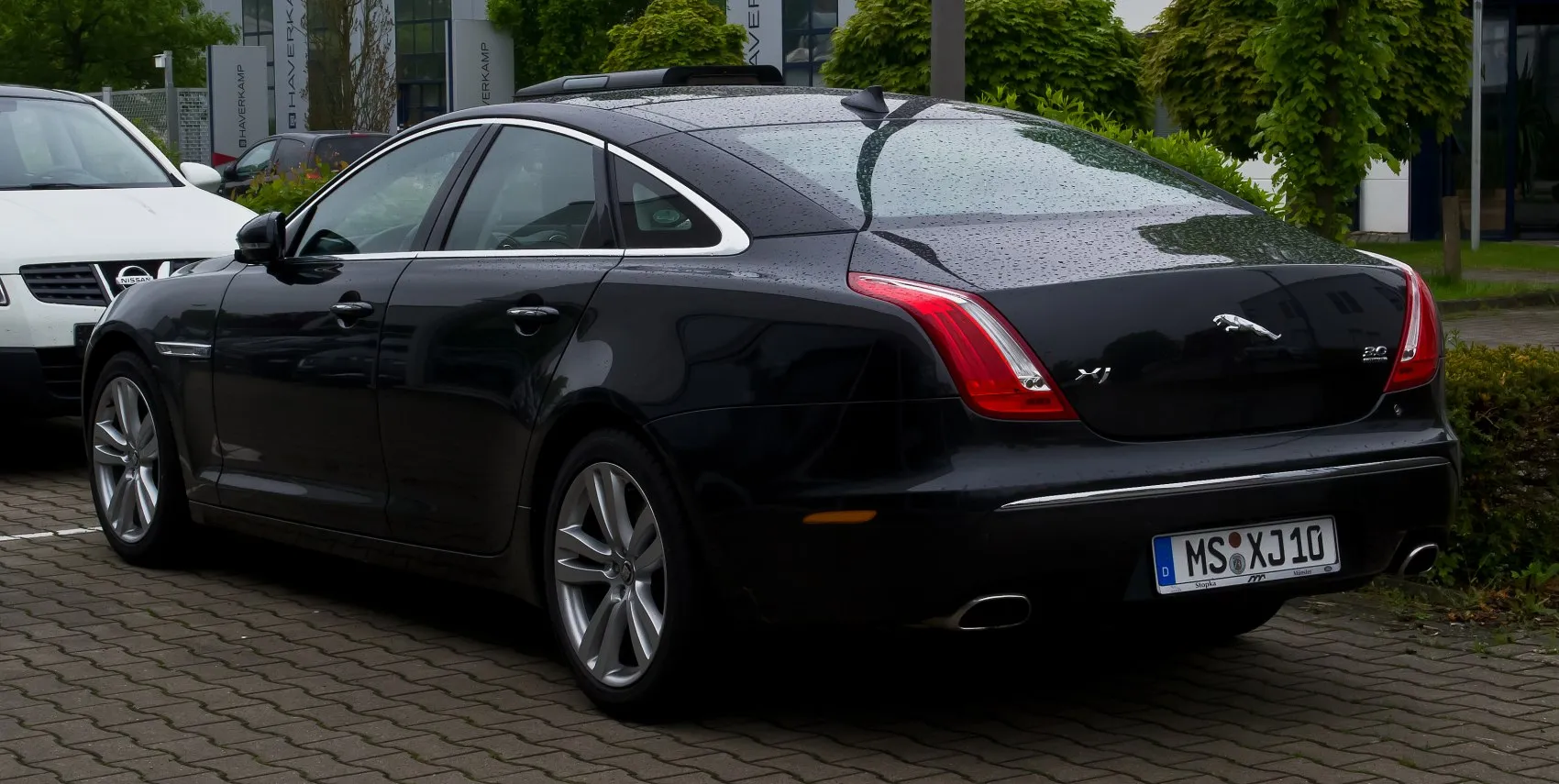
Jaguar XJ X351 3.0d V6 (275 Hp) Automatic 8-speed
Overall Rating
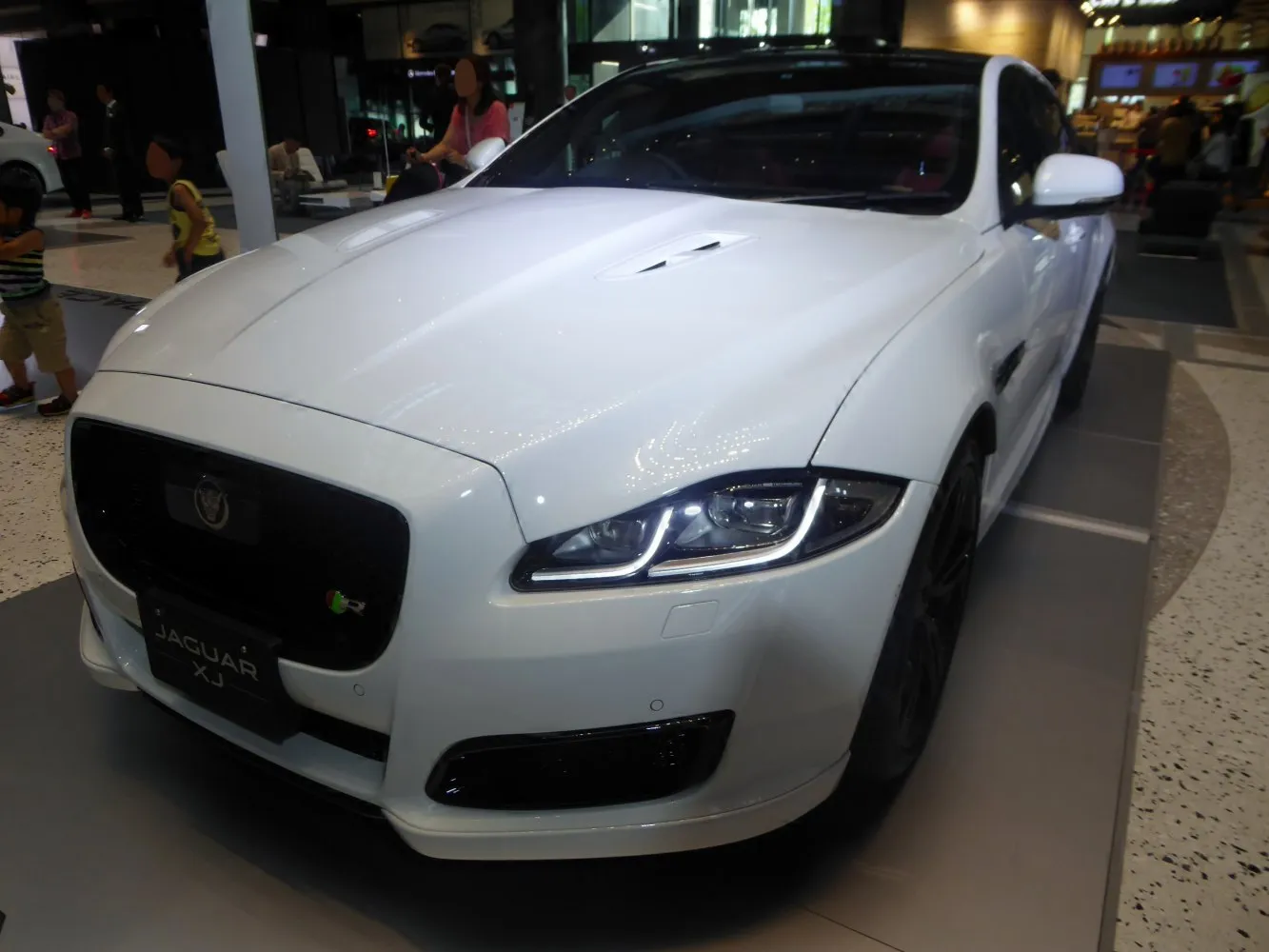
Jaguar XJ:
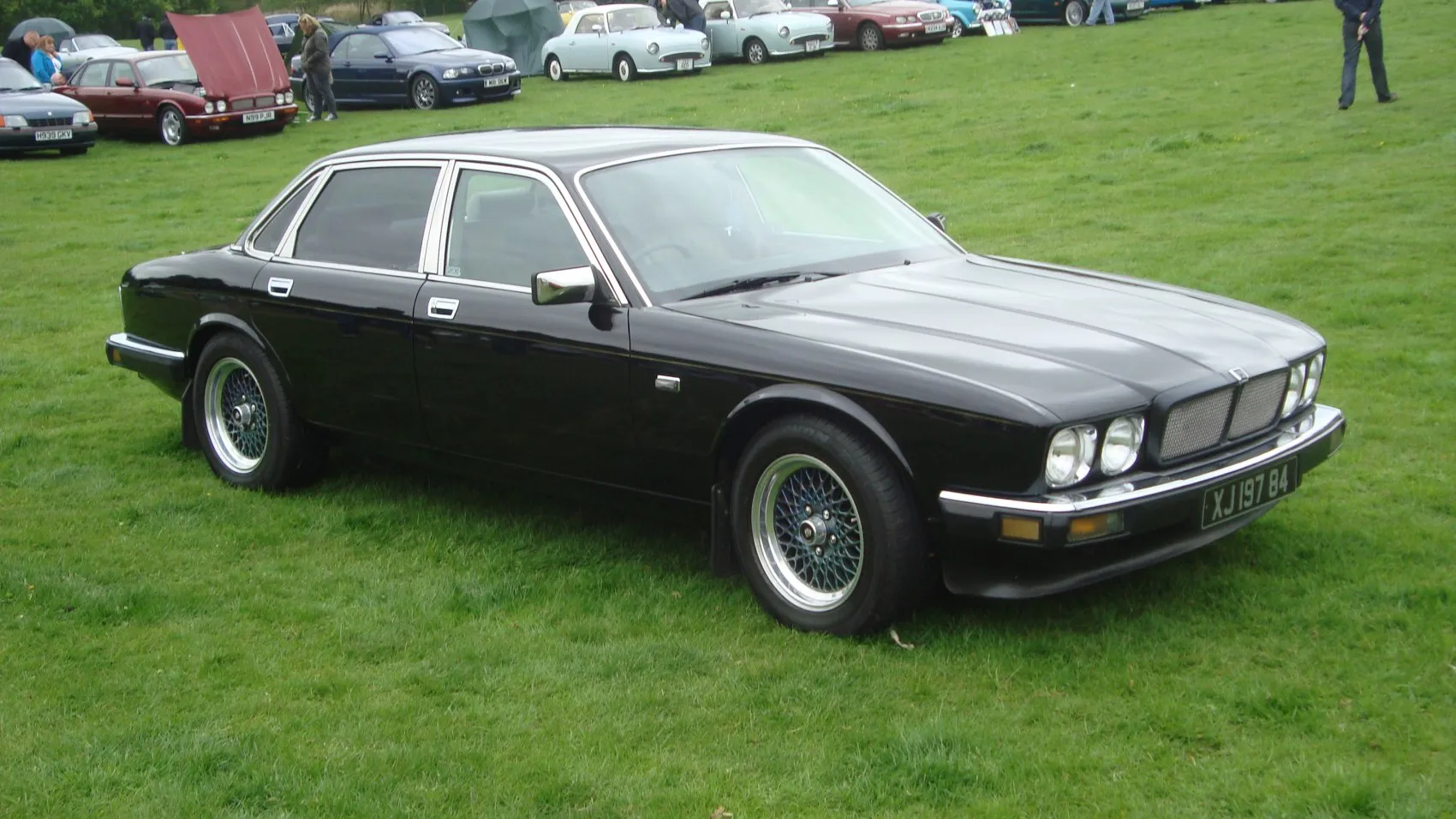
The Jaguar XJ is a series of mid-size/full-size luxury cars produced by British automobile manufacturer Jaguar Cars from 1968 to 2019. It was produced across four basic platform generations with various updated derivatives of each. From 1970, it was Jaguar's flagship four-door model. The original model was the last Jaguar saloon to have been designed under the leadership of Sir William Lyons, the company's founder, and the model has been featured in a myriad of media and high-profile appearances....(Read more on Wikipedia)
X351 Overview:
Jaguar XJ (X351). With 600 Nm of torque, it offers ample pulling power. It has moderate fuel consumption (~7.1 l/100km). With a weight of 1772 kg, it falls in the mid‑range. Rear‑wheel drive offers dynamic handling and sporty feedback. Acceleration is good (0–100 km/h in 6.4 s). The top speed reaches 250 km/h. A four-door car with a separate trunk, ideal for families and daily commuting. Seating for 5 makes it ideal for daily use.
The Jaguar XJ (X351) was not officially tested by Euro NCAP. However, as a flagship luxury sedan, it was equipped with a comprehensive suite of passive and active safety features expected for its class.
3.0d V6 (275 Hp) Automatic 8-speed Verdict:

Performance Verdict
Identical strong diesel performance to the 6-speed, with the 8-speed gearbox providing even smoother and more responsive power delivery.
Fuel Economy
Class-leading fuel efficiency for a luxury sedan, significantly improved by the more advanced 8-speed automatic transmission.
Pros and Cons:
Pros:
- • Stunning, distinctive design that stands out
- • Luxurious and spacious interior with high-quality materials
- • Excellent ride comfort, especially with air suspension
- • Powerful and refined engine options across the range
- • Engaging driving dynamics for a large luxury sedan
- • Strong value on the used market due to depreciation
Cons:
- • Infotainment system can feel dated on earlier models
- • Rear headroom can be tight for very tall passengers in standard wheelbase
- • Fuel economy for V8 models is significantly high
- • Potential for expensive maintenance and repairs typical of luxury cars
- • Significant depreciation from new impacts resale value
Specifications:
Specifications are compared to those of the previous generation(X351: 2009 - 2012).
| General: | |
|---|---|
| Brand: | Jaguar |
| Model: | XJ |
| Generation: | X351 |
| Modification (Engine): | 3.0d V6 (275 Hp) Automatic 8-speed |
| Start of production: | 2012 |
| End of production: | 2015 |
| Powertrain Architecture: | Internal Combustion engine |
| Body type: | Sedan |
| Seats: | 5 |
| Doors: | 4 |
| Engine: | |
|---|---|
| Engine systems: | Start & Stop System |
| Power: | 275 Hp @ 4000 rpm. Same horsepower |
| Power per litre: | 91.9 Hp/l [Same length.] |
| Torque: | 600 Nm @ 2000 rpm. |
| Engine Model/Code: | 306DT More details about the engine 306DT |
| Engine displacement: | 2993 |
| Number of cylinders: | 6 |
| Engine configuration: | V-engine |
| Number of valves per cylinder: | 4 |
| Fuel injection system: | Diesel Commonrail |
| Engine aspiration: | BiTurbo, Intercooler |
| Valvetrain: | DOHC |
| Engine oil capacity: | 6.6 l |
| Coolant: | 12.3 l |
| Engine layout: | Front, Longitudinal |
| Cylinder Bore: | 84 mm |
| Piston Stroke: | 90 mm |
| Compression ratio: | 16:1 |
| Performance: | |
|---|---|
| Fuel Type: | Diesel |
| Fuel consumption (economy) - urban: | 7.1 l/100 km |
| Fuel consumption (economy) - extra urban: | 5.5 l/100 km |
| Fuel consumption (economy) - combined (NEDC): | 6.1 l/100 km |
| Fuel consumption (economy) - urban (NEDC): | 7.1 l/100 km |
| Fuel consumption (economy) - extra urban (NEDC): | 5.5 l/100 km |
| Fuel consumption (economy) - combined: | 6.1 l/100 km |
| Emission standard: | Euro 5 |
| Acceleration 0 - 100 km/h: | 6.4 sec |
| Acceleration 0 - 62 mph: | 6.4 sec |
| Maximum speed: | 250 km/h, Electronically limited |
| Weight-to-power ratio: | 6.4 kg/Hp, 155.2 Hp/tonne |
| Weight-to-torque ratio: | 3 kg/Nm, 338.6 Nm/tonne |
| Acceleration 0 - 60 mph: | 6 sec |
| Space: | |
|---|---|
| Kerb Weight: | 1772 |
| Max. weight: | 2370 |
| Max load: | 598 |
| Trunk (boot) space - minimum: | 520 l |
| Fuel tank capacity: | 82 l |
| Size: | |
|---|---|
| Length: | 5127 mm [Same length.] |
| Width: | 1899 mm [5mm more] |
| Height: | 1457 mm [Same height.] |
| Wheelbase: | 3032 mm [Same wheelbase.] |
| Width with mirrors folded: | 1950 mm |
| Width including mirrors: | 2105 mm |
| Front track: | 1626 mm |
| Rear (Back) track: | 1604 mm |
| Minimum turning circle (turning diameter): | 11.9 m [above average] |
| Powertrain: | |
|---|---|
| Drivetrain Architecture | The Internal combustion engine (ICE) drives the rear wheels of the vehicle. |
| Drive wheel | Rear wheel drive |
| Number of gears | 8 |
| Transmission type | Automatic |
| Front brakes | Ventilated discs [Best for performance and cooling.] |
| Rear brakes | Ventilated discs [Best for performance and cooling.] |
| Assisting systems | ABS (Anti-lock braking system) |
| Steering type | Steering rack and pinion |
| Power steering | Hydraulic Steering |
| Tires size | Front wheel tires: 245/50 R18; 245/45 R19 |
| Wheel rims size | Front wheel rims: 8J x 18; 9J x 19 |
| Front suspension | Coil spring, Double wishbone, Transverse stabilizer |
| Rear suspension | Independent multi-link suspension, Air suspension, Transverse stabilizer |
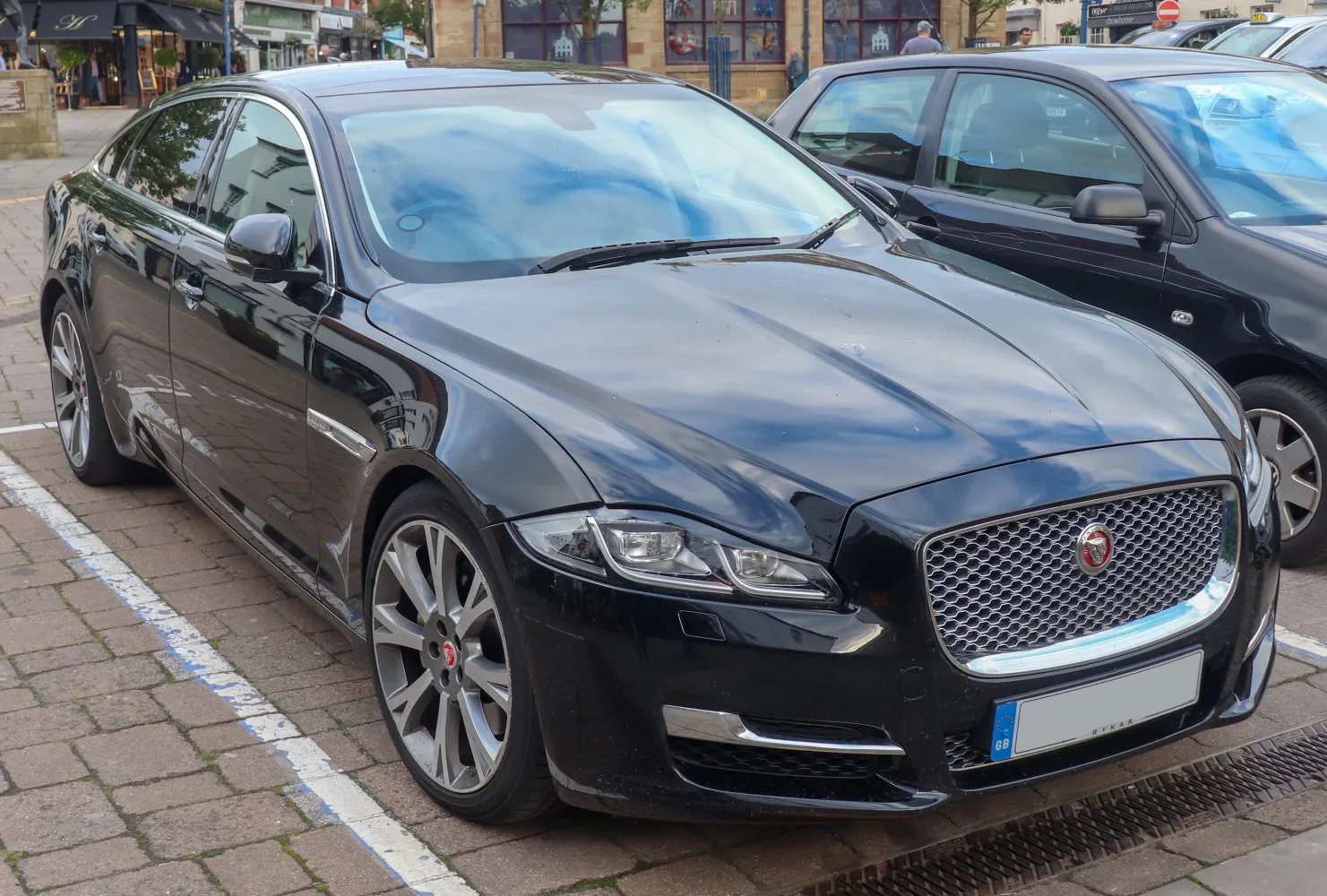
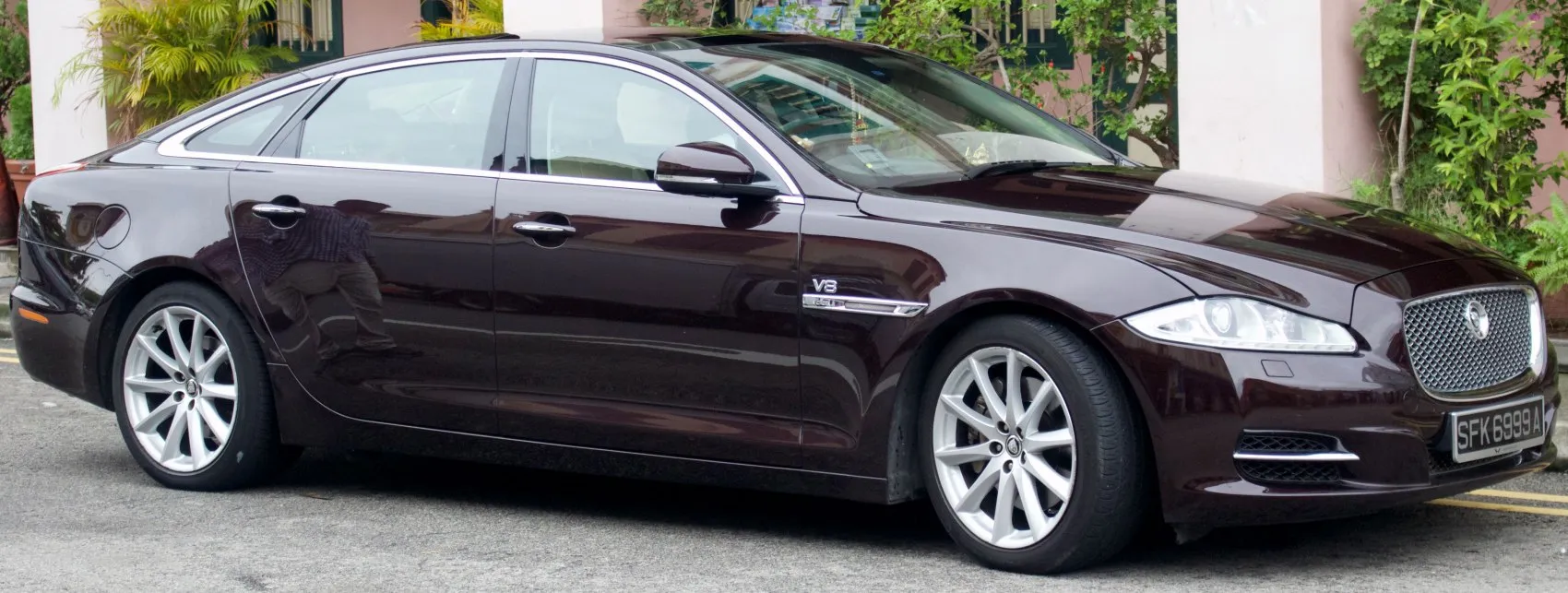













Behind the wheel of the Jaguar XJ. How does it handle on the road?