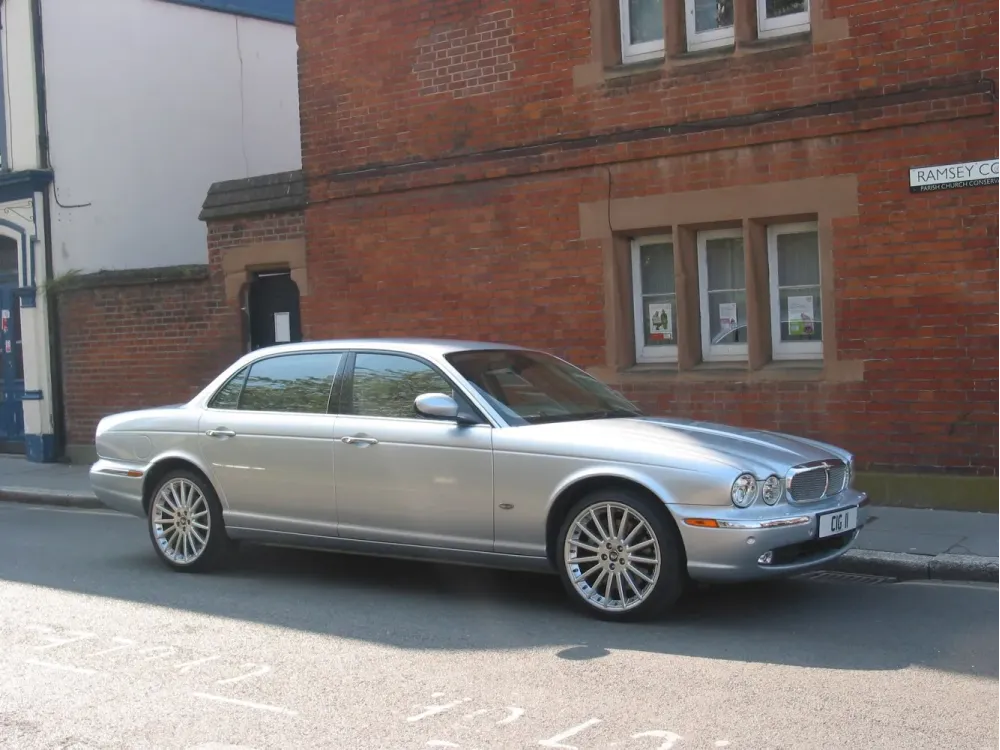
Click on image to view the full photo gallery
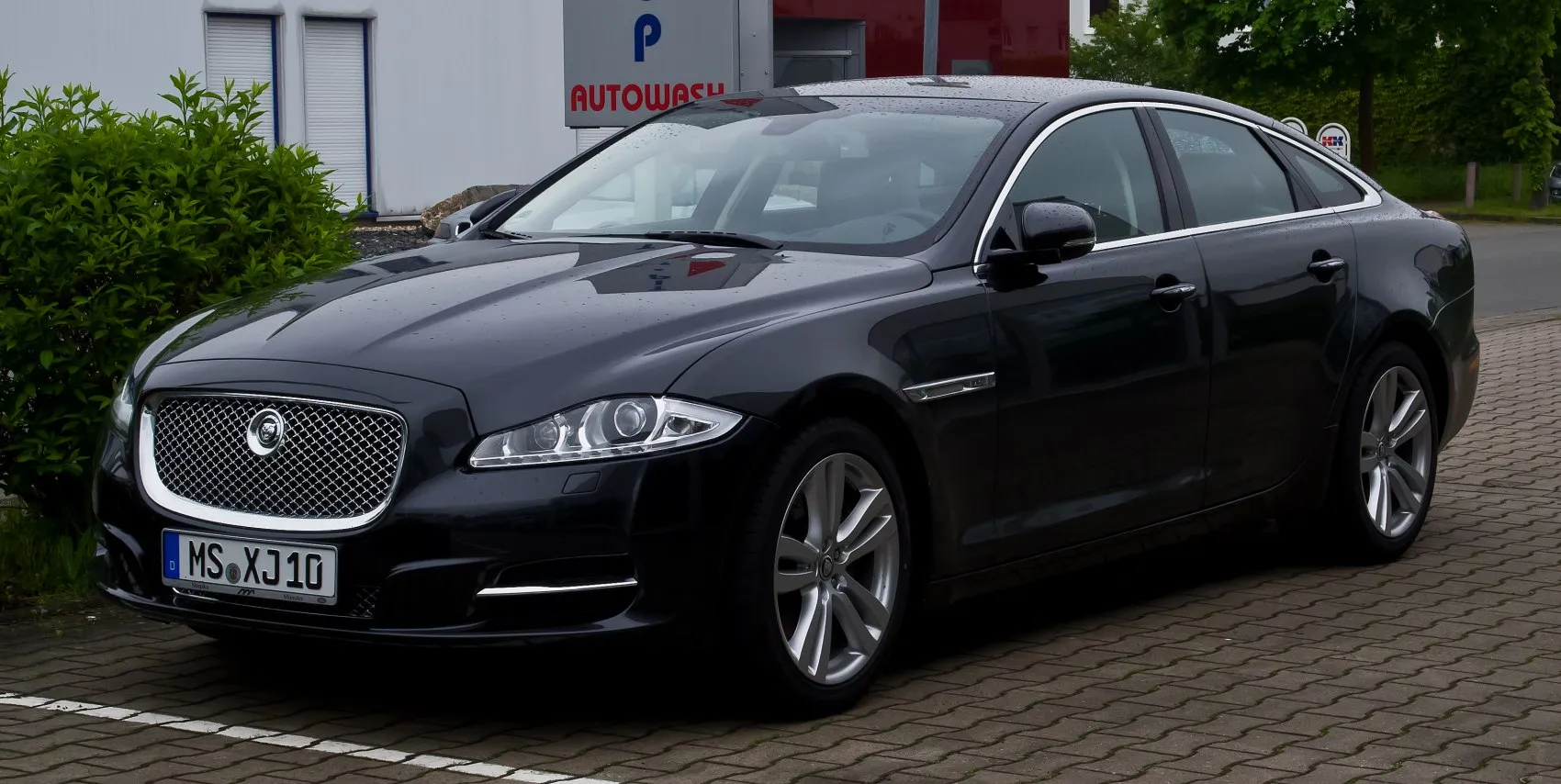
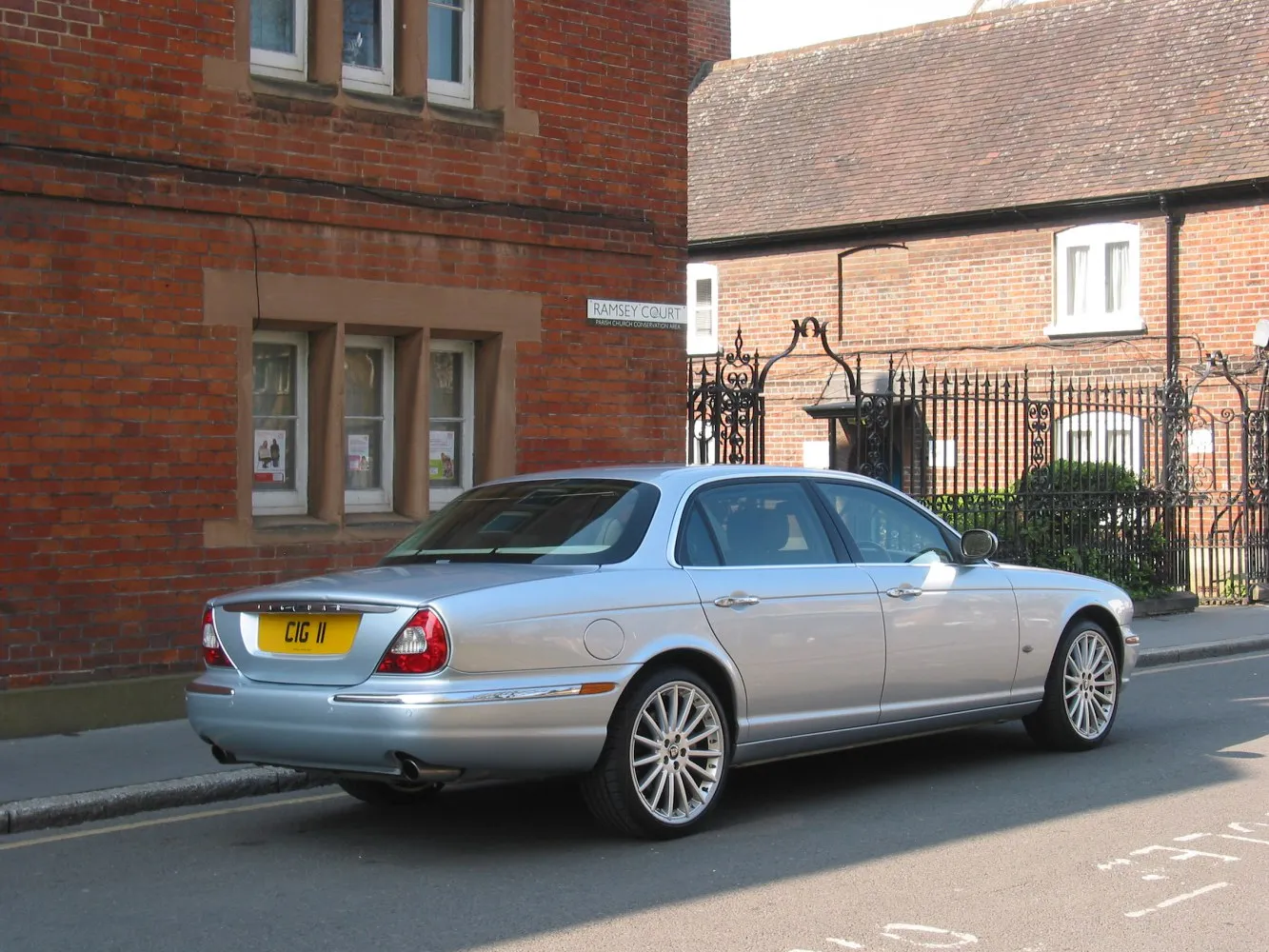
Jaguar XJ X350 4.2 V8 32V (400 Hp) Automatic
Overall Rating
Jaguar XJ:
The Jaguar XJ is a series of mid-size/full-size luxury cars produced by British automobile manufacturer Jaguar Cars from 1968 to 2019. It was produced across four basic platform generations with various updated derivatives of each. From 1970, it was Jaguar's flagship four-door model. The original model was the last Jaguar saloon to have been designed under the leadership of Sir William Lyons, the company's founder, and the model has been featured in a myriad of media and high-profile appearances....(Read more on Wikipedia)
X350 Overview:
Jaguar XJ (X350). With 541 Nm of torque, it offers ample pulling power. With a weight of 1665 kg, it falls in the mid‑range. Rear‑wheel drive offers dynamic handling and sporty feedback. Acceleration is excellent (0–100 km/h in 5.3 s). The top speed reaches 250 km/h. A four-door car with a separate trunk, ideal for families and daily commuting. Seating for 5 makes it ideal for daily use.
The Jaguar XJ (X350) was not officially tested by Euro NCAP. However, as a luxury sedan of its era, it featured robust construction and advanced safety systems for its time, including multiple airbags and ABS, designed to provide a high level of occupant protection.
4.2 V8 32V (400 Hp) Automatic Verdict:

Performance Verdict
Exceptional performance for a luxury sedan, delivering thrilling acceleration and effortless high-speed cruising thanks to its supercharged V8.
Fuel Economy
As expected for a supercharged V8, fuel consumption is high, especially in urban environments, making it less economical for daily city driving.
Pros and Cons:
Pros:
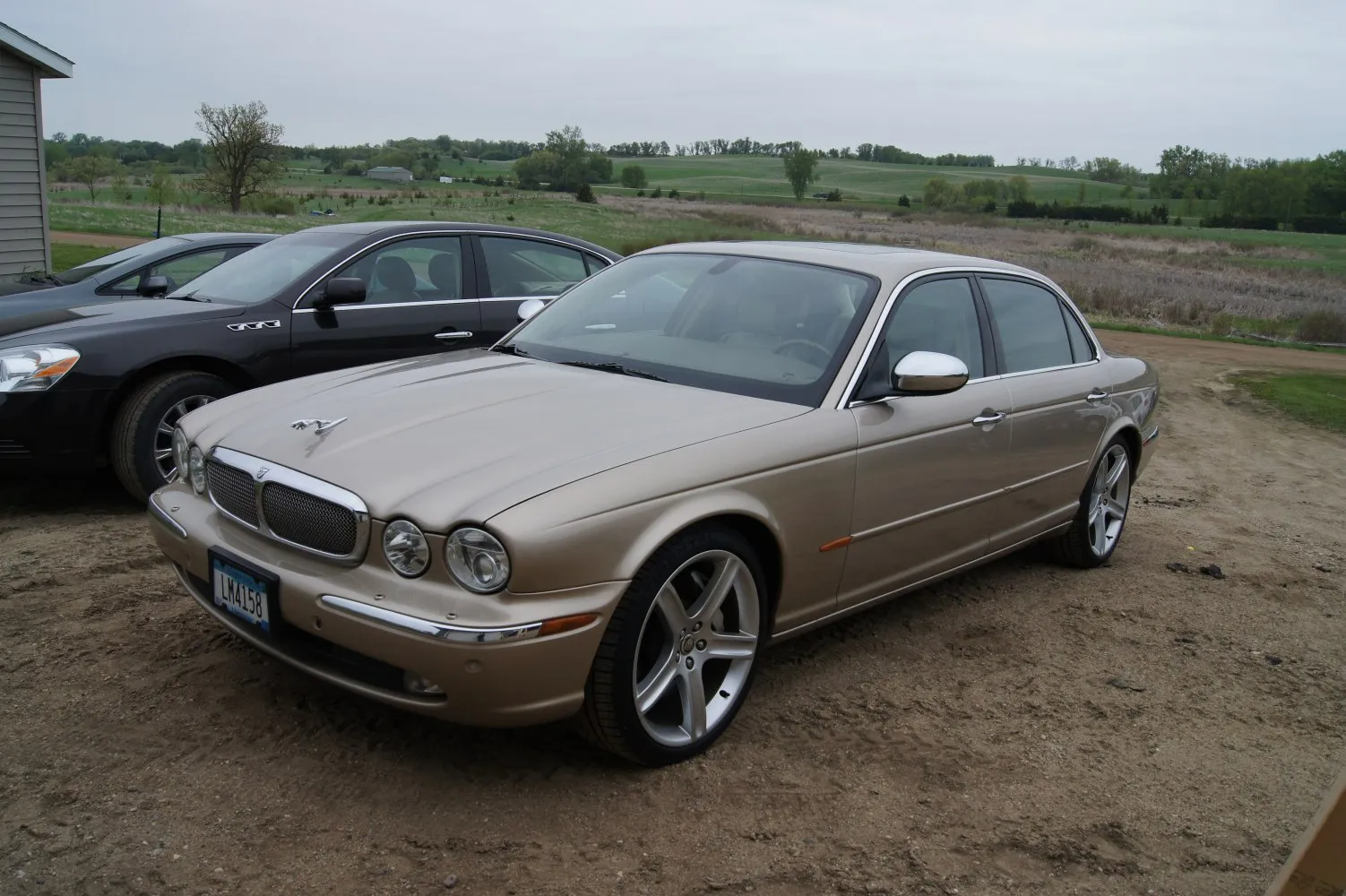
- • Timeless and elegant design, maintaining classic Jaguar aesthetics.
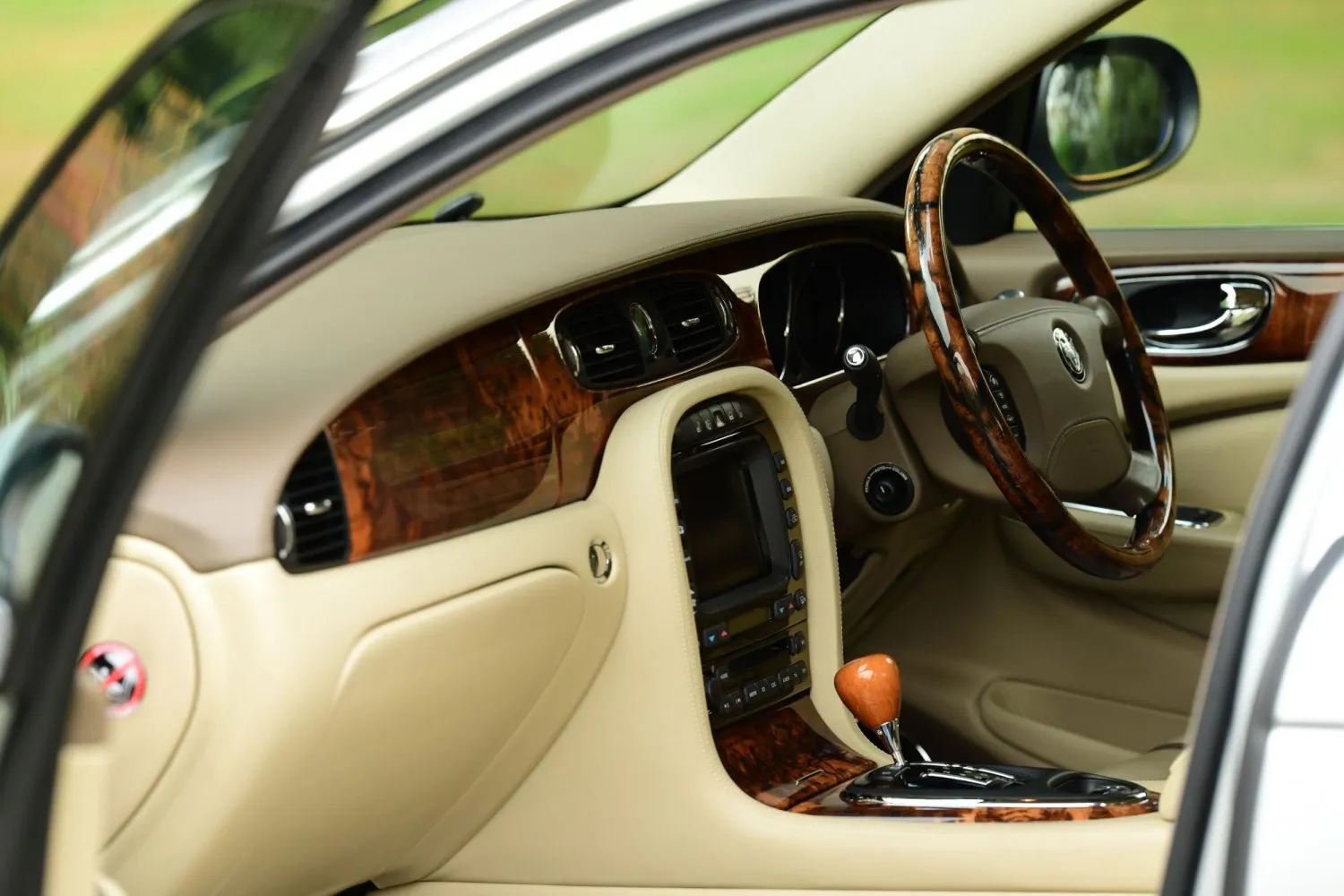
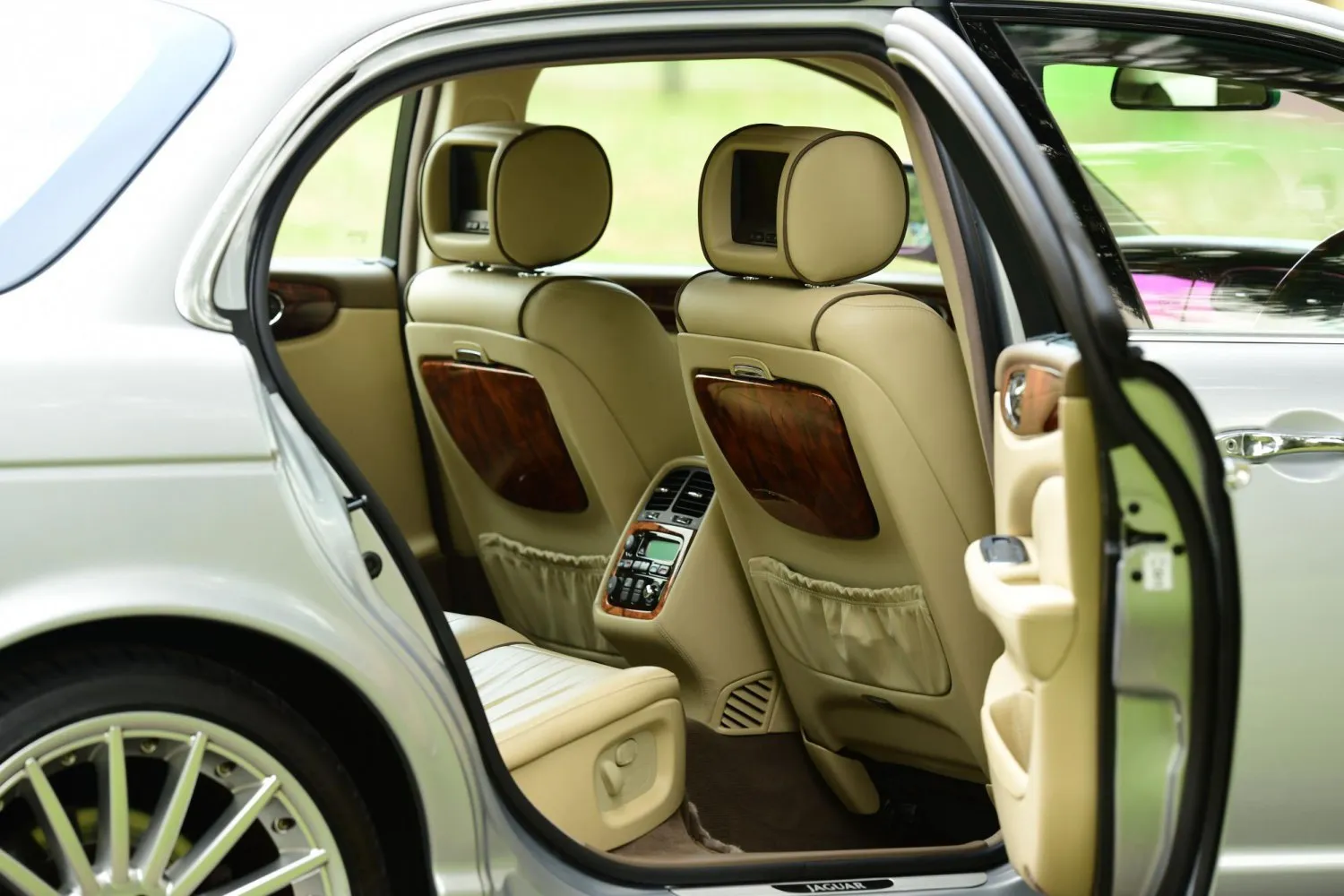
- • Luxurious and well-appointed interior with high-quality materials.
- • Exceptional ride comfort due to its advanced air suspension system.
- • Strong performance from the V8 engines, especially the supercharged variants.
- • Lightweight all-aluminium body offers agility and rust resistance.
Cons:
- • Air suspension components can be costly to repair or replace when they fail.
- • Older infotainment and technology compared to modern luxury cars.
- • Fuel economy, particularly with the larger V8 engines, can be high.
- • Some electronic gremlins can occur with age, requiring specialist attention.
- • Rear passenger space, while adequate, isn't class-leading in standard wheelbase models.
Specifications:
Specifications are compared to those of the previous generation(X308: 1997 - 2003).
| General: | |
|---|---|
| Brand: | Jaguar |
| Model: | XJ |
| Generation: | X350 |
| Modification (Engine): | 4.2 V8 32V (400 Hp) Automatic |
| Start of production: | 2003 |
| End of production: | 2006 |
| Powertrain Architecture: | Internal Combustion engine |
| Body type: | Sedan |
| Seats: | 5 |
| Doors: | 4 |
| Engine: | |
|---|---|
| Power: | 400 Hp @ 6100 rpm. Same horsepower |
| Power per litre: | 95.3 Hp/l [67mm more] |
| Torque: | 541 Nm @ 3500 rpm. |
| Engine Model/Code: | AJ33S, AJ34S More details about the engine AJ33S, AJ34S |
| Engine displacement: | 4196 |
| Number of cylinders: | 8 |
| Engine configuration: | V-engine |
| Number of valves per cylinder: | 4 |
| Fuel injection system: | Multi-port manifold injection |
| Engine aspiration: | Supercharger, Intercooler |
| Engine oil capacity: | 6 l |
| Coolant: | 9.45 l |
| Engine layout: | Front, Longitudinal |
| Cylinder Bore: | 86 mm |
| Piston Stroke: | 90.3 mm |
| Compression ratio: | 9.1:1 |
| Performance: | |
|---|---|
| Fuel Type: | Petrol (Gasoline) |
| Fuel consumption (economy) - urban: | 18.6 l/100 km |
| Fuel consumption (economy) - extra urban: | 9 l/100 km |
| Fuel consumption (economy) - combined: | 12.3 l/100 km |
| Acceleration 0 - 100 km/h: | 5.3 sec |
| Acceleration 0 - 62 mph: | 5.3 sec |
| Maximum speed: | 250 km/h |
| Weight-to-power ratio: | 4.2 kg/Hp, 240.2 Hp/tonne |
| Weight-to-torque ratio: | 3.1 kg/Nm, 324.9 Nm/tonne |
| Acceleration 0 - 60 mph: | 5 sec |
| Space: | |
|---|---|
| Kerb Weight: | 1665 |
| Max. weight: | 2250 |
| Max load: | 585 |
| Trunk (boot) space - minimum: | 470 l |
| Fuel tank capacity: | 85 l |
| Size: | |
|---|---|
| Length: | 5090 mm [67mm more] |
| Width: | 1860 mm [61mm more] |
| Height: | 1448 mm [103mm more] |
| Wheelbase: | 3034 mm [164mm more] |
| Front track: | 1556 mm |
| Rear (Back) track: | 1546 mm |
| Powertrain: | |
|---|---|
| Drivetrain Architecture | The Internal combustion engine (ICE) drives the rear wheels of the vehicle. |
| Drive wheel | Rear wheel drive |
| Number of gears | 6 |
| Transmission type | Automatic |
| Front brakes | Ventilated discs [Best for performance and cooling.] |
| Rear brakes | Ventilated discs [Best for performance and cooling.] |
| Assisting systems | ABS (Anti-lock braking system) |
| Steering type | Steering rack and pinion |
| Tires size | 255/40 R19 |
| Front suspension | Hydro-pneumatic element |
| Rear suspension | Hydro-pneumatic element |
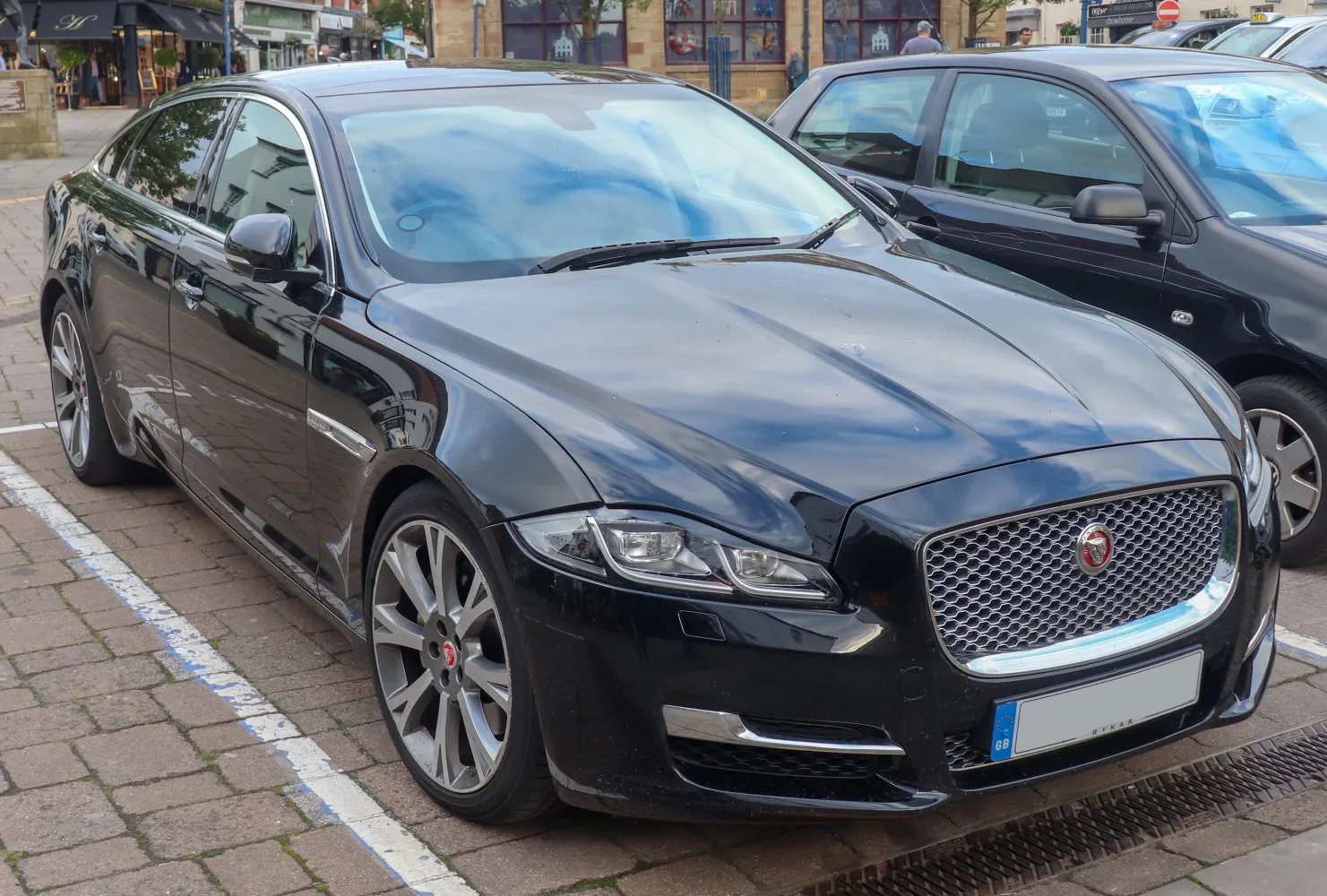
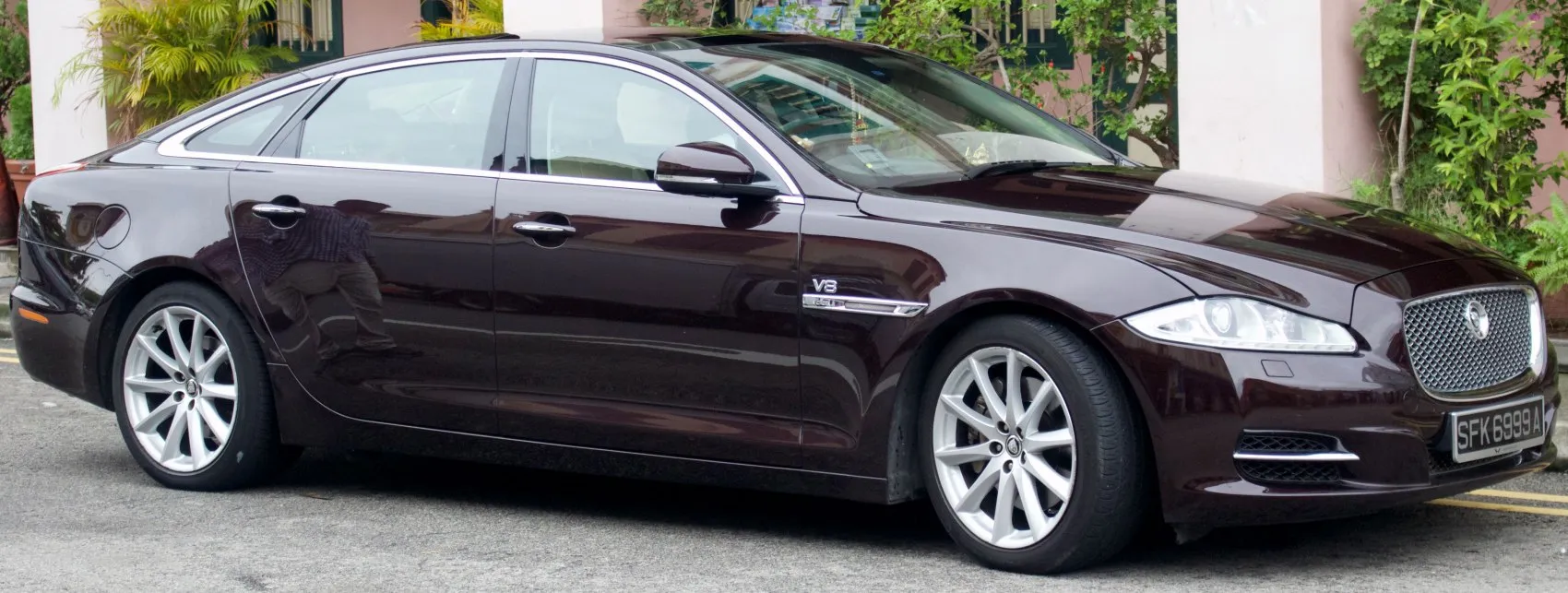


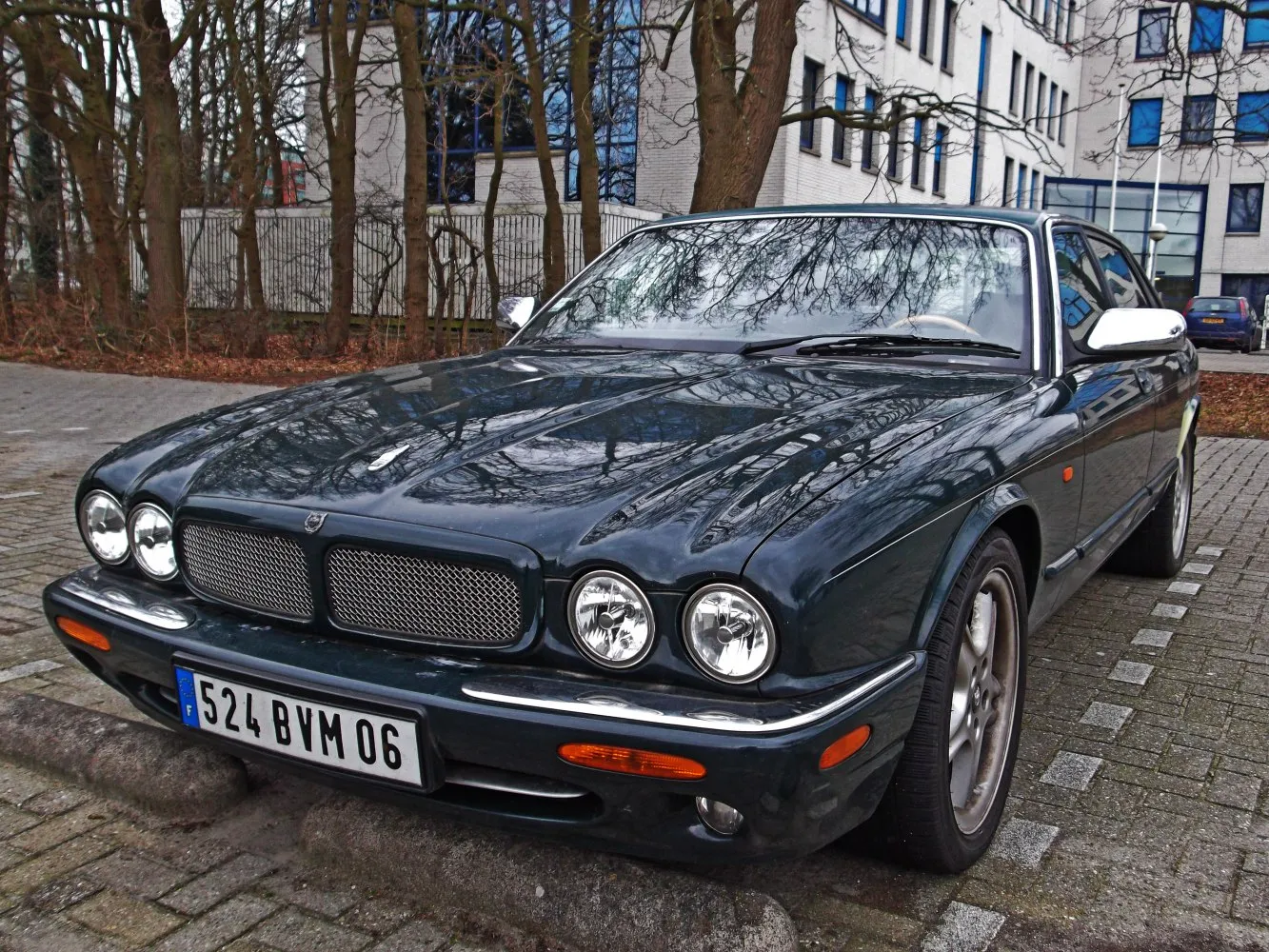








Behind the wheel of the Jaguar XJ. How does it handle on the road?