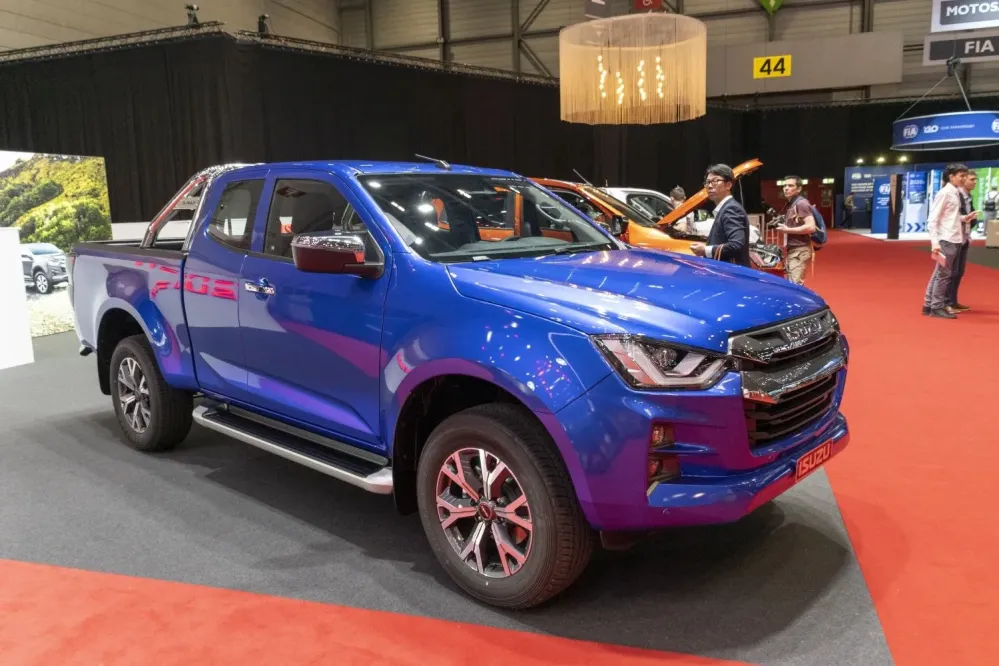
Click on image to view the full photo gallery
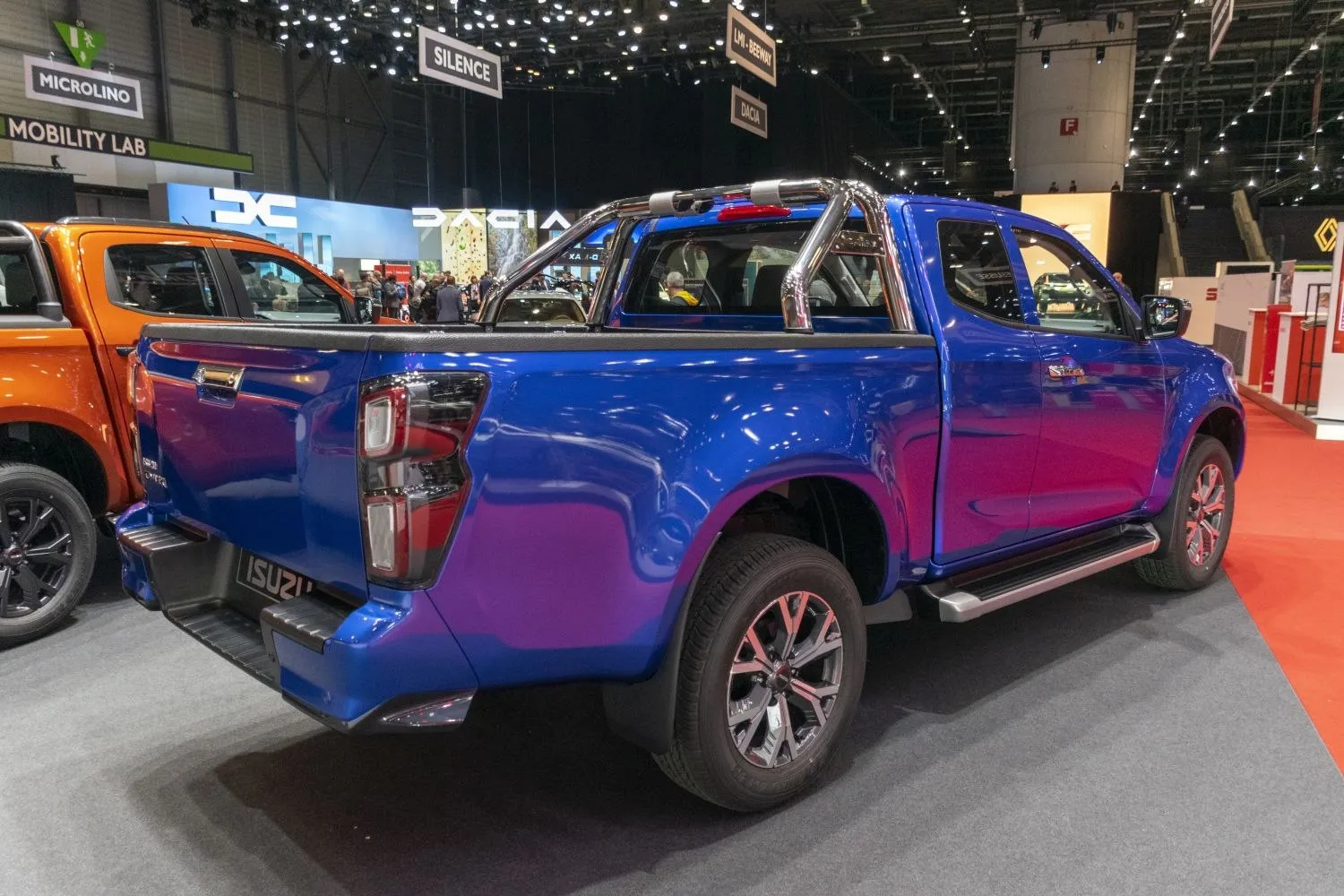
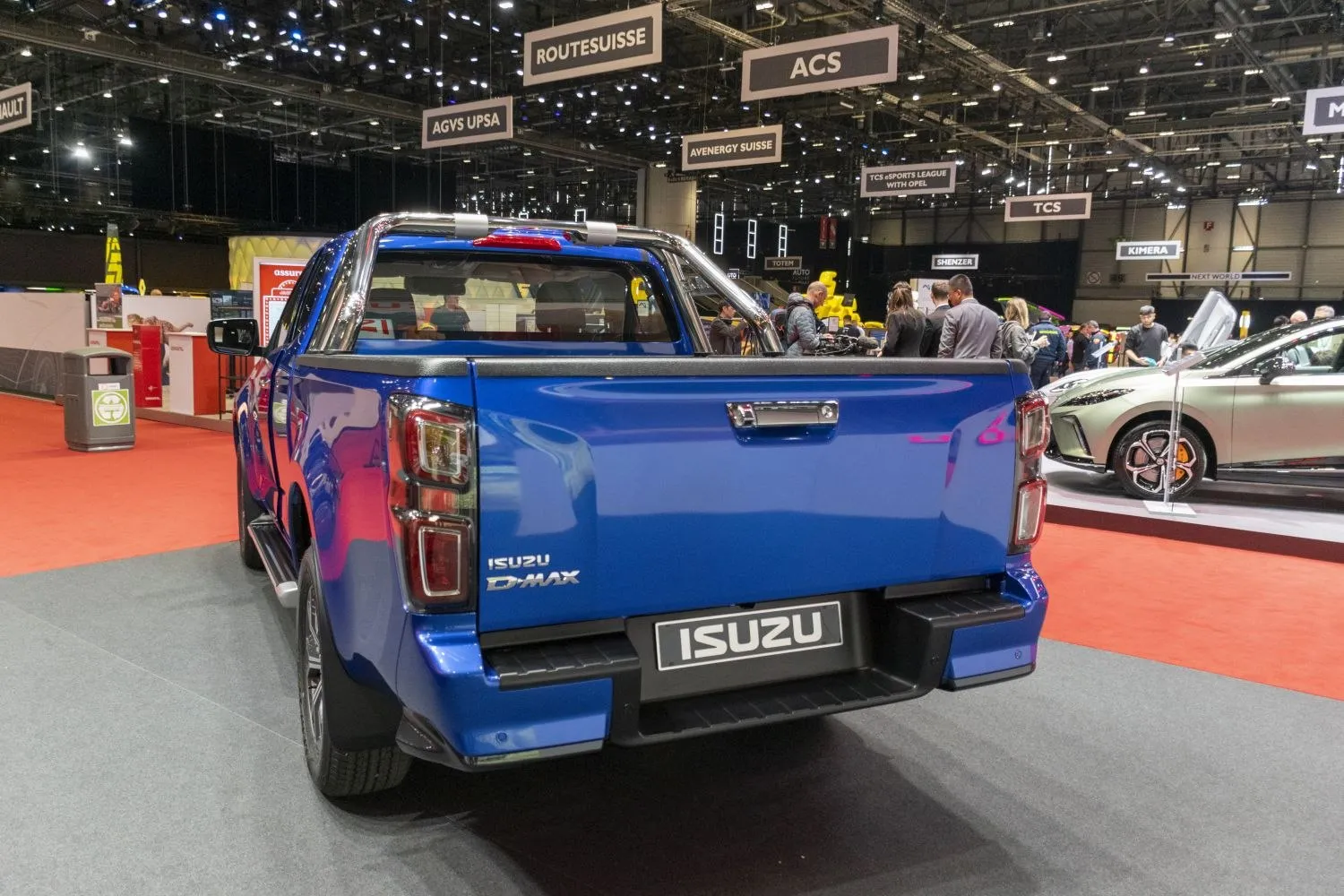
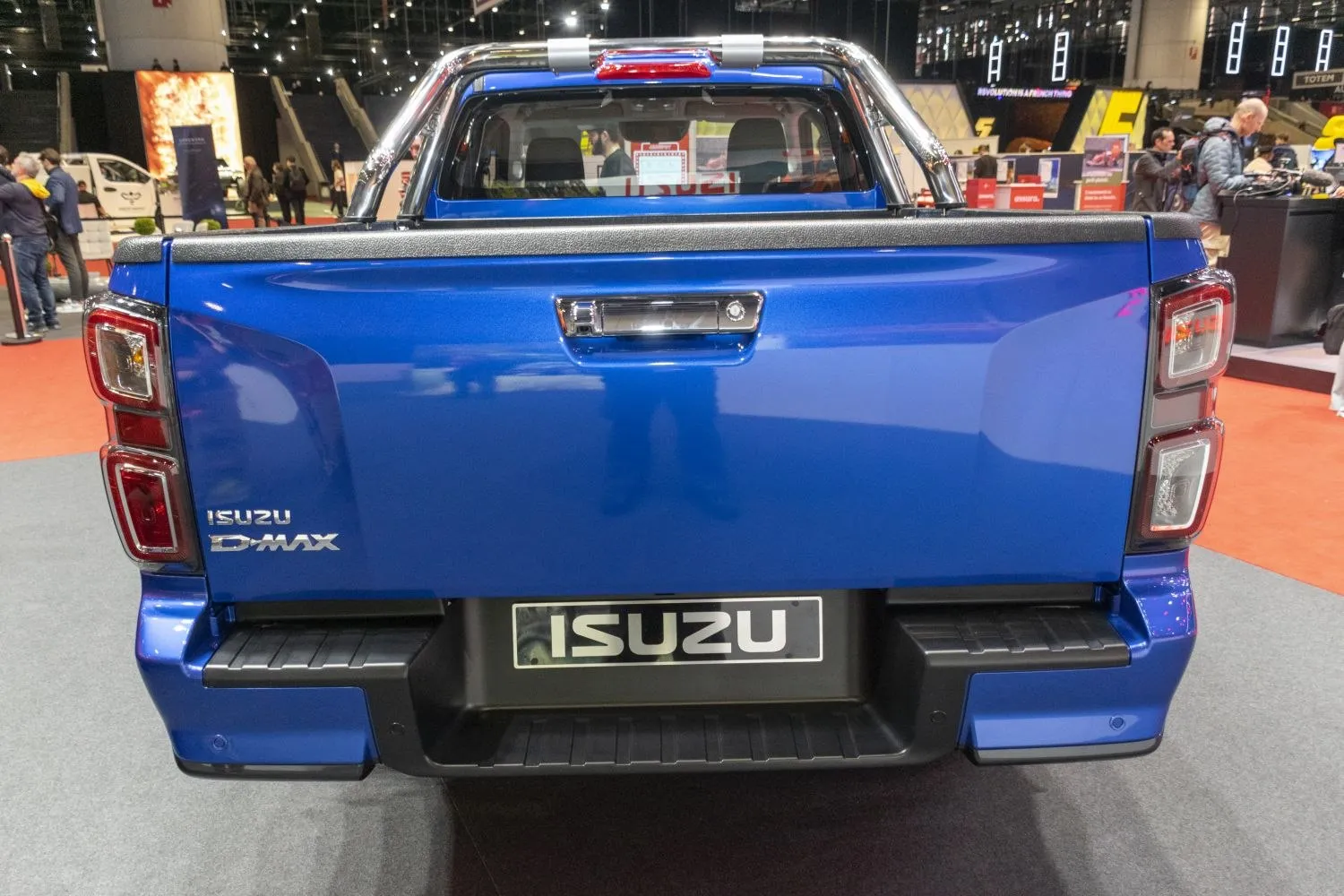
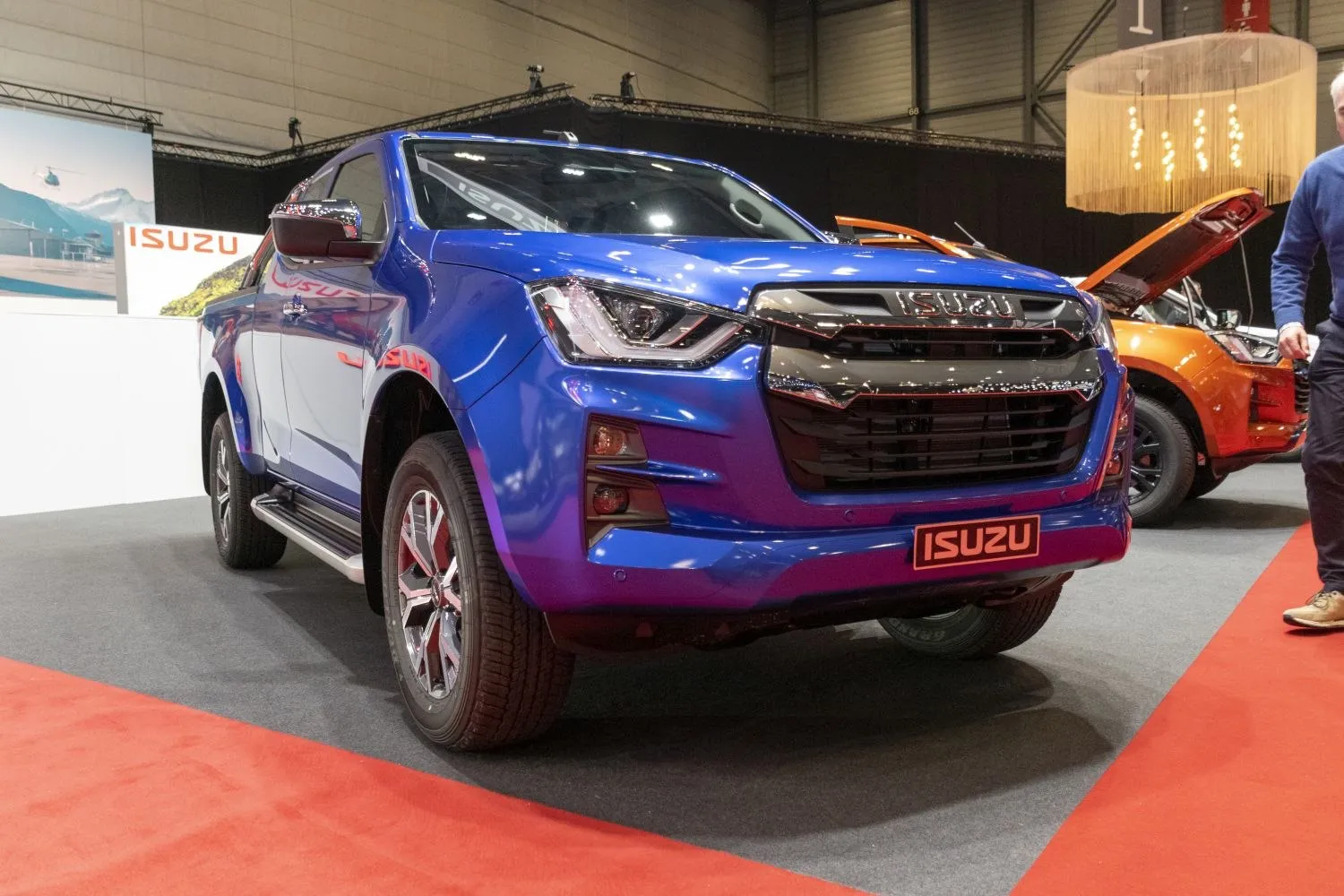
Isuzu D-Max III Space Cab 1.9d (163 Hp) 4WD
Overall Rating
Isuzu D-Max:
The Isuzu D-Max is a compact pickup truck and mid-size pickup truck manufactured since 2002 by Isuzu. It is a successor to the Isuzu Faster/KB. The first and second-generation model shares its platform with the Chevrolet Colorado. The third-generation model shares its platform with the third-generation Mazda BT-50, which is produced in the same Isuzu plant in Thailand.
In Australasia the D-Max was marketed as the Holden Rodeo from 2003 to 2008, when it was relaunched as the Holden Colorado. The Isuzu D-Max itself was also introduced during 2008, selling alongside the Holden-badged offering....(Read more on Wikipedia)
III Space Cab Overview:
Isuzu D-Max (III Space Cab). With 360 Nm of torque, it offers ample pulling power. It has moderate fuel consumption (~8.51 l/100km). At around 2029 kg, it’s on the heavier side. All‑wheel drive provides excellent grip, ideal for off‑road use. The top speed reaches 180 km/h. A vehicle with an open cargo bed at the back, suitable for transporting goods. Seating for 4 makes it ideal for daily use.
1.9d (163 Hp) 4WD Verdict:

Performance Verdict
Offers a good balance of power and efficiency, with the manual gearbox providing engaging control for a lighter, more agile feel, especially off-road.
Fuel Economy
The most fuel-efficient 4WD option in the lineup, making it highly attractive for those prioritizing running costs without sacrificing capability.
Pros and Cons:
Pros:
- • Exceptional reliability and durability, a hallmark of Isuzu
- • Strong towing and payload capacity across the range
- • Achieved a top 5-star Euro NCAP safety rating
- • Improved interior comfort, technology, and refinement over previous generations
- • Good fuel efficiency for its class, especially with the 1.9d engine
Cons:
- • Ride can still be firm when unladen, typical for a leaf-sprung pickup
- • Interior materials, while improved, aren't luxury-grade compared to some rivals
- • Rear seat space in the Space Cab is limited compared to Double Cab variants
- • Some competitors offer more powerful V6 engine options in certain markets
Specifications:
Specifications are compared to those of the previous generation(Concept X: 2018 - 2020).
| General: | |
|---|---|
| Brand: | Isuzu |
| Model: | D-Max |
| Generation: | III Space Cab |
| Modification (Engine): | 1.9d (163 Hp) 4WD |
| Start of production: | 2020 |
| Powertrain Architecture: | Internal Combustion engine |
| Body type: | Pick-up |
| Seats: | 4 |
| Doors: | 2 |
| Engine: | |
|---|---|
| Engine systems: | Start & Stop System |
| Power: | 163 Hp @ 3600 rpm. Same horsepower |
| Power per litre: | 85.9 Hp/l [235mm less] |
| Torque: | 360 Nm @ 2000-2500 rpm. |
| Engine Model/Code: | RZ4E-TC More details about the engine RZ4E-TC |
| Engine displacement: | 1898 |
| Number of cylinders: | 4 |
| Engine configuration: | Inline |
| Number of valves per cylinder: | 2 |
| Fuel injection system: | Diesel Commonrail |
| Engine aspiration: | Turbocharger, Intercooler |
| Engine oil capacity: | 6.6 l |
| Coolant: | 10.7 l |
| Engine layout: | Front, Longitudinal |
| Cylinder Bore: | 80 mm mm |
| Piston Stroke: | 94.4 mm mm |
| Compression ratio: | 15.9:1 |
| Performance: | |
|---|---|
| Fuel Type: | Diesel |
| Fuel consumption (economy) - urban: | 8.23-8.79 l/100 km |
| Fuel consumption (economy) - extra urban: | 6.02-6.36 l/100 km |
| Combined fuel consumption (WLTP): | 8.09-8.41 l/100 km |
| Fuel consumption (economy) - urban (NEDC, WLTP equivalent): | 8.23-8.79 l/100 km |
| Fuel consumption (economy) - extra urban (NEDC, WLTP equivalent): | 6.02-6.36 l/100 km |
| Fuel consumption (economy) - combined (NEDC, WLTP equivalent): | 6.84-7.26 l/100 km |
| Fuel consumption (economy) - combined: | 6.84-7.26 l/100 km |
| Emission standard: | Euro 6d-ISC-AO |
| Maximum speed: | 180 km/h |
| Weight-to-power ratio: | 12.4 kg/Hp, 80.7 Hp/tonne |
| Weight-to-torque ratio: | 5.6 kg/Nm, 178.2 Nm/tonne |
| Space: | |
|---|---|
| Kerb Weight: | 2020-2038 |
| Max. weight: | 3100 |
| Max. roof load: | 100 kg |
| Max load: | 1062-1080 |
| Permitted trailer load with brakes (12%): | 3500 kg |
| Fuel tank capacity: | 76 l |
| Permitted trailer load without brakes: | 750 kg |
| Permitted towbar download: | 245 kg |
| Size: | |
|---|---|
| Length: | 5265 mm mm [235mm less] |
| Width: | 1870 mm mm [280mm less] |
| Height: | 1790 mm mm [310mm less] |
| Wheelbase: | 3125 mm mm |
| Front track: | 1570 mm |
| Rear (Back) track: | 1570 mm |
| Front overhang: | 890 mm |
| Rear overhang: | 1250 mm |
| Minimum turning circle (turning diameter): | 13 m [above average] |
| Powertrain: | |
|---|---|
| Drivetrain Architecture | The Internal combustion engine (ICE) drives the rear wheels permanently, and the front wheels are driven through an electrically or mechanically operated clutch if necessary. |
| Drive wheel | All wheel drive (4x4) |
| Number of gears | 6 |
| Transmission type | Manual |
| Front brakes | Ventilated discs [Best for performance and cooling.] |
| Rear brakes | Drum [bad for performance and cooling.] |
| Assisting systems | ABS (Anti-lock braking system) |
| Steering type | Steering rack and pinion |
| Power steering | Electric Steering |
| Tires size | 265/60 R18 |
| Wheel rims size | 7.5J x 18 |
| Front suspension | Double wishbone |
| Rear suspension | Leaf spring |






Help others decide – share your experience!