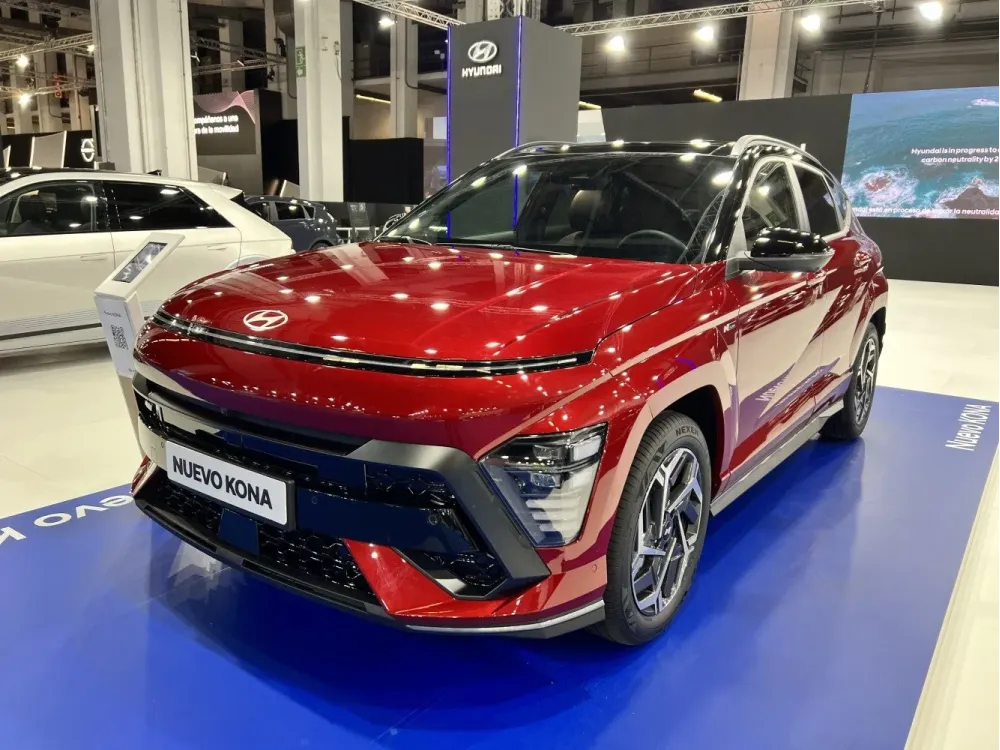
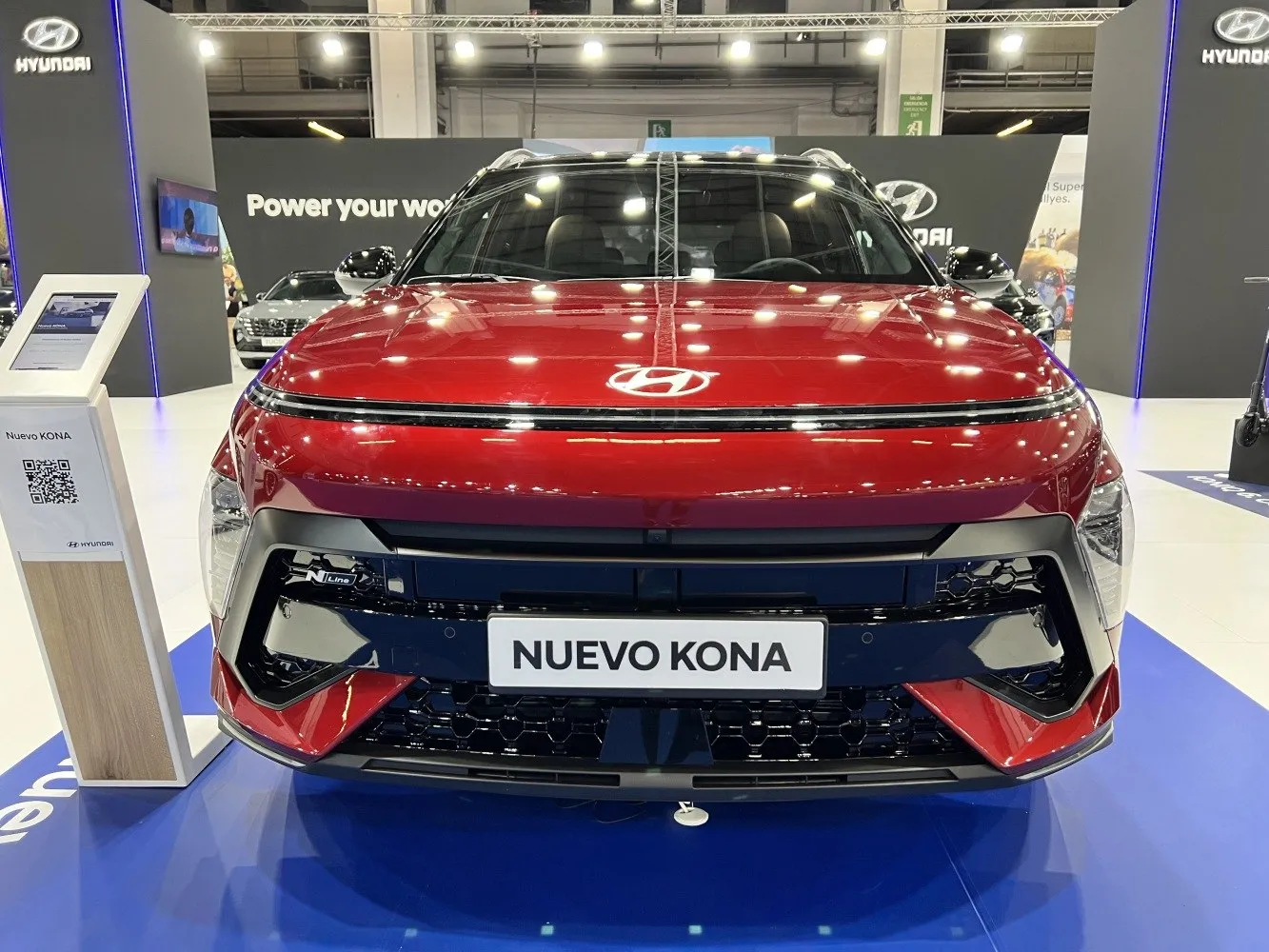
Hyundai Kona II 1.6 T-GDI (190 Hp) AWD Automatic
Hyundai Kona:
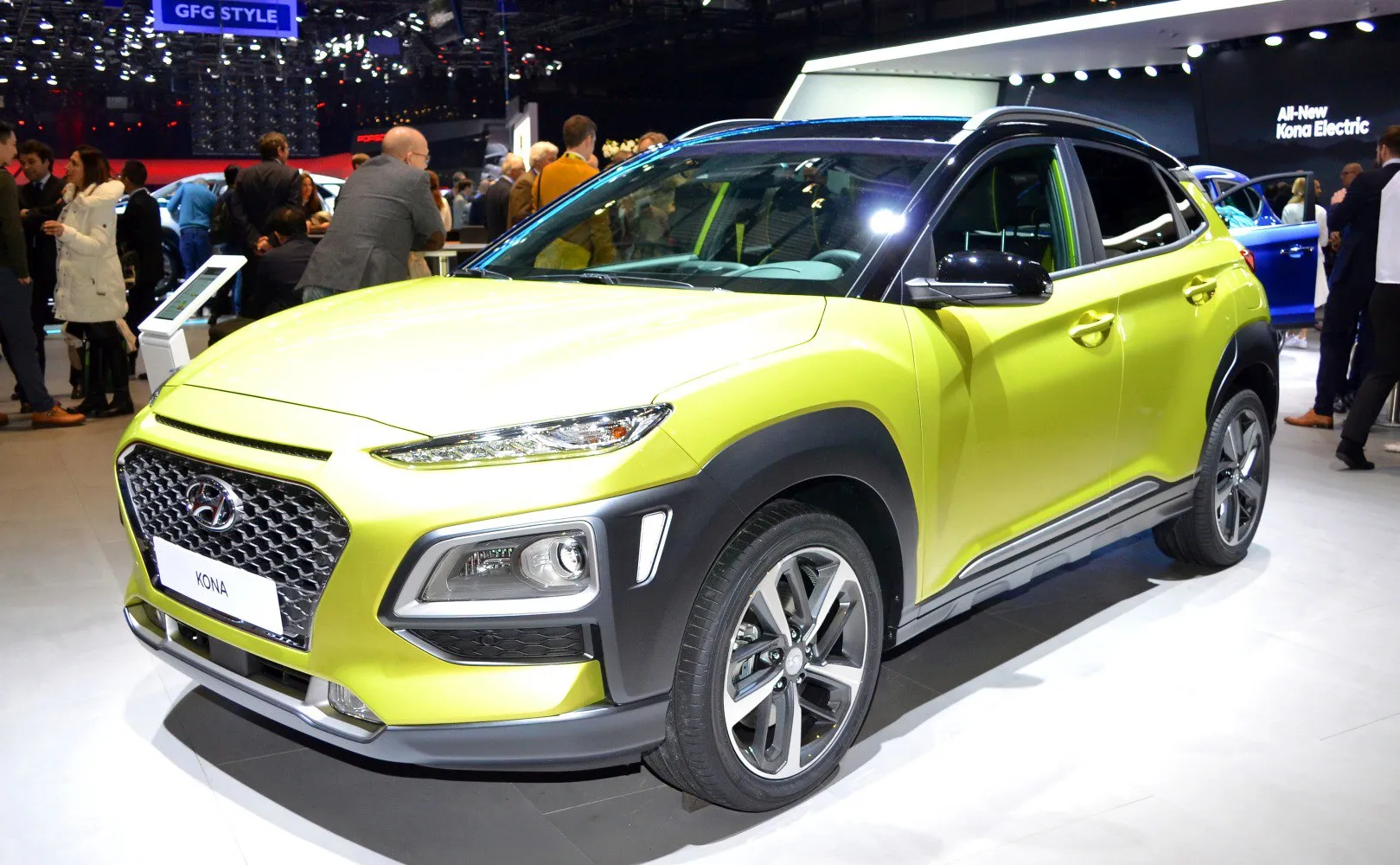
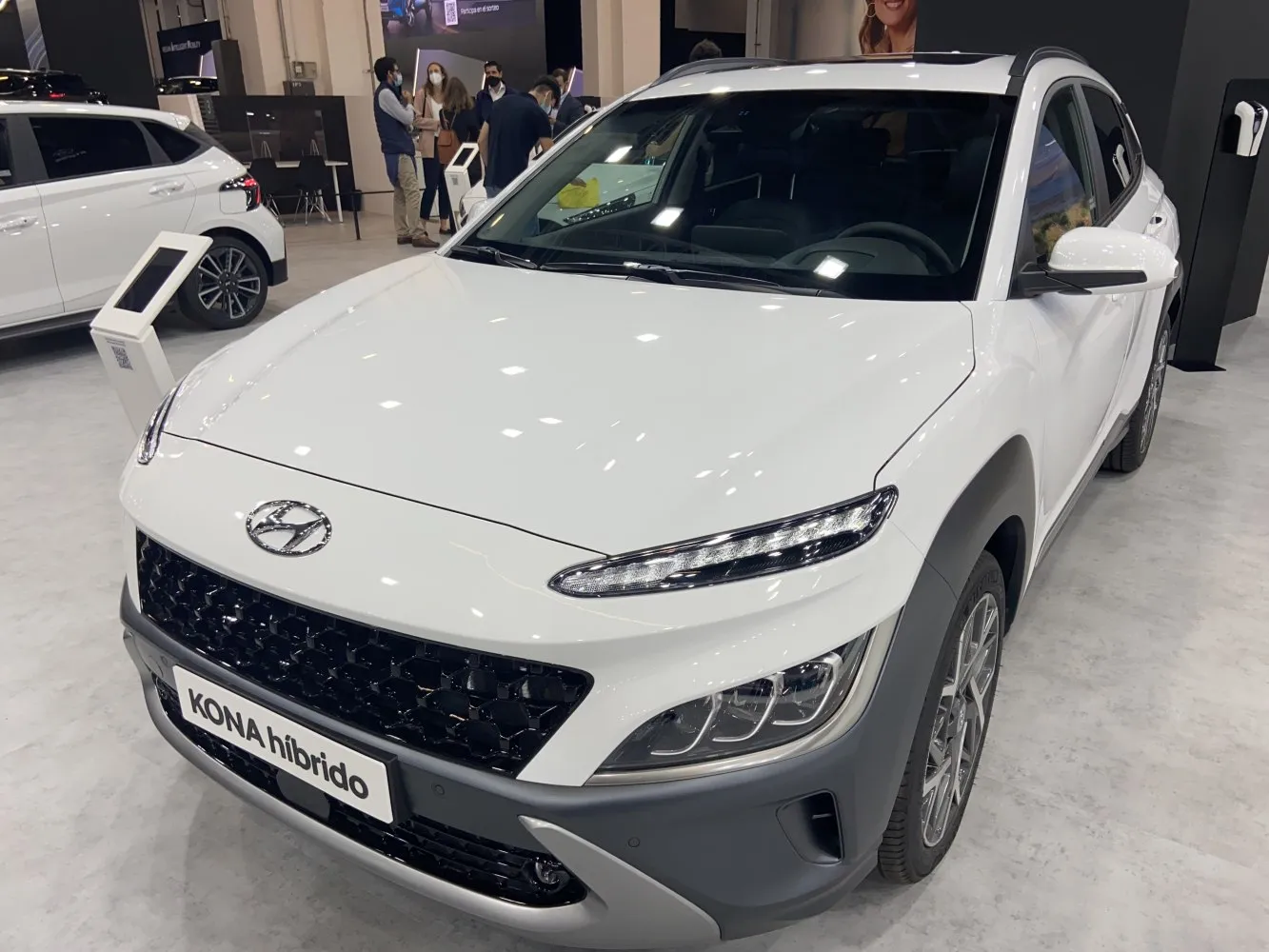
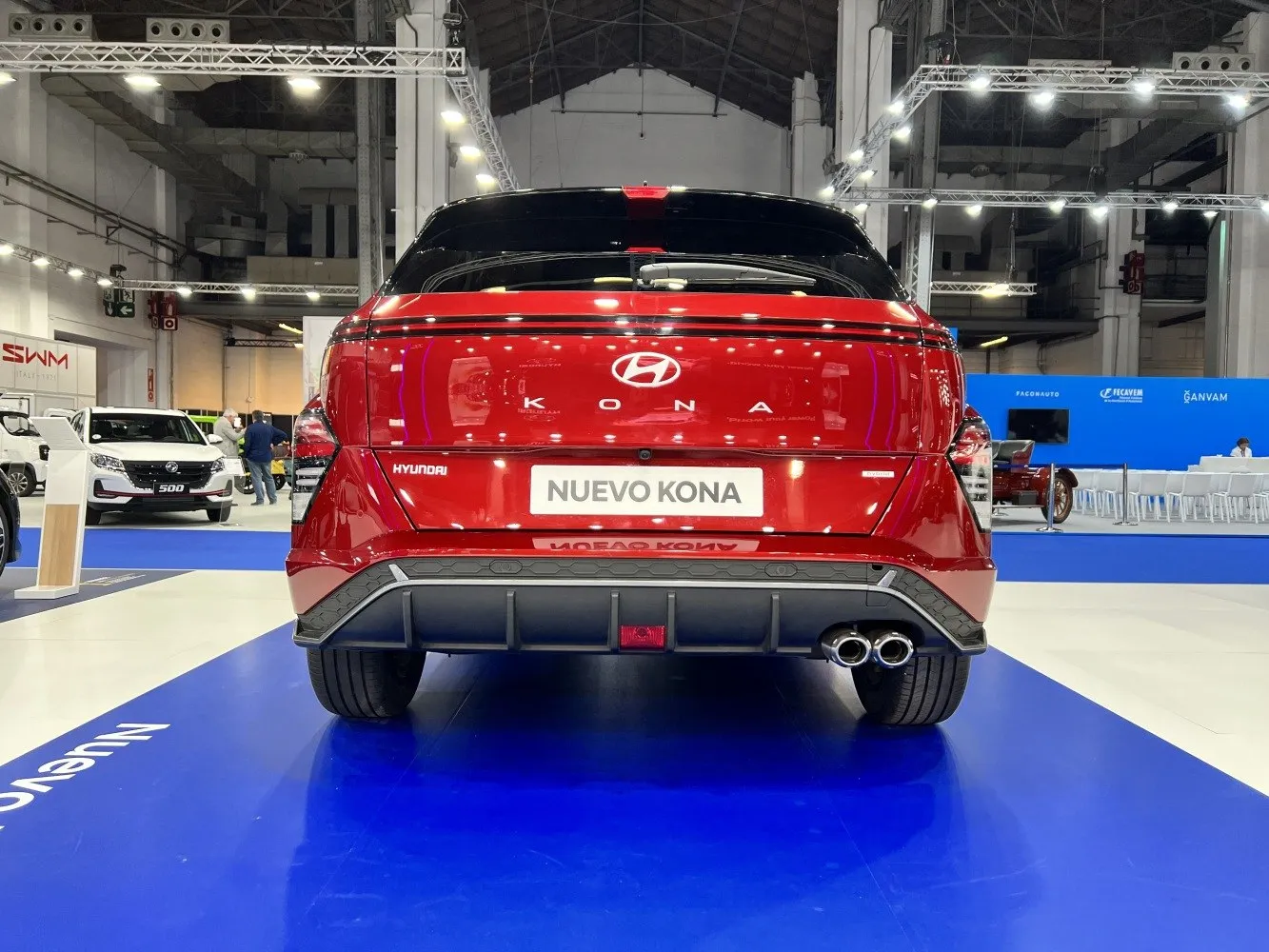
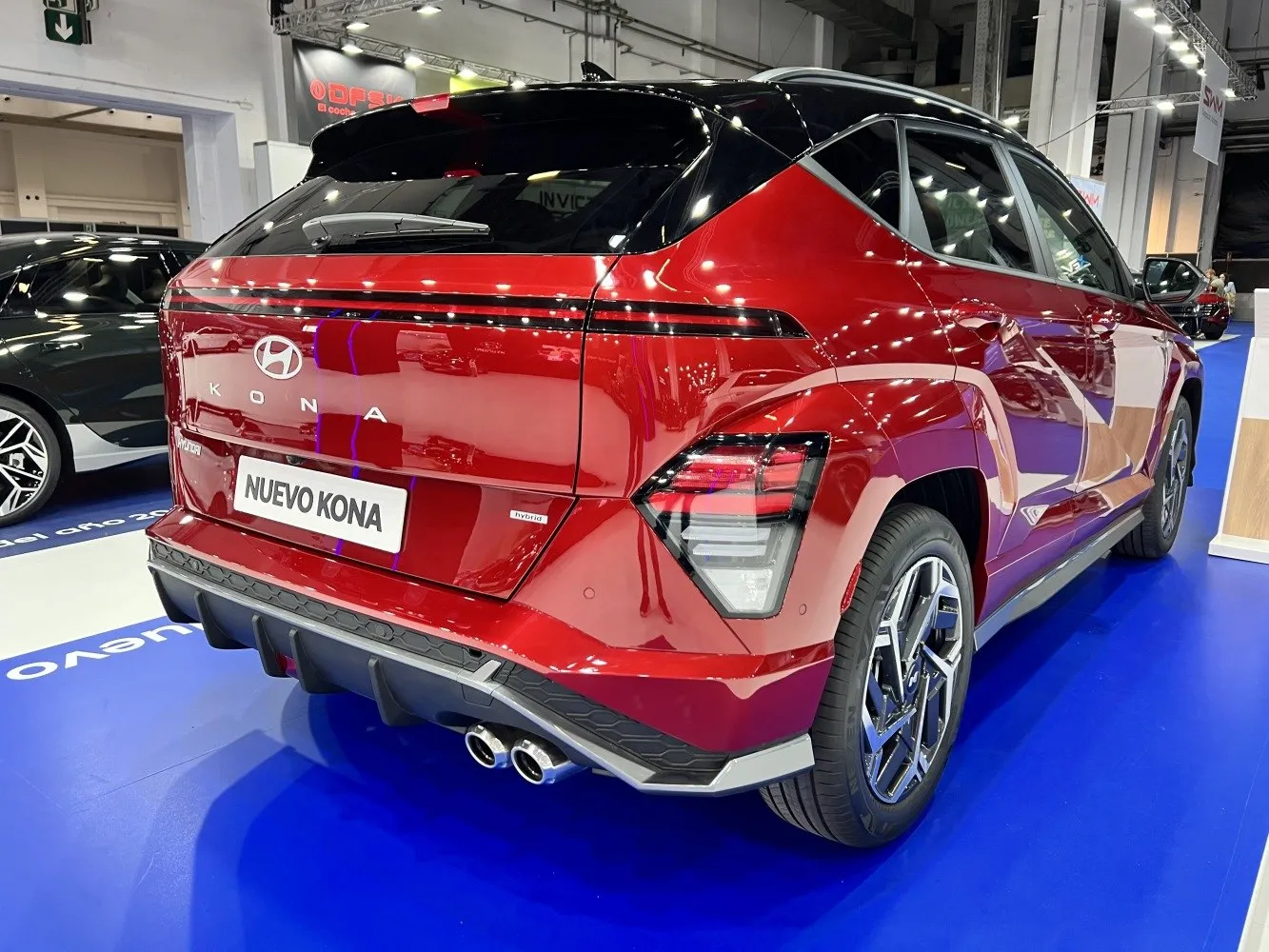
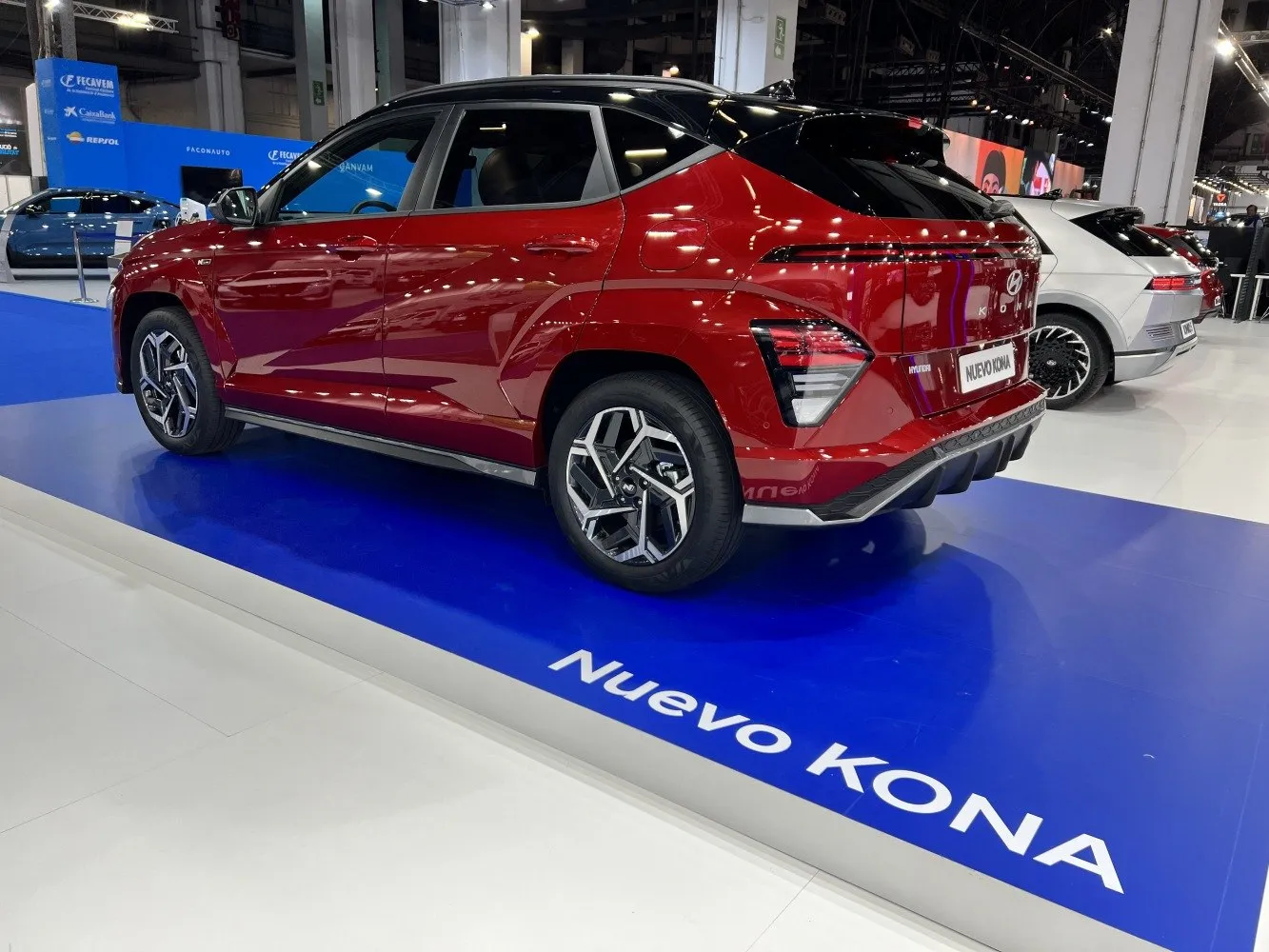
The Hyundai Kona is a subcompact crossover SUV produced by the South Korean manufacturer Hyundai. The first-generation Kona debuted in June 2017 and the production version was revealed later that year. It is positioned between the Venue or Bayon and the Tucson in Hyundai crossover SUV line-up. The battery electric version called the Kona Electric was first launched in South Korea during the first half of 2018 and rolled out gradually worldwide afterwards.
The Kona is named after the western district of the island of Hawaiʻi. The company stated the name "reflects the lifestyle of modern customers", in line with its "progressive design" that it adopts. The Kona naming also continues Hyundai's tradition of naming crossover SUV models after famous travel destinations, including the Creta, Santa Fe, Tucson and Veracruz....(Read more on Wikipedia)
II Overview:
Hyundai Kona (II). With 264 Nm of torque, it offers ample pulling power. It has moderate fuel consumption (~9.8 l/100km). With a weight of 1585 kg, it falls in the mid‑range. All‑wheel drive provides excellent grip, ideal for off‑road use. A sport utility vehicle offering higher ground clearance and versatile cargo space. Seating for 5 makes it ideal for daily use.
Pros and Cons:
Pros:
- • Efficiency-focused engine (120 hp), ideal for city commuting.
- • Steady and predictable acceleration (0-100 km/h in 11.8 sec).
- • Ventilated disc brakes for reliable cooling and stopping power.
- • Standard trunk space (466 L) suitable for daily needs.
- • Turbocharged engine ensures better torque delivery at low RPMs.
- • Direct fuel injection technology for optimized combustion.
Specifications:
Specifications are compared to those of the previous generation(I (facelift 2020): 2021 - April, 2023).
| General: |
| Brand: | Hyundai |
|---|
| Model: | Kona |
|---|
| Generation: | II |
|---|
| Modification (Engine): | 1.6 T-GDI (190 Hp) AWD Automatic |
|---|
| Start of production: | April, 2023 |
|---|
| Powertrain Architecture: | Internal Combustion engine |
|---|
| Body type: | SUV |
|---|
| Seats: | 5 |
|---|
| Doors: | 5 |
|---|
| Engine: |
| Engine systems: | Start & Stop System |
|---|
| Power: | 190 Hp @ 6000 rpm. Same horsepower |
|---|
| Power per litre: | 118.9 Hp/l [178mm more] |
|---|
| Torque: | 264 Nm @ 1700-4500 rpm. |
|---|
| Engine Model/Code: | Gamma II More details about the engine Gamma II |
|---|
| Engine displacement: | 1598 |
|---|
| Number of cylinders: | 4 |
|---|
| Engine configuration: | Inline |
|---|
| Number of valves per cylinder: | 4 |
|---|
| Fuel injection system: | Direct injection |
|---|
| Engine aspiration: | Turbocharger, Intercooler |
|---|
| Valvetrain: | DOHC |
|---|
| Engine layout: | Front, Transverse |
|---|
| Cylinder Bore: | 75.6 mm mm |
|---|
| Piston Stroke: | 89 mm mm |
|---|
| Compression ratio: | 10:1 |
|---|
| Performance: |
| Fuel Type: | Petrol (Gasoline) |
|---|
| Fuel consumption (economy) - urban: | 9.8 l/100 km |
|---|
| Fuel consumption (economy) - extra urban: | 8.1 l/100 km |
|---|
| Fuel consumption (economy) - urban (EPA): | 9.8 l/100 km |
|---|
| Fuel consumption (economy) - extra urban (EPA): | 8.1 l/100 km |
|---|
| Fuel consumption (economy) - combined (EPA): | 9 l/100 km |
|---|
| Fuel consumption (economy) - combined: | 9 l/100 km |
|---|
| Emission standard: | WCC + UCC / SULEV 30 |
|---|
| Weight-to-power ratio: | 8.3 kg/Hp, 120.3 Hp/tonne |
|---|
| Weight-to-torque ratio: | 6 kg/Nm, 167.1 Nm/tonne |
|---|
| Space: |
| Kerb Weight: | 1580-1590 |
|---|
| Max. weight: | 2020 |
|---|
| Max. roof load: | 100 kg |
|---|
| Max load: | 430-440 |
|---|
| Trunk (boot) space - maximum: | 1804 l |
|---|
| Trunk (boot) space - minimum: | 722 l |
|---|
| Fuel tank capacity: | 50 l |
|---|
| Size: |
| Length: | 4384 mm mm [178mm more] |
|---|
| Width: | 1826 mm mm [25mm more] |
|---|
| Height: | 1610-1615 mm mm [45mm more] |
|---|
| Wheelbase: | 2659 mm mm [58mm more] |
|---|
| Front track: | 1590 mm |
|---|
| Rear (Back) track: | 1598-1600 mm |
|---|
| Front overhang: | 866 mm |
|---|
| Rear overhang: | 861 mm |
|---|
| Ride height (ground clearance): | 206-211 mm |
|---|
| Minimum turning circle (turning diameter): | 10.6 m [above average] |
|---|
| Powertrain: |
| Drivetrain Architecture | The Internal combustion engine (ICE) drives the front wheels permanently, and the rear wheels are driven through an electrically or mechanically operated clutch if necessary. |
|---|
| Drive wheel | All wheel drive (4x4) |
|---|
| Number of gears | 8 |
|---|
| Transmission type | Automatic |
|---|
| Front brakes | Ventilated discs, 304.8 mm [Best for performance and cooling.] |
|---|
| Rear brakes | Disc, 284.48 mm [above average] |
|---|
| Assisting systems | ABS (Anti-lock braking system) |
|---|
| Steering type | Steering rack and pinion |
|---|
| Power steering | Electric Steering |
|---|
| Tires size | 215/60 R17; 215/55 R18; 235/50 R18; 235/45 R19 |
|---|
| Wheel rims size | 7J x 17; 7J x 18; 7.5J x 18; 8J x 19 |
|---|
| Front suspension | Independent type McPherson, Transverse stabilizer |
|---|
| Rear suspension | Independent multi-link spring suspension with stabilizer |
|---|






Does the Hyundai Kona live up to the hype? Give us your verdict!