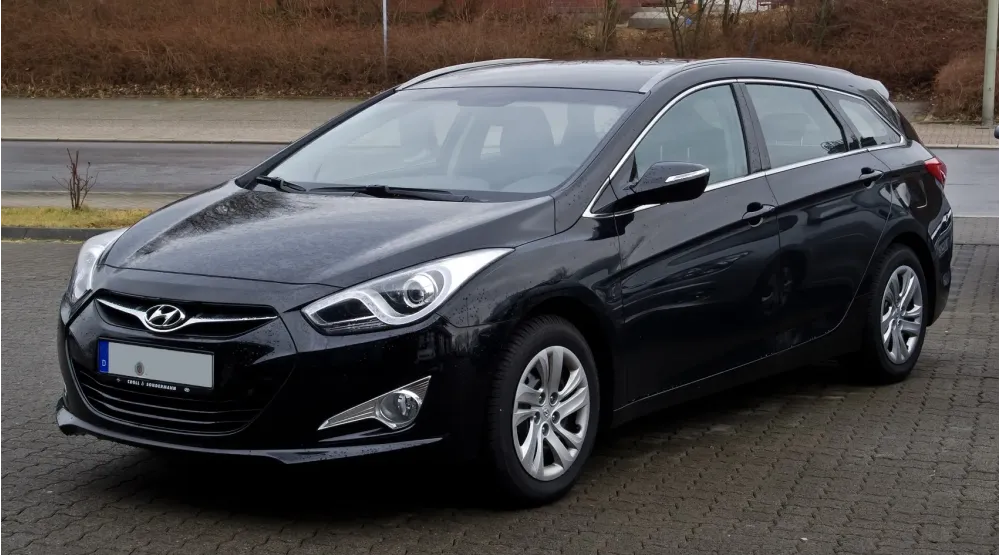
Click on image to view the full photo gallery
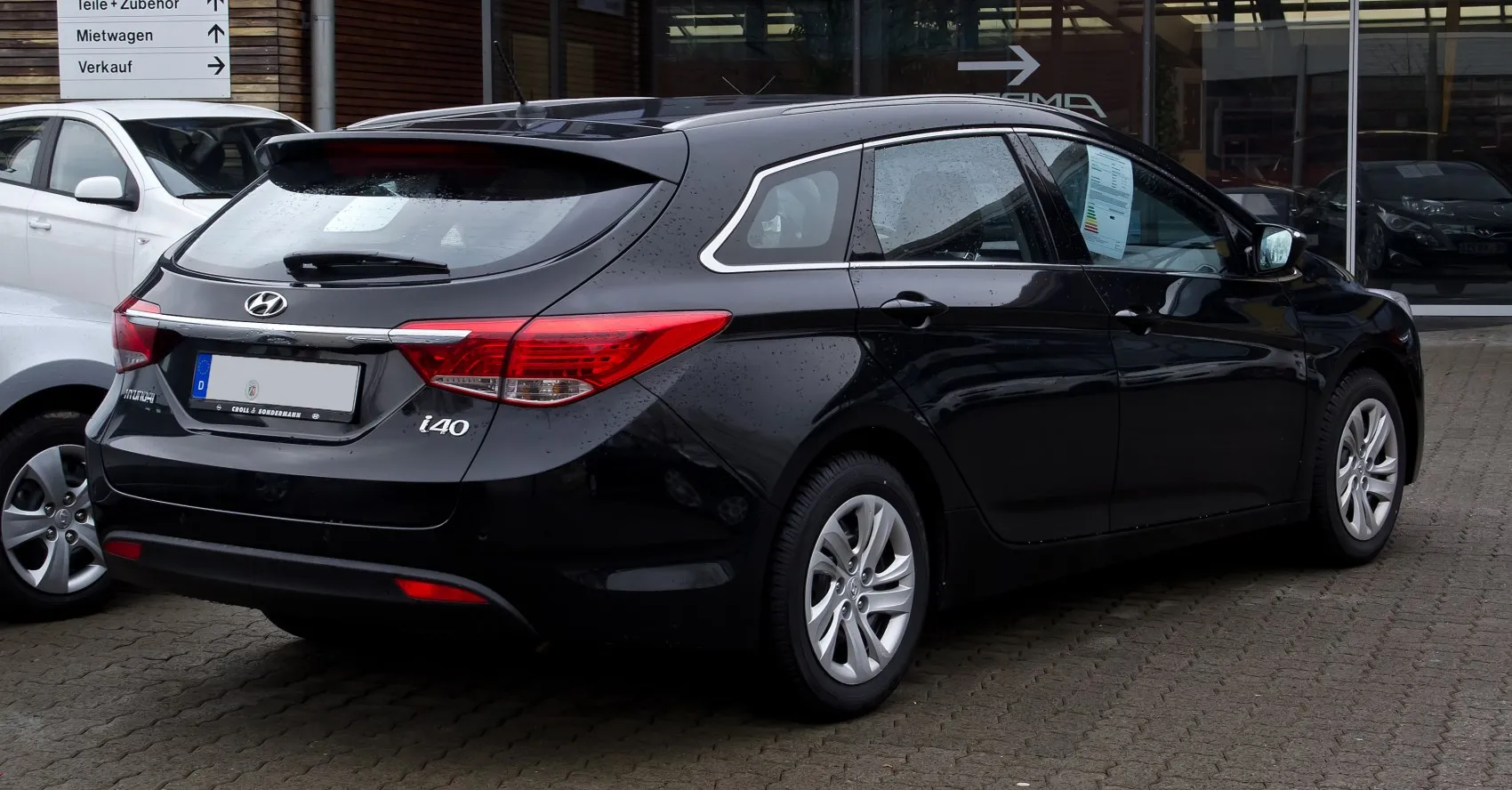
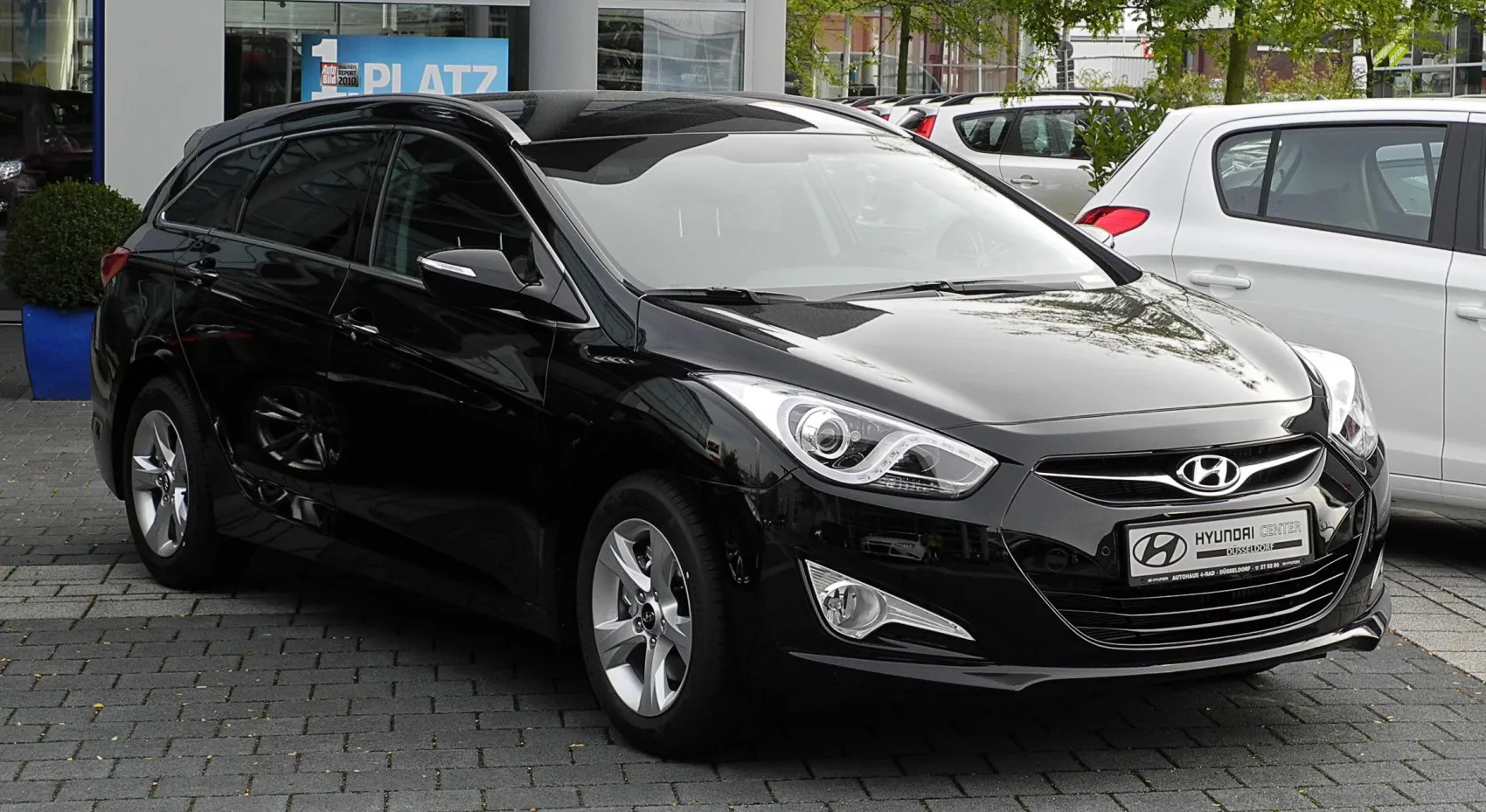
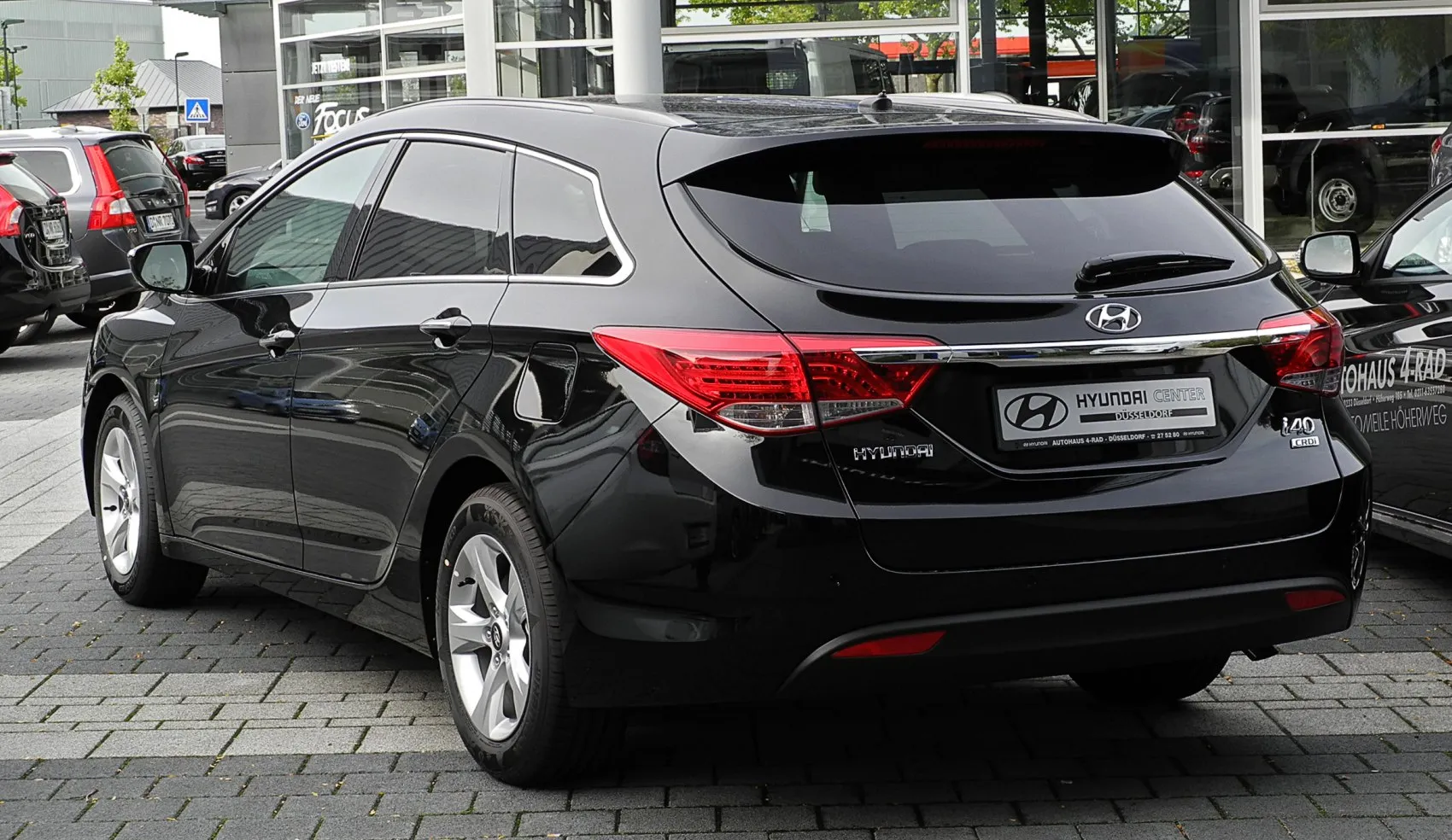
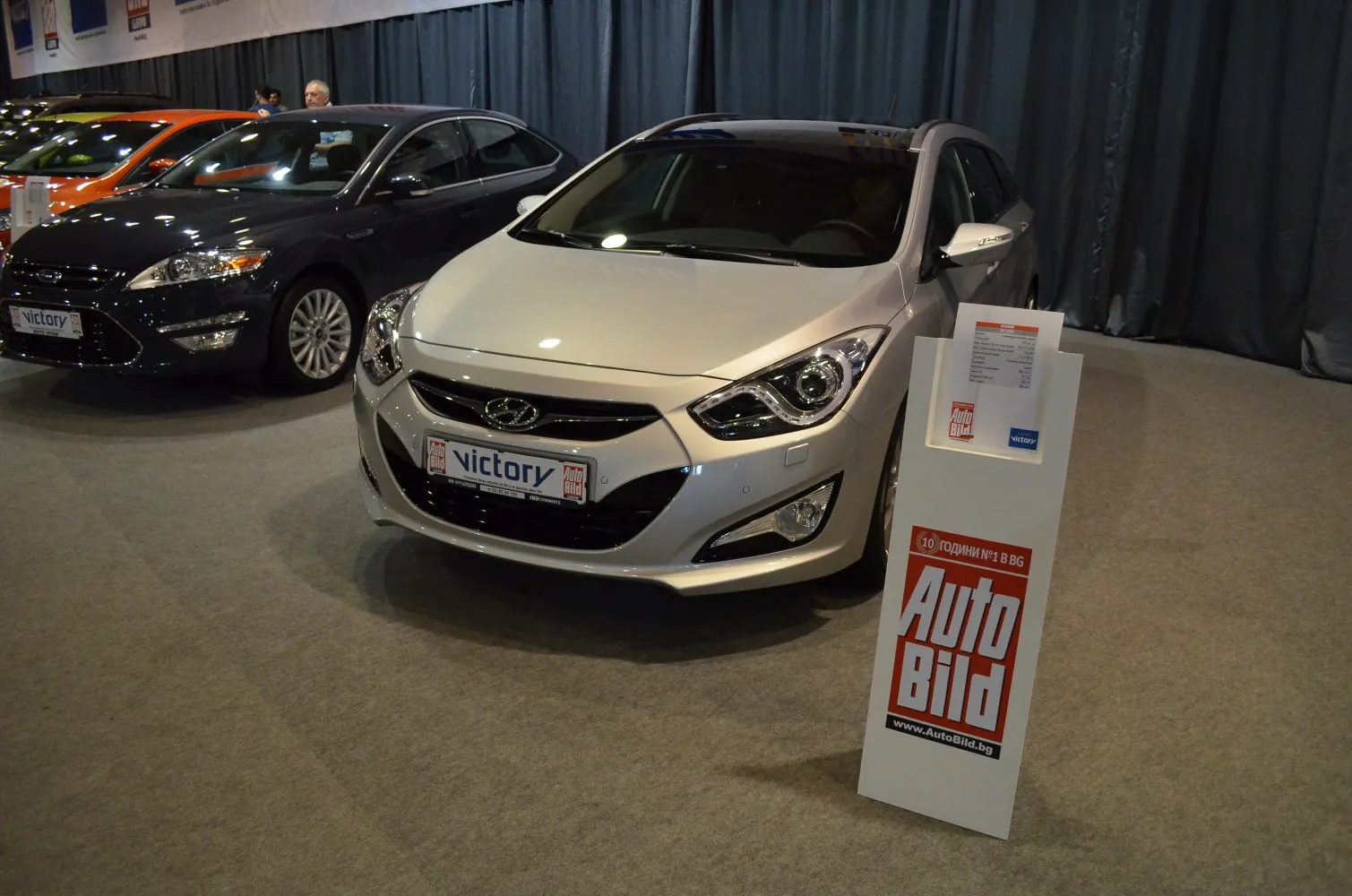
Hyundai i40 Combi 2.0 GDI (178 Hp) Automatic
Overall Rating
Hyundai i40:
The Hyundai i40 is a large family car designed primarily for the European market by the South Korean manufacturer Hyundai between 2011 and 2019. Sharing its platform with the Hyundai Sonata, the i40 sedan was unveiled at the 2011 Barcelona Motor Show.
The car was designed at Hyundai's European R&D facilities in Rüsselsheim, Germany. It is manufactured at the Ulsan plant in South Korea.
The i40 is described as featuring Hyundai's 'fluidic sculpture' design language, and was launched in Europe initially as an estate/wagon with a saloon was due in 2011. The boot space is 553 litres, increasing to 1,719 litres with the rear seats folded down....(Read more on Wikipedia)
Combi Overview:
Hyundai i40 (Combi). With 212 Nm of torque, it offers ample pulling power. With a weight of 1475 kg, it falls in the mid‑range. Front‑wheel drive delivers efficiency and easy handling. A car with an extended rear cargo area, combining passenger comfort with increased storage. Seating for 5 makes it ideal for daily use.
The Hyundai i40 Combi achieved an excellent 5-star Euro NCAP rating, demonstrating strong adult occupant protection and overall safety performance for its class.
2.0 GDI (178 Hp) Automatic Verdict:

Performance Verdict
A slightly tweaked version of the 2.0 GDI, offering strong performance with the convenience of an automatic gearbox.
Fuel Economy
Expected to have similar fuel consumption characteristics to the 177 Hp GDI automatic, leaning towards higher figures.
Pros and Cons:
Pros:
- • Spacious and practical interior, especially the large boot capacity
- • Comfortable ride quality, well-suited for long journeys
- • Strong safety ratings (5-star Euro NCAP)
- • Good range of efficient diesel engines
- • Generous standard equipment levels
Cons:
- • Petrol engines can be less fuel-efficient than rivals
- • Automatic transmissions can dull performance and increase consumption
- • Steering feel can be somewhat numb
- • Interior design, while functional, might lack premium feel compared to some European rivals
- • Resale value might not be as strong as some competitors
Specifications:
| General: | |
|---|---|
| Brand: | Hyundai |
| Model: | i40 |
| Generation: | Combi |
| Modification (Engine): | 2.0 GDI (178 Hp) Automatic |
| Start of production: | 2011 |
| End of production: | 2015 |
| Powertrain Architecture: | Internal Combustion engine |
| Body type: | Station wagon (estate) |
| Seats: | 5 |
| Doors: | 5 |
| Engine: | |
|---|---|
| Power: | 178 Hp @ 6500 rpm. |
| Power per litre: | 89 Hp/l |
| Torque: | 212 Nm @ 4700 rpm. |
| Engine Model/Code: | G4NC |
| Engine displacement: | 1999 |
| Number of cylinders: | 4 |
| Engine configuration: | Inline |
| Number of valves per cylinder: | 4 |
| Fuel injection system: | Direct injection |
| Engine aspiration: | Naturally aspirated engine |
| Valvetrain: | DOHC |
| Engine oil capacity: | 4 l |
| Coolant: | 6.8 l |
| Engine layout: | Front, Transverse |
| Cylinder Bore: | 81 mm mm |
| Piston Stroke: | 97 mm mm |
| Compression ratio: | 11.5:1 |
| Performance: | |
|---|---|
| Fuel Type: | Petrol (Gasoline) |
| Weight-to-power ratio: | 8.3 kg/Hp, 120.7 Hp/tonne |
| Weight-to-torque ratio: | 7 kg/Nm, 143.7 Nm/tonne |
| Space: | |
|---|---|
| Kerb Weight: | 1475 |
| Fuel tank capacity: | 70 l |
| Size: | |
|---|---|
| Length: | 4815 mm mm |
| Width: | 1815 mm mm |
| Height: | 1470 mm mm |
| Wheelbase: | 2770 mm mm |
| Front track: | 1579 mm |
| Rear (Back) track: | 1585 mm |
| Minimum turning circle (turning diameter): | 10.94 m |
| Powertrain: | |
|---|---|
| Drivetrain Architecture | The Internal combustion engine (ICE) drives the front wheels of the vehicle. |
| Drive wheel | Front wheel drive |
| Number of gears | 6 |
| Transmission type | Automatic |
| Front brakes | Ventilated discs |
| Rear brakes | Disc |
| Assisting systems | ABS (Anti-lock braking system) |
| Steering type | Steering rack and pinion |
| Power steering | Electric Steering |
| Tires size | 215/50 R17 |
| Wheel rims size | 17 |
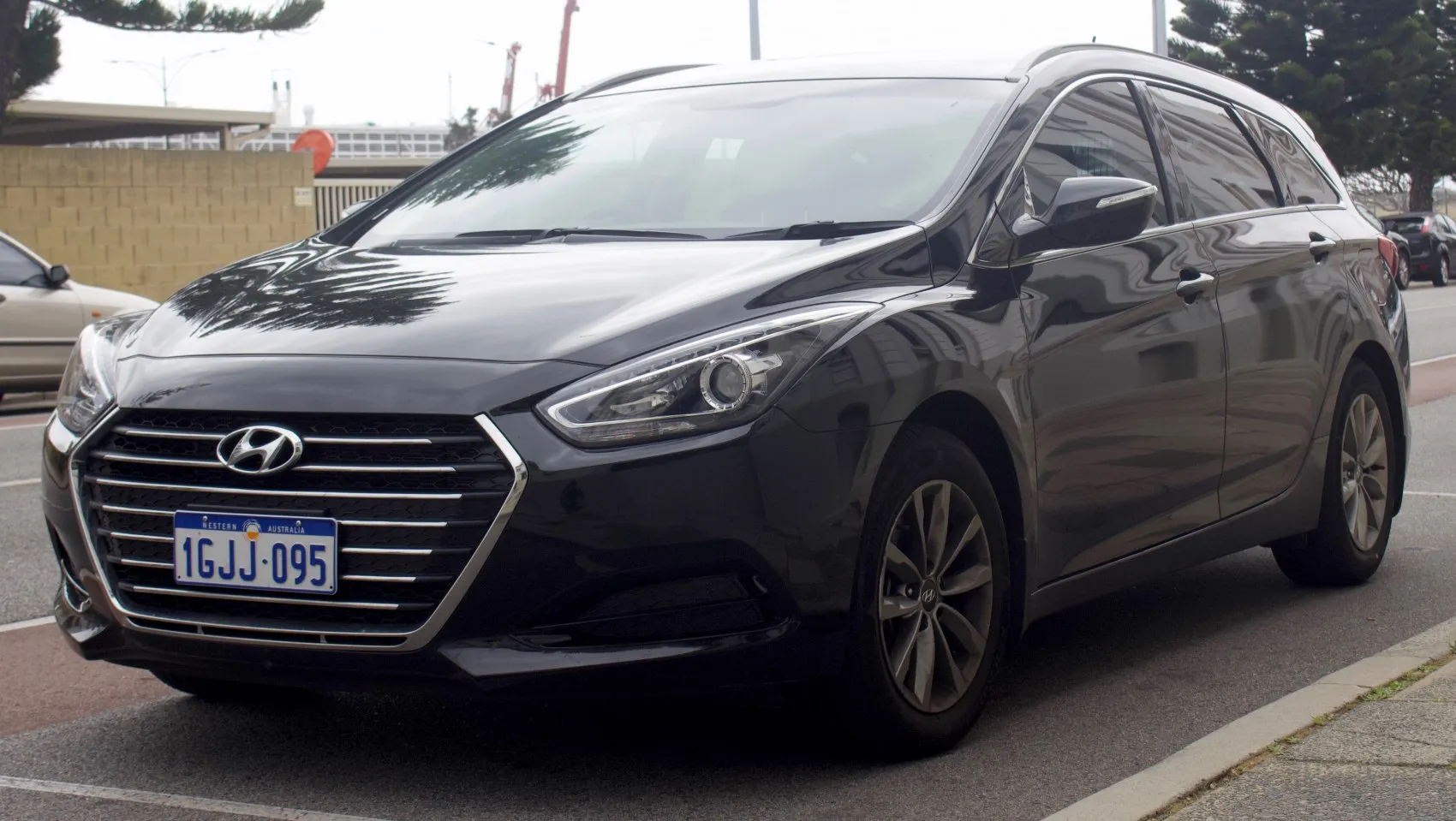

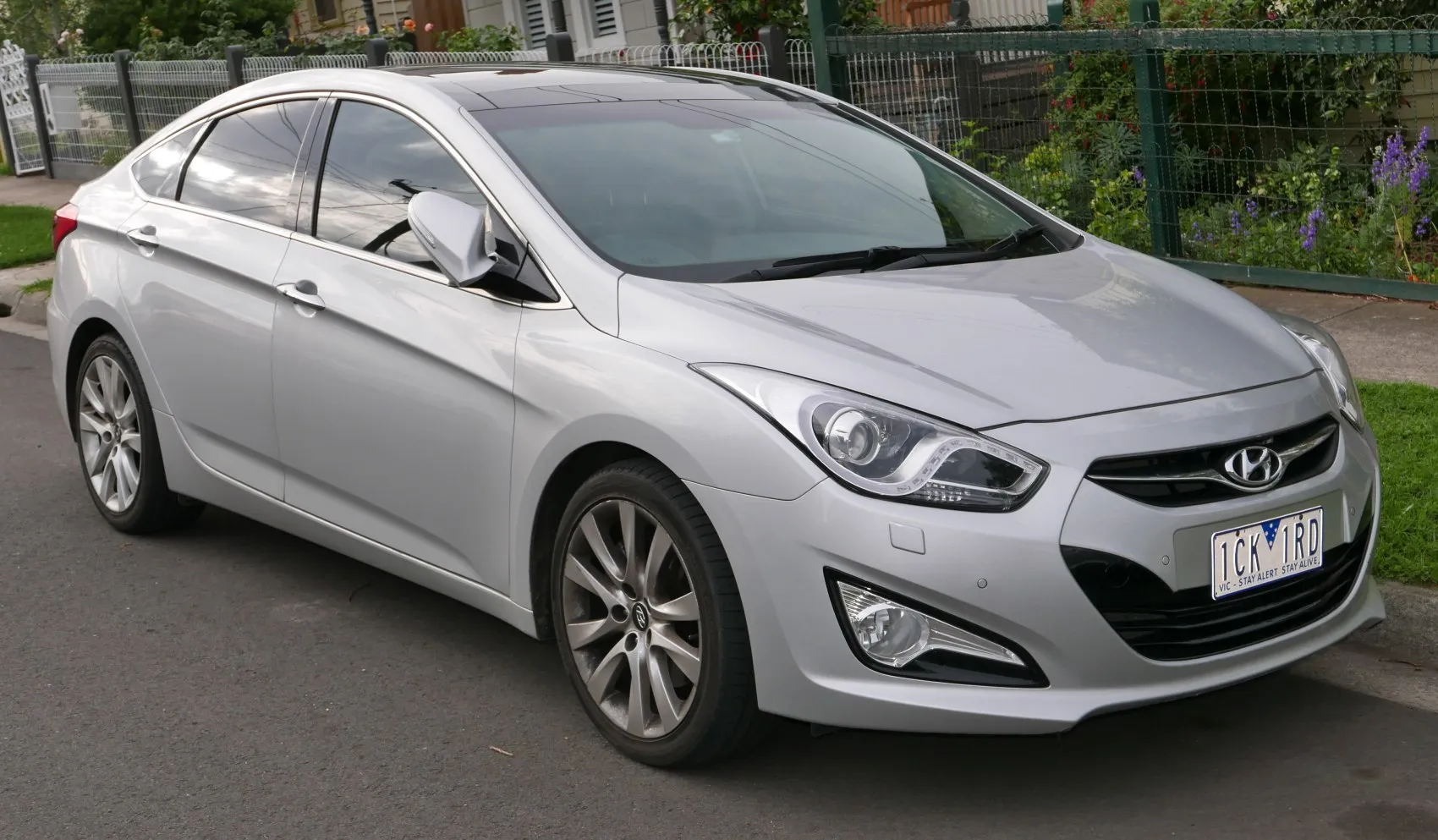
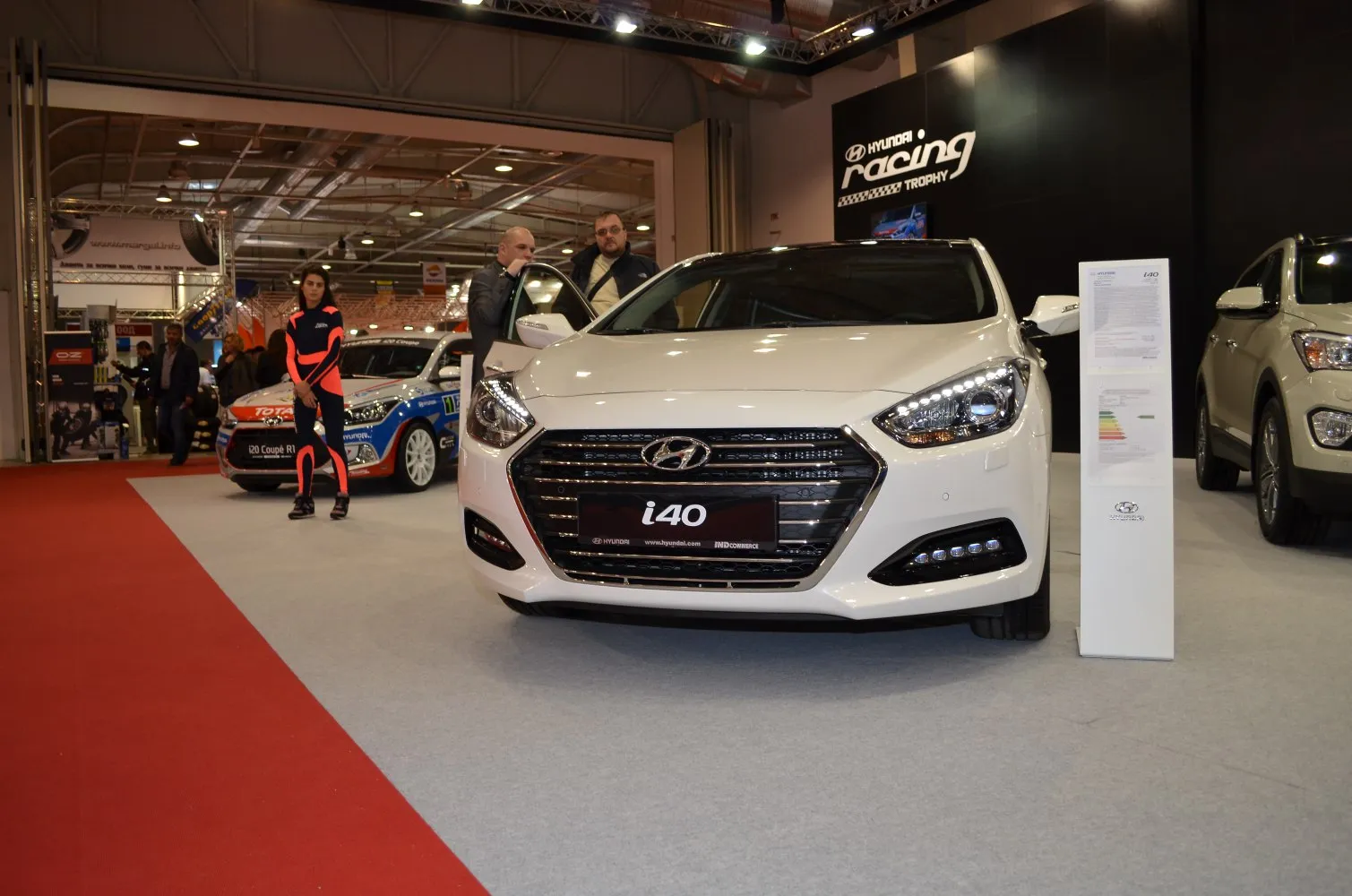






Have you ever driven an Hyundai i40?
How was your experience with it? Share with us: