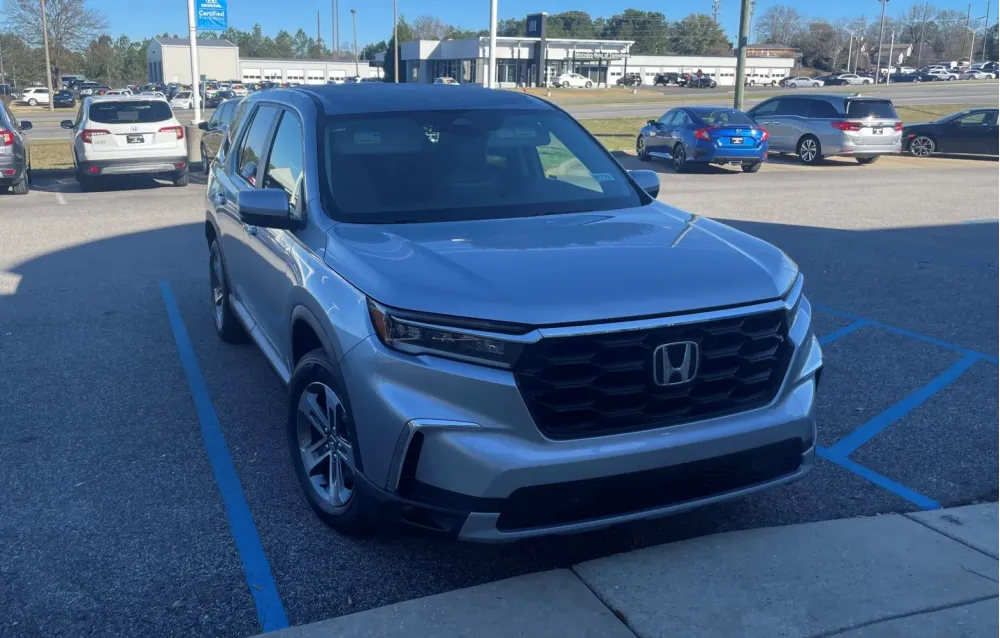
Click on image to view the full photo gallery
Honda Pilot IV TrailSport 3.5 V6 (285 Hp) AWD Automatic
Overall Rating
Honda Pilot:
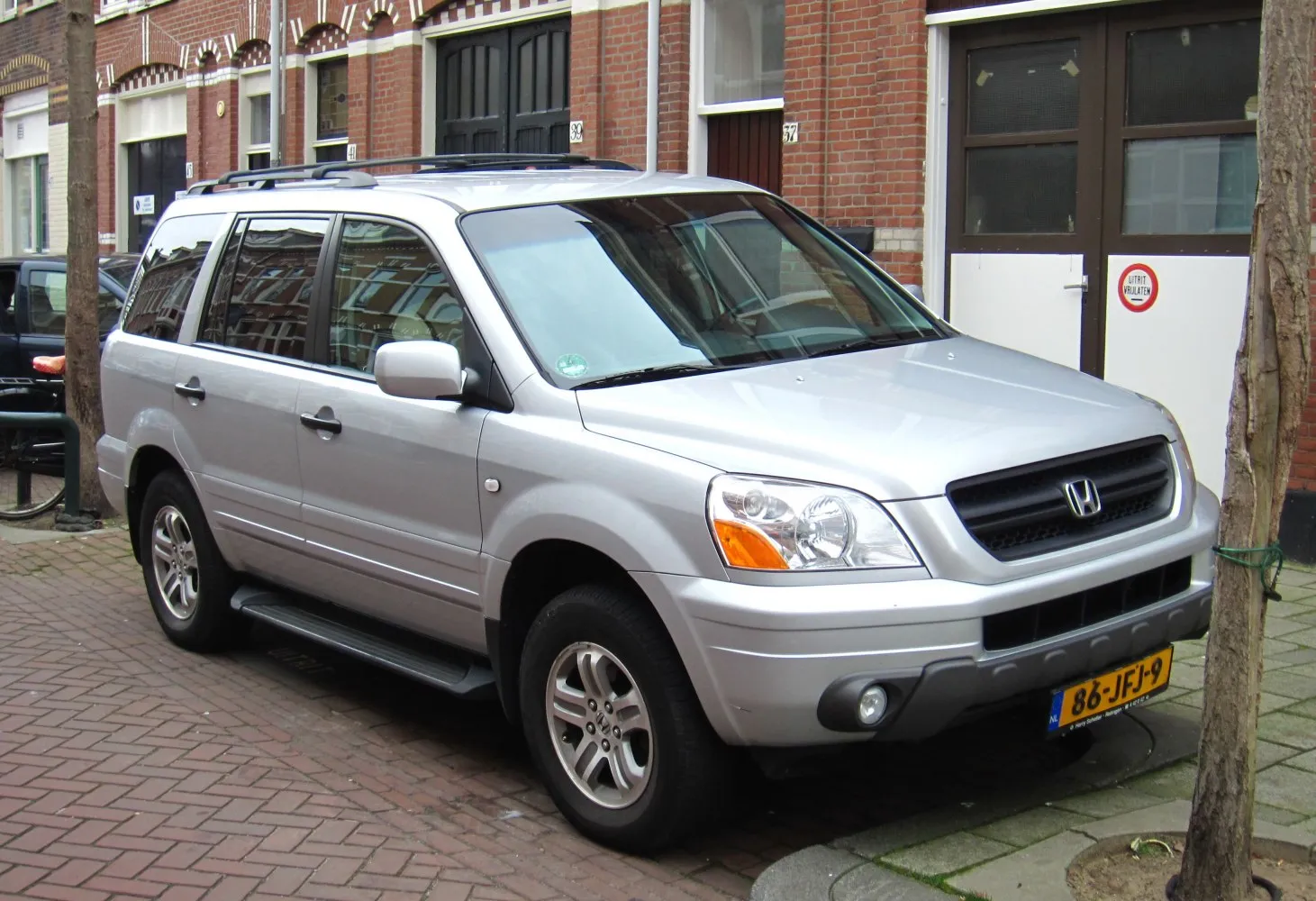
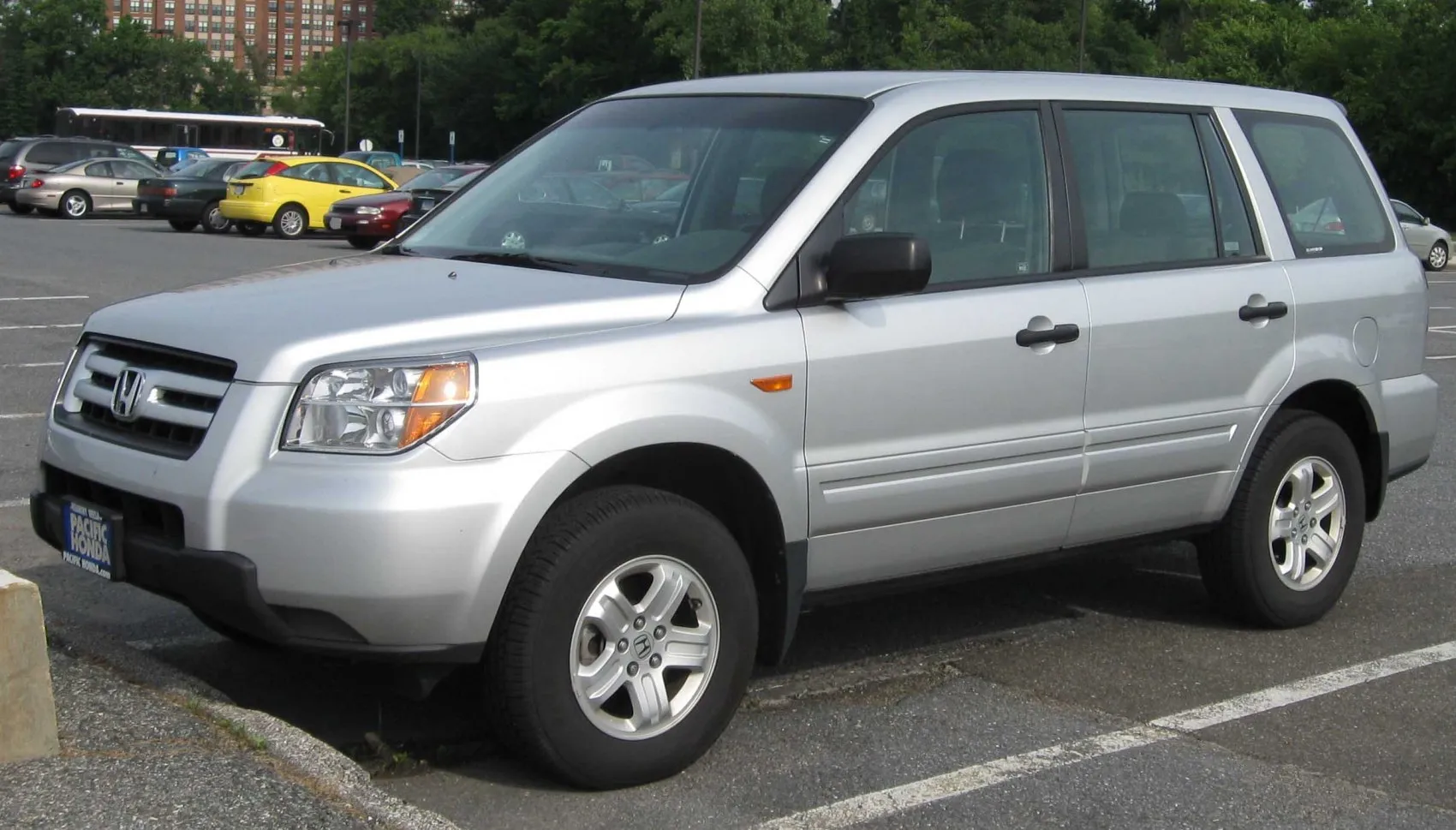
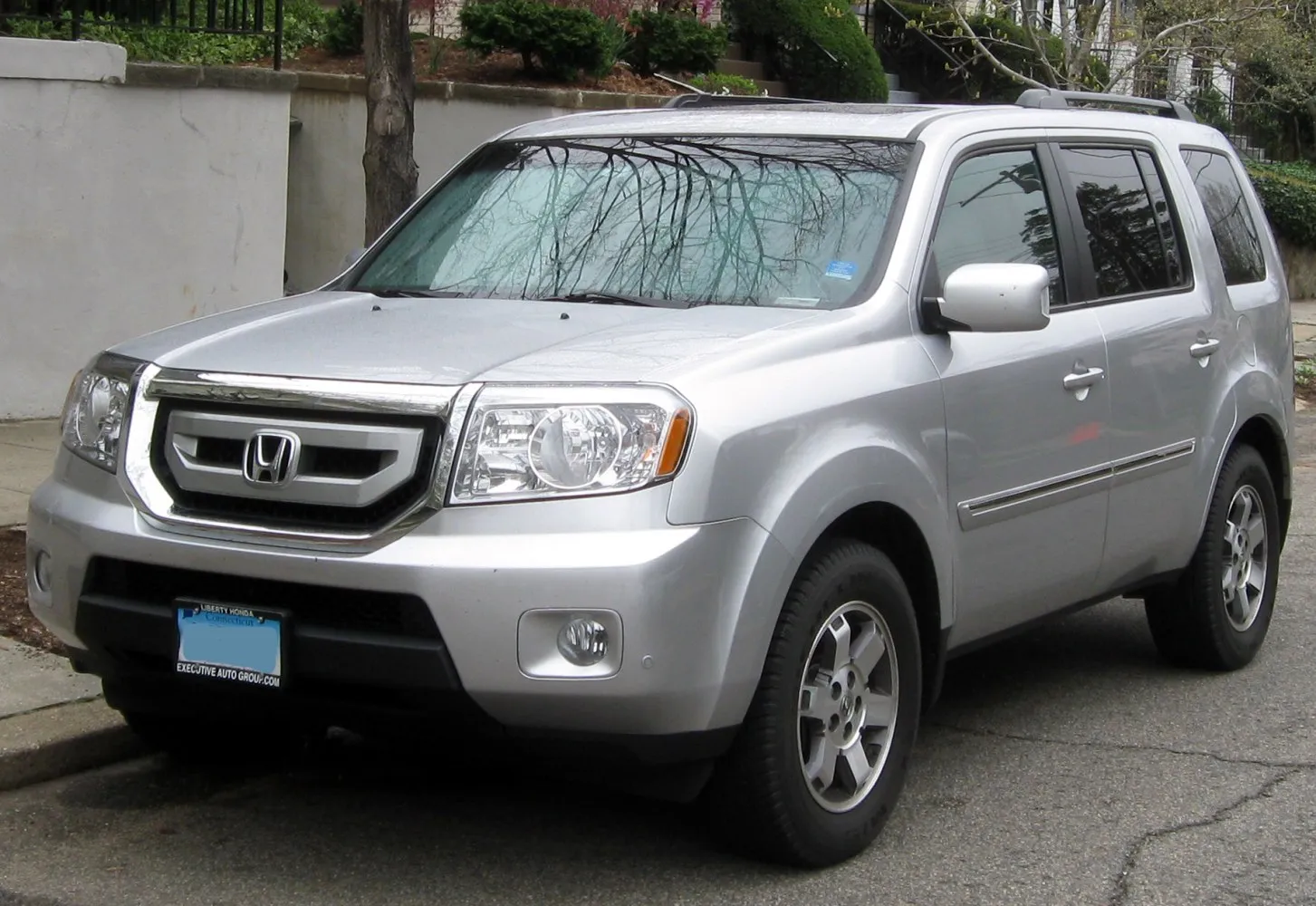
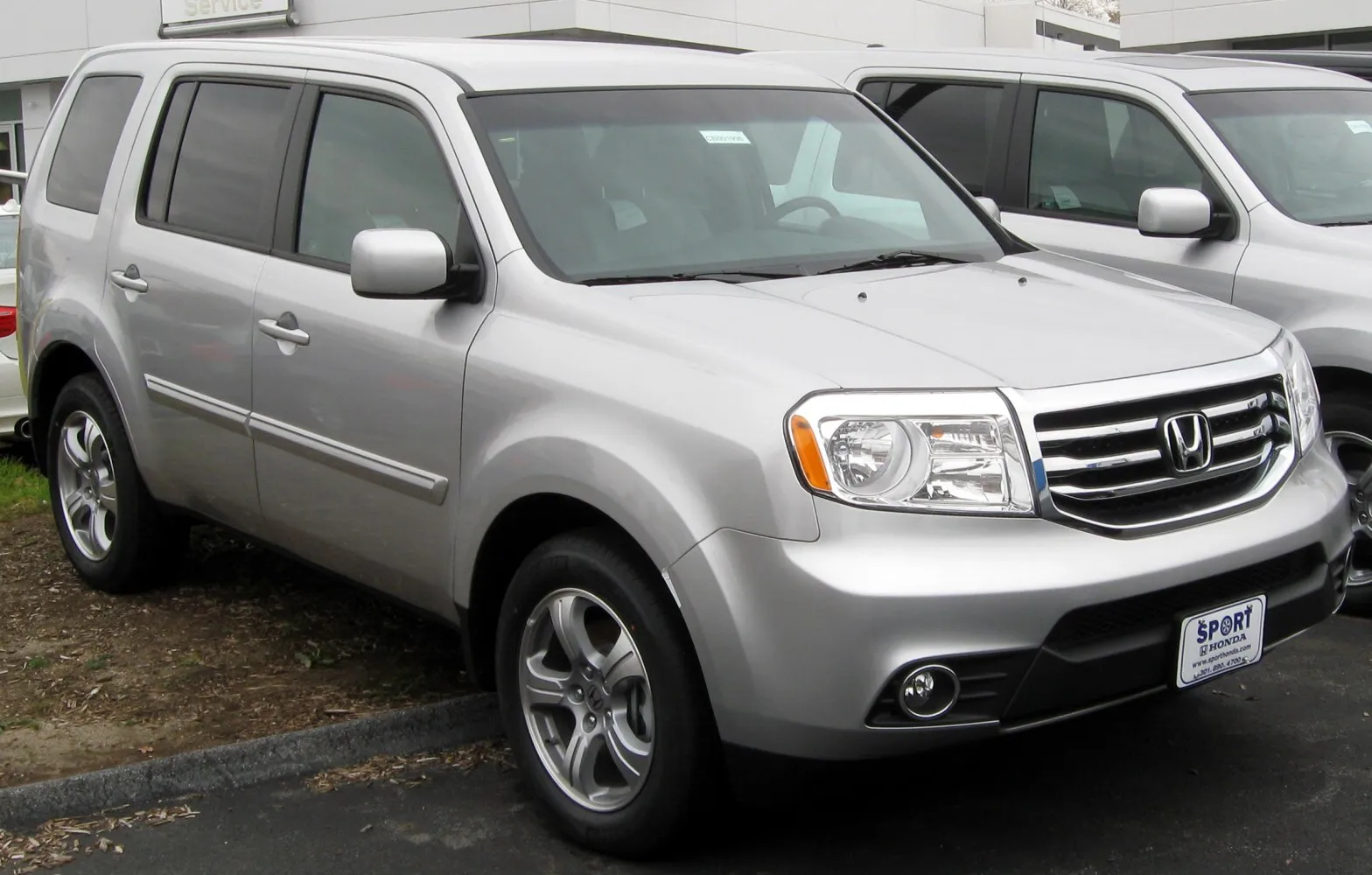
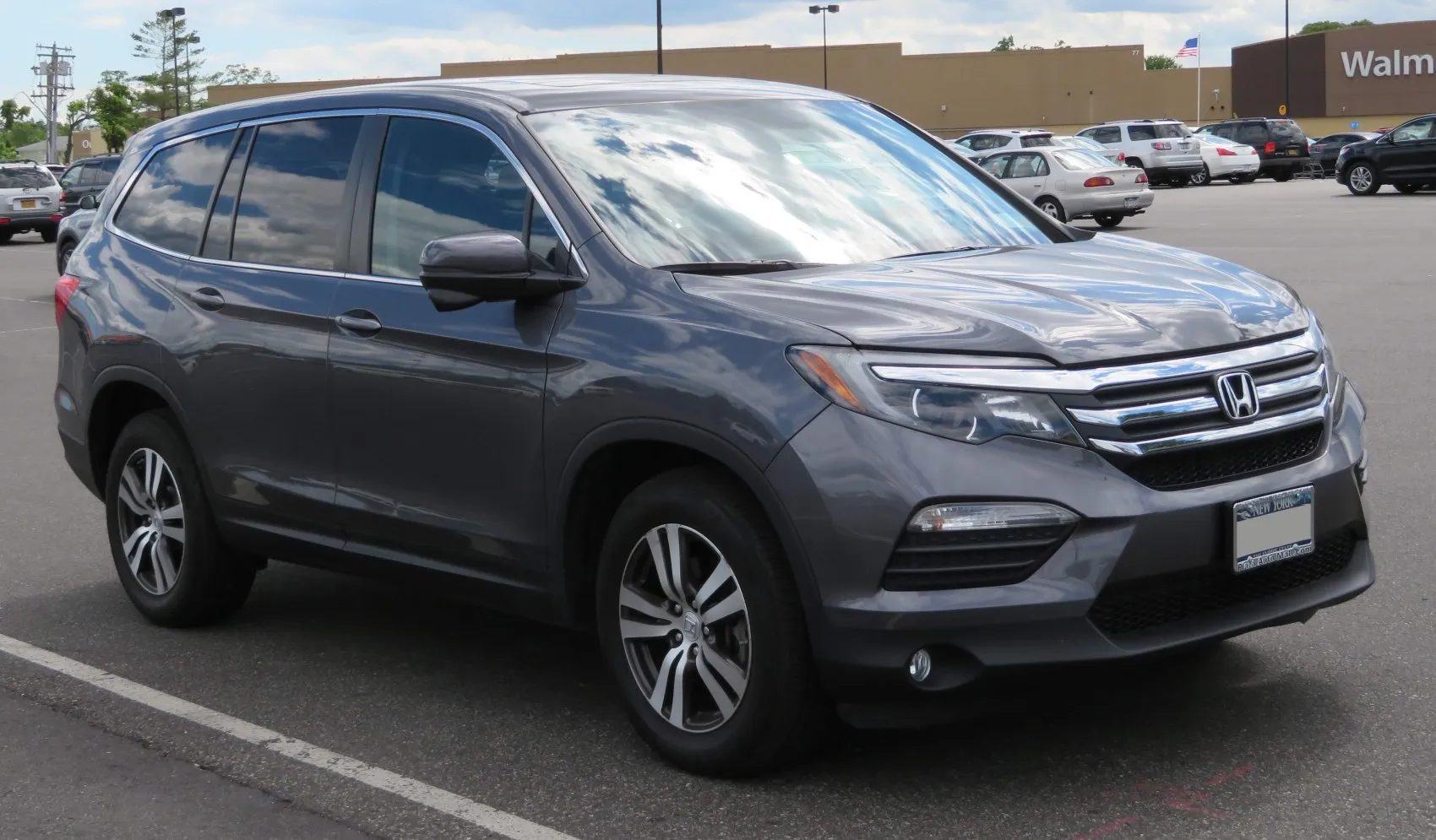
The Honda Pilot is a mid-size crossover SUV with three-row seating manufactured by Honda since 2002 for the 2003 model year. Primarily aimed at the North American market, the Pilot is the largest SUV produced by Honda. As of 2025, the Pilot is manufactured in Lincoln, Alabama, and the Pilot was produced in Alliston, Ontario, until April 2007. The first generation Pilot was released in April 2002 as a 2003 model.
The Pilot shares its platform with the Acura MDX, as well as the North American market Odyssey minivan. The Pilot's unibody construction and independent suspension are designed to provide handling similar to that of a car, and it has integrated perimeter frame rails to permit towing and light off-road use....(Read more on Wikipedia)
IV Overview:
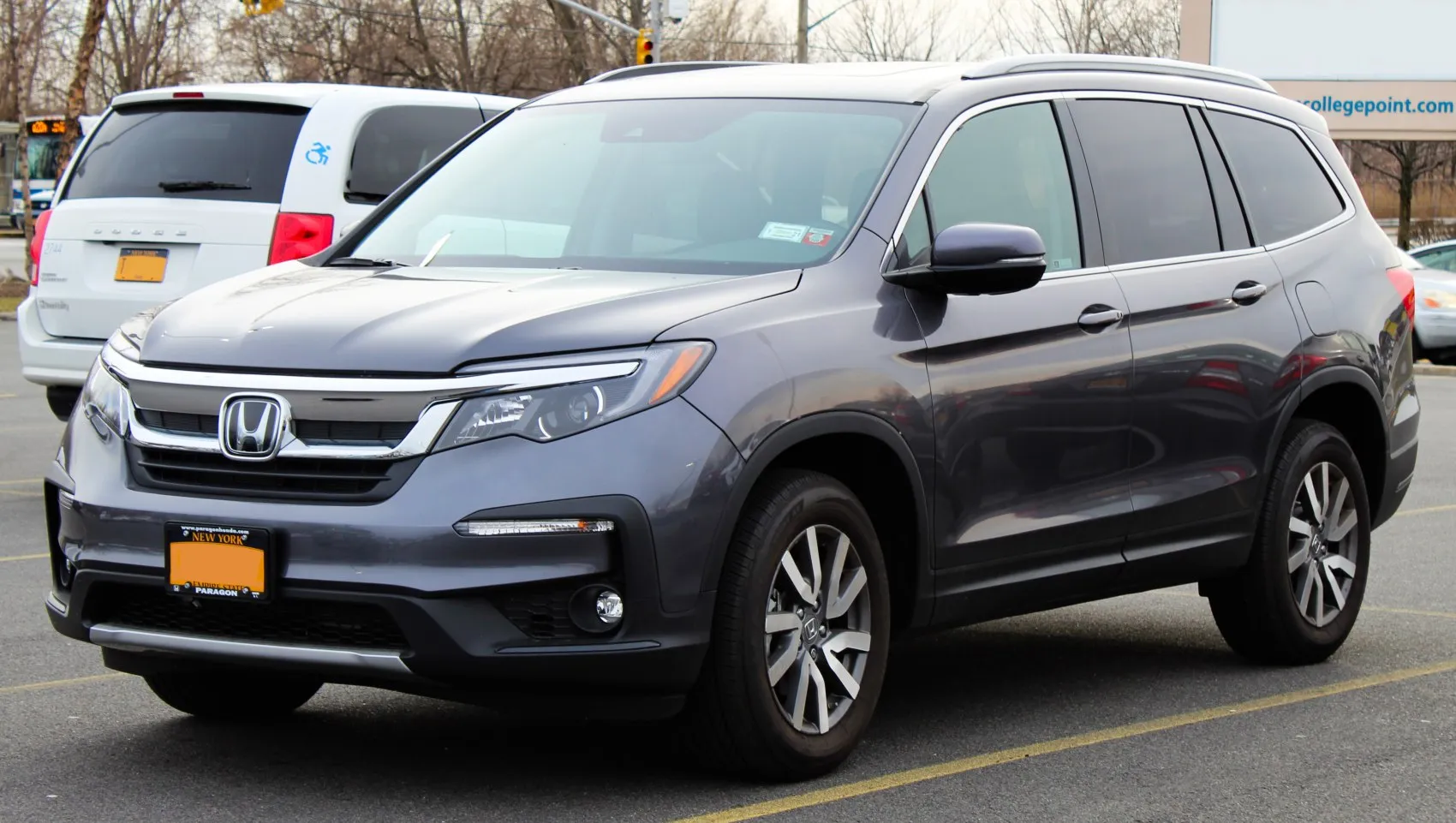
Honda Pilot (IV). With 355 Nm of torque, it offers ample pulling power. At around 2130 kg, it’s on the heavier side. All‑wheel drive provides excellent grip, ideal for off‑road use. A sport utility vehicle offering higher ground clearance and versatile cargo space. A vehicle that combines characteristics of SUVs and hatchbacks for versatility. With seating for 7, it’s perfect for larger families.
The Honda Pilot IV has not been tested by Euro NCAP, as it is primarily marketed in North America. For safety ratings, refer to local agencies like NHTSA or IIHS.
TrailSport 3.5 V6 (285 Hp) AWD Automatic Verdict:

Performance Verdict
The 3.5 V6 engine provides strong, reliable performance suitable for a large SUV, offering ample power for highway cruising, towing, and light off-road adventures. The 10-speed automatic transmission ensures smooth power delivery.
Fuel Economy
Fuel economy is average for a large AWD V6 SUV, with the TrailSport's specific setup resulting in a slightly higher consumption compared to other trims, reflecting its off-road oriented features.
Pros and Cons:
Pros:
- • Spacious and versatile interior with three rows of seating
- • Strong and reliable V6 engine for confident performance
- • Smooth 10-speed automatic transmission
- • Available AWD system enhances capability in varied conditions
- • Reputable Honda reliability and resale value
Cons:
- • Fuel economy is average for the segment
- • Not the most engaging driving experience compared to some rivals
- • Interior design might feel less premium than some competitors
- • Large dimensions can make city parking challenging
Specifications:
Specifications are compared to those of the previous generation(III (facelift 2019): 2019 - December, 2022).
| General: | |
|---|---|
| Brand: | Honda |
| Model: | Pilot |
| Generation: | IV |
| Modification (Engine): | TrailSport 3.5 V6 (285 Hp) AWD Automatic |
| Start of production: | December, 2022 |
| Powertrain Architecture: | Internal Combustion engine |
| Body type: | SUV, Crossover |
| Seats: | 7 |
| Doors: | 5 |
| Engine: | |
|---|---|
| Engine systems: | Start & Stop System |
| Power: | 285 Hp @ 6100 rpm. Same horsepower |
| Power per litre: | 82.1 Hp/l [94mm more] |
| Torque: | 355 Nm @ 5000 rpm. |
| Engine Model/Code: | J35Y8 More details about the engine J35Y8 |
| Engine displacement: | 3471 |
| Number of cylinders: | 6 |
| Engine configuration: | V-engine |
| Number of valves per cylinder: | 4 |
| Fuel injection system: | Direct injection |
| Engine aspiration: | Naturally aspirated engine |
| Valvetrain: | DOHC, i-VTEC |
| Engine oil capacity: | 5.5 l |
| Coolant: | 7.67 l |
| Engine layout: | Front, Longitudinal |
| Cylinder Bore: | 89 mm |
| Piston Stroke: | 93 mm |
| Compression ratio: | 11.5:1 |
| Performance: | |
|---|---|
| Fuel Type: | Petrol (Gasoline) |
| Fuel consumption (economy) - urban: | 13 l/100 km |
| Fuel consumption (economy) - extra urban: | 10.3 l/100 km |
| Fuel consumption (economy) - combined: | 11.8 l/100 km |
| Emission standard: | Tier 3 Bin 30 |
| Weight-to-power ratio: | 7.5 kg/Hp, 133.8 Hp/tonne |
| Weight-to-torque ratio: | 6 kg/Nm, 166.7 Nm/tonne |
| Space: | |
|---|---|
| Kerb Weight: | 2130 |
| Max. weight: | 2810 |
| Max load: | 680 |
| Trunk (boot) space - maximum: | 3219 l |
| Trunk (boot) space - minimum: | 618 l |
| Permitted trailer load with brakes (12%): | 2268 kg |
| Fuel tank capacity: | 70 l |
| Size: | |
|---|---|
| Length: | 5085 mm [94mm more] |
| Width: | 2090 mm [94mm more] |
| Height: | 1829 mm [36mm more] |
| Wheelbase: | 2891 mm [72mm more] |
| Width with mirrors folded: | 2090 mm |
| Width including mirrors: | 2254 mm |
| Front track: | 1707 mm |
| Rear (Back) track: | 1712 mm |
| Ride height (ground clearance): | 210 mm |
| Minimum turning circle (turning diameter): | 11.52 m [above average] |
| Approach angle: | 19.8° |
| Departure angle: | 19° |
| Powertrain: | |
|---|---|
| Drivetrain Architecture | The Internal combustion engine (ICE) drives the front wheels permanently, and the rear wheels are driven through an electrically or mechanically operated clutch if necessary. |
| Drive wheel | All wheel drive (4x4) |
| Number of gears | 10 |
| Transmission type | Automatic |
| Front brakes | Ventilated discs [Best for performance and cooling.] |
| Rear brakes | Disc [above average] |
| Assisting systems | ABS (Anti-lock braking system) |
| Steering type | Steering rack and pinion |
| Power steering | Electric Steering |
| Tires size | 265/60 R18 110T |
| Wheel rims size | 18 |
| Front suspension | Independent, type McPherson with coil spring and anti-roll bar |
| Rear suspension | Independent multi-link spring suspension with stabilizer |



Better than its competitors? Tell us why the Honda Pilot stands out.