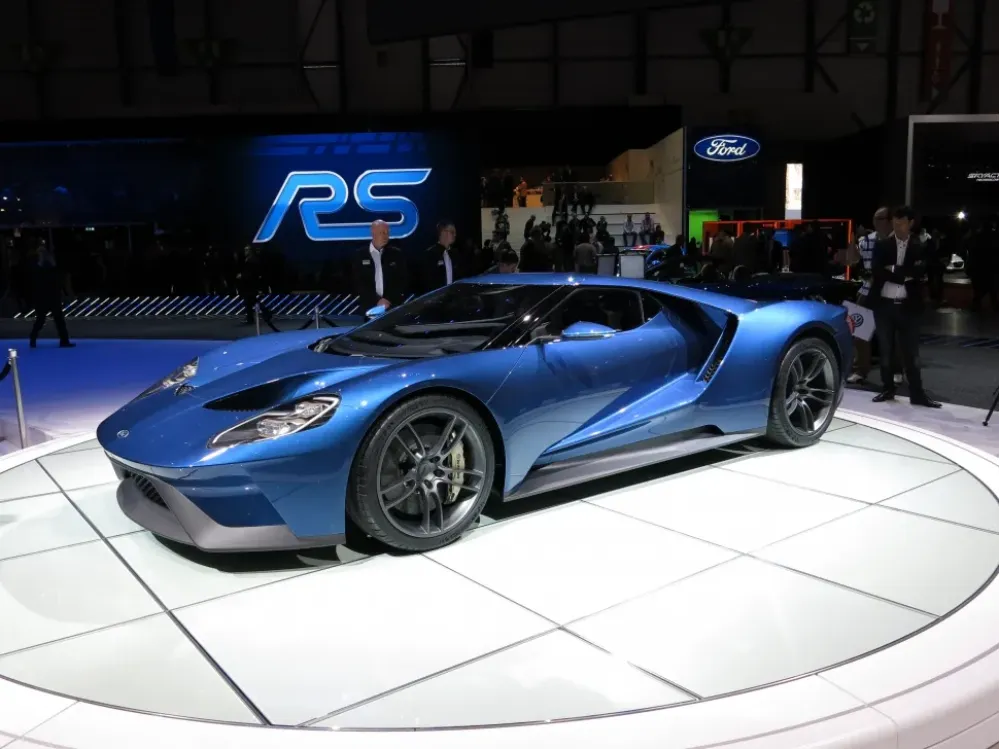
Click on image to view the full photo gallery
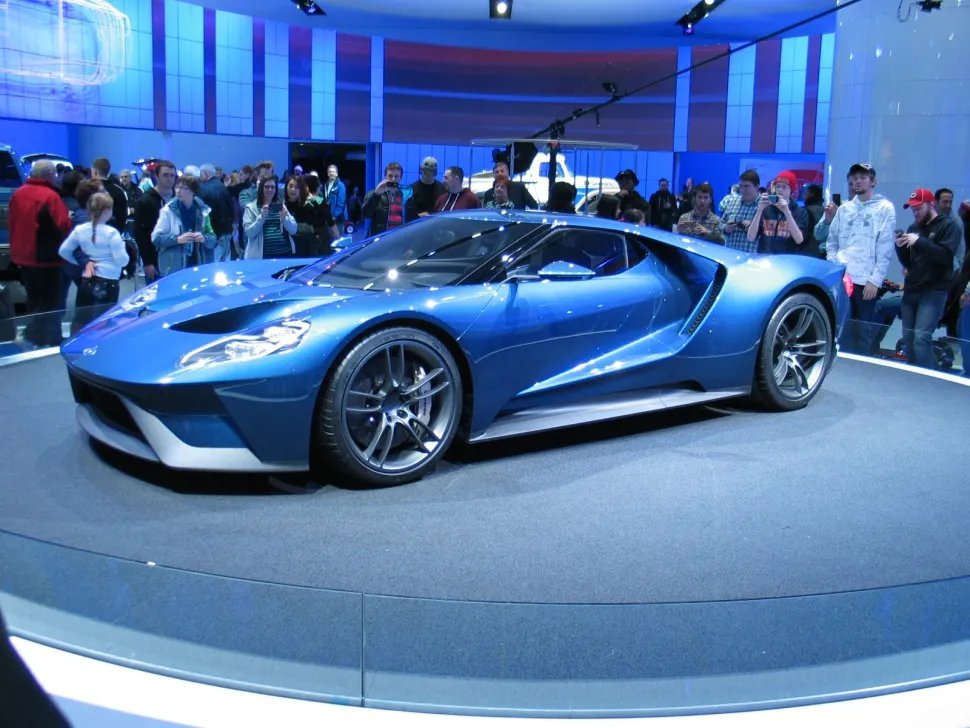
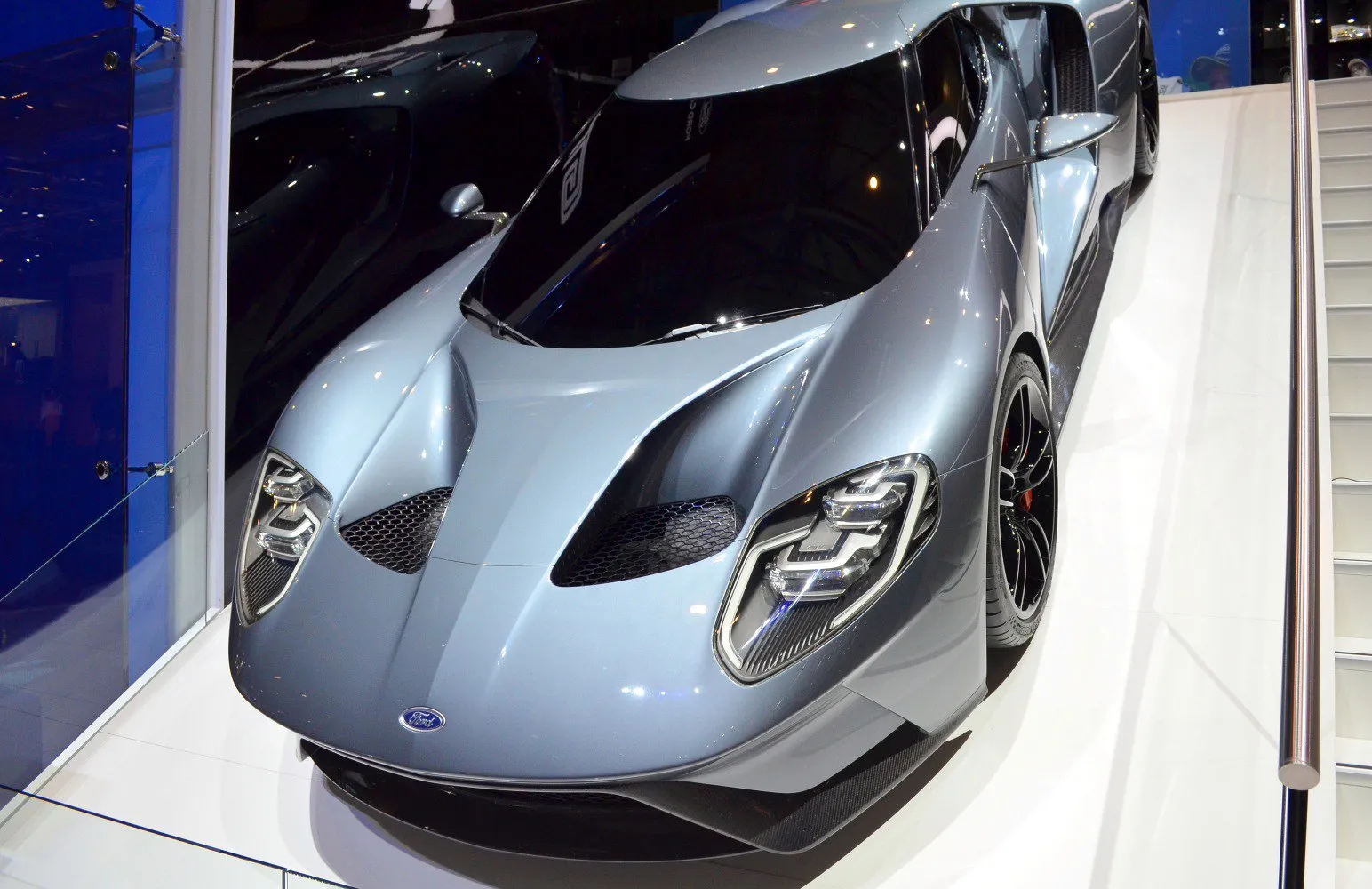
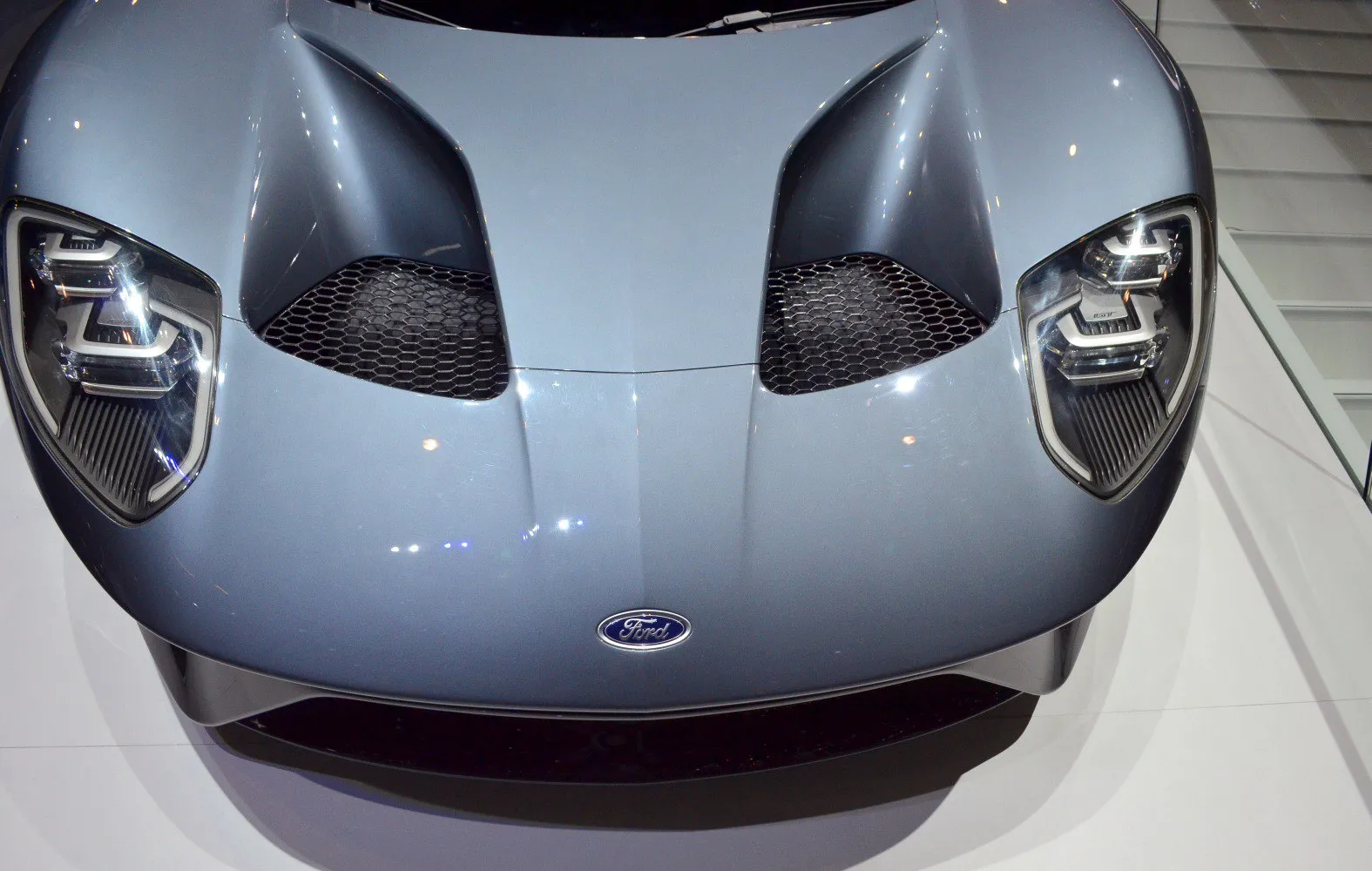
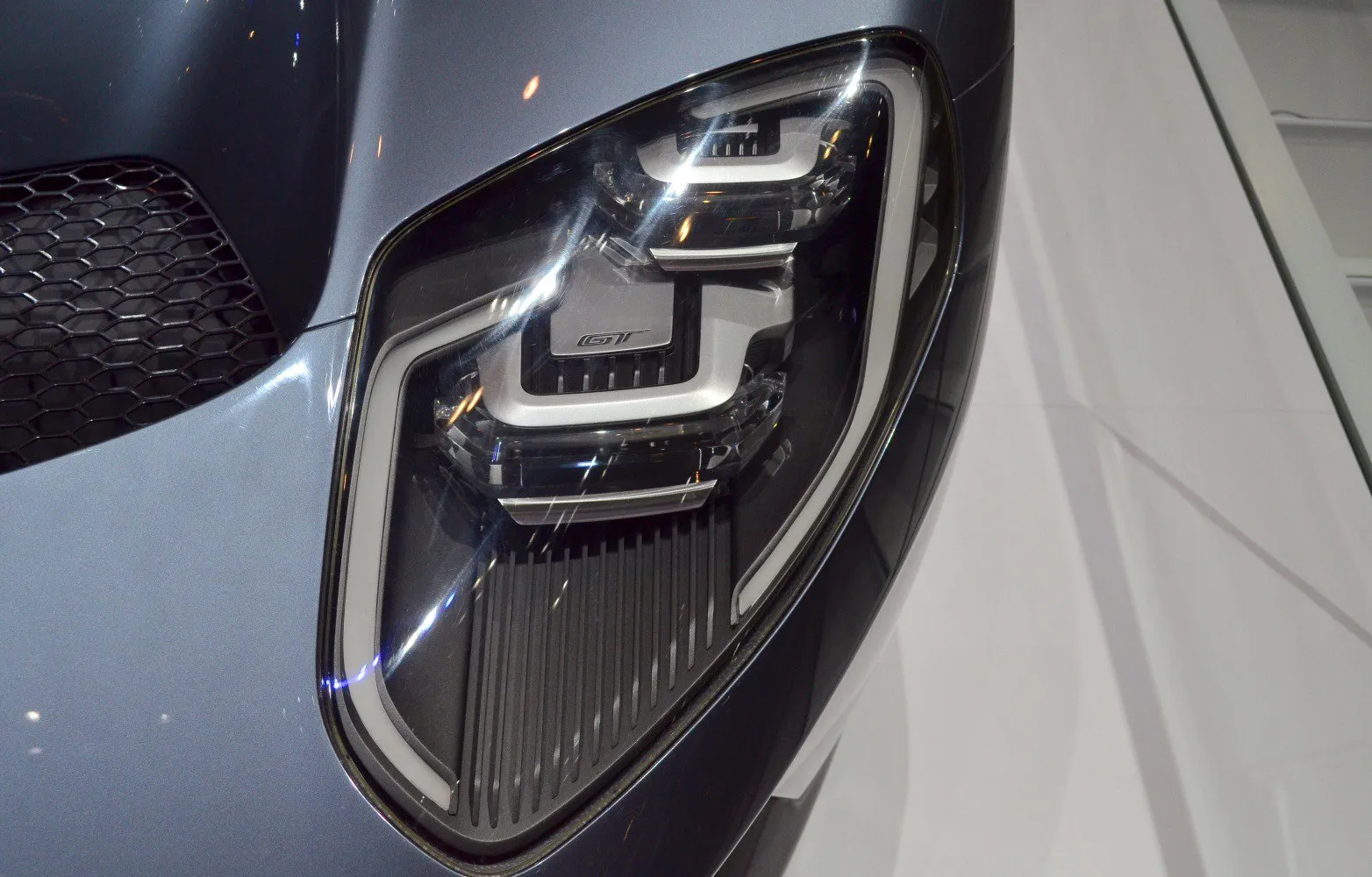
Ford GT II 3.5 V6 (656 Hp) Automatic
Overall Rating
Ford GT:
The Ford GT is a mid-engine two-seater sports car manufactured and marketed by American automobile manufacturer Ford for the 2005 model year in conjunction with the company's 2003 centenary. The second generation Ford GT became available for the 2017 model year.
The GT recalls Ford's historically significant GT40, a consecutive four-time winner of the 24 Hours of Le Mans , including a 1-2-3 finish in 1966.
The Ford GT began life as a concept car designed in anticipation of the automaker's centennial year and as part of its drive to showcase and revive its "heritage" names such as Mustang and Thunderbird. At the 2002 North American International Auto Show, Ford unveiled a new GT40 Concept car. Camilo Pardo, the then head of Ford's "Living Legends" studio, is credited as the chief designer of the GT and worked under the guidance of J Mays. Carroll Shelby, the original designer of the Shelby GT 500, was brought in by Ford to help develop the GT; which included performance testing of the prototype car. While under development, the project was called Petunia....(Read more on Wikipedia)
II Overview:
Ford GT (II). With 746 Nm of torque, it offers ample pulling power. With a weight of 1385 kg, it falls in the mid‑range. Rear‑wheel drive offers dynamic handling and sporty feedback. The top speed reaches 347 km/h. A two-door car with a fixed roof, known for its sporty design and dynamic performance. Seating for 2 makes it ideal for daily use.
High-performance supercars like the Ford GT II are rarely subjected to Euro NCAP testing due to their low production volumes and specialized design. While not officially rated, it incorporates advanced safety features expected in its class.
3.5 V6 (656 Hp) Automatic Verdict:

Performance Verdict
The twin-turbo 3.5L V6 EcoBoost engine delivers breathtaking acceleration and a top speed of 347 km/h, making it a true supercar powerhouse. Its high power-to-weight ratio ensures an exhilarating driving experience on road and track.
Fuel Economy
Given its supercar performance, the combined fuel consumption of 16.8 l/100 km (approx. 14 MPG US) is expected. It's not designed for economy, but for raw power and track capability, making fuel efficiency a secondary concern.
Pros and Cons:
Pros:
- • Exceptional performance and speed
- • Stunning, aerodynamic design
- • Advanced racing technology
- • Exclusive and collectible
- • Powerful twin-turbo V6 engine
Cons:
- • Very high purchase price
- • Limited practicality and comfort
- • High running costs and fuel consumption
- • Challenging to drive at limits for amateurs
- • Extremely limited production
Specifications:
Specifications are compared to those of the previous generation(GT: 2005 - 2006).
| General: | |
|---|---|
| Brand: | Ford |
| Model: | GT |
| Generation: | II |
| Modification (Engine): | 3.5 V6 (656 Hp) Automatic |
| Start of production: | 2017 |
| End of production: | December, 2022 |
| Powertrain Architecture: | Internal Combustion engine |
| Body type: | Coupe |
| Seats: | 2 |
| Doors: | 2 |
| Engine: | |
|---|---|
| Power: | 656 Hp @ 6250 rpm. Same horsepower |
| Power per litre: | 187.6 Hp/l [118mm more] |
| Torque: | 746 Nm @ 5900 rpm. |
| Engine Model/Code: | URWA More details about the engine URWA |
| Engine displacement: | 3497 |
| Number of cylinders: | 6 |
| Engine configuration: | V-engine |
| Number of valves per cylinder: | 4 |
| Fuel injection system: | Multi-port manifold injection |
| Engine aspiration: | Twin-Turbo, Intercooler |
| Valvetrain: | DOHC, Ti-VCT |
| Engine oil capacity: | 13 l |
| Coolant: | 19 l |
| Engine layout: | Middle, Longitudinal |
| Cylinder Bore: | 92.51 mm mm |
| Piston Stroke: | 86.7 mm mm |
| Compression ratio: | 9:1 |
| Performance: | |
|---|---|
| Fuel Type: | Petrol (Gasoline) |
| Fuel consumption (economy) - urban: | 21.4 l/100 km |
| Fuel consumption (economy) - extra urban: | 13.1 l/100 km |
| Fuel consumption (economy) - combined: | 16.8 l/100 km |
| Maximum speed: | 347 km/h |
| Weight-to-power ratio: | 2.1 kg/Hp, 473.6 Hp/tonne |
| Weight-to-torque ratio: | 1.9 kg/Nm, 538.6 Nm/tonne |
| Space: | |
|---|---|
| Kerb Weight: | 1385 |
| Max. weight: | 1450 |
| Max load: | 65 |
| Fuel tank capacity: | 57 l |
| Size: | |
|---|---|
| Length: | 4763 mm mm [118mm more] |
| Width: | 2004 mm mm [49mm more] |
| Height: | 1110 mm mm [15mm less] |
| Wheelbase: | 2710 mm mm [Same wheelbase.] |
| Width with mirrors folded: | 2113 mm |
| Width including mirrors: | 2238 mm |
| Front track: | 1694 mm |
| Rear (Back) track: | 1661 mm |
| Ride height (ground clearance): | 119 mm |
| Minimum turning circle (turning diameter): | 12.2 m [above average] |
| Approach angle: | 9.5° |
| Powertrain: | |
|---|---|
| Drivetrain Architecture | The Internal combustion engine (ICE) drives the rear wheels of the vehicle. |
| Drive wheel | Rear wheel drive |
| Number of gears | 7 |
| Transmission type | Automatic |
| Front brakes | Ventilated discs [Best for performance and cooling.] |
| Rear brakes | Ventilated discs [Best for performance and cooling.] |
| Assisting systems | ABS (Anti-lock braking system) |
| Steering type | Steering rack and pinion |
| Power steering | Hydraulic Steering |
| Tires size | 245/35 R20; 325/30 R20 |
| Wheel rims size | 20 |
| Front suspension | Independent coil spring |
| Rear suspension | Independent coil spring |









What’s the best feature of the Ford GT? Tell us in the comments!