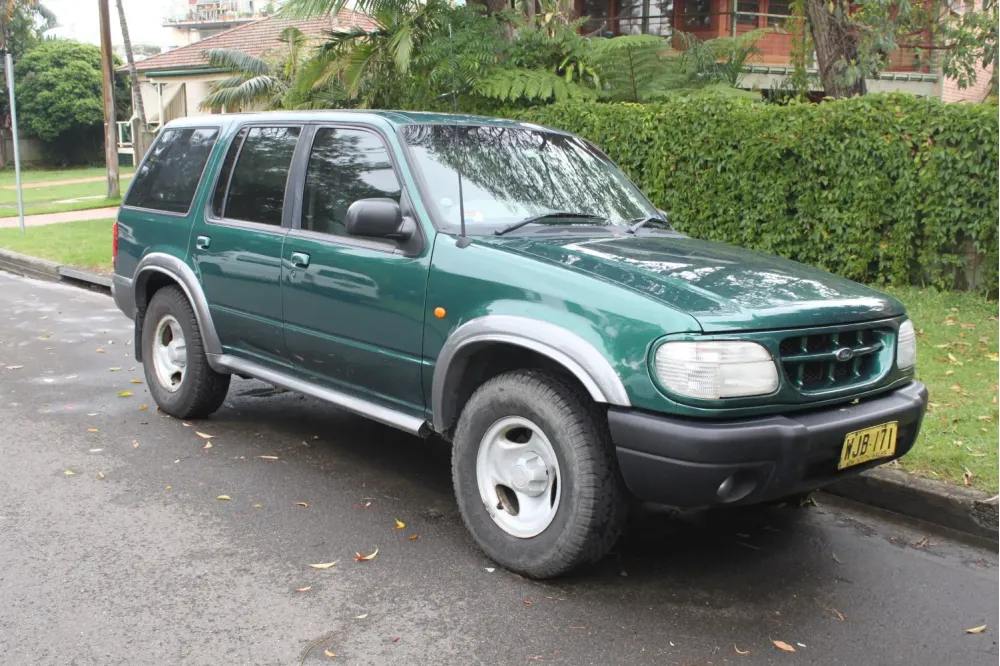
Click on image to view the full photo gallery
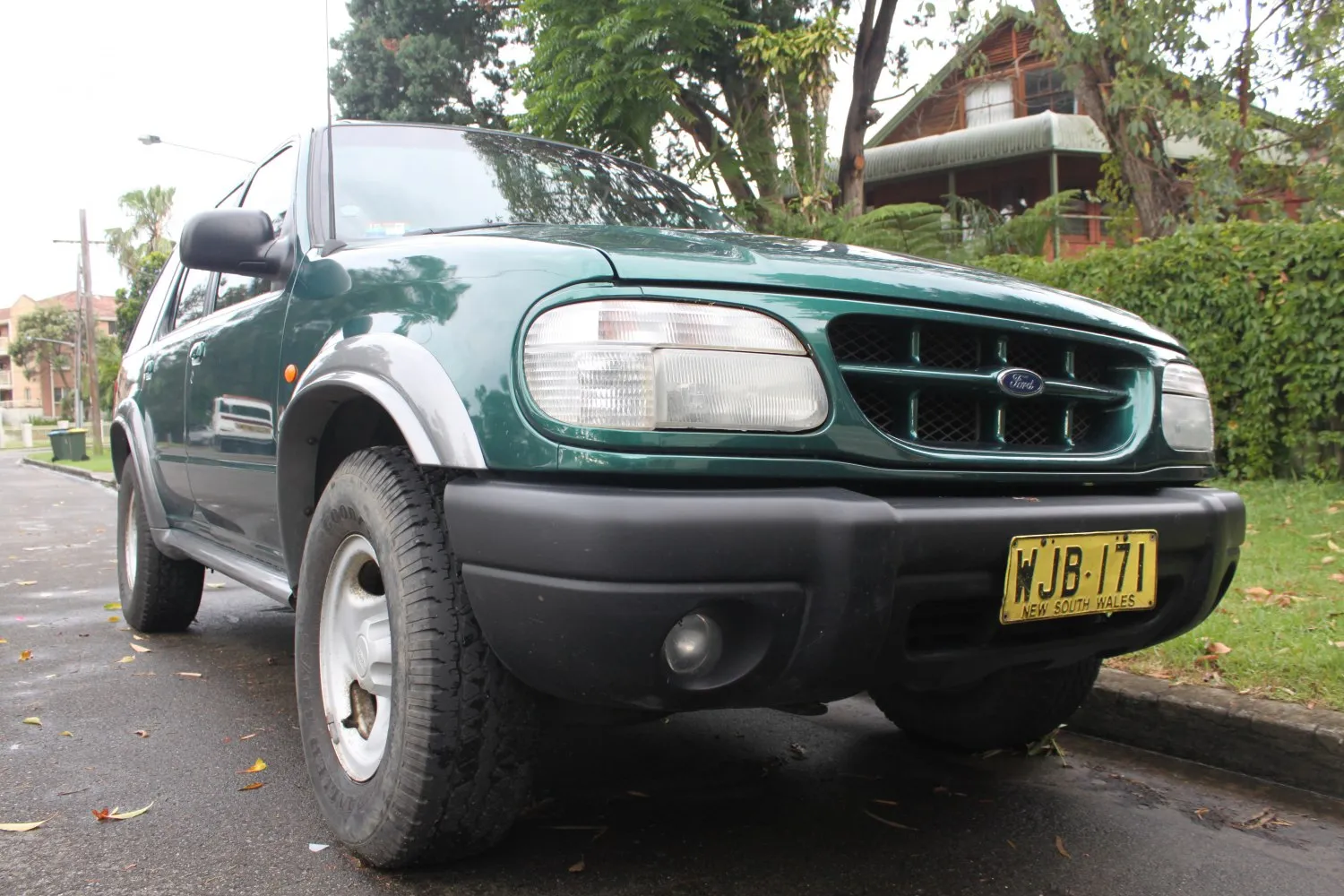
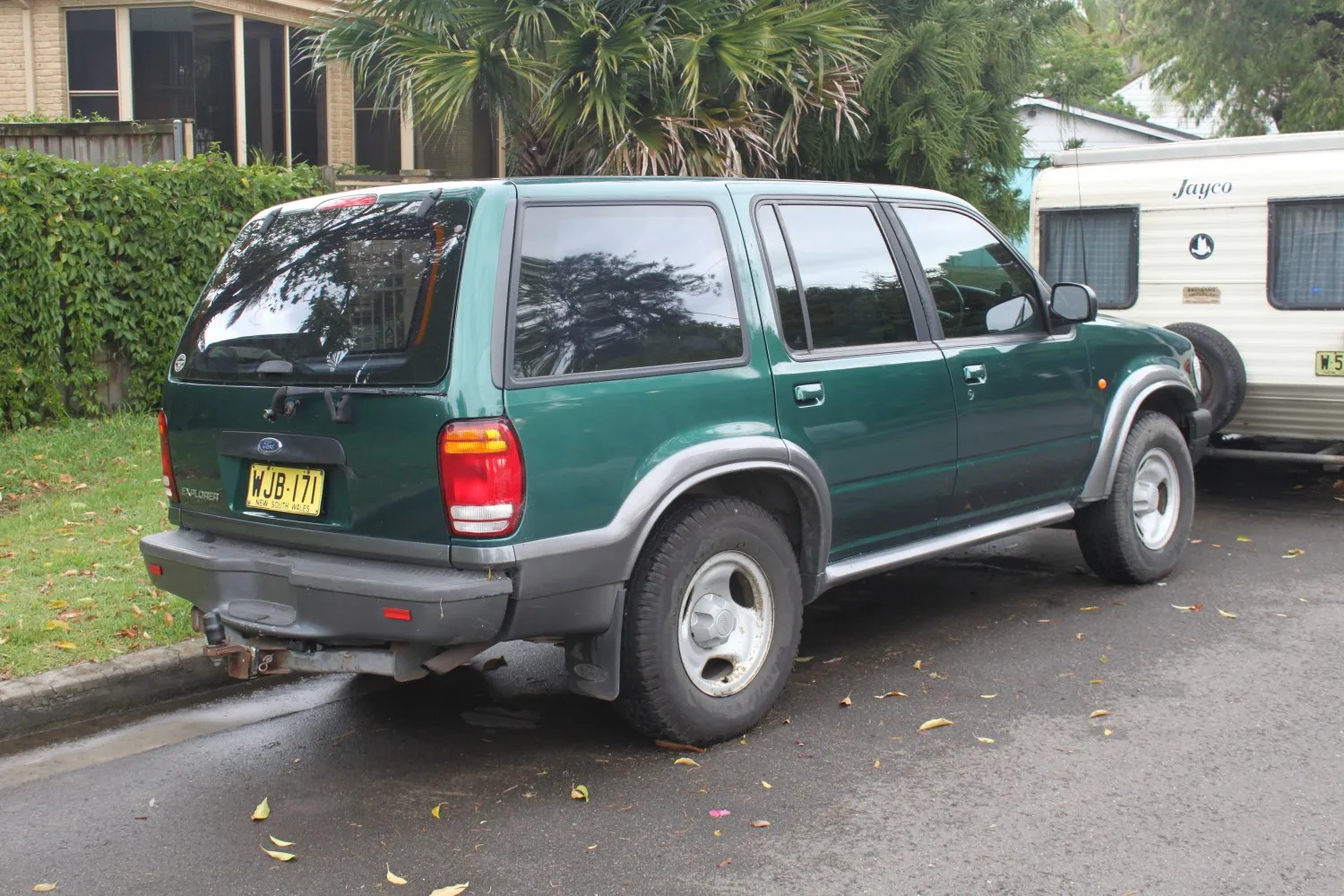
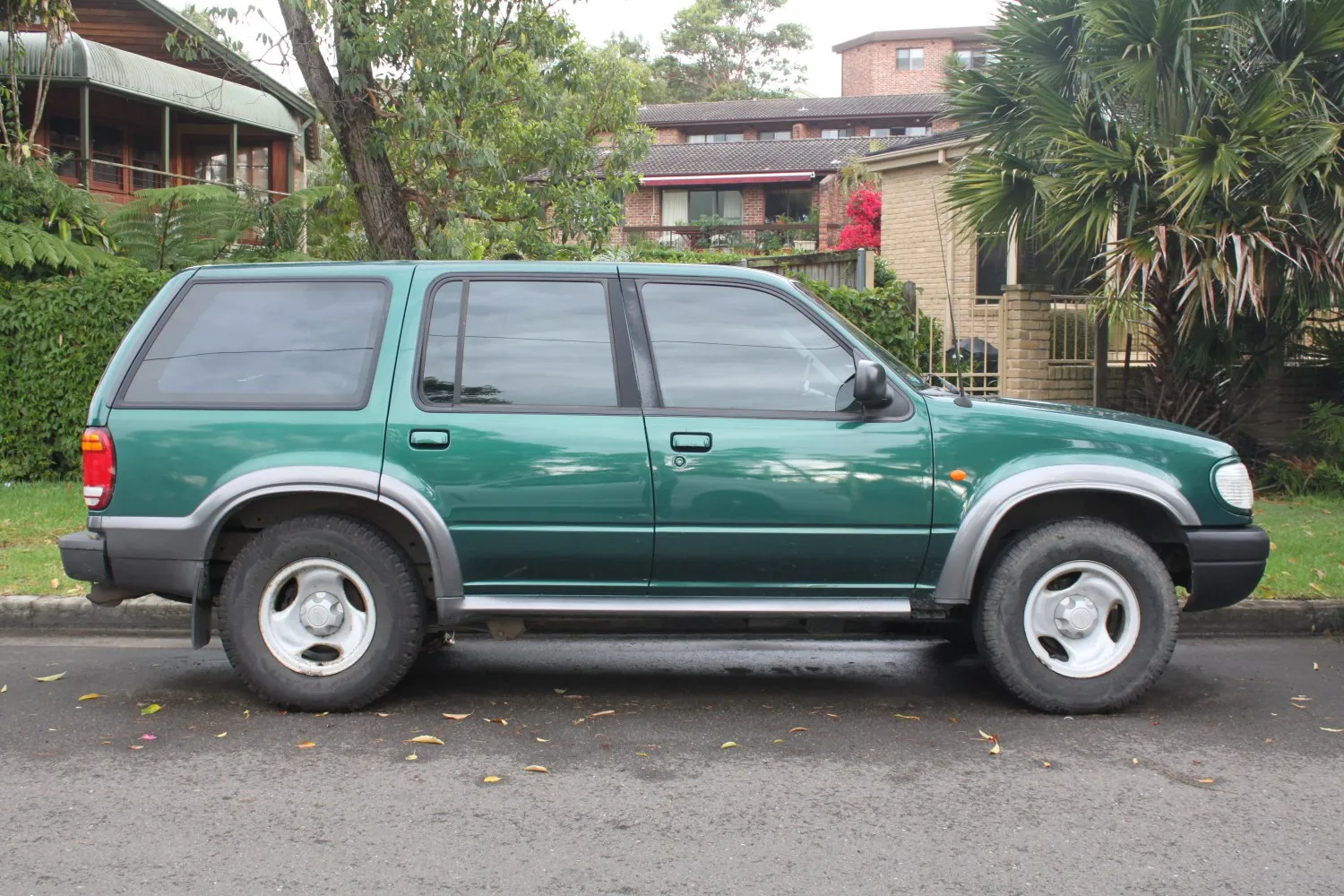
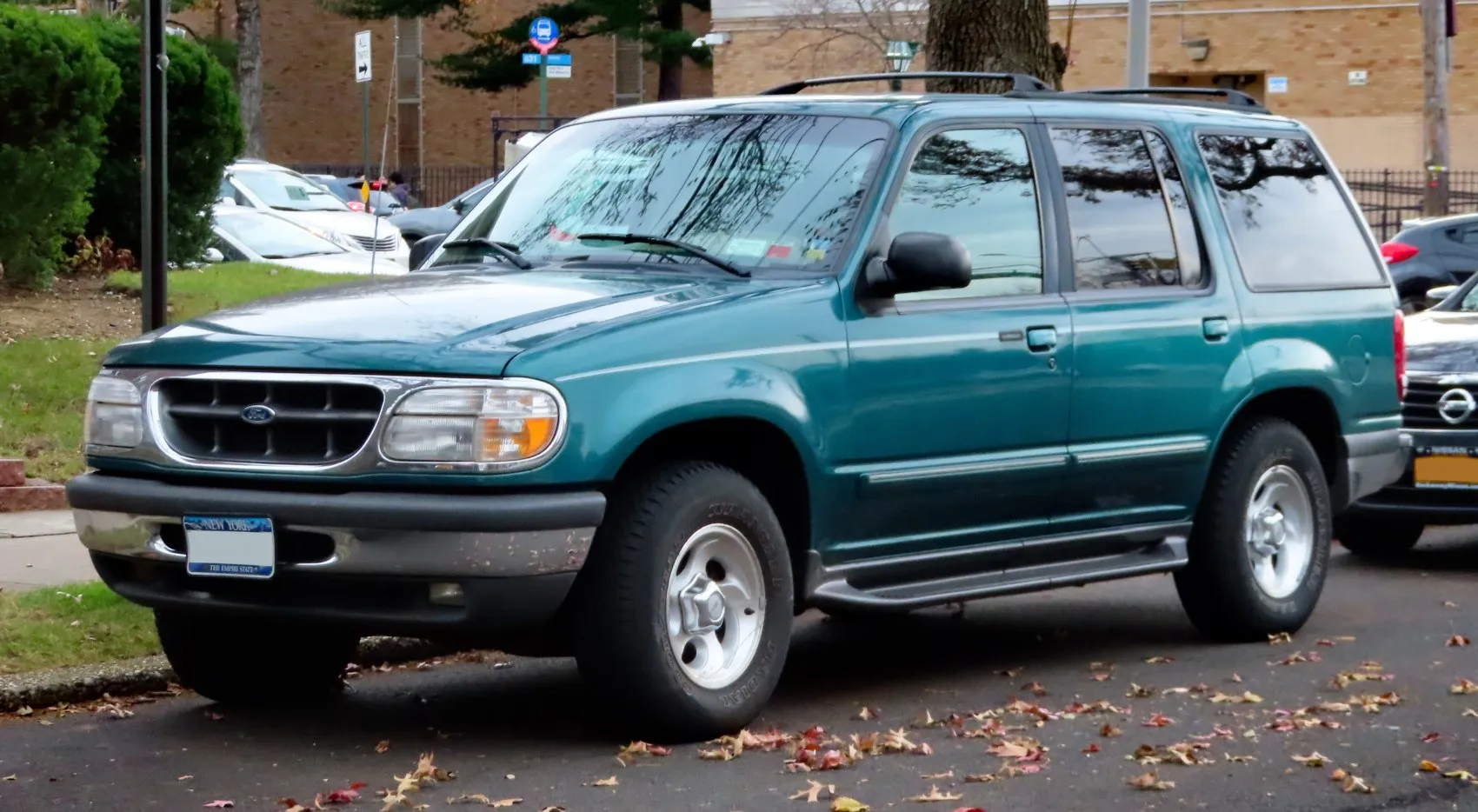
Ford Explorer II 4.0 XLT (162 Hp)
Overall Rating
Ford Explorer:
The Ford Explorer is a range of SUVs manufactured by the Ford Motor Company since the 1991 model year. The first five-door SUV produced by Ford, the Explorer, was introduced as a replacement for the three-door Bronco II. As with the Ford Ranger, the model line derives its name from a trim package previously offered on Ford F-Series pickup trucks. In 2020, the Explorer became the best-selling SUV in the American market.
Currently in its sixth generation, the Explorer has featured a five-door wagon body style since its 1991 introduction. During the first two generations, the model line included a three-door wagon. The Ford Explorer Sport Trac is a crew-cab mid-size pickup truck derived from the second-generation Explorer. The fifth and sixth generations of the Explorer have been produced as the Ford Police Interceptor Utility....(Read more on Wikipedia)
II Overview:
Ford Explorer (II). With 305 Nm of torque, it offers ample pulling power. With a weight of 1990 kg, it falls in the mid‑range. Rear‑wheel drive offers dynamic handling and sporty feedback. Acceleration is relatively slow (0–100 km/h in 12.7 s). The top speed reaches 170 km/h. A sport utility vehicle offering higher ground clearance and versatile cargo space. Seating for 5 makes it ideal for daily use.
The Ford Explorer II was not tested by Euro NCAP. Early models faced some safety concerns, particularly regarding rollover risk, which were later addressed with design improvements and stability control in later years.
4.0 XLT (162 Hp) Verdict:

Performance Verdict
A marginal power increase over the base V6, offering slightly improved responsiveness for daily driving, especially with the 12.7 sec acceleration.
Fuel Economy
Similar fuel economy to other 4.0L V6 models, adequate for its class but not exceptionally efficient.
Pros and Cons:
Pros:
- • Spacious interior and cargo capacity
- • Capable 4WD system for off-road and adverse weather
- • Strong V8 engine options for towing
- • Robust frame-on-body construction
- • Affordable on the used market
Cons:
- • Poor fuel economy across the lineup
- • Some models prone to transmission issues
- • Dated interior design and materials
- • Rollover concerns in early models (addressed later)
- • Ride quality can be truck-like
Specifications:
Specifications are compared to those of the previous generation(II: 1995 - 2003).
| General: | |
|---|---|
| Brand: | Ford |
| Model: | Explorer |
| Generation: | II |
| Modification (Engine): | 4.0 XLT (162 Hp) |
| Start of production: | 1996 |
| End of production: | 2003 |
| Powertrain Architecture: | Internal Combustion engine |
| Body type: | SUV |
| Seats: | 5 |
| Doors: | 5 |
| Engine: | |
|---|---|
| Power: | 162 Hp @ 4200 rpm. |
| Power per litre: | 40.9 Hp/l |
| Torque: | 305 Nm @ 2800 rpm. |
| Engine displacement: | 3958 |
| Number of cylinders: | 6 |
| Engine configuration: | V-engine |
| Number of valves per cylinder: | 2 |
| Fuel injection system: | Multi-port manifold injection |
| Engine aspiration: | Naturally aspirated engine |
| Engine oil capacity: | 4.7 l |
| Coolant: | 7.4 l |
| Engine layout: | Front, Longitudinal |
| Cylinder Bore: | 100 mm mm |
| Piston Stroke: | 84 mm mm |
| Compression ratio: | 9:1 |
| Performance: | |
|---|---|
| Fuel Type: | Petrol (Gasoline) |
| Acceleration 0 - 100 km/h: | 12.7 sec |
| Acceleration 0 - 62 mph: | 12.7 sec |
| Maximum speed: | 170 km/h |
| Weight-to-power ratio: | 12.3 kg/Hp, 81.4 Hp/tonne |
| Weight-to-torque ratio: | 6.5 kg/Nm, 153.3 Nm/tonne |
| Acceleration 0 - 60 mph: | 12.1 sec |
| Space: | |
|---|---|
| Kerb Weight: | 1990 |
| Max. weight: | 2570 |
| Max load: | 580 |
| Trunk (boot) space - maximum: | 2310 l |
| Trunk (boot) space - minimum: | 1205 l |
| Fuel tank capacity: | 83 l |
| Size: | |
|---|---|
| Length: | 4790 mm mm [361mm more] |
| Width: | 1790 mm mm [7mm more] |
| Height: | 1800 mm mm [86mm more] |
| Wheelbase: | 2830 mm mm [237mm more] |
| Front track: | 1490 mm |
| Rear (Back) track: | 1490 mm |
| Powertrain: | |
|---|---|
| Drivetrain Architecture | The Internal combustion engine (ICE) drives the rear wheels of the vehicle. |
| Drive wheel | Rear wheel drive |
| Number of gears | 5 |
| Transmission type | Manual |
| Front brakes | Disc |
| Rear brakes | Disc |
| Assisting systems | ABS (Anti-lock braking system) |
| Steering type | Steering rack and pinion |
| Power steering | Hydraulic Steering |
| Tires size | 235/75 R15 |
| Front suspension | Coil spring |
| Rear suspension | Leaf spring |









Show off your Ford Explorer knowledge – drop a review below!