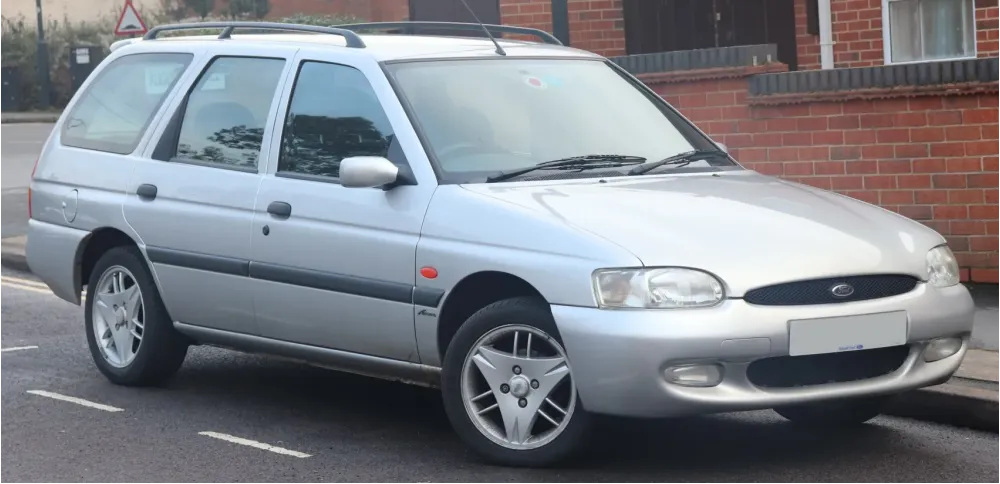
Click on image to view the full photo gallery
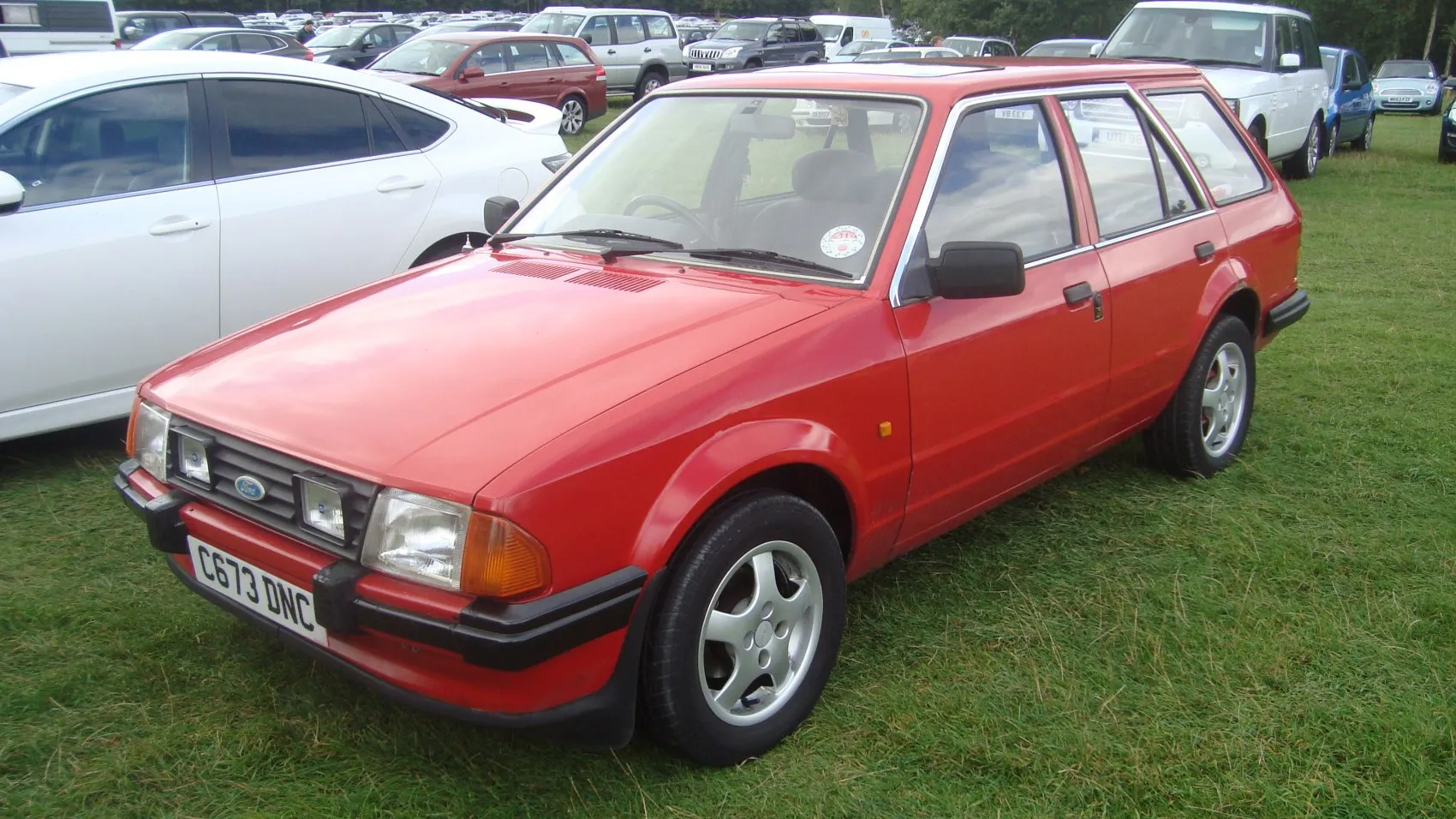
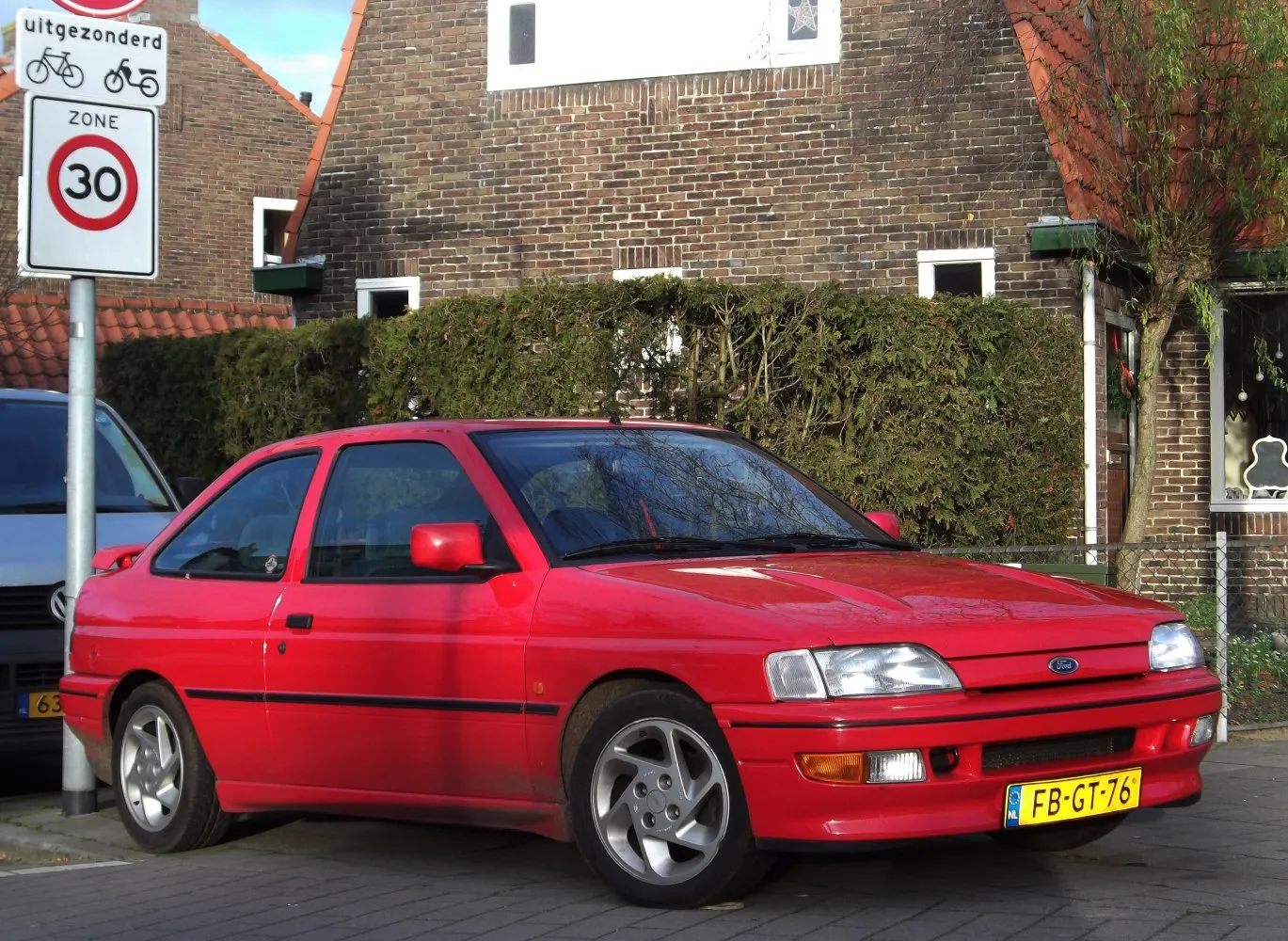
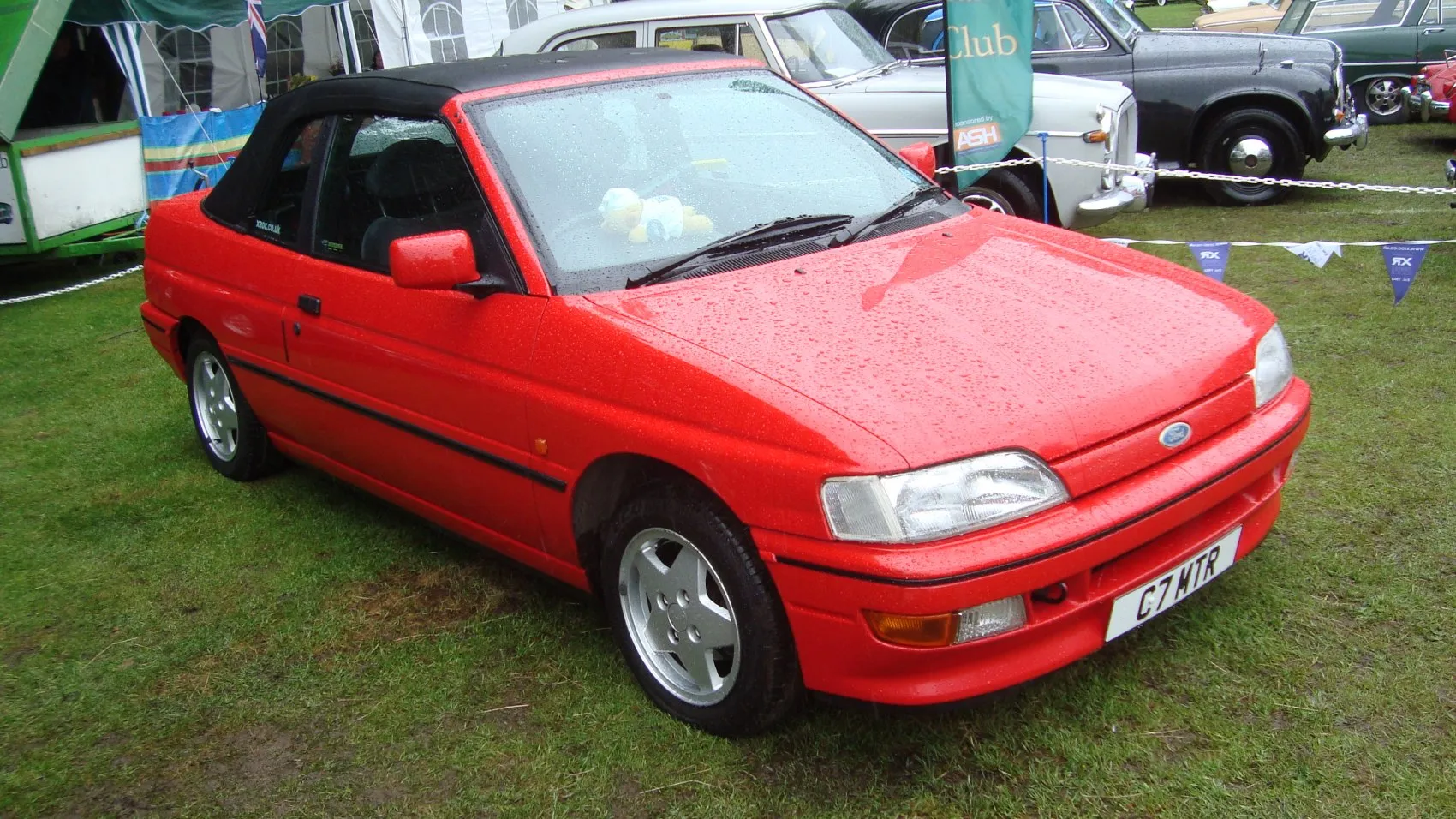
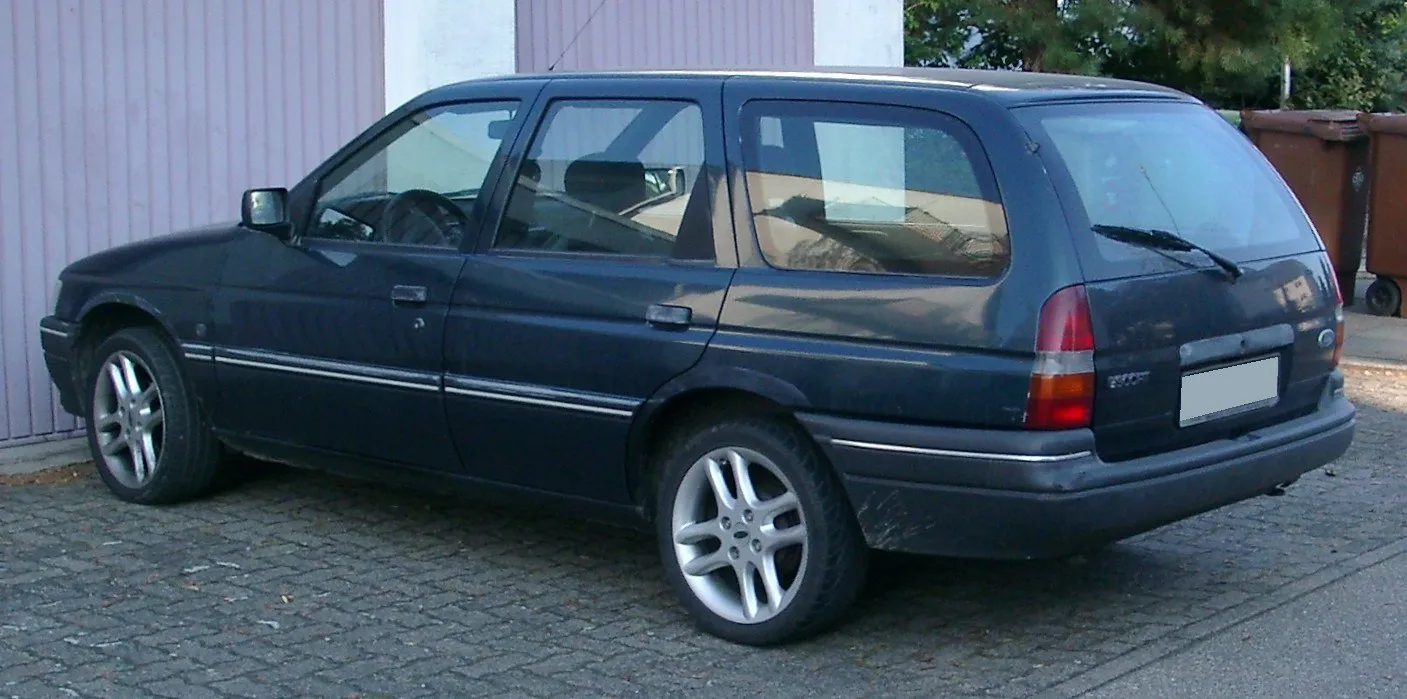
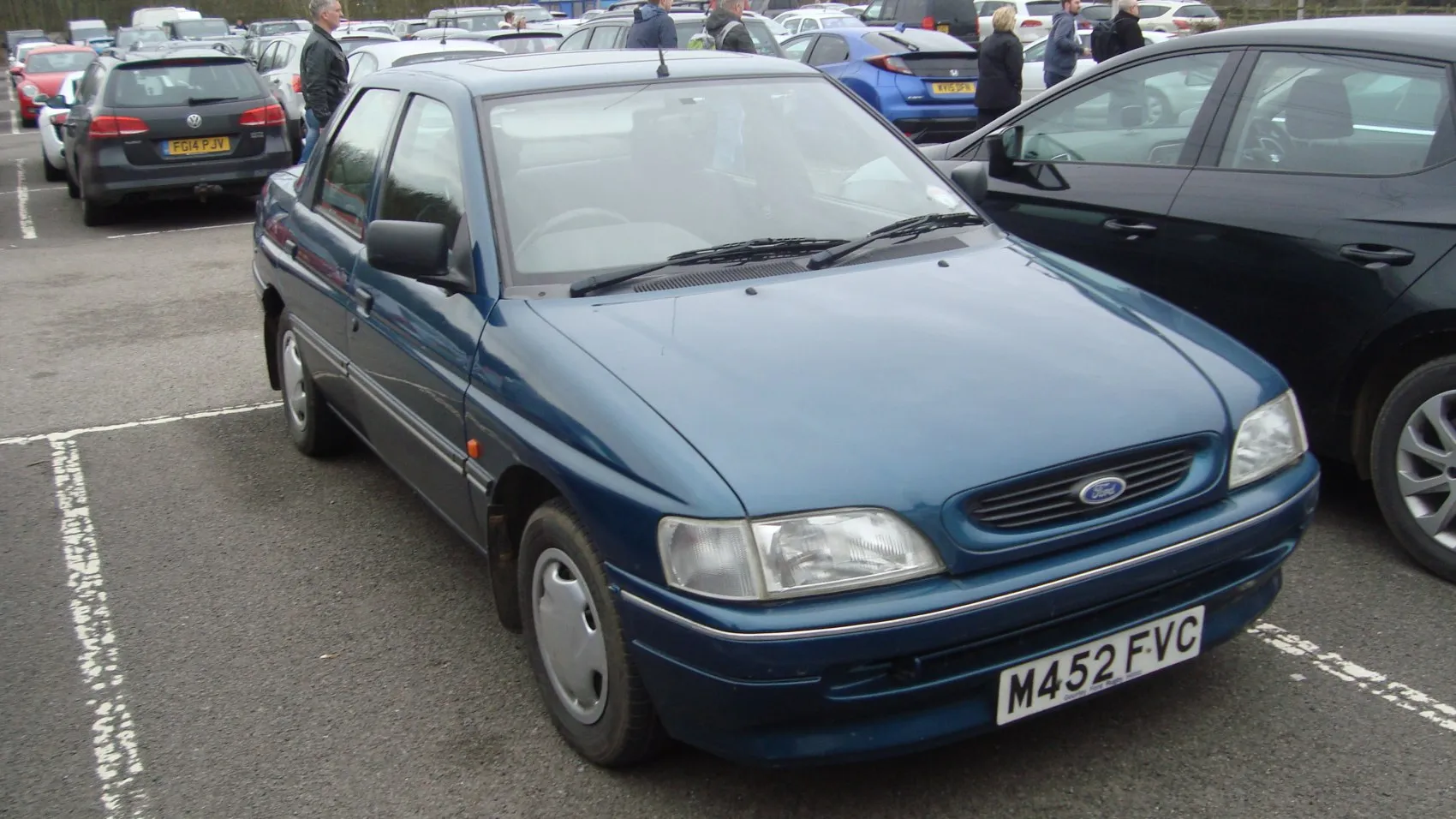
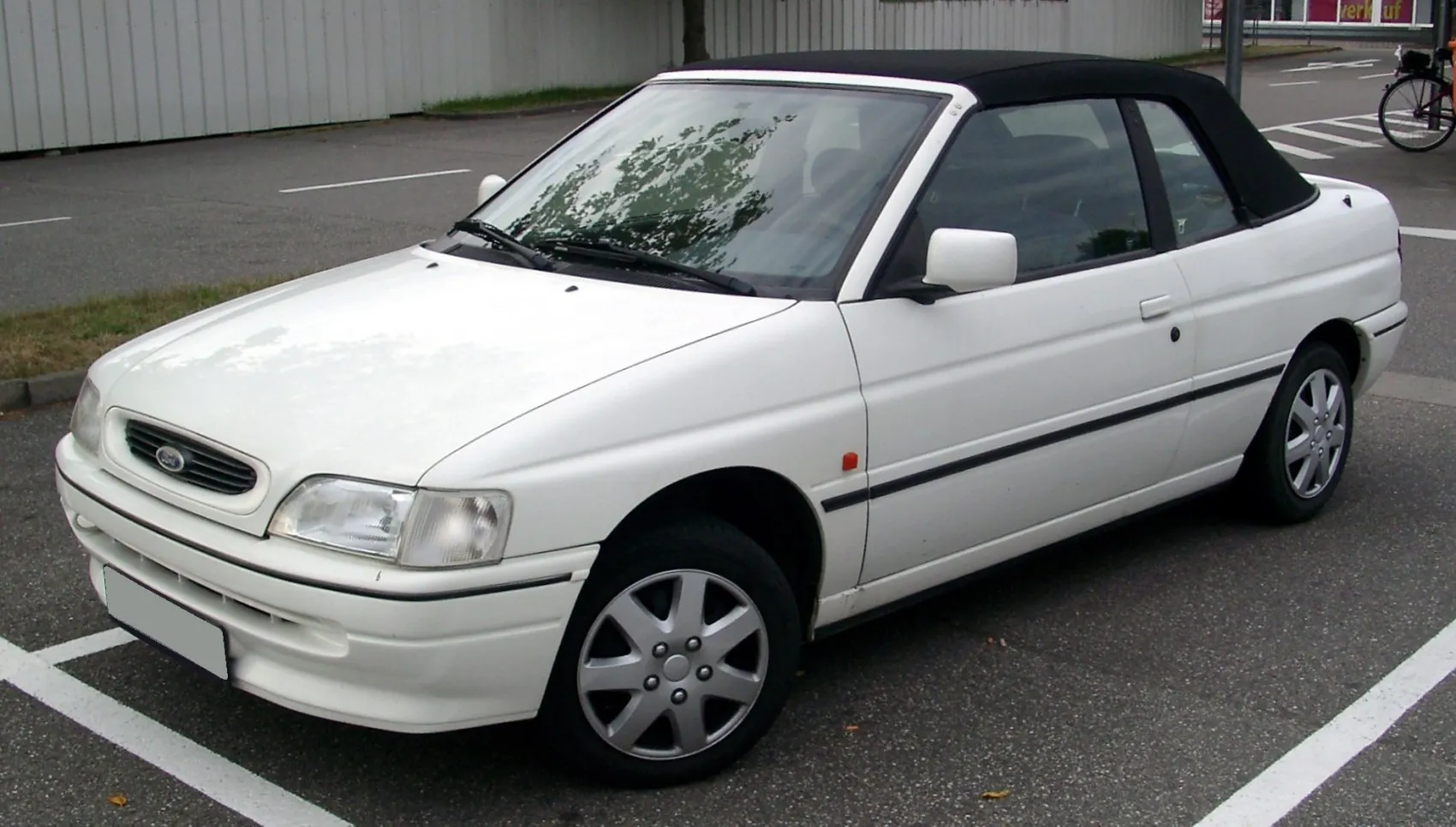
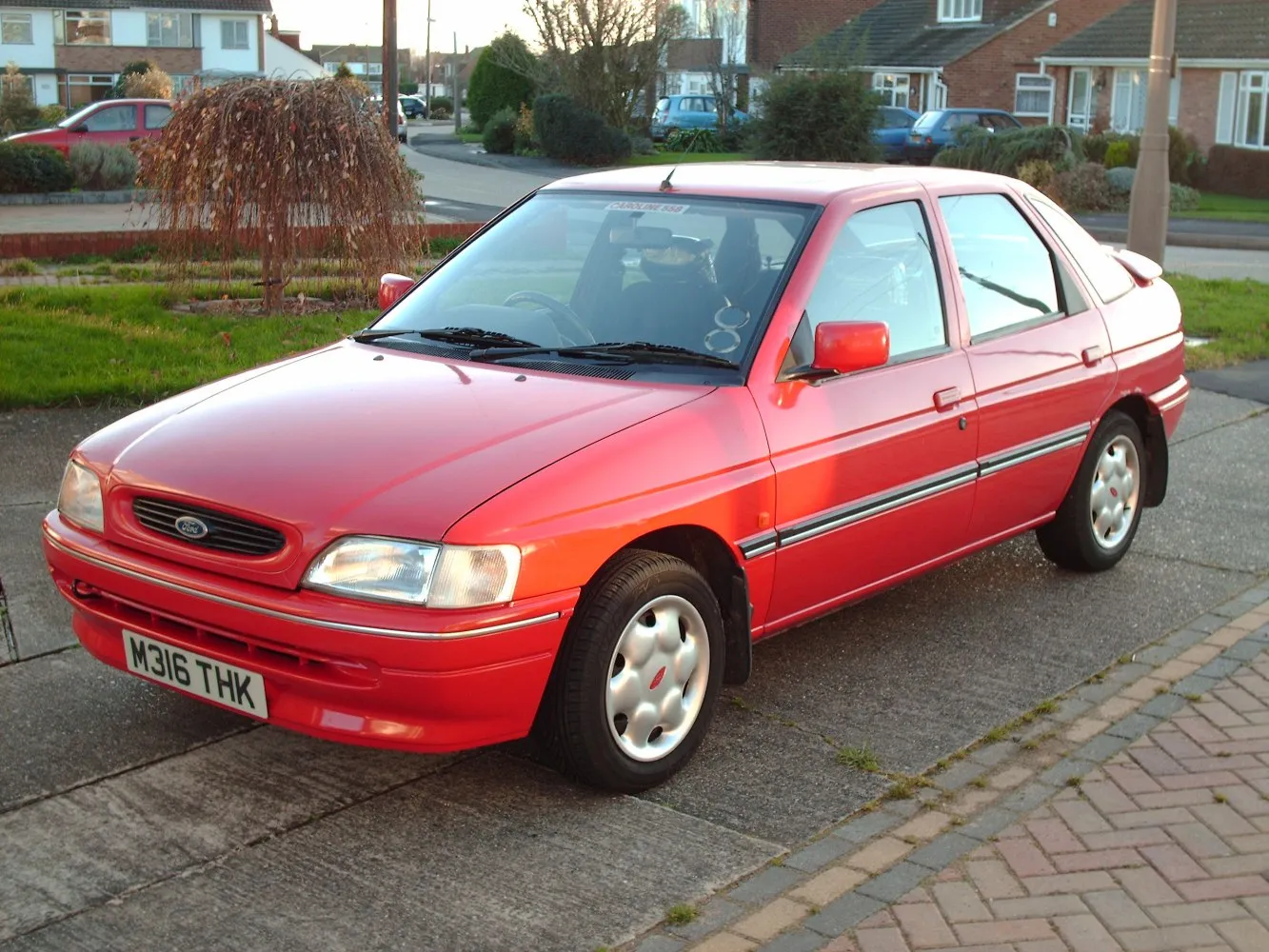
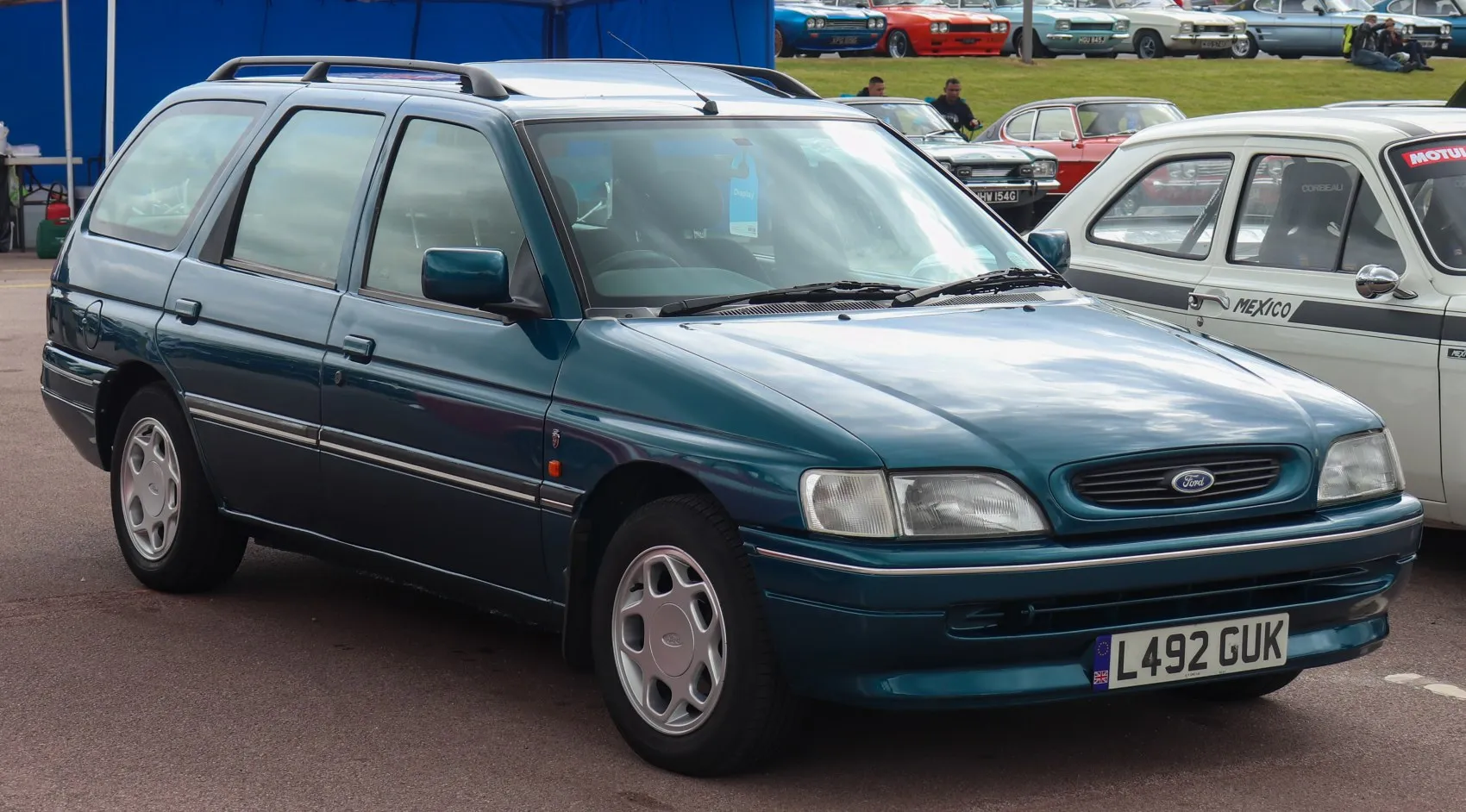
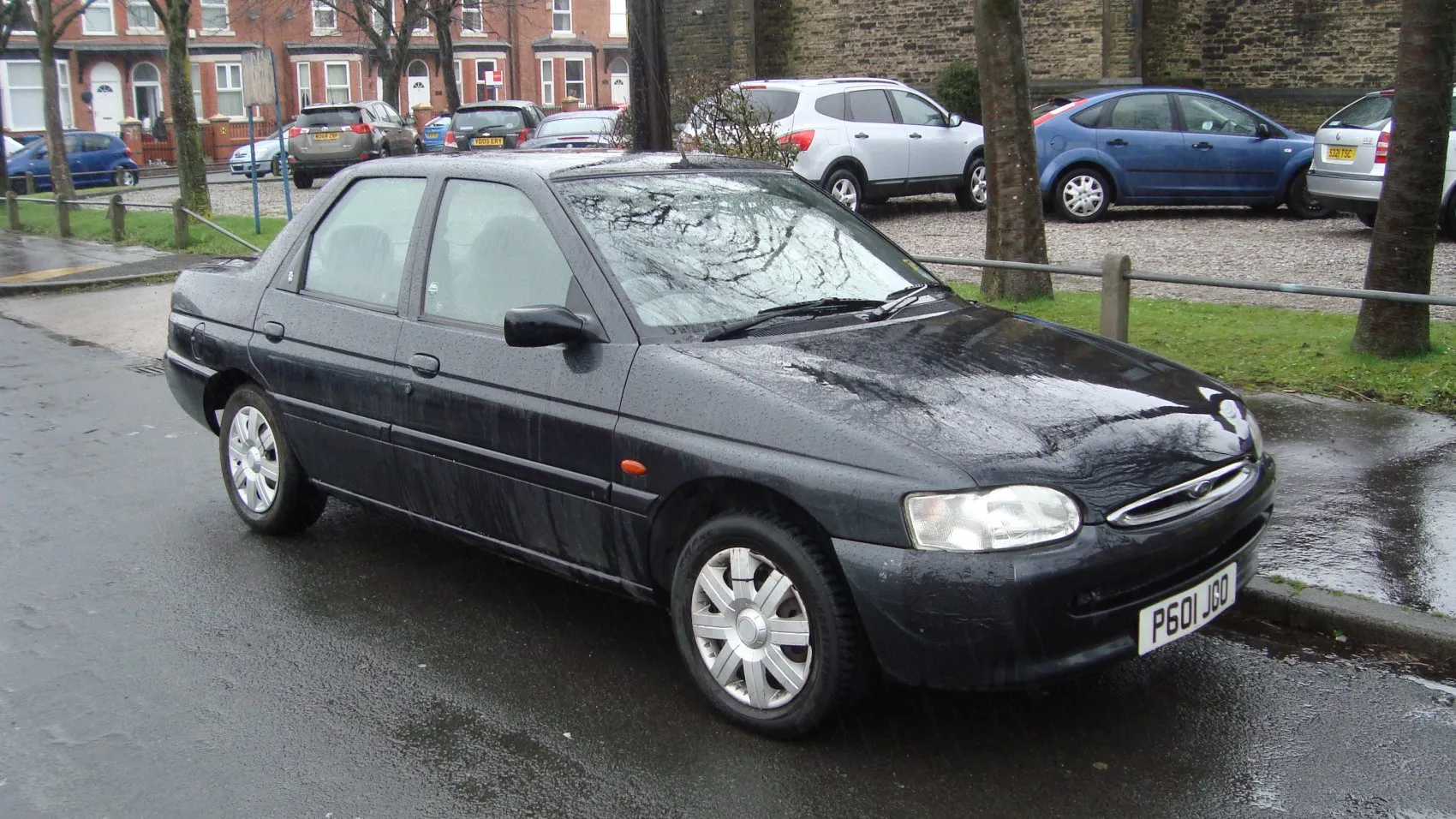
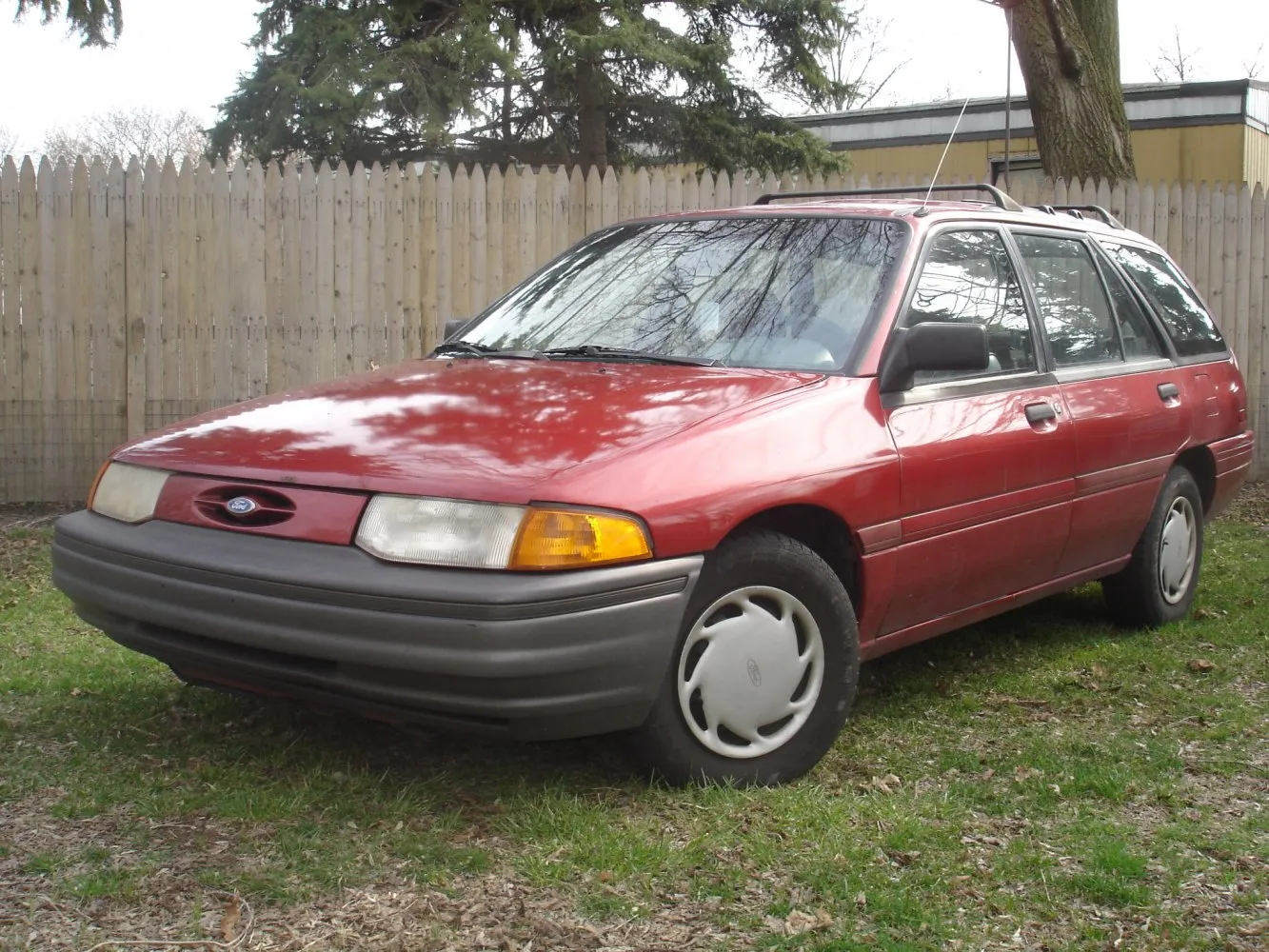
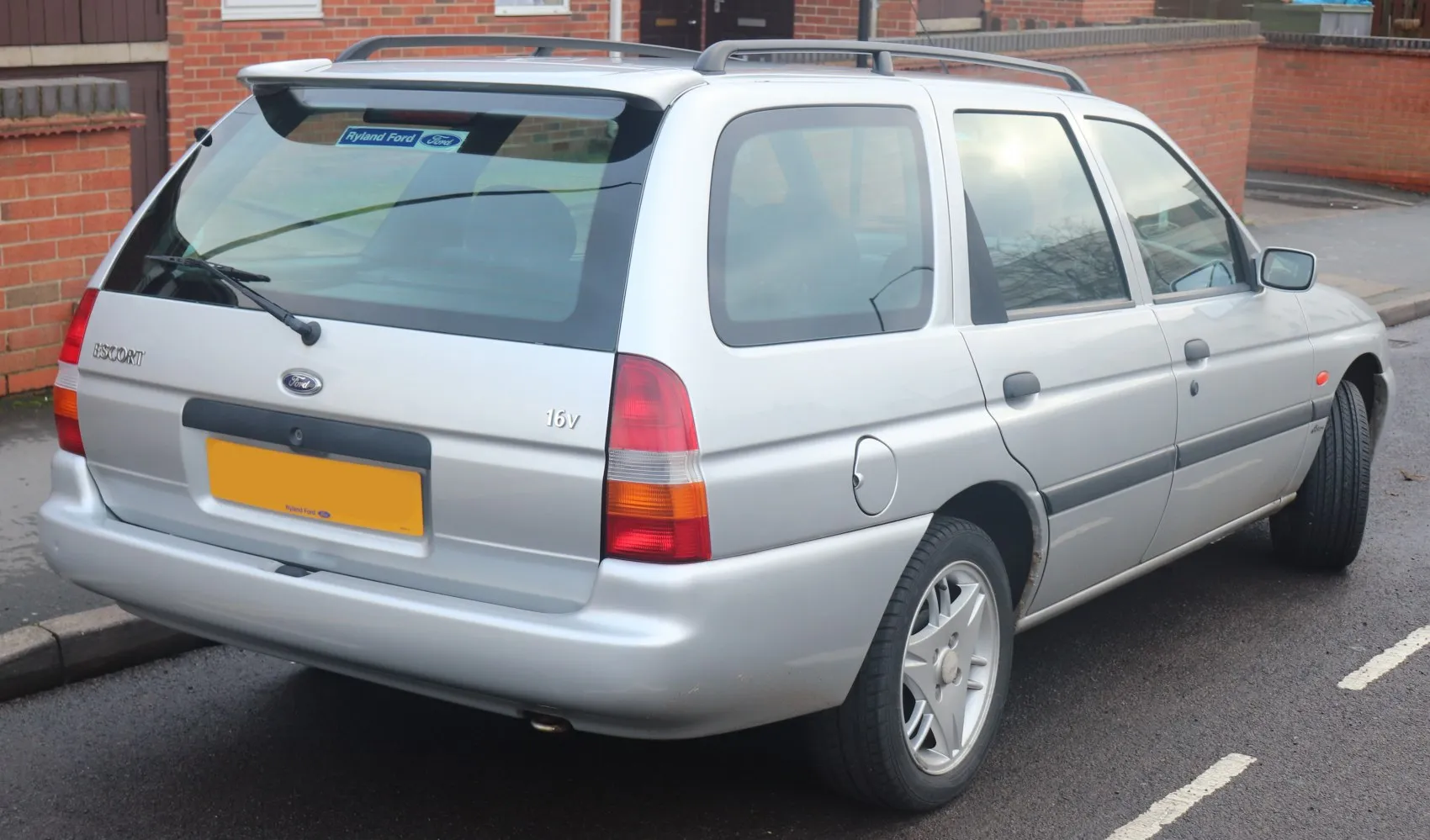
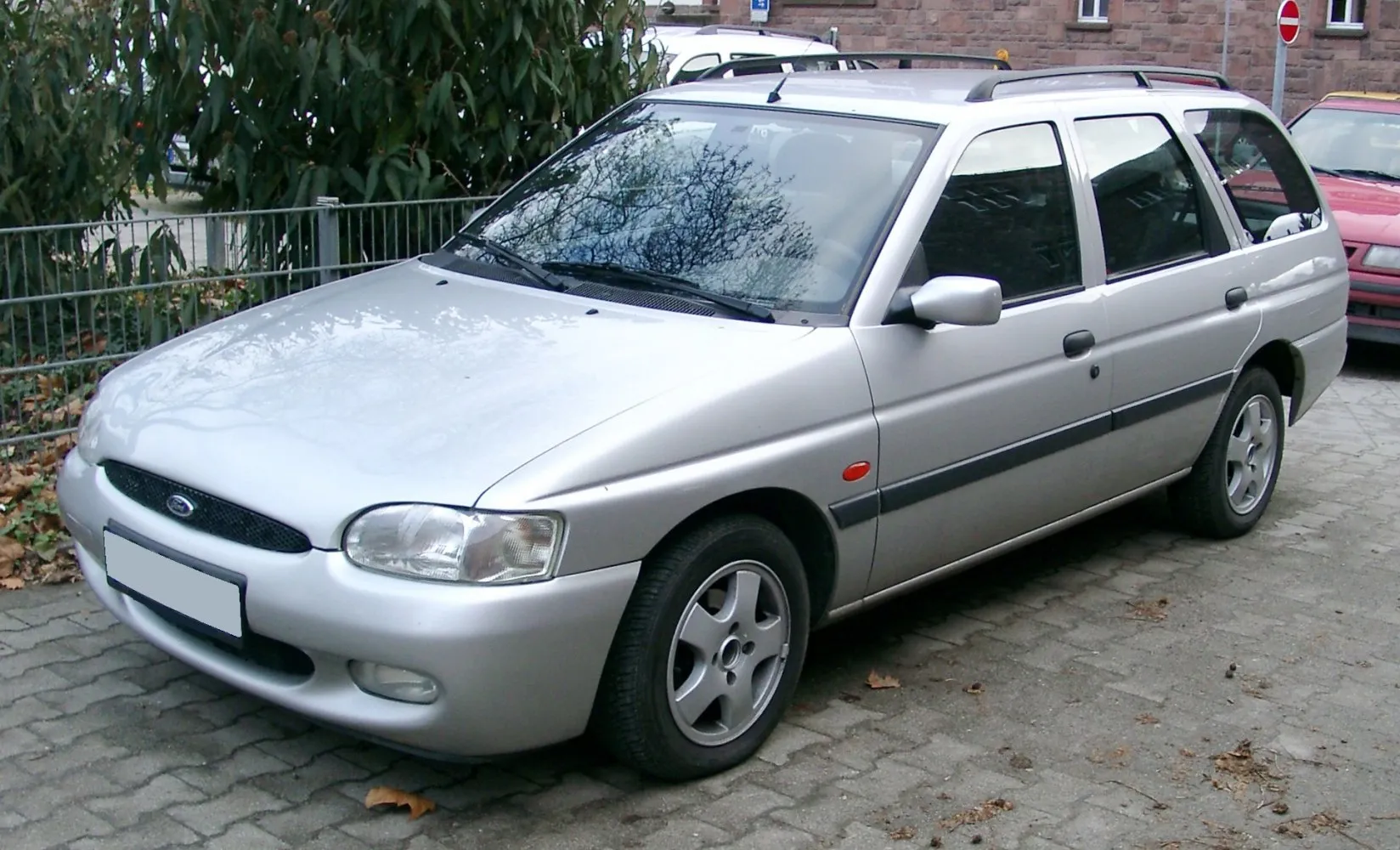
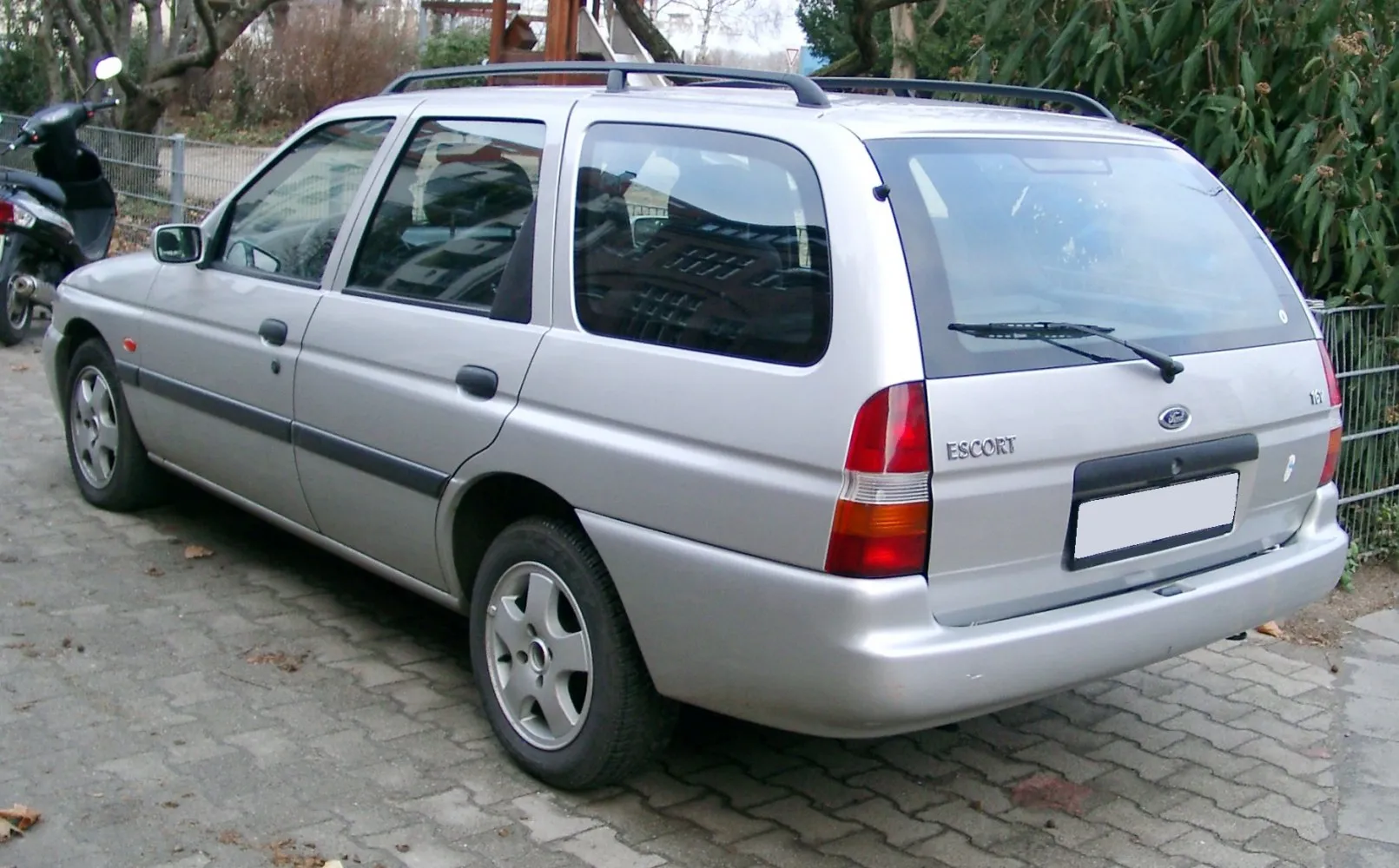
Ford Escort VII Turnier (GAL,ANL) 1.6 (90 Hp) Automatic
Overall Rating
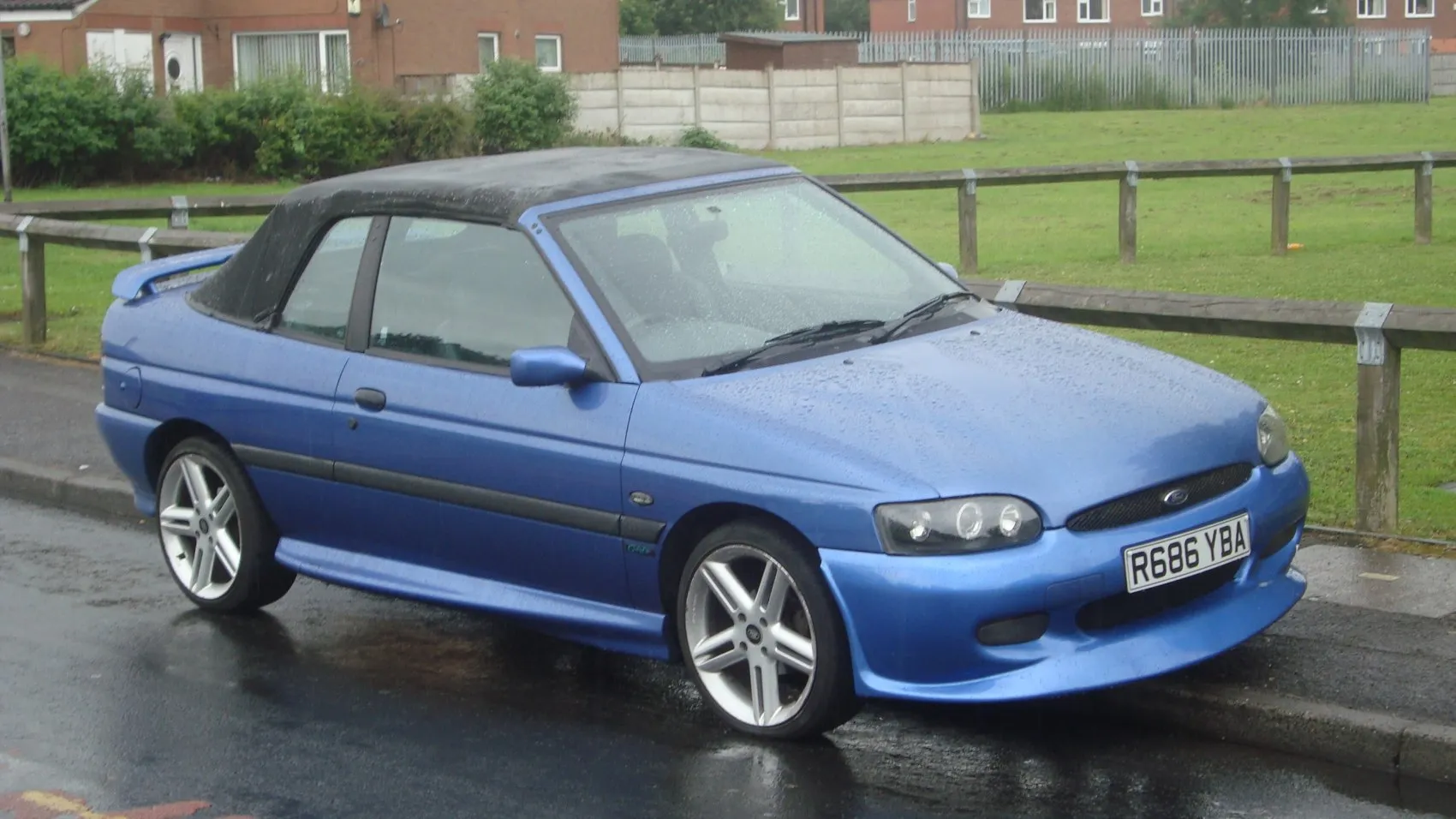
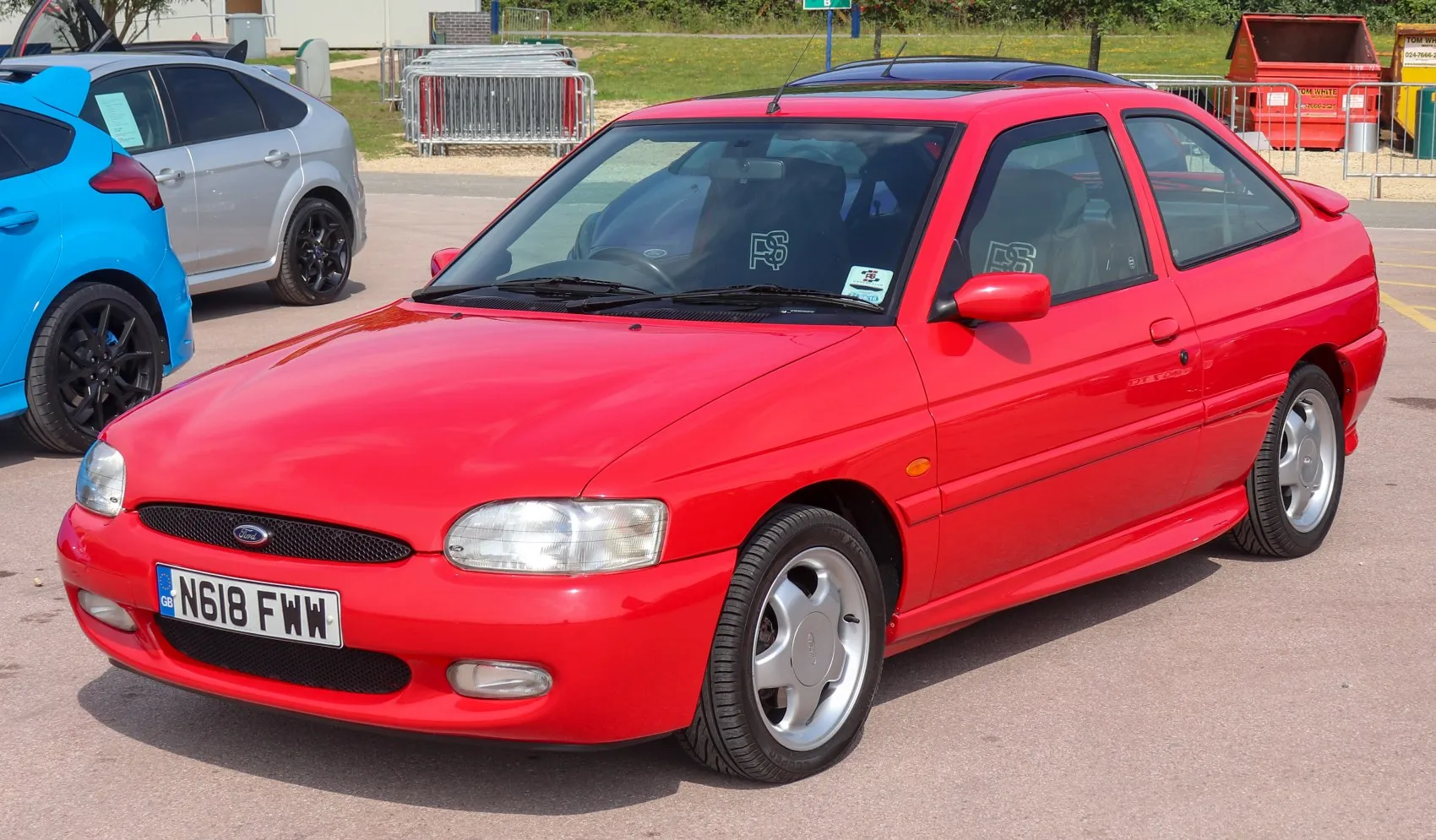
Ford Escort:
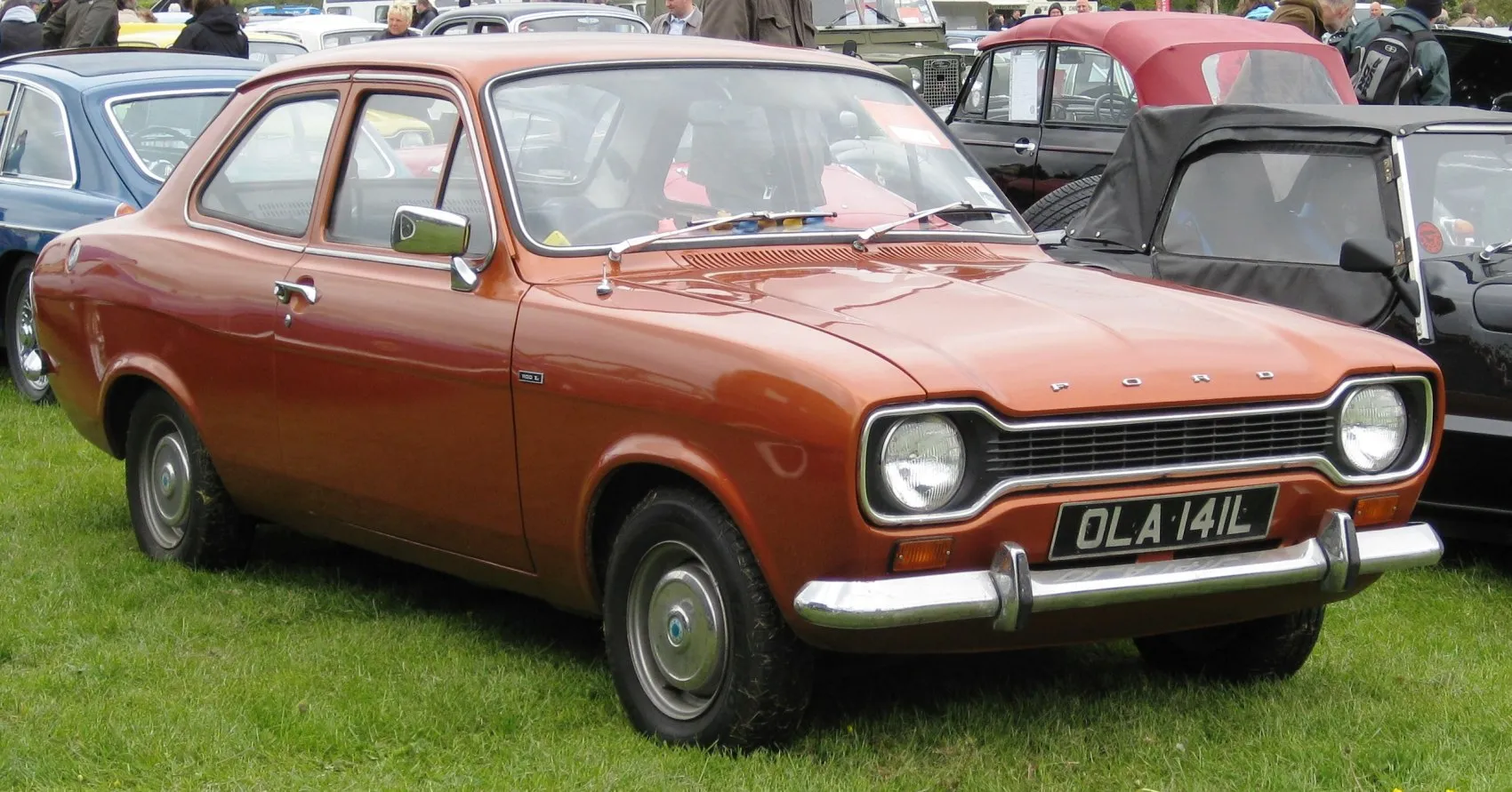
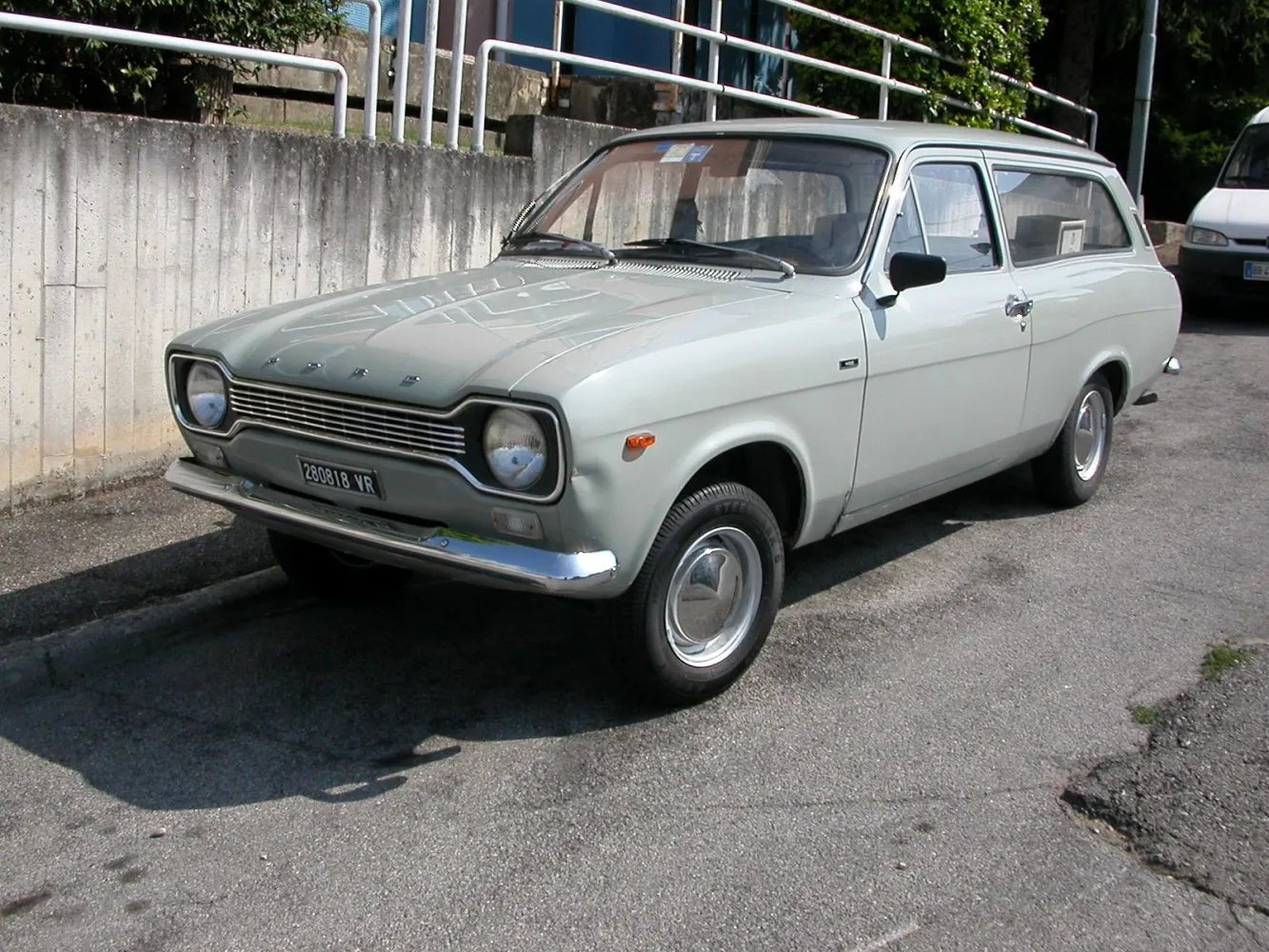
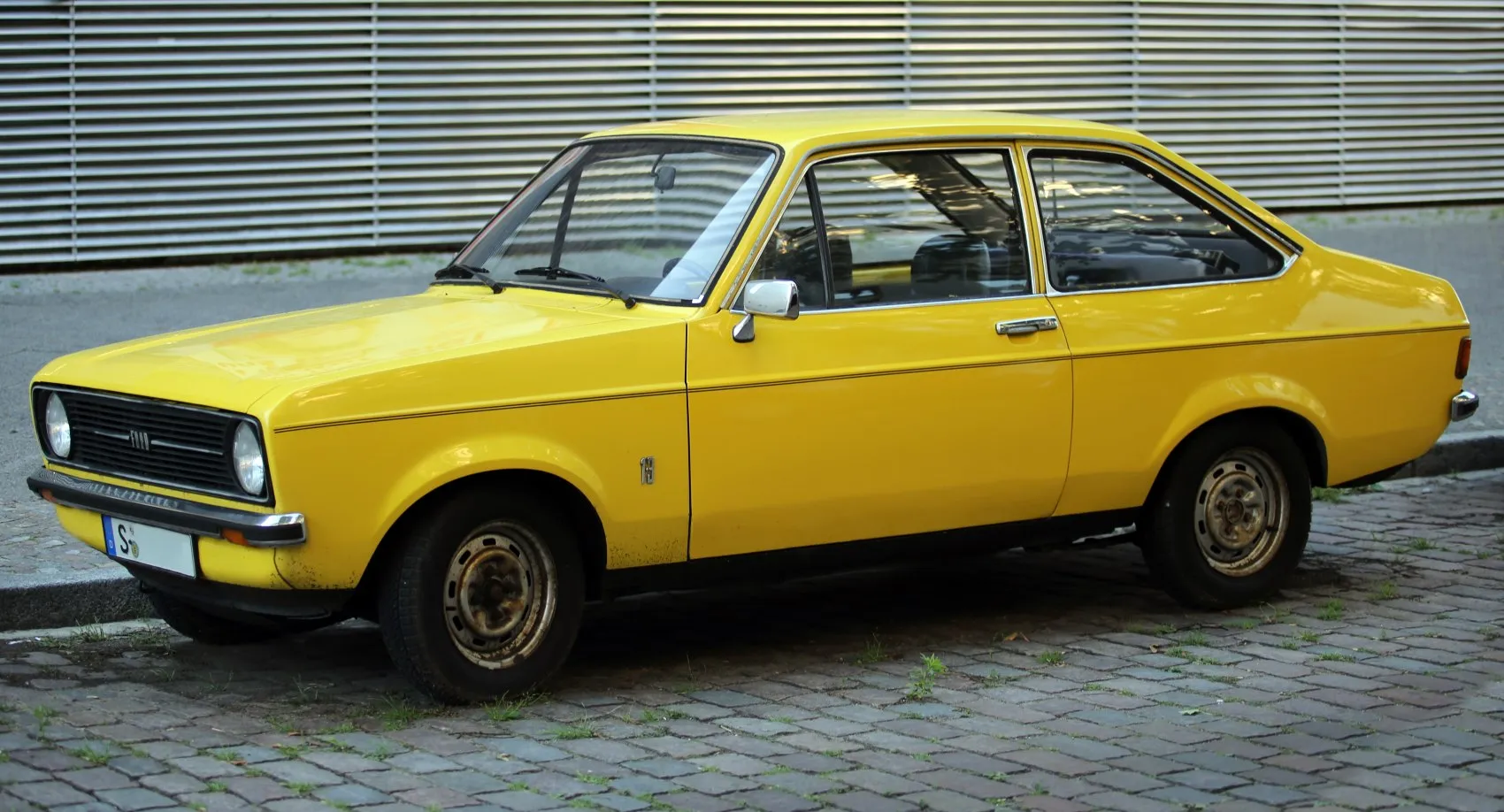
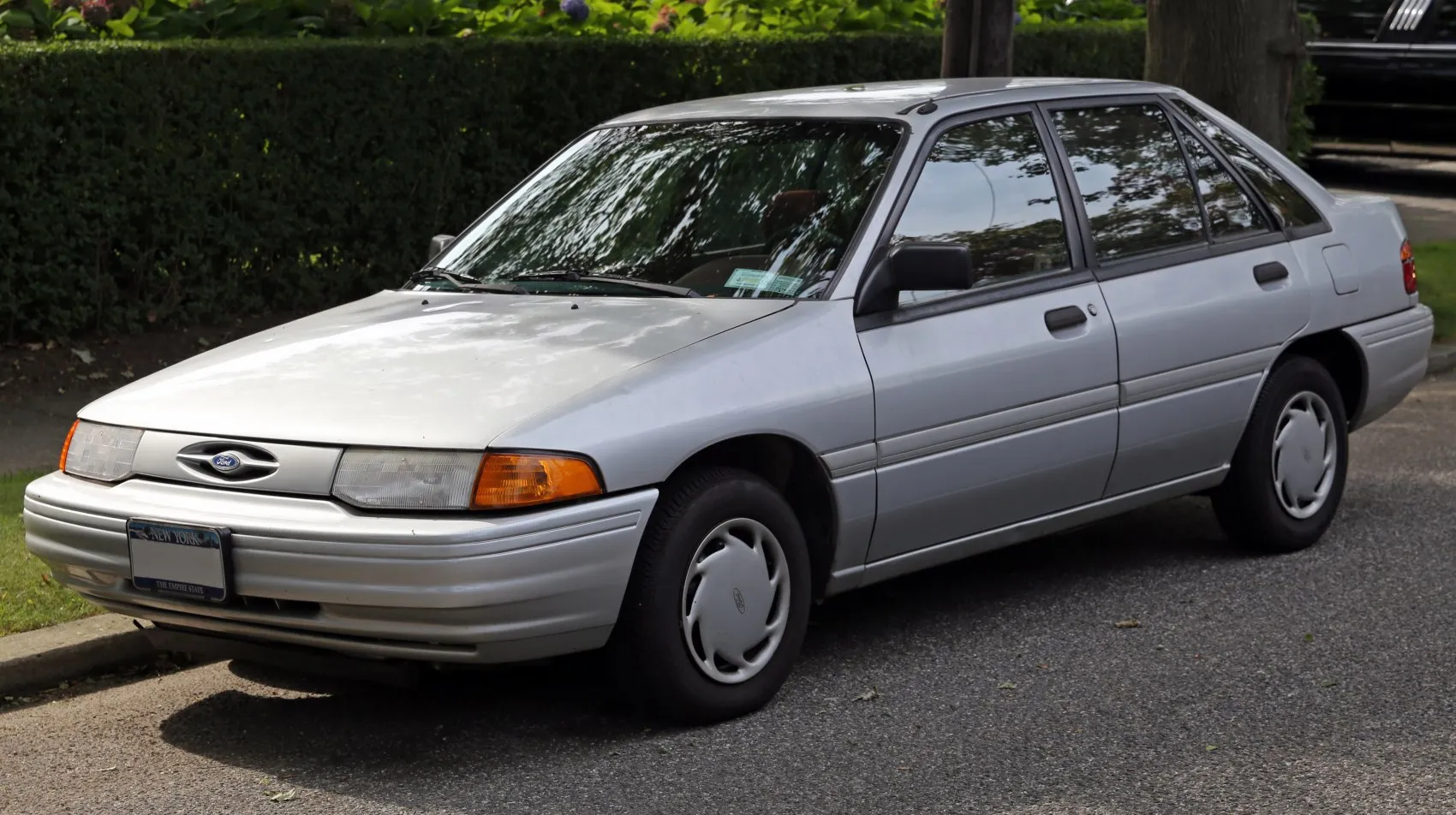
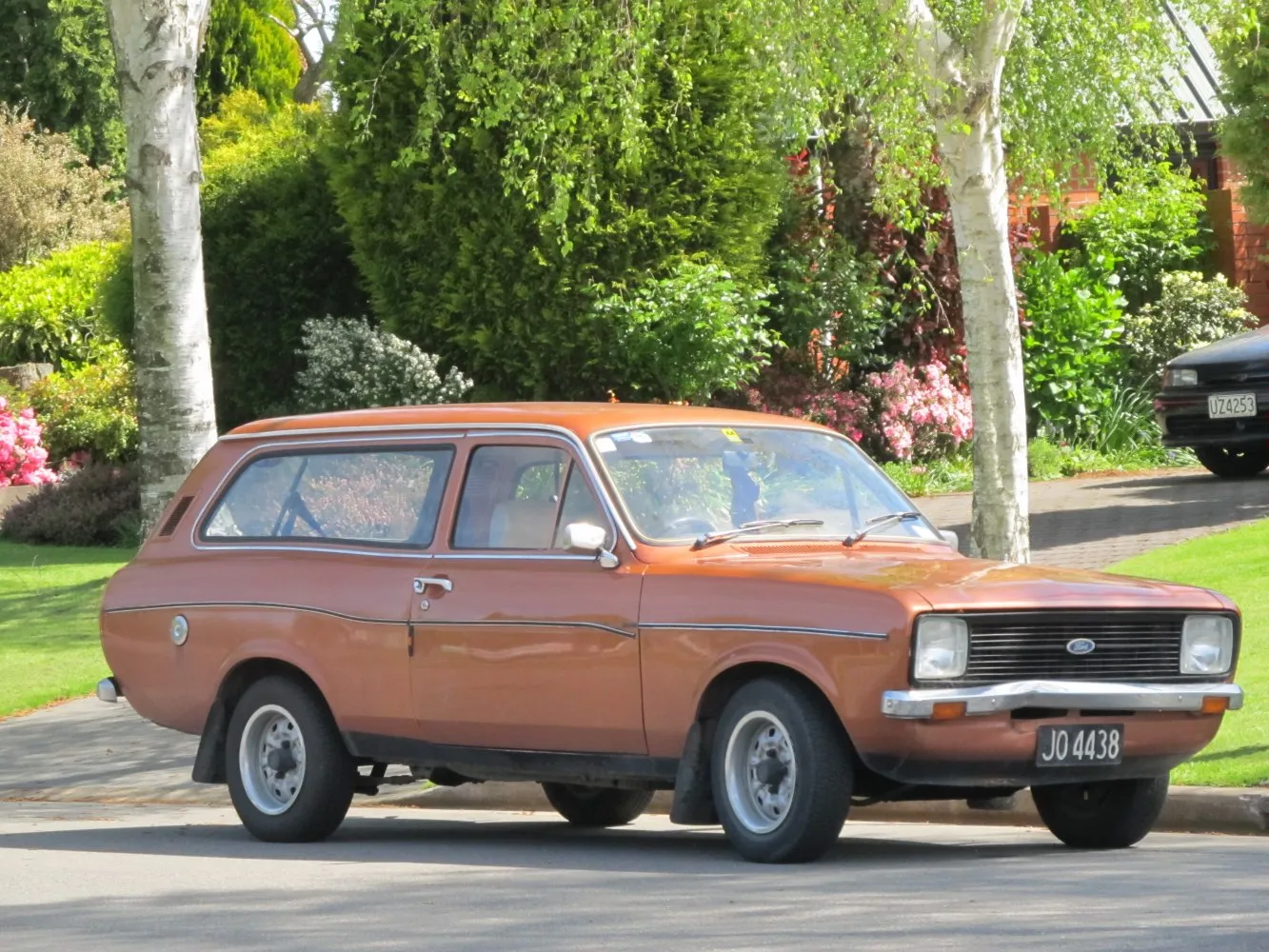
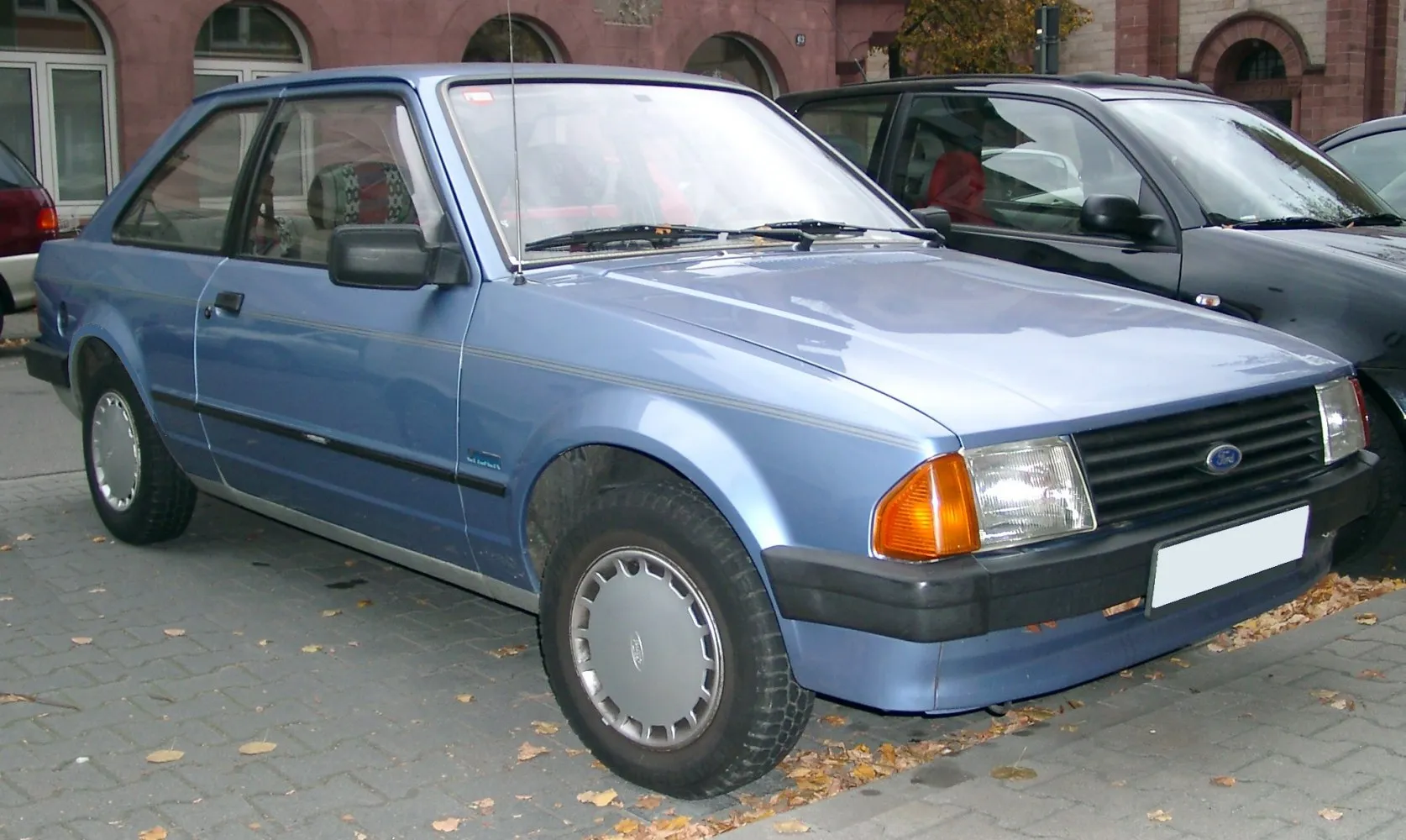
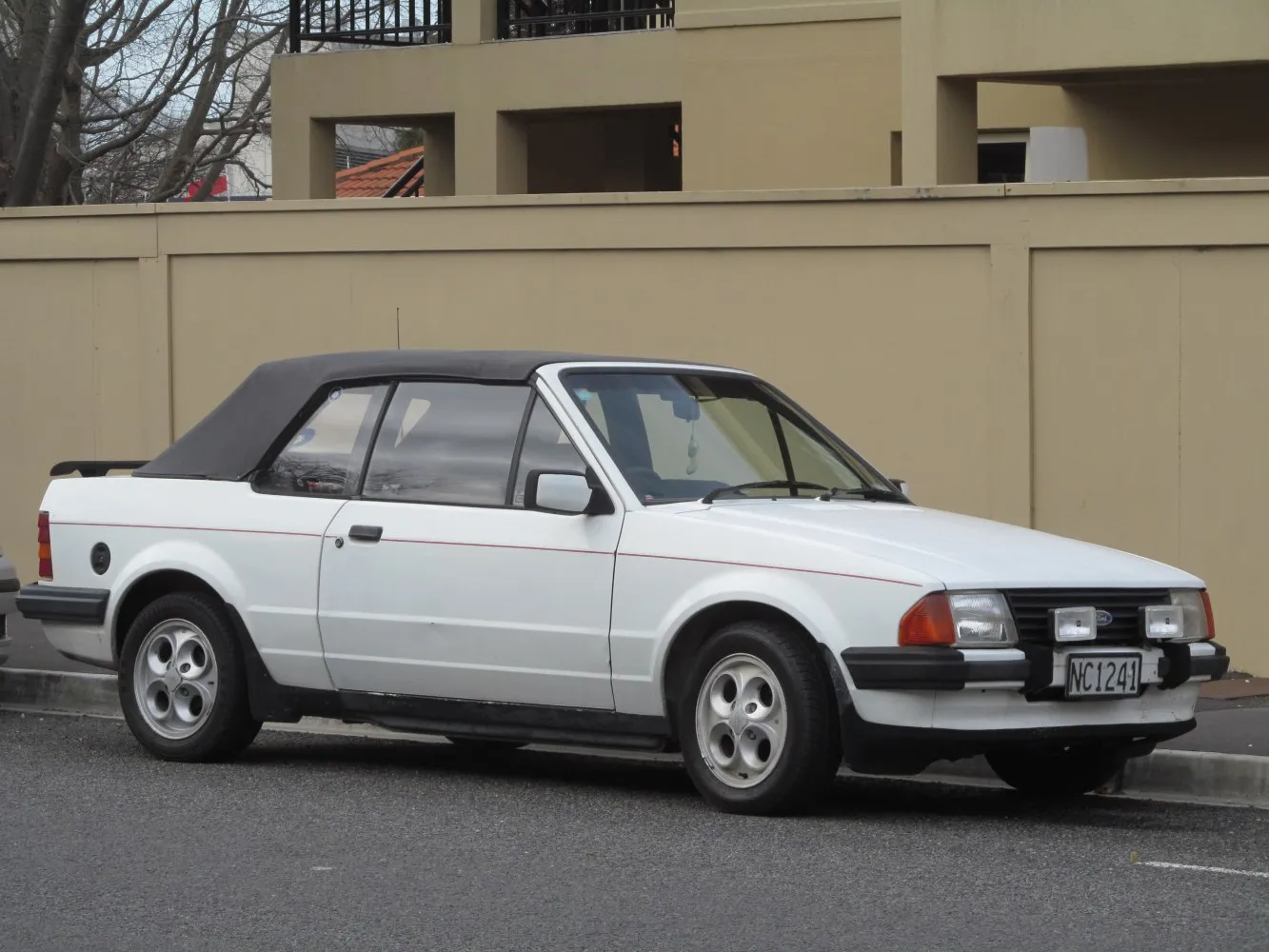
The Ford Escort is a small family car that was manufactured by Ford of Europe from 1968 until 2004. In total, the six generations were spread across three basic platforms: the original, rear-wheel-drive Mk. 1/Mk. 2 , the "Erika" front-wheel-drive Mk. 3/Mk. 4 , and the final CE-14 Mk. 5/Mk. 6 version. Its successor, the Ford Focus, was released in 1998, but the final generation of Escort was phased out gradually, with the panel van version ending production in 2002 in favour of the Ford Transit Connect....(Read more on Wikipedia)
VII Turnier (GAL,ANL) Overview:
Ford Escort (VII Turnier (GAL,ANL)). With 134 Nm of torque, it offers ample pulling power. It has moderate fuel consumption (~11 l/100km). Weighing only 1200 kg, it’s quite light. Front‑wheel drive delivers efficiency and easy handling. Acceleration is relatively slow (0–100 km/h in 11 s). The top speed reaches 180 km/h. A car with an extended rear cargo area, combining passenger comfort with increased storage. Seating for 5 makes it ideal for daily use.
1.6 (90 Hp) Automatic Verdict:

Performance Verdict
Offers comfortable, relaxed driving with surprisingly decent acceleration for an automatic of its time.
Fuel Economy
Less fuel-efficient than its manual counterpart, but still acceptable for an automatic.
Pros and Cons:
Pros:
- • Highly practical and spacious station wagon body style
- • Wide range of engine options to suit different needs and budgets
- • Generally good value for money on the used market
- • Simple mechanics make it relatively easy to maintain and repair
Cons:
- • Dated safety features and poor Euro NCAP rating
- • Uninspired interior design and materials
- • Some engines are significantly underpowered for highway use
- • Prone to rust, especially in older models
Specifications:
Specifications are compared to those of the previous generation(VI (GAL): 1994 - 1995).
| General: | |
|---|---|
| Brand: | Ford |
| Model: | Escort |
| Generation: | VII Turnier (GAL,ANL) |
| Modification (Engine): | 1.6 (90 Hp) Automatic |
| Start of production: | 1995 |
| End of production: | 2000 |
| Powertrain Architecture: | Internal Combustion engine |
| Body type: | Station wagon (estate) |
| Seats: | 5 |
| Doors: | 5 |
| Engine: | |
|---|---|
| Power: | 90 Hp @ 5500 rpm. Same horsepower |
| Power per litre: | 56.3 Hp/l [worst than previous generation] |
| Torque: | 134 Nm |
| Engine Model/Code: | L1E, L1K More details about the engine L1E, L1K |
| Engine displacement: | 1600 |
| Number of cylinders: | 4 |
| Engine configuration: | Inline |
| Number of valves per cylinder: | 4 |
| Fuel injection system: | Multi-port manifold injection |
| Engine aspiration: | Naturally aspirated engine |
| Engine oil capacity: | 4.25 l |
| Coolant: | 7 l |
| Engine layout: | Front, Transverse |
| Compression ratio: | 10:1 |
| Performance: | |
|---|---|
| Fuel Type: | Petrol (Gasoline) |
| Fuel consumption (economy) - urban: | 11 l/100 km |
| Fuel consumption (economy) - extra urban: | 6 l/100 km |
| Fuel consumption (economy) - combined: | 8 l/100 km |
| Emission standard: | Euro 1 |
| Acceleration 0 - 100 km/h: | 11 sec |
| Acceleration 0 - 62 mph: | 11 sec |
| Maximum speed: | 180 km/h |
| Weight-to-power ratio: | 13.3 kg/Hp, 75 Hp/tonne |
| Weight-to-torque ratio: | 9 kg/Nm, 111.7 Nm/tonne |
| Acceleration 0 - 60 mph: | 10.5 sec |
| Space: | |
|---|---|
| Kerb Weight: | 1200 |
| Max. weight: | 1750 |
| Max load: | 550 |
| Fuel tank capacity: | 55 l |
| Powertrain: | |
|---|---|
| Drivetrain Architecture | The Internal combustion engine (ICE) drives the front wheels of the vehicle. |
| Drive wheel | Front wheel drive |
| Number of gears | 4 |
| Transmission type | Automatic |
| Steering type | Steering rack and pinion |
| Power steering | Hydraulic Steering |
| Tires size | 175/70/13 |
| Wheel rims size | 13 |
| Front suspension | Independent type McPherson |
| Rear suspension | Dependent spring suspension with transverse stabilizer |











If you could change one thing about the Ford Escort, what would it be?