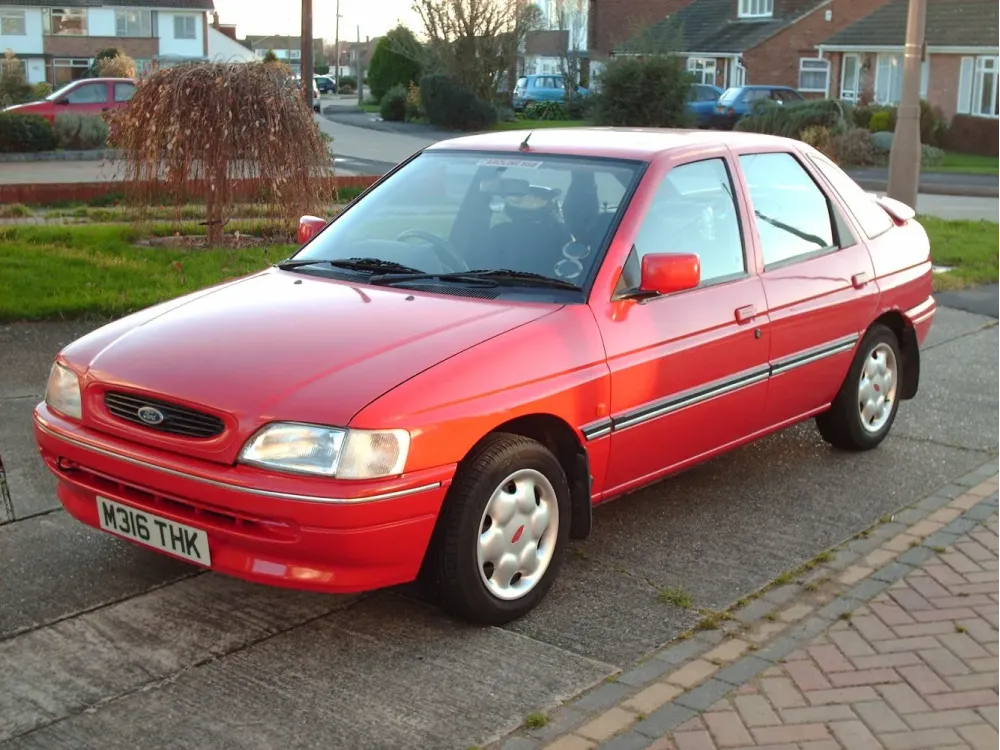
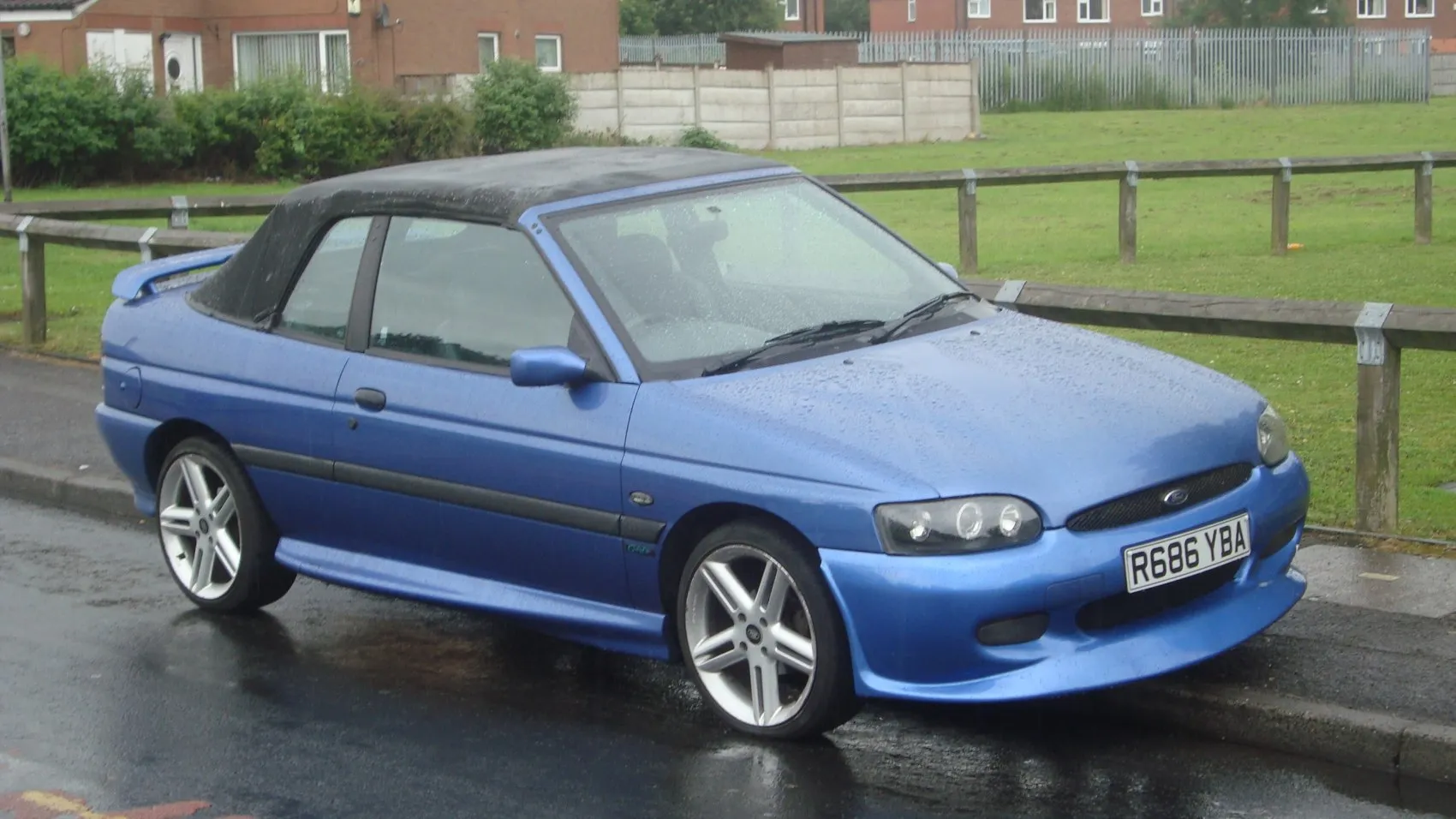
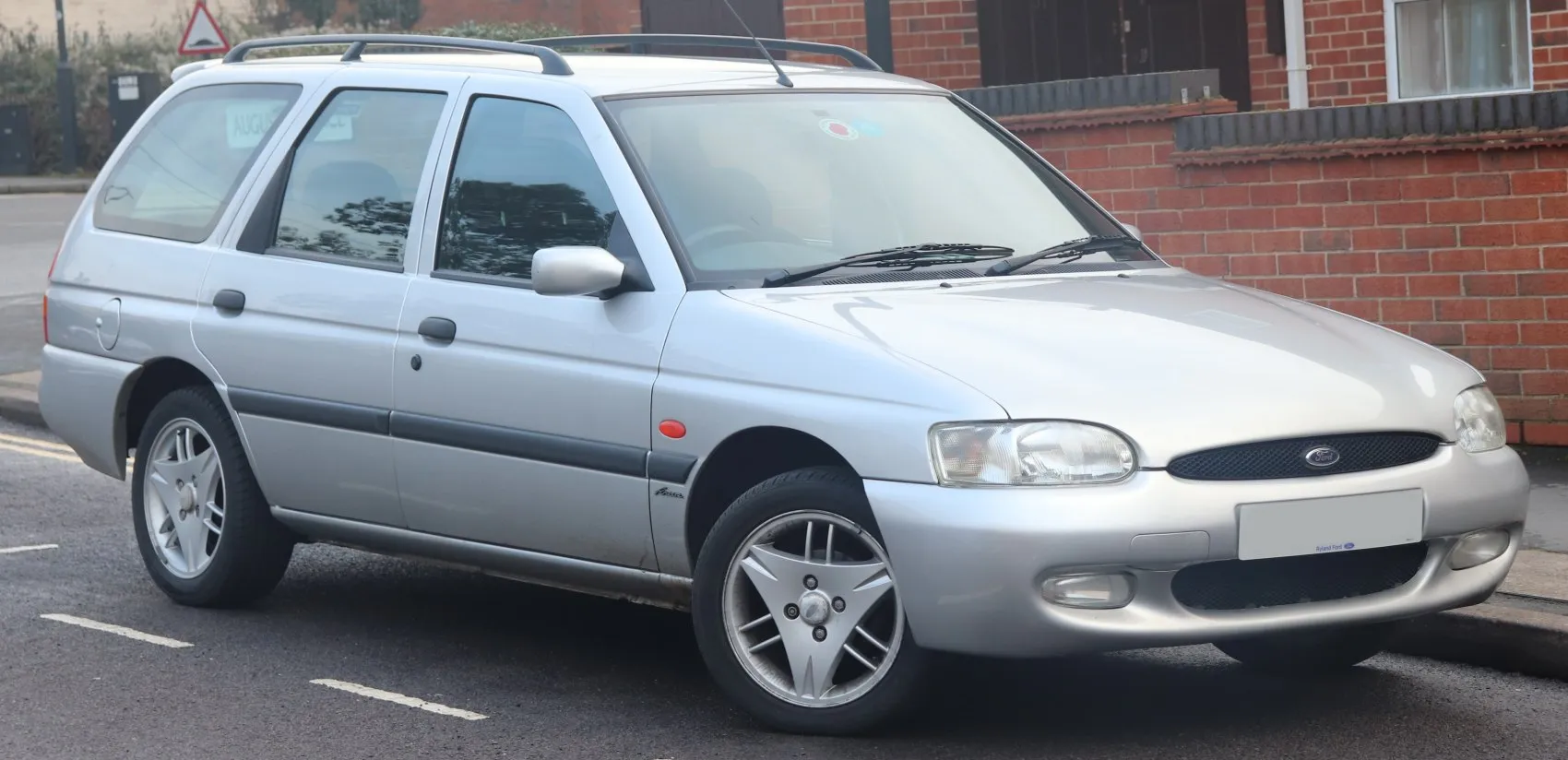
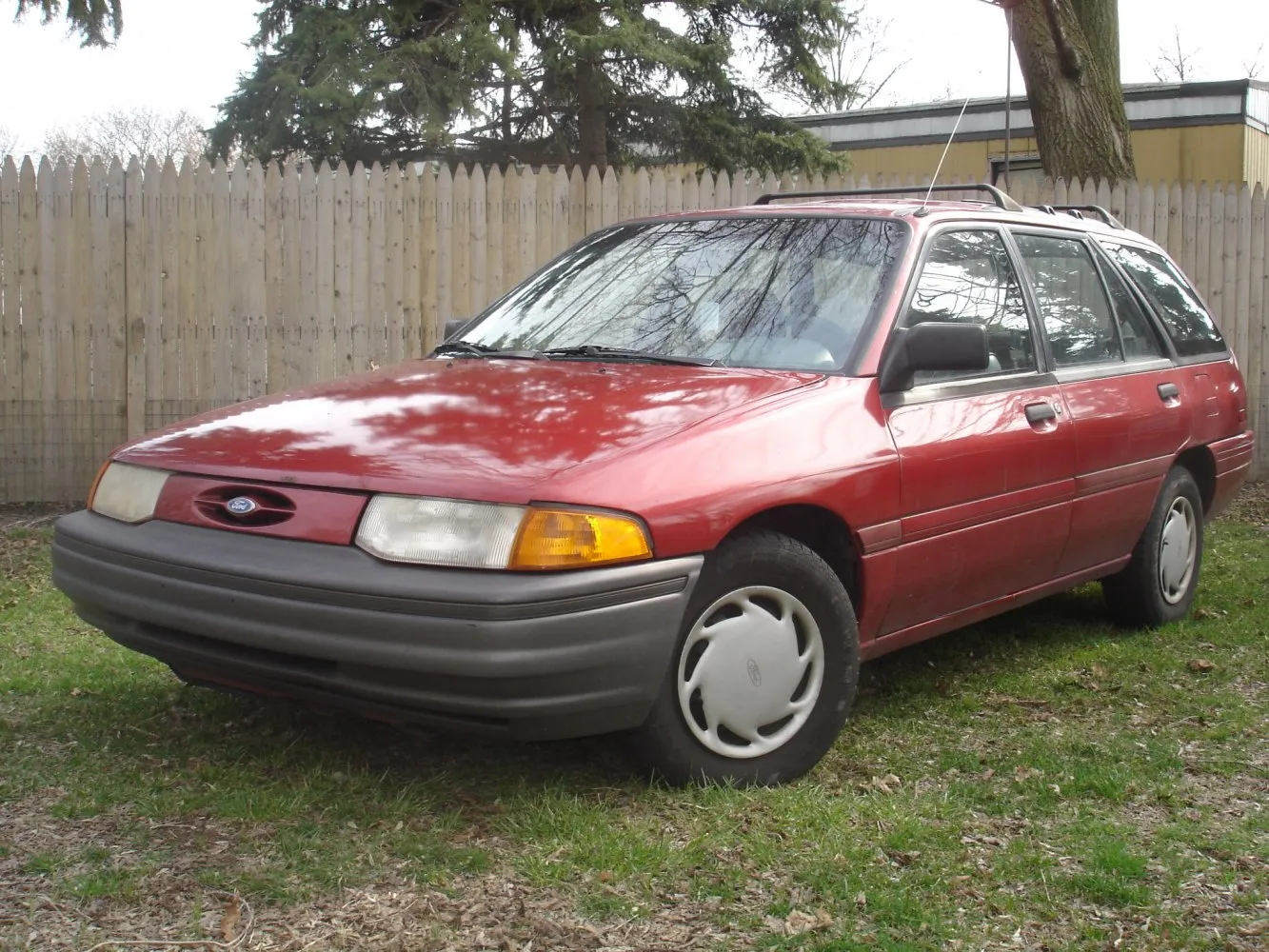
Click on image to view the full photo gallery
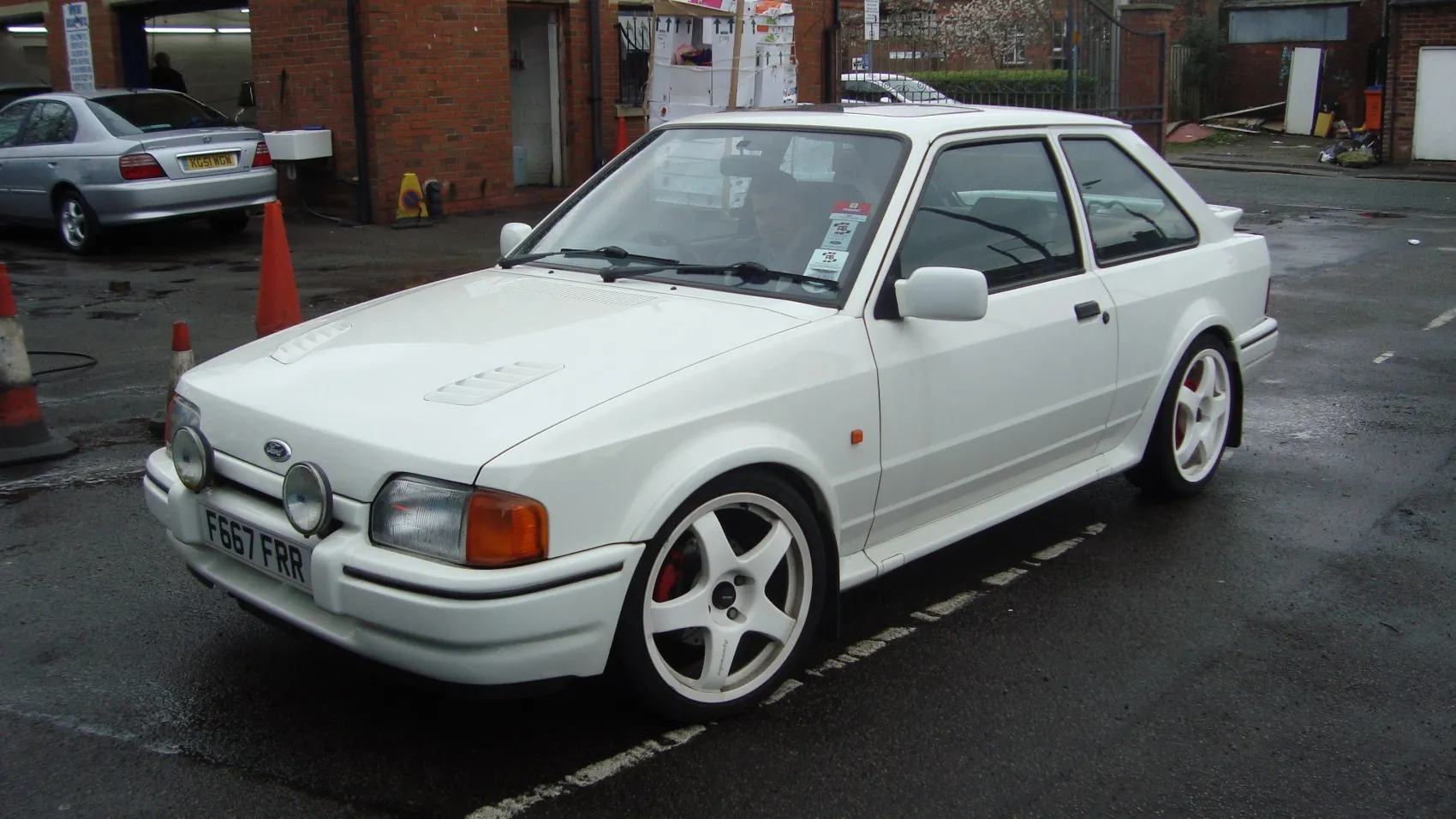
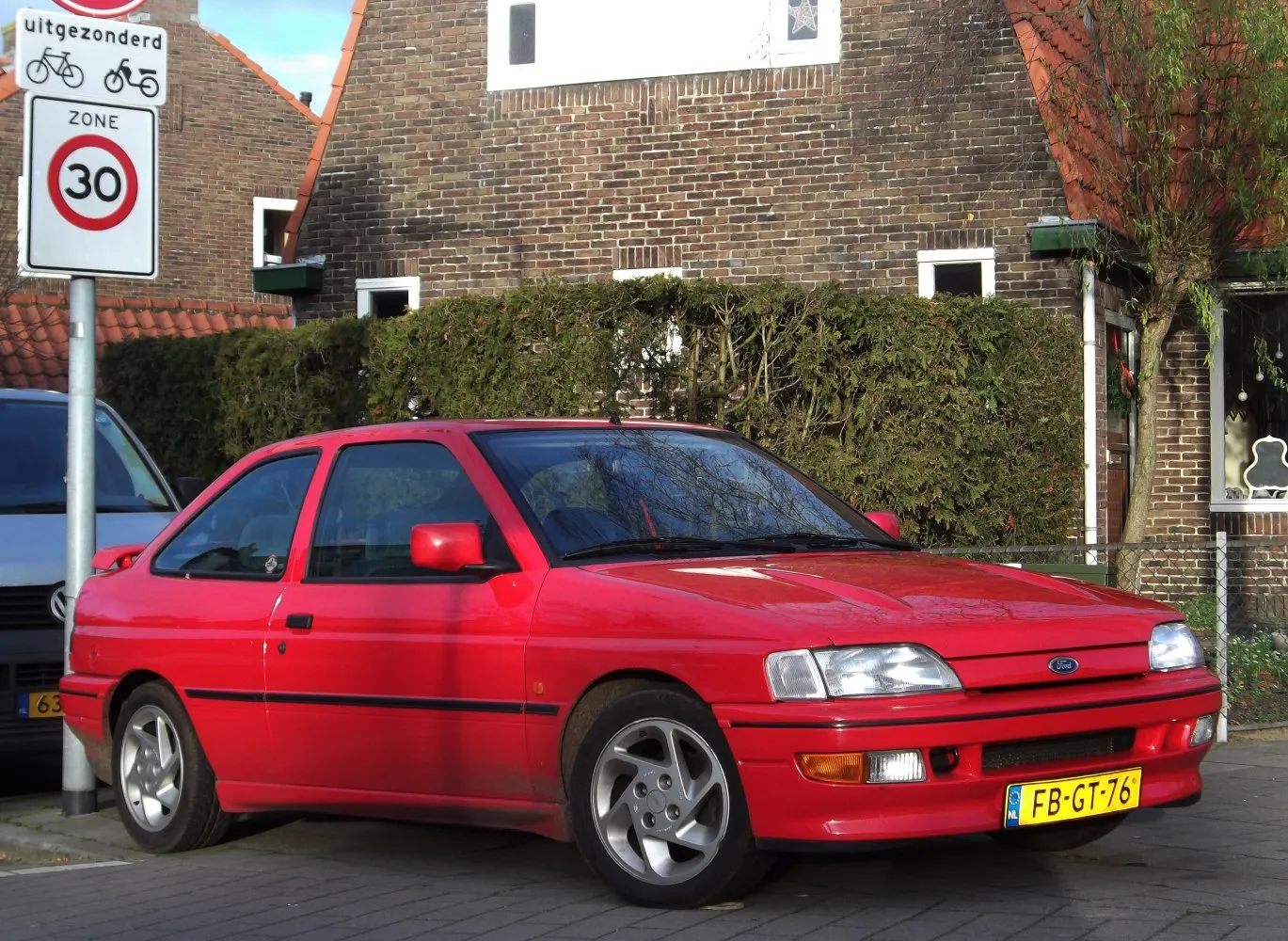
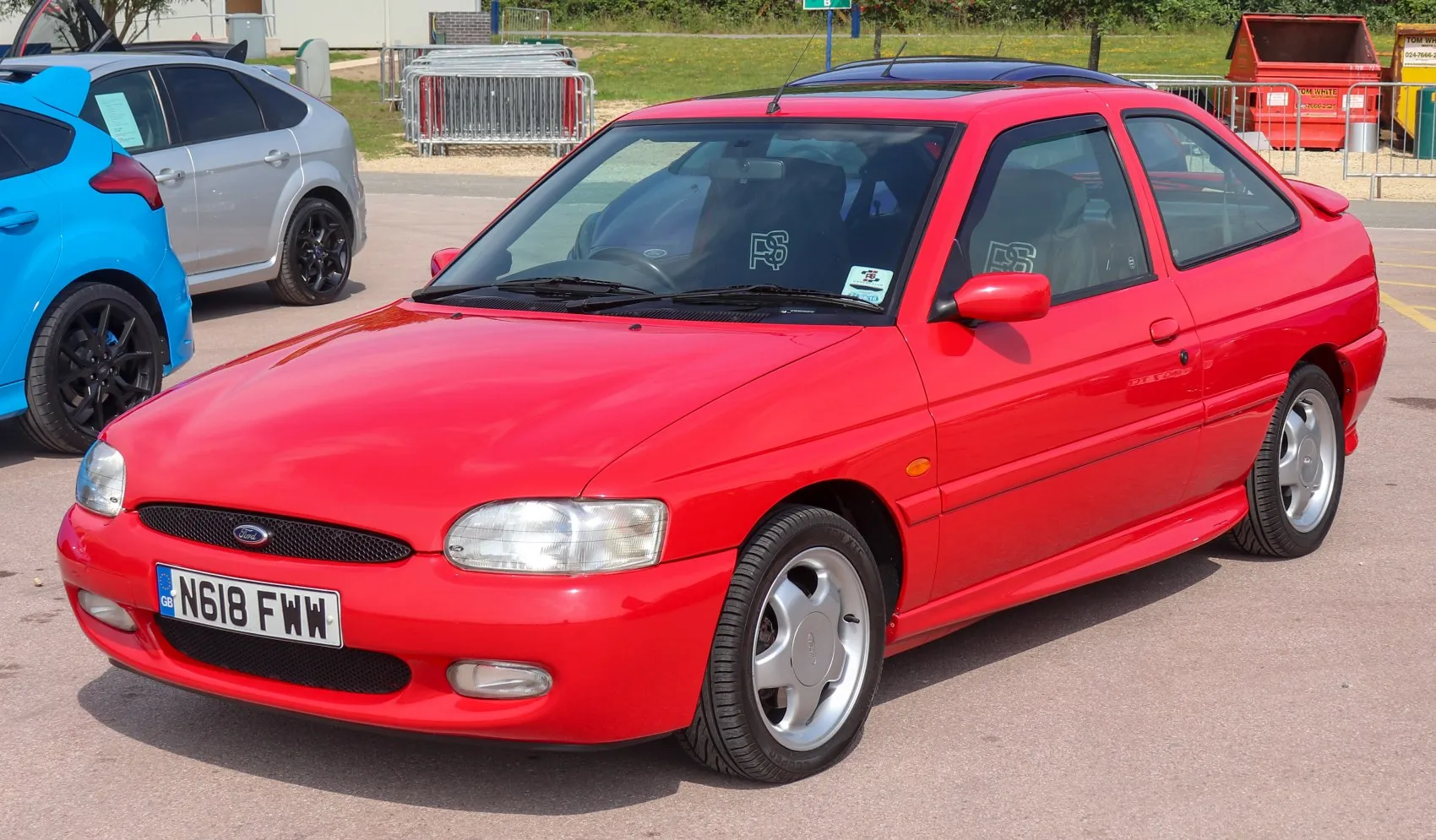
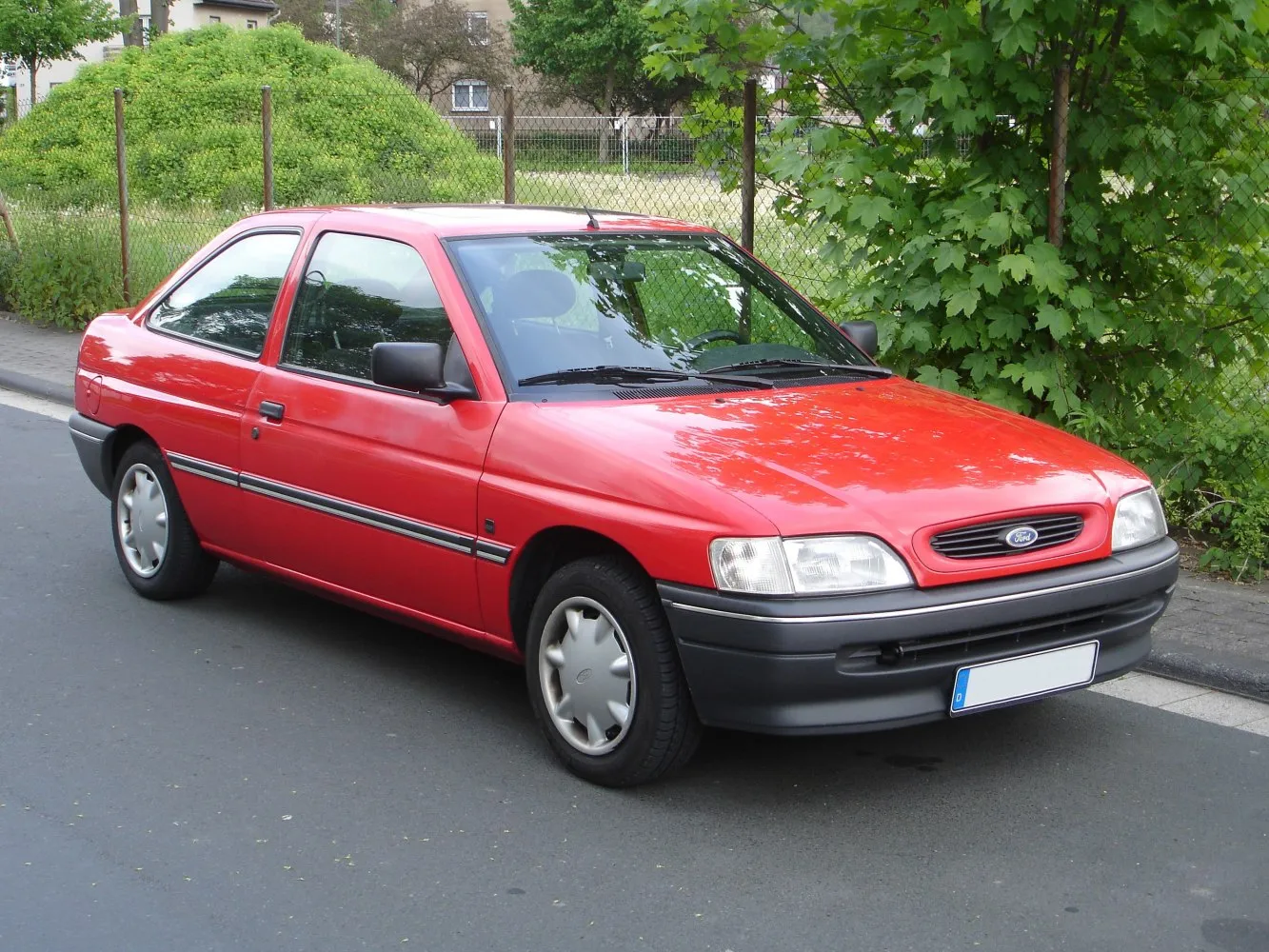
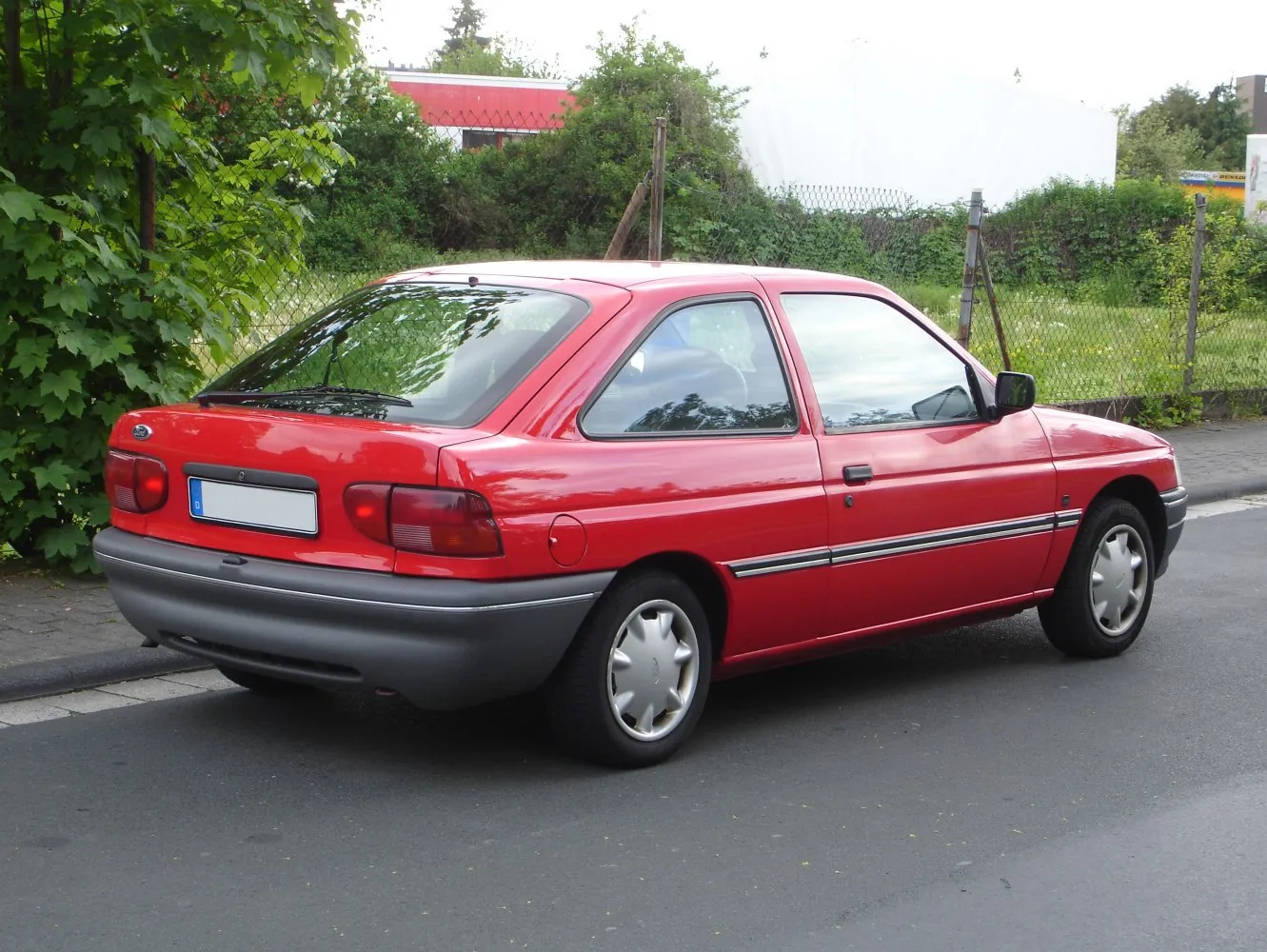
Ford Escort VI Hatch (GAL) 2.0 i 16V RS 2000 (150 Hp)
Overall Rating
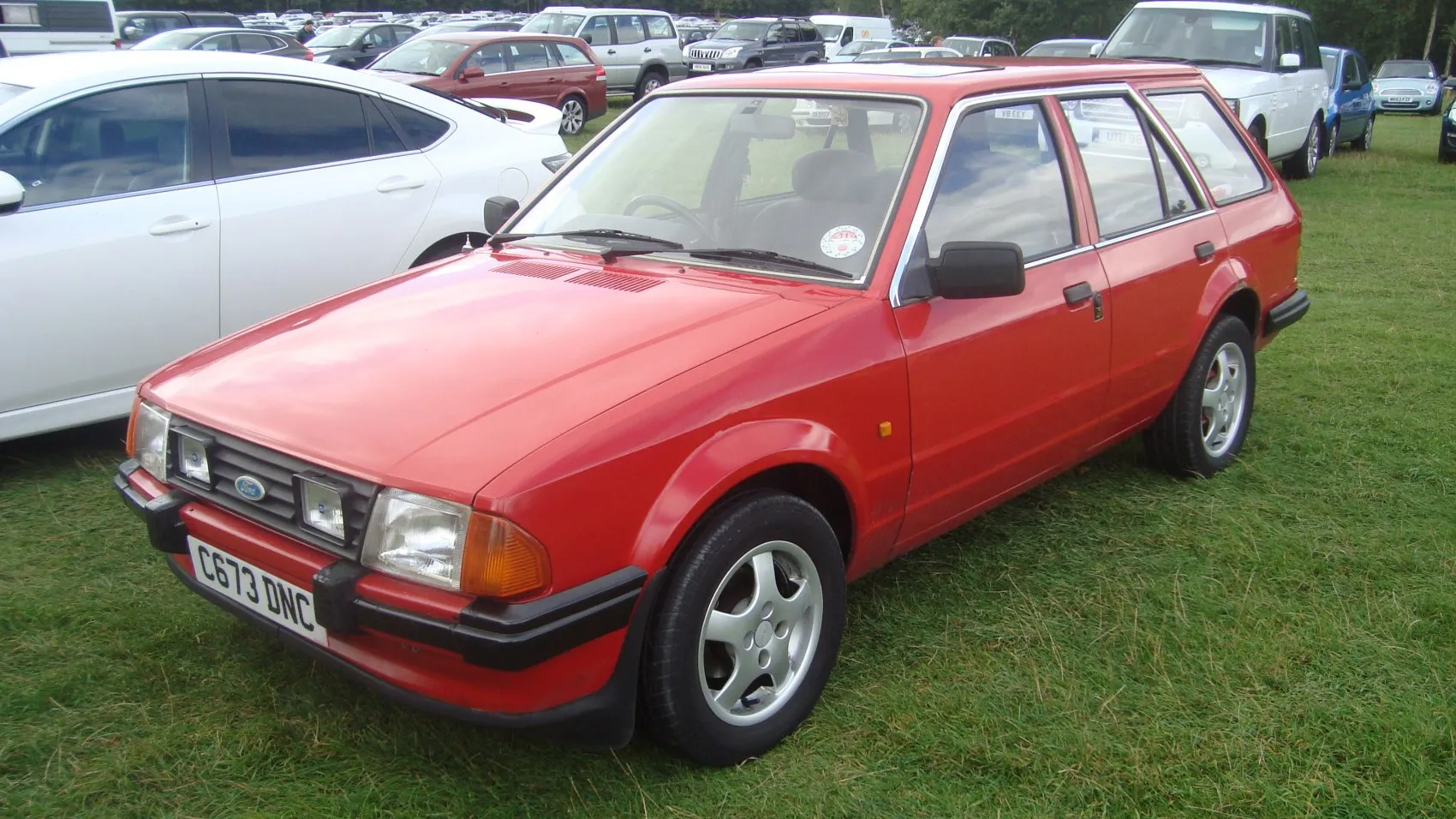
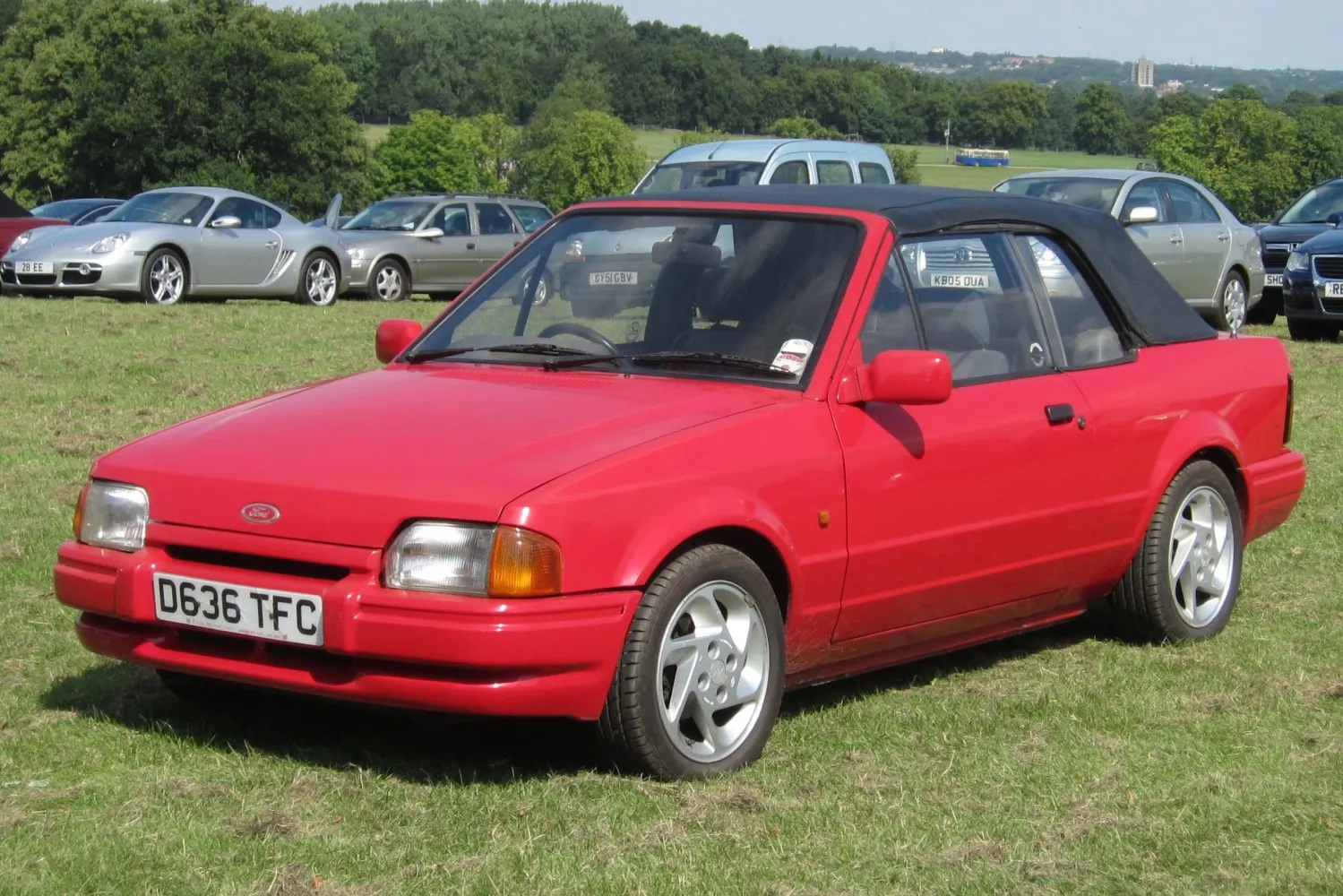
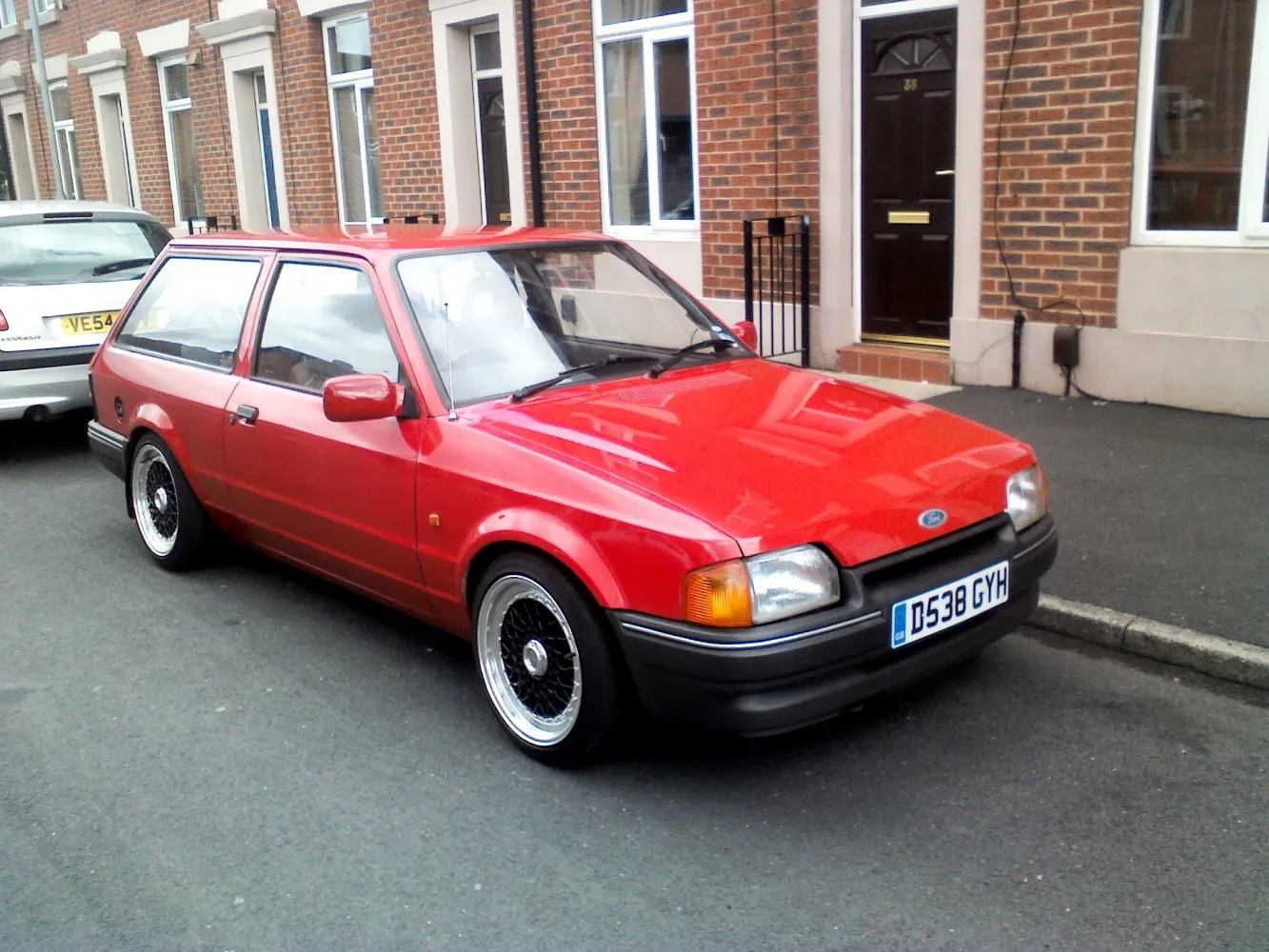
Ford Escort:
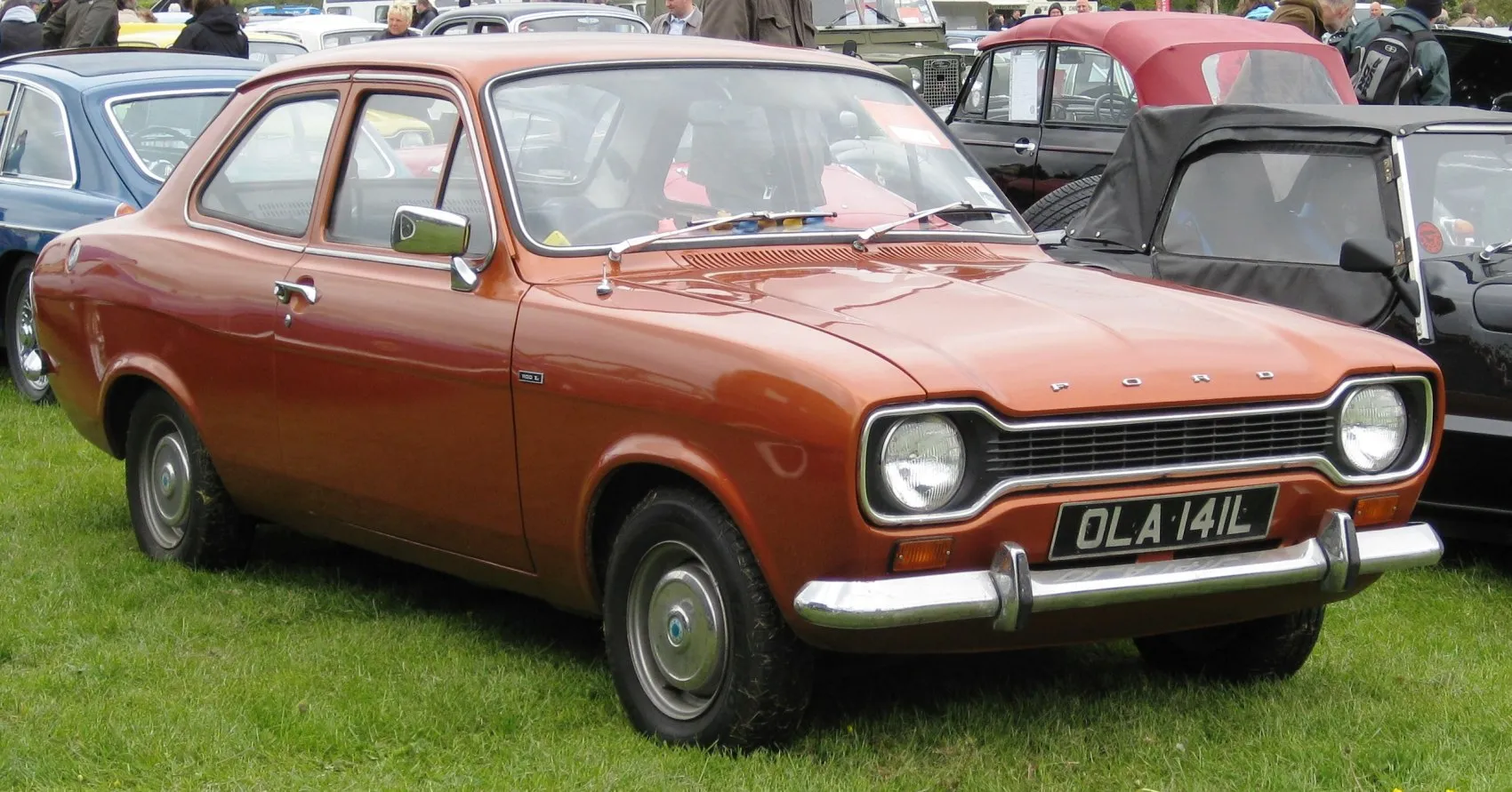
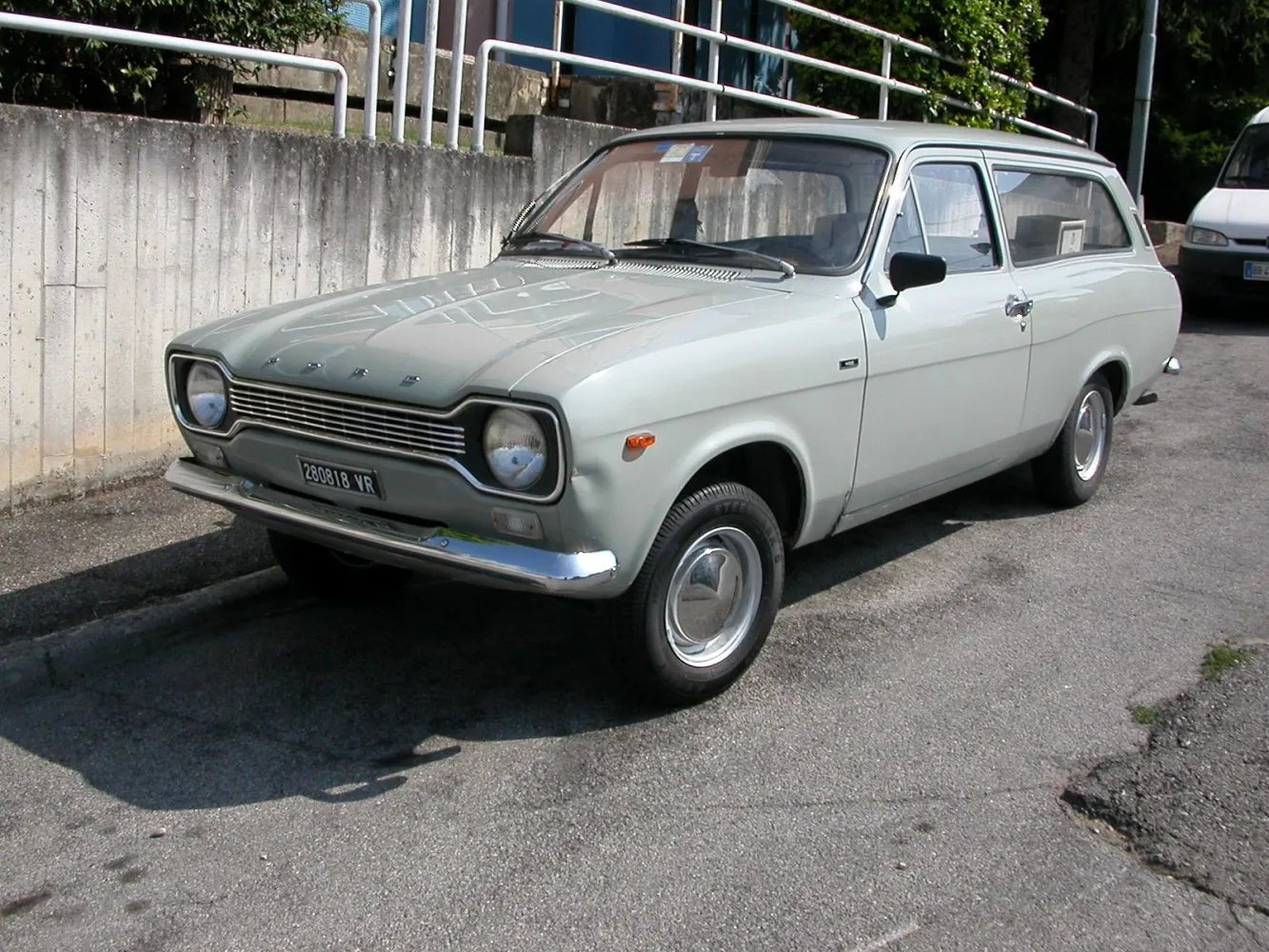
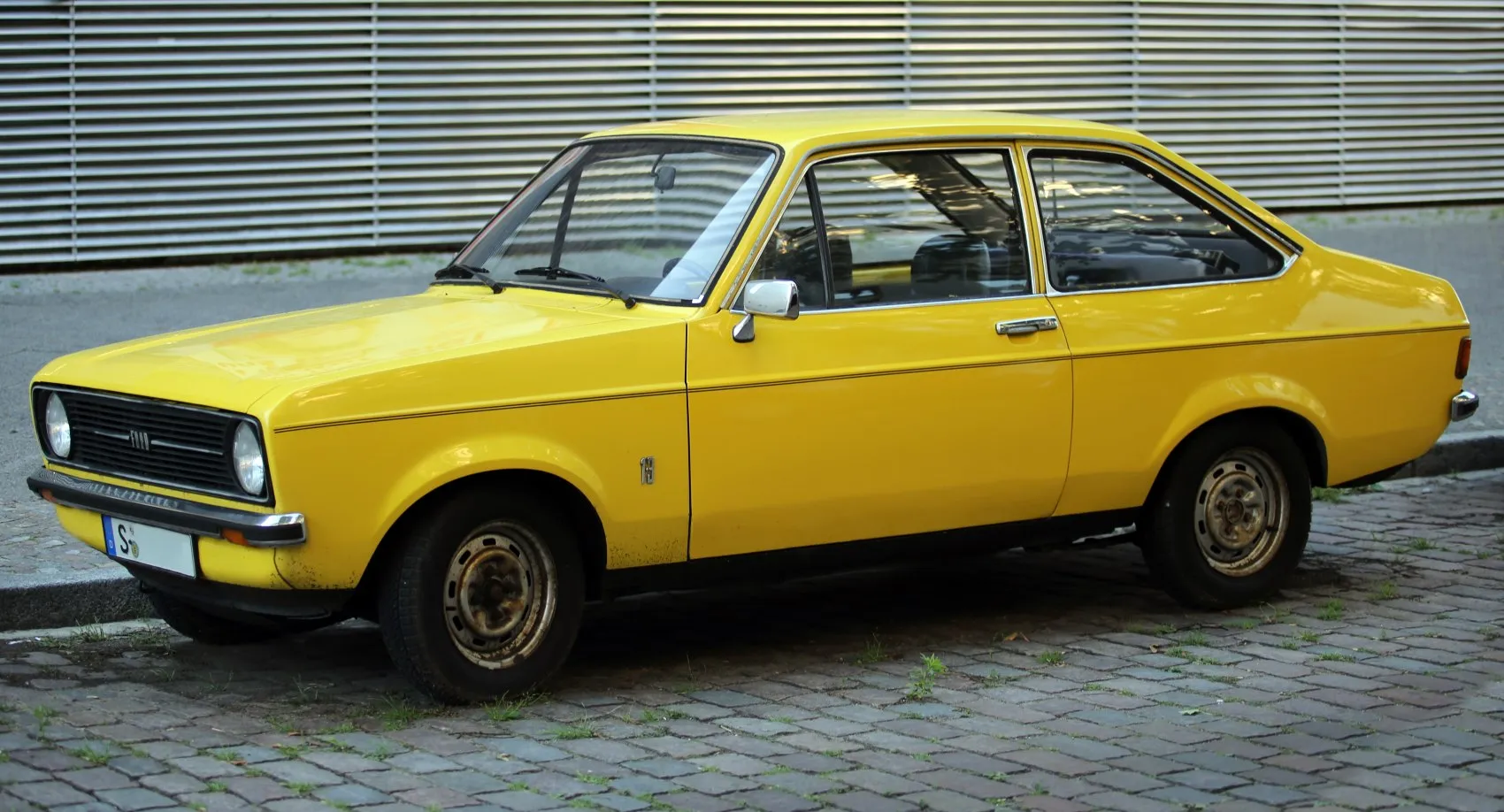
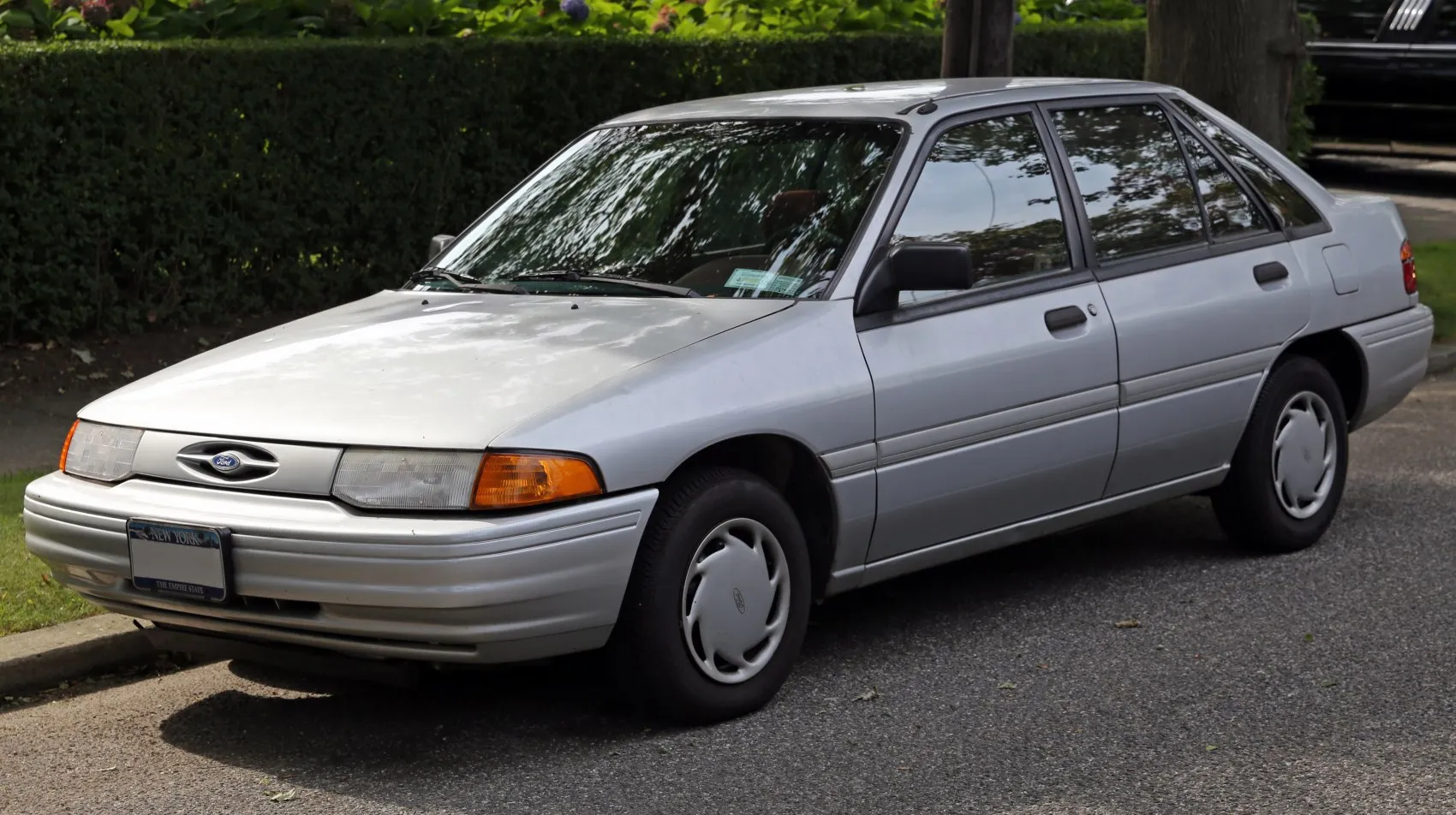
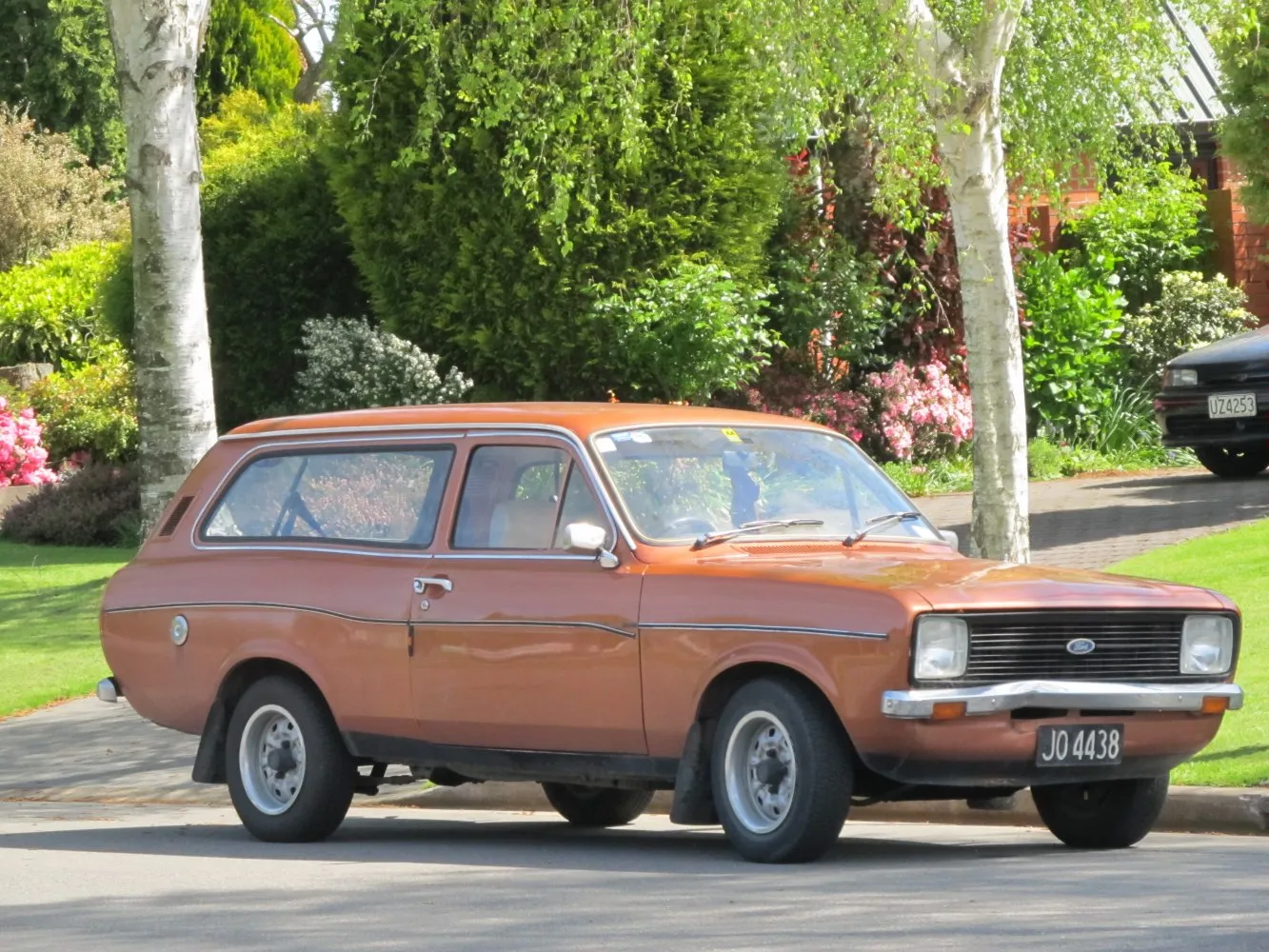
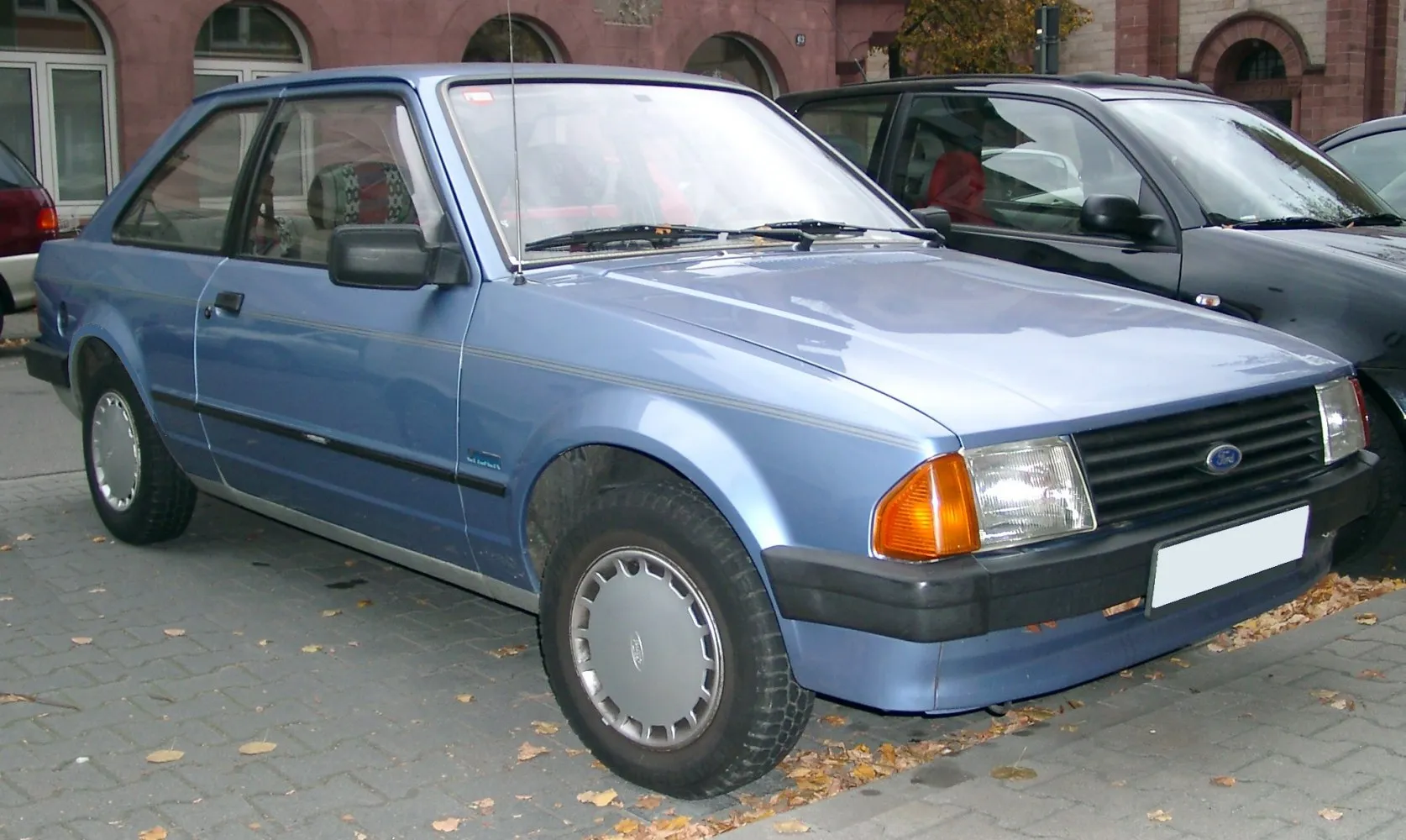
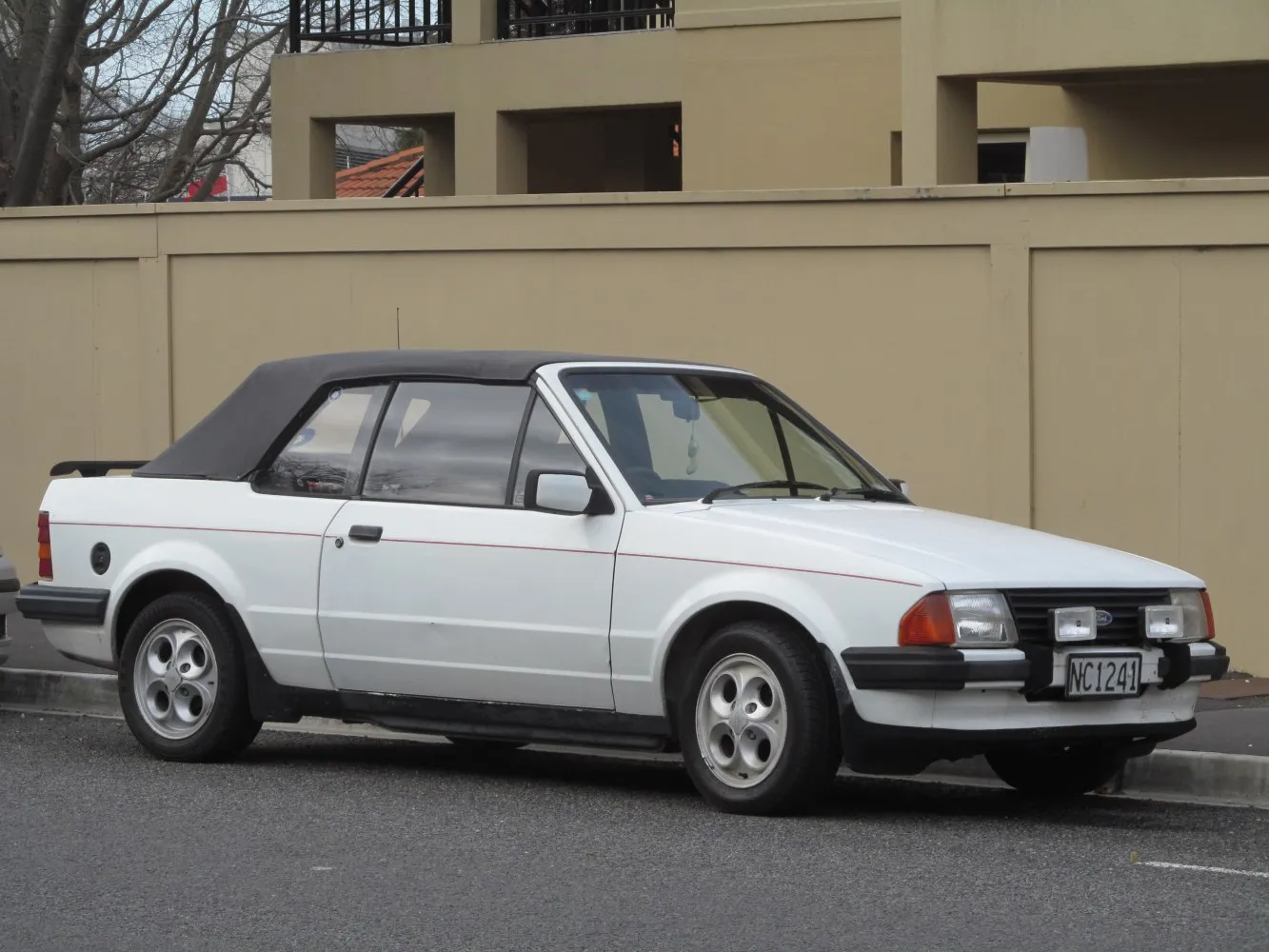
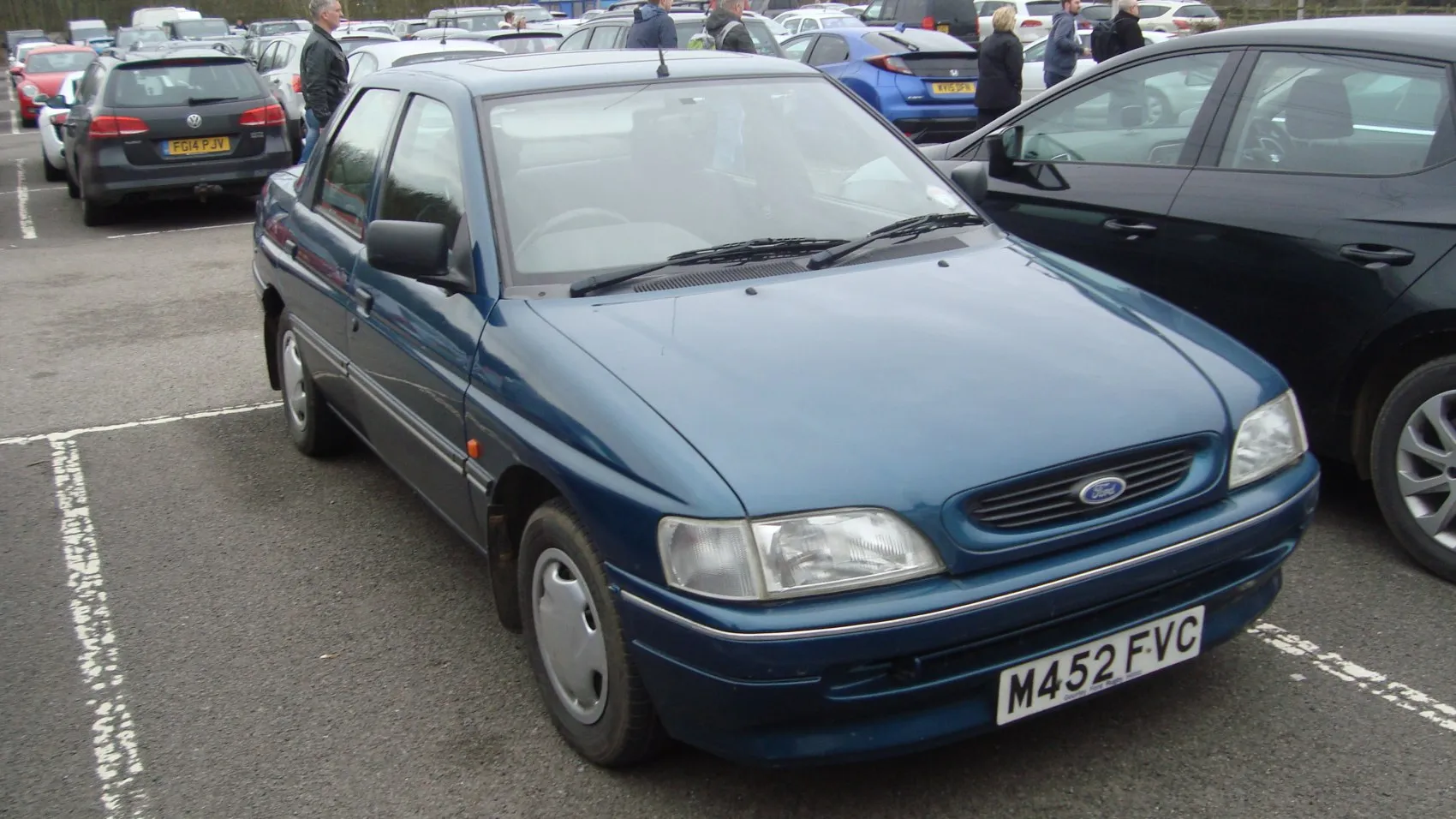
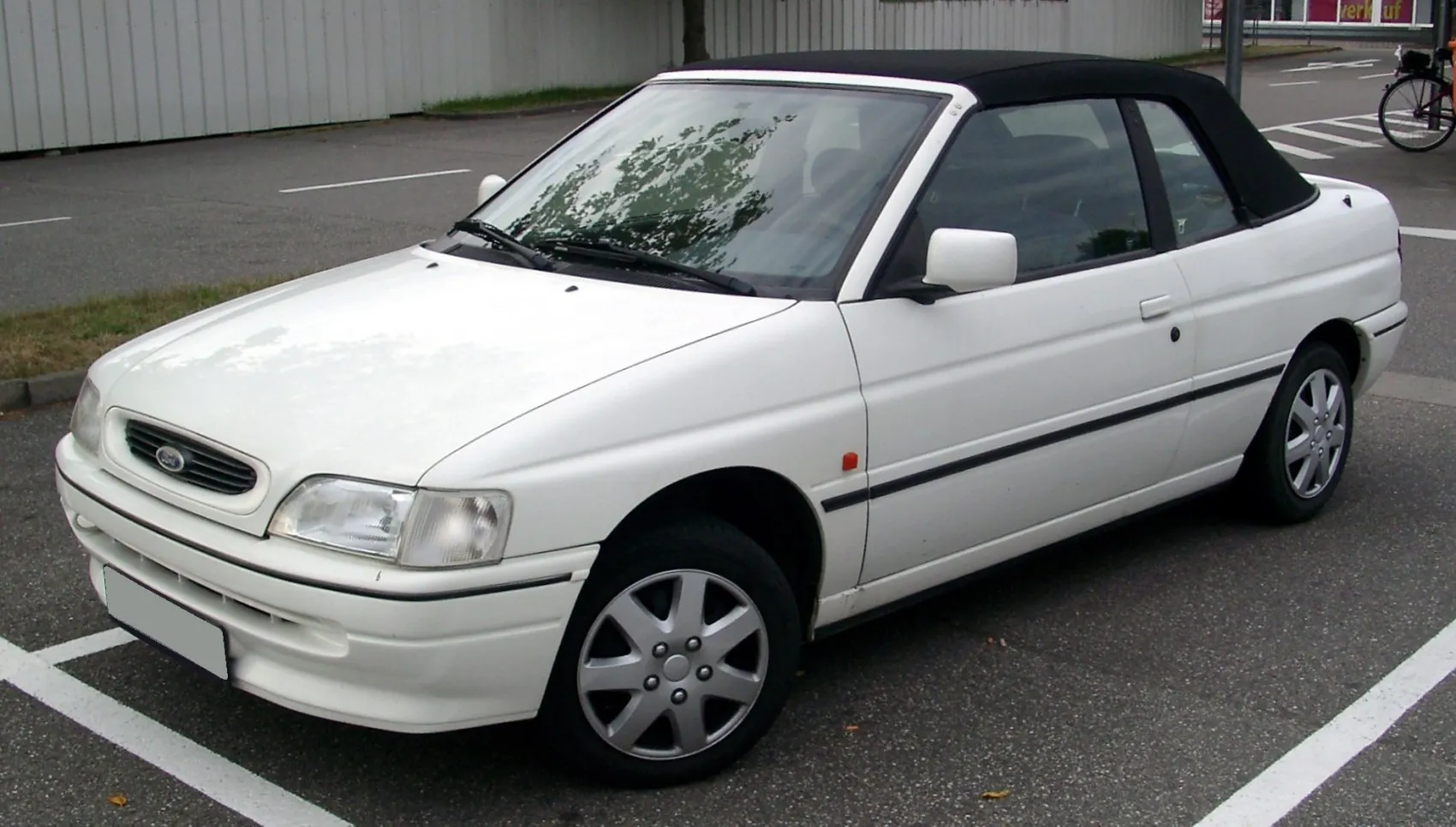
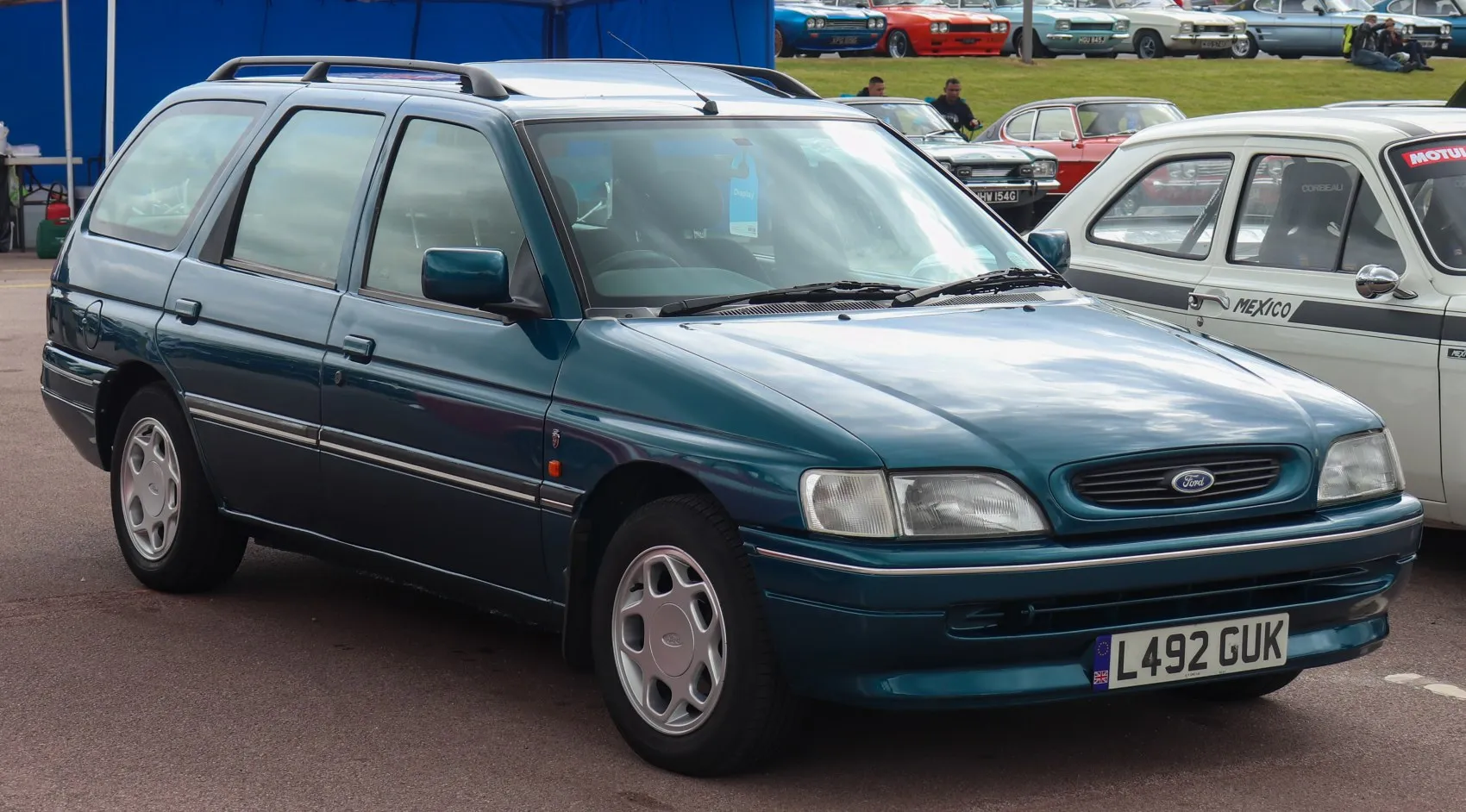
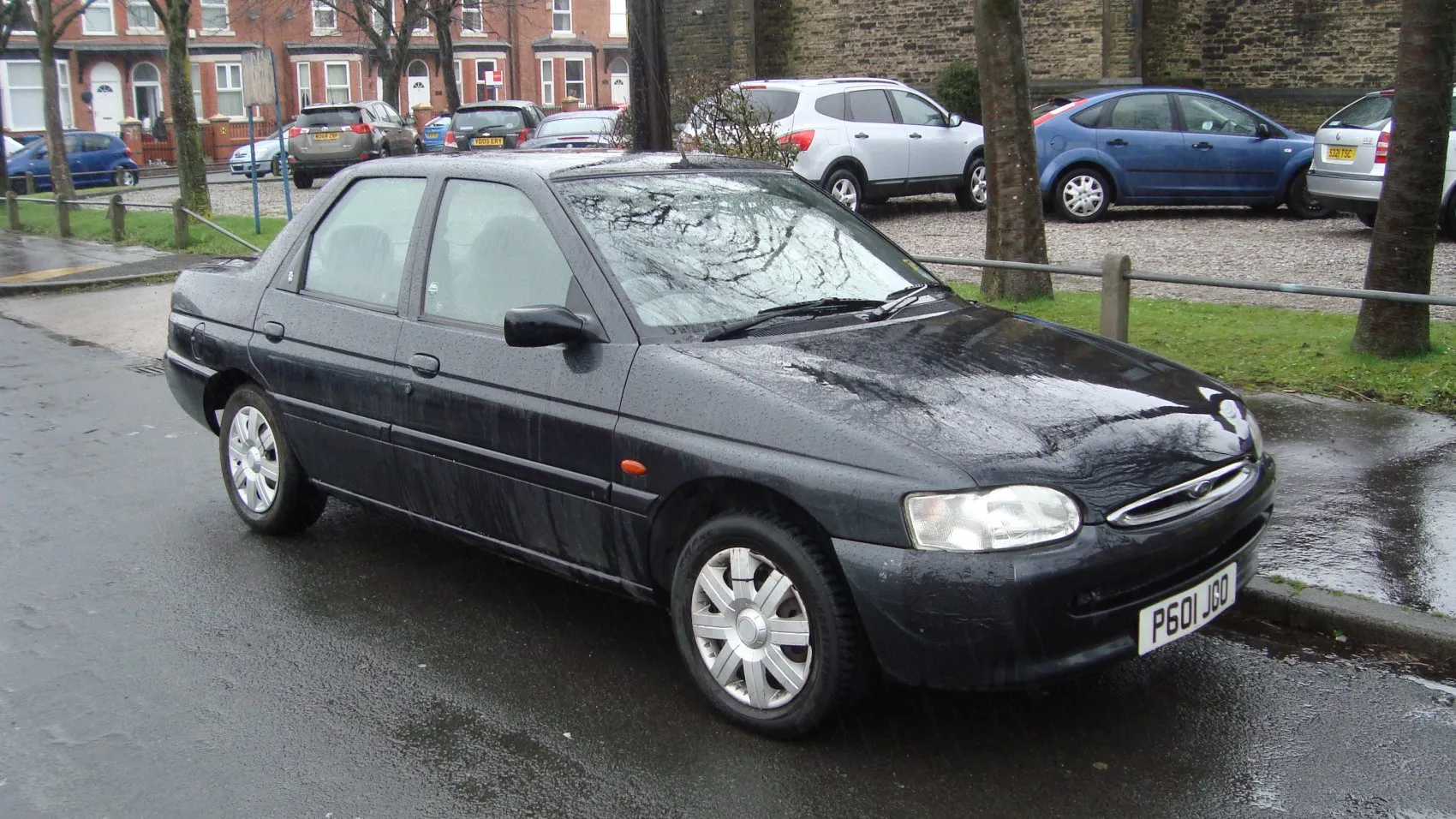
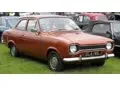
The Ford Escort is a small family car that was manufactured by Ford of Europe from 1968 until 2004. In total, the six generations were spread across three basic platforms: the original, rear-wheel-drive Mk. 1/Mk. 2 , the "Erika" front-wheel-drive Mk. 3/Mk. 4 , and the final CE-14 Mk. 5/Mk. 6 version. Its successor, the Ford Focus, was released in 1998, but the final generation of Escort was phased out gradually, with the panel van version ending production in 2002 in favour of the Ford Transit Connect....(Read more on Wikipedia)
VI Hatch (GAL) Overview:
Ford Escort (VI Hatch (GAL)). With 190 Nm of torque, it offers ample pulling power. Weighing only 1165 kg, it’s quite light. Front‑wheel drive delivers efficiency and easy handling. Acceleration is good (0–100 km/h in 8.7 s). The top speed reaches 208 km/h. A compact car with a rear door that swings upward to provide access to the cargo area. Seating for 5 makes it ideal for daily use.
2.0 i 16V RS 2000 (150 Hp) Verdict:

Performance Verdict
A genuinely quick and engaging performance variant, offering strong acceleration and a sporty driving experience.
Fuel Economy
Fuel consumption is higher, as expected for a performance petrol engine, but reasonable for its power.
Pros and Cons:
Pros:
- • Wide range of engine options catering to various needs
- • Affordable to buy and maintain (non-Cosworth models)
- • Practical hatchback design with decent cargo space
- • Iconic performance variants (RS Cosworth, RS2000) for enthusiasts
- • Generally good handling for its class
Cons:
- • Interior quality can feel dated and plasticky
- • Basic safety features by modern standards
- • Rust can be a significant issue on older models
- • Some entry-level engines lack refinement and power
- • Fuel economy varies greatly across the range, with performance models being thirsty
Specifications:
Specifications are compared to those of the previous generation(V Turnier (GAL,AVL): 1991 - 1992).
| General: | |
|---|---|
| Brand: | Ford |
| Model: | Escort |
| Generation: | VI Hatch (GAL) |
| Modification (Engine): | 2.0 i 16V RS 2000 (150 Hp) |
| Start of production: | 1992 |
| End of production: | 1996 |
| Powertrain Architecture: | Internal Combustion engine |
| Body type: | Hatchback |
| Seats: | 5 |
| Doors: | 3 |
| Engine: | |
|---|---|
| Power: | 150 Hp @ 6000 rpm. Same horsepower |
| Power per litre: | 75.1 Hp/l [worst than previous generation] |
| Torque: | 190 Nm @ 4500 rpm. |
| Engine Model/Code: | N7A More details about the engine N7A |
| Engine displacement: | 1998 |
| Number of cylinders: | 4 |
| Engine configuration: | Inline |
| Number of valves per cylinder: | 4 |
| Fuel injection system: | Multi-port manifold injection |
| Engine aspiration: | Naturally aspirated engine |
| Valvetrain: | DOHC |
| Engine oil capacity: | 4.5 l |
| Coolant: | 7.5 l |
| Engine layout: | Front, Transverse |
| Cylinder Bore: | 86 mm mm |
| Piston Stroke: | 86 mm mm |
| Compression ratio: | 10.3:1 |
| Performance: | |
|---|---|
| Fuel Type: | Petrol (Gasoline) |
| Acceleration 0 - 100 km/h: | 8.7 sec |
| Acceleration 0 - 62 mph: | 8.7 sec |
| Maximum speed: | 208 km/h |
| Weight-to-power ratio: | 7.8 kg/Hp, 128.8 Hp/tonne |
| Weight-to-torque ratio: | 6.1 kg/Nm, 163.1 Nm/tonne |
| Acceleration 0 - 60 mph: | 8.3 sec |
| Space: | |
|---|---|
| Kerb Weight: | 1165 |
| Max. weight: | 1625 |
| Max load: | 460 |
| Trunk (boot) space - maximum: | 735 l |
| Trunk (boot) space - minimum: | 380 l |
| Fuel tank capacity: | 55 l |
| Size: | |
|---|---|
| Length: | 4108 mm mm |
| Width: | 1696 mm mm |
| Height: | 1379 mm mm |
| Wheelbase: | 2525 mm mm |
| Front track: | 1443 mm |
| Rear (Back) track: | 1439 mm |
| Powertrain: | |
|---|---|
| Drivetrain Architecture | The Internal combustion engine (ICE) drives the front wheels of the vehicle. |
| Drive wheel | Front wheel drive |
| Number of gears | 5 |
| Transmission type | Manual |
| Front brakes | Ventilated discs [Best for performance and cooling.] |
| Rear brakes | Disc |
| Assisting systems | ABS (Anti-lock braking system) |
| Steering type | Steering rack and pinion |
| Power steering | Hydraulic Steering |
| Tires size | 195/50 R15 V |
| Front suspension | Wishbone |
| Rear suspension | Coil spring |








Would you recommend the Ford Escort ? Tell us why or why not!