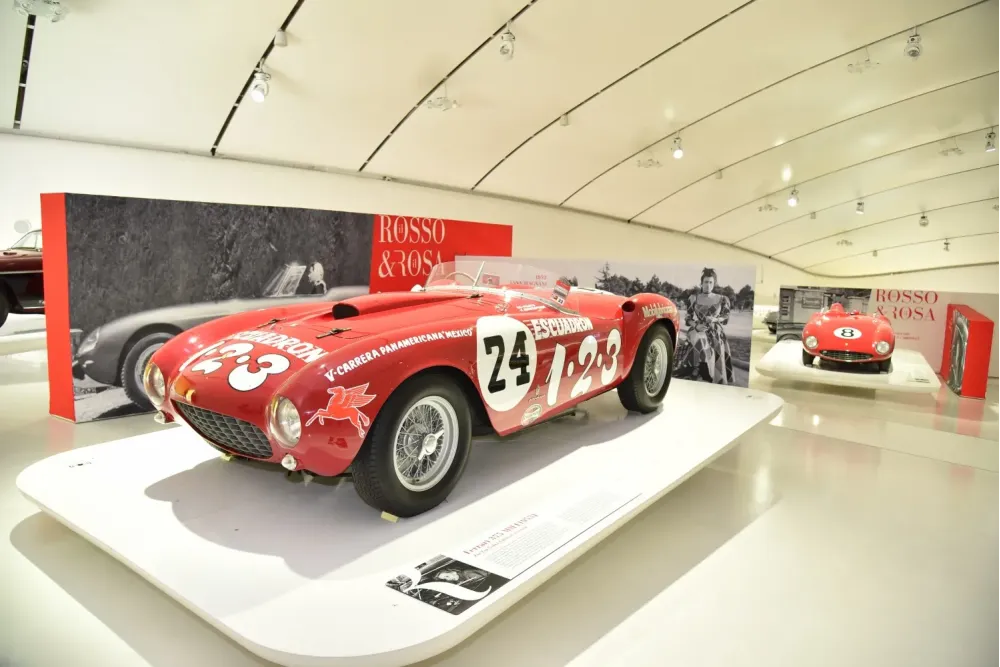
Click on image to view the full photo gallery
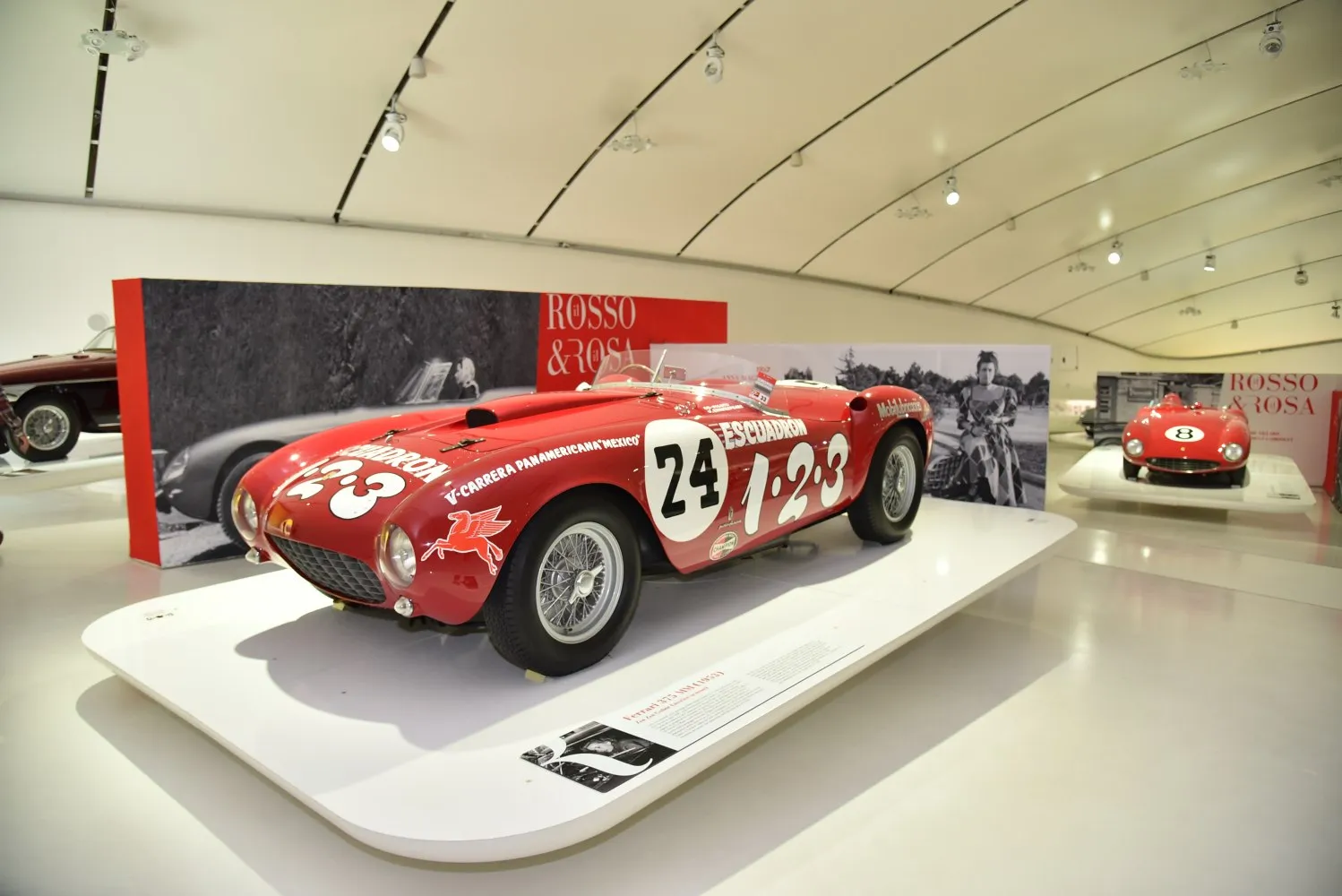
Ferrari 375 MM 4.5 V12 (340 Hp)
Overall Rating
Ferrari 375:
After finding only modest success with the supercharged 125 F1 car in Formula One, Ferrari decided to switch for 1950 to the naturally aspirated 4. 5-litre formula for the series. Calling in Aurelio Lampredi to replace Gioacchino Colombo as technical director, Enzo Ferrari directed that the company work in stages to grow and develop an entirely new large-displacement V12 engine for racing.
The first outcome of Lampredi's work was the experimental 275 S. Just two of these racing barchettas were built, based on the 166 MM but using the experimental 3. 3-litre V12. These were raced at the Mille Miglia of 1950 on April 23. Although one car held the overall lead for a time, both were forced to retire with mechanical failure before the end....(Read more on Wikipedia)
MM Overview:
Ferrari 375 (MM). Weighing only 900 kg, it’s quite light. Rear‑wheel drive offers dynamic handling and sporty feedback. The top speed reaches 289 km/h. A two-seater convertible designed for open-top driving pleasure. Seating for 2 makes it ideal for daily use.
As a classic vehicle from the 1950s, the Ferrari 375 MM predates modern safety standards and was not subjected to Euro NCAP testing. Safety features are rudimentary by contemporary measures, focusing on driver control rather than passive safety.
4.5 V12 (340 Hp) Verdict:

Performance Verdict
Exceptional performance for its era, delivering thrilling acceleration and a high top speed thanks to its powerful 4.5-liter V12 engine, making it a formidable racing machine.
Fuel Economy
Fuel economy is not a primary concern for such a high-performance classic; expect very low MPG typical of large displacement V12 engines from the 1950s, coupled with a large fuel tank for racing endurance.
Pros and Cons:
Pros:
- • Exquisite V12 performance for its era
- • Iconic racing heritage and pedigree
- • Exceptional collector's value and rarity
- • Stunning Pininfarina design
- • Engaging and raw driving experience
Cons:
- • Extremely high running and maintenance costs
- • Limited practicality for road use
- • Rudimentary safety features by modern standards
- • Challenging to drive and maintain
- • Not designed for comfort
Specifications:
| General: | |
|---|---|
| Brand: | Ferrari |
| Model: | 375 |
| Generation: | MM |
| Modification (Engine): | 4.5 V12 (340 Hp) |
| Start of production: | 1953 |
| End of production: | 1955 |
| Powertrain Architecture: | Internal Combustion engine |
| Body type: | Roadster |
| Seats: | 2 |
| Doors: | 2 |
| Engine: | |
|---|---|
| Power: | 340 Hp @ 7000 rpm. |
| Power per litre: | 75.2 Hp/l |
| Engine displacement: | 4522 |
| Number of cylinders: | 12 |
| Engine configuration: | V-engine |
| Number of valves per cylinder: | 2 |
| Fuel injection system: | Carburettor |
| Engine aspiration: | Naturally aspirated engine |
| Valvetrain: | SOHC |
| Engine layout: | Front, Longitudinal |
| Cylinder Bore: | 84 mm mm |
| Piston Stroke: | 68 mm mm |
| Compression ratio: | 9:1 |
| Performance: | |
|---|---|
| Fuel Type: | Petrol (Gasoline) |
| Maximum speed: | 289 km/h |
| Weight-to-power ratio: | 2.6 kg/Hp, 377.8 Hp/tonne |
| Space: | |
|---|---|
| Kerb Weight: | 900 |
| Fuel tank capacity: | 180 l |
| Size: | |
|---|---|
| Wheelbase: | 2600 mm mm |
| Front track: | 1325 mm |
| Rear (Back) track: | 1320 mm |
| Powertrain: | |
|---|---|
| Drivetrain Architecture | The Internal combustion engine (ICE) drives the rear wheels of the vehicle. |
| Drive wheel | Rear wheel drive |
| Number of gears | 4 |
| Transmission type | Manual |
| Front brakes | Drum |
| Rear brakes | Drum |
| Steering type | Worm-reduction unit |
| Tires size | 185/80 R16 |
| Wheel rims size | 16 |
| Front suspension | Double wishbone, Transverse stabilizer, Leaf spring |
| Rear suspension | Leaf spring |


Show off your Ferrari 375 knowledge – drop a review below!